Finding Hidden Treasures of the Plant Kind

By Sue Ann Kendall

A week ago, two members of the El Camino Real Chapter, Texas Master Naturalist were invited to scope out the property of a third member to see if there were any interesting plants, birds, or other organisms there. Ann Collins and I made many discoveries at Carolyn Muller’s Burleson County property.

Ann and I experiencing species overload.

It’s always a privilege when private landowners allow you to catalog what’s on their land, so we’re very grateful to AD and Carolyn for their hospitality. We enjoyed finding out what thrives in this sandy soil with a nice mix of hardwood forest and untouched prairie-like fields.

A stand of Lemon Beebalm leads to the woods.

While Ann and Carolyn worked on bird observations from a guest cabin porch, I ran off and checked out the woods and open area under electric lines. There are often great flowers in those areas.

I then found a nice wide path through the woods with many Halloween decorations on it. While they weren’t great for iNaturalist, I’m sure little kids love it. And I found my first interesting milkweed, Tayalote (Cynanchum unifarium).

Too bad it wasn’t in bloom.

After I got back and we practiced entering sightings into iNaturalist, Carolyn took us on a ride around all the impressive paths that wind around to various outbuildings and such. There we found interesting mosses and fungi.

The highlight of the visit was the magical wildflower patch. It grows in a strip where a neighbor had erected a tall wildlife fence about ten feet behind regular cattle fencing. This strip doesn’t get mowed or grazed. It was spectacular.

Wildflowers galore!

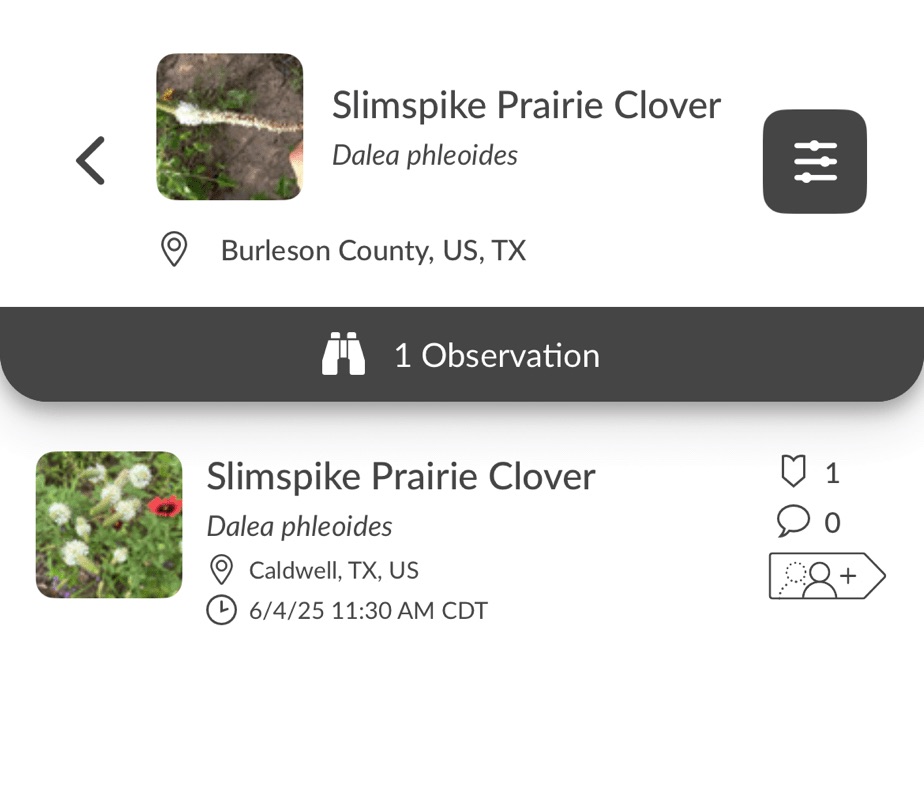
This area also contained plants neither Ann nor I were familiar with. Upon investigating, I found some of these natives have very few sightings in Milam or Burleson Counties. In fact, this Slimspike Prairie clover was the first observation in Burleson County. There are only 4 observations in Milam, all but one by a chapter member!

Other interesting rare plants were these. Maybe they’re not spectacular, but they’re not observed often.

Ann and I were pretty hyped up about all these new plants, and Carolyn was thrilled to find out her property had plants we got excited about. As we looked around the property more, we also found yellow passionflower and the beautiful propeller flower, purple pleatleaf or Alophia drummondii. I stuck in some scenery so you can see the big picture!

After another fun ride through the paths, we headed out, but I had my brain full of new-to-me plants, and Ann enjoyed hearing and seeing Swainson’s Warblers, Summer Tanagers, and two vireos (white-eyed and yellow-throated).

What a varied place to investigate.

We’d all love to return, and we plan to arrange friend trips. The presence of air conditioned rest facilities with refrigerators and water will make this a great place for our chapter’s naturalists to explore and learn about the amazing variety of ecosystems in this part of Texas.

Ann and Carolyn basking in wildflower glory.

A New Toy Wizard

by Ann Collins

I have a new toy! And my life has changed forever! Not sure if it’s for the better, but it lets me be totally lazy. My phone is my window on the world. Living on a downward slope almost to a deep gully, service here is sketchy, often not available at all. Anyway, my new toy is the Merlin phone app, which identifies birds by sound and records a list for me. I’m excited to see what the Wizard has found and I question frequently his ability.

Is it Merlin the Magician or a Merlin bird, or both? (Thanks, AI)

For instance, it has always been a bit of undeserved pride that I’ve never seen a house sparrow on my property. I still haven’t, but Merlin hears them every day or so. House sparrows can be a major pain if they camp out in large enough numbers. They really are considered invasive. They were brought over by some well-meaning moron who thought they would be a nice addition to our native birds. Ironically, in their native England they are becoming quite rare while they have become a real pest here. It’s never a good idea to introduce a plant or an animal you think is cool. Example: the Burmese pythons in the Everglades.
I can’t believe Ann doesn’t want me pooping all over her birding area. Photo by Miriam Fischer on Pexels.com

As I sit inside my cozy sunroom drinking hot, spicy tea on this deliciously cool early autumn morning,* Merlin is busily making a nice list for me. I take my phone out to the deck and conjure up the Wizard and he eagerly gets to work. I’m glad for that, because with encroaching old age many things don’t work like they did in my youth! For istance the high-pitched frequency of many bird sounds simply don’t register in my increasingly deaf ears. Merlin is a relatively new app, so his hearing hasn’t failed him yet – probably just a matter of time.**

Example of Merlin’s observations (Walkers Creek, Texas, October 15, 2024)

I wonder what Merlin’s range is? Are the birds he hears actually in my yard or can he hear the ones a mile away? Just up the driveway? Does that depend on my service or just how he’s programmed? Who knows? Guess I could ask him.

Don’t ask me. I’m Merlin the Bird. Photo by Sethulakshmi Sajeev on Pexels.com

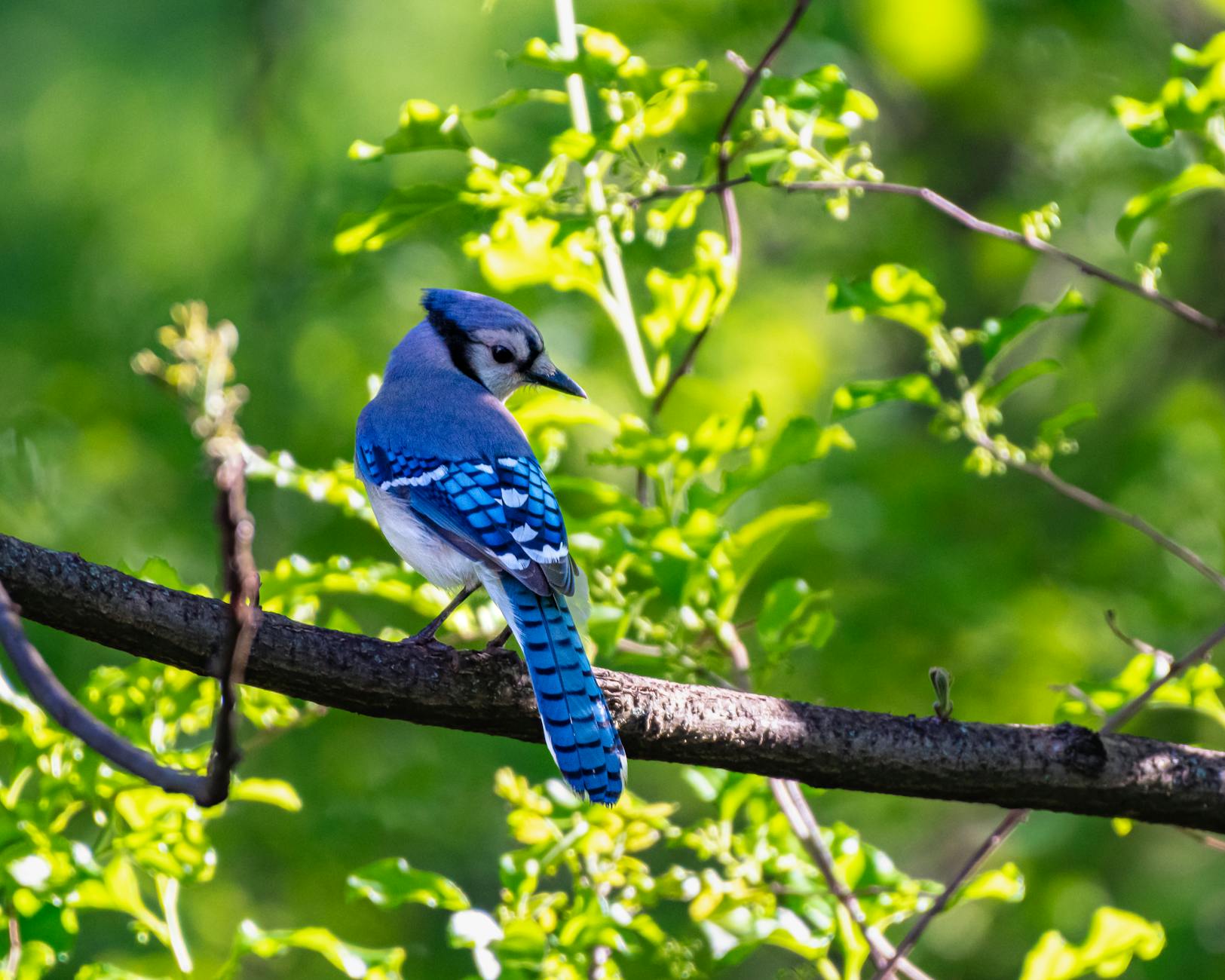
It’s kind of hard for me to trust technology. I didn’t grow up with it like so many of the younger folks. When Merlin IDs a Blue Jay and the next bird is a Red-shouldered Hawk, my skeptical nature questions, was it really a hawl? Some of the calls of these two birds really sound alike. Blue Jays are pletiful here at Chimney Hill and I do have Red-shouldered Hawks regularly. The hawks might even breed here or at least close by.

Blue Jay. Photo by Robert Jakubowski on Pexels.com

House sparrows? Never seen one here. I can thank my lucky stars for that. They can be a real nuiscance. How about a Blue Grosbeak or a Dickcissel or an Indigo Bunting? I did have a number of them a few years back but haven’t seen them in quite a while. I don’t doubt the Merlin reports of Red-winged Blackbirds or the grackles (Common and Great-tailed). Large flocks are not uncommon, so the Red-winged Blackbirds could be traveling with them.

Who knows what kind of birds are in this flock. Photo by Mehmet Suat Gunerli on Pexels.com

In spite of my skepticism and questions I still love my new toy. It really gives a new dimension to my census and wildlife evaluation. I love it!

Thanks to my buddy Suna for programming the app for me!


*This was written during the September cool spell.

**Suna points out that Merlin often has trouble with low sounds like owls and doves.

Wild Wings Taking Flight!

by Sue Ann Kendall

The Wild Wings Bird Sanctuary project is taking off! Our committee members are making so many contributions that it’s hard to keep track.

This is the final logo.

We held a committee meeting last week and got to work on getting our logo and signage planned out, decided to get some sturdy seating, and have planned fun new ways to encourage people to come and enjoy this peaceful oasis for themselveds.

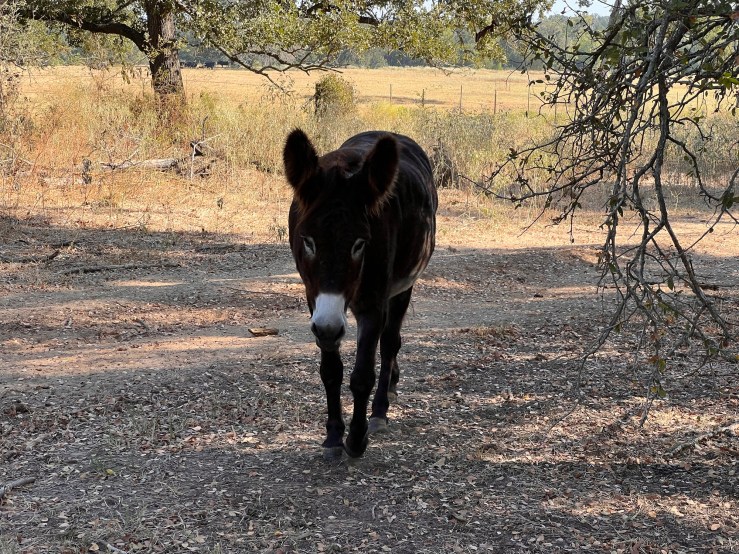
Bonus donkey sightings encourage visitors.

We envision quarterly iNaturalist bioblitzes, evening bird walks, and monthly guided observations. This will be fun! And we decided on our official hours, which will be Thursday through Sunday, 8 am to noon. Visits can be arranged by texting a number we’ll share soon, as well.

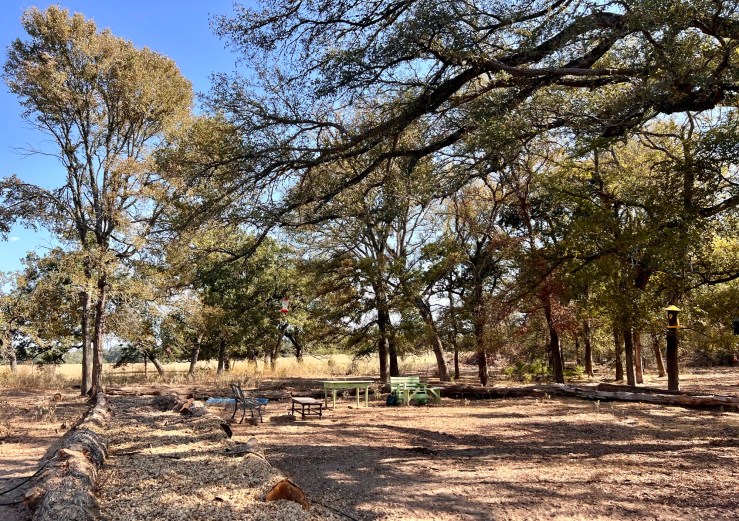
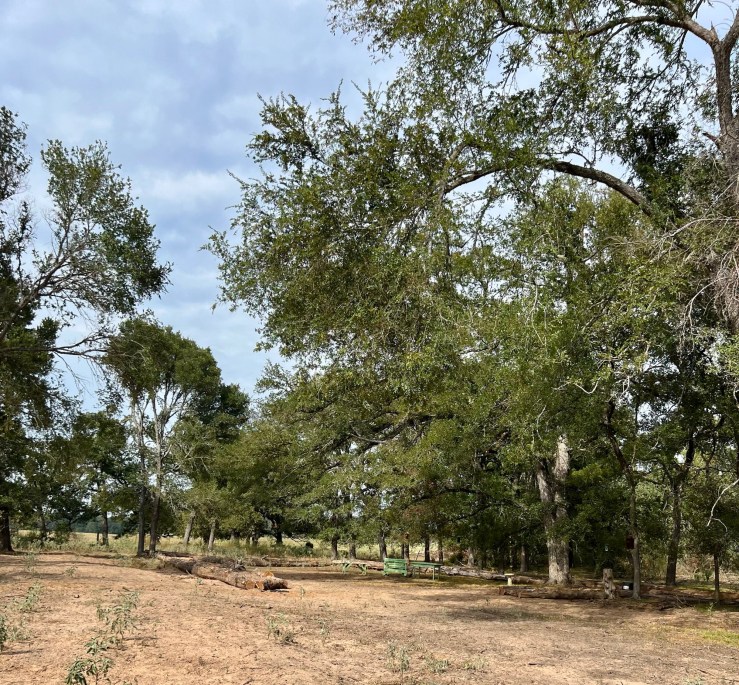
The current seating now has concrete pavers under it, so it’s more steady, and it’s been moved away from the feeders for better observation.

At our monthly official observation day, Sue Ann and Ann heard or saw 25 different bird species. New birds included an American Kestrel and Broad-winged Hawk. Ann observed a Peregrine Falcon a few weeks ago, as well. They took the opportunity to take photos for the 2024 Texas Pollinator Bioblitz on iNaturalist, since there are lot of pollinators hanging around the sanctuary. It was also the best day to record birds, because it was the Big Day on eBird. Sue Ann made sure to record all the birds Merlin found, so they would go into the eBird count.

Be sure to check out our October Observations page to see what birds we saw and heard, and to check our totals page for a list of all 43 bird species we’ve observed since August.

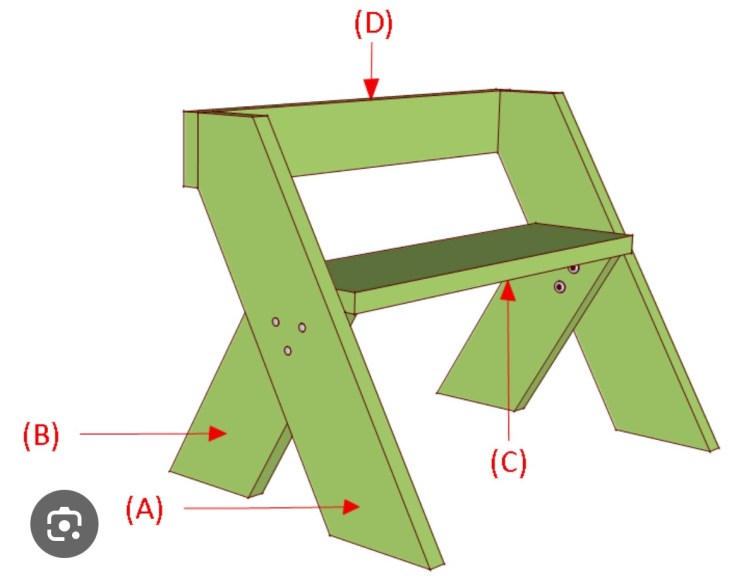
But that’s not all. Committee member Gene Rek has volunteered to build some Leopold Benches, whish were devised by naturalist Aldo Leopold especially for bird watching. They are simple to build and very sturdy, which we have agreed we need to have for public seating. We are aware of liability issues, since we will be making the sanctuary available on the Texas Birding Trail soon. Sue Ann also has some heavy, durable benches she will donate, so Wild Wings will be all set for seating.

Leopold Bench diagram

Wild Wings Bird Sanctuary Update: Hummingbirds, Caracaras, and Bird Baths

by Ann Collins

The Hummingbirds

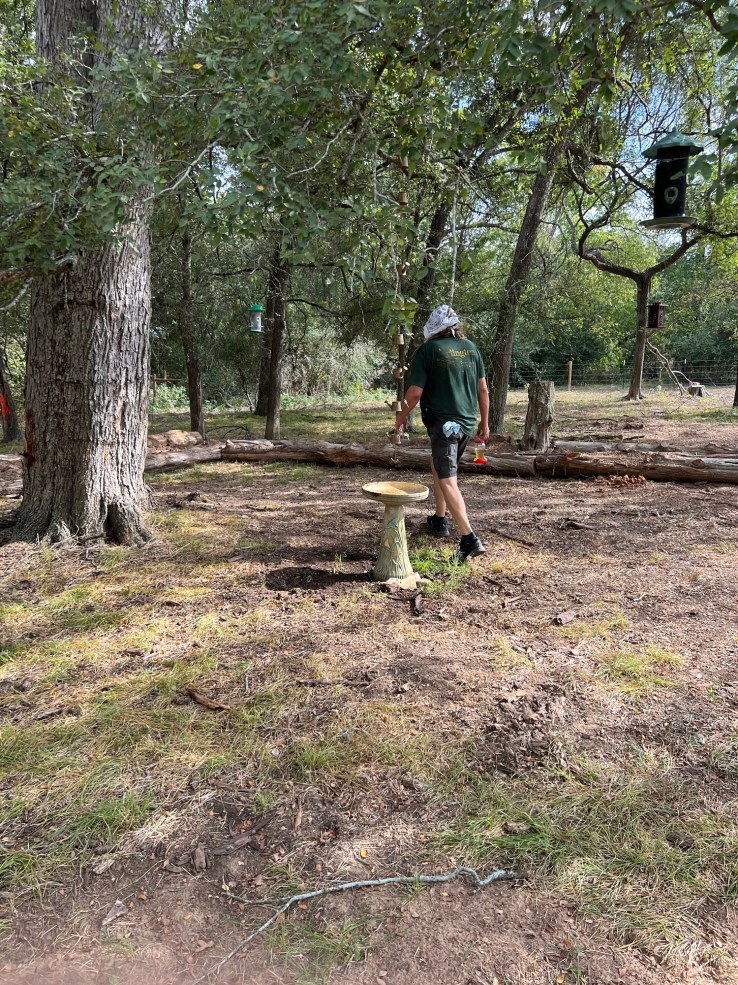
I bribed my little sidekick (not really so little at a bit over six feet and weighing well over two hundred pounds. Anyway, he’s my baby boy, so he will always be “little” to me) to drive me out to Wild Wings Bird Sanctuary to refill the hummingbird feeders. Anthony/sidekick had hung the feeders and of course he “hung ’em high!” I couldn’t reach them, anyway!

The feeders had only a token amount of nectar, so it’s a good thing we went. When we filled them the week before, the hummers were all over them. no hummers were circling this trip. Just FYI, if you go out to the bird station and think the mix looks a bit off, please note that I do not use bleached sugar. If you have ever seen my sugar cane juice, you know it is a dark brownish yellow in color. The color doesn’t make a lot of difference as long as it isn’t colored red with Red 44. Please don’t ever put that poison in your nectar mix.

The hummers are migrating now, so please be faithful to keep your feeders clean and full at all times.

The Wild Wings Bird Santuary

Ruby-throated are the most prevalent in our neck of the woods, but Black-chinned might visit if you have a more open area. You could see a Rufous during migration if you are so blessed.

The Caracara

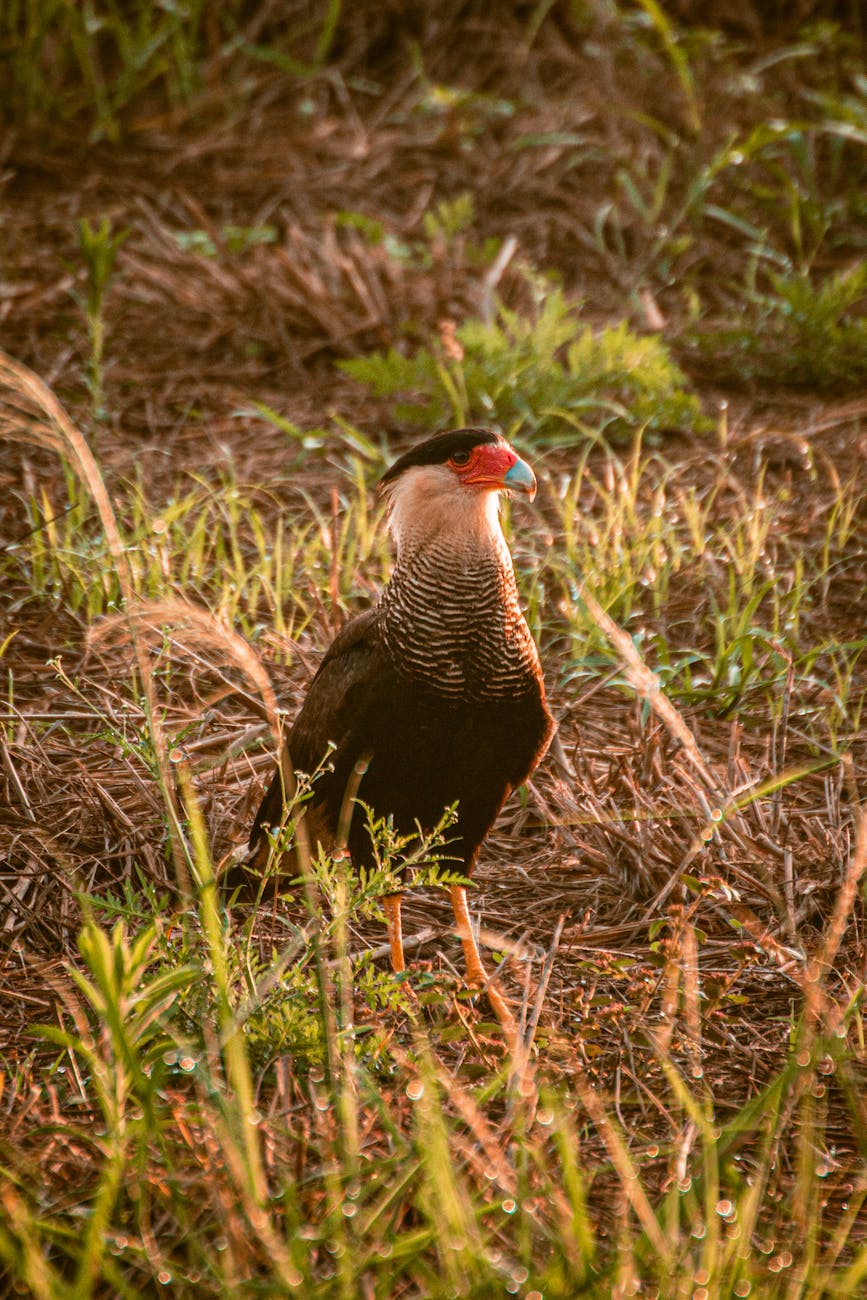
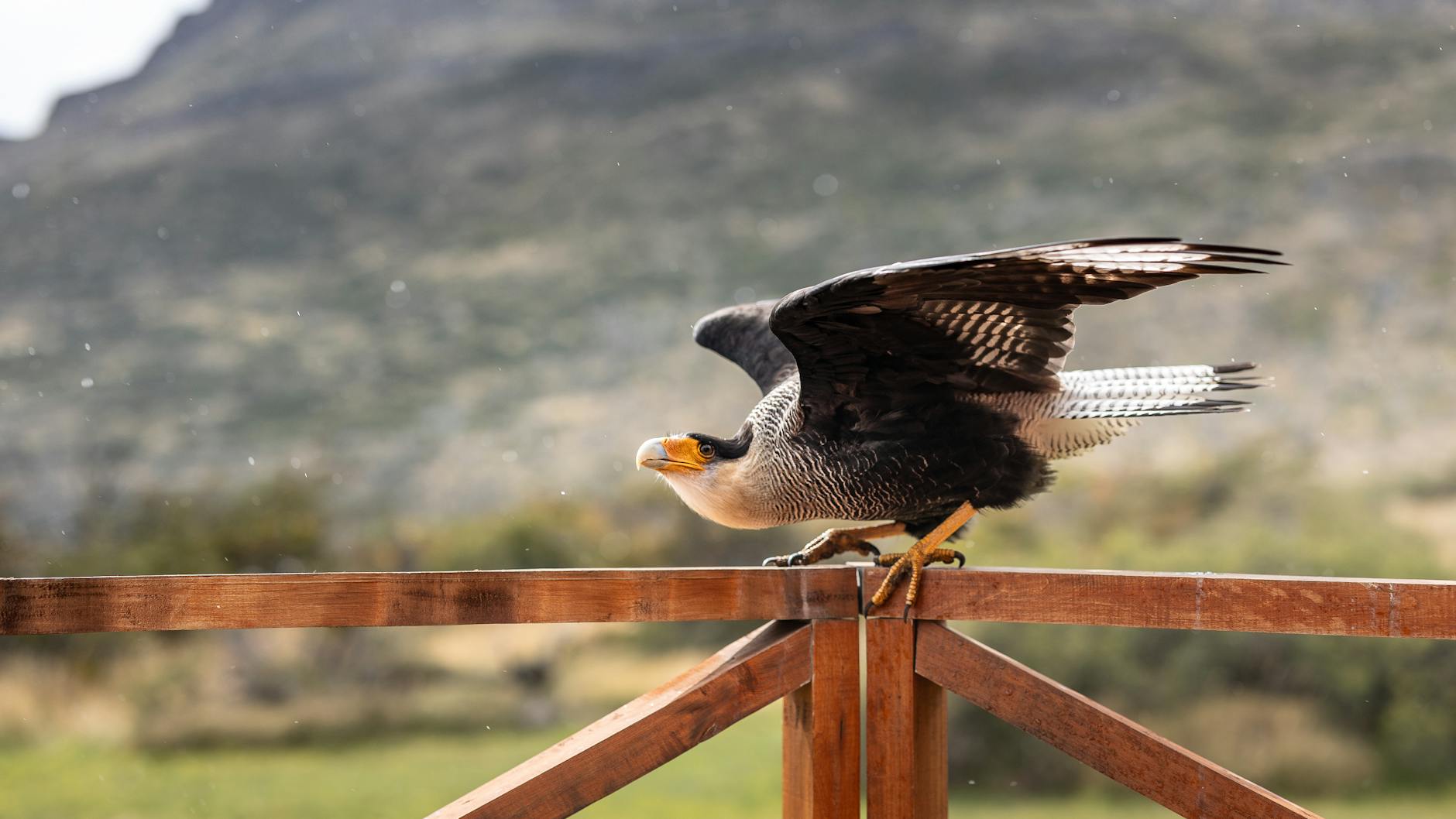
Just before we turned in to Bird and Bee Farn, there was a Crested Caracara perched on the side of a cattle water trough across the road. He posed nicely for us. I say “he” but there is no difference between the sexes. The juveniles are brown with no distinctive white markings.

When we arrived at the gate to the bird station, a caracara came sailing in. There was another one in one of the tall oaks, and “he” can flying out, so we got to witness a bit of a back-and-forth chase. So special! They really are magnificent creatures, even if they do enjoy some freshly killed carrion.

Caracara. Photo by Felipe Gonu00e7alves on Pexels.com

Locally, some folks call the caracara a “Mexican Eagle.” Sorry, but they are not related to eagles at all. In fact, they aren’t related to hawks, falcons, or vultures, either. They seem to be in a class by themselves. They are birds of prey, so I guess that means they can kill if necessary. They are frequently seen feeding with vultures, so maybe they are opportunistic of just plain lazy.

They are regal birds, for sure. Photo by Marek Piwnicki on Pexels.com

A black crest adorns their heads and part of their beak is orange-red, giving them the appearance of having a red face. The chest, tail, and wing tips are white, so they are often descrivved as “white on all four corners.” They are the only species of caracara in the US, but there are probably more to the south of us.

The Bird Bath Saga

There is a lovely little bird bath at the santuary that the rain chain drips into. We had hoped to be able to keep a steady drip for the birds to have a safe souce of water for drinking and bathing. It’s barely a couple of inches deep, but the heifers or raccoons think Gene put it out exclusively for them. Sadly, they dismantle it and knock the bowl on the ground so that the rain chain just makes a damp spot on the ground. Cindy and Catherine have been diligently seeking a larger, heavier one to put in its place. Lots of dead ends and “sorry, you’re too late” have put quite a damper on the search. Of course, we want one cheap or free.

Ann with the original bird bath.

Update: I just heard from Cindy, and she actually has one for us! Yay! Good job! I know the birds will be happy, too. Pay attention to their tweets for the next few weeks.

Please come for a visit and sit a spell. Even if the birds are still shy, there is always a cool breeze and blissful quiet.

Wildscape and Bird Sanctuary Celebration

by Sue Ann Kendall, with help from many

Last Monday our chapter hosted a welcome celebration! Can you believe our Milam Wildscape is five years old now? Just think of how many hours of volunteer work have gone into making the Wildscape the sanctuary it’s become, and think how many people have been inspired to go home and start their own little wildscape!

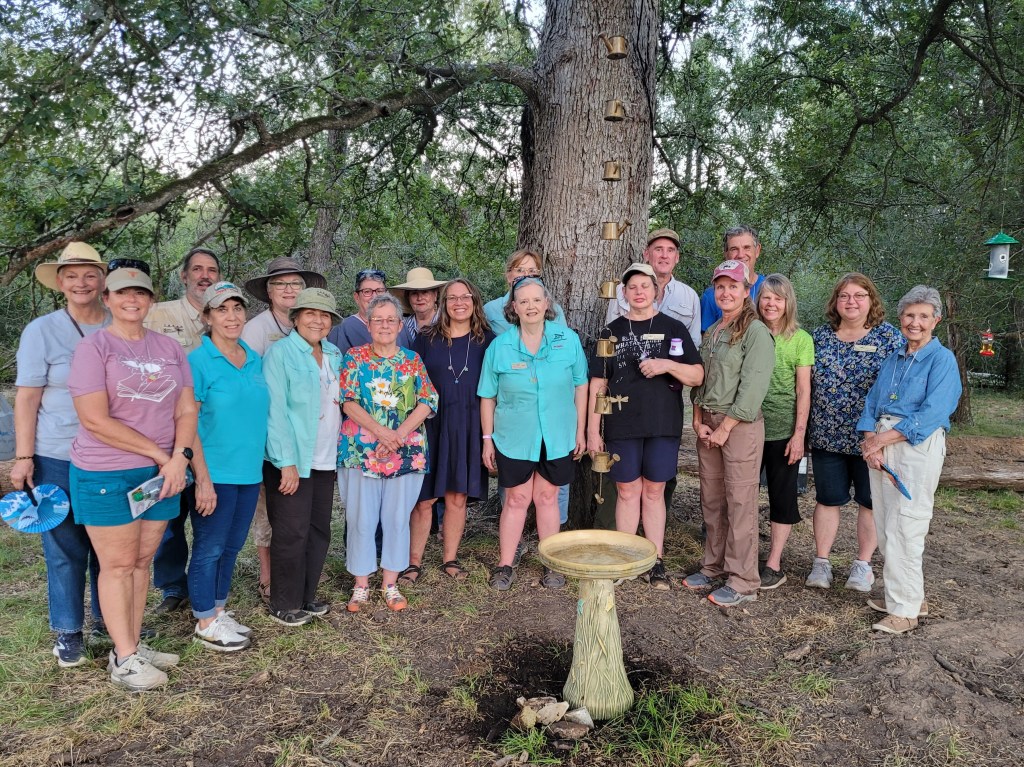
El Camino Real Texas Master Naturalist Chapter members at the celebration.

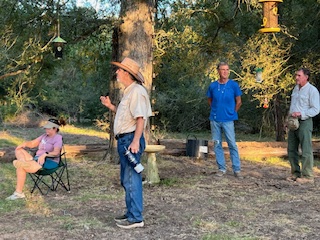
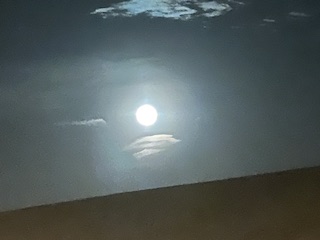
Twenty-two people attended, as reported by Wildscape founder Catherine Johnson. After food, drinks, and welcome ice cream (it was hot), the attendees met around the fountain at the Wildscape, where they learned inforrmation about the Sturgeon Super Blue Moon that was rising later in the evening.

Enjoying snacks

Those who have worked so hard on the Wildscape received recognition for their amazing contributions to the project, and everyone got goody bags and light-up star necklaces, perfect for the occasion.

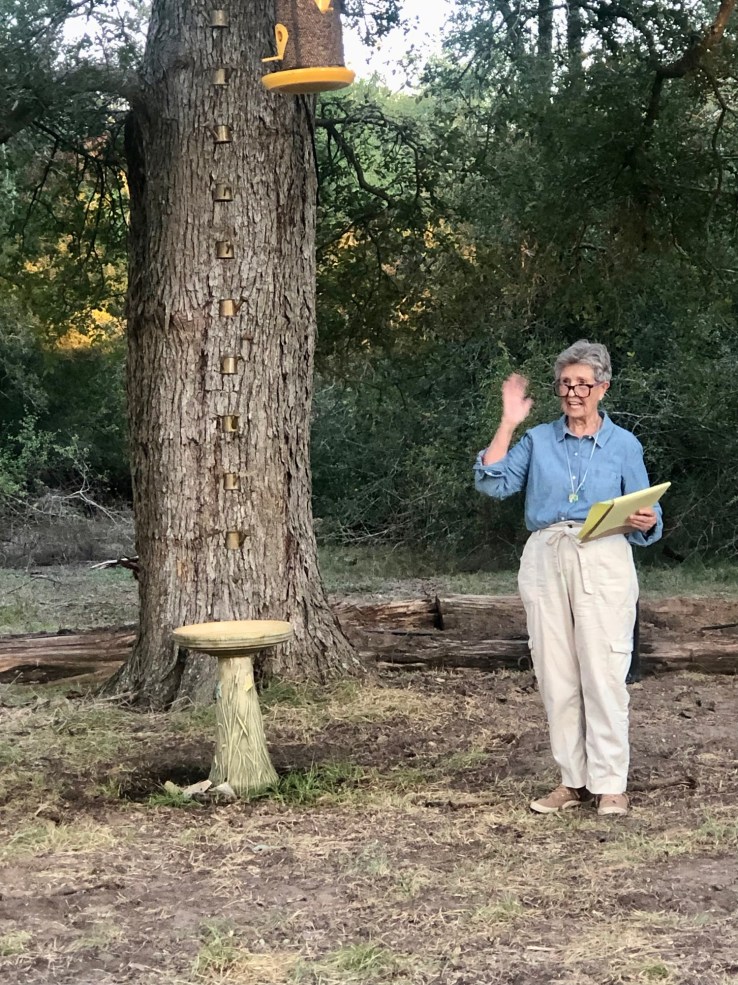
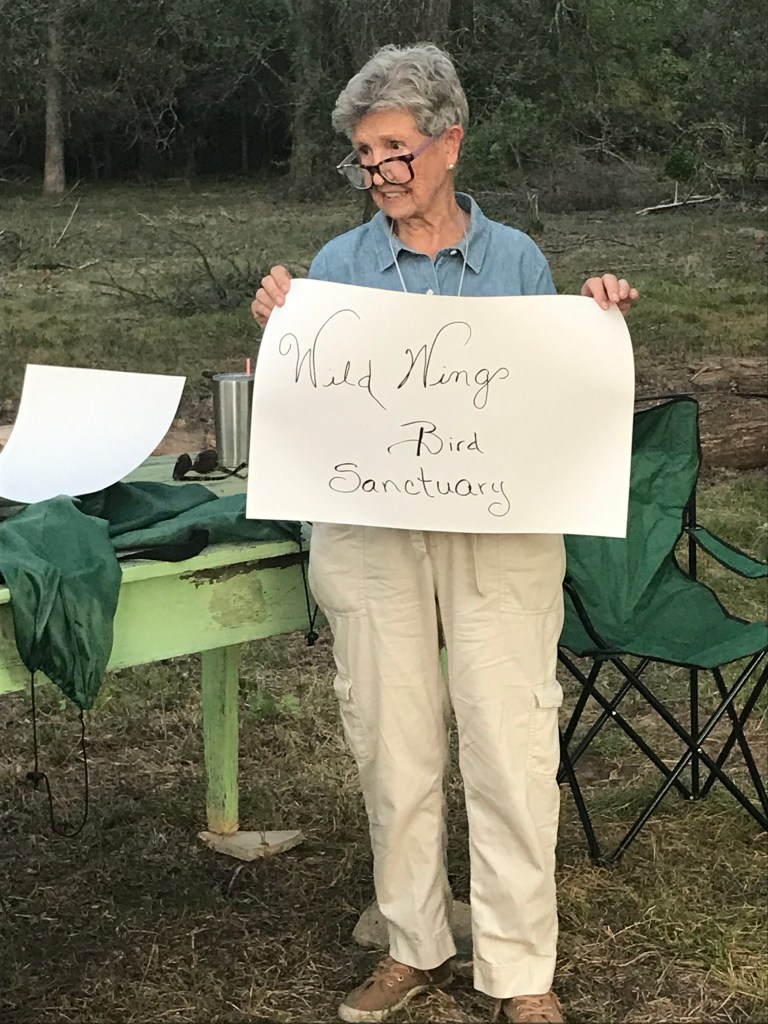
The next part of the evening focused on our birding station, where its permanent name, Wild Wings Bird Sanctuary, was announced by Ann Collins. I was honored to have one of my suggestions chosen for the name.  Ann shared her thoughts, which are reprinted below, and showed off the extensive additions to the site that the Wild Wings team have been creating.  

After the dedication of the bird sanctuary, the attendees returned to the Wildscape, visited, and watched the beautiful moon come up.

Thank you to Pamela Neeley, Janice Johnson, and Rosie Johnson, and Linda Burgess for photos.


Wild Wings Bird Sanctuary Dedication Remarks by Ann Collins

Four years ago, Gene Rek, Cindy Rek, and I began exploring the possibiity of creating a bird station at Bird and Bee Farm. Unfortunately, I had a very unscheduled emergency brain surgery. Needless to say, lots of things got put on the back burner! We did choose an absolutely gorgeous spot for the station.

Well, four years passed and we revisited the idea and had another look at the site. then Gene, Mr. Energy, got to work while I fell and broke my wrist, which was another setback for me, but it didn’t stop Gene. Lnda Jo Conn things I arrange my setbacks so othre people will step in to do my work. Maybe so, but folks did get excited and got to work for me!

Gene made a road to the site, ran a water line for a water source, built a fence, mowed, set up raised beds for native plants, and all sorts of other things that I couldn’t have done anyway! Catherine Johnson searched tirelessly online for benches for lounging while birding, and she found the most adorable vintage bench, rocker, and table. She got them cleaned up and installed. Thank goodness they are somewhat hidden away or I fear they might be stolen, they are that cute! And we got a birdbath “pilfered” from Rose’s garden (named after Gene’s mom), which is a favorite target of the cows, who knock it over.

Suna Kendall contributed a couple of bird feeders and has spent quite a bit of time canvassing the birds. She’s a kind of a computer nerd and knows her way around them. I’m more of a luddite myself, but I greatly admire her skill. She is putting a bird list on our blog for each month. Check it out, and check out our new web page chronicalling our activities!

(You are welcome to share any cool birds you observe – Suna)