Araneae, Odonata, and Anura at Apache Pass

by Linda Jo Conn

Eric Neubauer and I joined forces Wednesday, July 7, to investigate the diversity of wildlife at the Apache Pass Event Center on the San Gabriel River, a unique location on the El Camino Real de los Tejas National Historic Trail and a stop on the Brazos Loop of the Great Texas Wildlife Trail promoted by Texas Parks and Wildlife. 
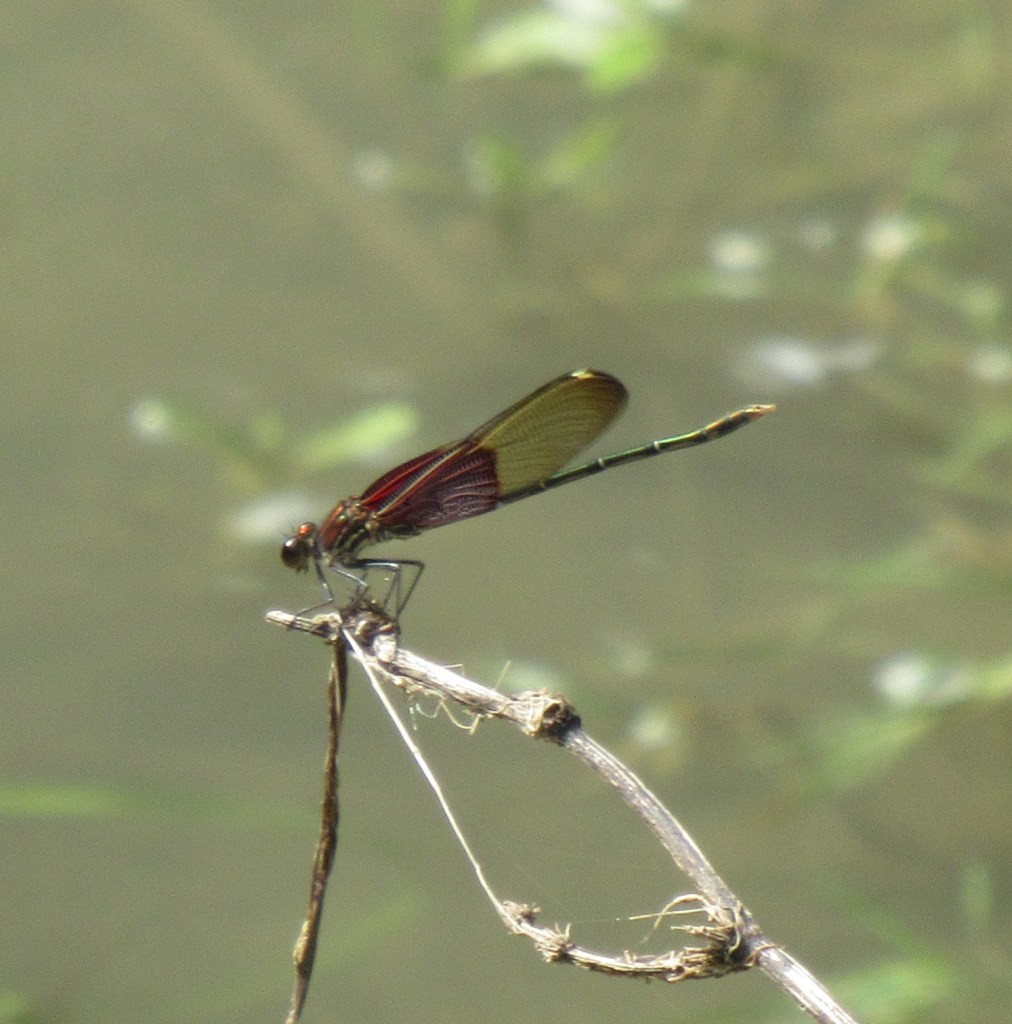
Damselfly

The mowed, fertilized and herbicided open areas of the privately owned location did not hold a lot of appeal for exploration, especially since the Bermuda grass was dripping wet from morning dew.  The peripheral areas along trees and fence lines were the more interesting locations for plants and listening to bird songs. 
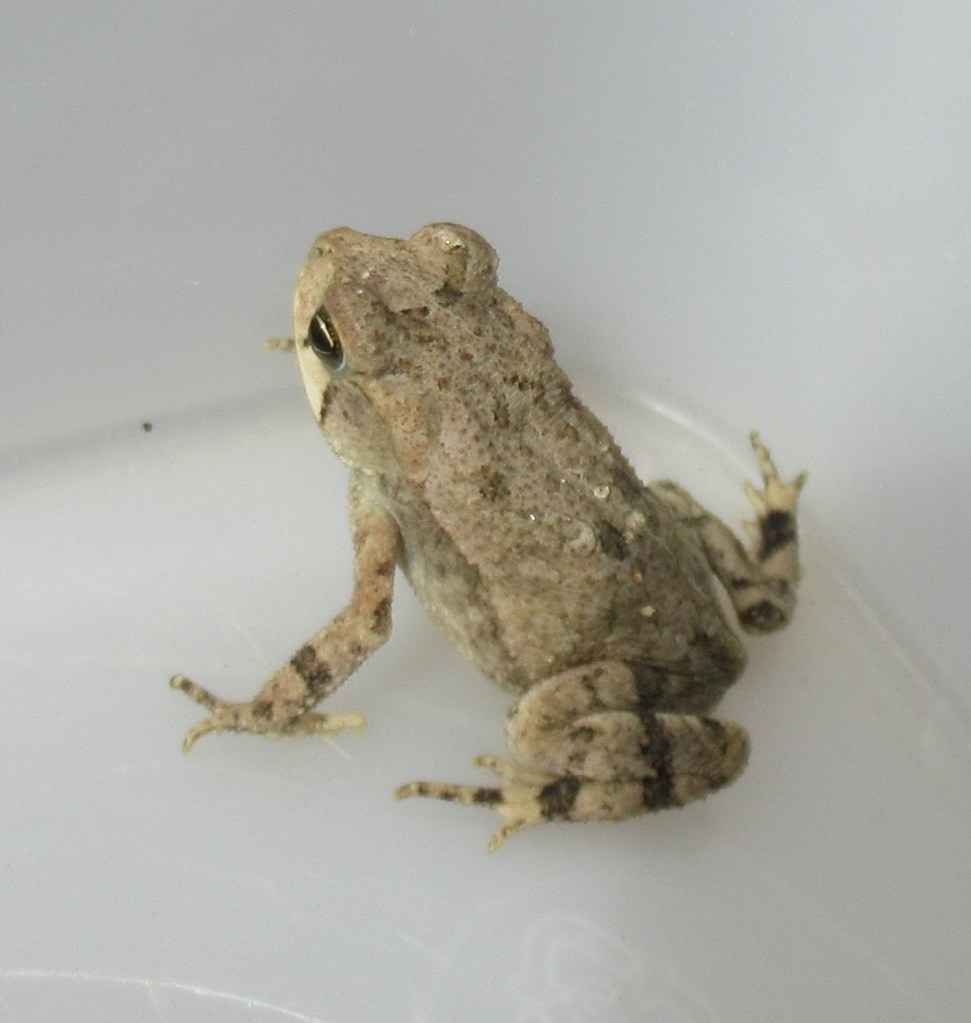
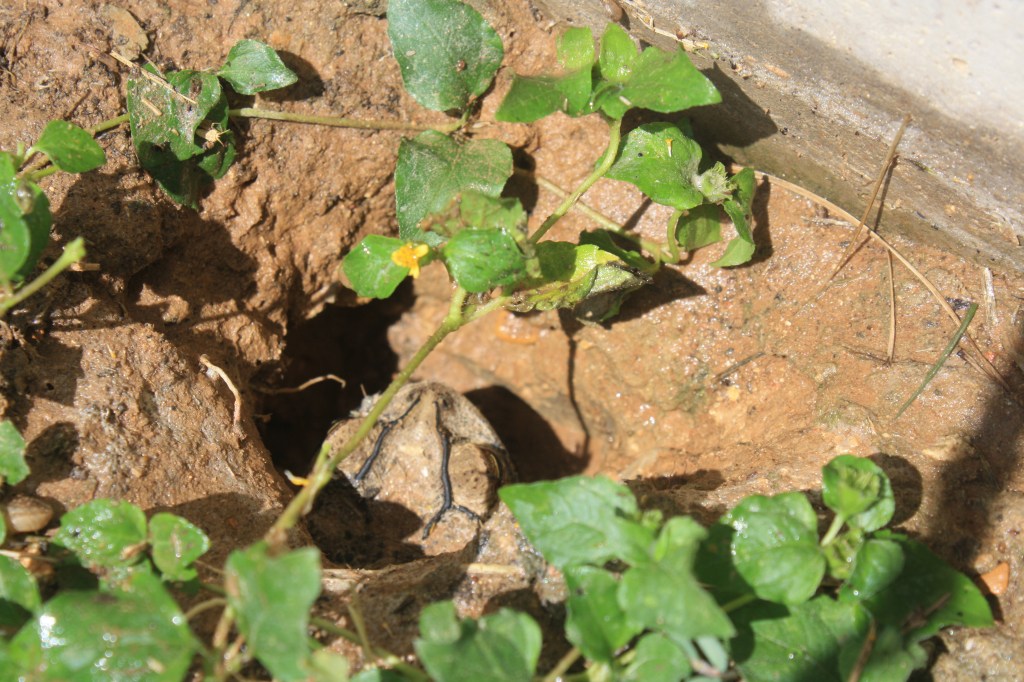
A frog!

A gravel bar beside the flowing river was the high point of the visit.  It was teeming with spiders, damselflies and small frogs.  A naturalist’s paradise!
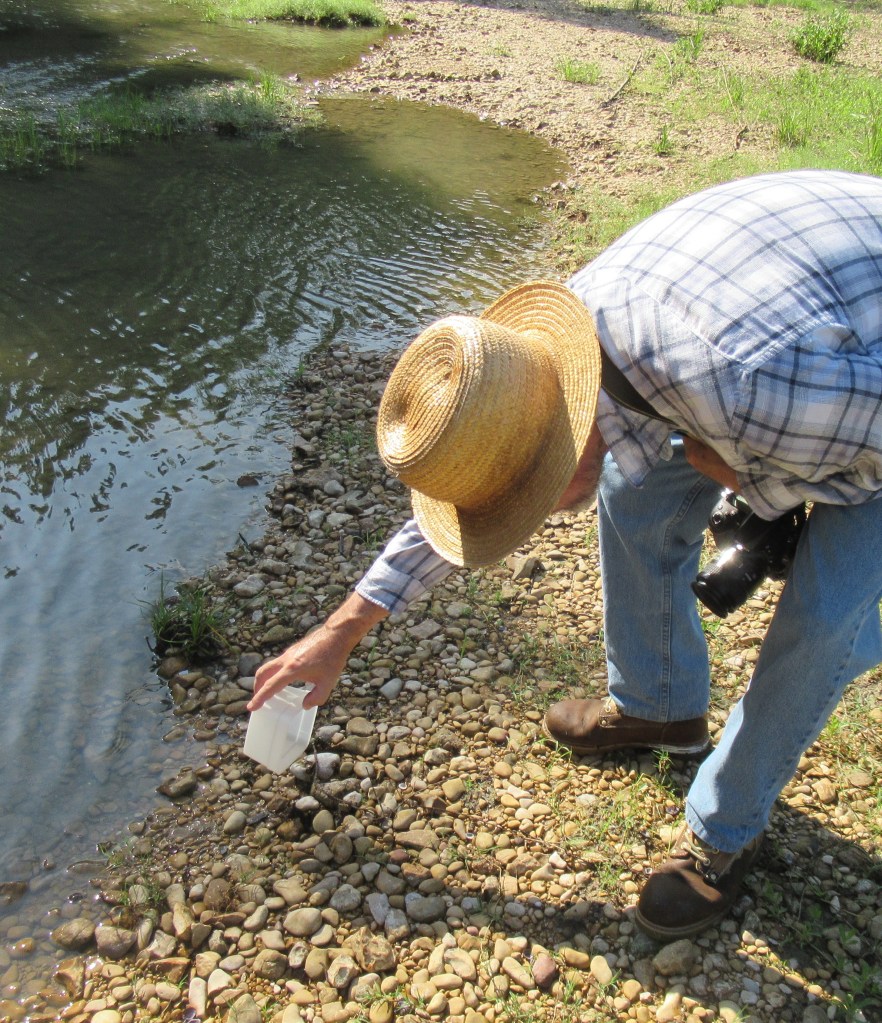
Eric with the “spider scoop” (a white plastic storage container)

Eric brought his awesomely simple spider scoop which made the photography and inspection of spiders a snap as well as his advanced (compared to my point-shoot-and hope) camera and his vast knowledge of spider identification.  As usual, the adventure was a learning experience for me.
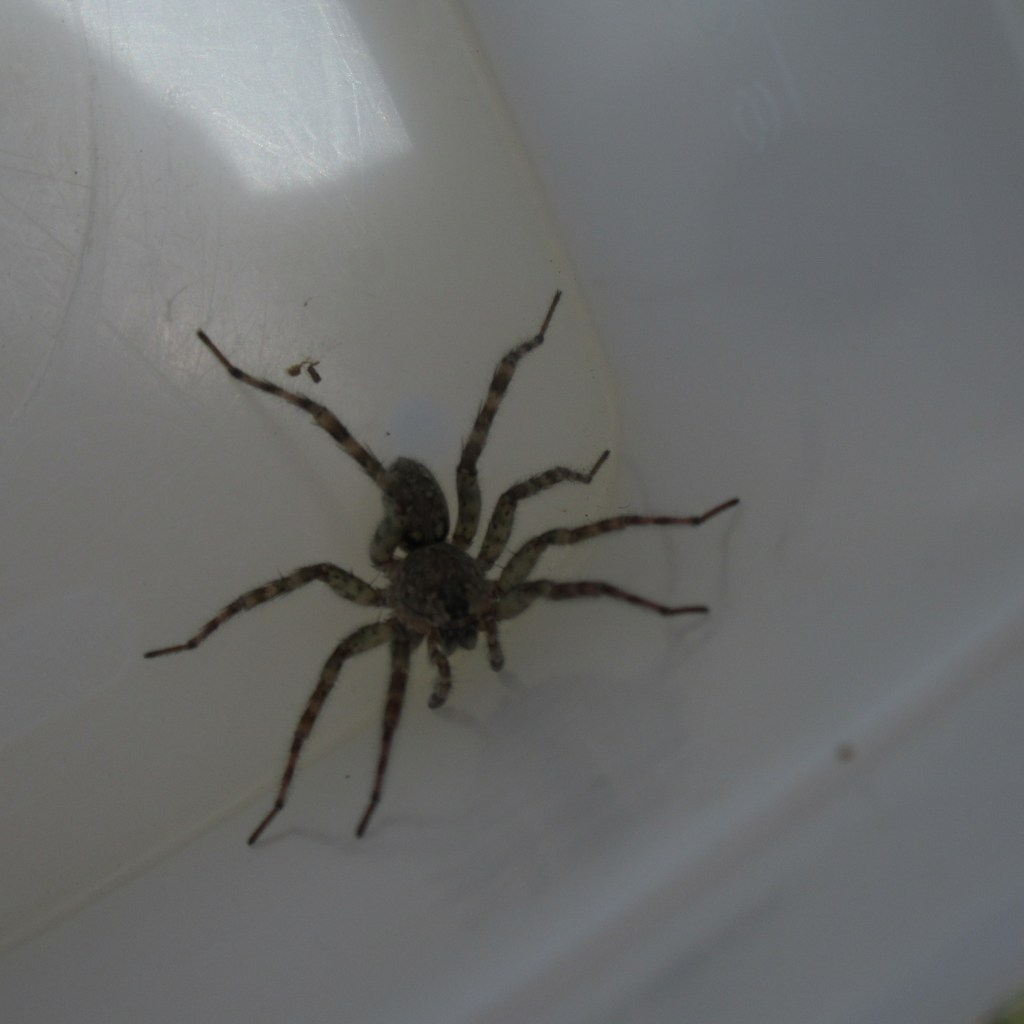
One of Eric’s spiders.

The number of colorful damselflies we observed was incredible, as well as the many tiny frogs and toads Eric was also able to spot and point out.  I am certainly looking forward to another visit when the river is flowing at a slower rate.  If you decide to drive over that way yourself, be sure to visit the gravel bar along the river.  And visit iNaturalist.org for the day’s observations by eanuebauer and connlindajo

Fledging in Progress

by Donna Lewis

These are my ladies in waiting.

For those of you who don’t know what “fledging” means, its when the baby bird takes its first flight.

In purple martins this happens at or after it is 28 days old.  So it is good to know when the very first eggs are laid so you know when this will happen.

If you lower a house down to clean it or look at the nests, young who are close to this age can become scared and jump out. Not a good thing! I have had this happen to me, a long time ago before I was experienced with these birds.

This resulted in a frantic chase by me to catch them all, put them in a container, then replace them in the nest quickly. After that I had to close up the entrance hole with a bandana. Then I tied a long string to the cloth, and raised the house back up. After several minutes, I slowly pulled the bandana out. Luckily the babies stayed in their house.

Right now you can see the mothers and babies who are flying sit on the house and talk to the babies still inside the gourds. They try to urge them to come out and join the rest. They will circle all day and chatter until every young  martin has made it up to the skies.

It’s a wonderful and magnificent sound!  You won’t forget it.

I’m Watching You

by Donna Lewis

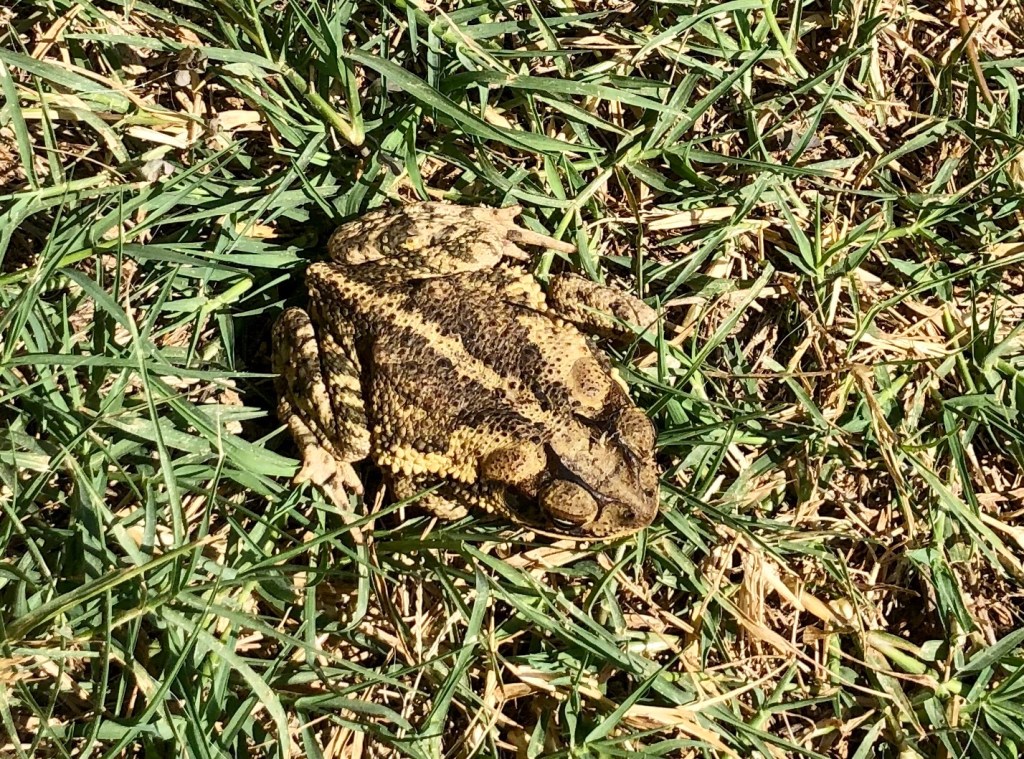
I bet most of you have seen these really big toads around your house. They will probably be near a faucet or anywhere it’s wet.  If you make any noise near them they, peak out at you. They are Gulf Coast Toads.

This one is a female, which can be figured out because she is really big. You can tell the Gulf Coast toad species because of the prominent cranial crests on her head, which you can see in Suna’s photo below. 

Gulf Coast toad, photo by SA Kendall

These toads live from Mississippi in the east down through Mexico. They are common in our gardens, and eat lots of insects. They come out at night to party, so those of you who are out late might see them.

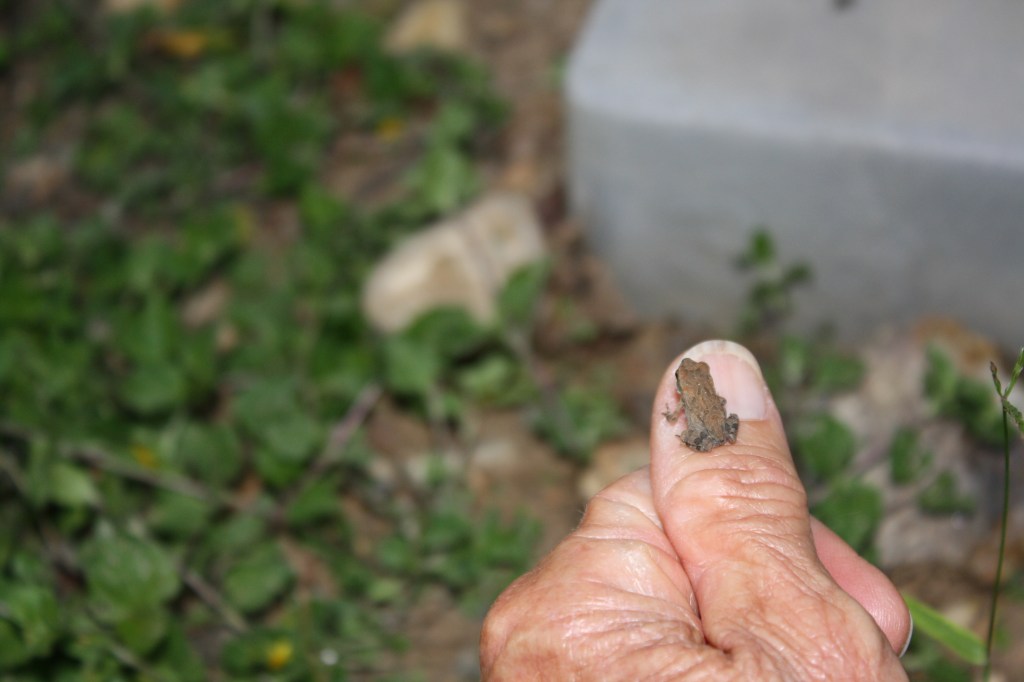
I took a photo of one of their babies last year, I think they are so cute. There were lots and lots of them. [Suna’s roommate in Austin reports there were hundreds of babies in their neighborhood last week; the toads are very common near their creek.]

Something Else to Read

For more on fun with these toads, see Suna’s blog post about how a toad shot out of a water pipe and confused her dog.

Shades of Purple

by Carolyn Henderson

Colorful blooms are bursting out all over at the Bird and Bee Farm Wildscape. Whatever your favorite color might be, it’s in there. 

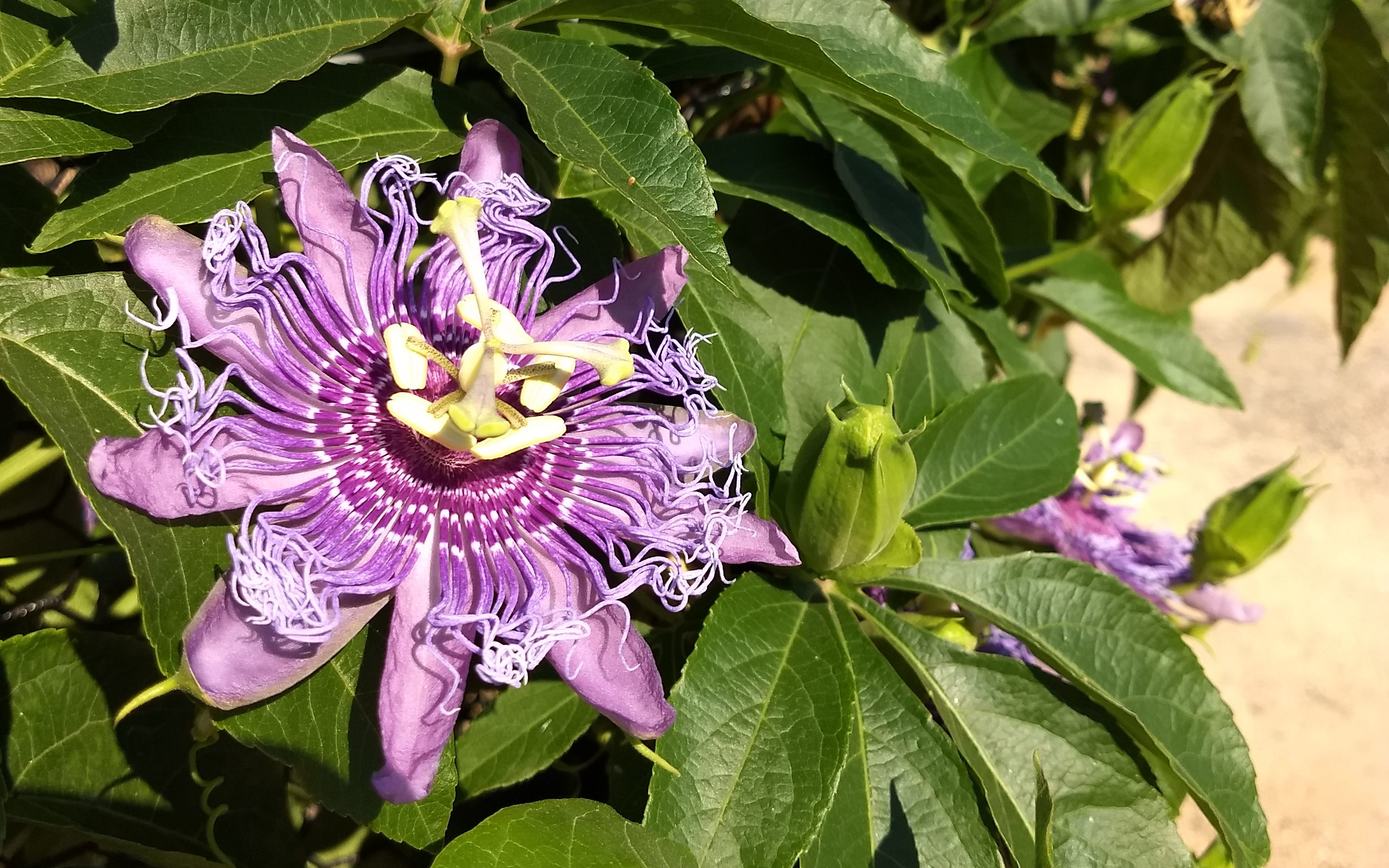
Passionflower

Shades of purple are particularly abundant. They range from the bright Mock Vervain purple to the pale bluish-lavender of  Palmleaf Mists. There is a specimen of just about everything in between. I’ve included seven different flowers that are classified as “purple”. And all of them are native to Texas. They can grow in sand and blackland and most of them don’t need much rain. 

Garden cosmos

If purple is not your shade, reds, oranges, yellows, and whites are also broadly represented.  I encourage you to come and see all the colors. There are plenty of butterflies and bees to watch, too. They are particularly fond of most of these flowers. 

You can plot next year’s garden from here. And often times there are free samples to take home. Our chapter will be hosting Girl Scouts on July 17 in the morning, at the Wildscape. It’s a good time to go check out the place for yourself. 

What Is This Flower?

by Donna Lewis

I am always looking around for nature. This past week I found a wildflower that I had never seen before on our property. I did not know what it was, just that it was new and very pretty.

The pretty new flower

So I called upon two of our own members who really know wildflowers, Suna, and Linda Jo. As I expected, one of them responded quickly with the answer.

The new residents in Donna’s garden

Linda Jo was first to ID this as a Basket Flower or the common name “American star thistle” Centaurea americana. [Suna recognized it, but couldn’t remember the name.]

The flower heads are 4-5 in. wide and are subtended by fringed bracts. The plant looks similar to the thistles but lacks their prickly characteristics… The name “basket flower” refers to the stiff, straw-colored bracts just beneath the flower head, which are divided at the tip into long, sharp teeth.

Ladybird Johnson Wildflower Center Plant Database

I was happy to see a wildflower that I hope will love our place and have a family here.

As Spock would say…Live long and prosper!