When a Four-Year-Old Takes Hold of Your Camera

by Carolyn Henderson

On Sunday, November 21, I discovered that four-year-olds have a natural eye for photographing nature. It started on the Saturday evening before when a friend asked me what I was going to do on Sunday, and I said I was going to go “iNating” at Wilson-Ledbetter Park in Cameron. And she said she and her daughter (the 4-year-old), would like to go with me. 

Vivi and the lady beetle.

Around noon on Sunday, we met at the park. Spring (the friend) had printed a nature scavenger hunt for Vivi (the 4-year-old). The idea was to keep Vivi occupied while learning about nature. It didn’t take Vivi long to find everything pictured except two with the help of Spring. A pinecone was not going to be found at Wilson-Ledbetter, because there is no pine tree there. We didn’t see a squirrel either. 

Wilson-Ledbetter Park bridge

She had been interested in me taking pictures of Birds-eye Speedwells, Straggler Daisies, Santa Maria Feverfew, Docks, and a Black Willow sporting yellow fall leaves. She asked me what each one was, and luckily I knew them – so far. This is when she decided to help me take pictures. Spring tried to divert her by offering her cell phone, but Vivi wanted the camera, and I was willing to share. It’s old and I need a new one, anyway. 

These seeds are not delicious.

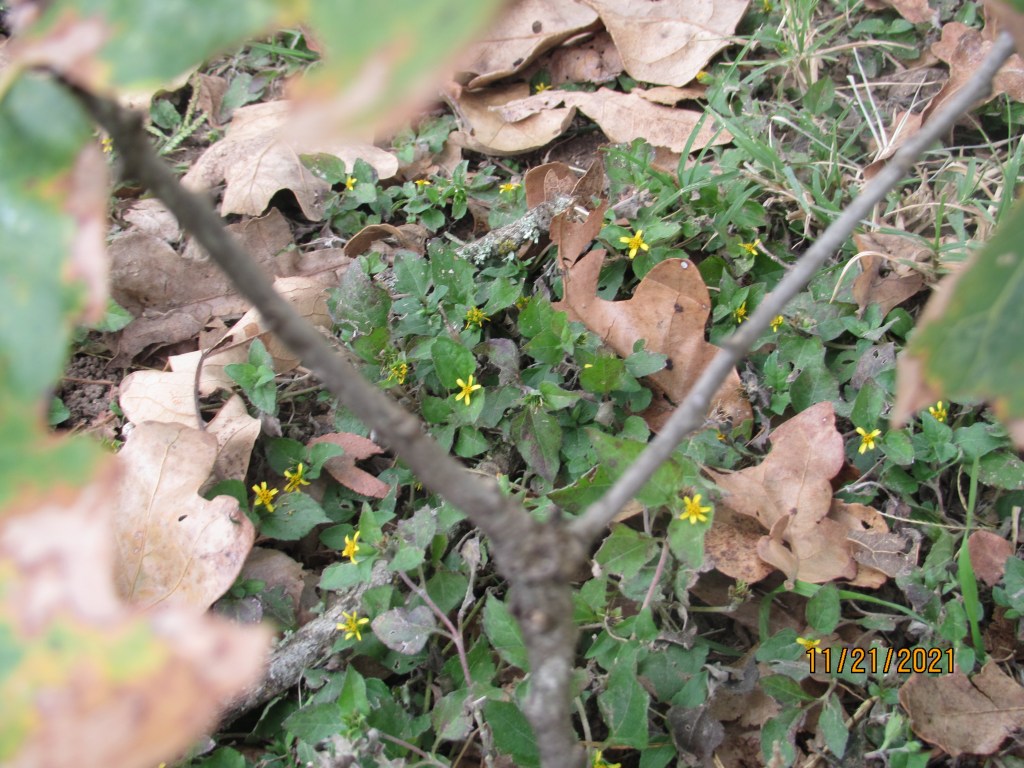
After a few times reminding her to keep her fingers from in front of the lens, she had it down. She took a particular interest in holes in the ground, anything that had a “V” shape, because she knows that’s the first letter of her name (and the other letters, too), the blue seeds on an Eastern Cedar (which we had to dissuade her from tasting), Carolina Snailseed, Frostweed (which was still blooming), dandelions, and Lady Beetles, which she could also catch.  She had as difficult a time as I do trying to get some little yellow butterflies to be still for a minute. 

Carolina snailseed

All the pictures shown except for her holding the Seven-spotted Lady Beetle were taken by Vivi. She asked me to tell Santa Claus that she wants a camera for Christmas. I quickly sent the message to Santa. ; )

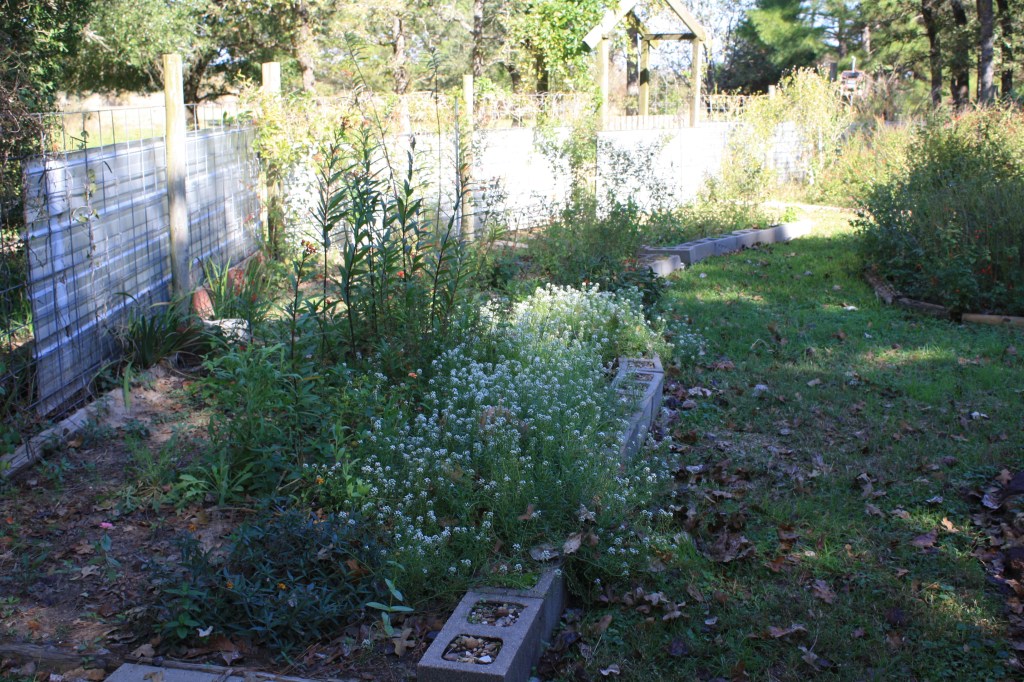
Donna’s November Garden

by Donna Lewis

Hello everyone,

As promised, I am showing you photos of my pollinator garden through all 12 months of 2021. You can get an idea of what changes take place.   

My garden is 95% native plants and trees. That fact has made it more resilient to temperature and other factors making it easier to manage. Even now I have a few Monarchs, Fritillaries, Swallowtails, Sulphurs, and a host of other butterflies.

It is pretty warm in the garden so many plants like Salvia and Blue Mist Flower still have nectar to provide. Today it is cloudy and windy, not a good day for the butterflies to be out and about. The garden also has more shade now because of the location of the sun. Butterflies need sun to warm their bodies. They cannot regulate their own temperature.

The leaves are starting to cover the open areas and the plants. This provides the needed cover to protect living things from chilly weather. I have tree frogs moving around under the vines.  You can find chrysalis of several butterfly species under branches and along the fencing. Yes, it might look messy, but not for the wild things.

As I like to remind all of us who love nature… you must remember who you are gardening for? Look at the garden from the bird and butterflies’ point of view.

Soon it will be time for the winter nap.

Mystery Flower Revealed

By Carolyn Henderson

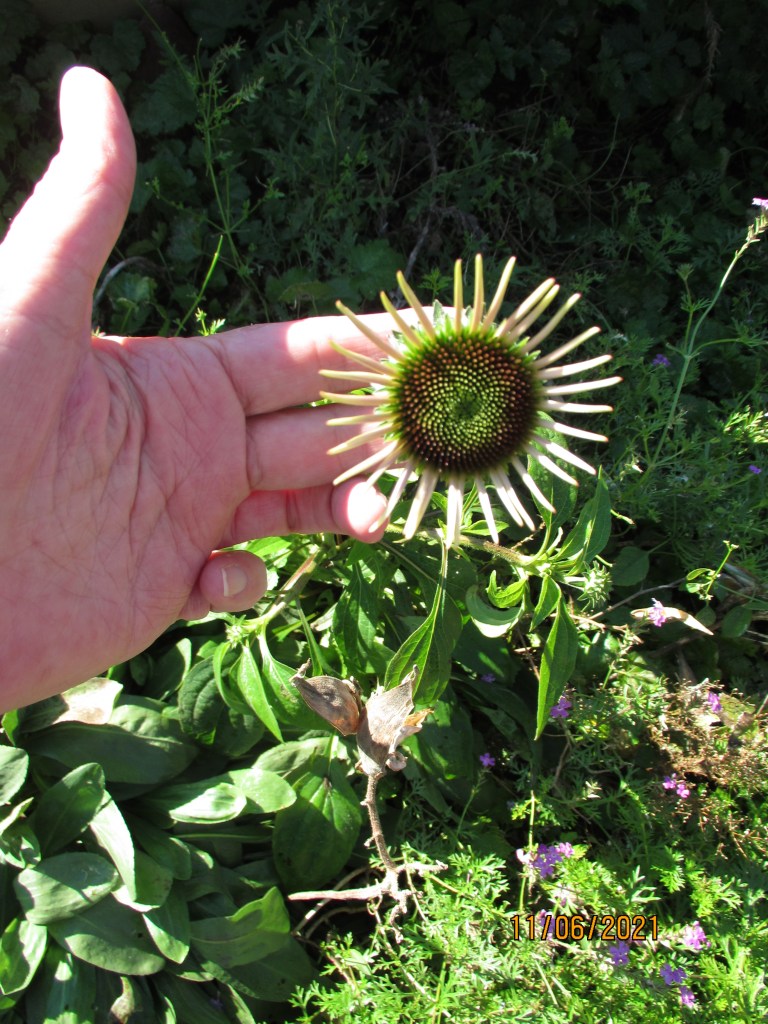
The mystery flower at the El Camino Real Texas Master Naturalist Wildscape that we shared a picture of a few days ago revealed itself one week later at the second weekend of club members working very hard to spread native Texas wildflowers. It is a Purple Coneflower

The flower in its mystery state

This particular Purple Coneflower is somewhat unique in that it is a very late bloomer, its bloom is unusually large, and no one knows how it got there. It has several other buds that I hope get to open up before a hard freeze. 

Now it looks familiar!

If you’d like to see the mystery (now revealed) flower, the ERCTMN members will be holding one more weekend of giving free native Texas Wildflowers to anyone who’d like some. Pots to put them in when they are dug up ran out last weekend, so bring something to put them in to take home. The Wildscape is on County Road 334 at the Bird and Bee Farm

Echinacea purpurea

The only plant that doesn’t have extras is the Purple Coneflower. Cultivator Catherine Johnson hopes to collect seeds from it to share next spring. 

Purple Martins – Where are they now?

by Donna Lewis

We have not been able to hear the lovely and enchanting sound of our Martin friends since they left in late summer.

Have any of you wondered where they go and what they are doing right now? I thought you might want to know.

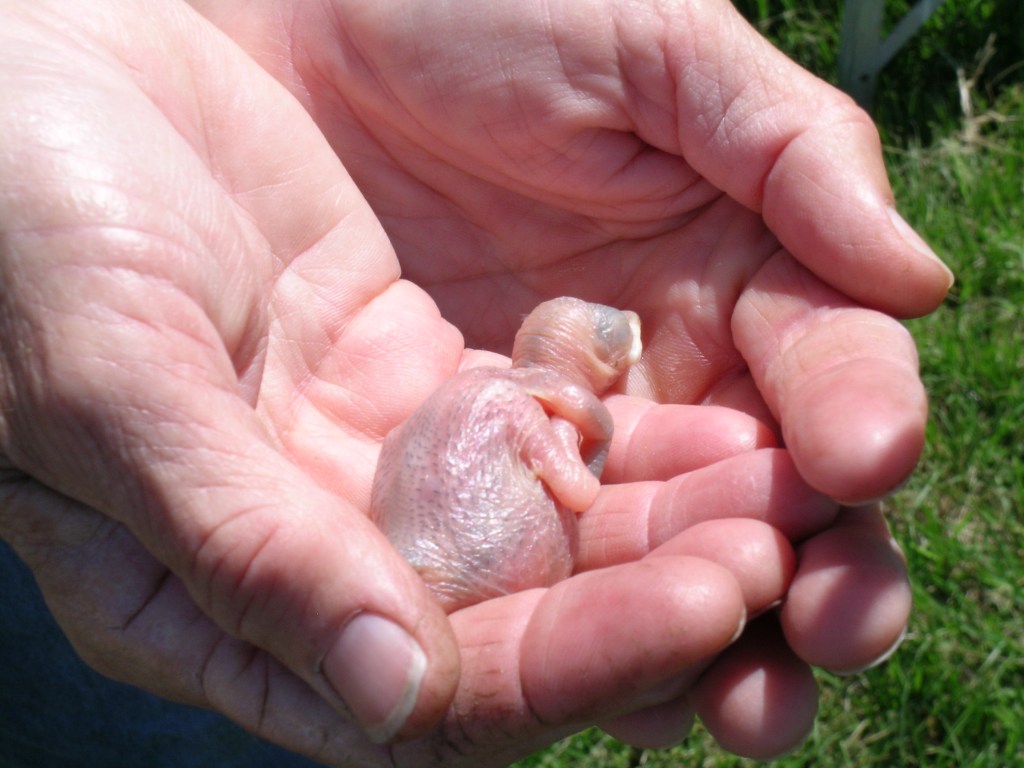
Some of my babies

The Martins leave on their migration journey in late summer. They are coming from as far north as the border of Canada.  So quite a journey for some. Others have mated and reside here in Texas.  They might be the smarter ones. Not as far to migrate when the time comes.

No one knows for sure how they decide the time to get going south. Factors such as weather and available food factor into the decision. Martins are highly social birds.   After leaving their nesting colonies where their landlords cared for them, they form communal roosts.  They will sleep at night and wait for more to join them.   

Babies from 2011

Then all of a sudden, they will start to leave a few at a time and head South. They arrive and live amongst the Amazon jungles and South American areas where water is plentiful. They will live in these areas which include Venezuela, Columbia, Bolivia, and the most researched Sao Paulo Brazil till the instinct to return to North America comes over them.

Who returns first?  It is the older males first. This is most likely to obtain the highest and safest housing. Of course, this can be the worst thing if the weather stays too cold or wet.   

Newborn!

The youngest Martins may take 6 weeks to return. So many things can end their journey.   Weather, food, and loss of their housing can result in loss of life. One banded female was confirmed to have made a 4,000-mile trip in 47 days to return to her landlord.

Climate Change is also becoming a factor. When an unexpected freeze occurs here in Texas, the insects that die from it mean no food for the Martins. They do not and will not eat seeds like many other birds. They eat live insects.

Older babies from 2015

Time will tell how our friends can adapt to the changing world around them. If I can help them, I will.

But we also have to remember that we cannot make them pets. They need to stay wild.

Do what you can, where you are.

What’s Blooming at the Wildscape?

by Carolyn Henderson

The Bird and Bee Farm Wildscape continues to produce butterfly- and bee-attracting blooms this November and people to take a look at what our chapter does there.

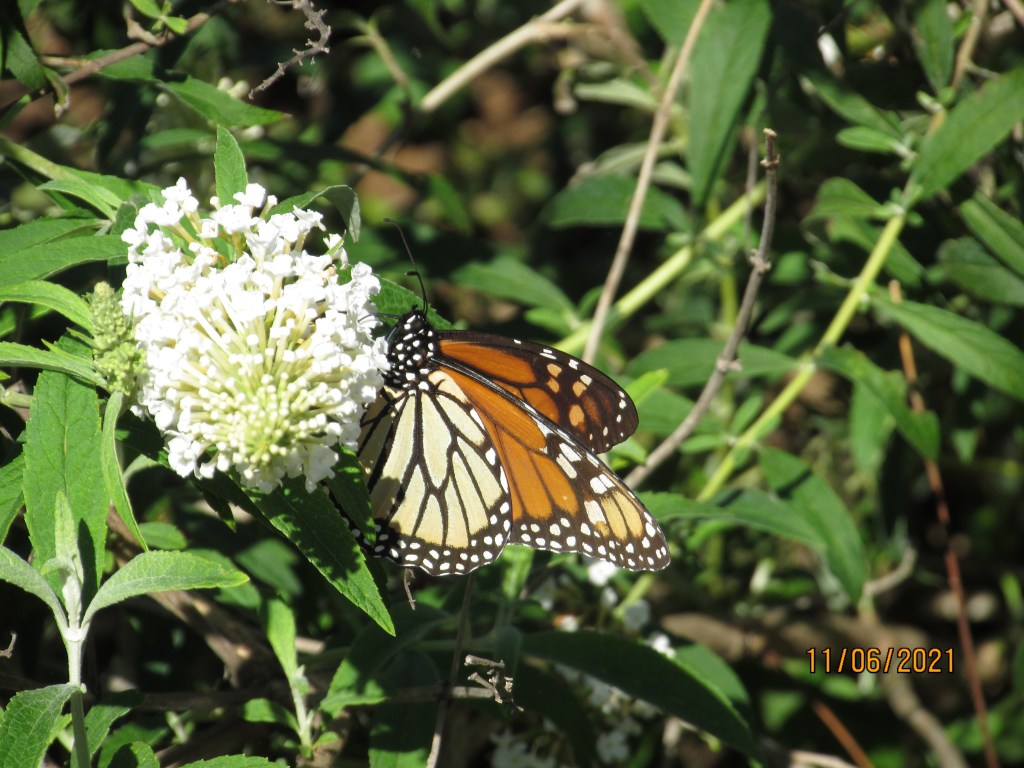
Monarch on white butterfly bush

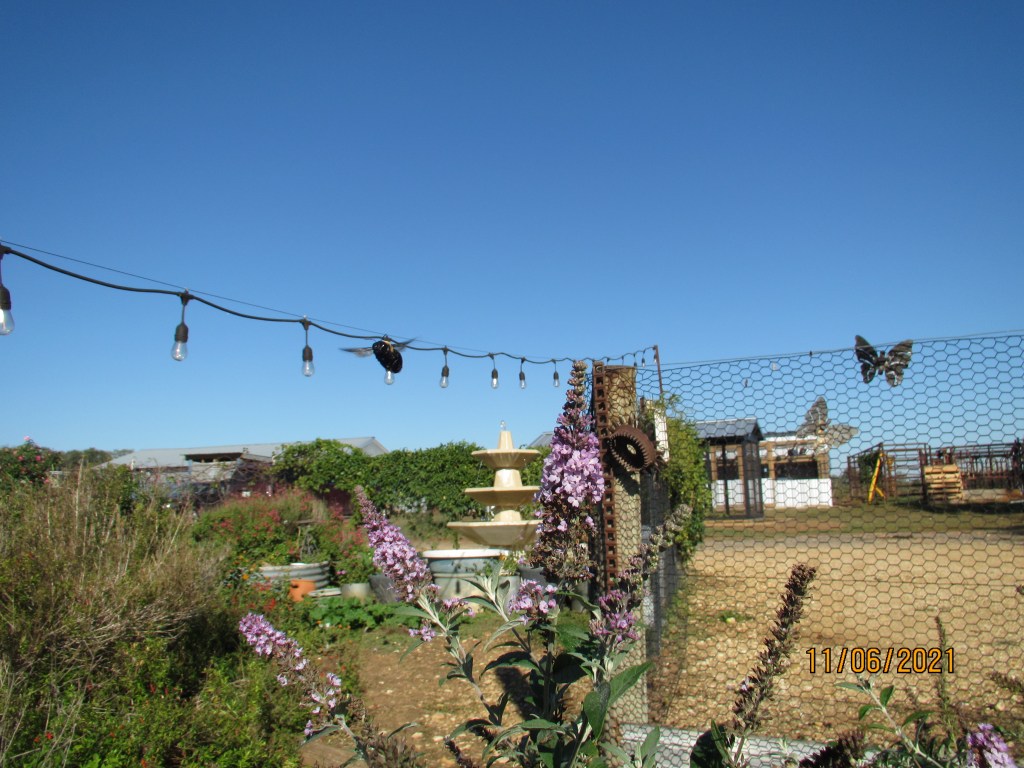
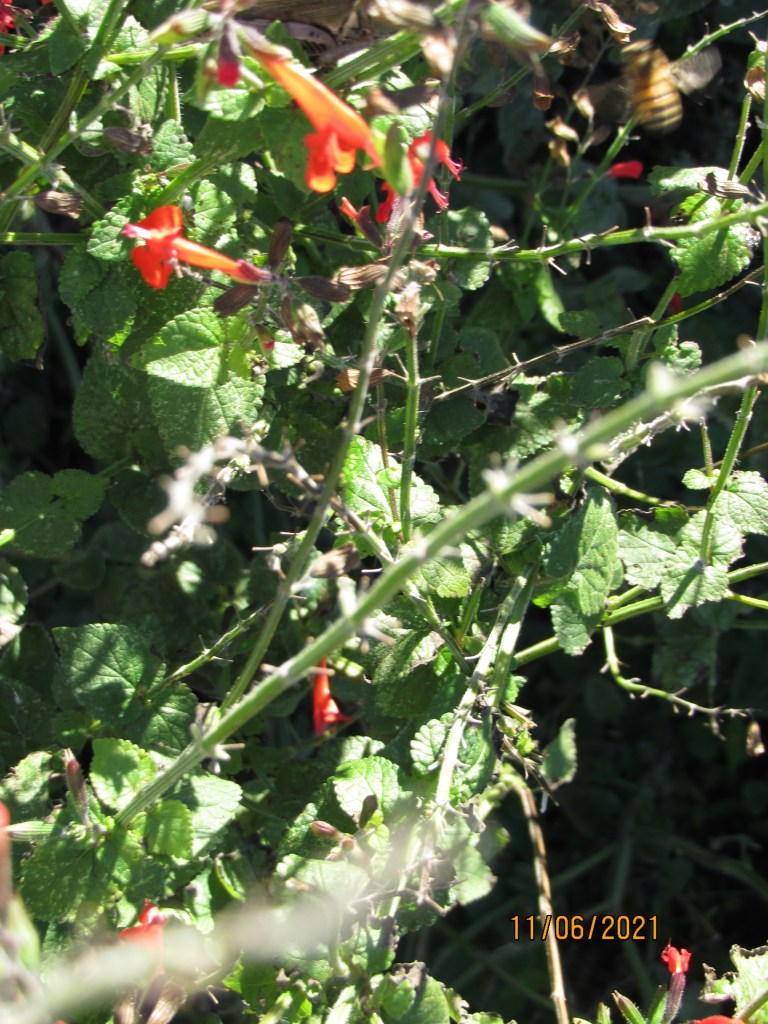
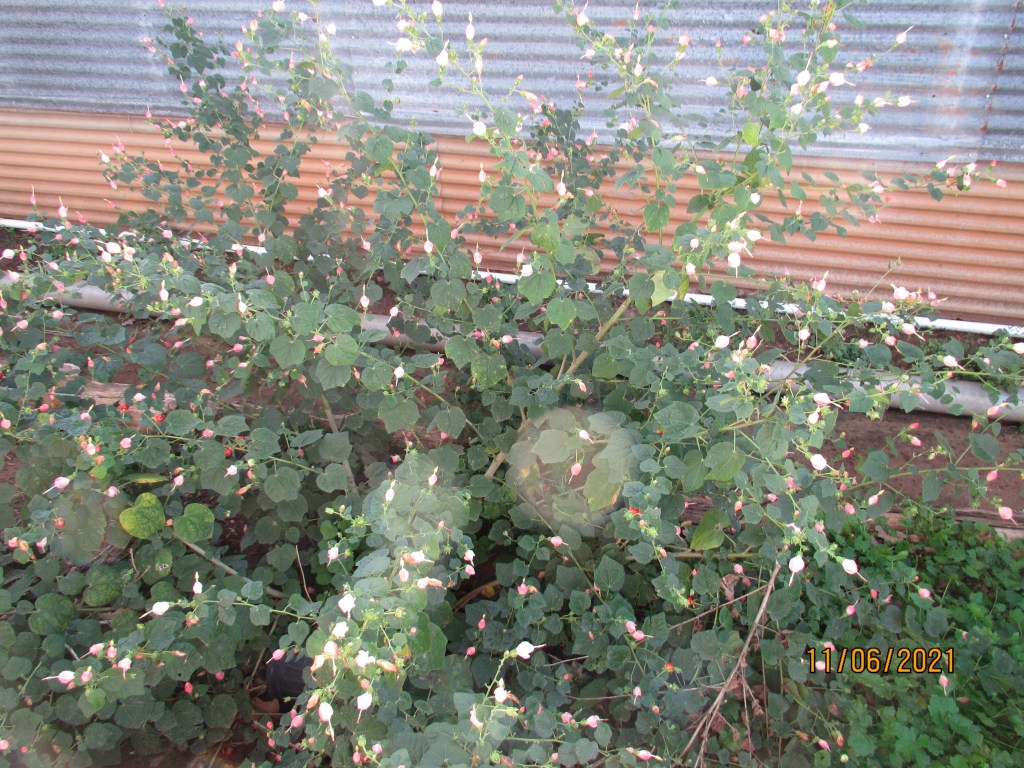
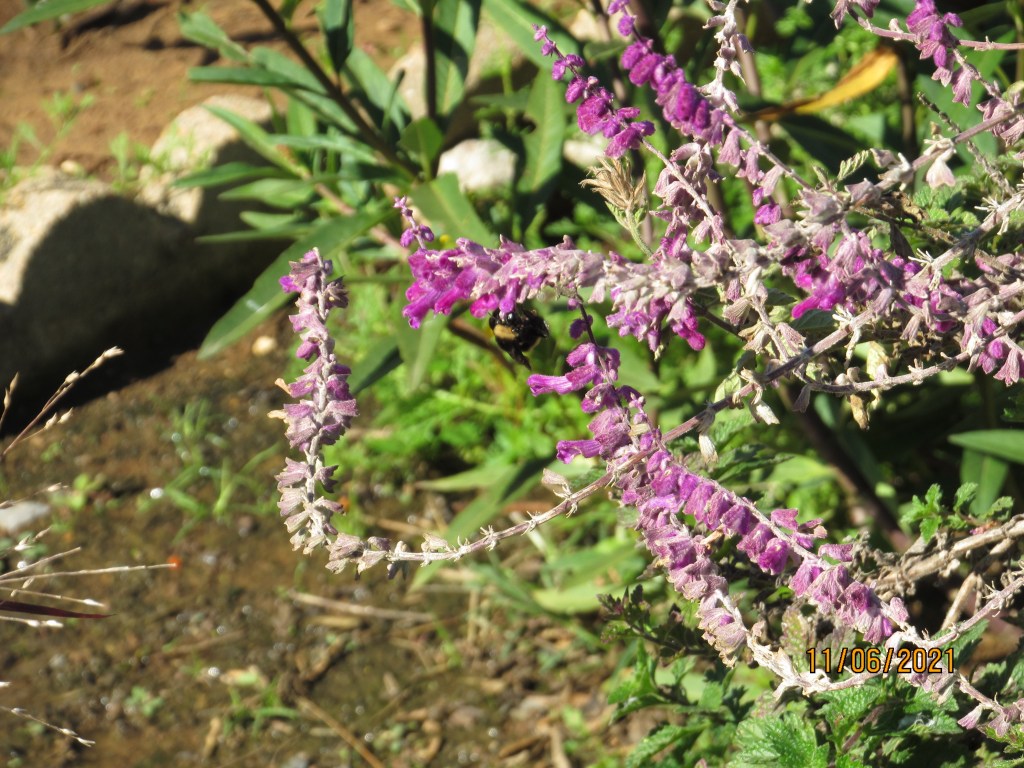
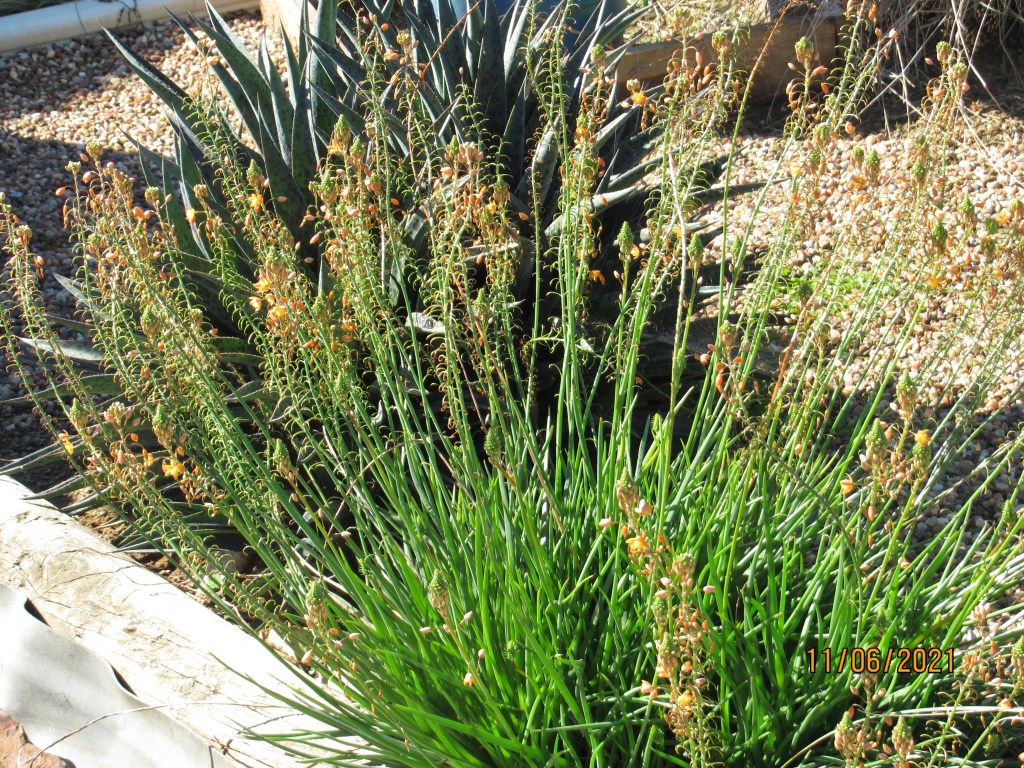
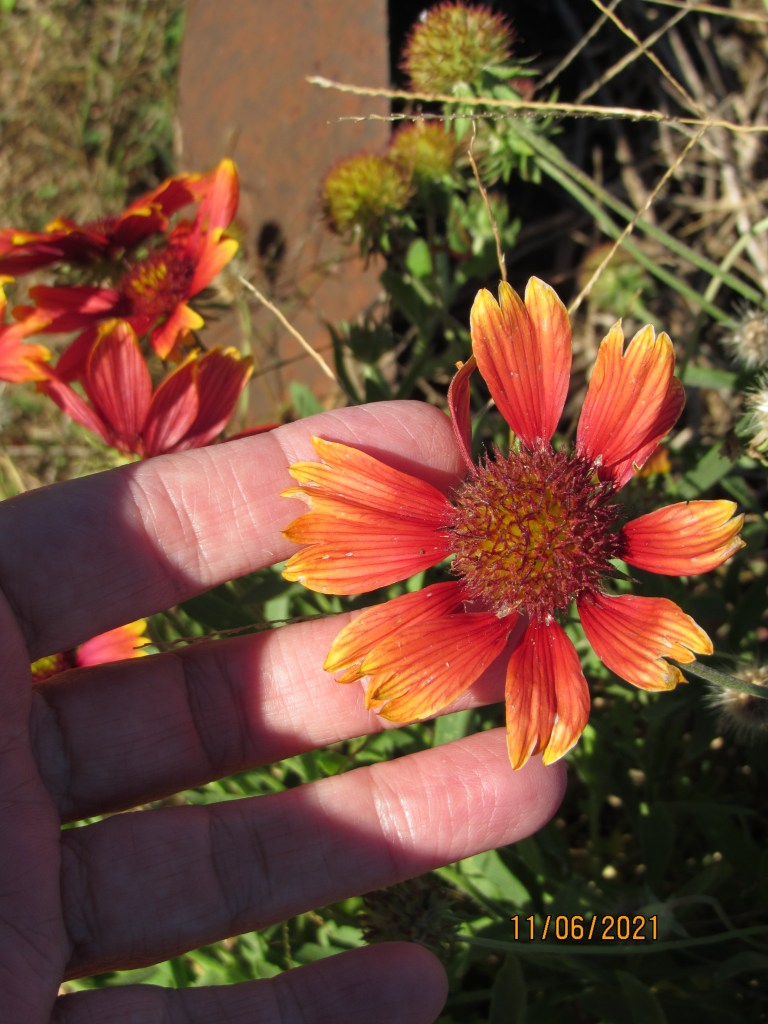
The purple and white Butterfly Bushes are still in bloom as is the Tropical Sage. Those two seem to be the favorites of the pollinating crowd right now. Tropical Milkweed is also in bloom, but it’s not desired by either butterflies or bees of the three varieties there last Saturday. Indian Blankets, roses, Turks Cap of two colors, lantana, and a mystery bloom are also putting out lots of flowers. See the picture of the mystery bloom and take a guess.

Catherine Johnson, main manager of the Wildscape, has organized plant give-aways to anyone who wants to prep their own butterfly flower bed for next spring. It started last Saturday and will continue through Saturday, November 13, and Saturday, November 20. Hours are 9 to 12. Several people from out of town went home with Texas native plants for their gardens last Saturday. The Wildscape is on FM 334 between Milano and Rockdale.

If you don’t want to plant them, you can help dig them up and distribute them to patrons for service hours.

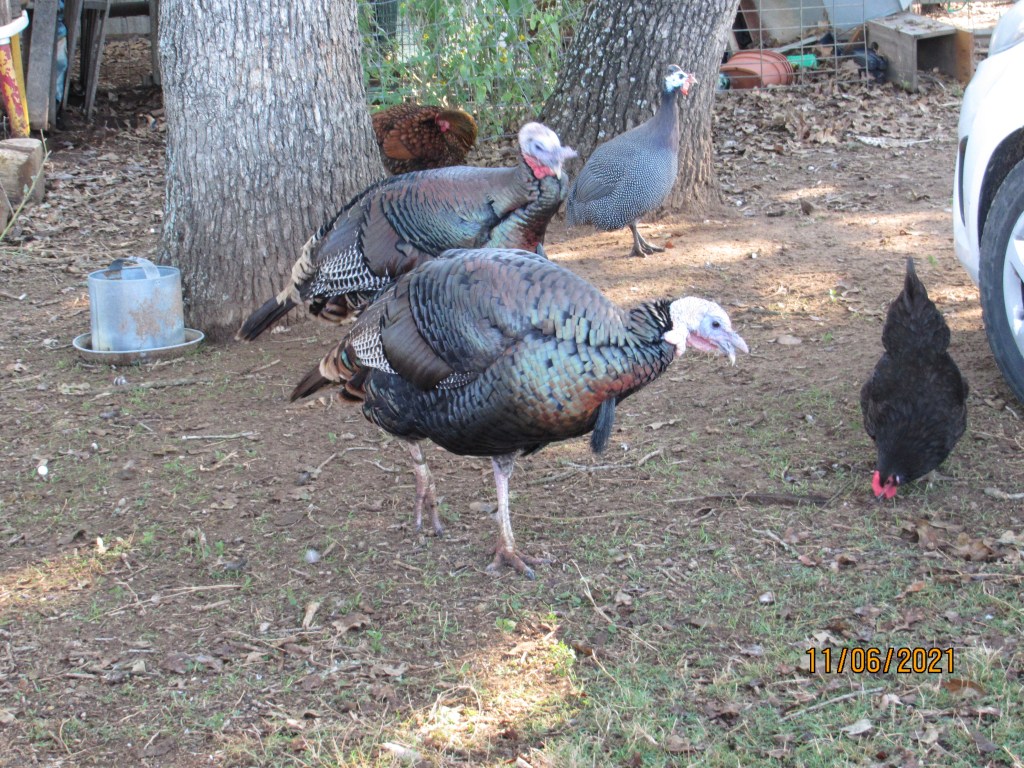
Rio Grande turkeys, guinea fowl, and a hen or two.

Enjoy the flowers while helping the pollinators spring through fall next year.