Colors Outside the Frozen Window

by Larry Kocian

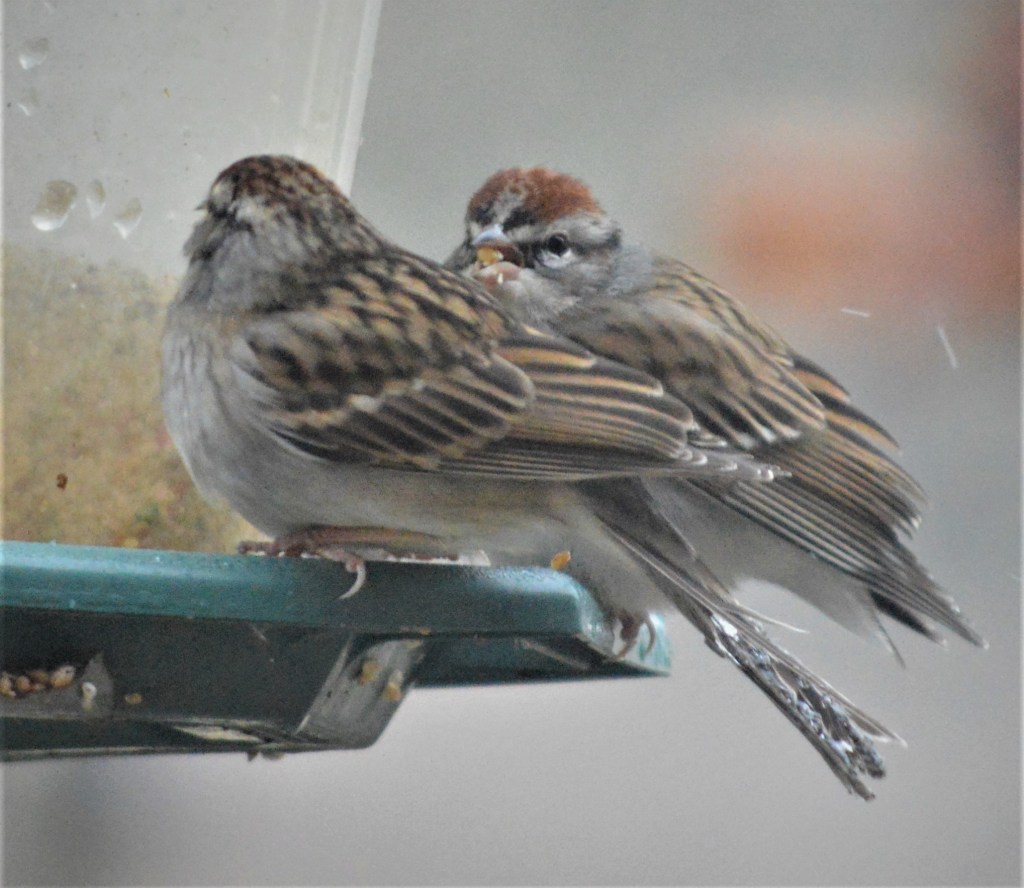
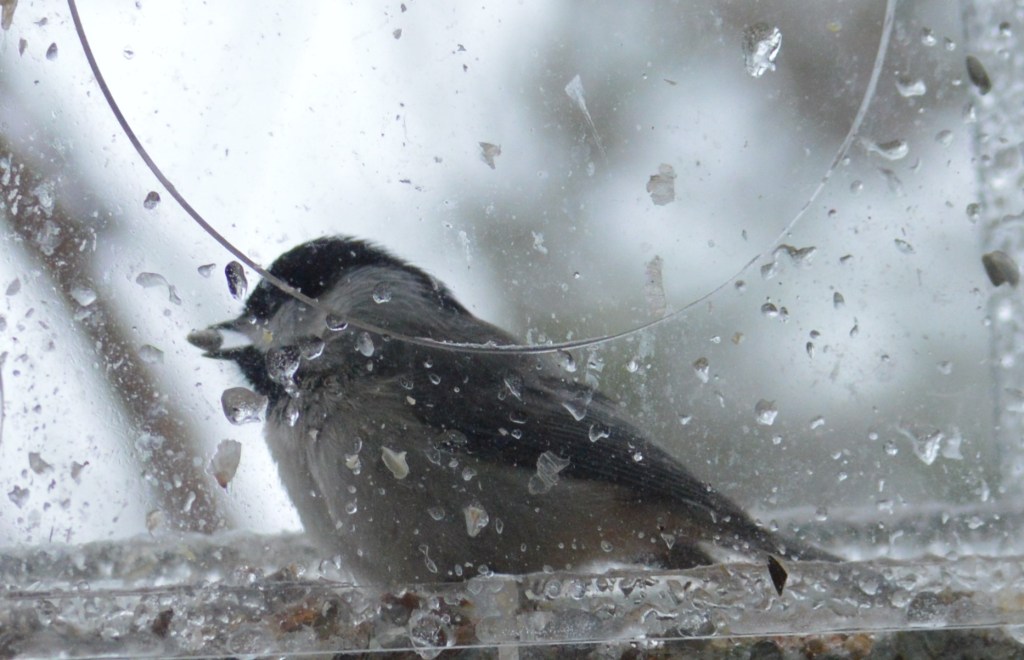
Birds of different species gather outside this frozen window. They gather around water fountains and various feeders filled with a variety of seeds. On this cold, winter day, they gather in larger numbers as the frigid winds blow and frozen water falls from the sky.
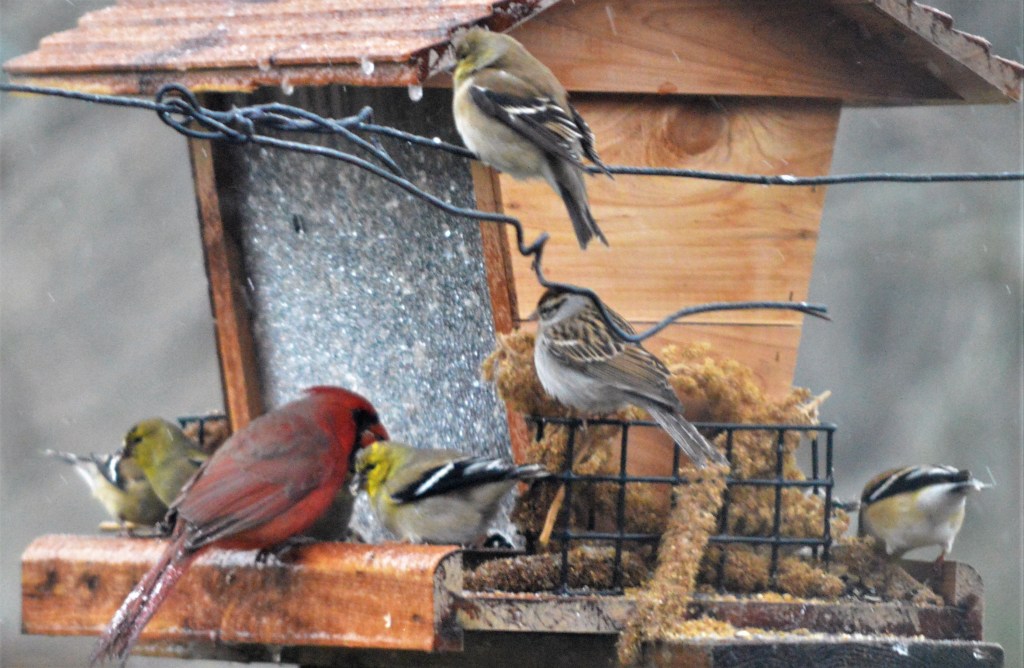
Many birds make your home their homes too. Singing melodies in the trees, reproducing their species, maintaining a balance of insects around your garden. Some of these birds take up residence at your home the entire year. One such bird in the Cardinal. Others migrate to your homes at various times of the year, like the Pine Warbler. 

Last year in February, a catastrophic winter event occurred in Texas that brought Arctic-like weather to a place that does not see this type of weather. The Polar Vortex was very intense and unstable, causing cold air to shift unusually far south. In February 2021, several days of Arctic cold and deep snows paralyzed the way of life for all animals and birds. Many animals froze to death in the wild. 
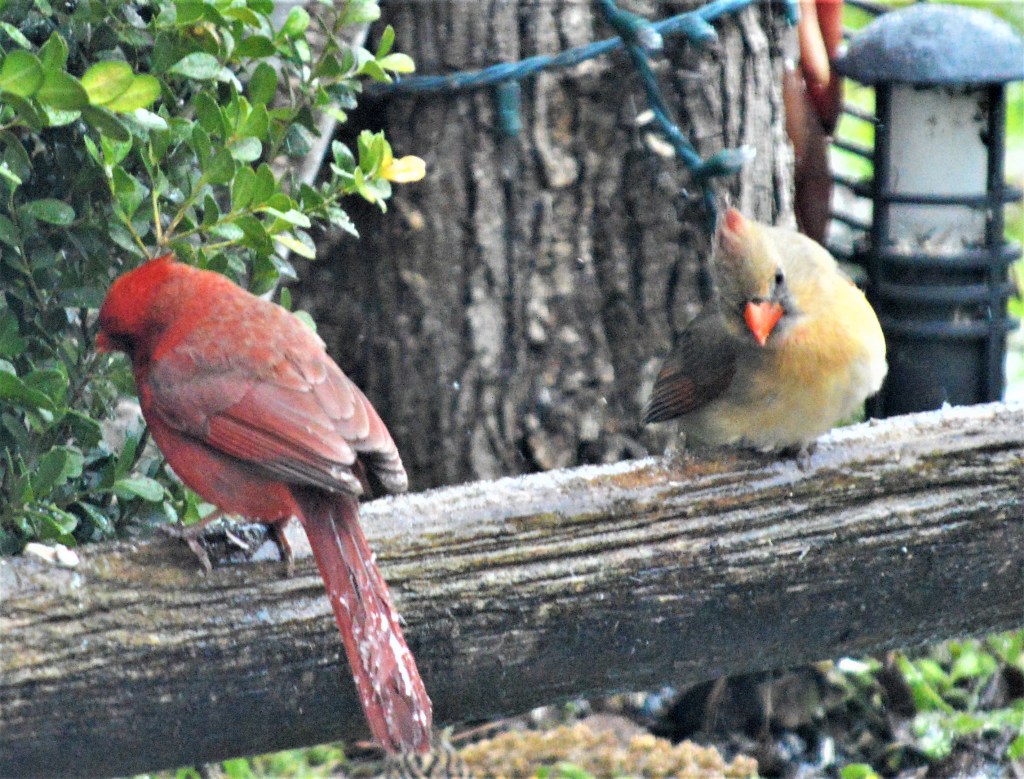
Cold Northern Cardinals

I remember venturing outside with our family during that event to find hungry birds. Birds that became unusually friendly to gather food. Many Pine Siskins would land on our shoulders and hands, feeding on seeds that we had to feed them. 
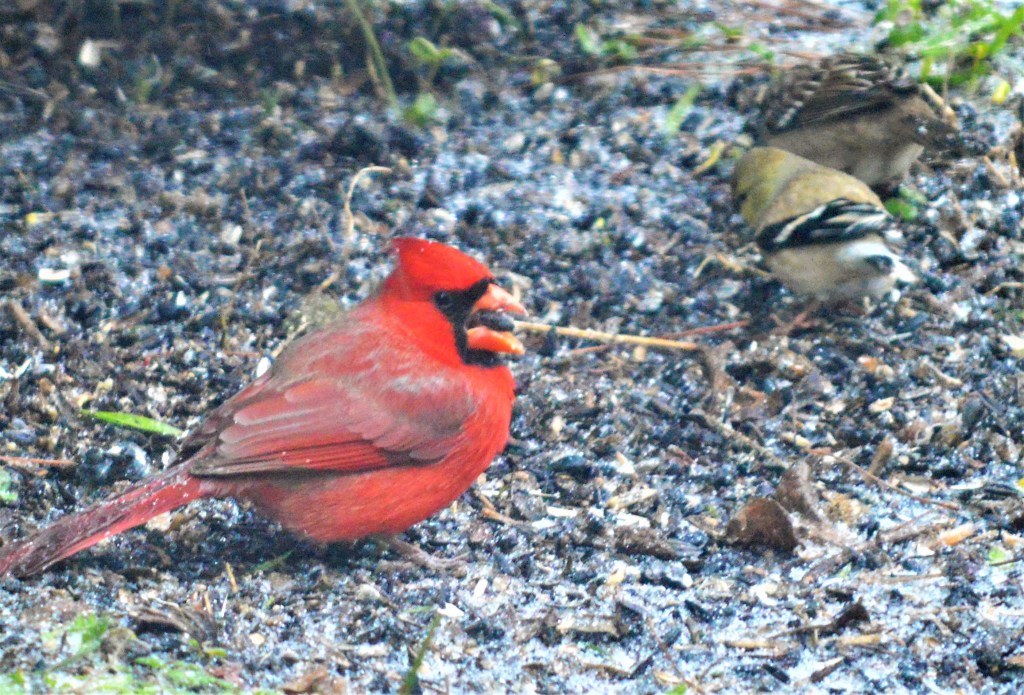
Today’s winter event is a very brief taste of that time. Many birds visited the feeders today as the ground is covered with ice and sleet.  The following are birds we saw feeding today :

  • Cardinals
  • Chickadees
  • White-wing Doves
  • Tufted Titmouse
  • Various Sparrows
  • Warblers
  • Purple Finches

Build it and they will come OR Landscaping for spiders 101

by Eric Neubauer

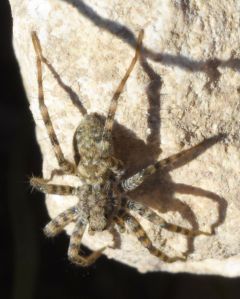
A special spider story: I’ve developed an interest in this Pardosa mercurialis partially because it’s the only Pardosa species in Texas that anyone on iNat can reliably identify. They have particular habitat preferences which make them more common in the hill country than on the prairie. I’ve been looking far and wide for them for over a year and had only found one colony in Milam County. Needless to say, I’d become pretty familiar with the habitats they like.

For the last few months, I’ve been piling up chert nodules around the outlet of a culvert under the driveway all the time thinking the spiders might like it if only they could find it. I could try importing some spiders, but it’s better to let nature do her own thing.

At this point there were about six square feet of nodules, and I was adding half a bucket more so any pioneering spiders wouldn’t laugh at my meager efforts and move on. As I was placing some rocks by hand, I saw movement and realized I needn’t have worried. A well grown juvenile was already there.

When I came back for the empty bucket 10 minutes later, it was sunning itself on a rock the way they do. I’d never seen one on my property or within 10 miles of it before.

Native Rangeland and Cattle Grazing are Compatible

by Carolyn Henderson

New trainees for the El Camino Real chapter Texas Master Naturalist learned about extensive programs being implemented by the Texas Parks and Wildlife Department with area ranchers to restore grazed land to its native state while still grazing cattle on it. A project in a neighboring county is being implemented by Tim Siegmund, the Private Lands Program Leader for TPWD-WL Division, with Jay Whiteside, TPWD Technical Guidance biologist District 5. They are several years into the 7-year plan, and the results are very positive in proving that native growth on rangeland and grazing cattle on it can be compatible and profitable. Below is a synopsis by Siegmund about the project. 

The use of fire to concentrate cattle grazing has led to a recovery of the areas being rested from burning within the pastures.  The cattle preferentially graze the freshly burned areas, and lightly or don’t graze at all the areas burned in previous years.  This allows the plants to recover, make seed, and persist over the long term in a constant burn, graze, rest cycle.  This can lead to better carbon and nitrogen cycling as a result of thatch incorporation into the soil and concentration of animal waste, increased water infiltration as healthy roots grow and rot in place creating pathways for water infiltration, and increased plant and animal diversity as there are a host of niches being created by short and tall vegetation as well as annual, biennial, and perennial plant species.  Patch burn grazing can be a great tool to promote livestock production, plant diversity, and wildlife diversity. —- Tim Siegmund

Photo 1 shows the short, grazed grass and the diverse wildflower community not being grazed by the cattle, average grass height was less than 2 inches.

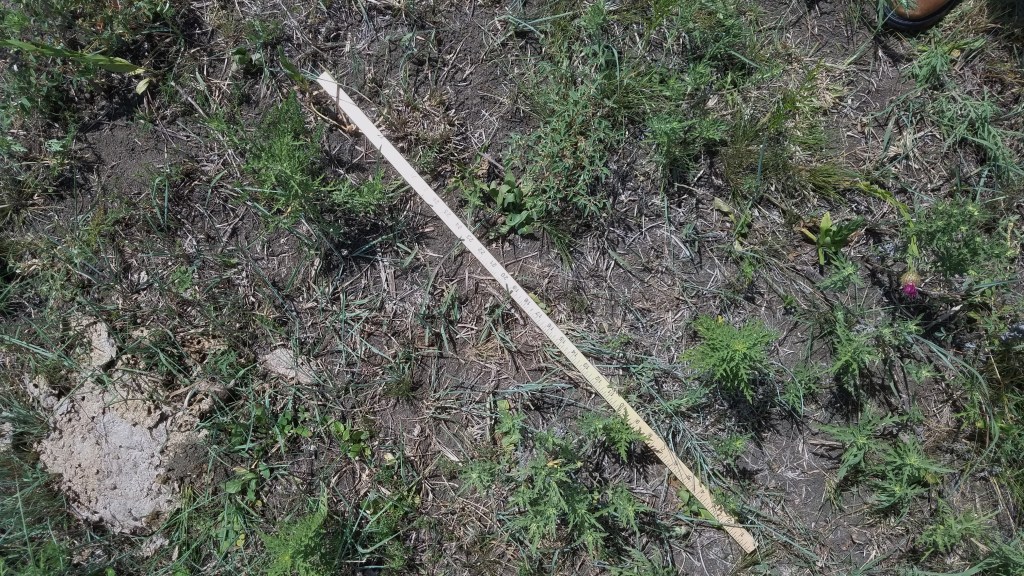
Photo 2 is a picture of a yard stick showing the amount of ground cover now blanketing the ground after 2 full years post burn.

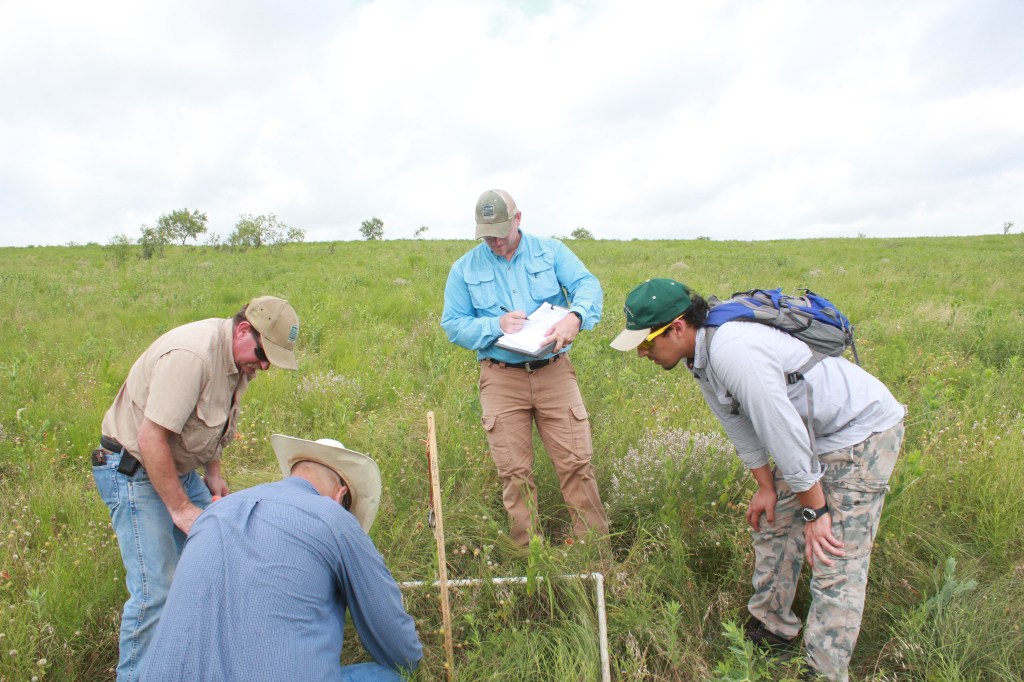
Photo 3 is a picture with Siegmund and assistants in it conducting the vegetation sampling monitoring the changes over time.

Photo 4 shows the year of burn and the annual plant community dominated area as the fire and subsequent regrowth of grass has concentrated the cattle in this area.

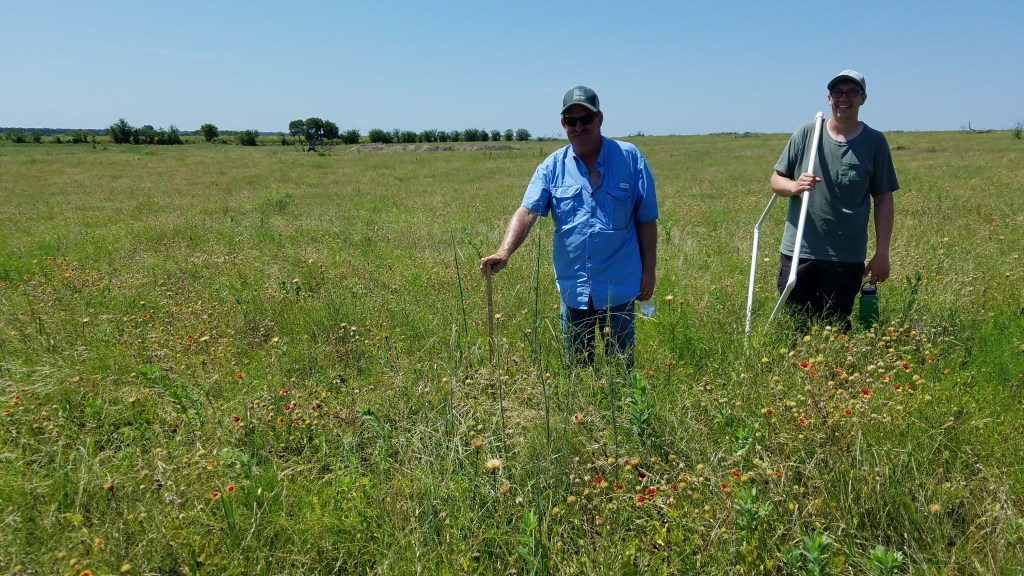
Photo 5 is a picture of Jay Whiteside and an intern showing what 2 years of rest looks like by burning other portions of the pasture to focus grazing pressure elsewhere. In 2019, grass height is approximately 20 inches.

By the way, a recording of this session can be found on our website.