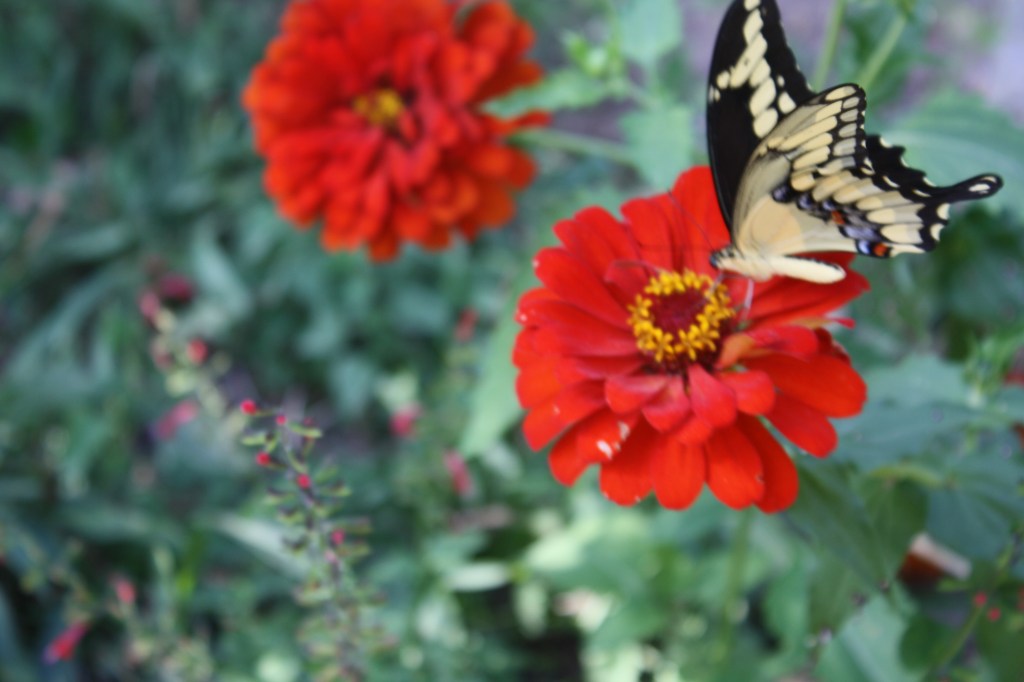
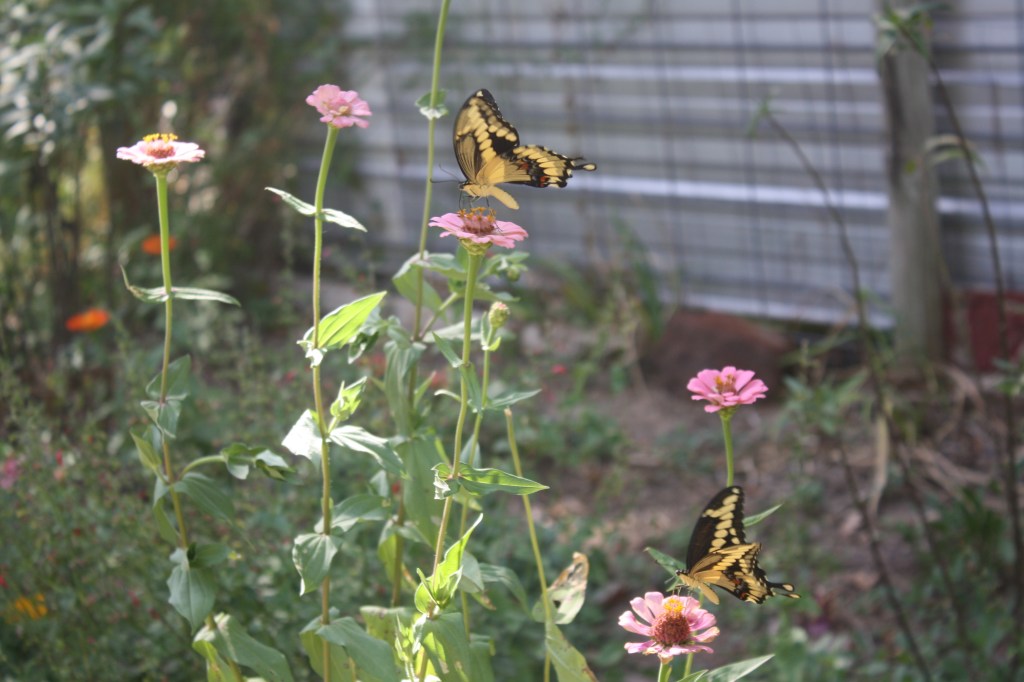
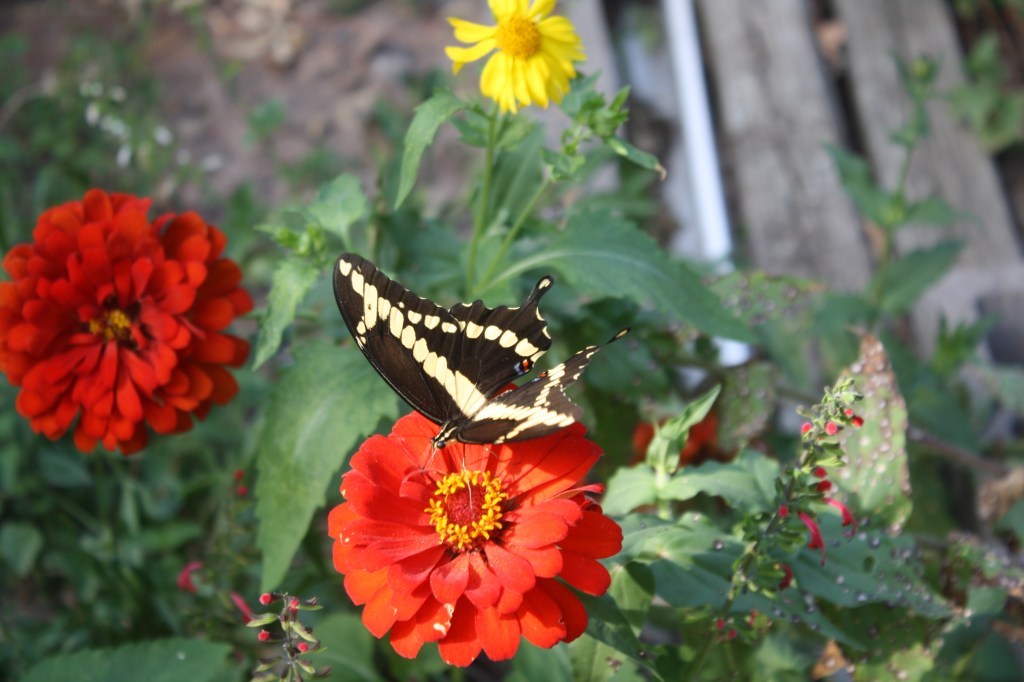
Last Saturday, it was hot and windy, so it was hard to get photos of butterflies when the plants were swaying in the breeze. But I did the best I could. There were several species of butterflies in my garden today: Gulf Coast Fritillaries, Pipevine Swallowtails, Clouded Sulphurs, and the big Giant Swallowtails.
This is very late in the year for these huge butterflies to be here. I think the extended hot weather has brought about this event.
Giants are so graceful and beautiful. You can recognize them by the two bands of yellow spots across its open wings, and the small eyes at the bottom of their hind legs. They can be as big as six inches across. They love citrus tree leaves and may defoliate small trees. It will not kill the tree.
They love Rue, Butterfly Bushes, Coneflowers, Sunflowers, and Zinnias.
Their host plant is the Prickly Ash. They lay their little orange eggs on top of the leaves. As it hatches into a caterpillar, it changes its appearance to look like bird droppings. Who would want to eat that?
The chrysalis stays in place through the winter.
So, if you see something that looks nasty on a leaf, leave it! It may be a beautiful butterfly next spring.
Progress is being made in the Milam Wildscape in preparation for Nature Days, which will be held every Saturday in November from 9:00-12 noon. Enjoy visiting Master Naturalists and visitors in a beautiful Autumn setting.
Chapter members work on the garden
There will be refreshments, gifts, and native plants. If you participate as a Master Naturalist, hours are available.
I see some pretty cool things on my walks around my ranch. I think part of my poor posture comes from looking down all the time, in case I see something. But that’s a small price to pay. I’ve been doing a lot more aural observation lately, and that’s come in really handy when I’m looking for new species to add to my collection on iNaturalist. I have almost 600 species identified since I started, 62% of my 1600+ observations are research grade. I’m trying to get a good picture of what can be found in this little piece of the Earth.
Yesterday and today I’ve put my listening skills to a test. I can’t take a picture of something if I can’t find it, and sounds often lead me to something interesting. For example, I went to check the mail, which is a third of a mile walk from my house. I often stop to observe in the pond and arroyo I go by. That’s hard right now since the pond is being dug up to make it deeper if it ever rains, and our gate emits an annoying beep that I once accidentally identified as a South American bird via an app. But yesterday I was alarmed to hear what sounded like someone talking in the stream. It sort of sounded like, “Help, help!” So I put down my mail and went searching.
I followed the eerie sounds and got closer to where our “spring” starts. I didn’t want to get my feet wet, so I was careful. At one point it seemed like I was right on top of whatever it was, but I couldn’t see anything, so I stomped my feet. That caused something to move and gave me a focus for my eyes. Finally I saw something.
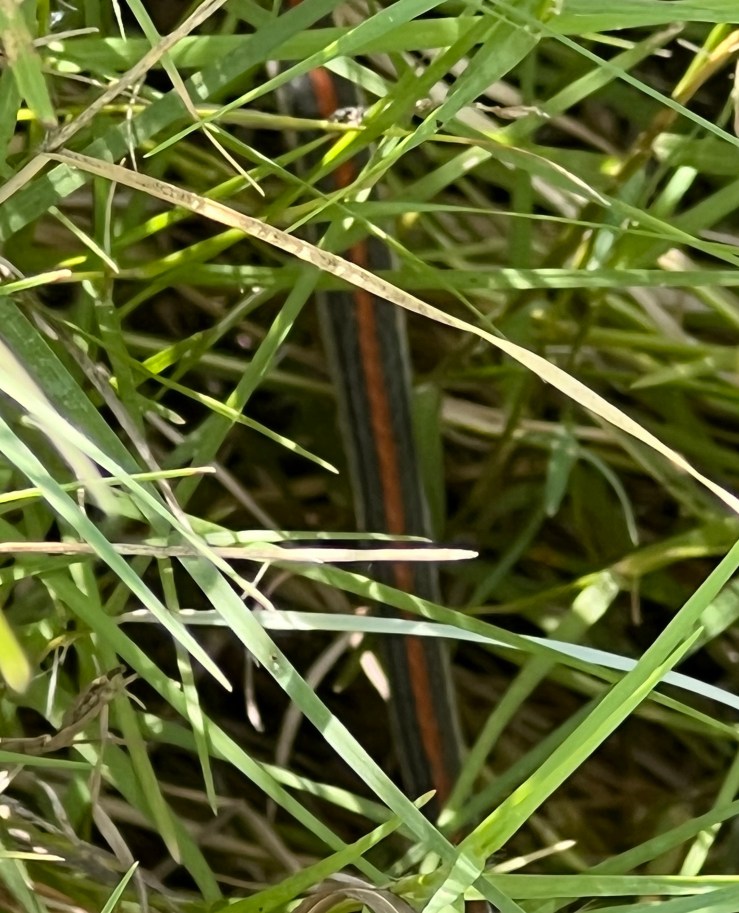
Is it a water hose?
Now I know why my friend’s orange and black water hose spooks the horses. That Western Ribbon Snake (Thamnophis proximus) sure looked like a garden hose. I was not inclined to grab it to get a better photo. But what was the sound?
I knew right away that it was a cricket frog, since that’s the kind of frogs I hear all the time from that location (I learned how they sound from one of our Chapter Meetings). I guess it’s now a former cricket frog, thanks to the circle of life. So, my aural observation skills clued me in without even having to see the frog. I was happy to learn from reading about these ribbon snakes that they hang out on the edges of wet areas (check) and primarily eat…of all things…cricket frogs! I also learned that the one we have here at the ranch is the orangestripe subspecies, T. proximus proximus, which is why it didn’t look like the one in the main photo on iNat, which had originally confused me.
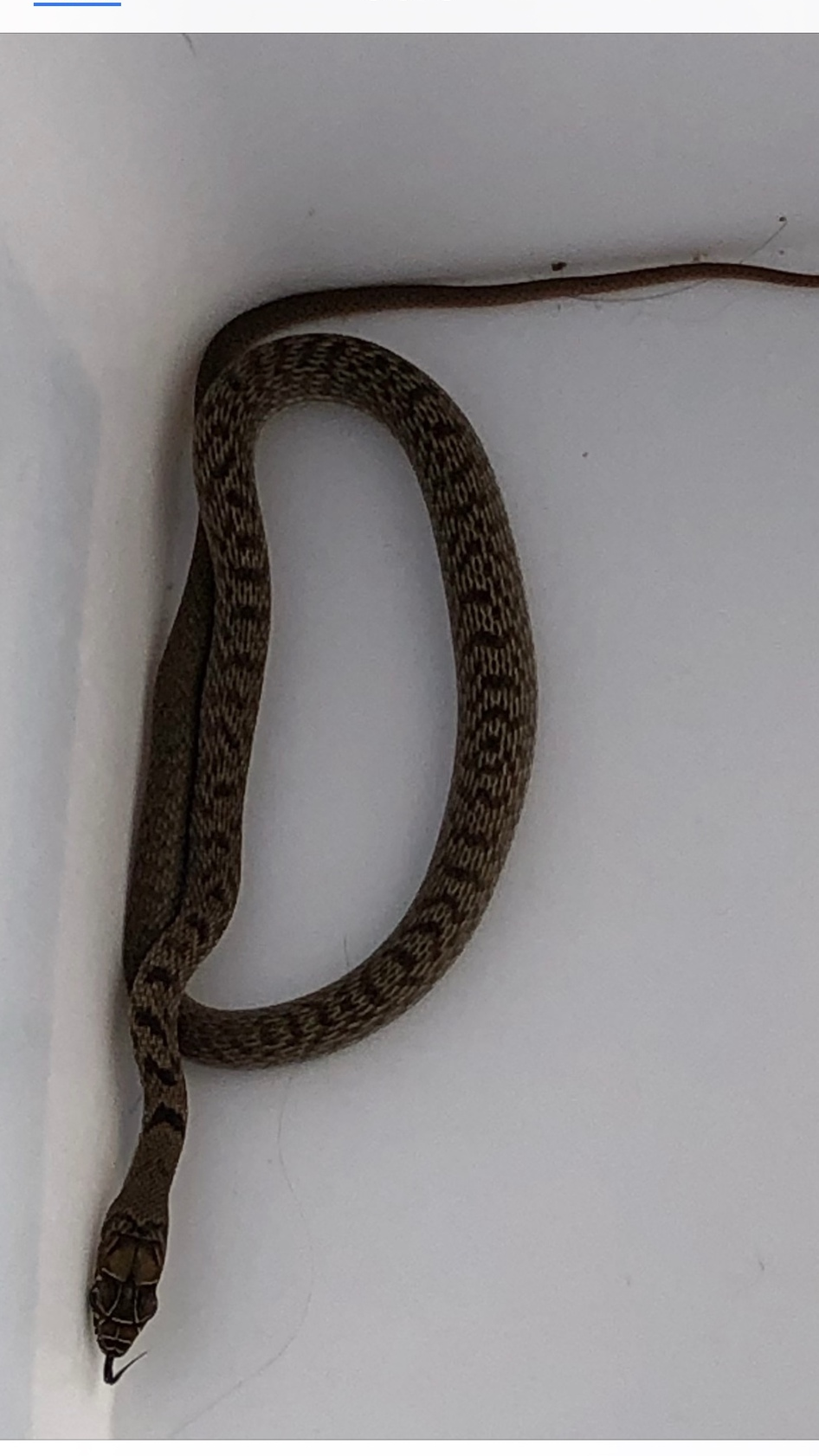
Coachwhip
By the way, I am only seeing ribbon snakes and coachwhips lately. I haven’t seen a rattlesnake or a rat snake in a month or two (the hens are glad about that). The coachwhip in this picture climbed into my son’s cabin and was hanging out on the ceiling. Luckily, he’s had pet snakes before, so he just knocked it into a laundry basket and took it outside (then sealed the hole the snake came in).
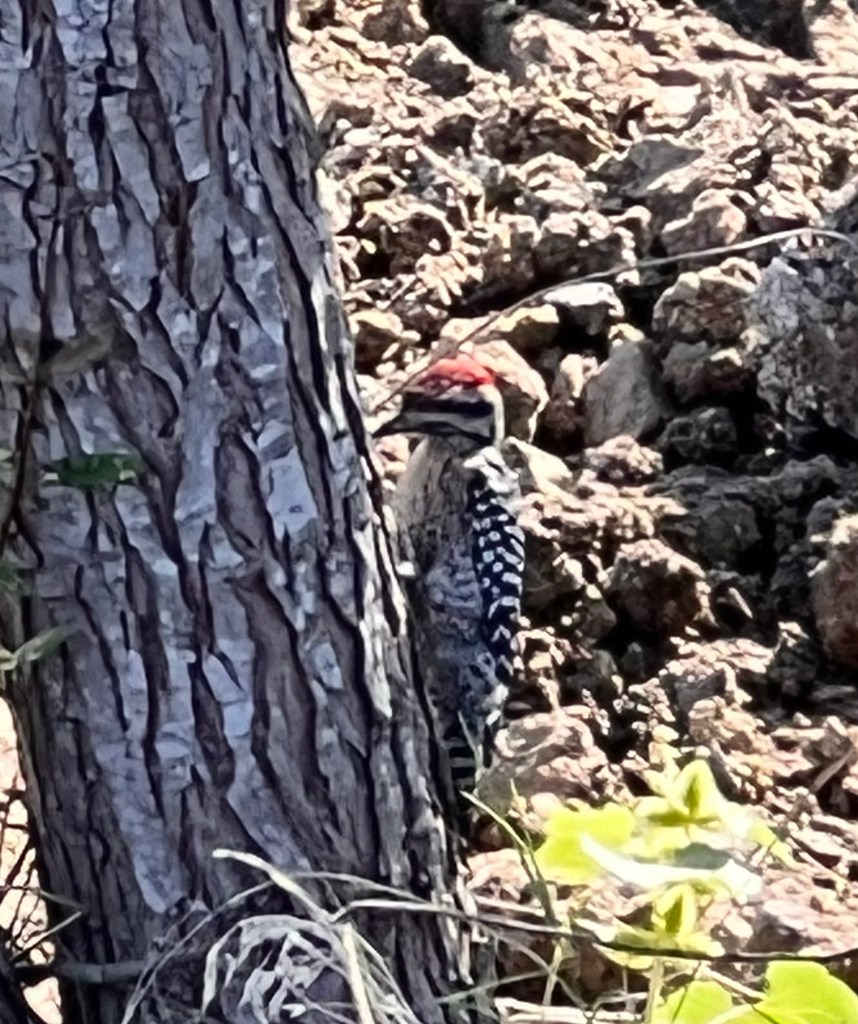
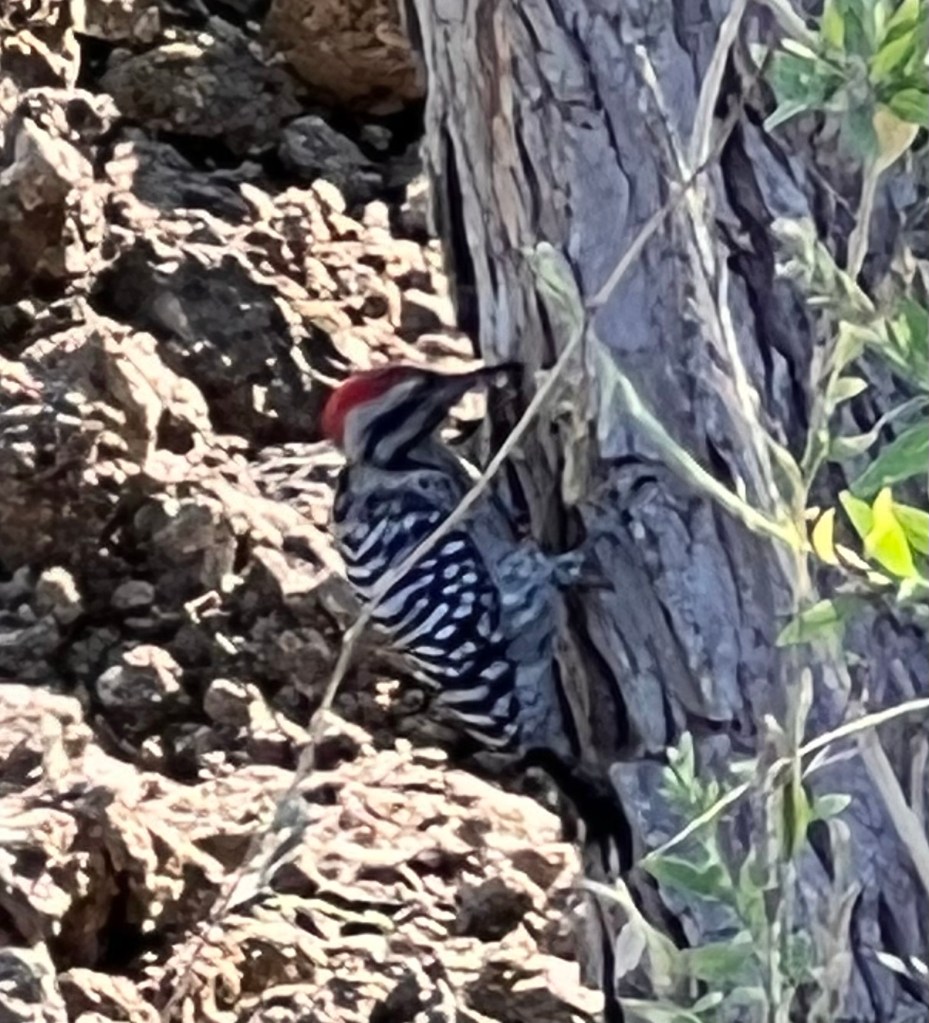
Back to my observations. Today was the same story. I was putting mail in the box to be picked up, this time. I kept hearing a sharp chirp, and it wasn’t the broken gate. It was coming from the black willow trees on our dam, which no, I’m not cutting down, because they are native and feed lots of things. I looked and looked, trying to home in on where the chirps were coming from. To the bird’s credit, it didn’t stop chirping until it began making tapping sounds. Aha. Now I knew to stop looking in the branches and look at the trunks of the trees instead.
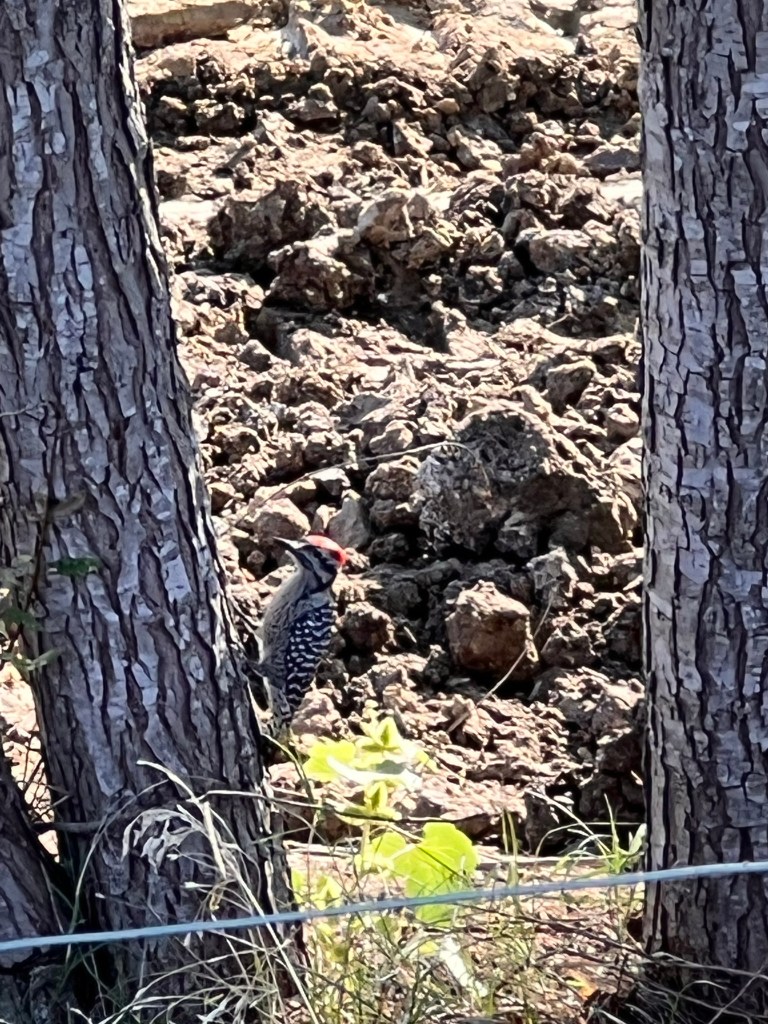
Sure enough, there was a perky little ladder-backed woodpecker (Dryobates scalaris), pecking away and chirping during rests. There are a lot of woodpeckers around here (they like the grapevines to hide in and are especially fond of the telephone pole across the road), but I mostly see larger ones. Neither I nor the bulldozer grinding away behind this bird deterred it one bit from its mission.
Wood pecking
I’m glad I keep listening when I go outside. I might have missed both of these interesting observations and new species!
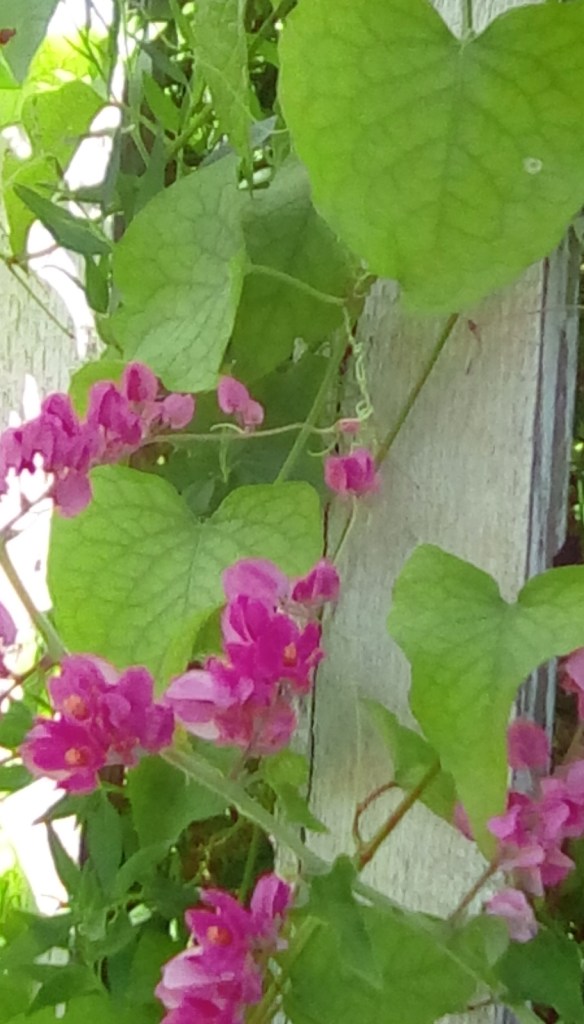
Abundant flowers attracting many pollinators leave one in awe at the El Camino Real Texas Master Naturalist Wildscape out at the Bird and Bee Farm. I read Catherine Johnson’s blog and noticed the severely overgrown Malabar Spinach awning that is being overtaken by Cypress Vines. I went out to try to tame it.
Before
It took electric pruners to get it under control. It draped over the entrances and spread out to the picket fence and flower bed behind it. And the Cypress vine had overgrown it and was attaching itself to cannas and other bushes nearby. I have made the awning walkthrough accessible. If you want to grow either of those at your place, it’s prime time to take cuttings or pick the berries. Or take some to eat – the Malabar. I don’t know that the Cypress vine is edible by humans, but hummingbirds were sure enjoying the nectar in the flowers.
After
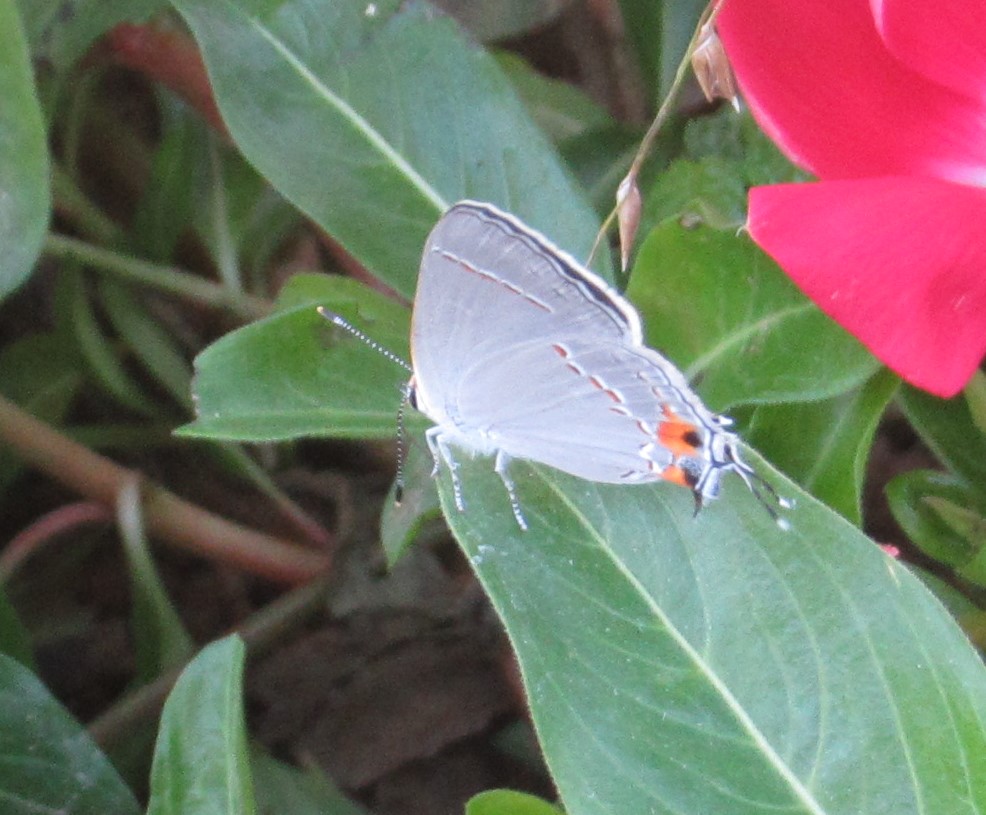
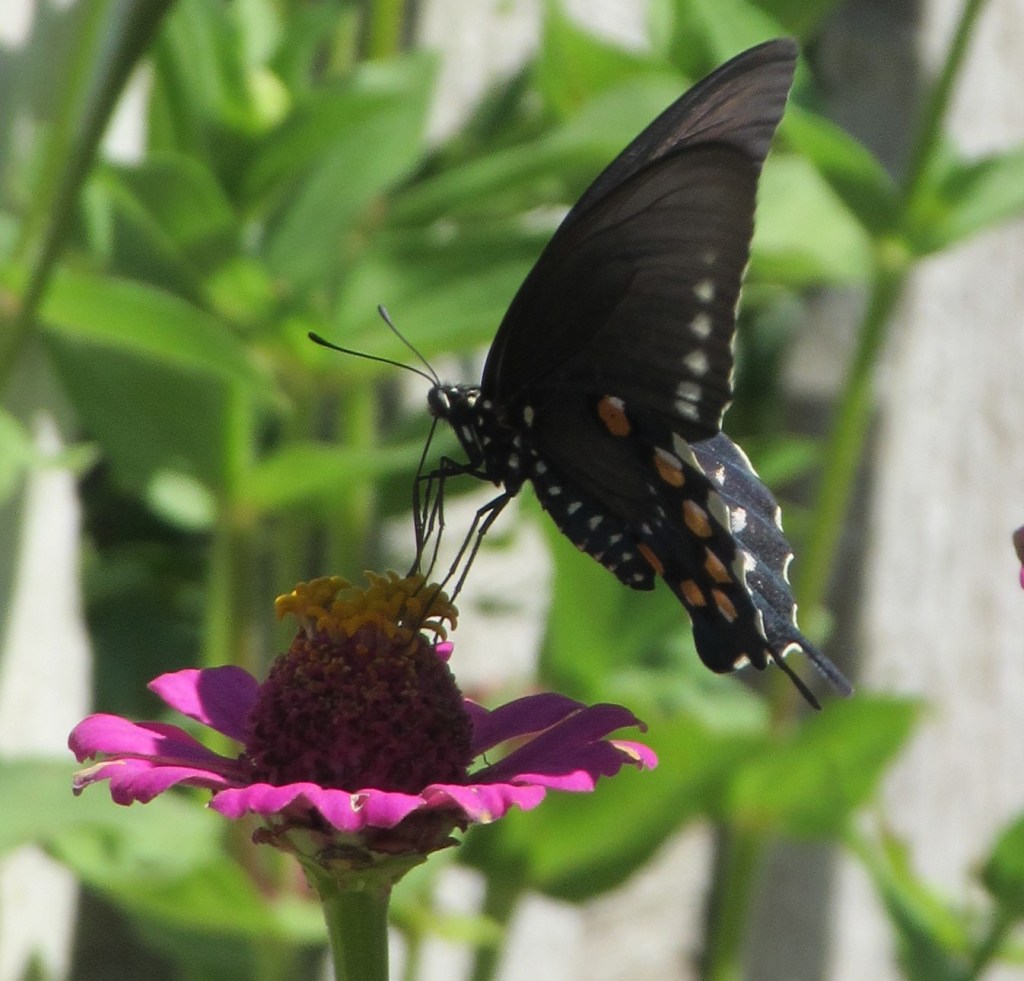
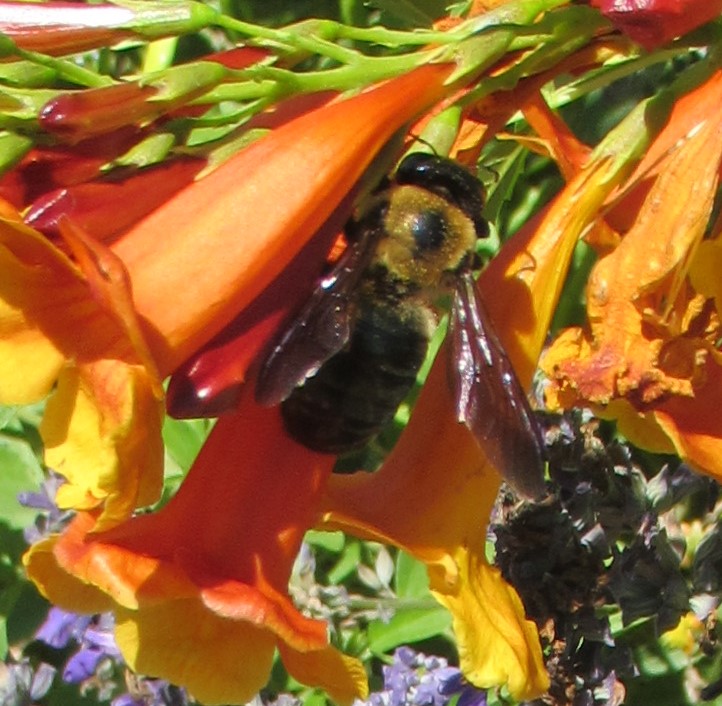
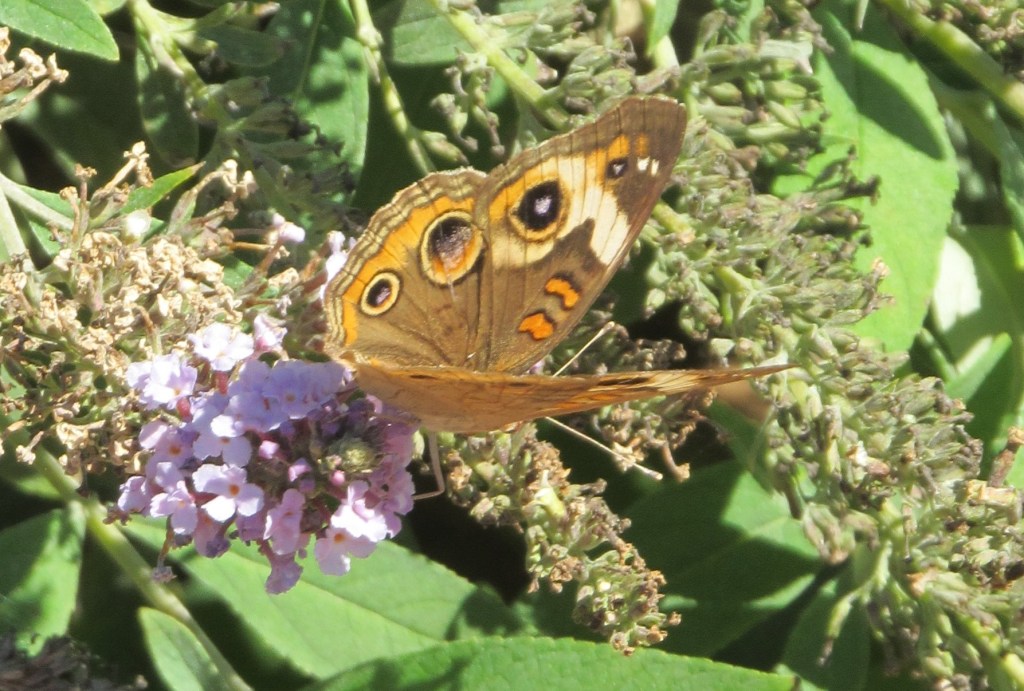
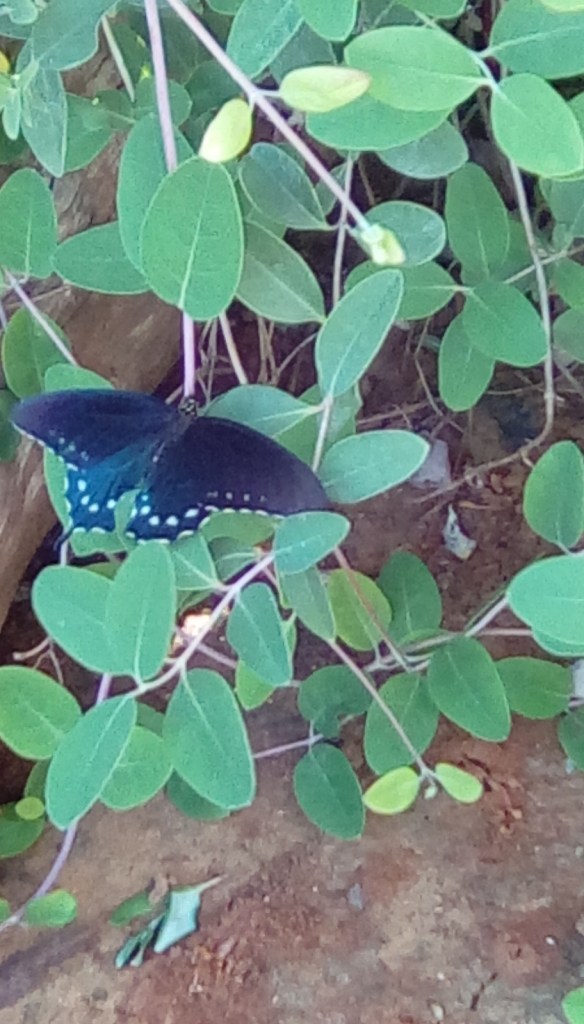
It was hard to stay focused on the vines while several species of butterflies and bees were all over the wildscape. Many Gulf Fritillaries, Common Buckeyes, Grey Hairstreaks and Pipevine Swallowtails were there. The Zinnias and Turk’s Caps were the favorite food of the butterflies. Carpenter bees and honeybees were also abundant. Cindy Rek said she has seen a few Monarchs and they laid eggs which have developed into caterpillars already. She has photos to prove it.
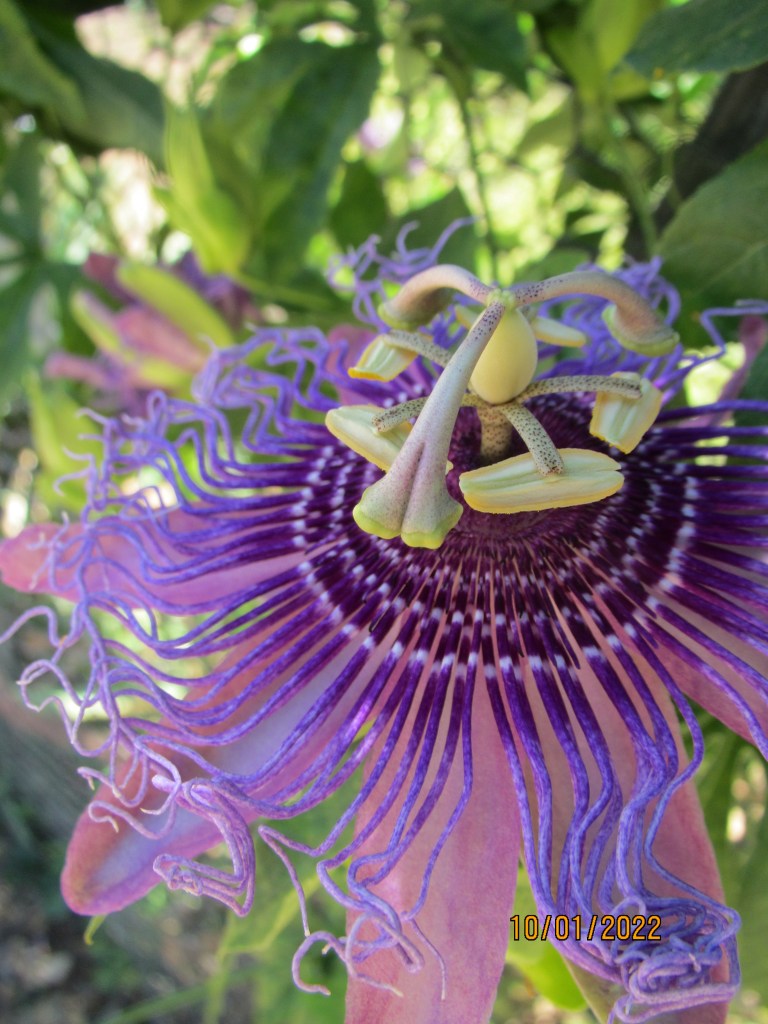
Gray HairstreakPipevine SwallowtailGulf Fritillary, worse for wearCarpenter beeCommon BuckeyeMorning gloryPassionflower
If you are participating in the the iNaturalist Pollinators BioBlitz beginning Oct. 7, the wildscape has plenty to photograph. If you don’t do bioblitzes, you can just sit among the many blooming flowers and all the pollinators buzzing around them. Pull a weed or two while you’re there.
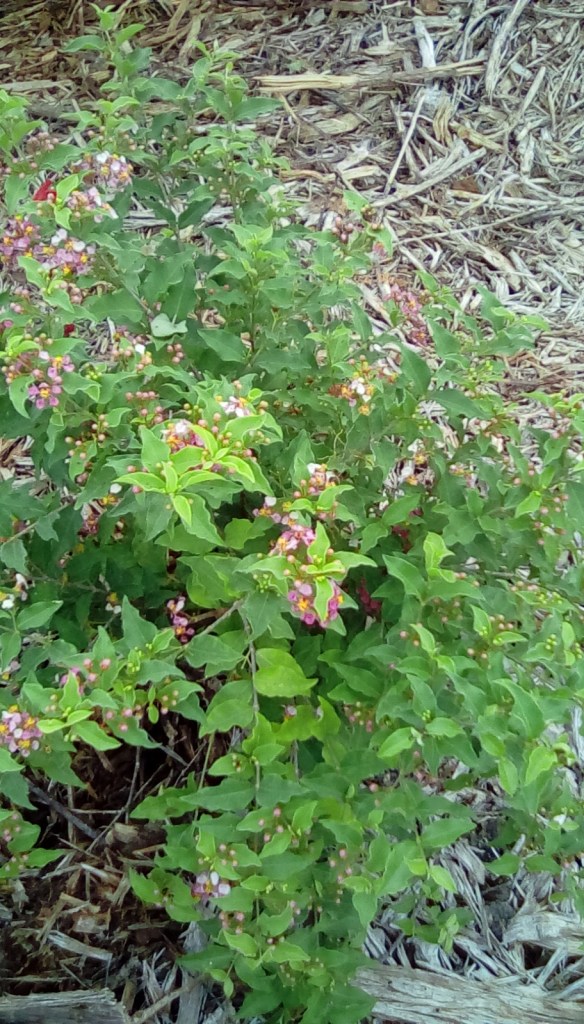
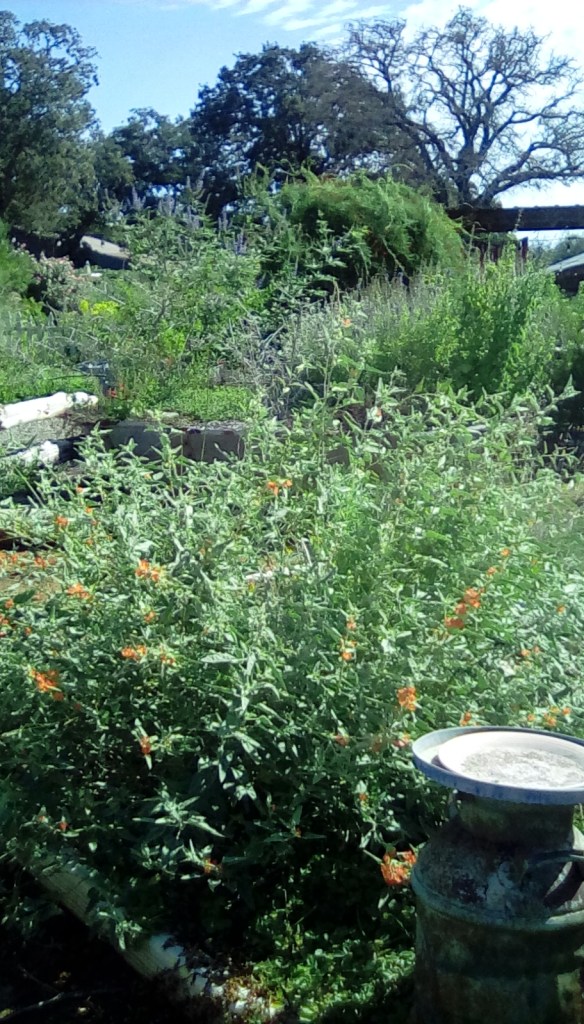
There are many plants in full bloom in the Milam Wildscape Project.
One cool morning Kim Summers and I began preparing the Garden for Nature Days in November.
Kim is invisible!
We saw many butterflies and the last of hummingbirds for the year.
Enjoy the pictures or better yet take a ride over to Bird and Bee Farm, conveniently located between Rockdale and Milano, and take home a beautiful bouquet.












 Nature Along the El Camino Real