Time for 2020 Blog Statistics

By Sue Ann Kendall

The start of a new year always seems to inspire folks to look back and analyze things. I got to thinking that last year was a hard year for our Chapter, since we had to stop meeting in person, couldn’t do a lot of the activities we’d planned, and only had a virtual conference to attend (nice as it was, it wasn’t full of hugs and chats). We certainly got more visitors in 2020 than in 2019 (granted, we didn’t start until February 2019).
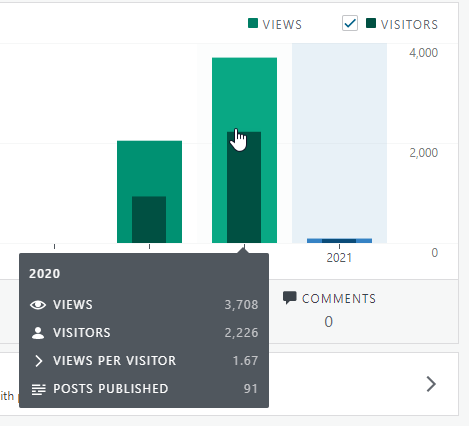
We had 3700 visitors last year, not bad for a little chapter!

Our blog, though, provided us with a way to communicate with each other and to share what was going on in our own little slices of the natural world. I was really grateful to see how our contributions grew and grew, as the blog transitioned from reports on our chapter meetings to contributions from our members. We have a nice group of regular contributors now, as well as some Chapter members who contribute whenever they can.

In fact, there were 12 different Chapter members who contributed last year: me, Donna Lewis (winner of the “most contributions” award), Catherine Johnson, Eric Neubauer, Linda Jo Conn, Carolyn Henderson, Debra Sorensen, Joyce Conner, Cindy Travis, Larry Kocian, Ann Collins, and Sherri Sweet. What? Don’t see your name on the list? You can fix it by sending me some words and/or pictures (my email address is in the member area of our website).

Blog hits by month.

You can see from the previous graphic that our hits went up and down. There were two big months. Last February, someone went through and read every single article, twice, which explains the jump. But, last month, December 2020, really spiked. Did we suddenly become fascinating?

Hmm, December 23 was a bonanza of visits.

When I look at a month’s stats, I can always tell when a blog post came out, because we get a spike in visitors. But, that was a BIG spike! The next day was pretty big, too. I was very curious to find out what the heck got published on December 23 that was so darned fascinating. A look at the most popular posts of the year gave me the answer to “what” but not to “why.”

All Time Blog Post Stats. Hmm. Two of those got a LOT more hits.

I only figured out yesterday why Donna’s sweet post about being nice to a snake was so popular. Because of all those flags people are flying these days, the phrase, “Don’t Tread on Me” has become popular. Donna’s post must have come up in searches!

The other really popular post, Let the Tours Begin, by Lisa Milewski, was from October 2019, and was about the big event we held with the Rancheria Grande Chapter of the El Camino Real de los Tejas National Historic Trail Association. That link got sent out to a lot of places and shared often, so no wonder people looked at it. (Sharing posts is how you get people to look at them; you could do that, too).

How You Can Help Our Blog Grow

We’d like for more people to be able to find and enjoy the writing and beautiful photos from our chapter members. It’s great that we are getting more posts from a variety of members, but it would be good for them to be seen! People clicking on our blog links and sharing them are what gets our blog promoted more by search engines and WordPress (blog site). So, here are some things YOU can do:

  • Contribute. Send me (Sue Ann/Suna) your nature observations, research, fun projects, or reports of activities. You can type them in an email, put them in Word, write them on a piece of paper…whatever works! I can make them into fun blog posts, even if you aren’t a professional writer.
  • Read. When you see a blog post announcement on our Facebook page (or in email if you are one of our 37 subscribers), click on it. See what fellow Chapter members have to say! You might learn something. Or laugh.
  • Comment. Do you have something to add to a post? What about a question for the author? You can comment on our blog posts. Just put your name in there and start commenting! That’s how blog readers converse and build communities.
We’ve only had 79 “real” comments. Help us out!
  • Share. Did you find a post interesting? Copy the URL (the web link, at the top of the page) and paste it in an email, Facebook post, or message to a friend. Or, click the Share button on a Facebook post. Maybe someone you know will enjoy reading what you or another member wrote.
  • Talk. Mention reading the blog in conversations, when you’re explaining to a potential new class member what fun it is to be a Texas Master Naturalist, or if you’re asked what exactly we do. The blog is a good record of that!

This can help you, too! Writing a blog post gets you precious volunteer hours. Taking the photos and doing the research for an article also counts. It’s under Chapter Administration > Website and Social Media. This is something fun, interesting, and helpful that we can do while maintaining our pandemic protocols.

Oh yes, thanks for reading! Y’all are all the best!

See You in the Spring!

Photos by Catherine Johnson

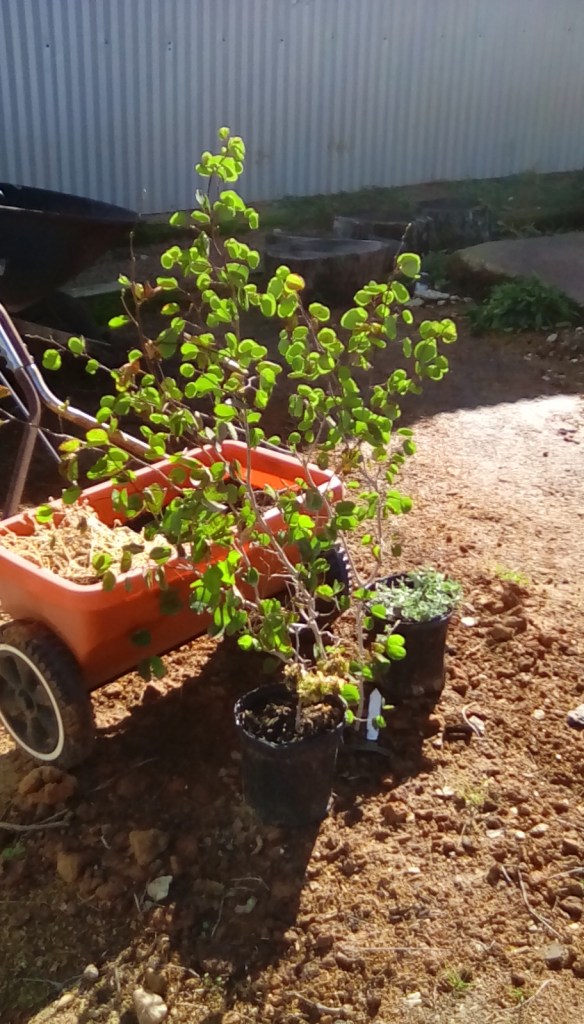
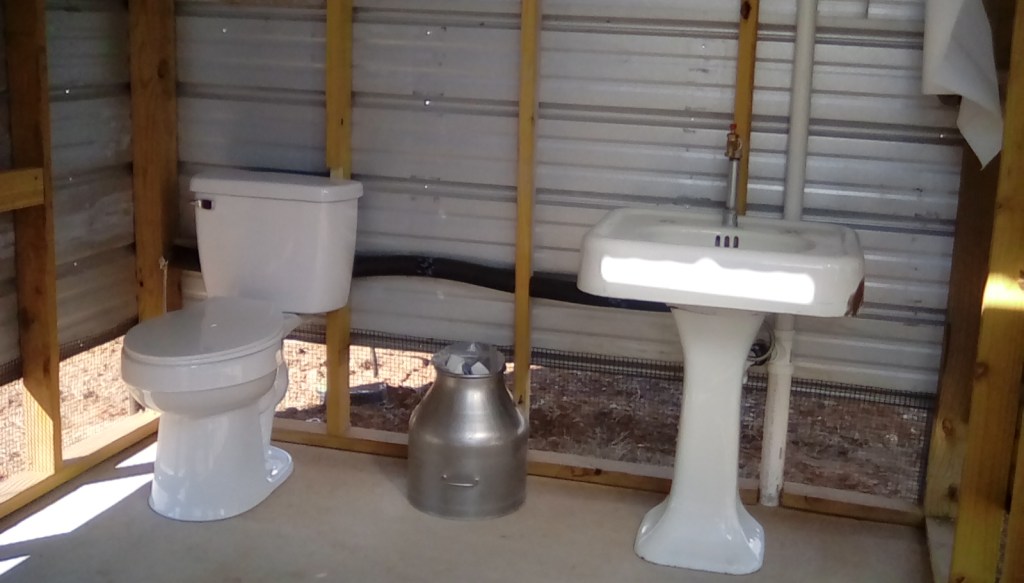
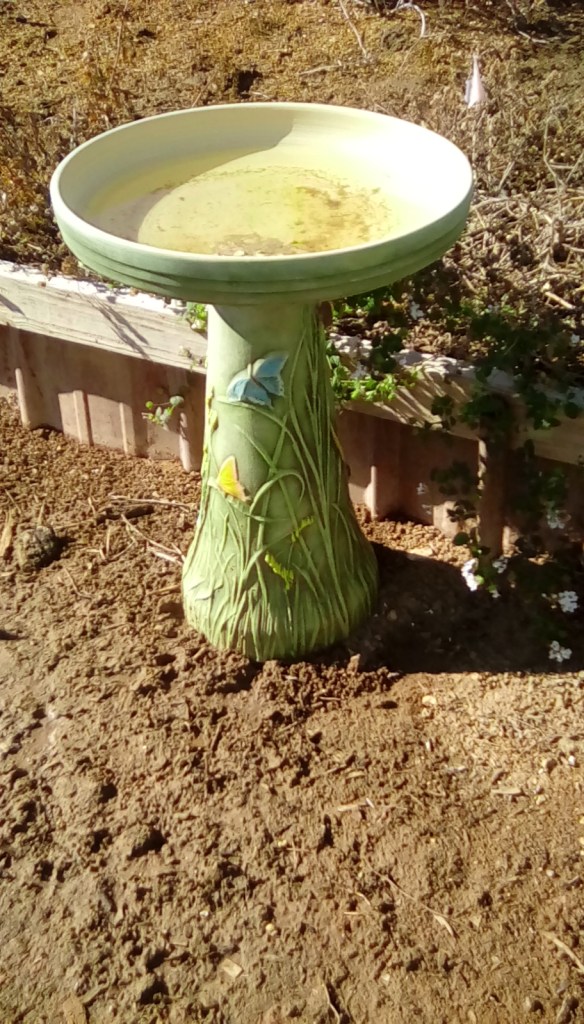
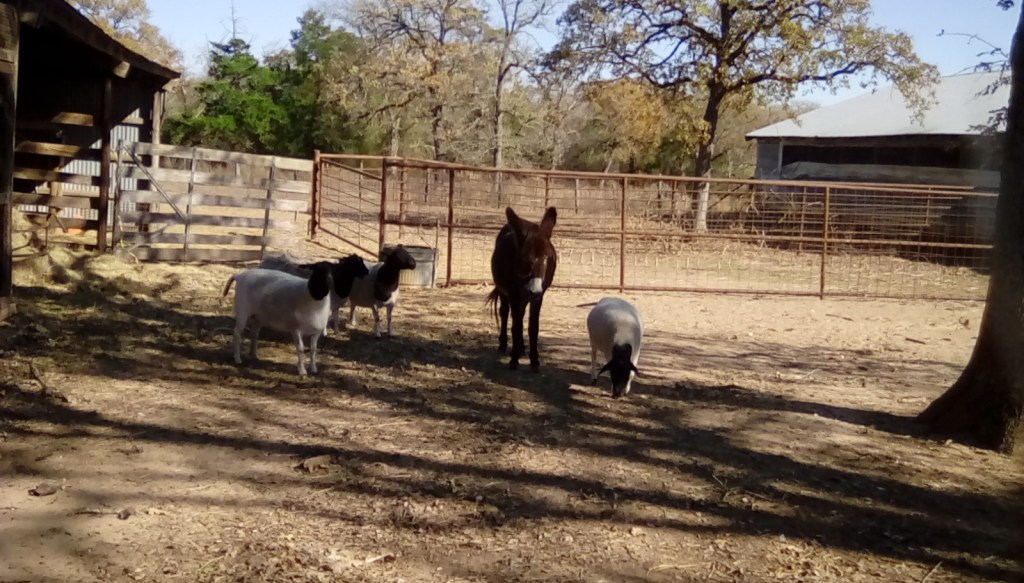
Catherine tells us that the work on the Wildscape has ended for the winter, since Master Naturalists are following our organization’s guidelines, and the Bird and Bee Farm has slowed down for the winter, as well. She wanted to share some photos of the last bits of work our Chapter members did in November.

Macaroni watched all the proceedings.

Click on any of these images to see them full size and uncropped.

We hope to be back at work as soon as possible!

Bye and love from Macaroni

We’ll Be Staying Home for a While

by Sue Ann Kendall, Chapter President

As you’re no doubt aware, the COVID-19 pandemic is still raging in Texas. The Texas Master Naturalist program’s advisors and administrators are concerned for the safety of the members of our program, so they have had to come to some difficult decisions this month.

I attended the monthly meeting for Chapter Presidents yesterday, and it was a hard one. Mary Pearl Meuth and Michelle Haggerty patiently shared with us the data they have put together about COVID risks in the counties where there are Master Naturalist chapters. It didn’t look good. They divided the counties into red, yellow, and green, by relative risk, and there were only two counties with chapters that were green, and four yellow as of last Friday.

The yellow and red counties as of December 12, 2020. Map from the TMN COVID Response page.

Milam County was yellow as of then, but it’s predicted to be red by next Friday, when they will update the map again. What does that mean? Here’s what Texas Parks and Wildlife says for red counties:

Counties with two of three factors pertaining to positivity rate of greater than 8% or more, OR a rapid rise in cases OR a hot spot:
• No face to face Extension-hosted or Extension-sponsored events.
• No guest speaking or presenting at other entities’ events.
• No overnight events.

TMN COVID Response page follow the link to read more about the guidelines

Many attendees at the meeting asked about whether drive-by events, outdoor activities, or solo activities would be okay. The answer was a reluctant, “No.”

No one was happy about this turn of events, but the current guidelines are set until the end of the year. It sounded doubtful that anything would change after that, but we will keep checking.

Implications for Our Chapter

Last night we held a meeting with some of the El Camino Real board who have worked directly with our recently graduated training class, to figure out how to do the graduation event we’d planned for this Saturday (December 12). After I explained what I’d learned earlier in the day, we had no choice but to conclude that we have to cancel the event, even though it was going to be as safe as we could make it.

Even if Milam County stayed in the yellow, we’d have more than ten attendees, and that’s all allowed in yellow counties. Plus, since we would have Board members living in Bell and Williamson Counties at the meeting, we’d have to abide by red county rules, anyway. Well, that was no fun.

Plan for Graduates

Of course, we want to celebrate our new members! Here’s what we will be doing right now:

I will send certificates out as soon as I can get Floyd Ingram’s signature on the graduation certificates. These go to our fine new members:

  • 1) Connie Anderle
  • 2) Marian Buegeler
  • 3) Carolyn Henderson
  • 4) Samuel Jolly
  • 5) John Montgomery
  • 6) Kaitlyn Montgomery
  • 7) Eric Neubauer
  • 8) Alan Rudd
  • 9) Debra Sorenson

I’ll also sign the certificates for those who have passed their initial certification, which include:

  • 1) Connie Anderle
  • 2) Carolyn Henderson
  • 3) Debra Sorenson

Kathy Lester will send everyone their Chapter t-shirts.

Lisa Milewski will send pins to the new graduates and nametags to those who get them, as well.

We will wait to give new members their gift made by Pamela Neeley later, since the are delicate and expensive to mail.

Plan for Chapter Meetings and Activities

Since we don’t have any idea when we can resume in-person meetings, we will continue with our Zoom Chapter Meetings. Don Travis will send all our members the registration link, which will work for all 2021 meetings. They’ll still be the second Thursday of the month!

We will be sending links to TMN activities that can get us our Advanced Training and volunteer hours virtually, such as TMN Tuesdays and the upcoming Virtual Volunteer Fair. Keep your eyes open for the weekly email!

I just want to thank all of you for sticking with us this year. I know some of us are unable to do virtual meetings, and that means we miss being together. Let’s hope things will turn around with the new year and slowly but surely we will be able to get outdoors and do some community science work together again!

Nature Will Find a Way

by Catherine Johnson

While others are away in the cool mountains,* a group of us decided to check on the condition of the El Camino Real Master Naturalist Butterfly Garden in Milano, which we started a number of years ago. 

The Butterfly Garden

It is  in complete disarray but still with butterflies and other insects trying to hold on to smothered natives.  A memorial on the site is also in complete disarray. We are considering possible solutions to make the area respectful.

Sulphur butterfly.

Eric Neubauer and Linda Jo Conn did some BioBlitzing, and Eric was later given a tour of  the Milam Wildscape, which he hadn’t visited before.

iNaturalist volunteers at work.

Unexpected Adventure

As we worked on the Butterfly Garden, I gained Master Naturalist volunteer hours for Nature Improvement in Public Areas, learned what false garlic and Carolina Snail vine look like, learned what a pipevine swallowtail butterfly looks like, and got to know new member Eric.

Carolina snail vine (the seeds look just like a snail!)

While in Milano I also got to hear lots of trains and watch the lowering of the flag at the post office. It was a balmy day balmy day and a good one for exercise! 

Oh, and we found odd gourds near the train tracks. That was unexpected.


*She is referring to the Chapter President, Suna, who has escaped to Utah. She will post!

Native Fall bloomers and Catatonic Carpenter Bees

(or another day at the Bees and Birds Wildscape)

By Carolyn Henderson

A sea of color is in bloom at the Milam Wildscape project at Bird and Bee Farm outside of Milano. Most of the blooms are courtesy of native Texas plants. On a follow-up trip on Saturday, October 24, to check on the Malabar Spinach vine I am trying to keep trimmed, I was met with a surprise of different colors and some catatonic bees.

There were many shades of purple, pink, orange, yellow, red and white from a variety of plants still thriving.

The most surprising was a Cypress Vine (below) that had sprung up, wrapped itself around the awning with the spinach, climbed about four feet and proceeded to bloom since I was last at the site. 

Cypress Vine, growing like crazy

There were also Lavender Leaf Sage, American asters, Southwestern Cosmos and some pink flowering vines full of catatonic carpenter bees.

The carpenter bees had attached themselves to a few different flowers but mostly to this plentiful pink flowered vine (Suna says: coral bells Antighonon letopus). They seemed to be in a state of hibernation – probably temporary. They could be touched with almost indiscernible movement from them. (I thought they were bumble bees until I put them on iNaturalist.)

Also in bloom and growing were goldshower, cut-leaf crane’s-bill, Indian blanket, white and pink roses, and a frilly, white shrub-like flower. A pair of Gulf Fritillary were also weathering the cold front on a tropical sage.

If that’s not enough, a great group of volunteers were planting more including a couple of trees.  (Pictured l to r : Carolyn Henderson, Pamela Neeley, Scott Berger, Liz Lewis, Catherine Johnson, and Donna Lewis (kneeling). Most of the foliage is putting out “babies”, and the “babies” are available for adoption to be planted at your place. For information on that, contact Catherine. You also can volunteer to help grow the wildscape by contacting her.

Volunteers, plus that good kitty.