We just received the results from an acoustic monitoring event that was performed by Dr. Paul Crump, a biologist from the Texas Park and Wildlife Department. He is a Herpetologist in the Nongame and Rare Species Program.
First of all he was checking out Milam County to look for the Houston toad. This toad was recorded in this county years ago, but not found here in the past few years.
Attaching the song meter
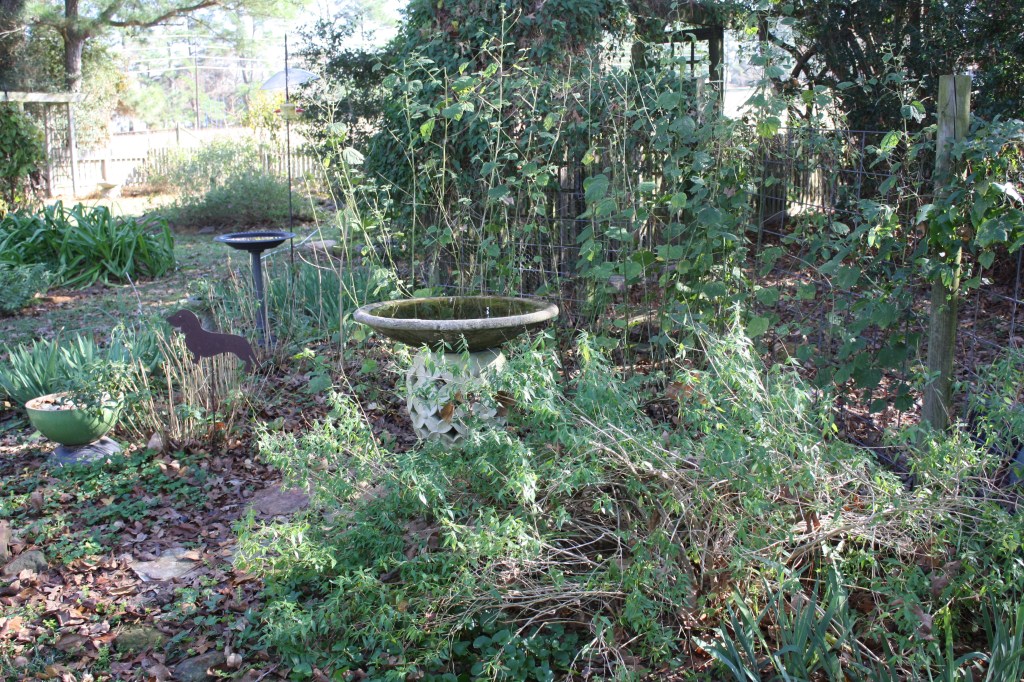
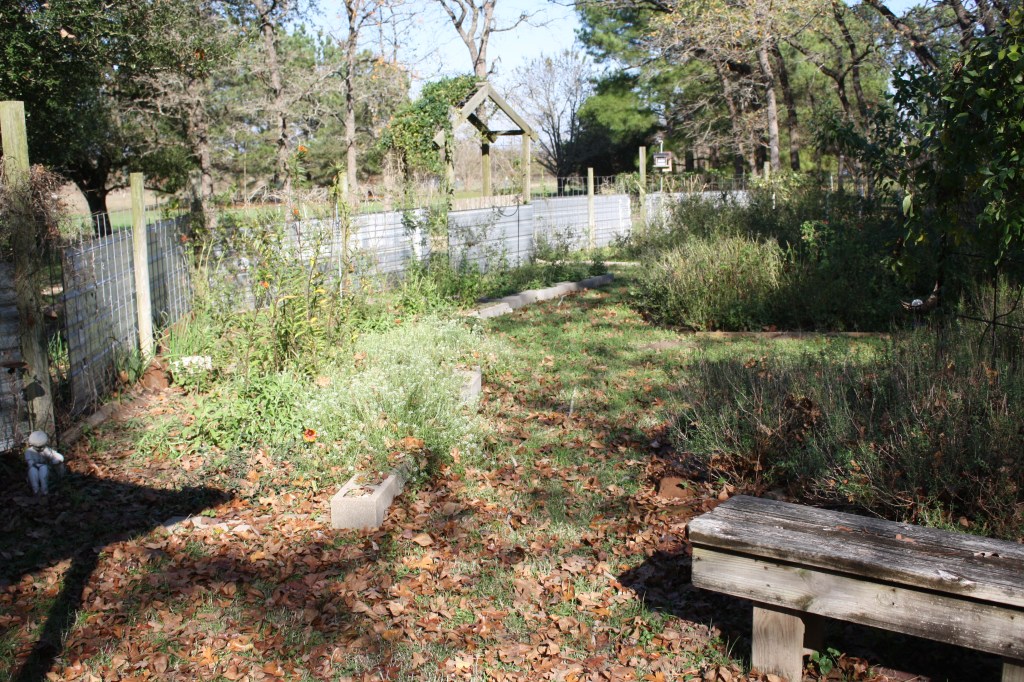
It was really interesting to see how this survey was done. Dr. Crump placed a recording box to a tree near our small pond at the back of our property. It is called a song meter and recorded two hours of audio every night from January 28, 2021 until June 12, 2021.
Then Dr. Trump retrieved the box and took it with him where he had the tedious job of listening to hundreds of hours of frogs and toads singing, so he could identify each species. Wow what a task! You really have to know your stuff to do it.
Song meter at work
Sadly there were no songs of the Houston toad recorded, but he did identify seven different frogs and toads! I did not know we had that many on our property. Very neat.
I hope this report does not make its way to the snakes that live near me. They will be arriving here pretty fast for lunch. I have learned more about these creatures by looking up each one of them. Thanks to Dr. Paul Crump.
The baby monarch caterpillar I found is now a chrysalis, along with the Wildscape guys.
Here’s Baby preparing to attach.
When they emerge, they may be the last monarchs to migrate.
Making the J shape.
They are hanging on to a silk web by a Cremaster-hook.
Chrysalis complete
I gently moved the first chrysalises and repositioned them. They must be hanging upside down and with enough space to fully open their wings. If they dry with wrinkled wings, they do not survive.
I have been getting numerous calls from people about this phenomenon.
There’s something on the fence, but what?
Most of our purple martins have left our area for Brazil now. There could be a few lost souls who just don’t want to fly fast, but most have gone south. So, what is it that everyone is seeing, including myself?
Mystery birds on a wire.
We are seeing northern rough-winged swallows. They are in the same swallow family as the purple martins. Their Latin name is Stelgidopteryx serripennis. They are smaller and make much less noise. Unlike the martins, they fly closer to the ground to catch live insects. They also perch lower on fences. Their breasts are white and they have smaller blunt-looking tails.
Northern rough-winged swallow in Arizona. Photo by heyitshelios on iNaturalist.
The rough-winged swallows are going south also, but stop around Mexico. They are solitary unless they are migrating.
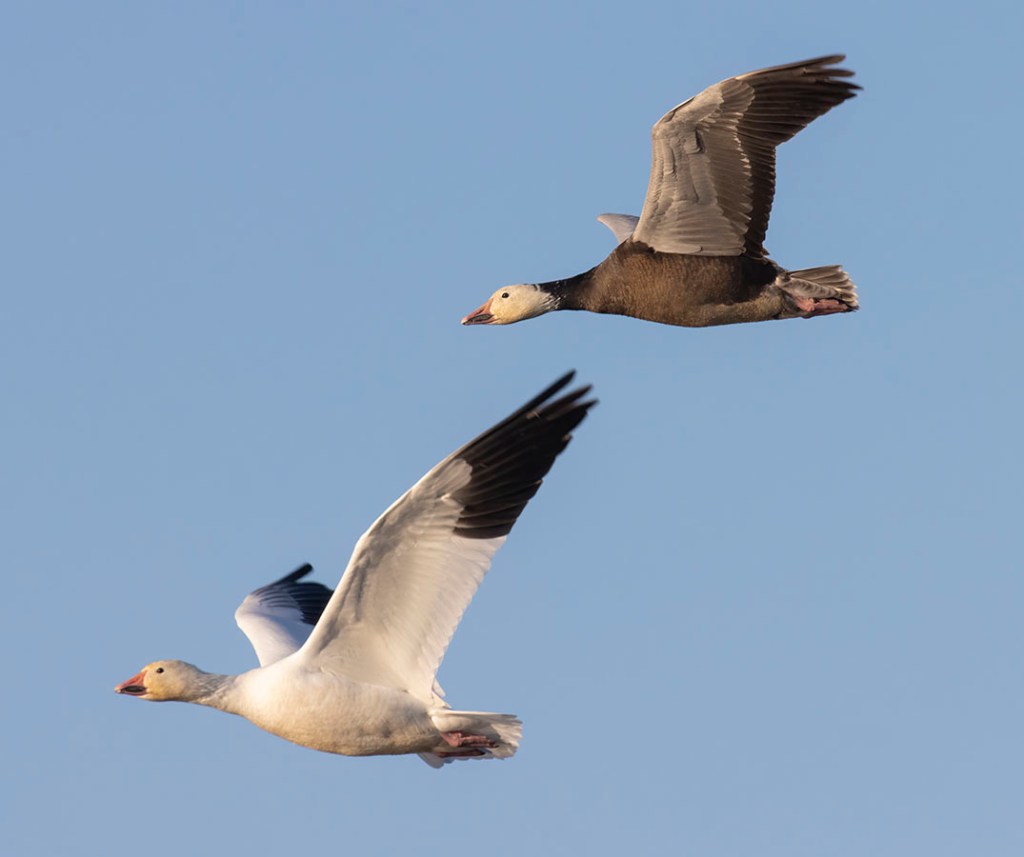
This will help you ID them in flight. Photo by davidpickett on iNaturalist.
For me the way I really know them is that they are much quieter than our martin friends. But for a moment I was reminded of the Martins and it brought a smile to my face.
Have a wonderful stay in your winter retreat little friends.
While I was watering and checking milkweed at the Wildscape, I discovered for the first time, Monarch caterpillars.
Wildscape caterpillar
So many creatures can kill them, and the fowl were roving (it is, after all, a chicken farm). I decided to take them home and raise them in my house. I have done much research on this topic and also took home milkweed stems.
They stayed in a covered container with damp paper towels in a warm bedroom. I have since received an enclosure and vials.
The enclosure
One baby from my house was added to three from the Wildscape.
Three from the wildscape and the “baby.”
One night the Wildscape Caterpillars formed J’s . Next morning, only one was alive and shaking. My baby was ok. I saw head parts in the paper towels and was relieved to see they had shed their skin for the last time and were now a green chrysalis. I left about 20 minutes and missed seeing the last one turn!
Shed skin and chrysalisChrysalises, through their screen
Baby is still going thru instars. Right before they emerge, I will space them out so they can spread their wings, dry and be released back to the Wildscape. We hope to release hundreds in the future.
Vials and chrysalises
Interesting fact: bigger caterpillars will eat babies emerging from eggs.