Pondering Plant Names and Old Adages

by Carolyn Henderson

Turkey Tangle Frogfruit – why was that name given to the little bitty flower that grows close to the ground and seems to be able to survive anything? Some fellow iNaturalist.org users in the El Camino Real chapter of Texas Master Naturalist tell me that it used to be just “Frogfruit” until it was recently changed. No one I know seems to know why that occurred either.

I often wonder how words originate. For example, I’d like to know who designated that tall naturally occurring thing with a lot of fluffy greenery on the top half a “tree.” I’m not asking why there are trees (I’m sure many scientists could tell me), I wonder who chose that combination of letters to identify it to other people.  I should point out that I have degrees in journalism and English, two subject which perpetuate a lot of word pondering.

I also have been curious about the adage about Texas Purple Sage “predicting” rain. It came to mind today because mine suddenly bloomed. I have frequently heard that Texas Sage blooms two weeks before it rains. Many people I know believe that to be a fact. My Texas Sage can cover itself in beautiful purple flowers very quickly and, often, many times a year. However, it always seemed to me, that mine blooms after it rains. It turns out that neither is exactly correct, but it’s not called the “Barometer Bush” for nothing.

The shrub is believed to be sensitive to barometric changes in the atmosphere. When humidity and pressure change to indicate rain favorability, the bush blooms – at least according to current study.

I went to the Google search site and typed in “Texas Purple Sage predicts rain.” I found that many people had pondered this adage, and some had researched it. Below are partial quotes from two articles I read on the topic.

Research was obviously needed, so I dug in. All the book and online references agreed nobody knows the answer for sure. I learned that while Texas sage does tend to bloom a day or two before rain, it can also bloom within days after a rain or just when conditions are optimal for rain to occur, even though rain may not happen. This curious response to weather probably is mostly due to the plant’s sensitivity and ability to detect humidity as well as change in barometric pressure.

So, what can you depend on? Only that Texas sage blooms sometime around a rain event — maybe. If you have a full-sun location that drains well, plant some and enjoy them. They are very pretty plants.

By Howard Garrett | Special Contributor, The Dallas Morning News

The detail behind the matter, however, is that while Texas sage tends to blossom a couple days before precipitation occurs, it really blooms when the conditions are optimal for rain. Actual rainfall may not occur, but the plant is sensitive to changes in barometric pressure and humidity, and therefore it blossoms.

By Spring Sault, Nature section, Hill Country News

Maybe it is predicting rain after all. Like all weather forecasts, it’s rarely spot-on accurate. What the Texas Purple Sage does do is bloom despite little rainfall and high temperatures, and it attracts bees, butterflies and hummingbirds in mass sometimes. (I hope you can see the video here to actually see that.) My Texas Sage took a hit from the Freeze of 2021 which required severe pruning. It is really growing now and blooming. I hope the bees smell it and show up.

Texas Purple Sage Action!

Rain Revives the Park

by Carolyn Henderson

The amounts of rain received over the last few days varies, but a stroll around Wilson Ledbetter Park on Sunday shows just how much a little rain can do.  

It’s green!

The 0.40 inches I received at my house was enough to elicit excitement because I had none for so long. The 2.5 inches friends a few miles down the road received also inflicted envy. Based on the location of Wilson Ledbetter Park and rain reports, I would estimate 0.50 inches there so far this week has really “greened” up the place. 

I was there a month ago and all grass was brown, almost no flowers bloomed, and trees were turning brown, too. Today, grass is green, several types of flowers are blooming and most of the trees look perkier

The bright yellow Rio Grande Copper Lily was popping up in many areas. Also blooming in the yellow category were Bitterweed, Spreading Fanpetals, and Texas Snakeweed. To be honest, Bitterweed never went into hibernation. Drought and 108 degrees didn’t faze it.

In the pink/purple category, Shaggy Portulaca, Tievine, and Texas Vervain were in bloom.  Violet Rueilla  and Purple Nightshade were abundant, but they never completely died off. The Whitemouth Dayflower, a vivid blue flower, was in abundant bloom both near and far away from the little lake. 

Texas Bull Nettle was really starting to put on medium sized white flowers. Try hard not to touch that one because all those nettles will really make your skin itch. Other whites were the Santa Maria Feverfew and Turkey Tangle Frogfruit. I would bet that Turkey Tangle Frogfruit could survive anything. It totally ignored the 8 days of below freezing temperatures and ice and the drought with excessively high temperatures.

All that color was popping out at me in a short stroll around the park. If the amount of rain forecast for this week materializes, I hope you’ll go out to Wilson Ledbetter and take it all in, too.

Peppervine fruit

How long can wolf spiders live?

by Eric Neubauer

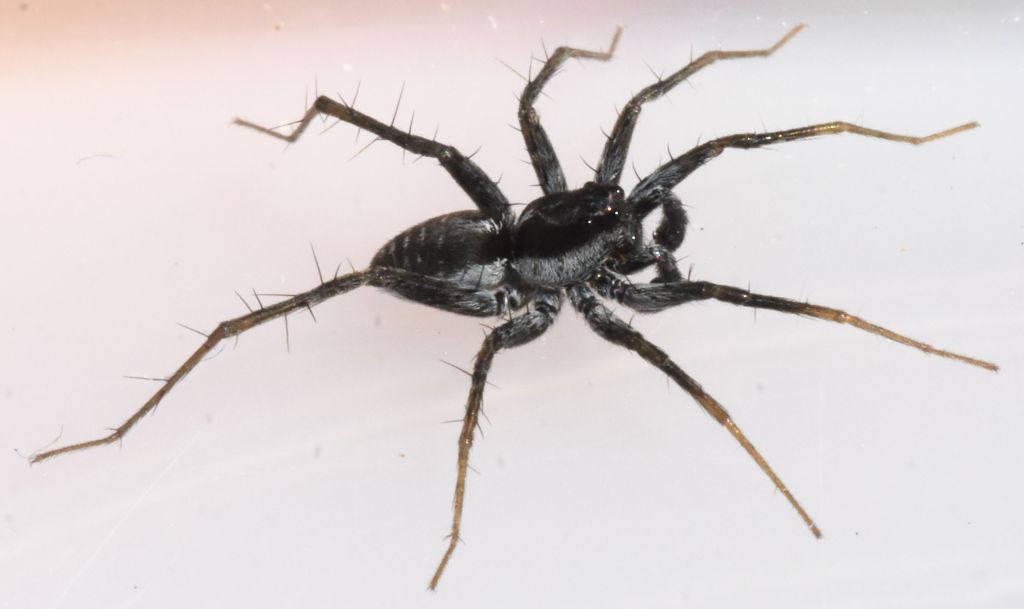
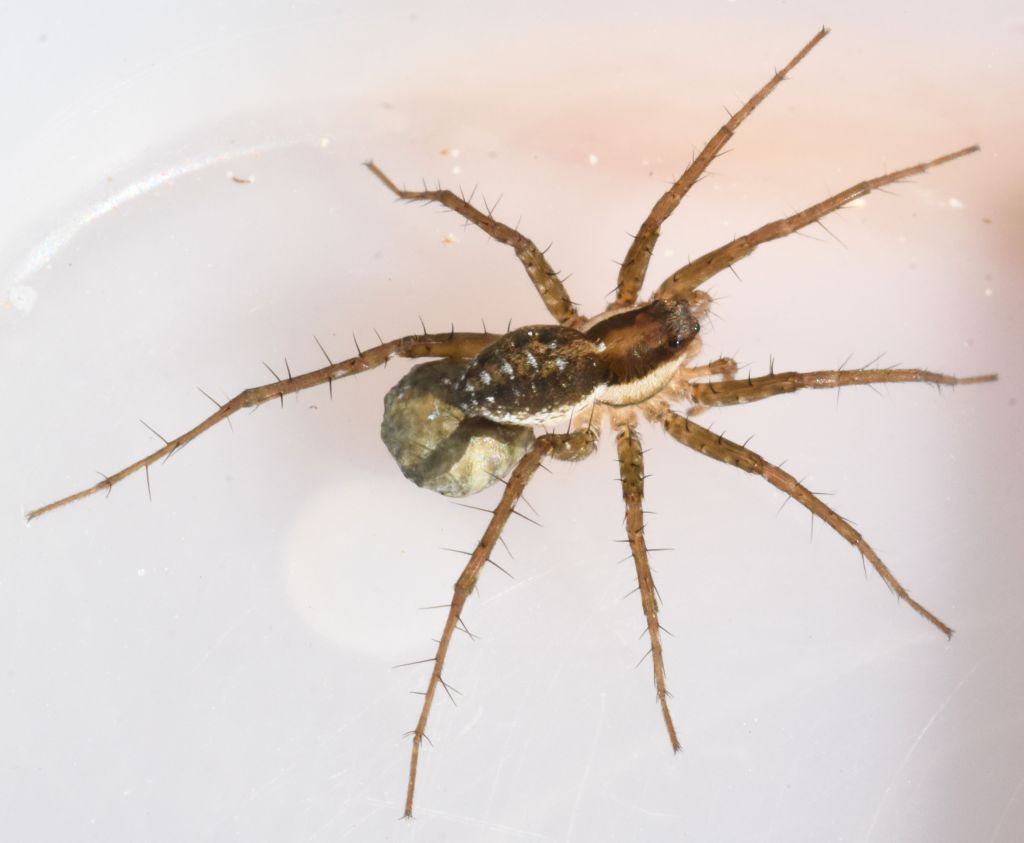
Sometimes people ask me how long wolf spiders live, and that’s a question I have too. I’ve been looking and lately spotlighting for spiders on my property for a while, and suddenly I can’t find any Schizocosa avida day or night. I know another observer on iNat about 150 miles to the northwest who hasn’t seen any recently either.

chizocosa avida

Checking the months of my observations, I find a peak in March and few from August to December. They have to be there, but are probably too small to be noticed. So, I have one answer: they live about 14 months and are mature for the last few.

Pardosa atlantica

Observations for their entire range on iNat show a similar pattern. On the other hand, adults of some Pardosa are present and breeding year round, so figuring out how long they live is a lot harder and could be less than a year. I suspect Hogna antelucana live well into their second year at least. So, it’s complicated.

Hogna antelucana

Who’s Survived the Drought?

by Sue Ann Kendall

Over here in northern Milam County, we’ve had some rain three days in a row, which has been a welcome relief after pretty much nothing since May. Today there was even a little bit of rain in our front pond (tank in Texan), which had dried up completely as of last week. This was too late for all the fish, who made all the egrets and herons happy as they all died. I assume more will show up.

Today I went out around our ranch, the Hermits’ Rest, to see what had made it through the drought. Was anything blooming? What insects are still there?

This made me very happy yesterday.

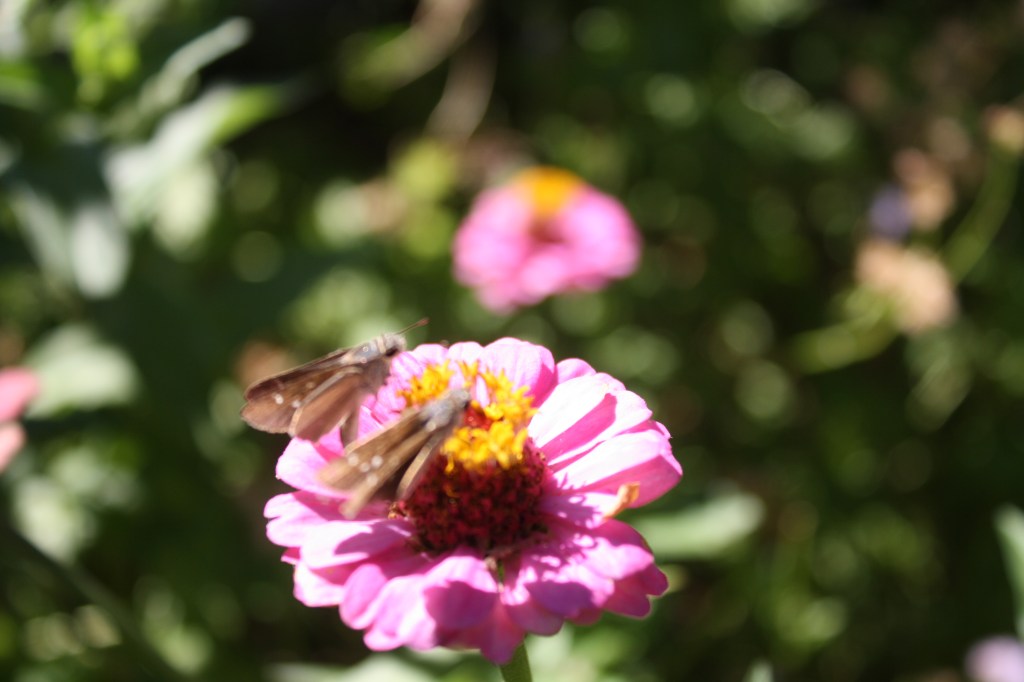
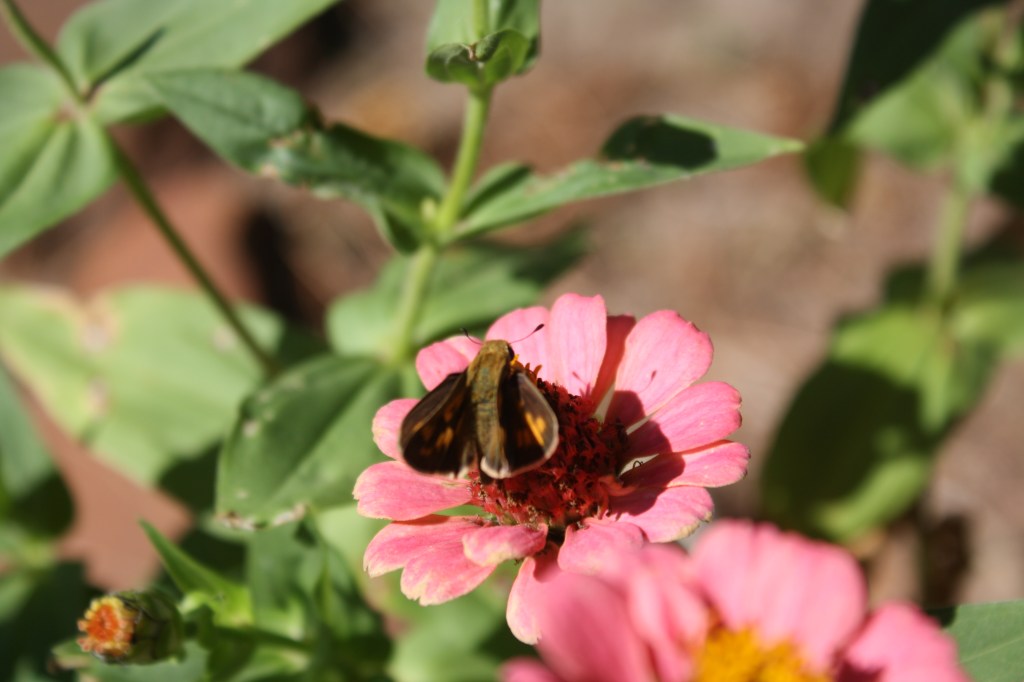
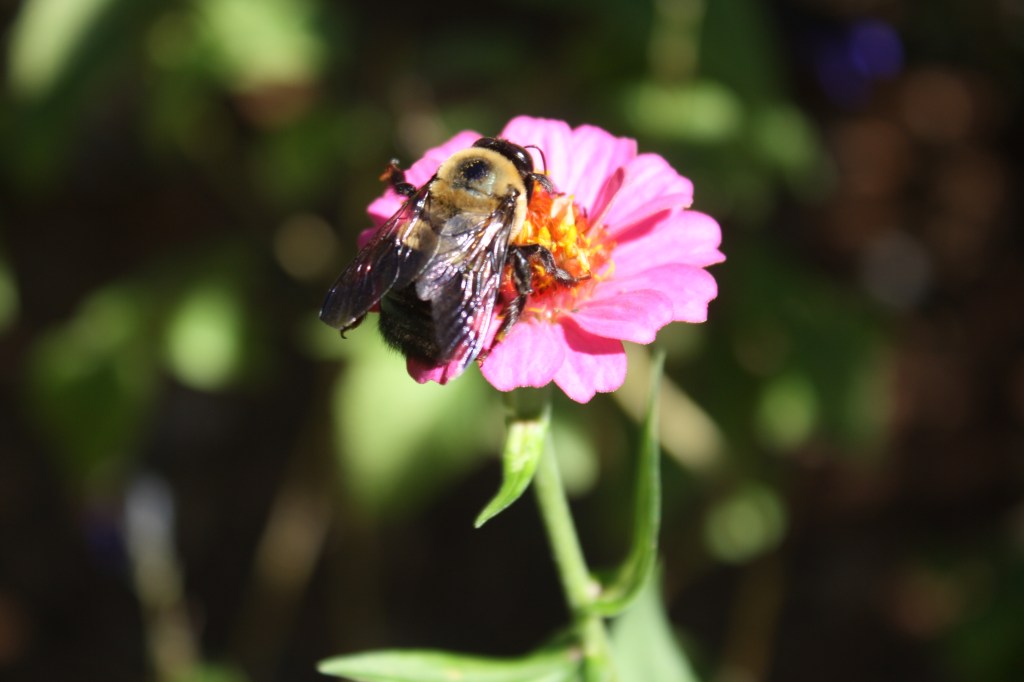
I can tell you that the bees survived just fine, and you can thank some humble plants for that. The turkey tangle frogfruit (Phyla nodiflora) has not stopped blooming and has formed mats where the grass once was. Bees and wasps are all over it. The other plant that’s attracting so many bees you can hear it from a distance is the scarlet toothcup (Ammannia coccinea). Now, the latter is a bog plant, as is its friend the floating primrose-willow (Ludwigia peploides). We seem to have some kind of springy area that has supported them all summer, to the delight of the flying insects.

Other plants have been thriving. Of course, the silverleaf nightshade (Solanum elaeagnifolium) is fine. It’s like iron. In fact, some of them have fruit large enough that they look like cherry tomatoes! I wouldn’t eat them, though. I don’t trust anything named “nightshade.” The lesser balloon vine (Cardiospermum halicacabum), which just loves our ranch, is also plugging along happily. There are so many of the vines in the dried-up bed of Walker’s Creek that it smells like a Bed, Bath and Beyond store! I had no idea how fragrant those tiny flowers were until I encountered thousands of them in a confined space! The other thriving plant is the violet ruellia (Ruellia nudiflora), which is having a great year, according to Linda Jo Conn, our iNaturalist approval maven. One of our rental houses seems to have a purple carpet in the yard. Way to go, little flowers!

One more happy vine is the sorrelvine (Cissus trifolioata), which is more numerous than the smilax this year. It has some healthy-looking fruit, which I learned just this year is related to the grapes (none of which fruited here this year).

Blurry, but you get the idea

A few of our usual summer stalwarts are barely hanging on, though. There are many passion vines, but the flowers were looking pretty straggly until after the rain. They finally look normal. I have found one sad little Texas bindweed (Concolvulus equitans), a couple of prairie coneflowers/Mexican hats (Ratbida columnfera) (my photo is too blurry to share), a few velvetweed (Oenothera curtiflora), and sparse Lindheier’s doveweed (Croton lindheimeri) (it’s usually everywhere – in fact, my chickens had a tree version last year by the time it got cold). And there’s vervain (Verbena halei) and green poinsettia (the native one Euphorbia dentata).

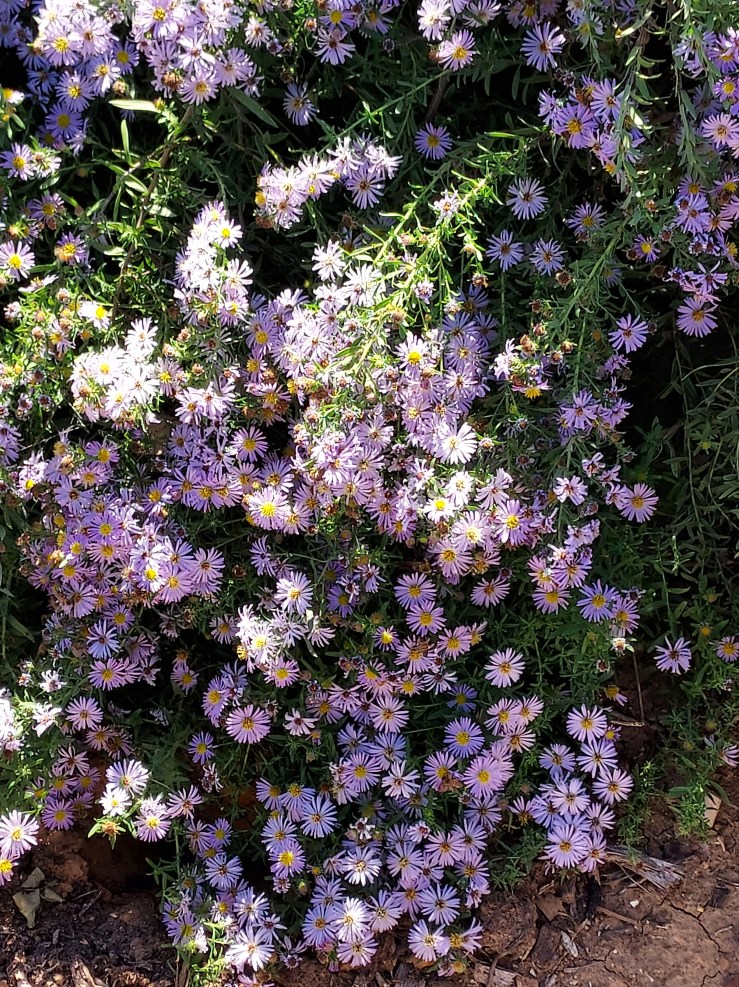
Two plants are here in large numbers, but I didn’t recognize them at first. The asters (Synphyotrichum sp.) and the broomweed (Amphiachris dracunculoides) have had all their foliage eaten by the eight gazillion grasshoppers of the season, so it wasn’t until I found a few sad little blossoms that I realized what they were. Yes, it was a fine year for differential grasshoppers, obscure bird grasshoppers, and prairie boopies (look them up, I’m tired of typing in Latin).

Speaking of insects, in addition to the grasshoppers, we’ve had lots of dragonflies and damselflies this summer, and a variety of small crickets (not the usual giant annoying ones). The chickens love them all. The cicadas Donna wrote about recently are few and far between, but I’ve heard them.

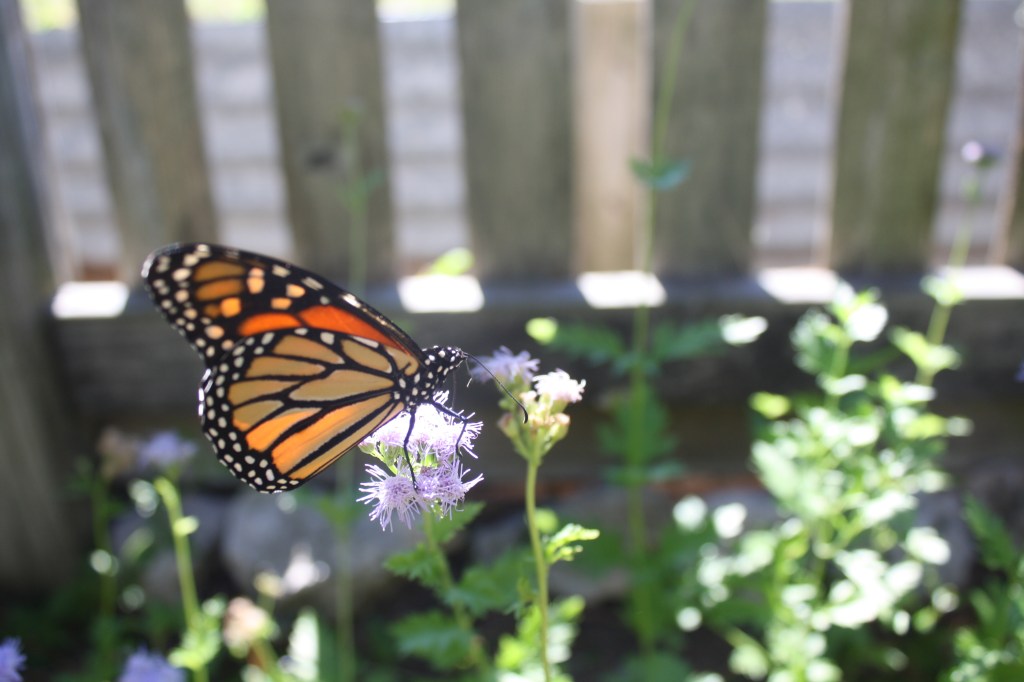
One way I’m hoping we are attracting insects is the number of milkweed plants on the ranch. I’m happy to see lots and lots of zyzotes milkweed (Asclepias oenotheroides) and a good number of green antelope horn (Asclepias viridis) out in the fields. Even better, I’ve seen many dispersed seeds. Come on over, monarchs!

I’m glad some of our plants and animals have made it through the summer. I will be interested to see how many trees we lose in this drought. The previous one was very hard on the older trees on our property, which slowly keeled over from 2012-2015. I hope you got rain where you are, but not too much. Some of our chapter members had a hard time in the past couple of days. We are due for more rain, but I won’t complain. I miss the ponds and my horses miss the grass!