First Quarter Grant Update

by Dorothy Mayer

This November we finished the first phase of the H-E-B Pollinators for Texas Project at our Milam Wildscspe.

It’s been fun!

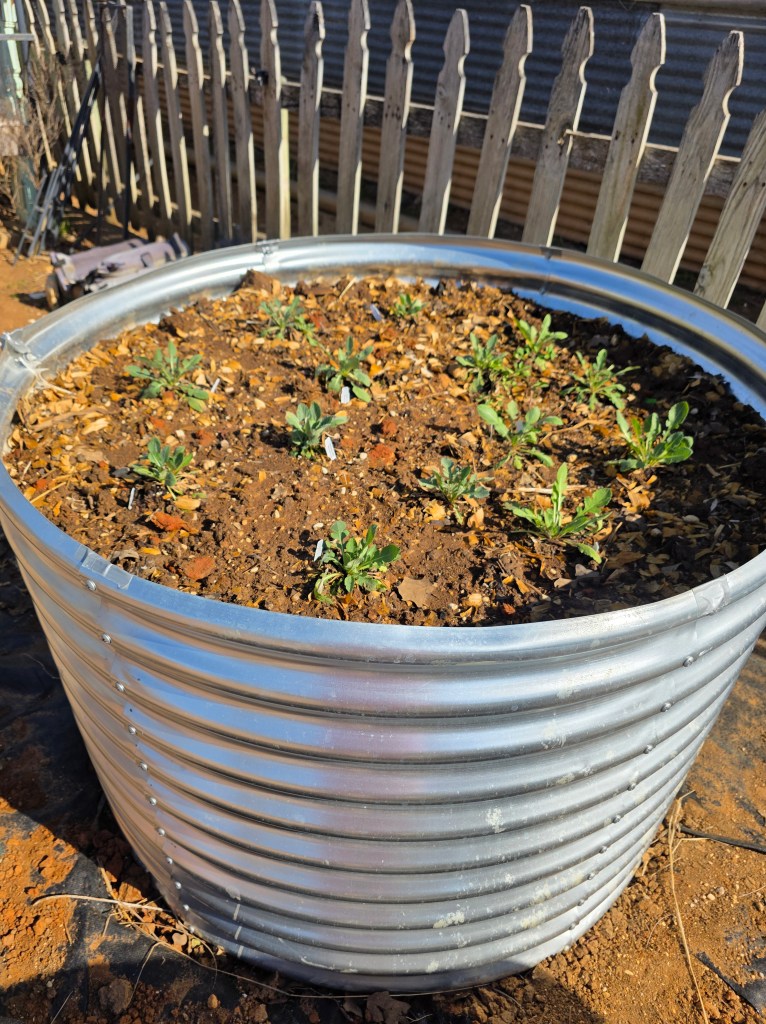
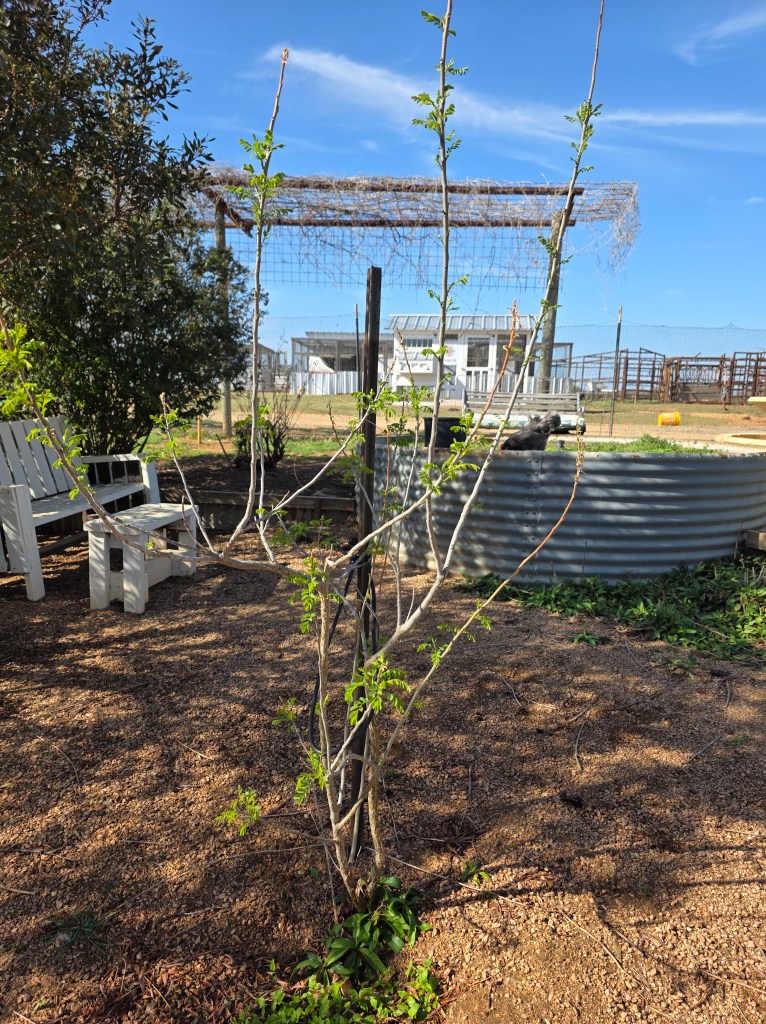
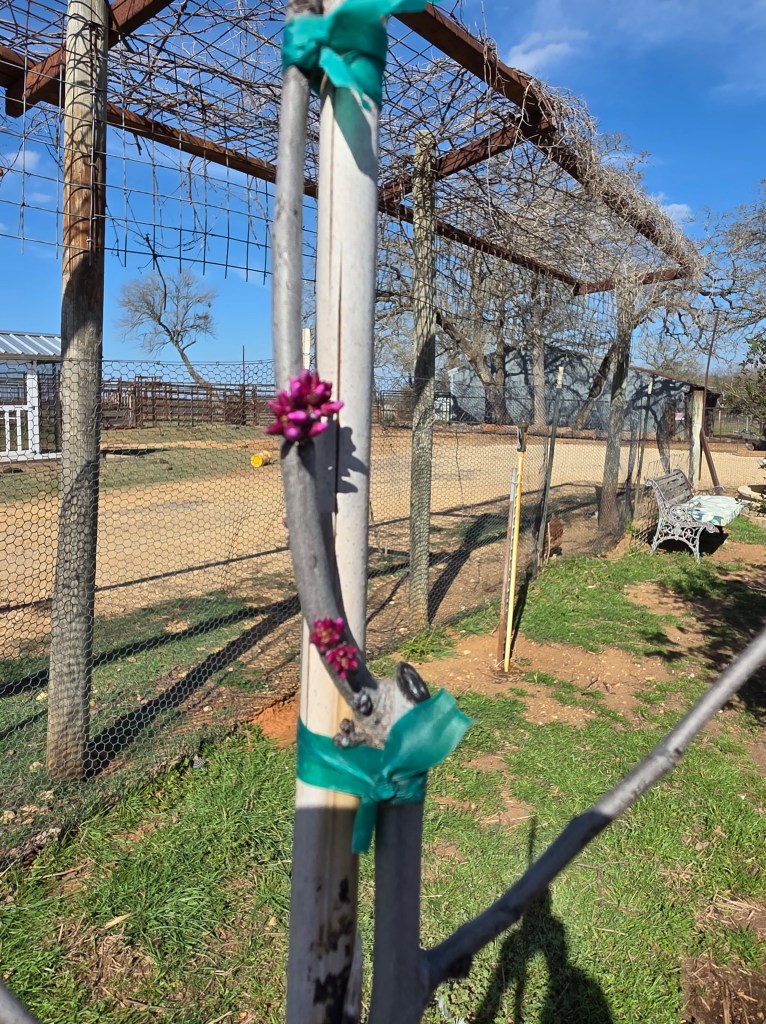
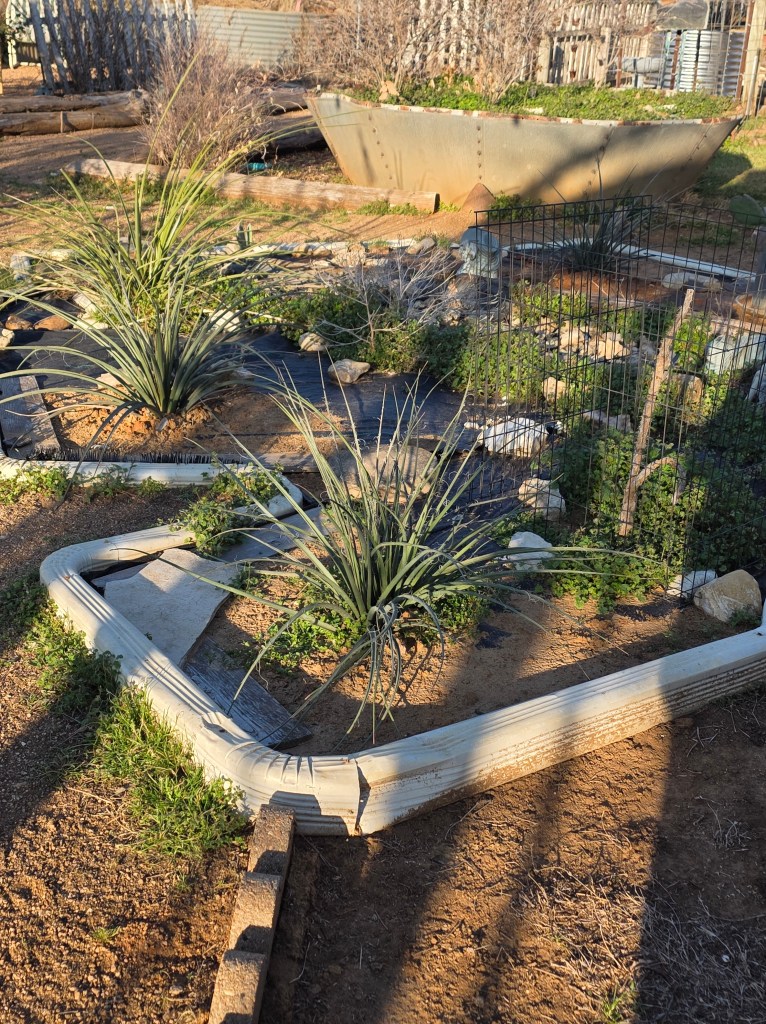
A large number of our members volunteered many hours. Progress included new pathways, seating areas, native Texas redbuds, grasses and groundcovers.

Ready to grow

In 2026 we will focus on identification of target pollinators and conclude the project with April and May Community tours.

Come on, pollinators!

The Pollinators for Texas project is a collaborative effort with H-E-B and the Texas Master Naturalist (TMN) Program focused on enhancing native pollinator conservation across the state by promoting awareness, conservation efforts and creating sustainable pollinator environments. The initiative aims to engage communities in supporting pollinator-friendly practices through funding TMN chapter-led projects and programs.

City Wildscape Gets an Upgrade

by Carolyn Henderson

The mini wildscape at All Saints Episcopal Church in Cameron got some new plants and grooming, and the fight against the persimmons continues. 

Chad Cryer, Liz Lewis, Alan Rudd, and Carolyn Henderson planted six new Mexican Sage bushes, pruned back what was still blooming and scraggly, and took out a few more persimmons trying to pop up. Alan was gone by the time we thought to take photos.

The wildscape is still supplying food to butterflies, bees, and Texas Spiny Lizards which all showed themselves once it started to warm up. 

Grass pulling comes next. 

Lots of Bird Action at Wild Wings

By Sue Ann Kendall

I’ve been making up for lost time at our Chapter’s little bird sanctuary, Wild Wings. Fall and winter are the best times to visit, anyway, since winter visitors may appear. I brought all my birding equipment for the past few weeks, so I could see all the little guys flitting around with my better-quality binoculars.

I also brought my real camera and telephoto lens, so here come the bird photos!

I got to watch a Red-shouldered Hawk and multiple Red-bellied Woodpeckers last week, but didn’t get many photos. I also enjoyed checking out the plants Gene has put in the beds, too.

Non-native tropical milkweed will be beautiful next spring and summer.

This week, Kit and I spent time at the sanctuary listening to the birds—we have heard 17 species via Merlin Bird ID this week, plus additional ones last week, so this will be a good month for our totals, which have been missing for a while due to our volunteers and their issues/schedules (I mean me).

This Tufted Titmouse on the rain chain did not judge me.

Sitting quietly in the sanctuary with all the feeders filled to the brim by our caretaker, Gene, lets you get some fine photos of whatever birds come to feeders, which means Carolina Chickadees and Tufted Titmice, and one Eastern Phoebe.

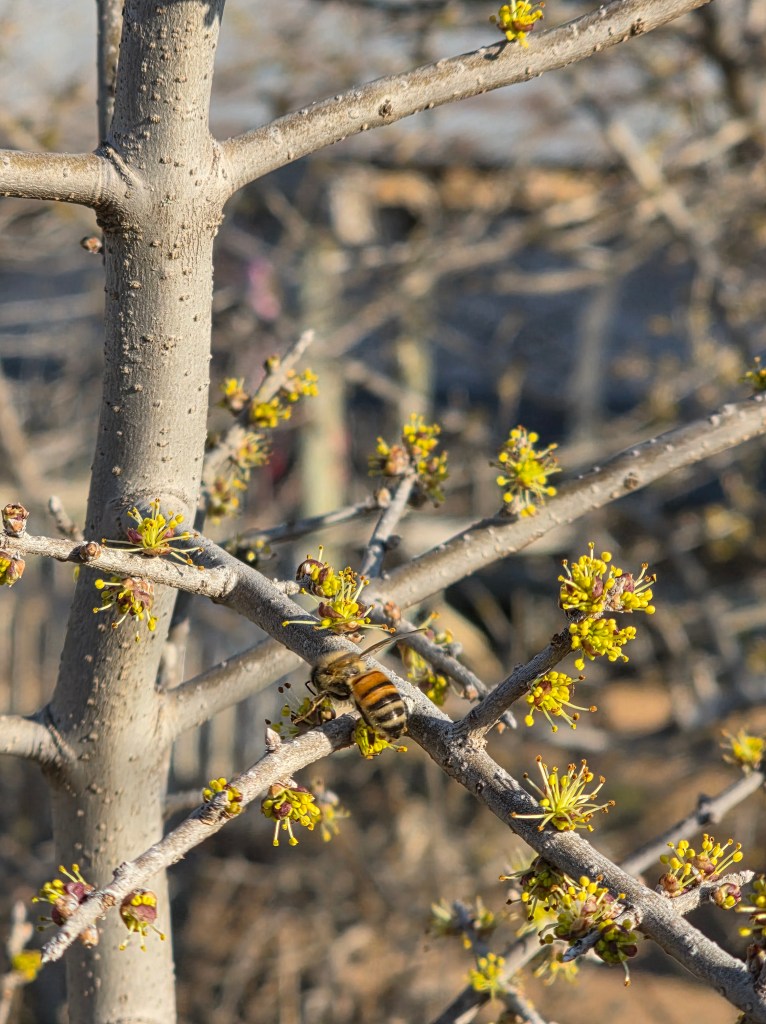
The sanctuary also is home to many bees, as it’s near an apiary. The bees love the rain chain that drips into the bird bath. Look at all the bees!

They’re on the right.

We encourage visitors to the Wildscape to come on down for some peace, quiet, and birdsong.

Planting Native Grasses at the Wildscape

By Sue Ann Kendall

All the preparations have paid off for our pollinator project at the Milam Wildscape. Our grant from the H-E-B Pollinators for Texas is going a long way toward creating just what our target species need.

The pollinators are waiting patiently for their new nectar and pollen sources.

Starting early on Saturday morning, volunteers got their hands dirty and planted many interesting native grasses and ground covers in the new prairie area.

Catherine Johnson explains what kinds of grasses have been planted.

This new section isn’t covered in plastic, because the grasses and ground covers should quickly fill in the space and eliminate unwanted volunteers.

The new area

All the different textures and colors of these grasses will provide a beautiful background for other annual and perennial natives.

There are various new plantings elsewhere, thanks to all the creativity and hard work of our team.

Of course, a visit to the Wildscape isn’t complete without some pollinators. We hope their descendants enjoy all the new plants.

There’s another workday next week, then the plants will settle in next month.

The Pollinators for Texas project is a collaborative effort with H-E-B and the Texas Master Naturalist (TMN) Program focused on enhancing native pollinator conservation across the state by promoting awareness, conservation efforts and creating sustainable pollinator environments. The initiative aims to engage communities in supporting pollinator-friendly practices through funding TMN chapter-led projects and programs.

Wildscape Renovation in Progress

By Sue Ann Kendall

Our chapter is putting our H-E-B Pollinators for Texas grant to good use. Many hours of hard work, along with materials purchased from the grant have transformed the former jumble of natives and volunteers into a fairly orderly setting for the new native plants that will go in soon. It’s a Wildscape, so it has to be a little wild, right?

There are still lots of fun accessories!

In the past couple of weeks, much plastic has been laid down to discourage some of the more vigorous volunteers from taking over before the new plantings get established. All the paths have new crushed gravel to make the area easier for visitors of all ages and abilities.

There’s still a lot to do—there always seems to be another batch of plants to thin or remove. I wish I’d gotten a photo of all the Turk’s cap getting thinned. That was some effort!

There were a few bees and butterflies around last Saturday, but I think they’re also waiting on the new sources of sustenance. But not all the flowers are gone!

Hard work is much more fun with cheerful volunteers. Come join our merry band some Saturday! The Milam Wildscape is adjacent to Bird and Bee farm—look us up!

The Pollinators for Texas project is a collaborative effort with H-E-B and the Texas Master Naturalist (TMN) Program focused on enhancing native pollinator conservation across the state by promoting awareness, conservation efforts and creating sustainable pollinator environments. The initiative aims to engage communities in supporting pollinator-friendly practices through funding TMN chapter-led projects and programs.