Getting to Work on Our Grant

by Catherine Johnson

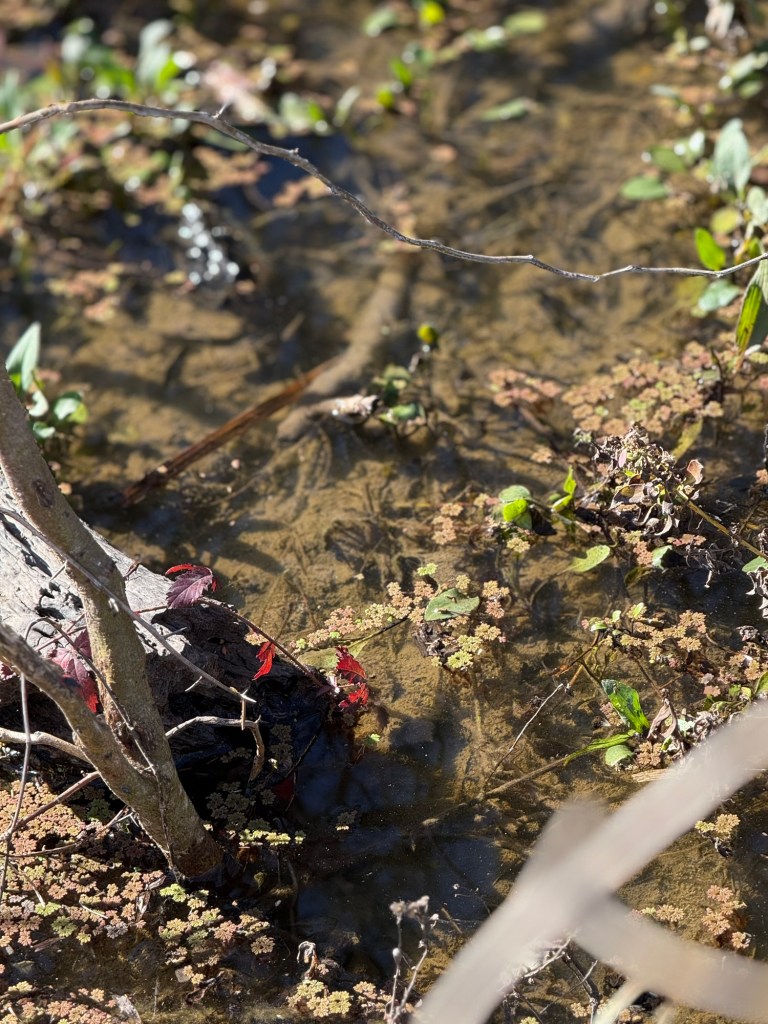
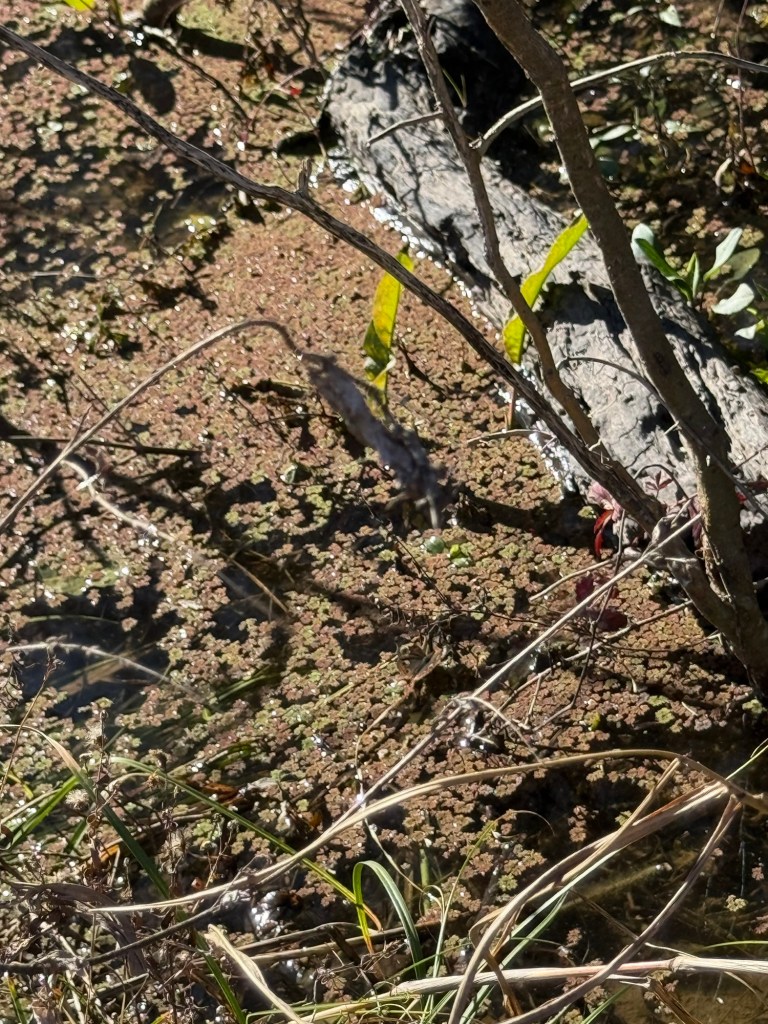
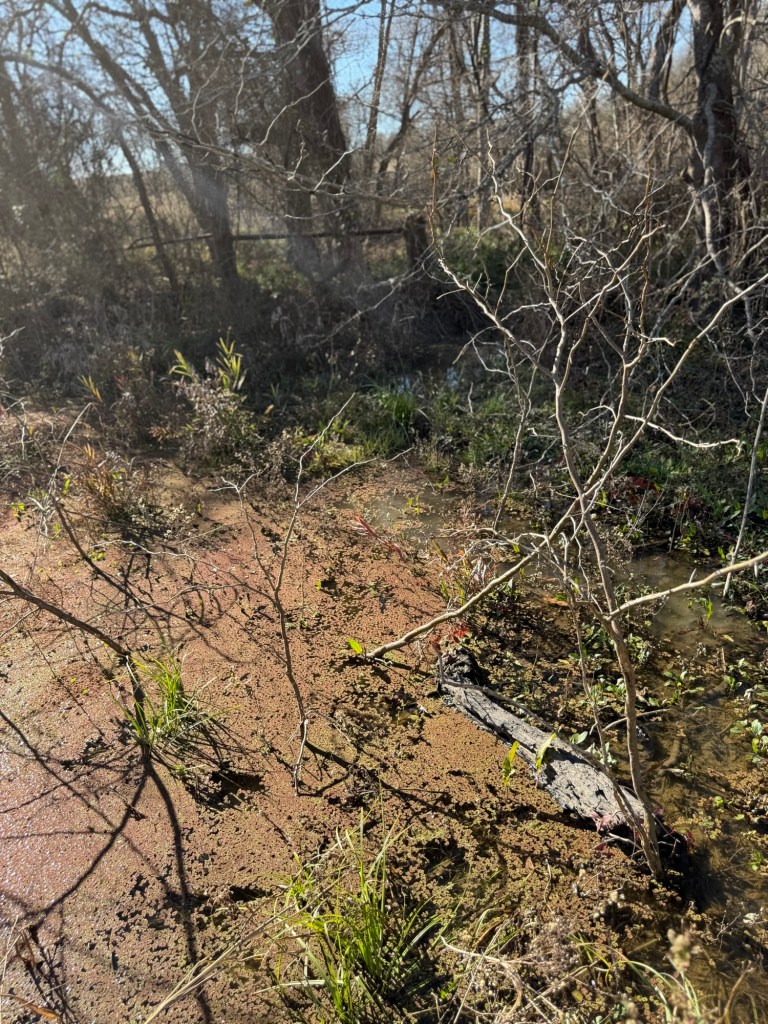
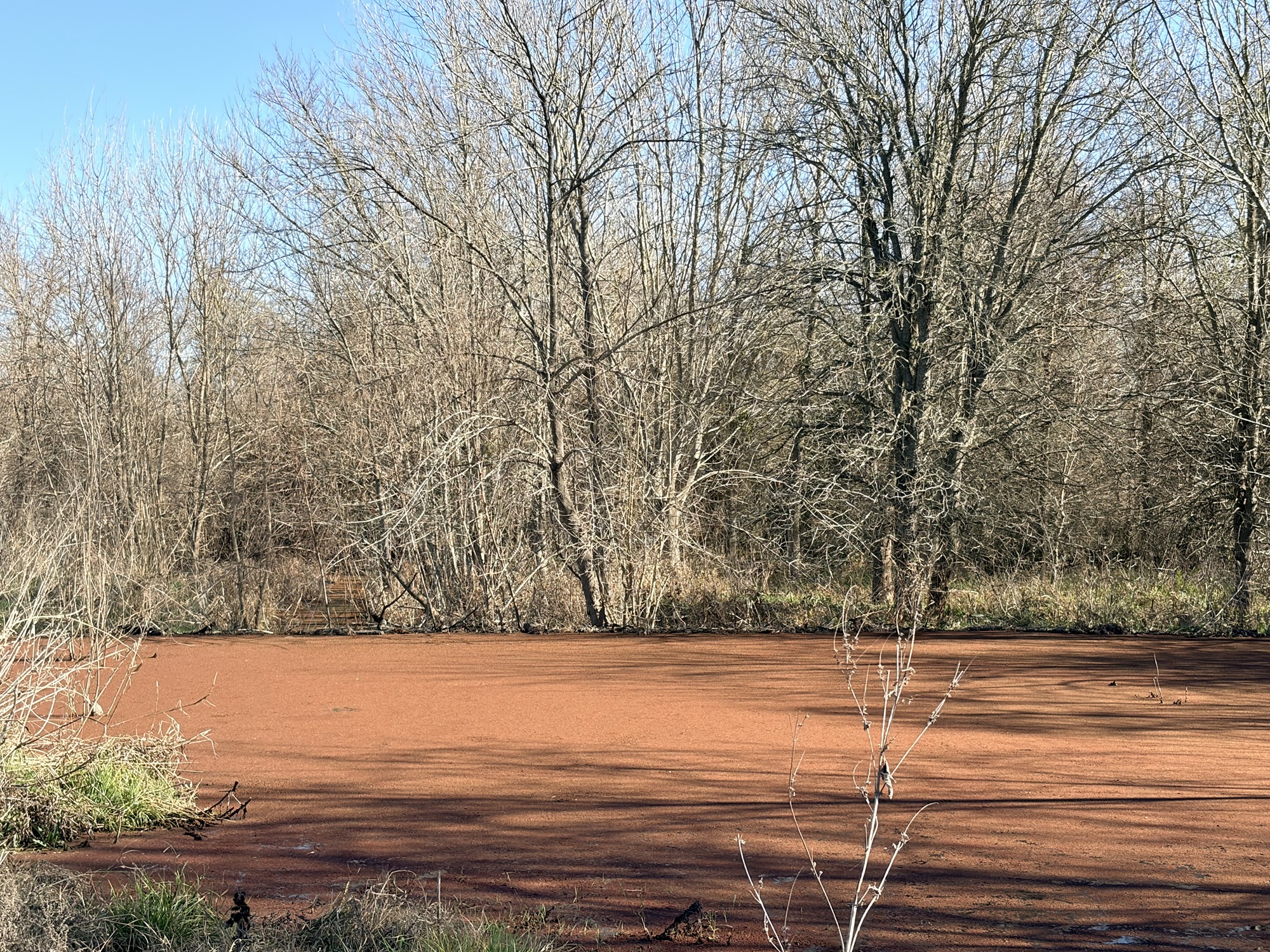
On the first cool day of Autumn, progress continued on the H-E-B Pollinators Across Texas Project at the Milam Wildscape Project.

Many native plants are thriving, including Buttonbush trees, host to Sphinx Moths. Barbados Cherry provides nectar, fruit, and seeds. Goldenrod that was provided by Chapter member Eric is ready to bloom.

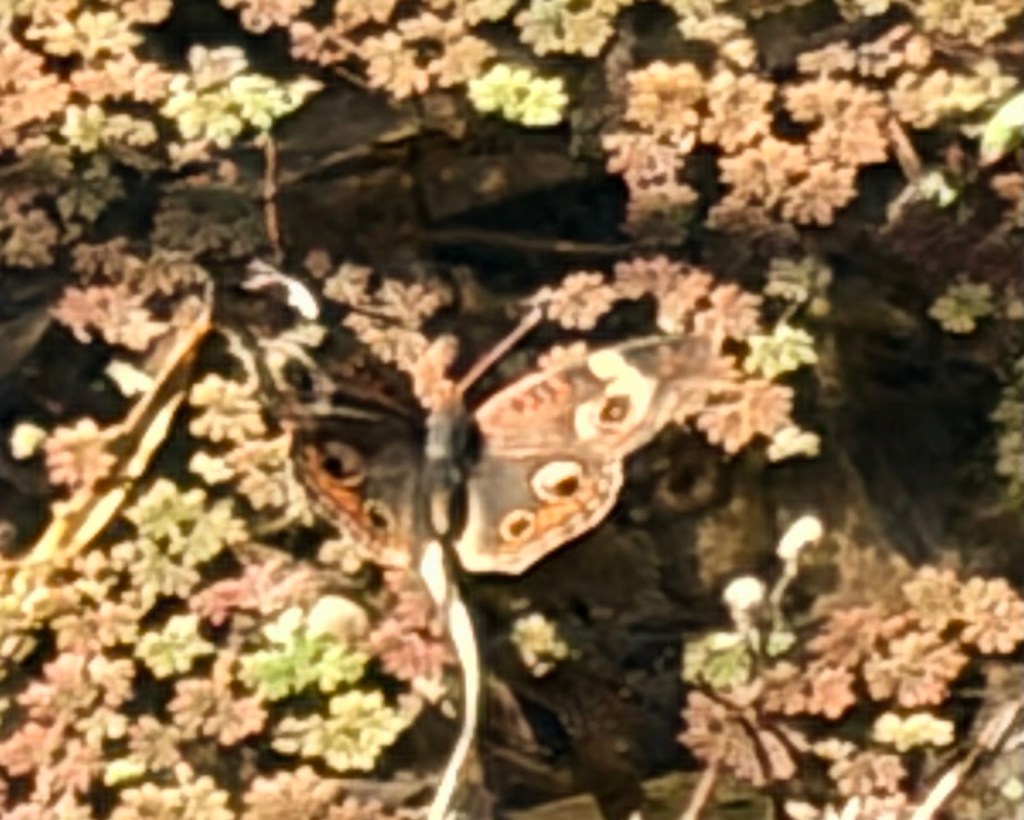
We saw pollinators and the new residents.

Seeds and more seeds

By Linda Burgess

This past Tuesday, the El Camino Real Master Naturalists and the Little River Basin Master Gardeners came together to contribute to a shared volunteer opportunity. We meet the third Tuesday of each month to package native and adapted wildflower seeds, herb and garden seeds, and some landscaping plant seeds…..all for the Free Seed Library located in the Cameron Public Library.  
We are sharing stories, getting to know one another, and providing free seeds to the residents of Milam County. It’s become a great opportunity to learn and grow from each other’s expertise….. and there’s a wealth of knowledge in these two organizations!

Possum ‘Ranglin’

By Pamela Neeley

Sometimes I forget to replace the lid on the dog and cat food stored in galvanized containers during the day. I arrived home after dark from a meeting. I went out to feed the dog and cats.

Before I put my hand in the container I saw a little opossum face outside of the dog food bag.

Then I saw a snout move, and saw the second opossum IN the dog food bag.

I went into the house, (the food is in the art studio), to get my phone and put Ruby the dog in the house. She chases and tries to kill opossums.
Back in studio I snapped a few photos. Found a large towel, doubled it and picked up the little one. Took it outside to let it go in the pasture.

The second one was in the dog food bag. I picked up the bag, with top closed, and walked it out to deck. After a bit, that possum came out and went for the field.

I encouraged them to stay away from this farm because of the “hound” that is on patrol. I may not always be around to free them.

Opossums do so much good for us and the environment.  They love ticks and enjoy eating a variety of insects, small rodents, seeds, eggs, fruit.  And pet food!
A Visit with a Houston Toad

By Pamela Neeley

The Famous Endangered Houston Toad also attended the Wildlife & Woodlands Post Oak Savannah Landowner Workshop, where our chapter had a booth last week.

The male toad saying hello.

The pair traveled in customized carriers with their chauffeur, back to the Ft Worth Zoo (a 2.5 to 3 -hour trip each way). I only managed one photo of his handsomeness. This species is leading the resistance against riparian and native species destruction.

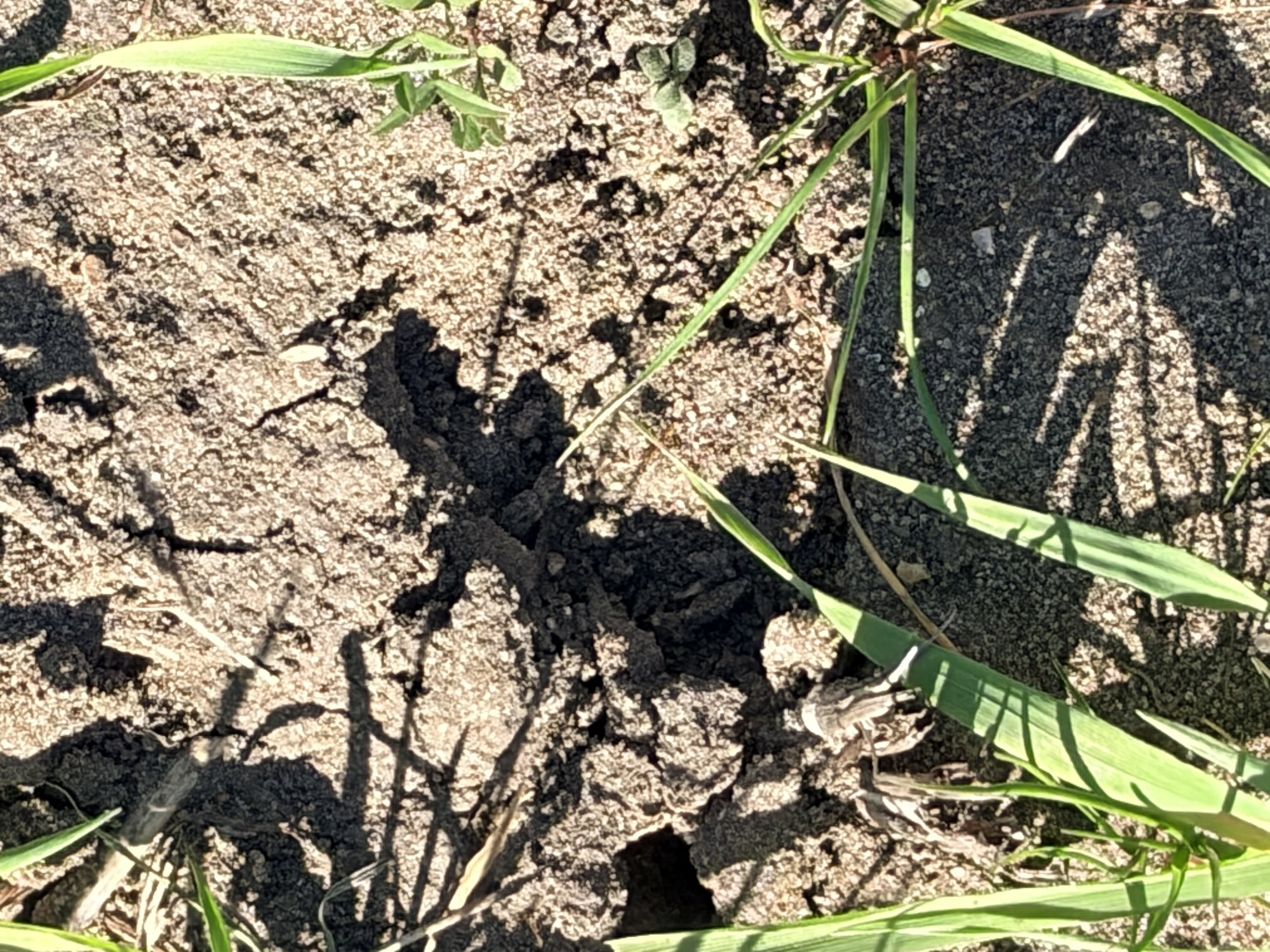
A few live in the southern part of Milan County. The Brazos River splits this county. I’m on North side of the river, and the soil is Blackland. South of River is sandy soil and that’s where our small Houston Toad population lives.

I enjoyed getting to see their huge back feet, which are all the better for excavating their holes while moving backwards! They don’t have to turn around to watch their world!

Fight of the Invasives to Continue at City Wildscape

By Carolyn Henderson

On Saturday morning I took a side trip to the El Camino Real Texas Master Naturalist City Wildscape to find a pleasant surprise in the overgrown mess. Queen butterflies had found the place. I counted about 20 that morning – all on the Gregg’s Mist. That is by far and away the Queens’ favorite nectar producer. 

Not only had the Queens landed, American Bumblebees had also located nectar sources for themselves – mainly the Common Sunflower that planted itself in the city wildscape and reproduced many more this year. 

I also saw Ligated Furrow Bees and Jagged Ambush Bugs. Those are pending identification verifications in iNaturalist. I also saw Oblique Longorn Bees – a second time for a new to me bee. They are very tiny and in near constant motion. All of these were on the Sunflowers.

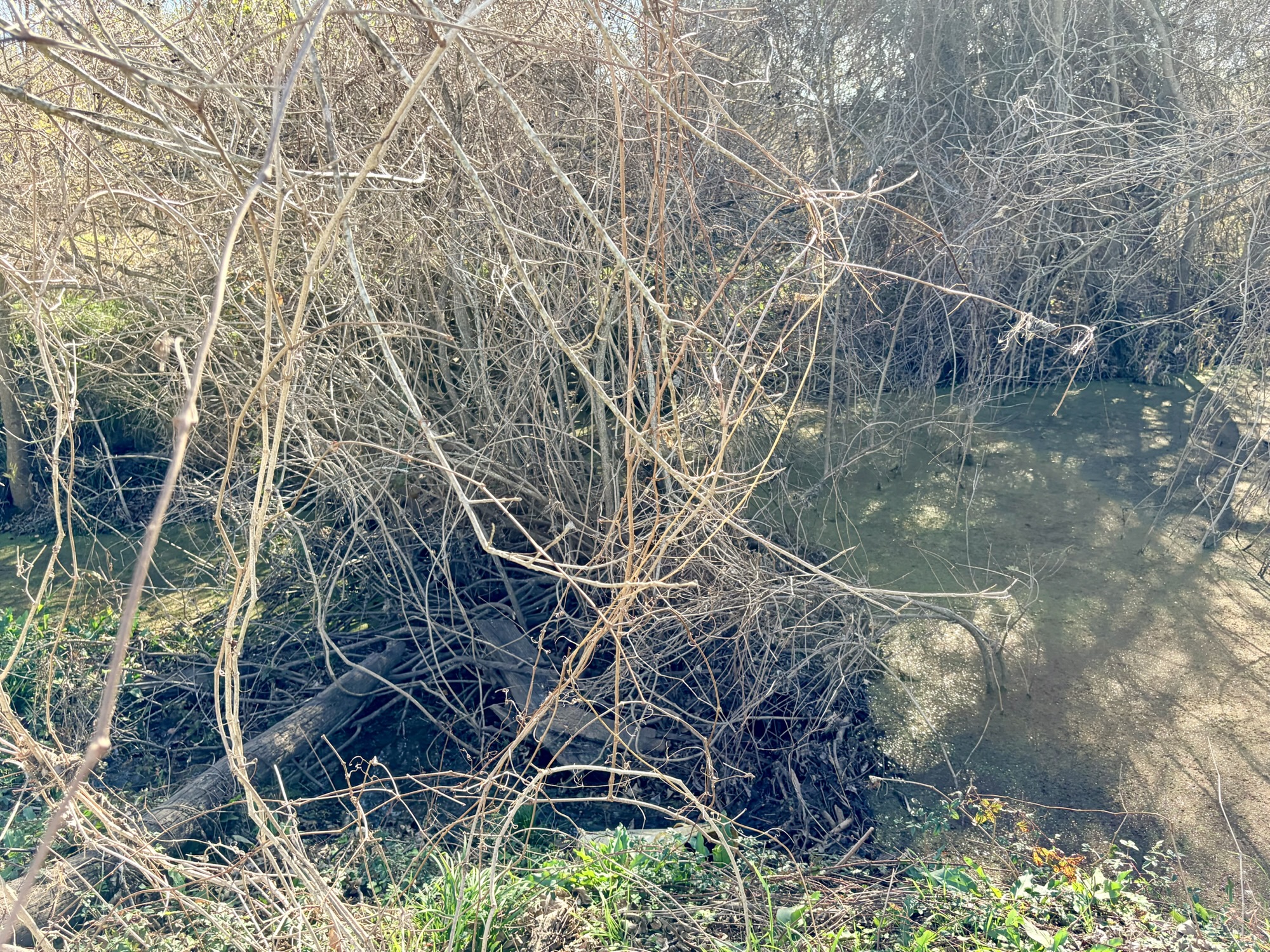
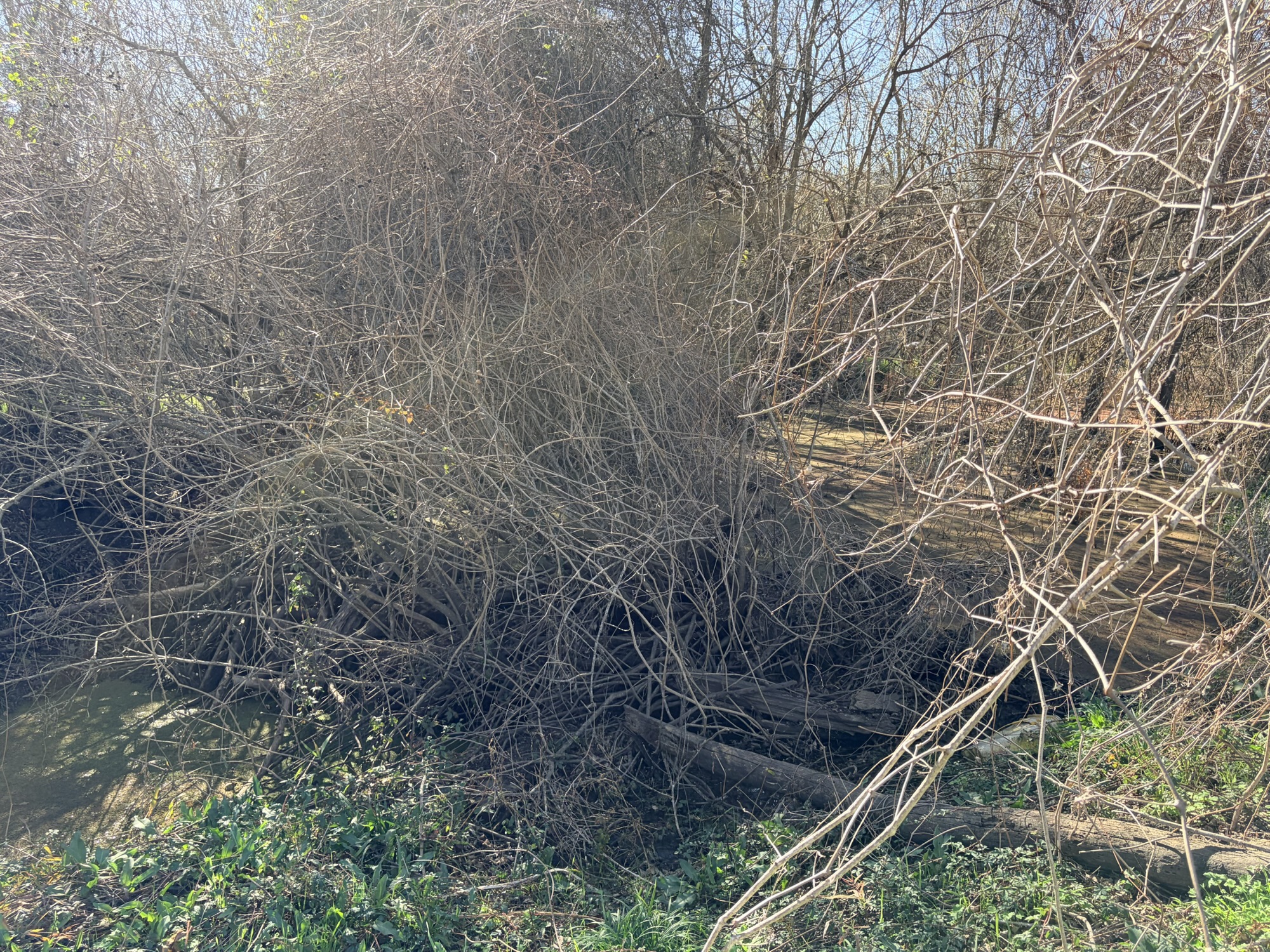
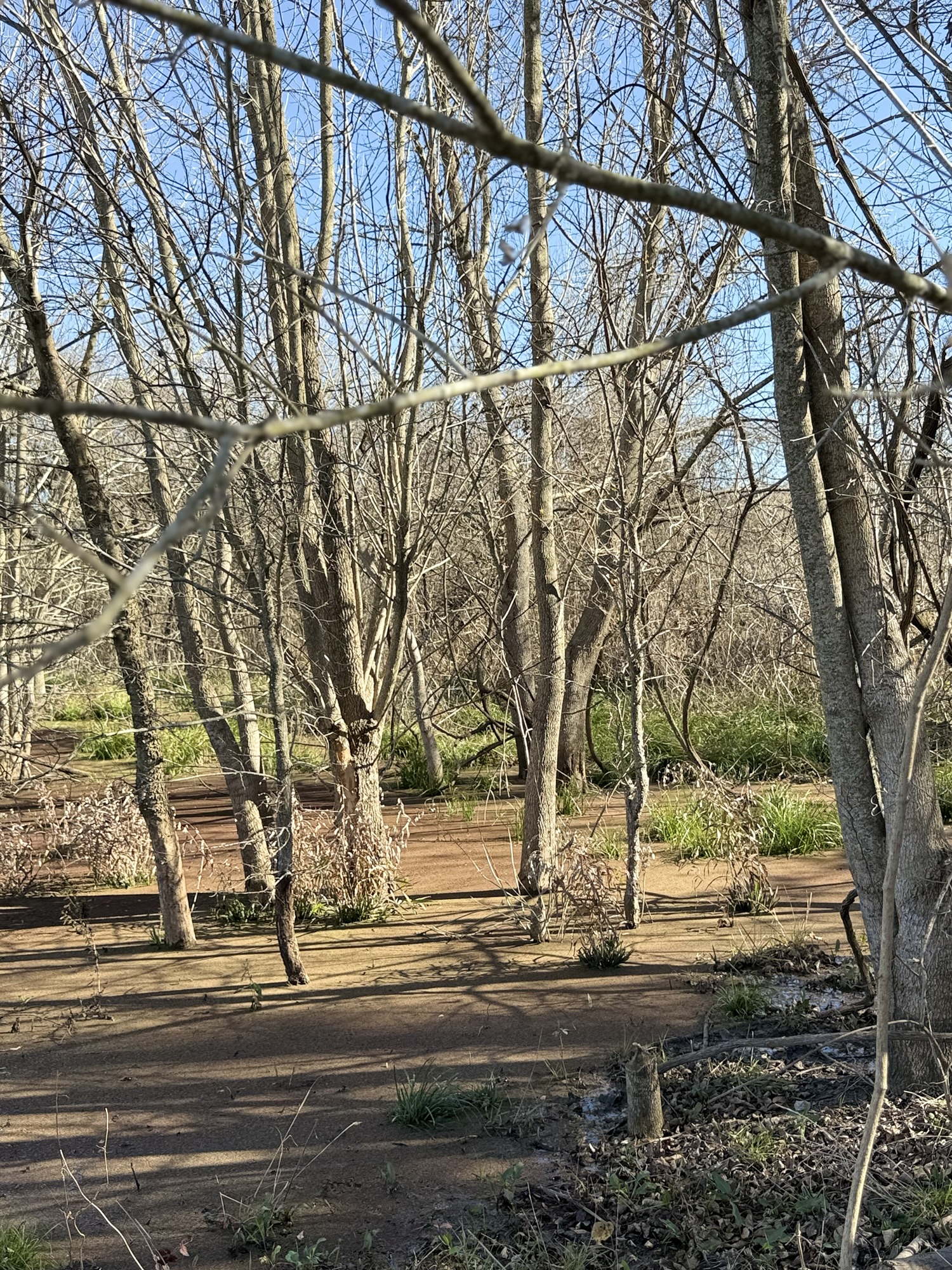
Other things we planted were in bloom, but they are mostly overwhelmed by the terrible invasive “Tree of Heaven” and the Persimmons. Persimmons have taken over the right half of the wildscape (if you’re looking at it from the street) and the Tree of Heaven, an invasive from China, has the left side. 

I met with the church directors Sunday morning, and they agreed to let us make a last ditch effort to eliminate both of those. Crape Myrtles also are spreading, which are not native to this area either. They have lots of pretty blooms, though. More Queens had arrived.

Alan Rudd has devised a plan to kill these invasives. We believe that we can do it without harming the Pecan tree in the wildscape, but there is no guarantee of that, so we needed approval from the All Saint’s Episcopal Church to do it. They were in agreement, since they also were dealing with the Tree of Heaven in most other parts of their landscape. 

Liz Lewis is having the source of the Tree of Heaven, three trees nearby, removed, too. Otherwise, they’ll just come back. No one knows where the Persimmons came from, but we hope we can get them out, too. 

Once that is done, the wildscape needs weeding. Good for volunteer hours, everyone.