Making a Personal Impact with iNaturalist Observations

by Linda Jo Conn

Thursday, February 4, marks the day! Our El Camino Real Seasonal Winter 2021 iNaturalist BioBlitz begins at 12:00 am that morning and continues until Wednesday midnight, February 10, the following week. For some time, our chapter has not been able to gather as a group for a nature survey, so the week will be an opportunity to figuratively join forces to document the fauna and flora of the areas where we reside. Yes, this does include our personal property as well as our neighborhood and the places we go as we physically distance during the COVID restrictions.  So get that camera ready!

The BioBlitz is an iNaturalist project. See: https://www.inaturalist.org/projects/ecr-seasonal-winter-bioblitz. Yes, you must be a member of iNaturalist to participate. And yes, to get volunteer hour credit for participating, you must email connlindajo@gmail.com and state that you want to join the project. OK, I can hear the groans from miles away. Must I again emphasize that iNat is a valuable tool that documents nature and is used not only by TPWD but other organizations and university researchers as well?
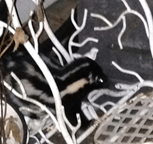
A prime example is the rare sighting of a live Spotted Skunk (Spilogale putorius) by Ann Collins on her porch in the suburbs of Milano.  It is the only Milam County observation on iNat and one of the few documented observations in Texas.  (https://www.inaturalist.org/observations/2710384)   Ann’s observation caused a lot of excitement and interest at TPWD.  Clint Perkins, a graduate student at Texas Tech, did field research on Ann’s private property and continues to review all mammal observations on iNaturalist.  
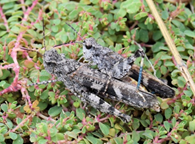
Eric Neubauer has the only observations of the Southwestern Dusky Grasshopper (Nebulatettix subgracilis in Milam County. (https://www.inaturalist.org/observations/34920111)  Again, there are few documented sightings in Texas and those were probably not made at a state or city park.  

Countless unique observations added to iNat have been documented on personal property by a Texas Master Naturalist, but those species we may consider common or mundane also have a definite need for documentation.  I have personally noticed the apparent change in bloom times for wildflowers, the species of migrant birds I see, along with the disturbing spread of invasive species, and so I document even the ubiquitous species. Each and every legitimate observation has value.    

So what is the point of all this?  Some Texas Master Naturalists have been disgruntled by the exclusion of the time spent on iNaturalist observations on one’s private property as valid volunteer hours.  As a result, many have lost interest in using iNaturalist as a personal tool for sharing and learning about nature. 

Well, I have two points to make:

Number One:  Since approximately 95% of the land in the state of Texas is privately owned, neglecting to enter observations from our personal properties skews the data. I urge you to continue your contributions as citizen scientists by observing and documenting on iNat what you see around you every day.

Number Two:  This is an approved project where El Camino Real Master Naturalist members have an opportunity to observe at leisure on their private property and earn volunteer hours without having to travel to participate in a BioBlitz. 

So join iNaturalist and the ECR project. Take photos. Share them on iNaturalist. Report your volunteer hours.  It is that simple. 

Donna’s Garden Starting in January and Going All the Way to December of 2021

by Donna Lewis

I was asked to show the progress of my pollinator garden as the year goes on and to say a few things about what I do as it goes forward.

Bonus dog!

As you can imagine, I can only mention a few things, because gardening is an ongoing project every day. Each year the garden is different. Sometimes Mother Nature supplies plenty of water and wind born native plant seeds. But sometimes she decides to hold on to her precious water. You must be observant.

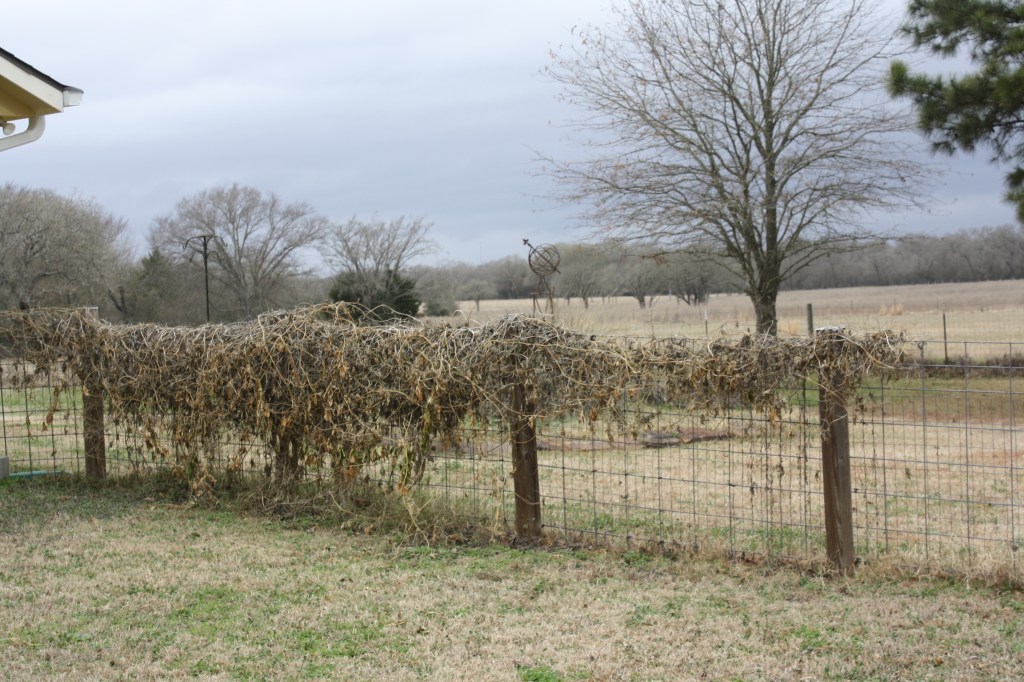
Sleepy vines

Just the water alone can determine what plants will be successful.

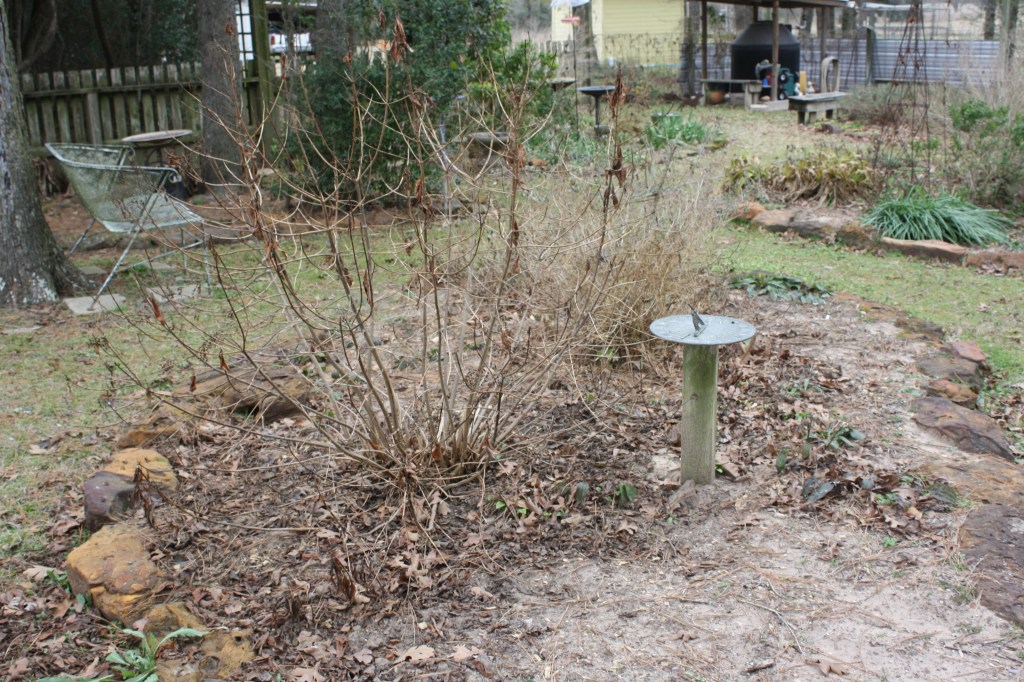
Right now the garden is asleep, as it should be. The leaves protect many things beside the plants. They are the blanket that keeps things warm. There are butterfly chrysalis that stay there until Spring tells them it’s time to wake up. So, removing the leaf litter too soon can steal from the garden the very animals you are hoping to see. Timing is everything!

Leaf litter is on duty.

Is there a rigid rule that I use to know when it’s time to clean up the garden?

NO!!!   If I knew that I would be famous.

Keeping the good kind of litter in its place.

I usually start now to just tidy up a few things. Nothing major. We all know that the last freeze has not happened, and we don’t know when it will.

Last year’s stems.

I had to pick up the mess the storm left just a week ago. Many limbs and bushes were broken. I cleaned all that up and removed it.

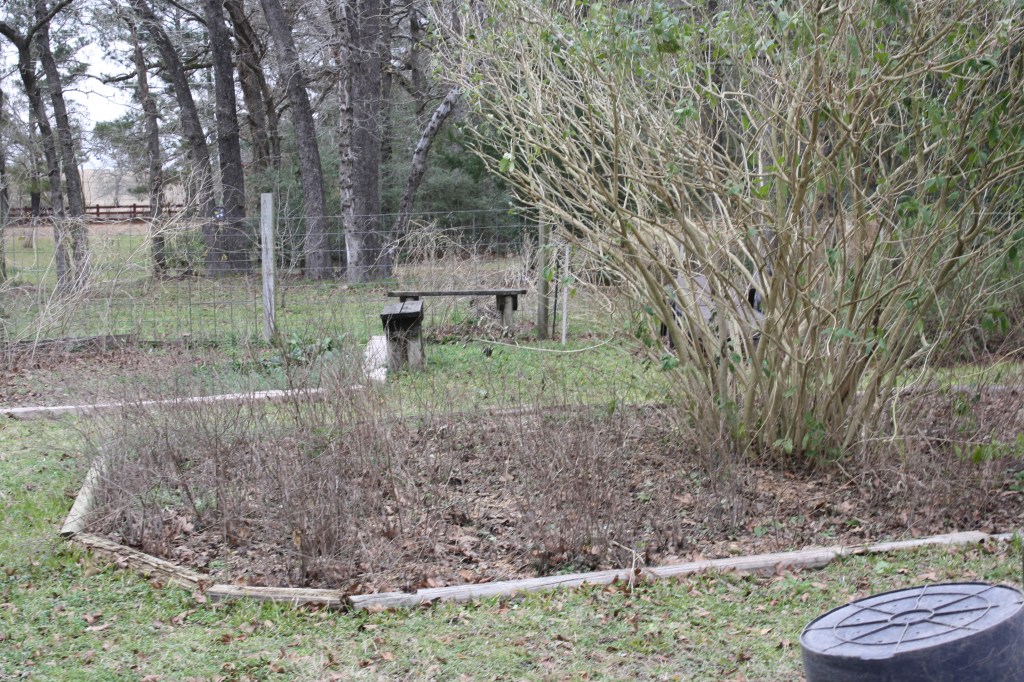
We’ll see what comes back in this circle!

In January, as in all months, you want to keep the water sources for your birds clean. My bird feeders are not inside the garden, but just outside it. That keeps the seed debris, rats, and feral cats from living in the garden.

Lots of water options

Soon as it warms up, I will begin to see what vines, bushes, and plants are reborn. Some gave their life for the garden last year, and I will have to reseed or replant them again.      The real miracle of gardening is about to start again.

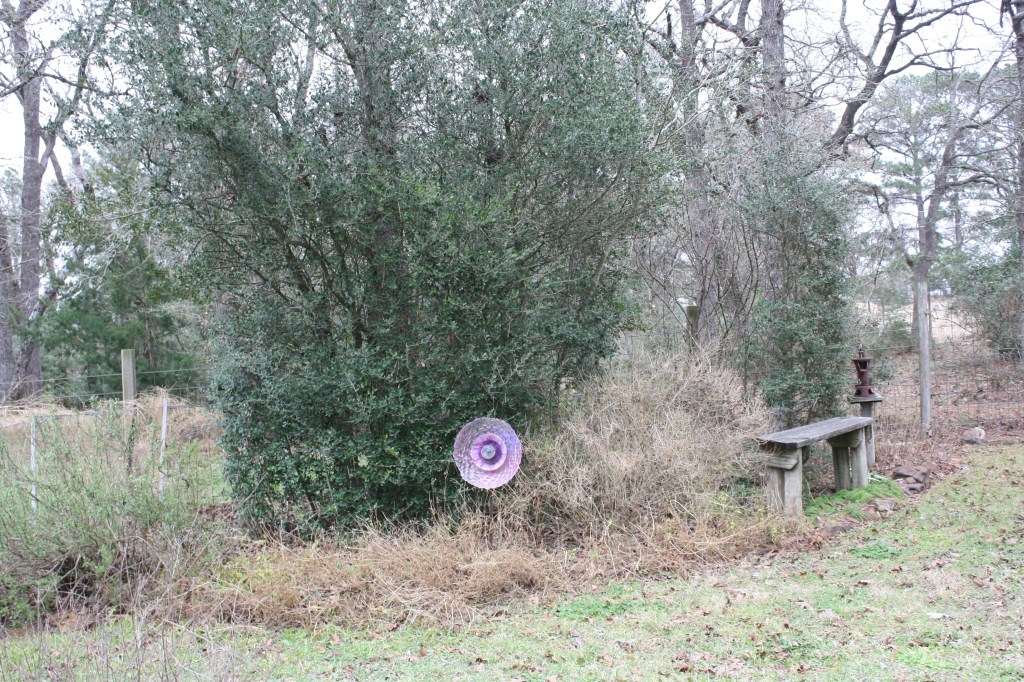
A great place for birds to hang out.

Is it a lot of physical work? Yes it is. But, to me nothing you love to do is really work. My goal as always is not just to have a retreat to renew myself, but to help the wild things that share the planet with us.

I always try to learn what they need, and that’s what I put in the garden.

So, we’ll watch the garden blossom together.

Rest on a bench while Donna’s garden rests!

Flora and Fauna at Walker’s Creek Cemetery

by Sue Ann Kendall, your blog editor

Many thanks go out to Linda Jo Conn, who suggested that our chapter members should get outside and visit a local cemetery. I have missed doing iNaturalist stuff and actually getting volunteer hours for it SO much since we’ve been asked not to make observations on our own property, which rules out the 600 acres around me. But, ha! There’s a cemetery right down the road, just oozing with history and life.

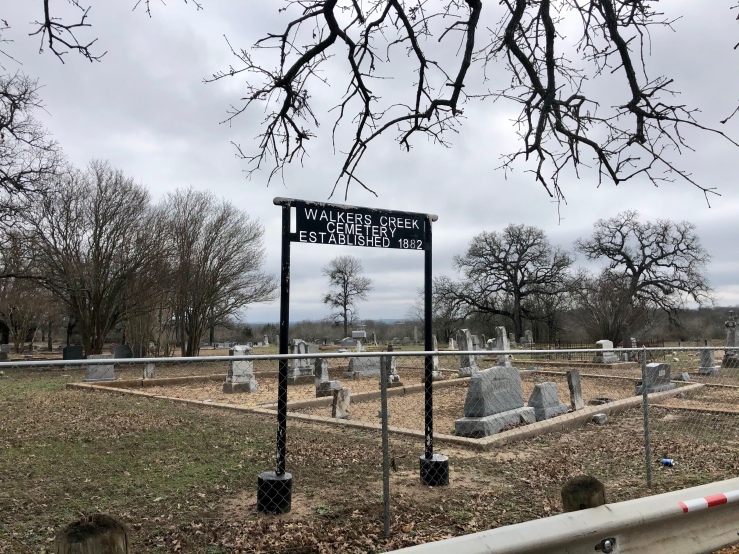
A different photo of the entrance, since my personal blog post on the headstones had my other entrance photo.

Yesterday was a pleasant, if rather damp day, so I took off, camera in hand, to go see what I could see at Walker’s Creek cemetery.

The main entrance. They really want you to know this is an older cemetery.

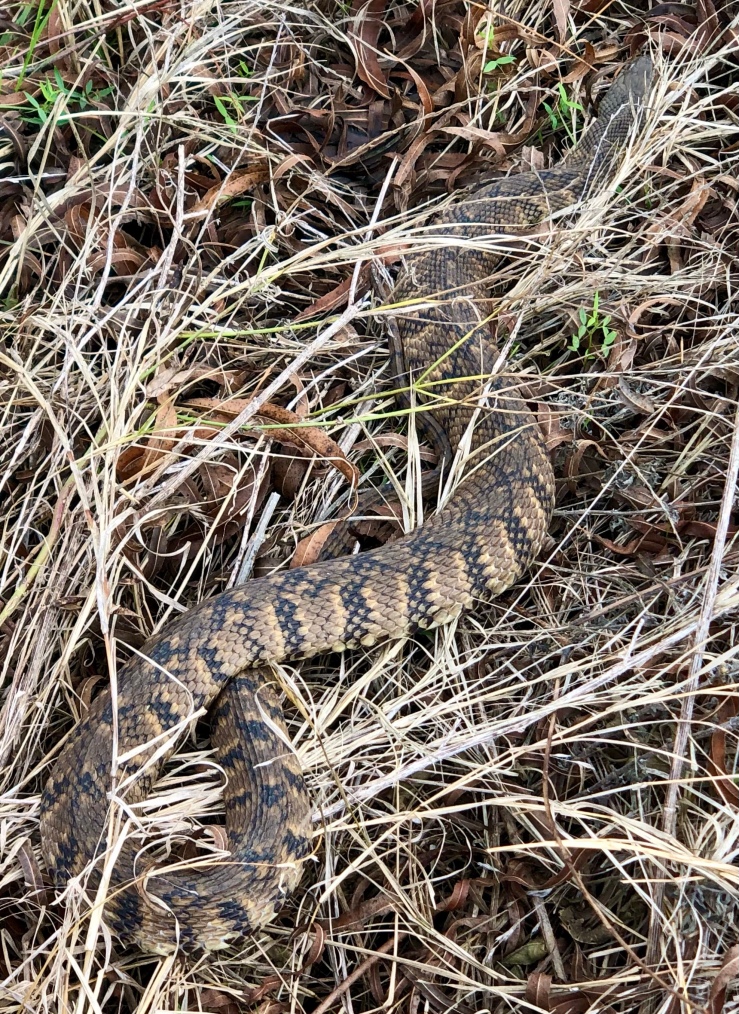
I actually didn’t make it off the Hermits’ Rest Ranch before I had to observe something. Look who was hanging out right beside the rake I use to get the gate to open when I’m not in the car!

Now that I have a firm grip on the fact that I need to check the head first, I knew this was an old friend, the water snake who lives in our front pond. I was surprised to see this one out in January. It made me wonder what other January life I’d find down the road.

I walked past Walker’s Creek, and checked out the damage from the recent flooding. I scared a very large red-eared slider while I was peering over to see if I could see any tracks in the mud, which also scared me. But, I was lucky and found tracks AND a skull, which I’m guessing is a coyote. Oh boy, I was already having a good time.

NOTE! You can click any of the small photos to see them larger, throughout this blog.

I made it to the cemetery and started taking pictures of plants. One thing that’s helpful is that most of these are the same plants I have down the road, so I could recognize them. At least I found a couple of different ones. Also, I quickly realized that, since the cemetery is regularly mowed and well maintained (ish), the most interesting stuff would be on the borders, so I declared anything within a yard of the fence was part of the cemetery. Heck, I was in charge of this solo expedition, right?

By the way, this post won’t have a lot of photos of graves. I wrote a long blog on the headstones and what I figured out about the past culture of the area where I live now on my Hermits’ Rest blog. If you like grave facts, check it out.

Click the “read more” to see lots of photos! And remember, if you want to know scientific names or details about any of my observations, you can check them out on my iNaturalist observations page. You can see if I got the IDs right, too.

Continue reading “Flora and Fauna at Walker’s Creek Cemetery”

Pied Piper of Gophers

by Donna Lewis

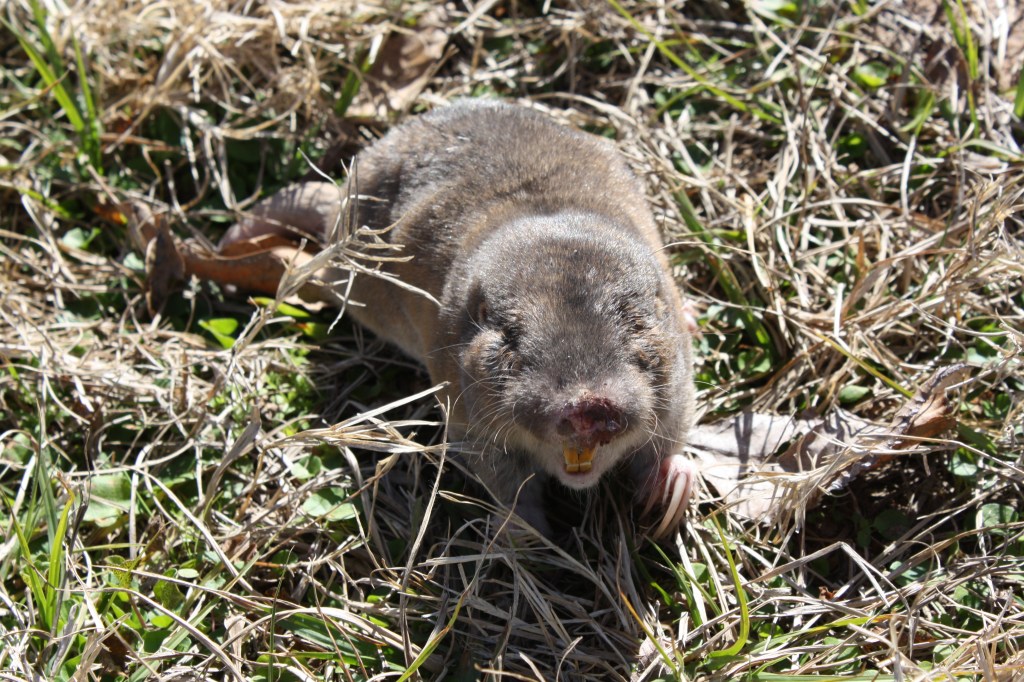
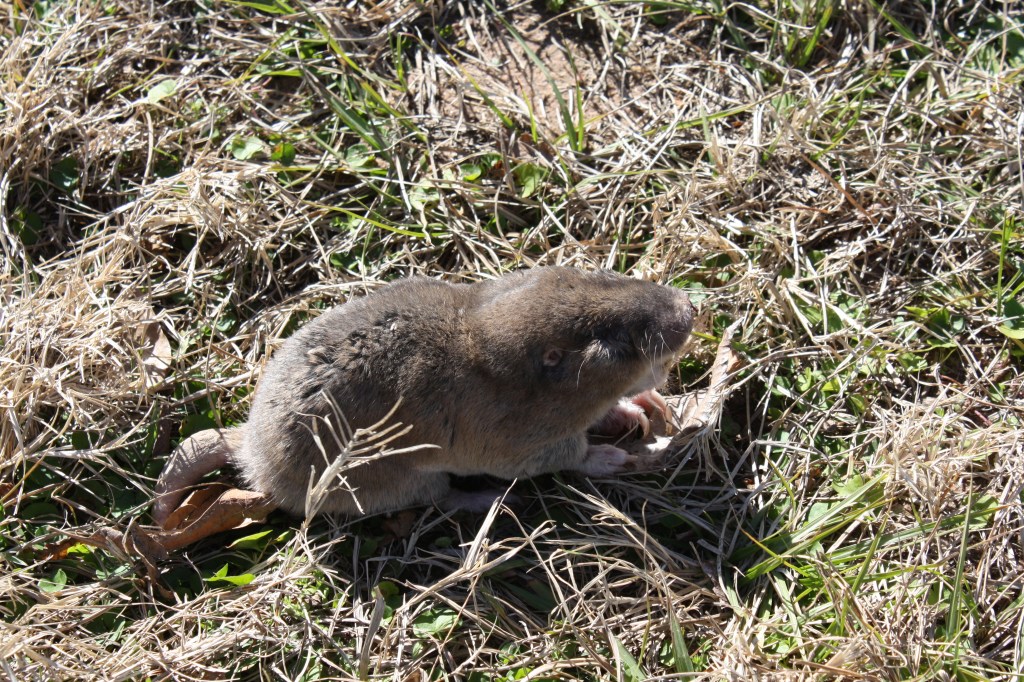
Yesterday, I was outside walking around picking up debris from our recent snow and ice storm, when I felt something following me. I looked down, and this really big Pocket Gopher was creeping along about a foot behind me. I stopped, it stopped. I started walking again, and so did it. It didn’t look injured so I could not figure out why it was out of the ground.

I think Donna has some food.

I tried to gently herd it back to a protected area, but it just kept by me. My dogs were in the house, or it would have really been in danger.

This went on for about 30 minutes, until I finally moved it under a huge pile of limbs from the storm. It went under and I did not see it come out again.

This is my GOOD side!

Maybe he knew I wouldn’t hurt him??? This is the second time this year this has happened.    If I could just get them to follow me out of my garden, I would really have some nature power…

Lucky for me I had my camera on the porch so I got a great  photo of him.

Goodbye my little friend…

A Visit to Hamilton Chapel Cemetery

by Catherine Johnson

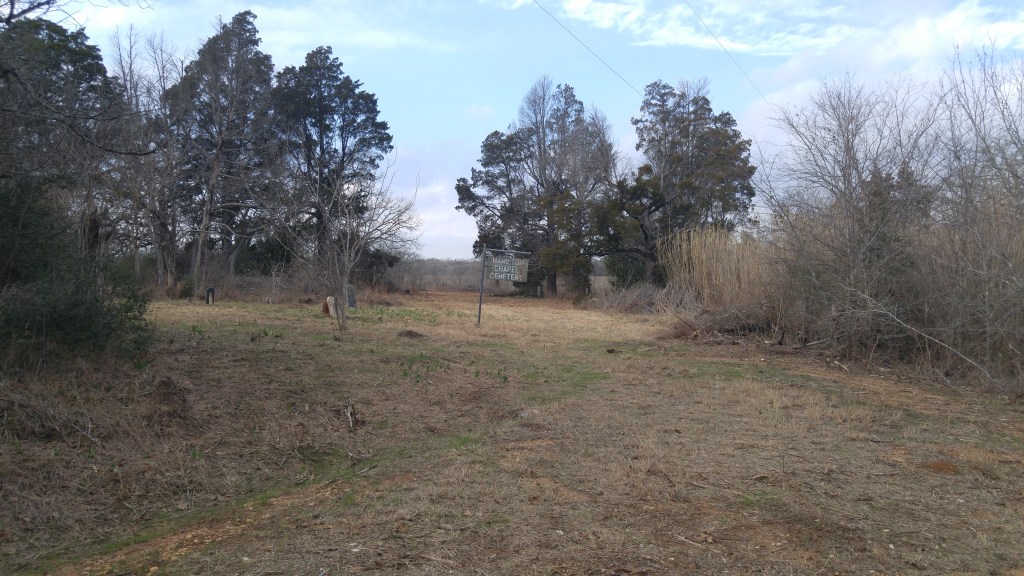
As part of our “Let’s Get Outside” activities, I visited Hamilton Chapel Cemetery.  It is located before you get to Champions Drive [in Milam County], and where I live was part of the Hamilton community.

Entrance to Hamilton Chapel Cemetery

In 1860 Mr. Hamilton donated land for a church, school and cemetery.  Gravesites include a woman who was a citizen of the Republic of Texas. 

Nancy Anders, citizen of the Texas Republic

Also, Hicks Carlisle and his parents are buried there. Hicks and his brother James volunteered for World War I in 1917. Both were killed in France on the same day in 1918. They received many heroic awards. 

Old graves behind a fence of the style common in this area

A tribute to a young boy reads, “How much light , How much joy, is buried with a Darling Boy.”

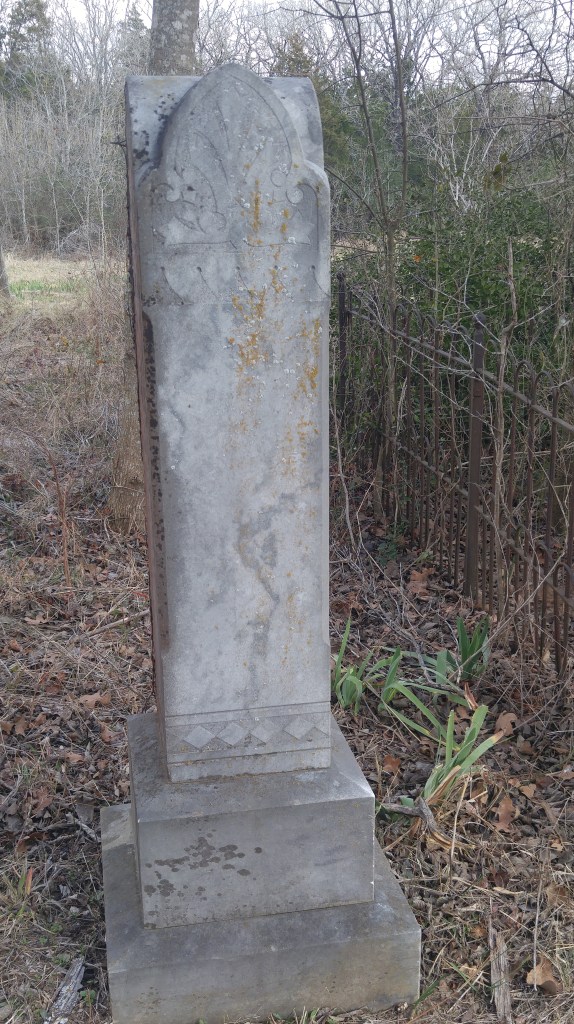
Grave detail

The entry road had been improved and clearing started. It is a peaceful place of nature and worthy of maintaining.

Graves
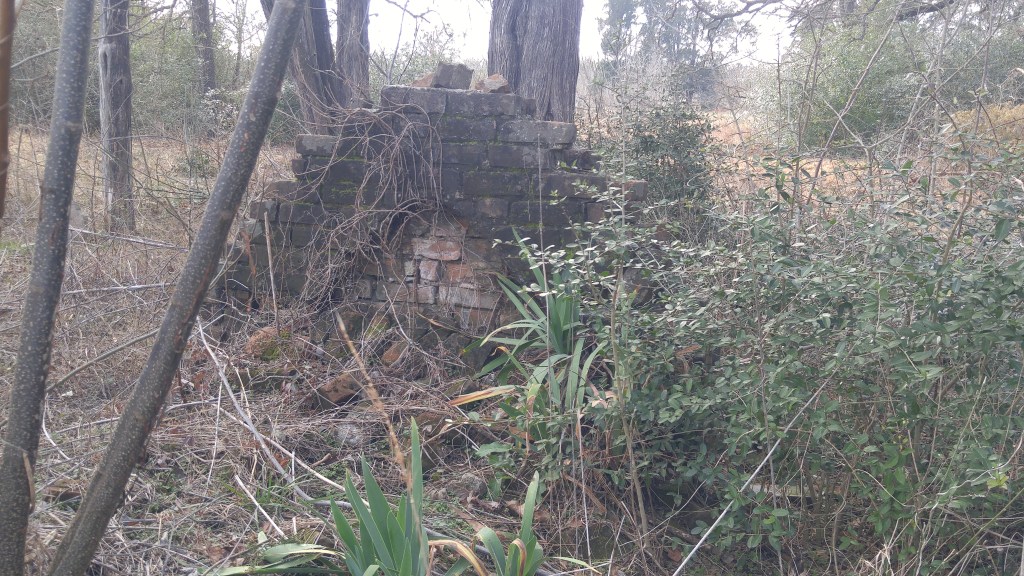
Wonder what these were for?
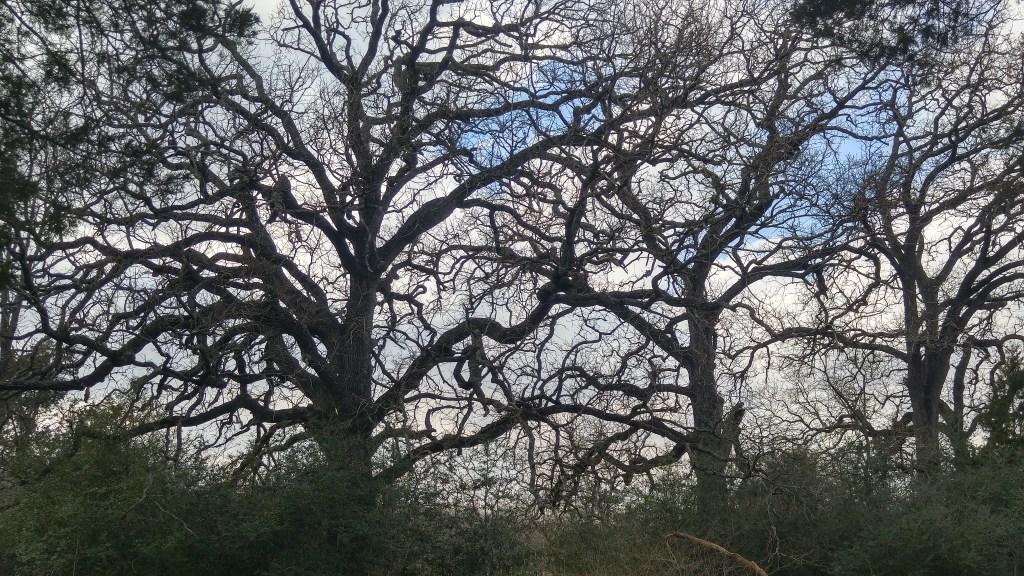
Oaks at the cemetery