Kim and I were at the Wildscape from 7:0O PM- 8:00 PM to water plants and tidy up for the upcoming full moon event, Monday, August 19, at 6:30 PM.
Sideoats Grama, the State Grass of Texas.
For the most part Texas natives have held up amazingly well with minimal attention. In cooler weather, the garden will be groomed and new plantings put in. We noticed it felt cooler with a breeze blowing and decided to do no more weeding until the Dog Days of Summer are over.
Blackfoot Daisy
Pictured are some of the toughest Texas Natives – Sideoats Grama, Blackfoot Daisy, Gaillardia, Salvia, Kidneywood, and the garden mascots.
Today I went out to my garden to fill all the bird baths and containers I have with fresh water for all the birds, bunnies, and assorted little creatures that call our place their home. After all, we are in their hood. I have to fill everything twice a day.
I have tried to get a photo of all the Cardinals. I must have 80 to 100 of them, by far more than I have ever had at one time. We have feeders out for them, so I am thinking that the weather was not kind to insects this year (or anyone else) and that the birds are hungry and thirsty. I can understand that. They cannot run over to the store and pick something up like we do. Asking them to sit still while I take a picture of them has not been easy. They fly up as soon as I approach them.
They are at Mother Natures and humans’ whim.
There are lots of first years in the garden. You can always tell the new babies because their feathers are not as beautiful, not as colorful, and pretty ruffled up. They look like they are having a bad hair day!
I was able to get one photo with several first-year Cardinals and two first-year Blue Birds. I bet they will remember sitting next to their bird pals during a drought year and sharing a cool drink. There are always good times if you look for them.
I left Texas for a couple of weeks and looked for birds in South Carolina. I was surprised at how few I saw, though looking up and seeing an osprey floating outside my window scanning for prey was a pretty cool highlight.
I have no bird photos, so I’ll share other summer survivors. This beauty is a checkered setwing (Dythemis fugax). I love its stance. We have lots of them now, but I’d never observed one before.
Back here in northern Milam County, Texas, I’ve had the same experience. Before I left, the drought was just getting started, and I still saw scissortail flycatchers, large flocks of starlings and grackles, paintd buntings (heard, not seen), a few dickcissels, and my buddies the bug-eating barn swallows. When I returned, those birds were long gone. In fact, because I slept in a bit the first few days that I was home, I didn’t see or hear many birds at all.
The ground cherries (Physalis cinerascens) are only blooming in the shady areas.
Since I’ve been getting up earlier to hang out with my horses before it gets stifling hot (108 at my house yesterday), I found that the birds make their forays early. For example, this morning I saw three of my pond bird friends, the blue heron, the green heron (it chided me for making it move), and the upland sandpiper. What? Yep, every year a few of them show up and run up and down the “beach” created by the ponds losing water. I often get a yellowlegs or two but have not seen one this year.
We usually have lots and lots of prairie broomweed (Amphiachyris dracunculoides) but this year there isn’t very much.
I turned on my trusty Merlin Bird ID app to see what was out there while I walked around this morning, as well. The red-shouldered hawk was declaring its presence loudly, while the American crows (which I can now distinguish from fish crows by their calls) were answering. I enjoyed that dialog, only to have them joined by my trusty friends who never leave, the Carolina wren (at full volume), the tufted titmouse, and the cardinals. I didn’t hear the woodpecker, but I hear them often, so I believe Merlin on that one. It sounded pretty good there for a while, and I was happy to learn that my woods still had some residents.
What Merlin heard from 8:30-8:40 am this morning.
Other birds that are still hanging around are the house sparrows (much fewer in number now than they were), vultures (black and turkey), and nighthawks who show up promptly at dusk every evening.
These camphorweed (Heterotheca subaxillaris) are pretty perky in areas that get some shade.
It’s nice to know there are still some birds of summer out there. We have lots of water sources, which help a lot, and plenty of seeds and bugs for them to eat. What birds are you seeing where you live?
Feverfew (Parthenium hysterophorus) is popping up near my house. It’s extra poisonous, so it’s going to get cut down.
PS: my photos aren’t of birds, because I haven’t been close enough to photograph any.
I have yet to identify the mysterious sea monster in the pond behind my innocent horse.
The only time that I find being outside tolerable during this long heat wave/drought is early morning or late evening. I think Hummingbirds agree with me. And I don’t feed them intentionally.
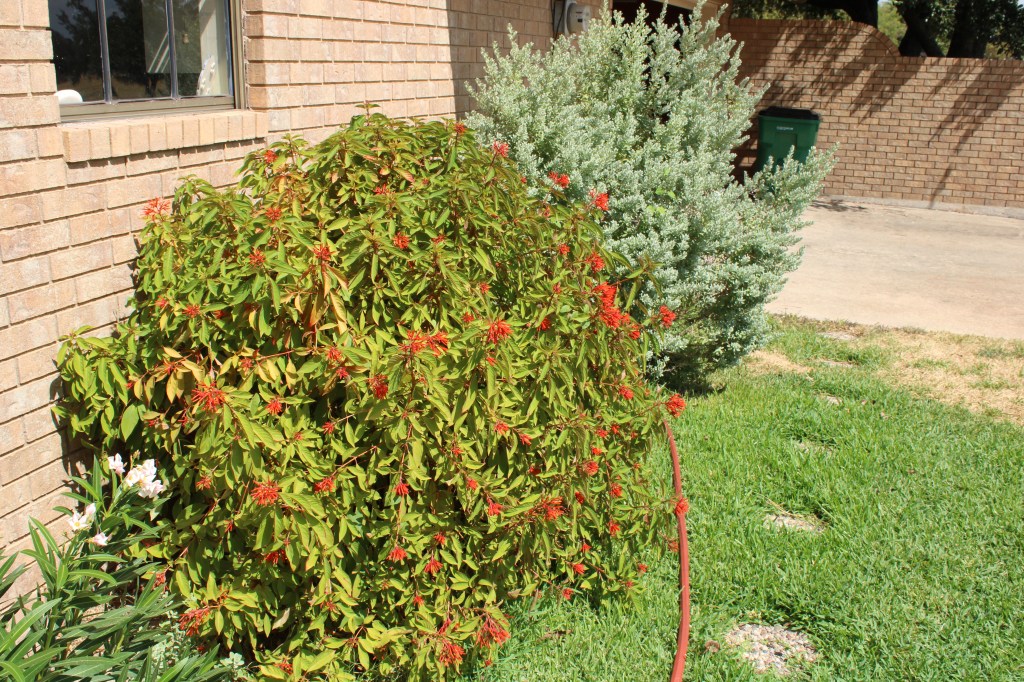
I stopped putting out bird food of any sort several years ago after I saw my sometimes-outside cat, with a Hummingbird then a Yellow Rumped Warbler in his mouth. I decided to limit his pickings as much as possible. However, I did plant a Mexican Honeysuckle bush from the El Camino Real Texas Master Naturalist Wildscape, and I also have a Fiery Hummingbird Bush (also called a Fire Bush) that was here when I bought the house. They both are in full bloom now, and Hummingbirds and several types of butterflies are very fond of feeding on them. The multitude of wasps that I have nesting at my house like them, too.
Mexican honeysuckleMexican honeysuckleFiery hummingbird bushFiery hummingbird bush
These two bushes, my Crape Myrtle and a couple of Mexican Hats are all in bloom now. These plants are heat wave tolerant, feeding birds, butterflies, Western Honeybees, and three types of wasps. I only see the Hummingbirds in the very early morning and evening. They come in groups of three to four. I believe they are the Ruby Throated version. Three of them have white undersides and one, that I finally got a photo of this morning, looks to be Ruby Throated (according to iNaturalist). I’ve been trying to get photos of them for a few weeks, but I never have my camera ready at the right time. It seems that if they see that I have seen them, they head for the tallest trees.
Hummingbird zooming in on Fiery Hummingbird Bush
The Crape Myrtle, which bloomed late this year, attracts mostly wasps and honeybees. I normally have a Texas Purple Sage in bloom that the bees really like, but it has not put out more than 5 or 6 blooms a few times. The Mexican Hats are just about done for the year. Luckily for the feeders, the Mexican Honeysuckle Bush and Fiery Hummingbird Bush bloom until it freezes – which may not occur this year.
crape myrtleMexican hats
I must say, being able to watch the birds and butterflies eat without having to frequently clean out the feeder is nice. They really like my new bird bath, too. They, along with Robins, Blue Jays, Doves, Cardinals, and Mockingbirds have become very fond of it. They drink it and cool themselves off in it.
Just look around there are amazing things outside.
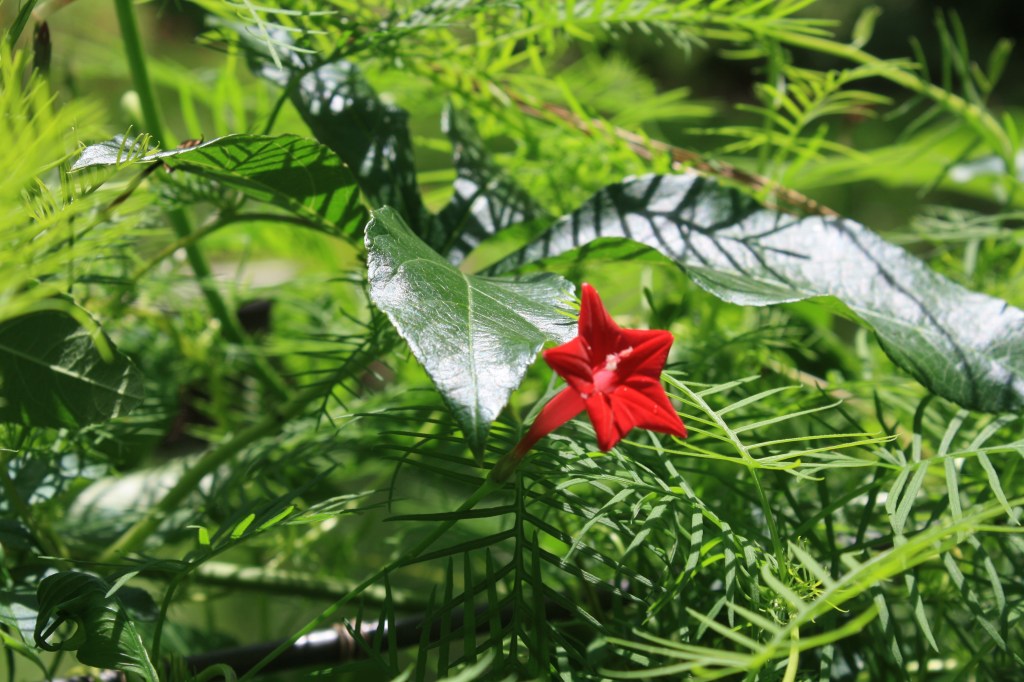
The first photo is a Cypress Vine. It only blooms when it is really hot! Perfect for us. The hummers love it. It looks great mixed with other vines.
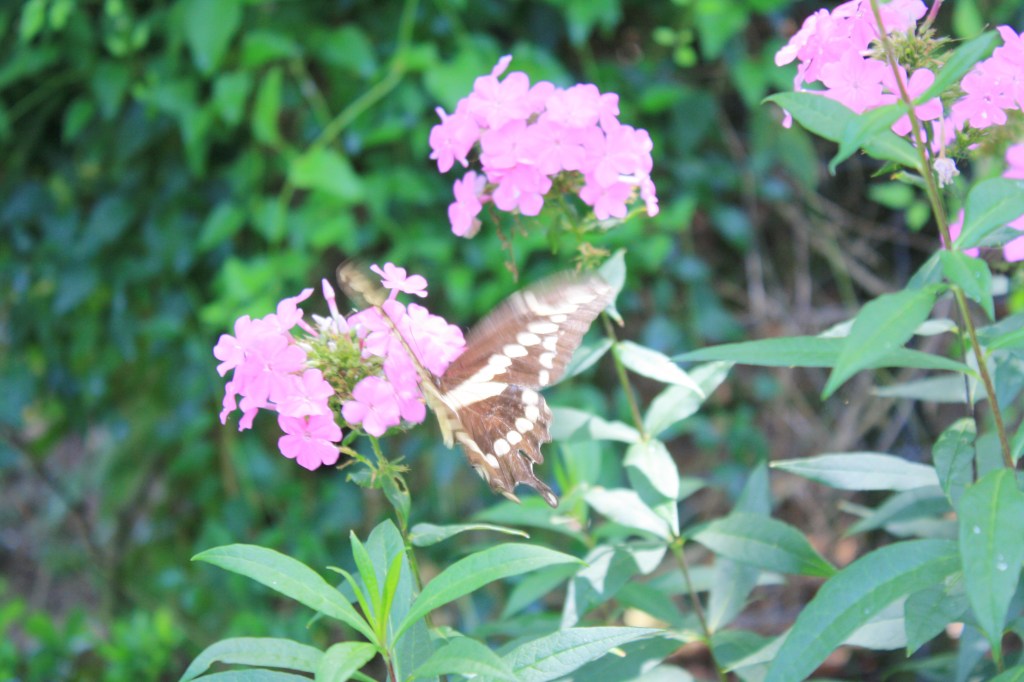
#2 Photo is a Garden Phlox, an old species that is hard to find now. A Tiger Swallowtail is getting some nectar from it.
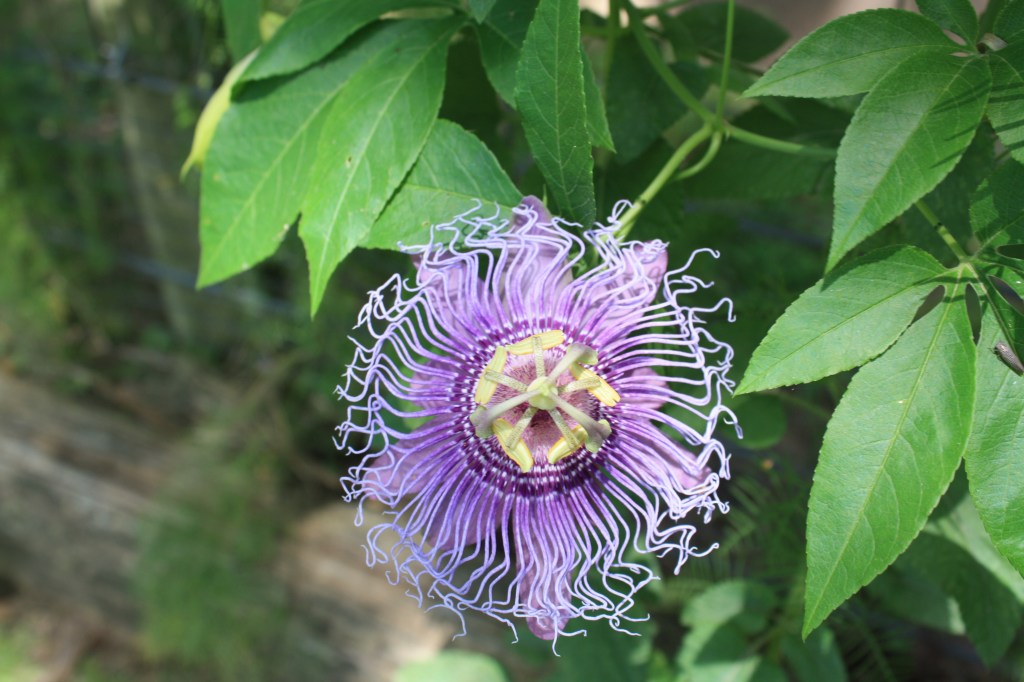
#3 is our Passion Vine that we all love. It’s soo easy to grow and is the host plant for the Gulf Coast Fritillary butterfly.
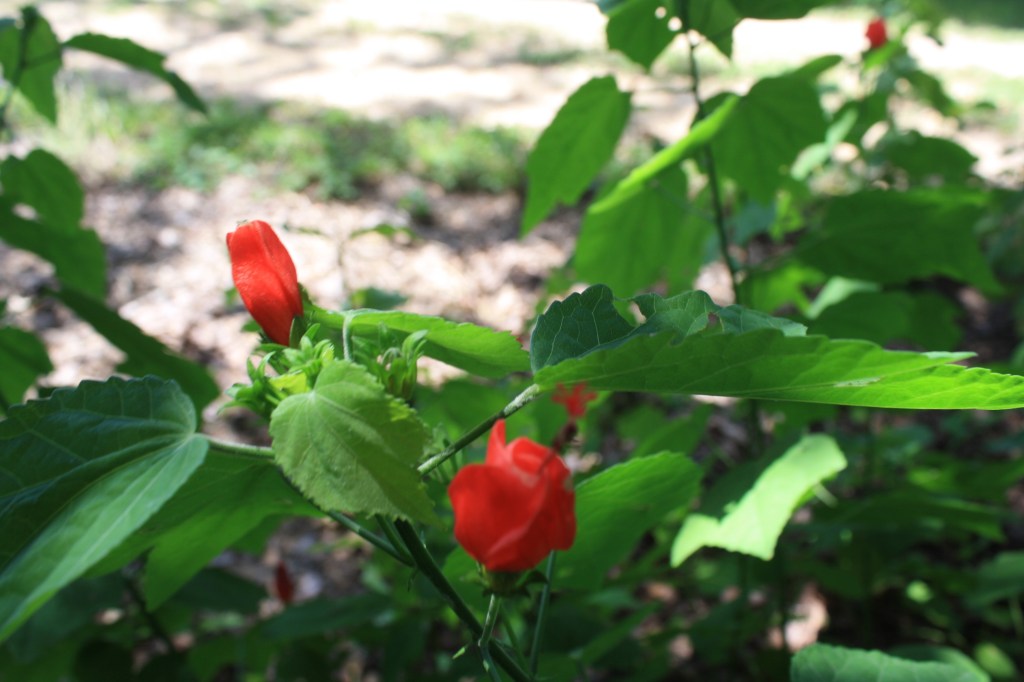
#4 Turk’s Cap: The hummers love this plant also. It likes a little shade and appears late in summer. Very easy to grow.
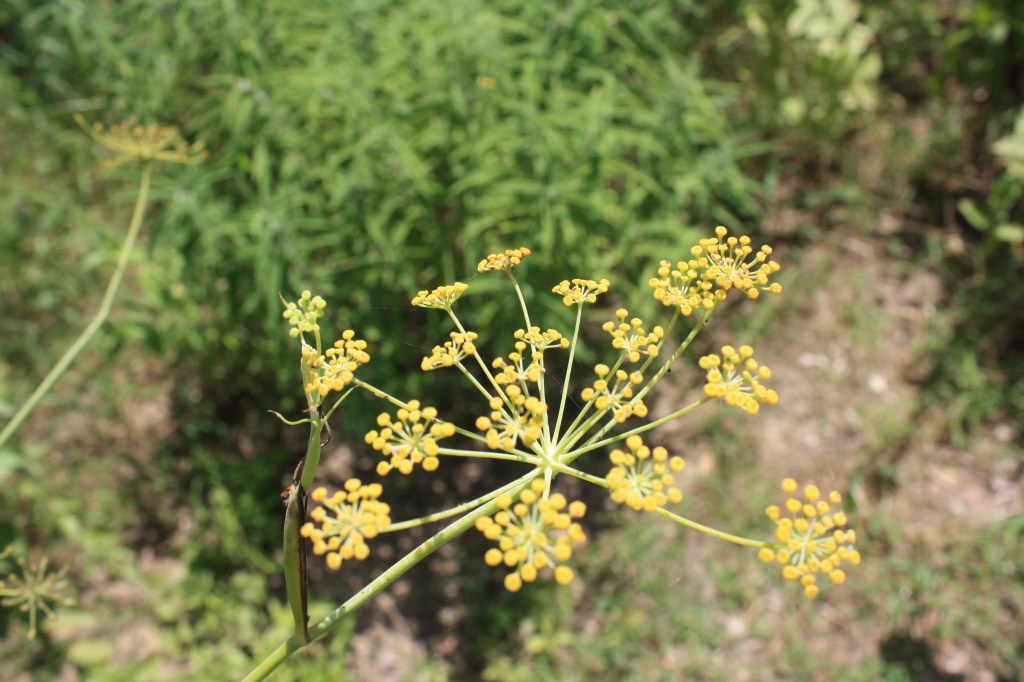
#5 Fennel Herb: The host plant for the Black Swallowtail butterfly. Its roots are edible for humans. The extreme freeze didn’t phase this guy.
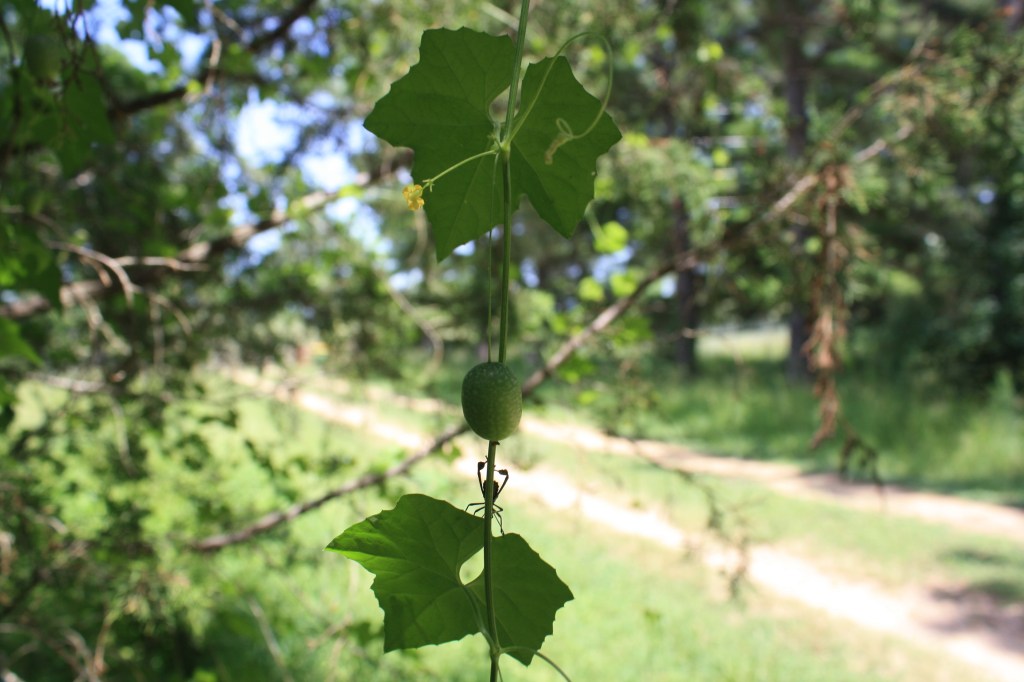
#6 Creeping Cucumber Vine: This is the first time I have seen this plant on our property. The freeze and early rains have brought in some interesting plants to our pastures.
I’ll send a few more blogs showing things I’ve found here.




 Nature Along the El Camino Real