by Terri Brickey
I love to trek about my property checking on blooms and animal tracks, listening to the birds and neighboring cows and just mucking about. I was on such a trek about a week ago when I came upon this:
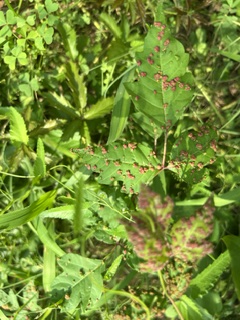
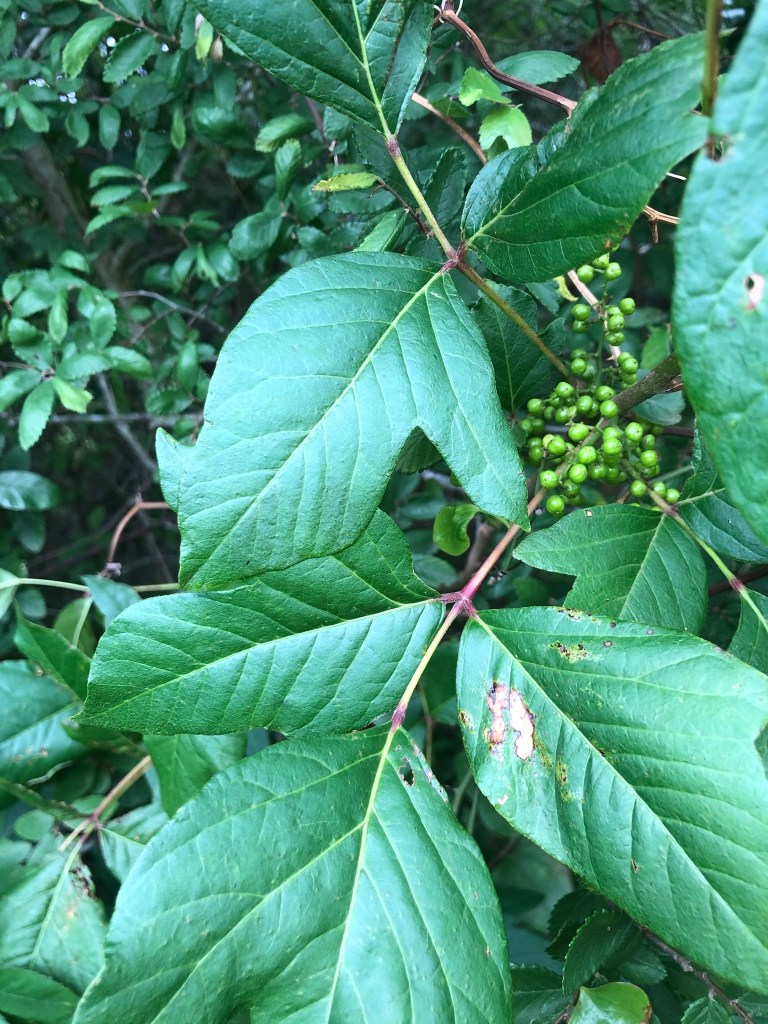
Ugh. Pulled out iNat to discover it was Poison Ivy leaf mites. The mites make little galls on the poison ivy leaf like a protective sleeping bag where they lay eggs that eat the inside of the little bumps once they hatch. The mites are harmless to humans and unfortunately don’t kill the aggressive, hardy perennial vine. Which brings me to the main topic – the poison ivy itself. It could have been lurking deep in that forest patch and I just never encountered it. But this is the path I used to travel back and forth to my bee hives. Since I sold them a couple months ago, I have not walked this route or maintained a clear path like I had for the last 5 years. It was now overgrown and poison ivy was coming out of the woods and crossing toward the fields.
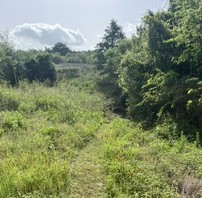
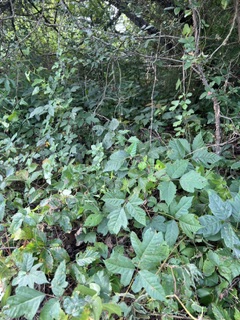
I need to eradicate it! But remember, I am not a country girl. I can tell you all about cautionary things in my world of beaches and oceans, but I have never faced off with poison ivy. So I did my research to find out the urushiol oil from the plant can stay active on the dead plant, your clothes, tools and anything else that comes in contact with it for YEARS! I worry the dogs will be exploring and bring that oil back into the house on their fur. The grandkids will unknowingly make contact.
So last Monday I got up early and dressed defensively with double gloves, glasses, hat, long pants and long sleeve shirt and tall boots. I had read that you should NEVER burn poison ivy: Burning vaporizes the urushiol oil. Inhaling the smoke can cause severe, life-threatening allergic reactions in your lungs and airways. AND DO NOT weed-whack: String trimmers chop the plant into tiny pieces and spray toxic urushiol oil into the air, onto your clothes, and onto your skin. So I chose my tools, set up a big garbage bag and started cutting everything back to clear a path and expose the devil.
But first I took some cool creature pics on the path (as identified by iNat):
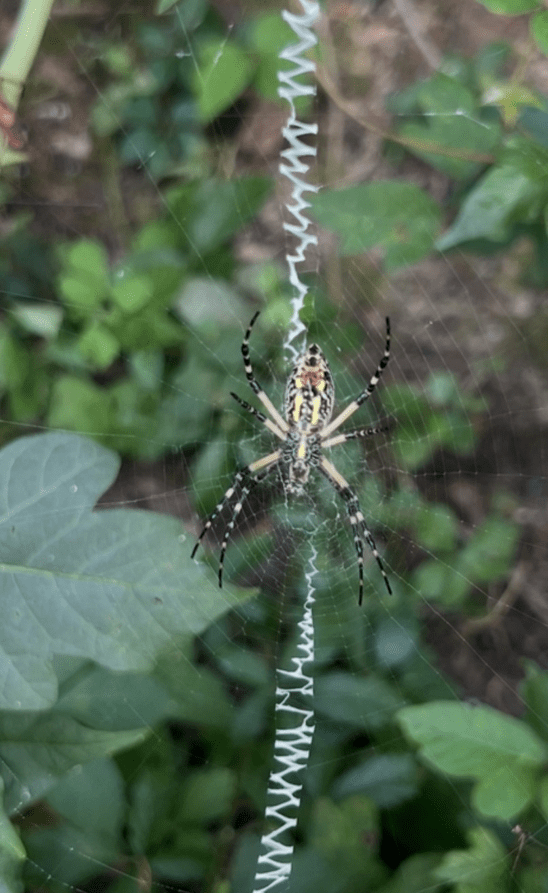
Yellow garden spider
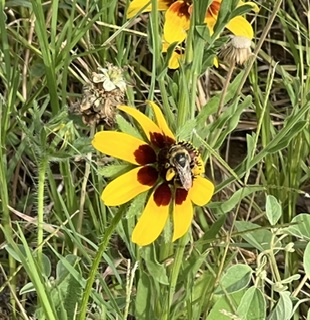
Longhorn bee with full pollen saddlebags
Common whitetail dragonfly
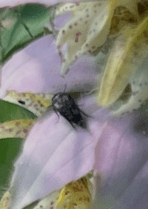
tiny Tumbling Ragdoll on Spotted Horsemint flower
I was very careful and purposeful and I worked cutting and bagging for two hours. Then I had to stop. If you ever see me working and I look like this
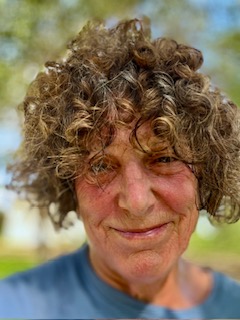
I need to stop, please make sure I do as this lack of tolerance for heat (the temp was creeping up as usual) was part of why I needed to quit beekeeping. I rested in the shade, drank water and cleaned up. I had worked hard and had cleared the path
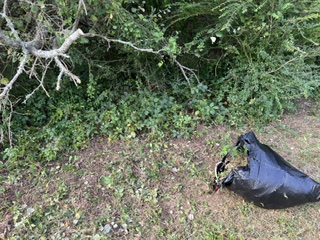
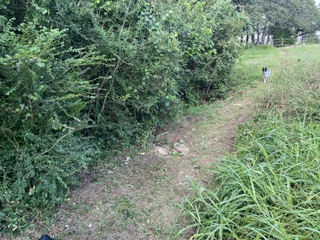
I cleaned all my tools and boots with degreasing Dawn soap. I stripped down and washed all my clothes with strong degreasing detergent. Then I showered and washed my skin with dawn and soap.
I knew there really was no way I did not get touched at some point in all that digging and bagging, but no blisters appeared. I read that approximately 15% to 25% of people are not affected by urushiol oil. While the vast majority of the population will experience an allergic reaction, this small minority is genetically resistant because their immune systems do not register the oil as a threat. Maybe I am one of these lucky ones.
BUT then two days later
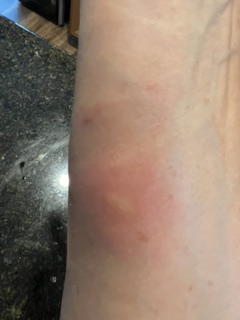
I eventually ended up with 4 itchy blisters on my forearm that I am treating with hydrocortisone. The worst part is there is still a huge crop of poison ivy there
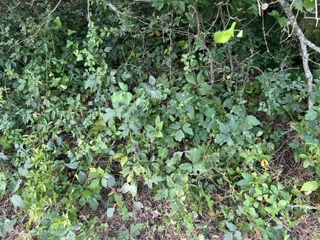
And it goes deep deep into the tree line. I will need to get something to spray on it. Please share your best treatments and poison ivy tales with me in the comments or at tmbrickey@aol.com.
Until then, I will look but I better not touch….