Learning about Nature Observation Apps

by Sue Ann Kendall

Today we had one of our first educational sessions at the Wild Wings Bird Sanctuary, sponsored by the El Camino Real Texas Master Naturalist chapter. Although there’s no denying the weather was toasty and humid, the attendees all learned about Merlin Bird ID and iNaturalist.
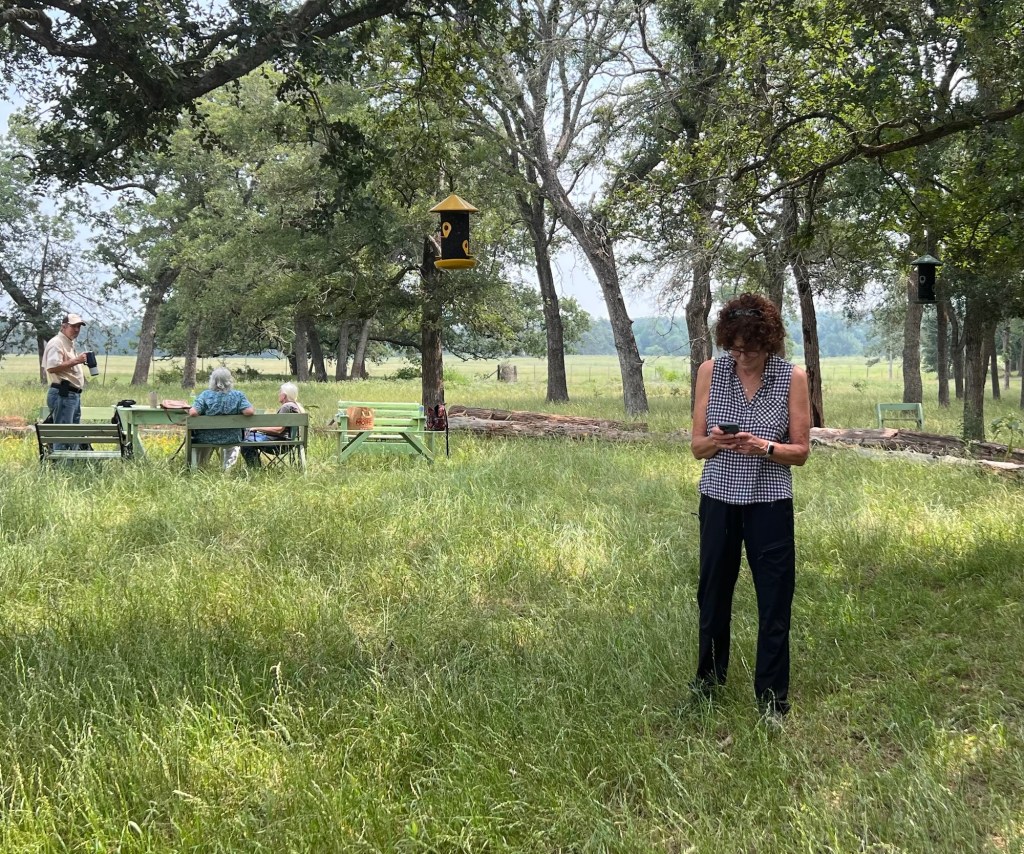
I enjoyed leading the discussion, since I just retired as an adult educator and miss teaching people. I’m grateful for the opportunity to give back to the chapter.
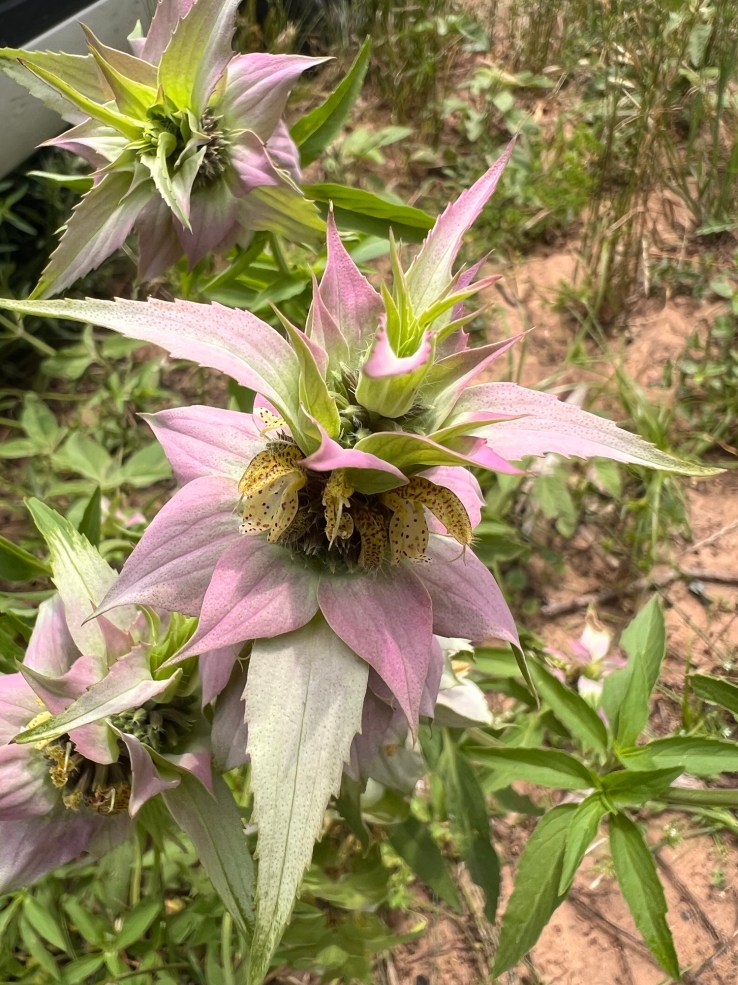
Spotted Horsemint
When I parked, I went next to this Spotted Horsemint (Monarda punctata). You sure could smell it!

Anyway, before we started, one of our members brought a baby bird she has been caring for to try to identify it. We enjoyed watching it eat and peep. No doubt it will soon be in the hands of All Things Wild or another rehab organization, but for now, the little Blue-gray Gnatcatcher or Mockingbird seemed in good shape. Interestingly, more than one of us tried to use Merlin Bird ID to identify it, but depending on the angle of the photograph (or something), different birds came up. On iNaturalist, my photo came up unambiguously Blue-gray Gnatcatcher, however. And looking at the bird, it seems more likely to be a Gnatcatcher than a Mockingbird or Phoebe. It will be interesting to find out how it turns out.

baby bird
Getting a photo with the tail feathers seemed to help.

The class had a mix of learners, from people who were unable to access the App store to get either app on their phone to very quick learners to experienced helpers. I did my best to help everyone but always got stumped when I can’t remember their passwords for them (I can’t remember mine either, but have finally found ways to find them when I need them). I can help people later! Oh, and those with Android phones weren’t able to acquire the new iNaturalist, because it’s only out for iPhones, to the great consternation of some of our power users!

Merlin

The good news is that even some of the experienced people learned new features of Merlin Bird ID. Some of the most helpful information is kind of buried among menus and options with cryptic symbols. We had a lot of fun seeing what the most likely birds in the area around Wild Wings would be, and people practiced the step-by-step and photo ID features. I enjoyed showing learners how to get to additional information about birds they identify, such as migration patterns, songs and more.

Most important from a “citizen science” viewpoint, is that everyone learned how to save an observation to their life list. There were some very gleeful folks who started to build out their lists. Who doesn’t enjoy seeing a bunch of stars appear and the words “New Lifer!”? I sure enjoy it, even with 333 birds on my list (I travel a lot, so there are lots of East Coast, Colorado and Arizona birds). These observations go on eBird, where biologists and others use it to track patterns of movement, migration, and numbers. The more people record observations, the more information they will have.

My most recent birds. Can you tell it was migration time?

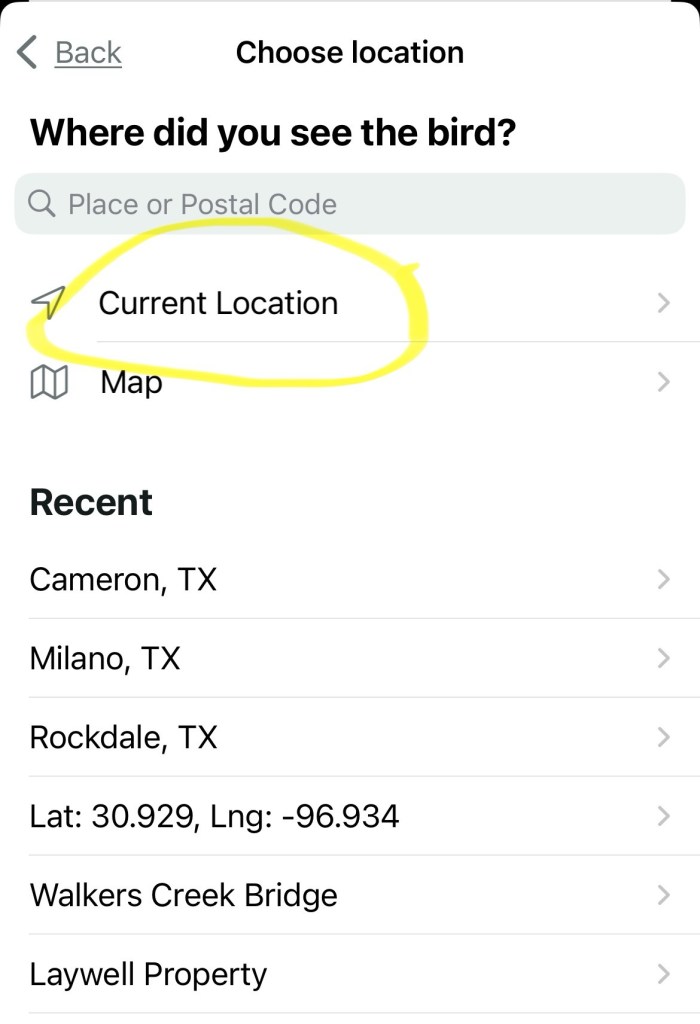
It’s important to remember that the birds identified by the AI software used by Merlin are not always accurate, as I’ve written about before. For example It’s less accurate if you don’t have it set to listen for birds where you are, too (I forgot to tell mine to stop listening for South Carolina birds recently, and only realized when a Texas bird I heard was missed). [I forgot to teach this part, so here are some instructions.] The setting to change locations (if you travel or something) is accessed by clicking the menu on the Explore (search) screen and clicking where it says “Cameron TX” on my version of the Refine Bird List screen (yours may differ). Then click Current Location (I usually leave mine on my house, which works fine for all our area). It will be stuck on your last location until you select “current location”
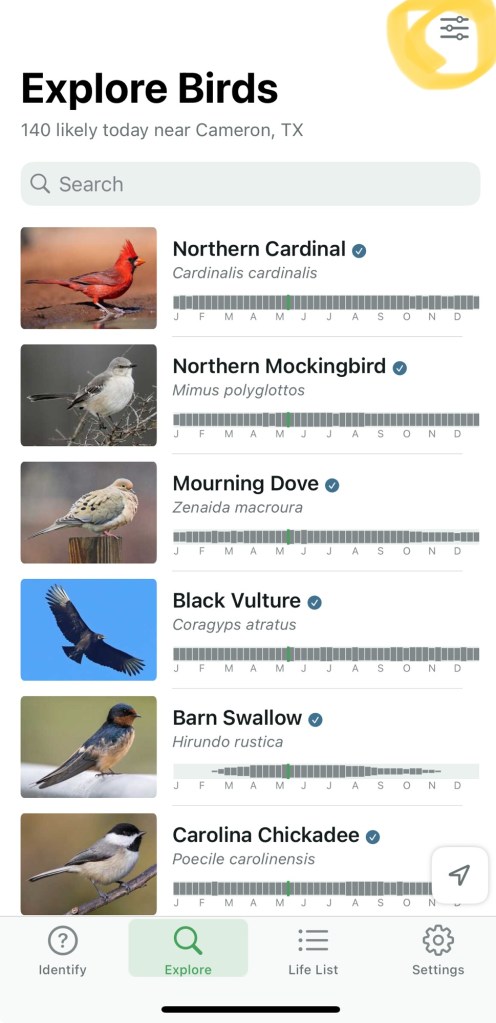
It helps to visually confirm the birds heard unless you’re familiar with it (I think most of us can confirm an American Crow) and to ensure that there isn’t another source for the call (Mockingbirds in my area do a great job with Eastern Phoebes, Eastern Bluebirds, and Belted Kingfishers, for example). Still, using Merlin is a great help for learning to do your own identification of bird calls and impress non-birders.

iNaturalist

Most of our group knows how to use iNaturalist on the computer and/or phone, but not many were familiar with the new iPhone app. So, I showed those who needed the app how to find it and helped get them started. The new app is quite different and has some interesting new capabilities, like using AI to identify what you’re looking at without taking a photo, identifying batches of observations and uploading them later (handy if you have limited bandwidth in the field), and grouping your photos before uploading (a little tricky but helpful).
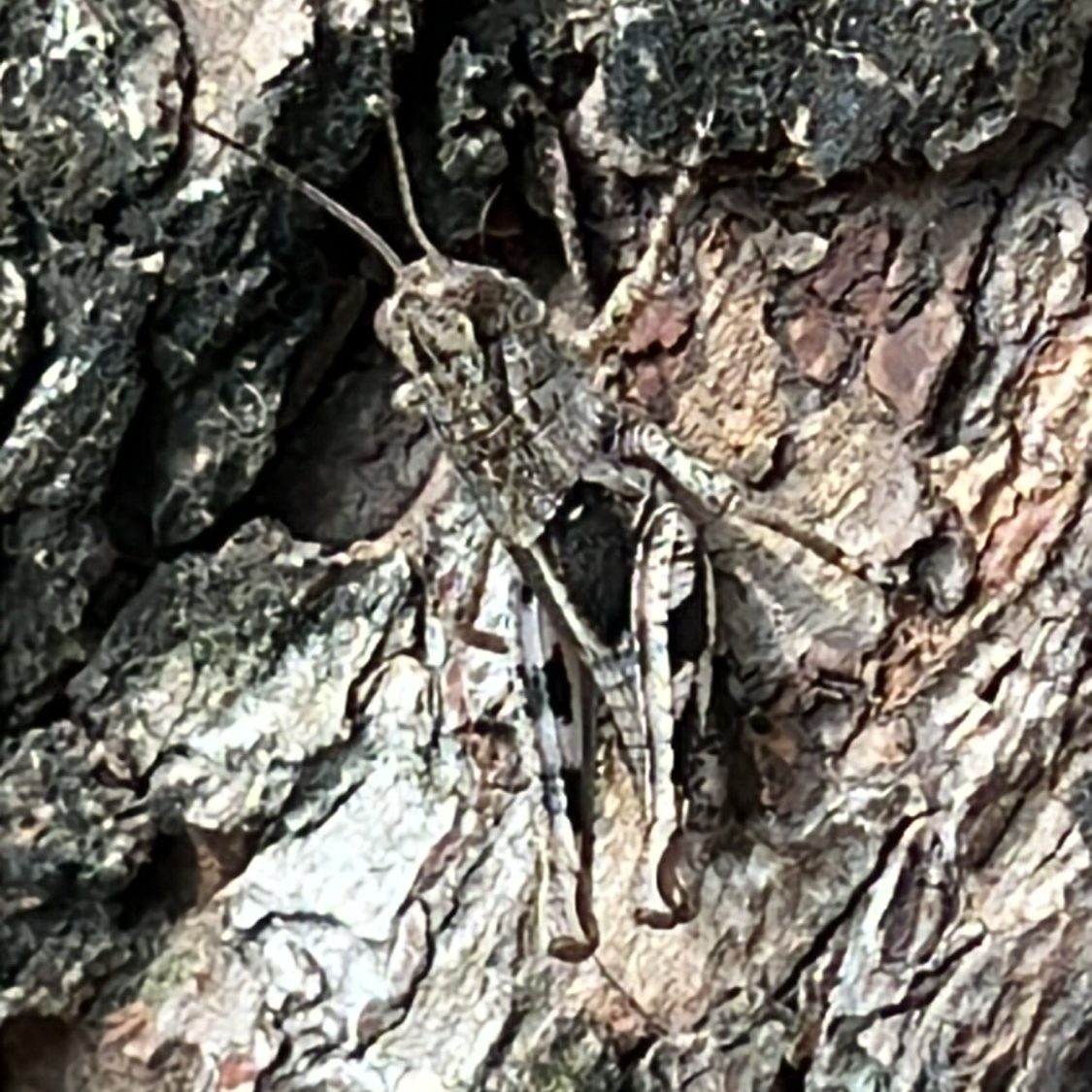
This Ponderous Spur-throated grasshopper sure blended in with the tree, but iNat got it!

I’d like to do another session on the updated iNaturalist when more Chapter members get set up and try it out a bit. But at one of us said to me, the best thing to do it just get it and make yourself use it until you figure it out. That’s what I did (it helps that I learned and taught applications for a living until just recently, so I’m a good software learner).
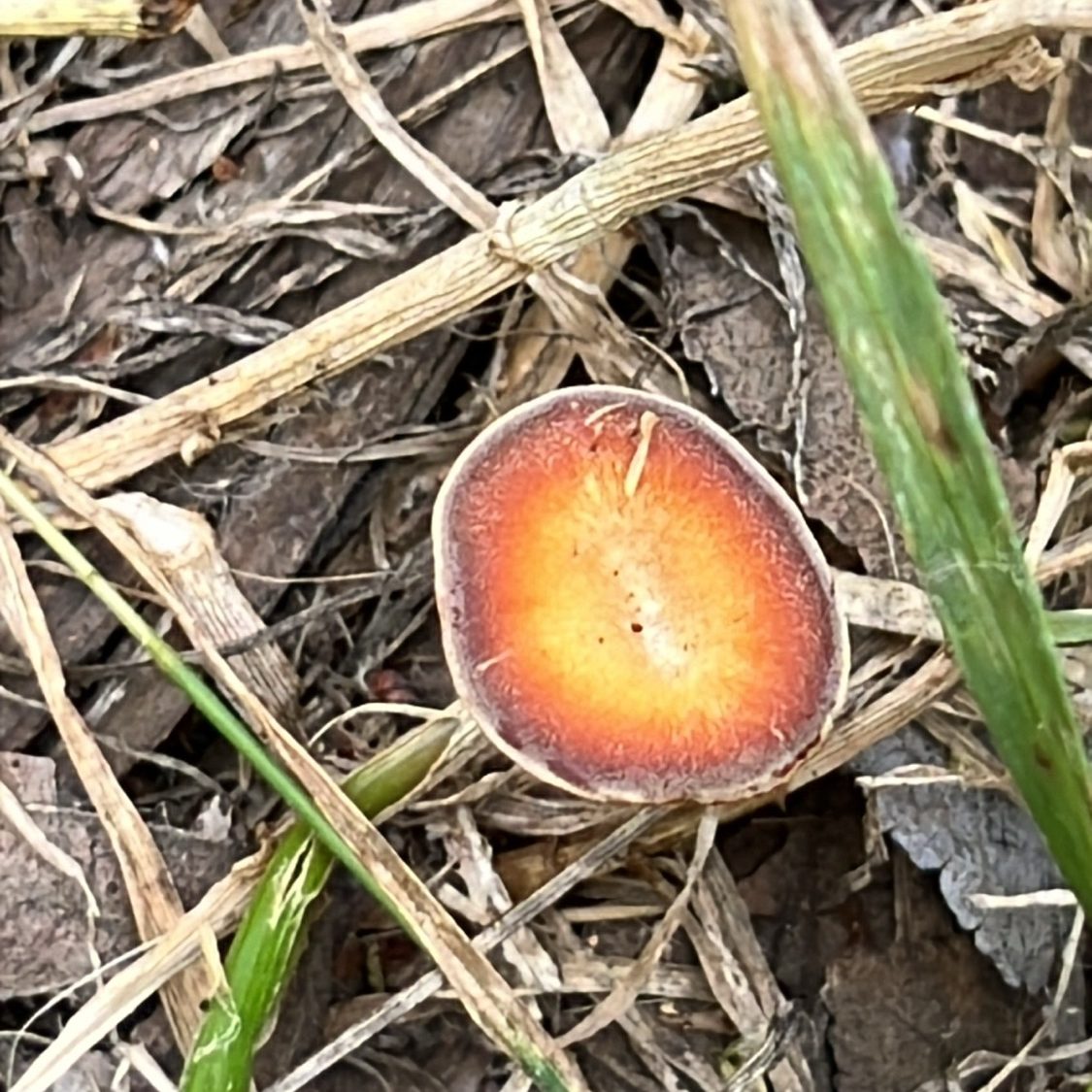
iNat has no clue what this fungus is. I should have gotten a photo from the side – rookie error!

I’m here as a resource for anyone with questions on this one. Send me an email or comment on this blog. Our usual source of vital iNaturalist information, Linda Jo Conn, is hampered by having an Android phone, but she’s your go-to on the computer app and the “classic” iNaturalist. Of course, iNat is working on that Android version, so it should be out soon, we hope.

Thanks as always to Ann Collins and Gene Rek for their hard work on Wild Wings, as well as to our bird sanctuary committee. They have kept the project on track and enabled us to start our educational programs.

Resources

New iNaturalist App for iPhone! This article provides more information about the new iNat app, and has a handy video on configuring it to behave a bit more like the earlier version, which is more like how people who do a lot of identification will want to use it. I highly recommend this if you can learn from text or video (some people prefer to be shown).

What I’ve Learned about Merlin Bird ID: Article I wrote with more Merlin tips and tricks.

iNaturalist New or Classic: Which one for new users? This is on a Reddit forum, so probably of interest to our nerdier Master Naturalists. But the information on how the AI works was interesting to me.
Birding along Country Roads with Merlin

by Sue Ann Kendall

One of my favorite pastimes is seeing how many birds I can identify in new places. I’ve found that taking along my favorite electronic helper, Merlin Bird ID is very helpful and also allows me to contribute to the eBird database. This may even get me some volunteer hours as a Master Naturalist, though I admit I do it for fun even when I’m on my property or out of state. Want to join me? Here are some hints.

Before You Start

Before you head out, be sure to download Merlin Bird ID onto your phone and get your account set up. It’s free! Charge your phone up, too. Then get your hat, notebook, binoculars, spare batteries, and water. You may spend longer with the birds than you expect to. It’s hard to stop!

bird
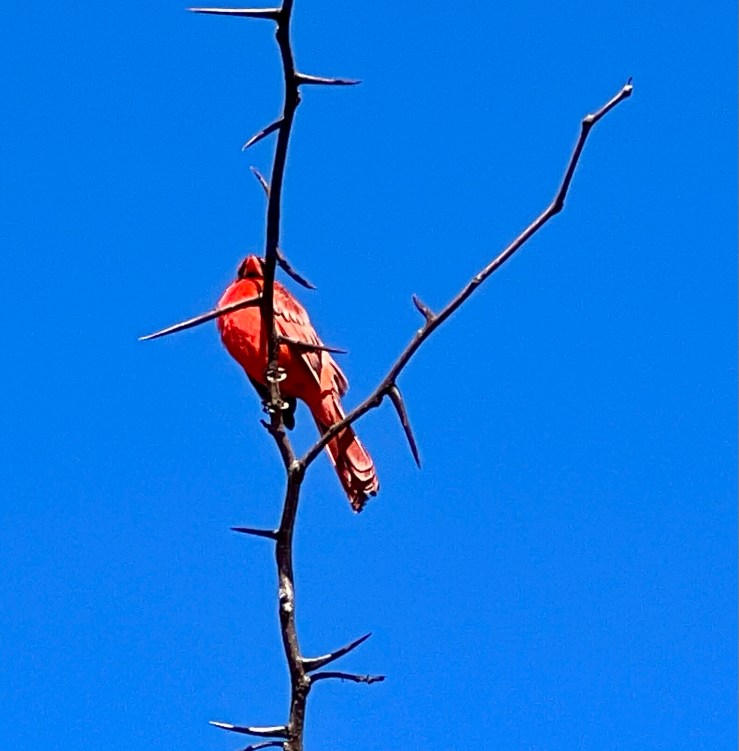
You will probably see a Cardinal if you are in Milam County.

You can go anywhere you want, but I prefer county roads with little traffic and a variety of habitats. Going past water may get you some herons, ducks, or a kingfisher. Fields and prairies are good for sparrows, meadowlarks, starlings, and hungry raptors. Woodlands have woodpeckers, owls, songbirds and more. I find the best birding in places with open space that are near cover (brush or woods). I often park at a friend’s house and take off from there.

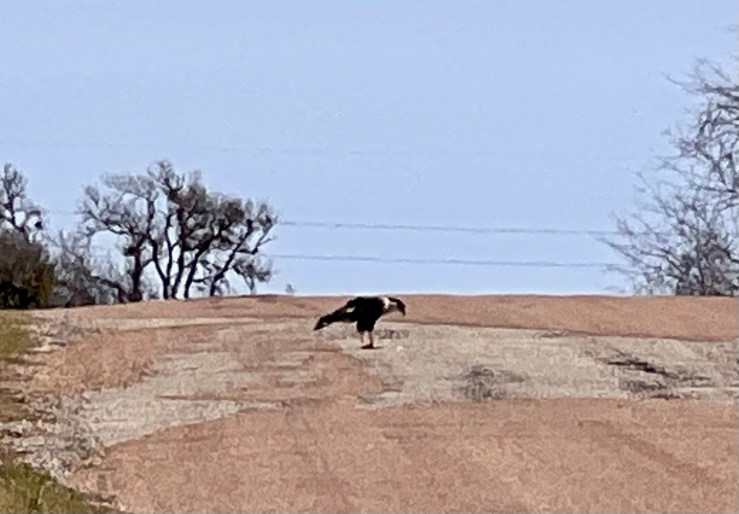
Caracara eating pizza off the road – the middle of the road is a good place to find scavengers.

Once I get to the area where I’ll be birding, I do an important thing in Merlin – I set the location for bird recommendations to where I am. That’s important, because Merlin suggests birds likely to be where you are. That may not matter if you’re just a mile or two from your house, but if you’re in another part of Texas or even farther away, you’ll want to know what’s likely to be there. You can use the list of birds found under the “Explore” option in Merlin to check what’s likely to show up so you’ll know what to look for (for example, does your locale have Ravens or only Crows? Does your area have Tufted Titmice or Black-crested?).* In the example below, I was making sure there are still Sandhill Cranes around this time of year at my house.

Another important preparation is to tell your phone to send your calls to voicemail. Every time you get a call, it stops the Merlin recording. I usually use an iPhone setting that lets important calls through, but not spam. Just save the recording if a call interrupts.

Bird Walking

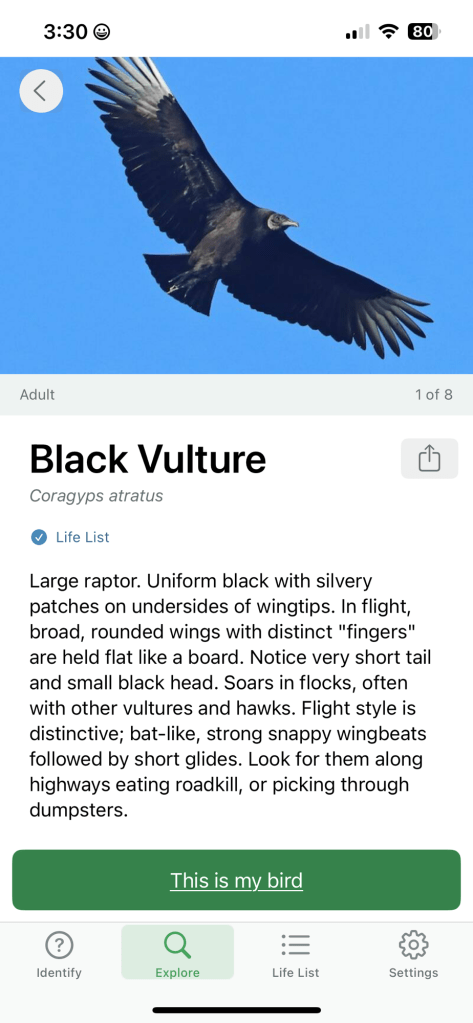
Now you can start your bird walk. Start Merlin on Sound ID as soon as you hear a bird. It’s a good idea to stand still while listening, so your footsteps don’t interfere and so the app can identify sounds more easily. Be ready to photograph any birds you see, because Merlin can identify birds from photos as well as sound. Remember that not every bird is going to make sounds, so be on the lookout for those vultures (Black have white wing tips and Turkey have the “thunderbird” shape on the underside of their wings).

Black Vulture
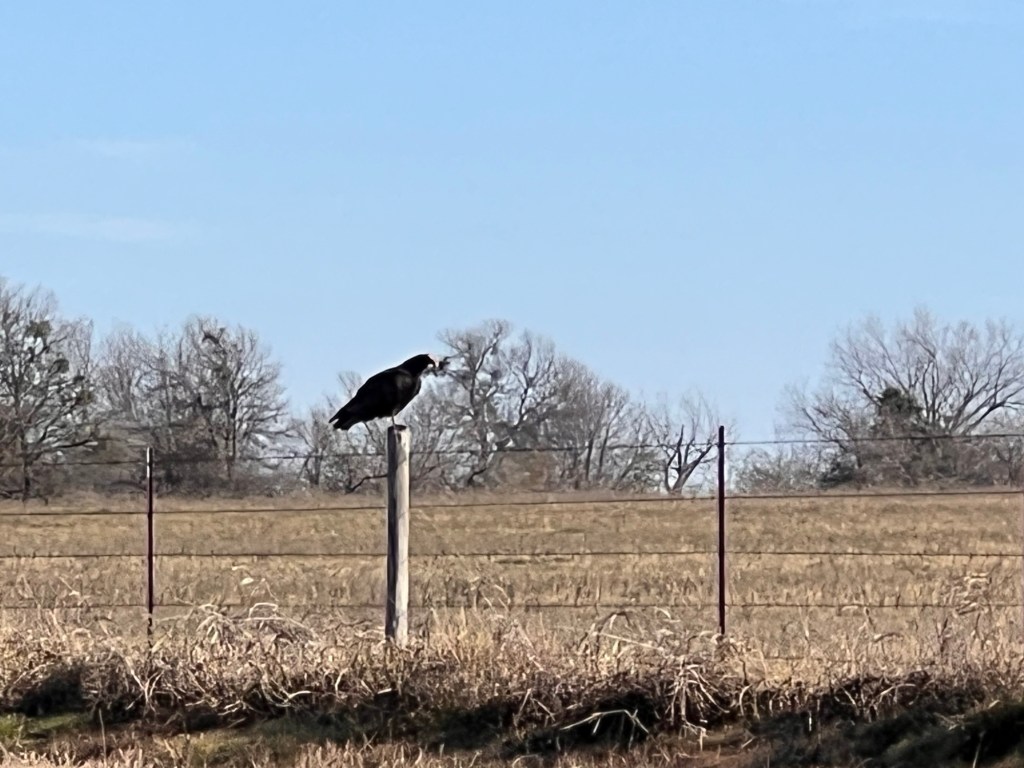
This is a Black Vulture, which was easier to ID in person.

You may also hear birds that Merlin doesn’t register – for example, I just heard Sandhill Cranes flying overhead, but they were very high in the sky, so they didn’t get picked up by the phone microphone. I did get a photo of them, but even if I hadn’t, I could count them since I know what they sound like. Owls are also notoriously hard for Merlin to identify.

Sandhill Cranes
These Sandhill Cranes were flying high.

What I do on these walks is stop whenever I hear a bird or birds and let Merlin record them. You may not get very far if the birding is good, but move on when you’ve heard everything in the area. It’s so much fun watching birds show up on the app! I also look around to see if I can see or photograph the bird. Soon you will know what birds are around you by their calls and songs with Merlin’s helpful training. I love this in the summer when the trees are leafed out. I finally got to see Painted Buntings last year thanks to Merlin. And I’ll never forget the sound of passing Eastern Bluebirds and Lesser Yellowlegs as they go overhead out of sight.

Photo by Skyler Ewing on Pexels.com

I usually listen for 20-30 minutes, then save the recording. Those files aren’t too big and I can review them later to record them. You can select a bird Merlin identifies and click “this is my bird” to save it in eBird. Give the location a good name, so you can later figure out where you were. Good examples are the name of a trail, road name, landmark, state park name, etc. Record them as you see them, because if you try to add them later, you’ll not have the right location and you’ll have to find where you were manually. You can make an eBird checklist when you get home, if you like, though.

On a long walk you might end up with two or three recordings, and a bunch of photos, which you can put on Merlin or in iNaturalist, too. You might get a surprising number of species if you’re patient. Use Merlin to read more about birds that are new to you. It will describe the bird and show you its range, which can be surprising.

The more you walk around with Merlin open and listening, the more you’ll learn about the birds wherever you are. I’ve learned all about the birds where I travel, and conveniently use Merlin to add them to a life list Merlin tracks. If you’ve got a few minutes to spare, take a walk down a country road with Merlin!

Barn Swallows

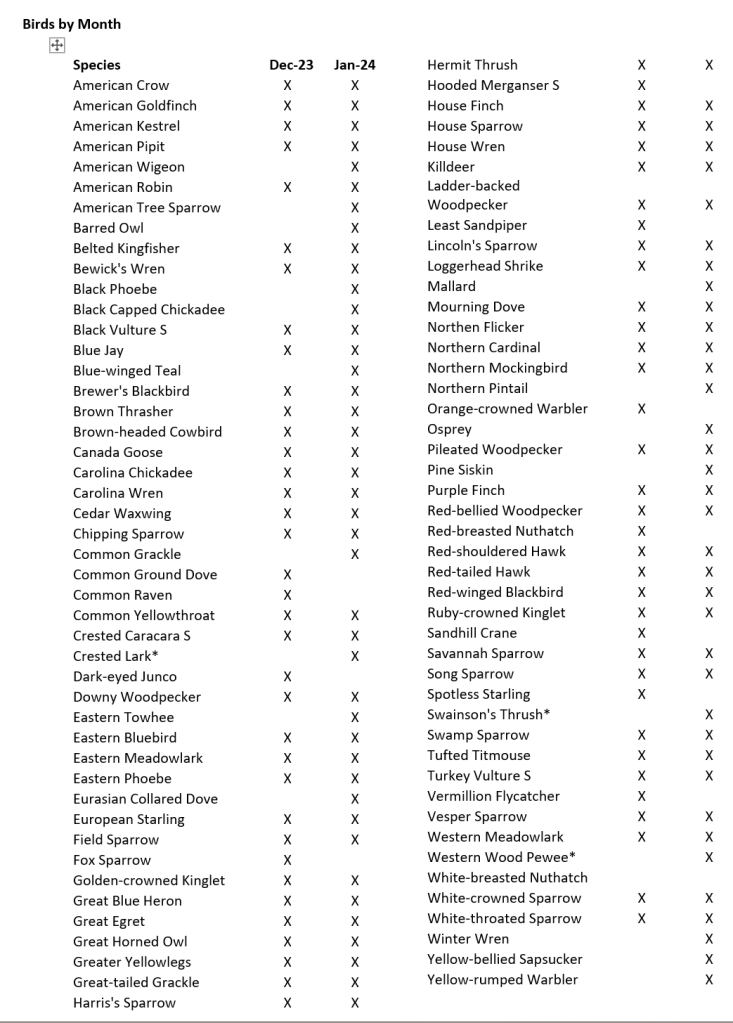
Just for your information, here’s what I usually do. At home I only put new birds or birds seen at an unusual time in eBird, since I’ve recorded them many times. I have a notebook where I write down the birds I see and hear on Merlin every day and I track sightings monthly on a spreadsheet, which then goes in my blog. It’s fun to see which birds show up in different seasons. I’m a little obsessed, but everyone needs a hobby, right?

notebook
A page from my notebook listing birds I saw on one day. I do use abbreviations, but I know what they are!

*Be sure to set your location back to your home base when you return. I realized this morning that Merlin was looking for birds at Inks Lake, not Milam County.

A New Toy Wizard

by Ann Collins

I have a new toy! And my life has changed forever! Not sure if it’s for the better, but it lets me be totally lazy. My phone is my window on the world. Living on a downward slope almost to a deep gully, service here is sketchy, often not available at all. Anyway, my new toy is the Merlin phone app, which identifies birds by sound and records a list for me. I’m excited to see what the Wizard has found and I question frequently his ability.

Is it Merlin the Magician or a Merlin bird, or both? (Thanks, AI)

For instance, it has always been a bit of undeserved pride that I’ve never seen a house sparrow on my property. I still haven’t, but Merlin hears them every day or so. House sparrows can be a major pain if they camp out in large enough numbers. They really are considered invasive. They were brought over by some well-meaning moron who thought they would be a nice addition to our native birds. Ironically, in their native England they are becoming quite rare while they have become a real pest here. It’s never a good idea to introduce a plant or an animal you think is cool. Example: the Burmese pythons in the Everglades.

I can’t believe Ann doesn’t want me pooping all over her birding area. Photo by Miriam Fischer on Pexels.com

As I sit inside my cozy sunroom drinking hot, spicy tea on this deliciously cool early autumn morning,* Merlin is busily making a nice list for me. I take my phone out to the deck and conjure up the Wizard and he eagerly gets to work. I’m glad for that, because with encroaching old age many things don’t work like they did in my youth! For istance the high-pitched frequency of many bird sounds simply don’t register in my increasingly deaf ears. Merlin is a relatively new app, so his hearing hasn’t failed him yet – probably just a matter of time.**

Example of Merlin’s observations (Walkers Creek, Texas, October 15, 2024)

I wonder what Merlin’s range is? Are the birds he hears actually in my yard or can he hear the ones a mile away? Just up the driveway? Does that depend on my service or just how he’s programmed? Who knows? Guess I could ask him.

Don’t ask me. I’m Merlin the Bird. Photo by Sethulakshmi Sajeev on Pexels.com

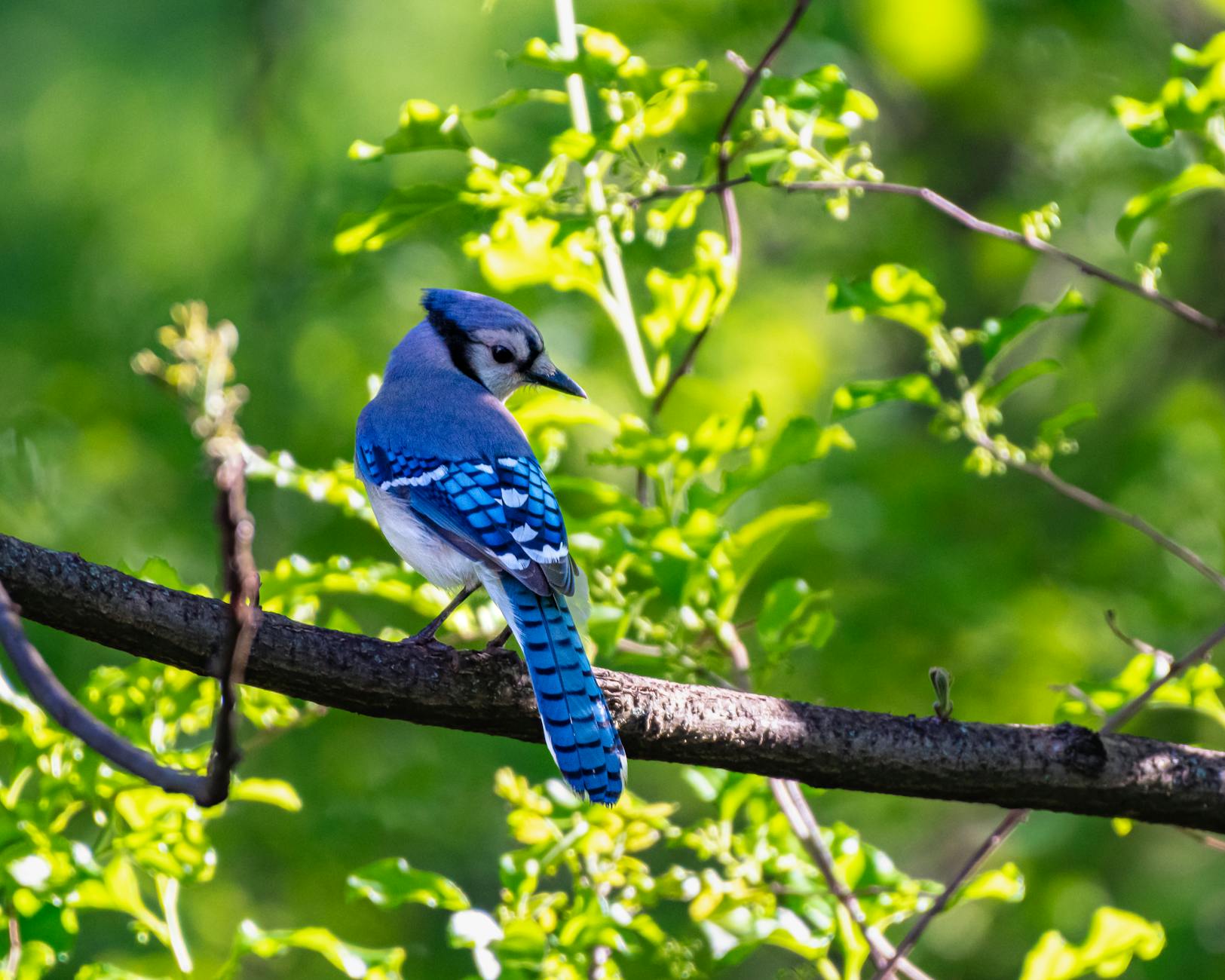
It’s kind of hard for me to trust technology. I didn’t grow up with it like so many of the younger folks. When Merlin IDs a Blue Jay and the next bird is a Red-shouldered Hawk, my skeptical nature questions, was it really a hawl? Some of the calls of these two birds really sound alike. Blue Jays are pletiful here at Chimney Hill and I do have Red-shouldered Hawks regularly. The hawks might even breed here or at least close by.

Blue Jay. Photo by Robert Jakubowski on Pexels.com

House sparrows? Never seen one here. I can thank my lucky stars for that. They can be a real nuiscance. How about a Blue Grosbeak or a Dickcissel or an Indigo Bunting? I did have a number of them a few years back but haven’t seen them in quite a while. I don’t doubt the Merlin reports of Red-winged Blackbirds or the grackles (Common and Great-tailed). Large flocks are not uncommon, so the Red-winged Blackbirds could be traveling with them.

Who knows what kind of birds are in this flock. Photo by Mehmet Suat Gunerli on Pexels.com

In spite of my skepticism and questions I still love my new toy. It really gives a new dimension to my census and wildlife evaluation. I love it!

Thanks to my buddy Suna for programming the app for me!


*This was written during the September cool spell.

**Suna points out that Merlin often has trouble with low sounds like owls and doves.

Using Merlin Bird ID – What I’ve Learned

by Sue Ann Kendall

I’ve been using Merlin Bird ID since last summer to identify birds I hear. I’d used it before to identify birds I saw, but once I started the listening exercise, I was hooked. It’s such fun knowing what I hear around me, and it’s great training for birding without the app. My ability to identify birds by song is hugely improved. Plus, knowing what’s out there helps you know what to look for if you want to see birds.

Merlin interface.

Cornell Labs has done an amazing job developing this app, which you can download from the App Store in whatever kind of phone you have. I can’t imagine how much work it has taken to train the listening app on the sounds of all the birds around the world (you can get Bird Packs for wherever you happen to be).

I got Europe because I keep getting those weird IDs and wanted to read about those birds. Mexico is because I go to South Texas sometimes.

I’ve learned a few interesting things about Merlin that those of you who use it or are interested in giving it a try may benefit from.

One of the most common birds I hear.

1. Merlin will not identify domestic birds. My chickens can walk right in front of the phone and nothing registers. It also completely ignores my horse trainer’s guinea fowl, and didn’t pick up the turkeys at Bird and Bee Farm. However, it has identified wild turkeys, so I think the turkey thing was a fluke.

I’m a bird!

2. The app has trouble with birds who make sounds that are low in pitch. For example, it needs most doves to be really close in order for it to register them. Collared doves make a higher sound that it identifies more easily. And you have to be on top of an owl for it to be picked up. In the past week, I’ve heard entire owl conversations that didn’t get “heard,” both of barred owls and great horned owls. That’s why it pays to also be able to identify birds with your own ears!

I’m so subtle.

3. Crazy things can happen after a recording is interrupted. Two things that happen to me often will interrupt a recording: the phone ringing or me accidentally starting a video rather than taking a photo while the app is running. You can usually save the recordings, though I have lost a couple.

However, I’ve found that if I start the listening function again after an interruption occurs, Merlin’s decides I am not only in North America, but I’m also in Eurasia. I will be informed that I hear a great tit or a European robin, which is highly unlikely!

So, if you suddenly get an identification of a bird you’ve never heard of, be sure to click on the map for that bird, to be sure it has actually been seen in your area. Sure, occasionally birds are blown off course when migrating or after a storm, but most European birds stay in Europe (other than our biddies the house sparrows and starlings, of course!).

My husband’s haiku: Porch sparrow drama –
fussing, fighting – very loud
What are they saying?

4. Moving around is hard on Merlin. The app works best if you are standing still (or the phone is sitting on something) and the environment is not noisy. It’s amazing how loud you are walking on a trail or around your property. I live in the country, yet I realize now that it’s loud here. Loud farm vehicles and trucks, single-engine planes practicing their takeoffs and landings at the nearby tiny airport, our six dogs, the pool pump and waterfall, and air conditioning units all contribute. When camping, screeching children on trails and boats are hazards. So are waves, believe it or not. But if you stay still, Merlin’s does a pretty good on anyway.

Savannah sparrows looking for bugs

When I’m out walking, I usually pause if I hear an interesting bird, so the app can pinpoint what it is. My exercise app on my watch hates that.

Merlin Hints

  • Save fairly often. I try to go no more than 20 minutes or so before saving a recording unless there’s some great bird action going on. That minimizes your losses if the app crashes, which does happen occasionally.
  • Remember to report interesting birds you hear or see to Cornell Labs. It goes to e-Bird and provides useful research data. I don’t report every sighting. I doubt they are interested in the fact that I see vultures and house sparrows every single day. You can also upload photos. Occasionally I get one good enough to share.
  • Have some fun with the app and do your own research. I’m tracking what birds I hear at my house each month. It’s letting me know which birds are winter birds, which migrate, which show up in summer, and of course, what’s here all the time (vultures, house sparrows, cardinals, chickadees). Be sure to report each new bird you hear, so your life list on Merlin can grow. I have 192 birds since last September. Majestic that 193. A marsh wren showed up today. That includes birds I’ve seen while traveling, too.
Yep, we are in their range.
  • Conserve your phone battery. To make my battery last longer when on long hikes, I don’t keep my camera open at the tame time Merlin is running unless I’m actively taking pictures (remember, I also obsessively record plants and other life for iNaturalist). If I were planning to go out for a long time, I’d take a spare battery. I tend to run out of juice after around three hours.
  • Don’t become annoying. I have developed the habit of shushing people who talk when I’m “listening” through Merlin. I’m sure it irritates my spouse. People are important! I also don’t even TRY to use the app when on a group hike unless I hear something really cool and go hide to try to capture it. I was hilarious at the National Butterfly Center last October, as I lagged behind the Master Naturalists trying to hear exotic Mexican birds. I also find myself trying to be extra quiet any time I’m outdoors,because it’s become a habit. I whisper answers to questions and such. I am working on fixing that before my family stope talking to me.
I hope you get something helpful out of these hints. If I’m wrong about anything, let me know. Also, if you have additional insights or hints, tell me and I can add them to this blog post. I’m still learning!

Flowers attract insects that attract birds.

By the way, I’m not claiming Master Naturalist VT hours for any of this, since it’s on my own property most of the time, and that doesn’t count. I did count my time during the Great Backyard Bird Count, since that’s approved. I don’t claim hours when I’m camping or traveling, since I’m also usually making iNaturalist observations at the same time and don’t want to “double dip.”

[this is a revised version of a personal blog post]

A Local Bird Project

By Sue Ann Kendall

Since we’re not getting many submissions lately, I’ll go ahead and write up some of my little naturalist projects. Too bad I don’t get volunteer hours for this kind of stuff, but I enjoy it anyway, because it gets me out in nature and my data is useful to someone.

Where I listen to birds.

What I’ve been doing involves using my eyes and ears to track the bird species in an area of northern Milam County about a half mile in diameter around my property. It contains pastures, woodlands, ponds, and a creek.

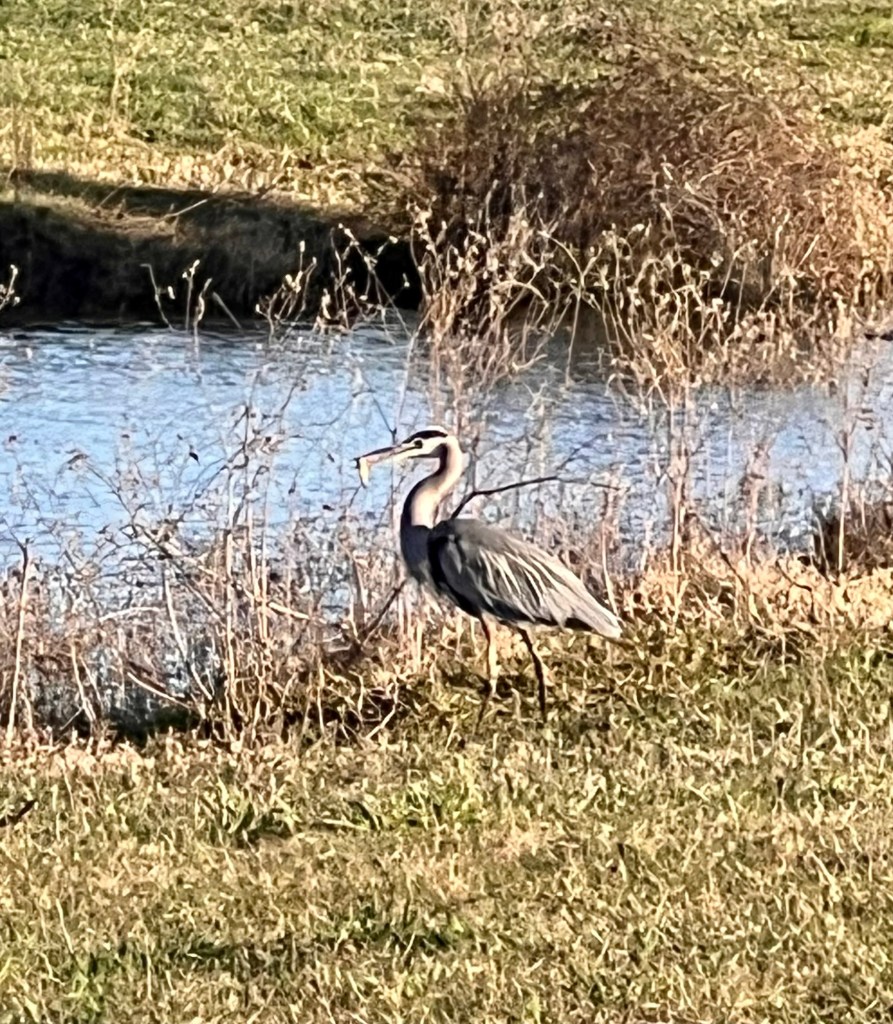
Mmm, fish

I’m keeping a record of what birds I observe with my eyes (I do try to get photo confirmation on iNaturalist for unfamiliar birds, but I trust myself to identify the two vultures I see as well as crested caracaras. For listening, I use Merlin Bird ID, which is really quite accurate (only twice has it found birds that shouldn’t be here, and who knows, the wind could have brought them in).

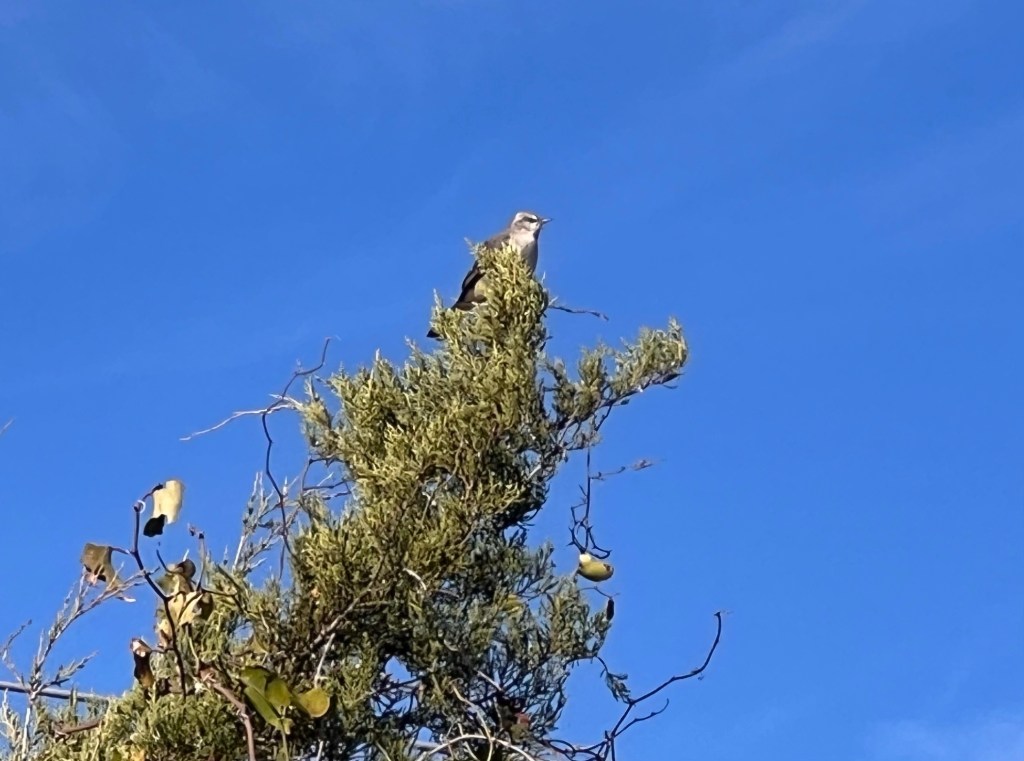
It’s a mockingbird, not a loggerhead shrike.

I use Merlin for between half an hour and an hour a day, and I have three places I usually listen. Mostly I listen between 8 and 10am, depending on my schedule, though I occasionally listen around dusk so I can get owls (barred and great horned so far).

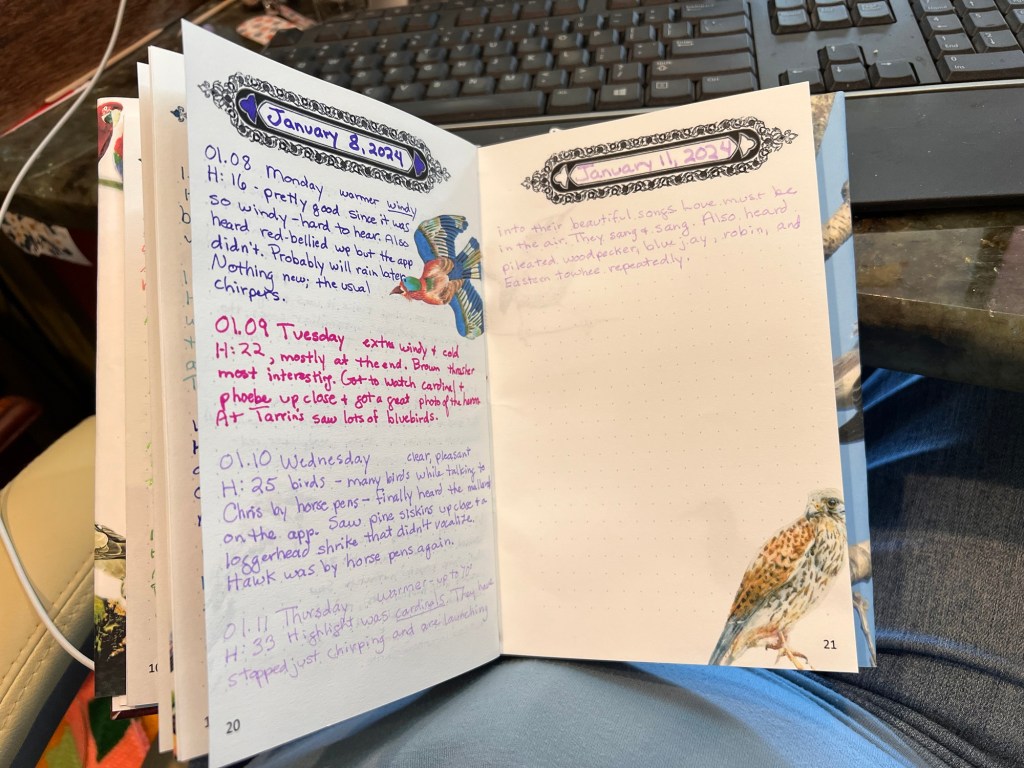
I have a bird journal that my spouse made for me. I record weather notes as well as how many birds I hear each day. I also note birds I get to observe up close or with my binoculars, and any new arrivals.
Where the research part comes in is that I have started a spreadsheet that lists each species I observe each month. I’m looking forward to spring migration to see what passes through as well as to record when winter residents leave and summer ones arrive. I miss the painted buntings and their friends, though the twelve kinds of sparrows here do keep me on my toes. Yes, twelve.

Current birds observed

By the end of the year, I’ll have a good idea of the patterns here in this small area. My hope is to keep observing for a few more years, so I can see how climate or big weather events affect this area.

I’m a black vulture.

I’m going to put in another plug for the Merlin Bird ID app on my phone. All the observations go into the eBird database, since it’s from Cornell Ornithology Labs. You can contribute photos as well as record sounds of birds. I say sounds, because it identifies mourning dove wings correctly!

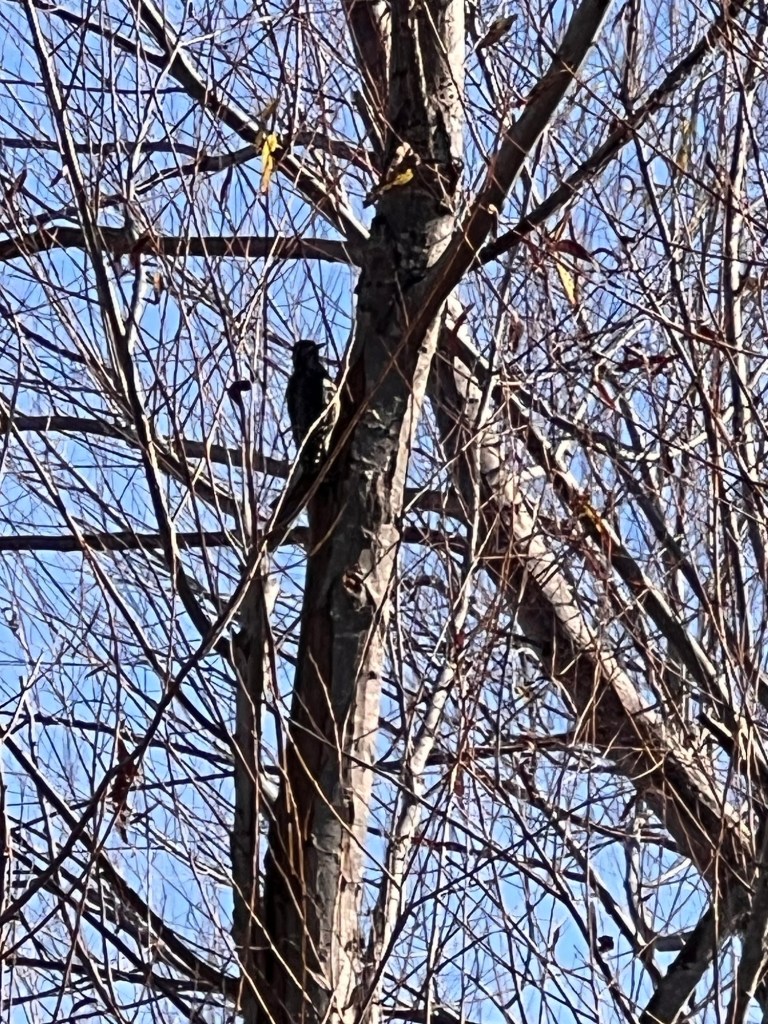
Sound ID told me this one’s a ladderback woodpecker.

I’ve learned so many bird calls that enrich my life. I drove my spouse crazy yesterday identifying all the birds on the Nature PBS show yesterday. There was one persistent Phoebe. I now know Carolina Chickadees have many more songs and calls than I’d realized and that we’ve had a few Black-capped Chickadees drop by.

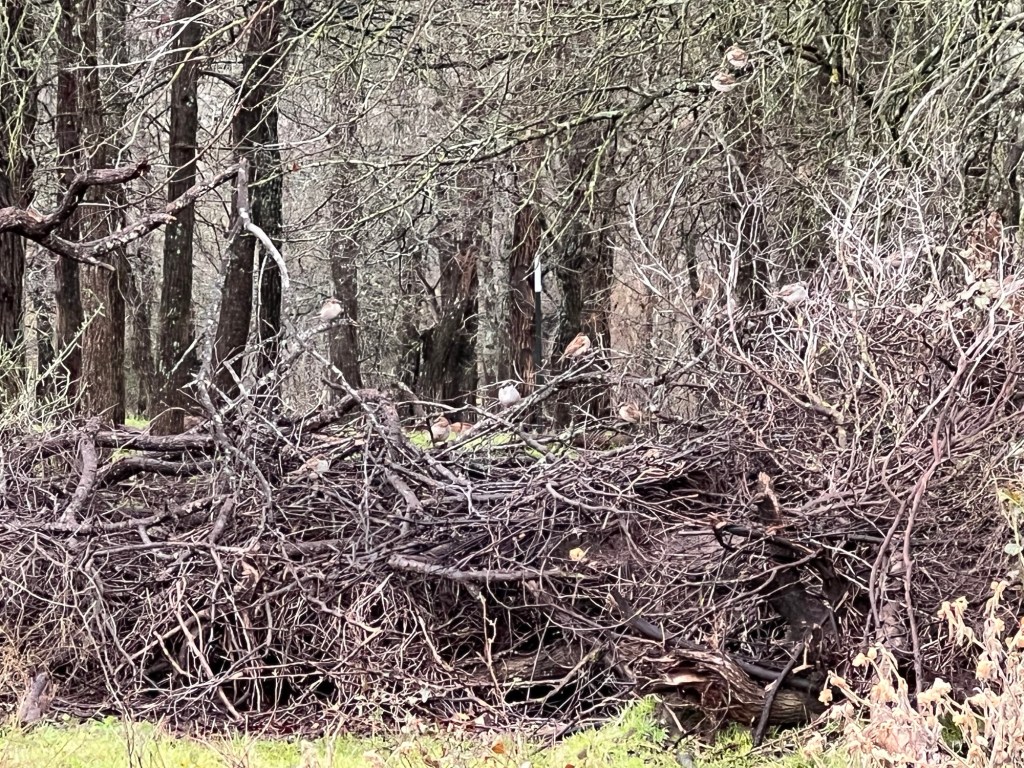
Some of our sparrows. Mostly white-capped, some house sparrows, maybe a Harris’s sparrow in there.

The part I find funny about this app is that it refuses to identify chickens, Guinea fowl, and turkeys, at least at the Wildscape. The last one confused me, because they are native. but maybe it “knew” these were at a facility for raising turkeys.