The Energy Bunny Was Patterned after Linda Jo Conn

By Ann Collins

Please don’t tell her I said so, because then she will know I’m on to her plot, but I think Linda Jo Conn is trying to kill me… (If I’m murdered, Linda jo didn’t do it – there are plenty of other suspects!)

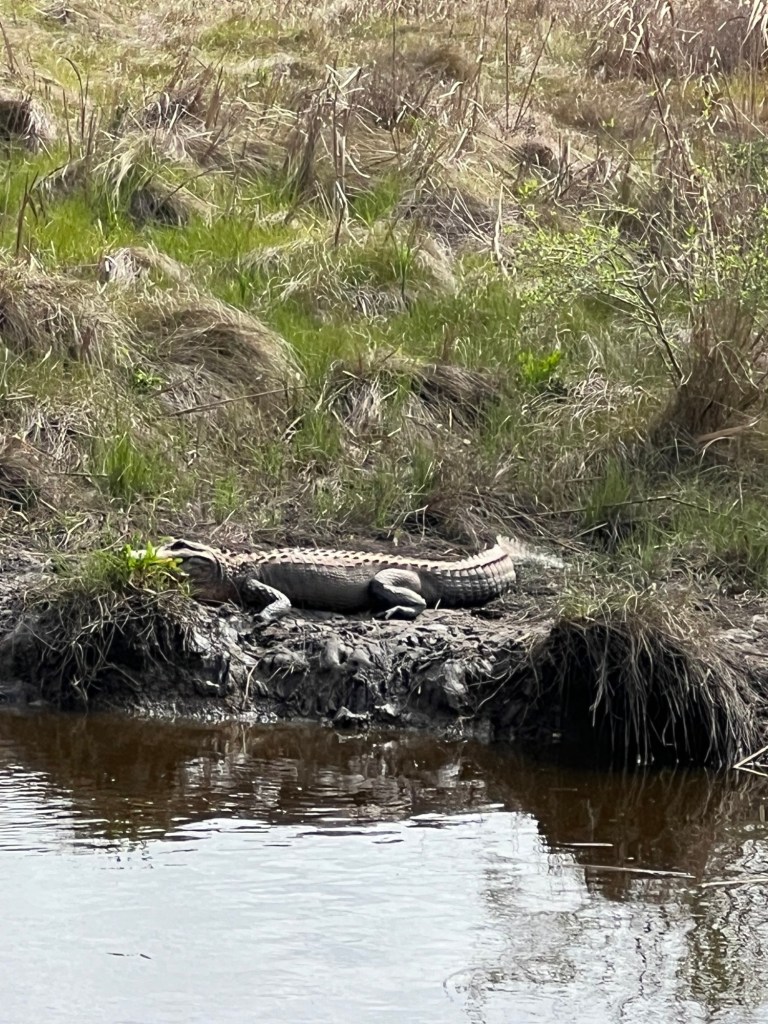
LJ and I recently embarked on a three-day marathon trip to my beloved East Texas – Big Thicket National Preserve. First on the agenda was the forty-two (42!) American alligators sunning themselves in the shallows of Shoulders Pond. You drive around this circle of a canal and note what you see.
Second most exciting was the huge number of White Ibis spending the winter there. It could have easily been 50-60 or more. There were lots of coots, great egrets, great blues, little blues, snowy egrets, reddish egrets, gulls, and red-winged blackbirds. 

After the drive, which took over two hours, we walked one of the trails. Even so far south not much was blooming. There were quite a few plums and maybe some pear trees, the invasive kind! Perhaps a few weeks later everything will be in bloom and there will be more birds. Put it on your bucket list!

An hour drive later we arrived at our luxury hotel in Kountze, my old home town, a real bargain at $66 a night! They had the cleanest towels I’ve ever seen! Not a joke. Really nice folks run the place, and it has a free breakfast and good maid service.

After a good night’s rest and supper at the local Dairy Queen, we drove north to the Geraldine Watson Preserve. My heart lives there. In my next life I will come back a Geraldine wannabe! They had done a recent burn trying to get rid of the invasive sphagnum moss and whatever is encroaching on the fantastic boardwalk. Everything here is maintained by the association of dedicated volunteers.

There were remnants of pitcher plants, and I got a really good picture of the remains of creatures left after the plant had dined on them. Cool!

There was lots of other interesting stuff – more to come – such as orchids, mushrooms, wildflowers, and birds. Do NOT fail to spend a morning there if you are in the area. 

Geraldine wrote two books before she died. One is somewhat technical, about the geology of the area. One is about her adventures living in the area. It’s the best one in my humble opinion.

Next, we went on a drive on the Gore Store Road (try saying that fast three times!). Sadly, they are harvesting pines for lumber there – quite a few scary trucks loaded to the gills with long, tall, used-to-be-majestic trees. It was scary to drive behind them. A man who lives in the area tried to make a citizens’ arrest on us for trespassing on a vacant lot. Luckily, LJ talked him out of it. But we had to sacrifice a half hour charming him and convincing him we only wanted pictures. In the end, he even let us take a few shots on his property. There was very little worth reporting on the Gore Store Road – we never did find the store.

Lunch was at the barbeque place in Warren. It’s the best place to eat in the area and run by a very nice family. Friendly folks.

Off to the Sundew Trail. If you didn’t know, sundews are another carnivorous plant in the thicket. Again, not much was blooming. There is a great boardwalk and they have installed ten information stations that talk to you about what you are seeing. The best sighting was a brown green anole. You hardly ever see them colored.

Supper was an orange – too tired to eat.

Next day was Village Creek Park in Lumberton. There are very pretty cabins to rent. Homeward bound!

I went to sleep at 6:00 pm, was awake a few hours in the night, then slept until 7:00 am! I still think she’s after me. What do you think?
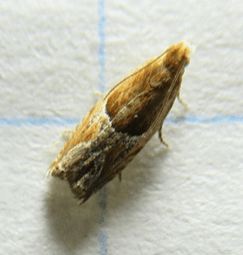
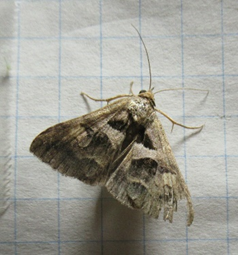
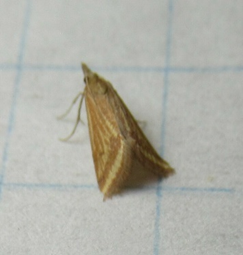
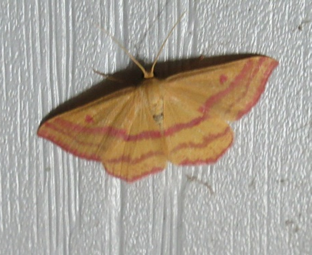
My National Moth Week 2023

by Linda Jo Conn

During the week of July 22-31 hundreds of Texas Master Naturalists visited parks, prairies and preserves or stayed at their private homes to observe and report moths (and other species of insects) attracted by light in the nighttime.

While many used the preferred black or mercury vapor lights powered by electric plugs or batteries, special gridded cloth sheets, and specially constructed PVC frames to set up a viewing stage, my personal mothing setup is quite simple and is ready year-round with the simple flip of a light switch. 

Although an LED light is not a preferred light source for moths, it is what is screwed into my porch light fixture, and it does draw insects. Beneath it I have taped a couple of sheets of ¼” graph paper. The graph paper stays there year-round, with replacement as needed. I am surprised that no one has yet asked me why I have graph paper stuck on the side of my house.

The early night temperatures above 90° and extremely dry local conditions were worrisome, but I was able to report several moth species to National Moth Week 2023.

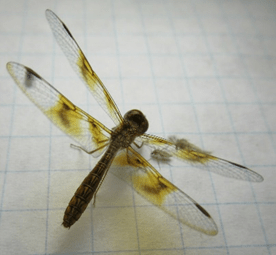
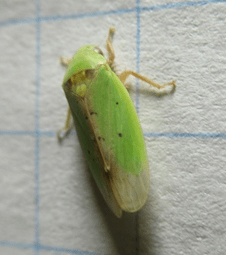
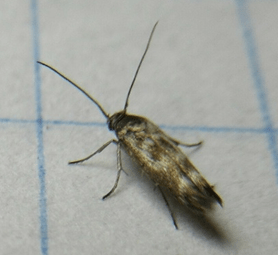
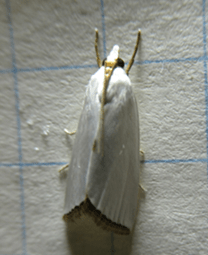
Among the moth species I observed were these: 

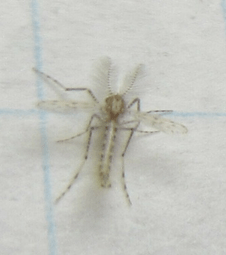
Of course, along with moths, other insects, including hundreds of non-biting midges, were drawn to the bright light.

You may view my moth observations made during the week at: https://www.inaturalist.org/observations?project_id=163019&ttl=900&place_id=any&verifiable=any&subview=grid&user_id=26296.

Field Trip Fun at Mother Neff State Park

By Sue Ann Kendall

Saturday was an absolutely glorious day for a field trip and guided walk through Mother Neff State Park. It’s the closest state park to Milam County, so it wasn’t a bad drive at all for the carpoolers and separate drivers. Plus, we got to see lots and lots of wildflowers along the way!

Part of our group

We were very impressed with the new park headquarters that was built after the original one was flooded badly (some of the park is still inaccessible). There are very impressive native plantings all around it.

Native plant landscape

Once we were all gathered and checked in, the group motored over to the trail head and enjoyed a walk through wooded areas, led by a knowledgeable park intern who’s majoring in leisure or something like that.

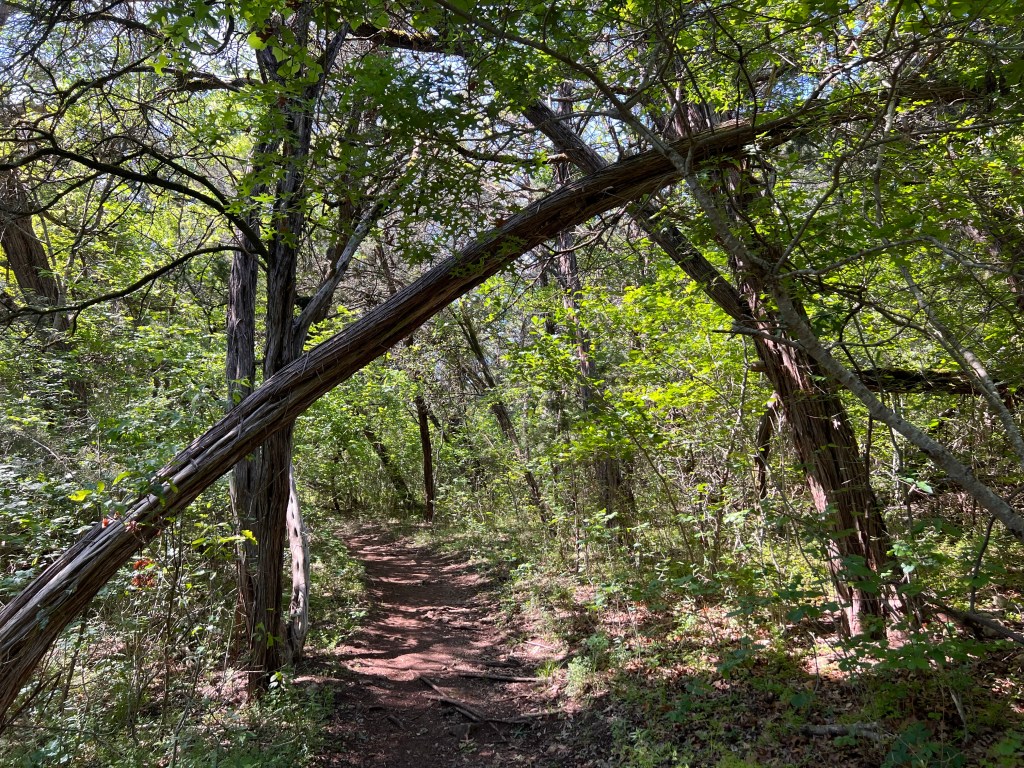
Into the woods

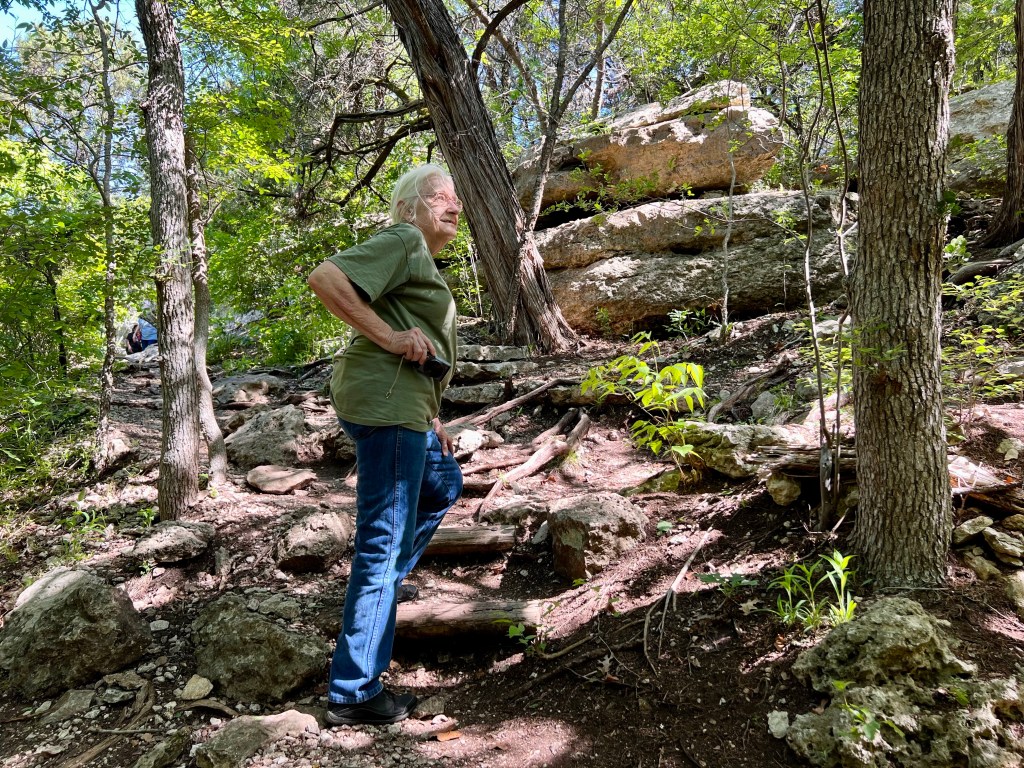
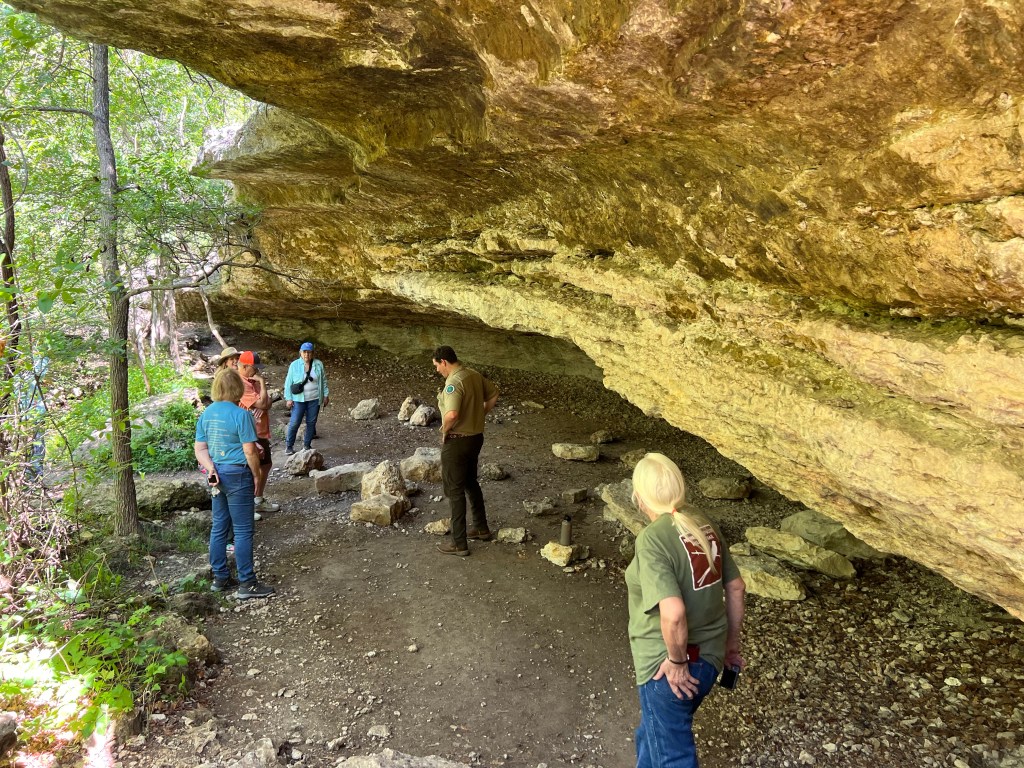
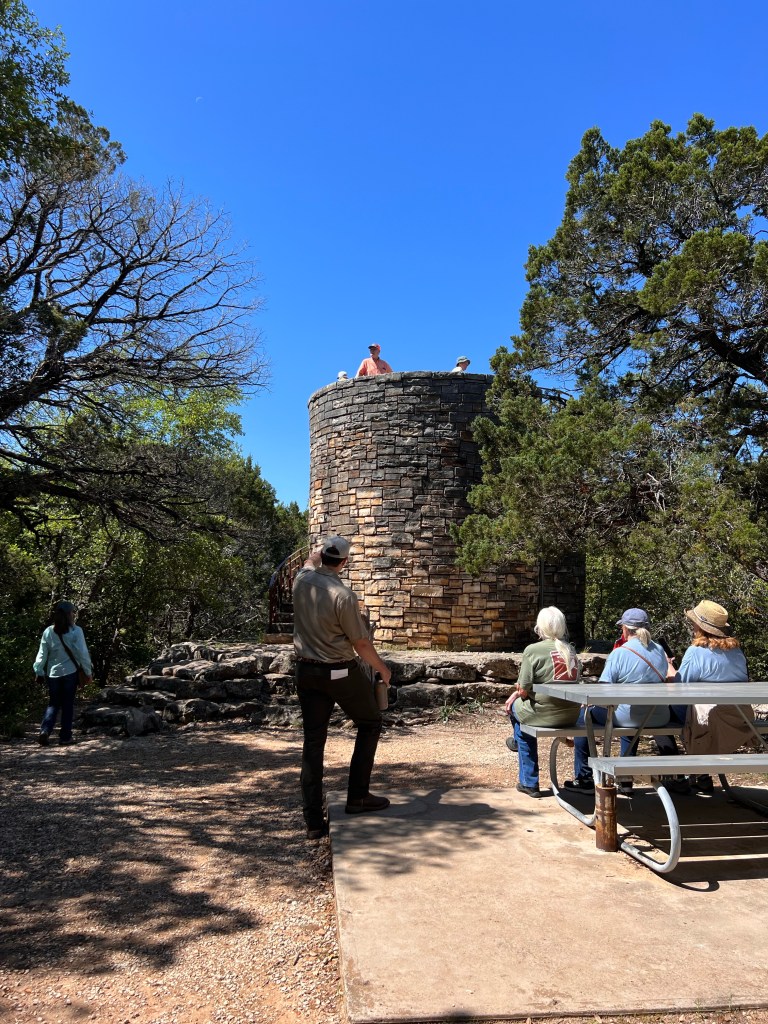
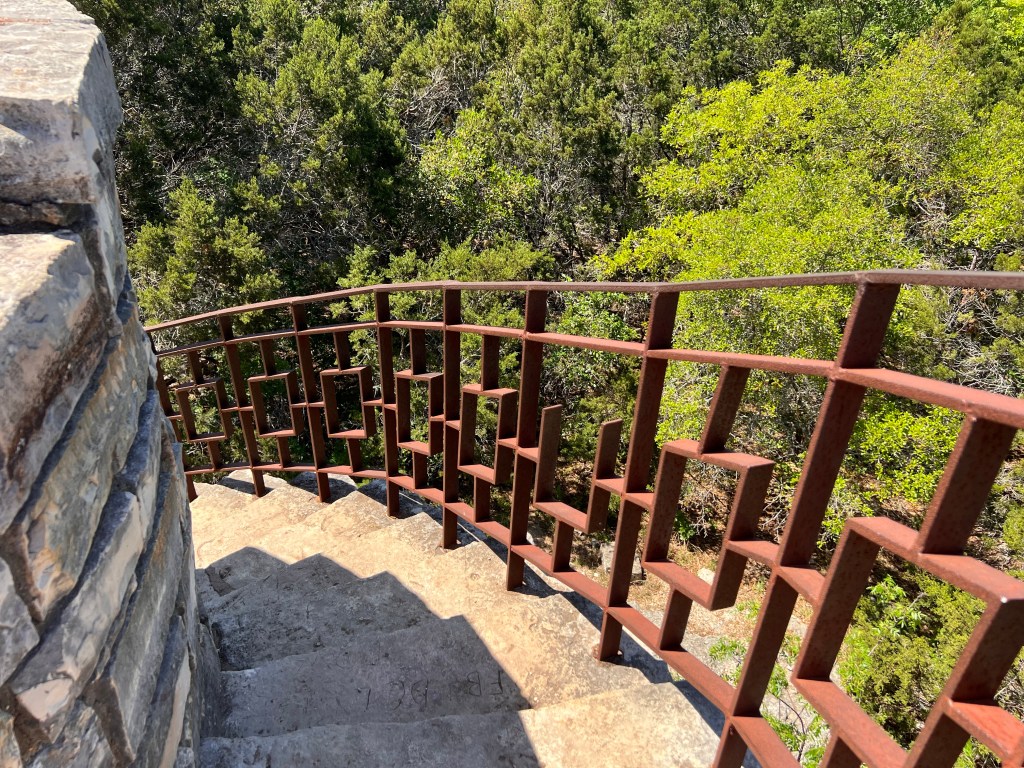
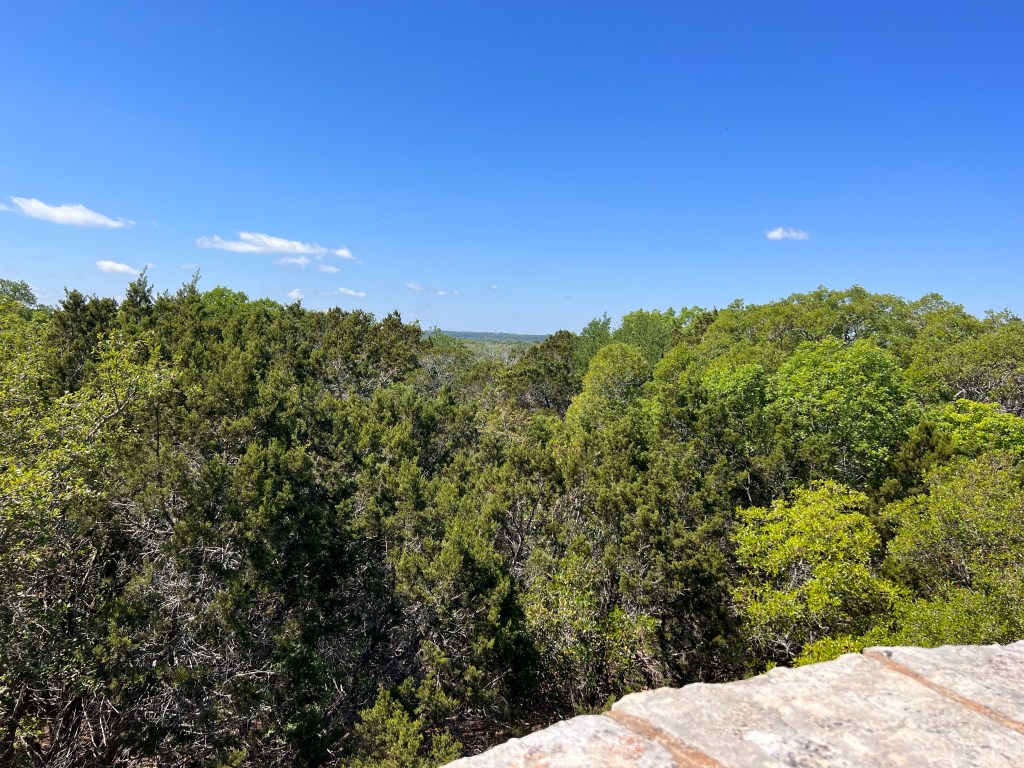
The hike took us to a cave, a cool picnic table in the middle of nowhere built by the Civilian Conservation Corps, a large cave that was used for years by indigenous residents, and a CCC tower that would give great views if the trees hadn’t grown up to block most of it. There was a lot of going up and down involved, so the hike was better for folks with good legs.

Two of our members were not very good participants in the hike, however. Linda Jo Conn and I were too enthralled by all the interesting plants and insects we saw that we could share on iNaturalist. This park is part of the Texas Master Naturalist GTWT Adopt-a-Loop trail project, so we wanted to add observations to that. Also, well, we are just that way. As Linda Jo states, we proceed at the pace of botany.

We found some very interesting plants and were impressed by the variety we saw. I wish we’d been there when the yellow passionflower was blooming. But I was impressed that I remembered what the leaves looked like and found it. We had a blast!

Everyone was pretty tired after we got back, but since I was driving, I forced my passengers to wait while we parked in the trail head for the walk through the meadow that my husband and I had walked last December.

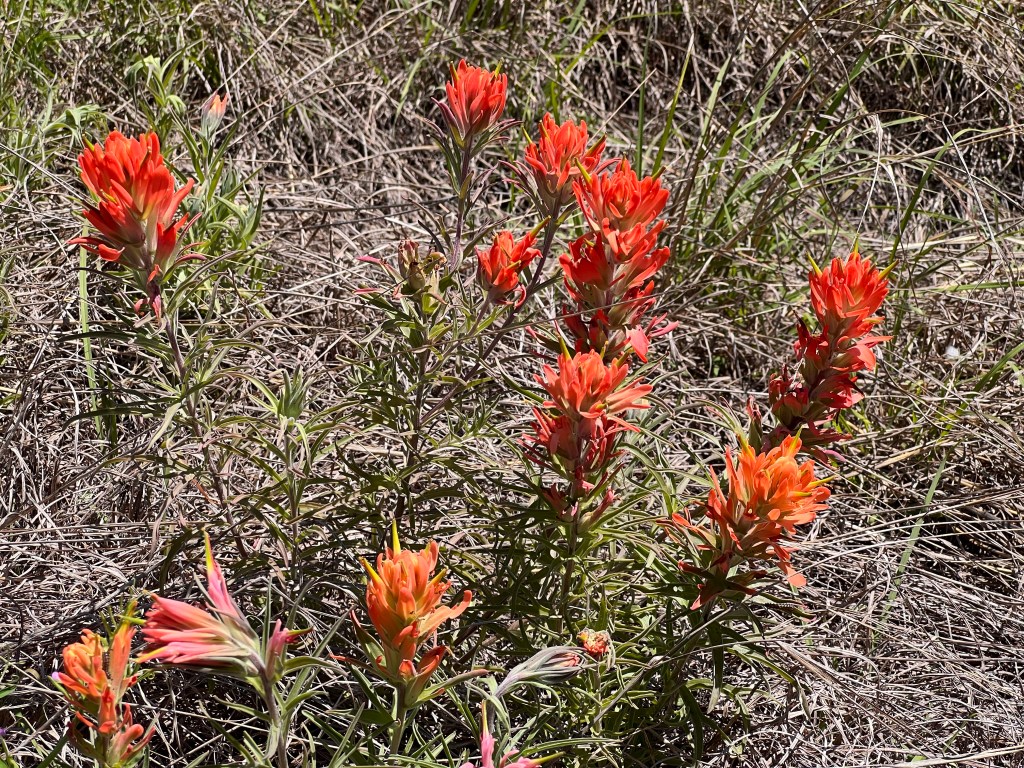
I wanted to see things that weren’t woodland plants, like Lindheimer paintbrush

We didn’t want to make them sit forever, so Linda Jo and I didn’t walk on the actual trail. We got all distracted by a sunny area surrounded by Ashe junipers. It looked like dismal scrub. But NO! It was filled with interesting and rare plants!

And pretty plants, like cobaea beard tongue

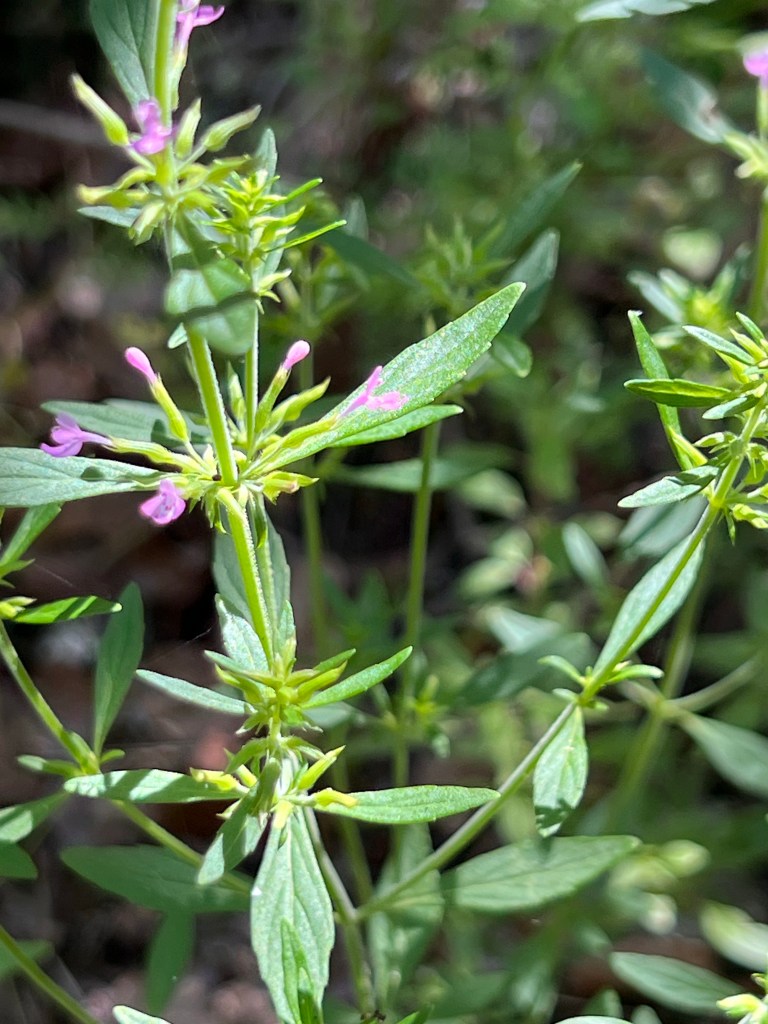
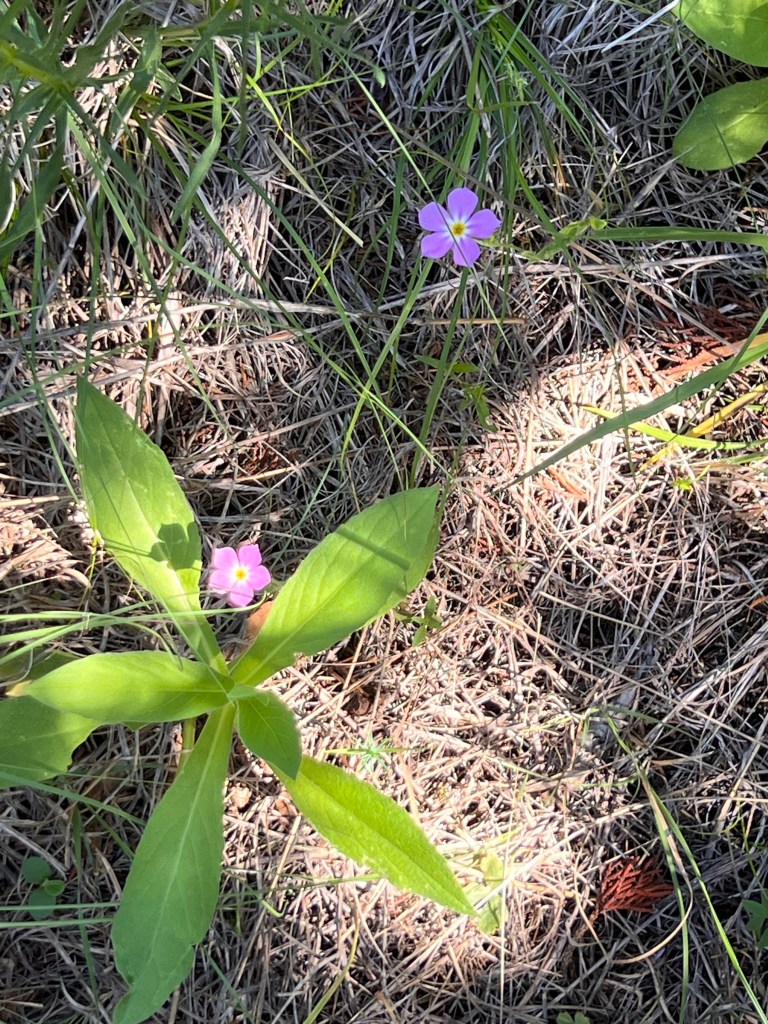
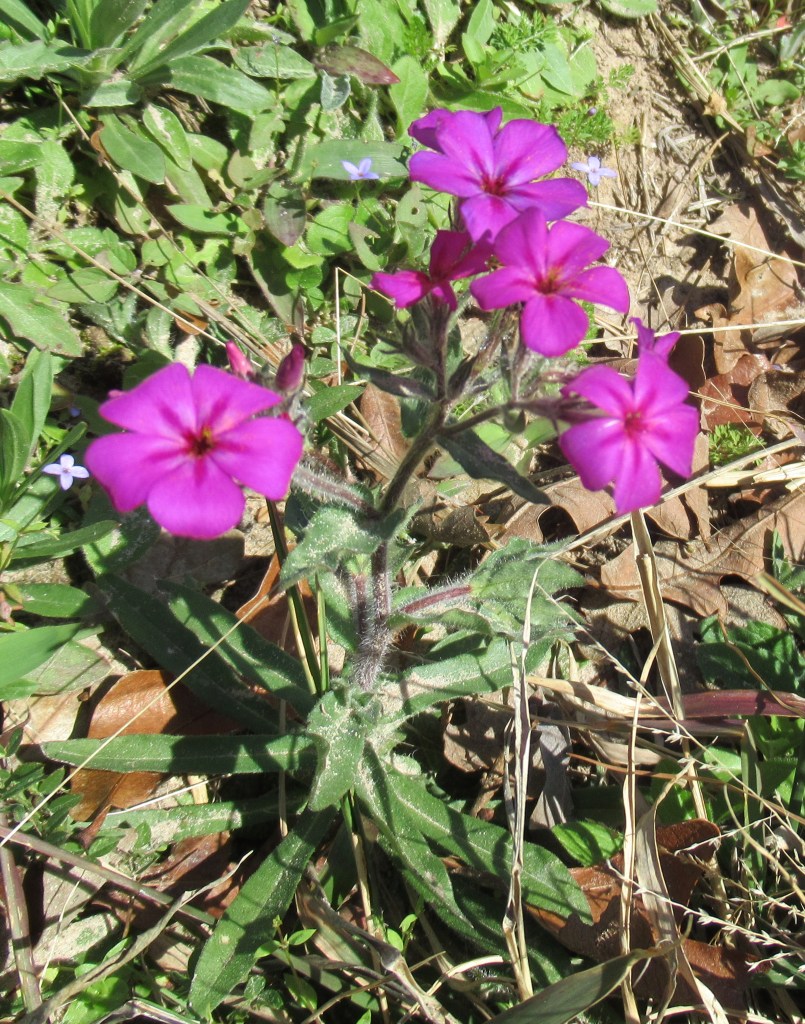
I was particularly excited to find a star milk vine. What beautiful, tiny flowers it has. The one Linda Jo was most excited about was a golden-eyed phlox, which is endemic to Texas. The other chapter members said they could hear us whooping when we found yet another interesting plant in the “bare” area.

We ended the expedition with a nice lunch on Lake Belton. We’re very lucky to have such a fun group to do our activities with and the perfect day to do it.


PS: Sorry for the lack of Latin names for plants. I had to hurry to finish this. Then a squirrel blew out our electricity and my Internet router.

El Camino Real Chapter Members Attack! (More on Tree Girdling)

by Linda Jo Conn

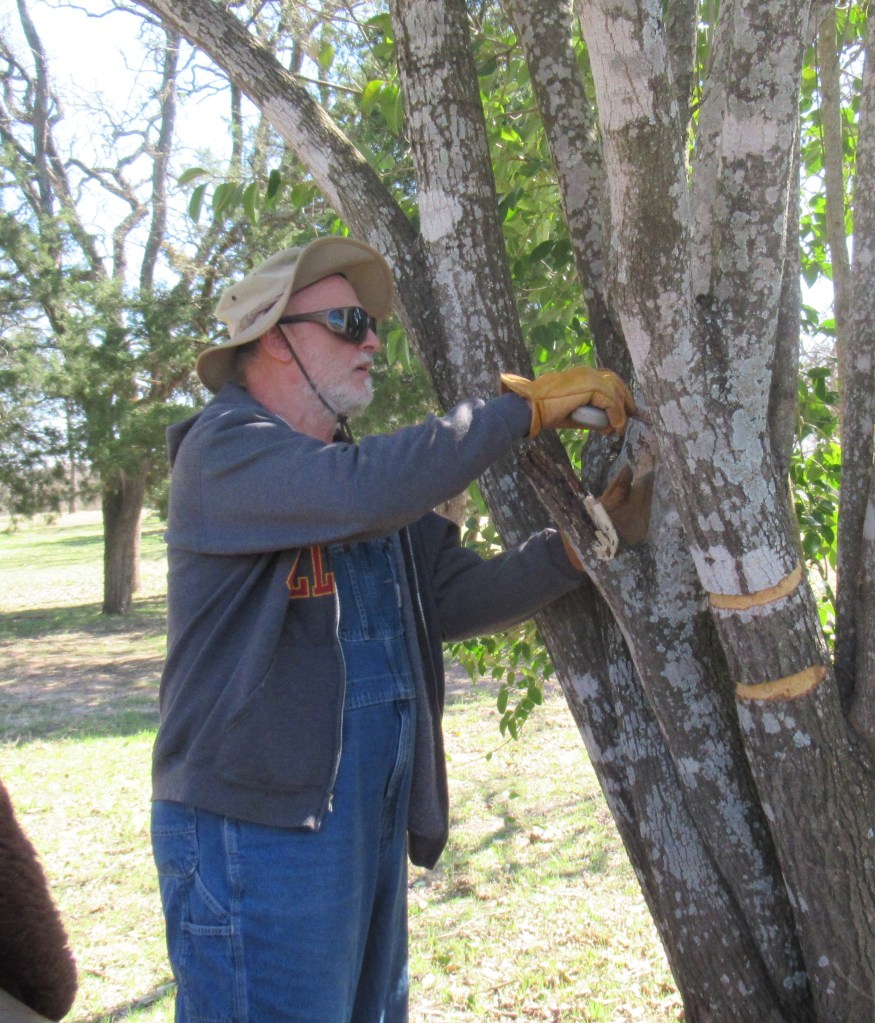
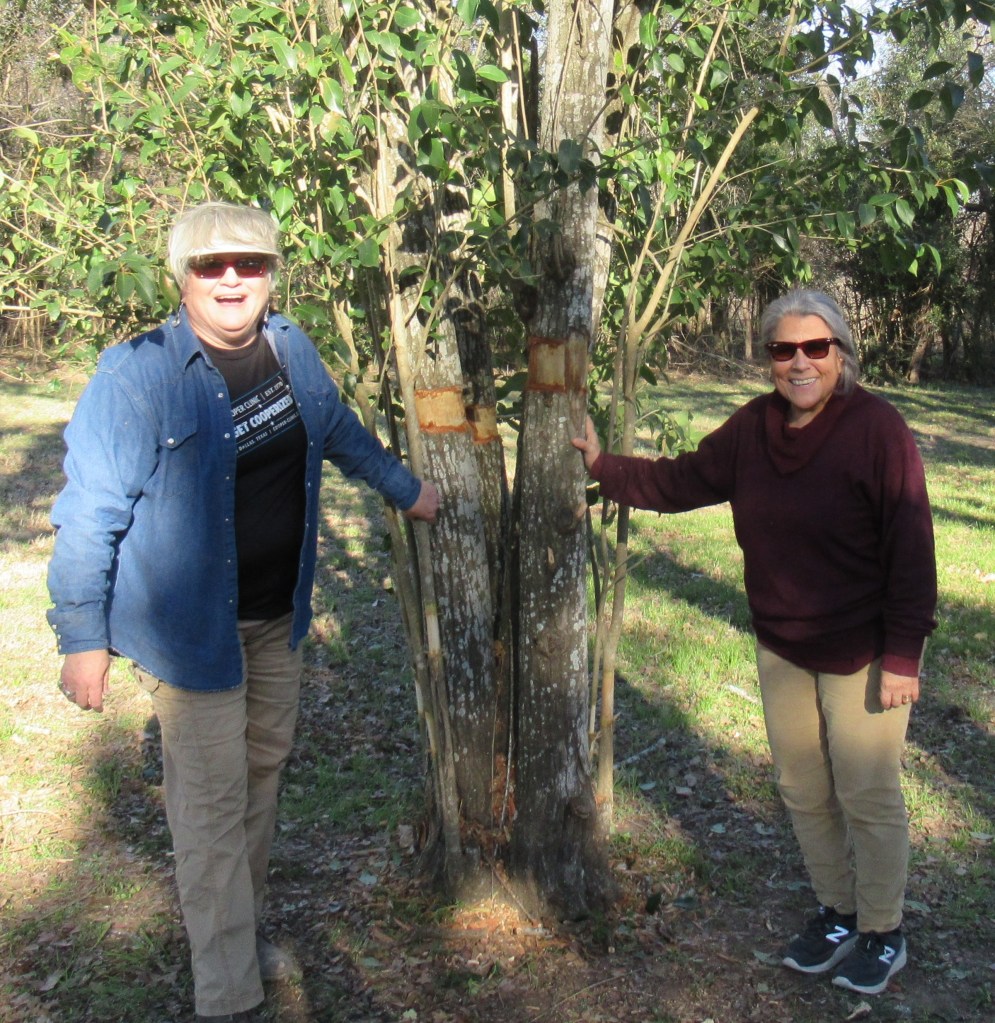
While I and a couple of others watched, a group of hard-working El Camino Real Texas Master Naturalist members and trainees girdled three of the large specimens of invasive Glossy Privets (Ligustrum lucidum) on the grounds of the Wilson-Ledbetter Park in Cameron.  The weather cooperated. It was pleasant with a hint of a chill in the breeze. 

Cliff Tyllick, known to iNaturalists as “baldeagle”, is a self-appointed eradicator of invasive species.  He regularly leads volunteer groups in Austin at the Walnut Creek Metropolitan Park to remove invasive plants.  Read Cliff’s profile at https://www.inaturalist.org/people/baldeagle

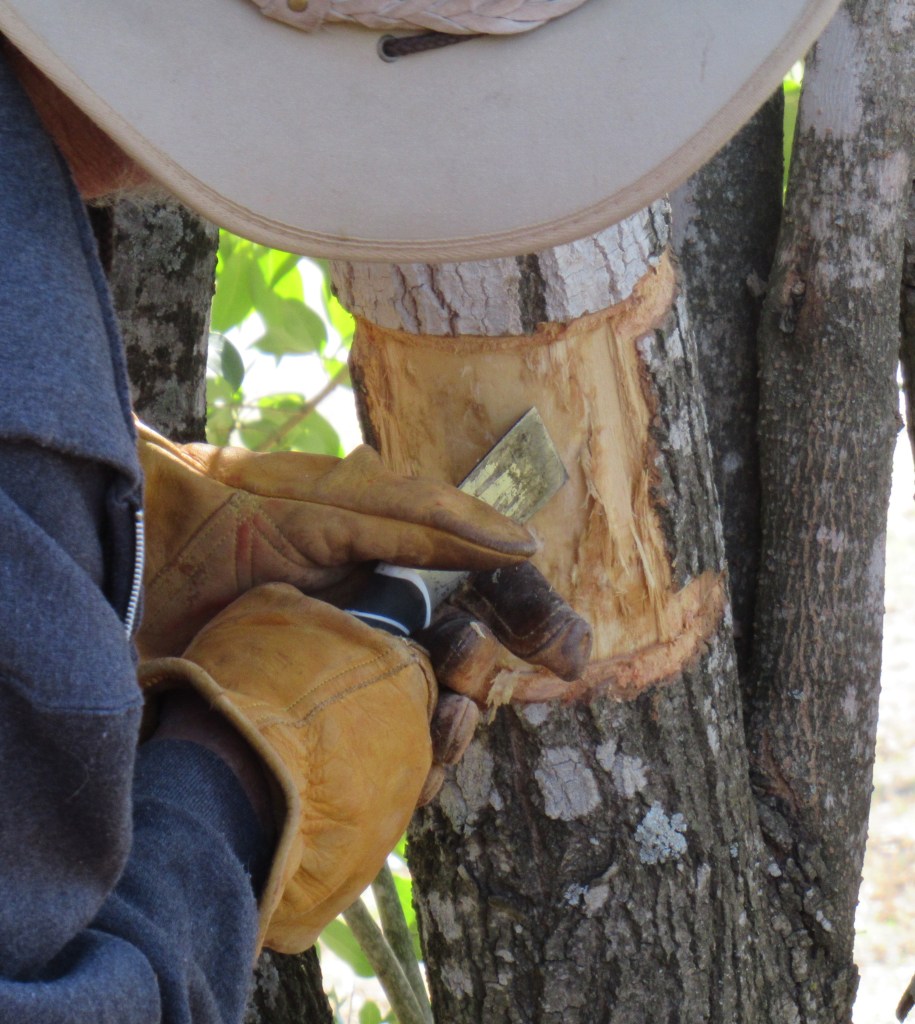
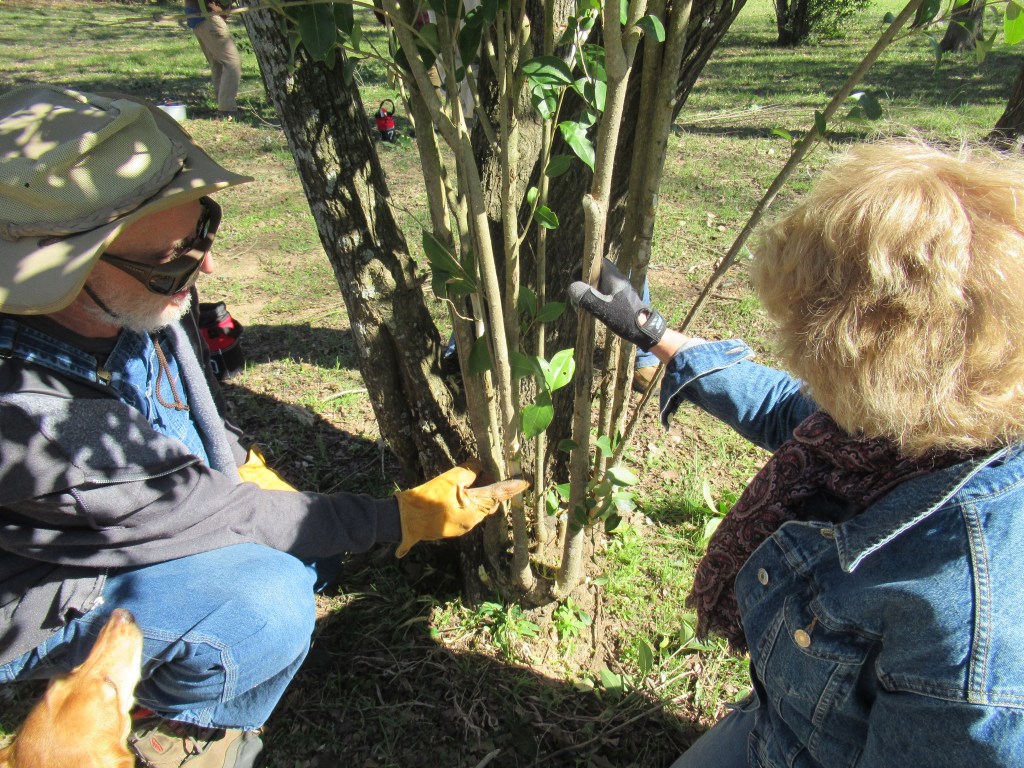
First, Cliff demonstrated the technique to the group and showed the proper use of each of the tools in his girdling kit. Several members came equipped with their own tools, some newly purchased, along with an eagerness to learn.  

Carolyn Henderson, ECR Chapter President and coordinator of the volunteer project, showed the determination that is necessary for the job. 

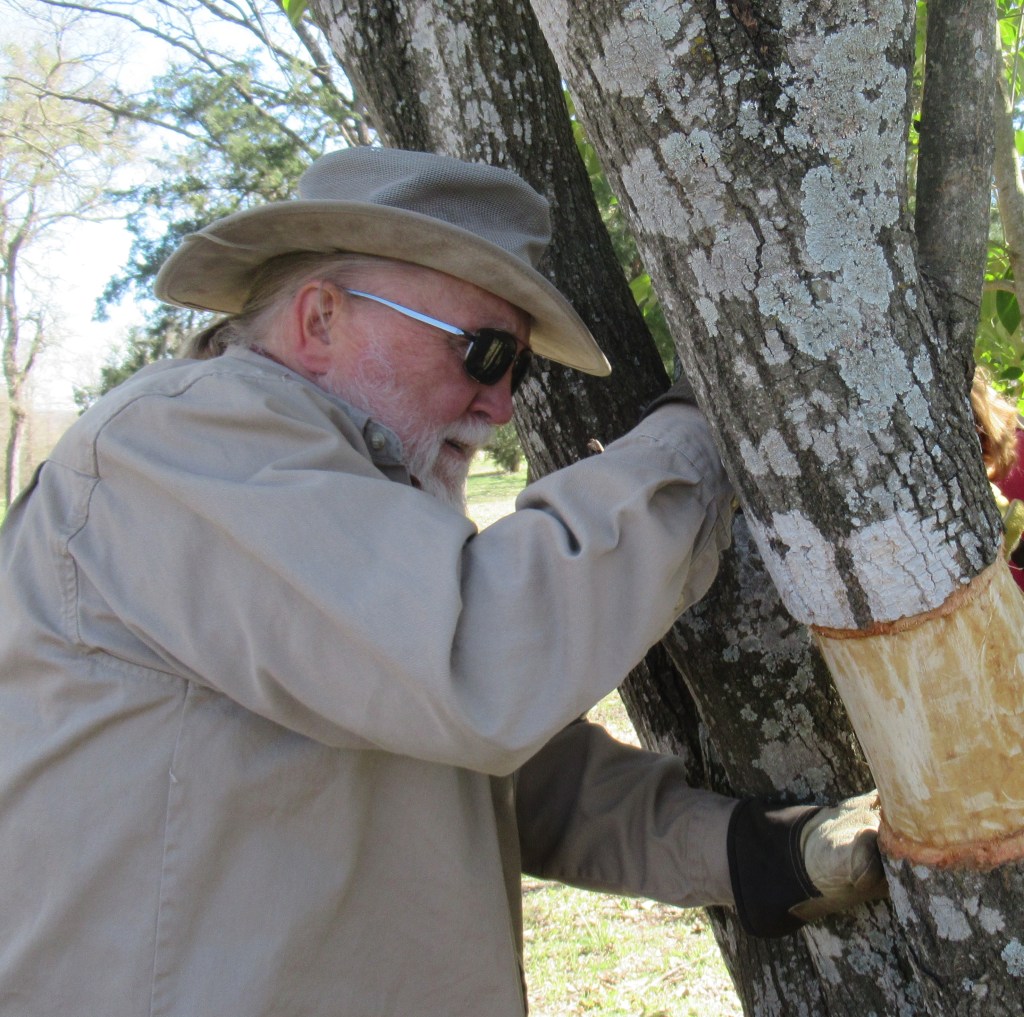
Cliff was always ready and eager to share his knowledge about tree growth and structure with the folks.  He explains the basics of a technique to trainee Linda Burgess.

Mike Conner, a well-seasoned warrior against invasive and aggressive species on his own property, attacked and conquered several large and difficult trunks of privet.

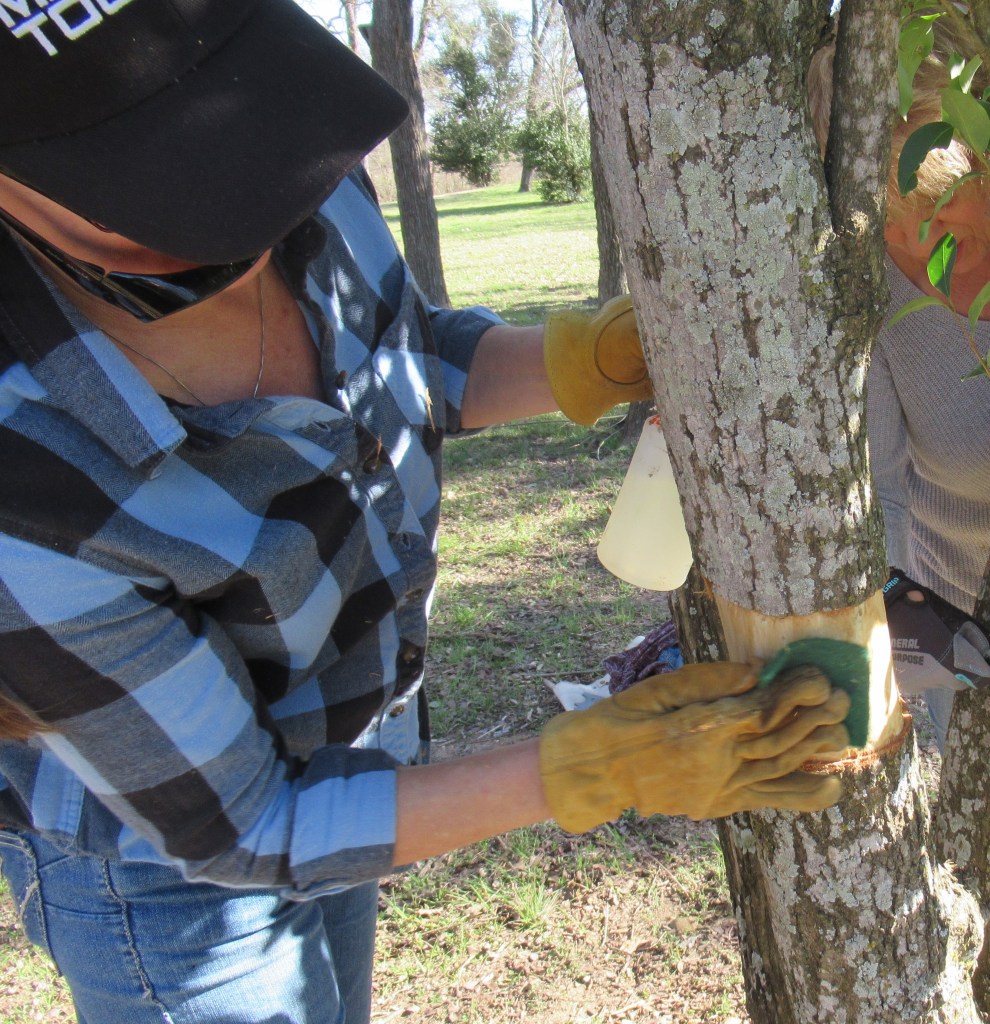
Mariann Buegler showed her grit and fortitude and is now at the final stages of the process using a spray bottle of 70% alcohol and a scrub pad.  

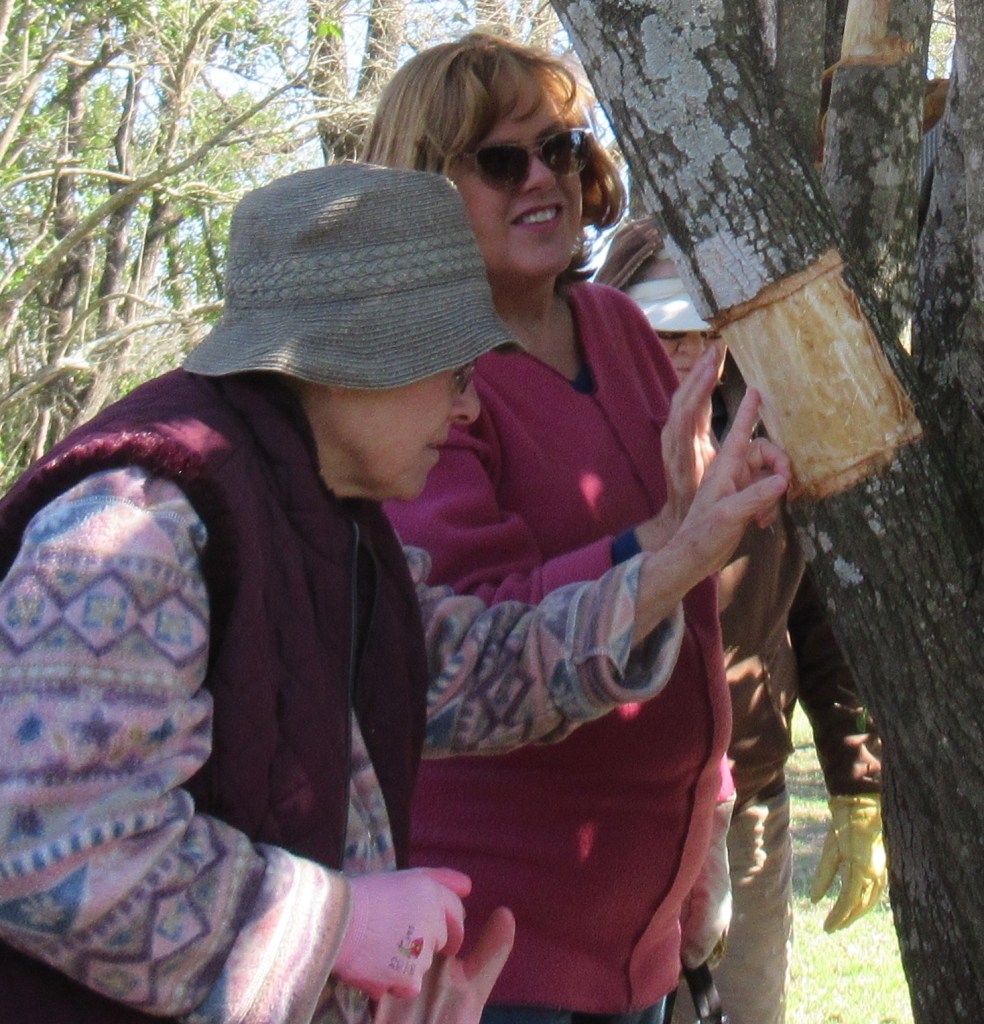
Catherine Johnson and Carolyn inspect the progress on a girdle. 

Debbie Sorenson and Liz Lewis are rightfully proud of their finished girdling job. Great work! 

For an instructional guide on girdling of invasive species, watch “Girdling Invasive Trees with Cliff Tyllick” below (this is the same one that our other tree girdling post featured): 

Not only did we learn about the technique of girdling to eliminate invasive species without the use of herbicides from Cliff, we also learned about the detrimental effects of invasive species in the natural ecology.  

Linda and Cliff

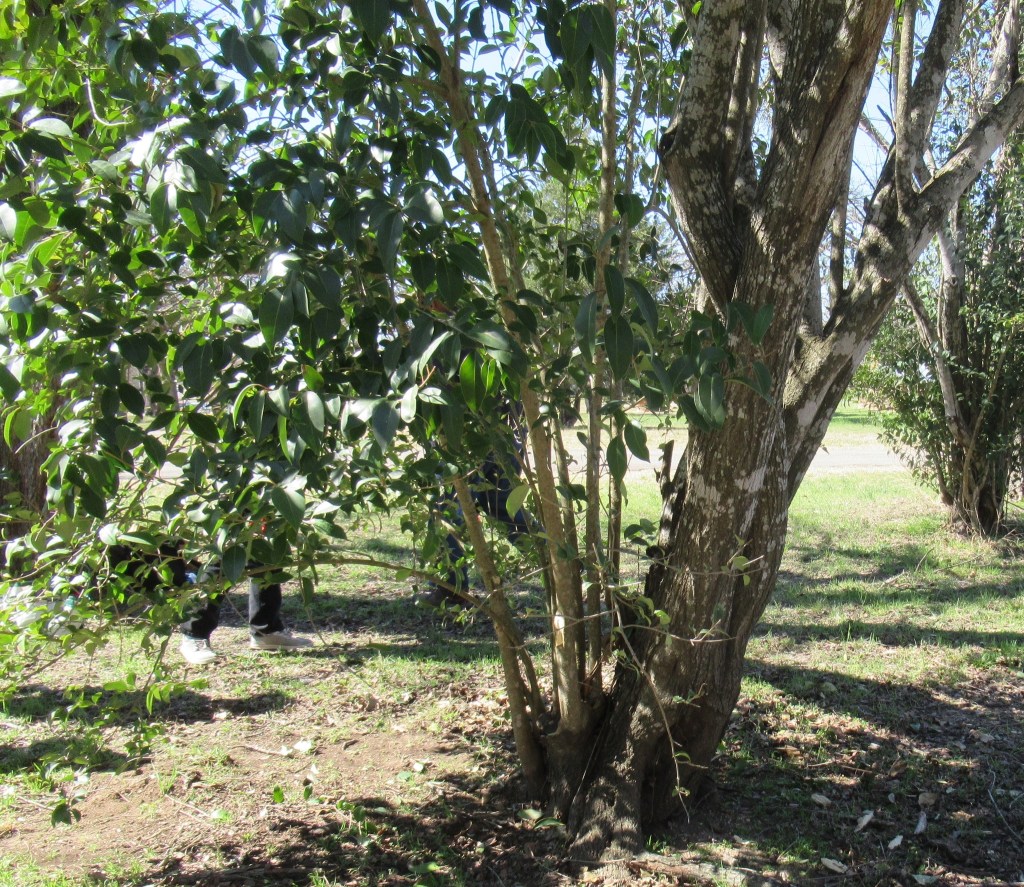
To view one of the Glossy Privets attacked by the group, see my iNat observation at: https://www.inaturalist.org/observations/108564382.  The privet will be revisited several times in the future to document its demise and the success of the workday by a remarkable group of ECR volunteers. 

The tree I am tracking.

Looking for Signs of Spring

by Linda Jo Conn

Is it just me or is spring behaving erratically this year?  I am so ready for some consistently warm days and swaths of colorful wildflowers brightening the roadsides!  
I did find some pleasant surprises during the past week.  On Monday, I had to go to Giddings, so I drove the back roads to check if the plum trees were in bloom.  No, but instead, I was delighted to find a couple of Drummond’s Phlox (Phlox drummondii).  

Drummond’s Phlox (Phlox drummondii)

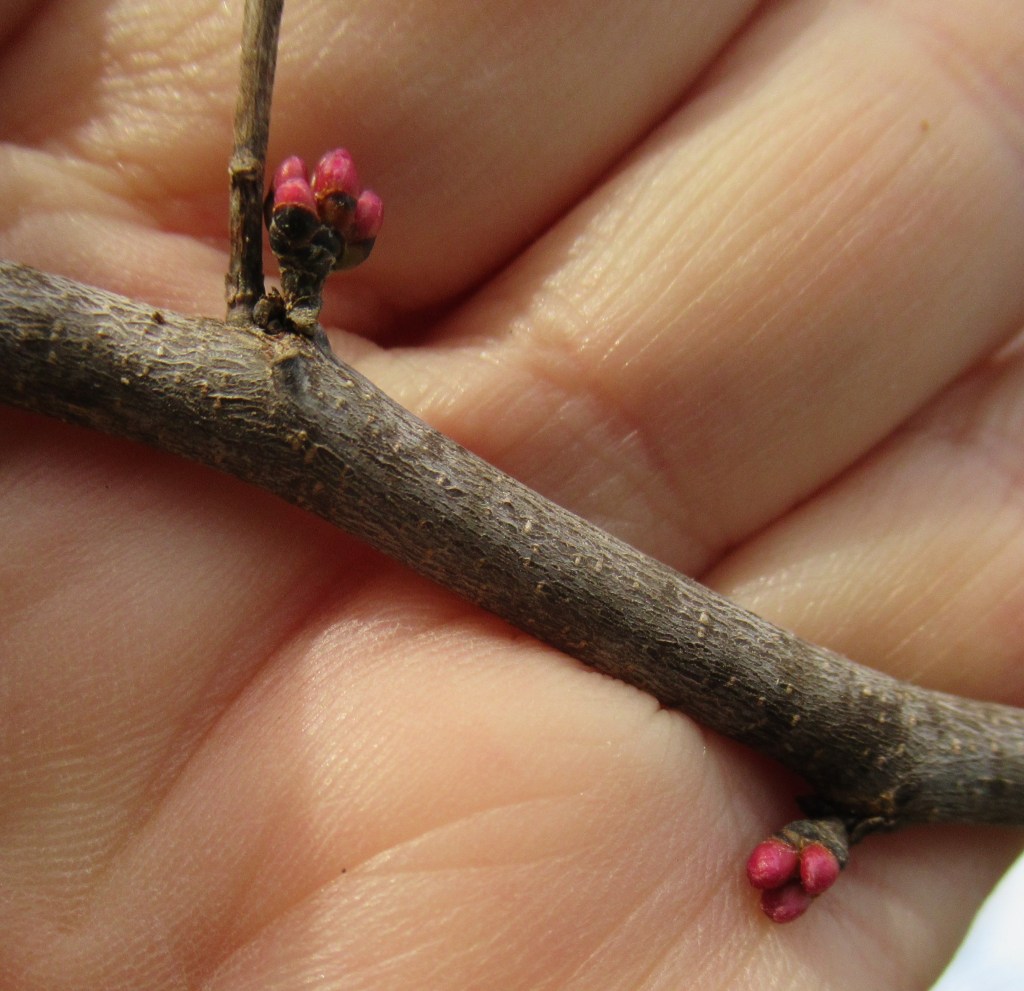
Tuesday, I observed the swelling flower buds of the volunteer Eastern Redbud trees (Cercis canadensis) near my house.  

Eastern Redbud trees (Cercis canadensis)

While leaving the herbarium at College Station on Wednesday, I finally spotted several specimens of Carolina Crane’s-Bill (Geranium carolinianum) I have been monitoring in the “lawn” area in bloom.   

Carolina Crane’s-Bill (Geranium carolinianum)

Thursday evening before the new student’s class at the Episcopal Church, I did a little “belly botany” and found a large patch of Bird’s-eye Speedwell (Veronica persica) nearby. 

Bird’s-eye Speedwell (Veronica persica)

While in Cameron on Friday helping fellow Texas Master Gardeners arrange and display the native plant offerings for the annual plant sale, I noticed non-native Redstem Stork’s-Bills (Erodium cicutarium) blooming in the cracks in the sidewalk. 

Redstem Stork’s-Bills (Erodium cicutarium)

When I arrived home from Cameron on Saturday afternoon after the plant sale, I was elated to see my first bloom of Texas Baby Blue Eyes (Nemophila phacelioides) for the year. 

Texas Baby Blue Eyes (Nemophila phacelioides)

Sunday afternoon, I again drove to Cameron watch my eldest grandson perform at the Milam County Community Theatre.  After the play, among other tiny blooms in the lawn, I found Field Madder (Sherardia arvensis).  

Field Madder (Sherardia arvensis)

My “Let’s Get Outside! Challenge” for last week was to enjoy the approaching spring.  Despite my misgivings, I did, and am looking forward to seeing more pops of color appearing in the countryside.