
By Sue Ann Kendall
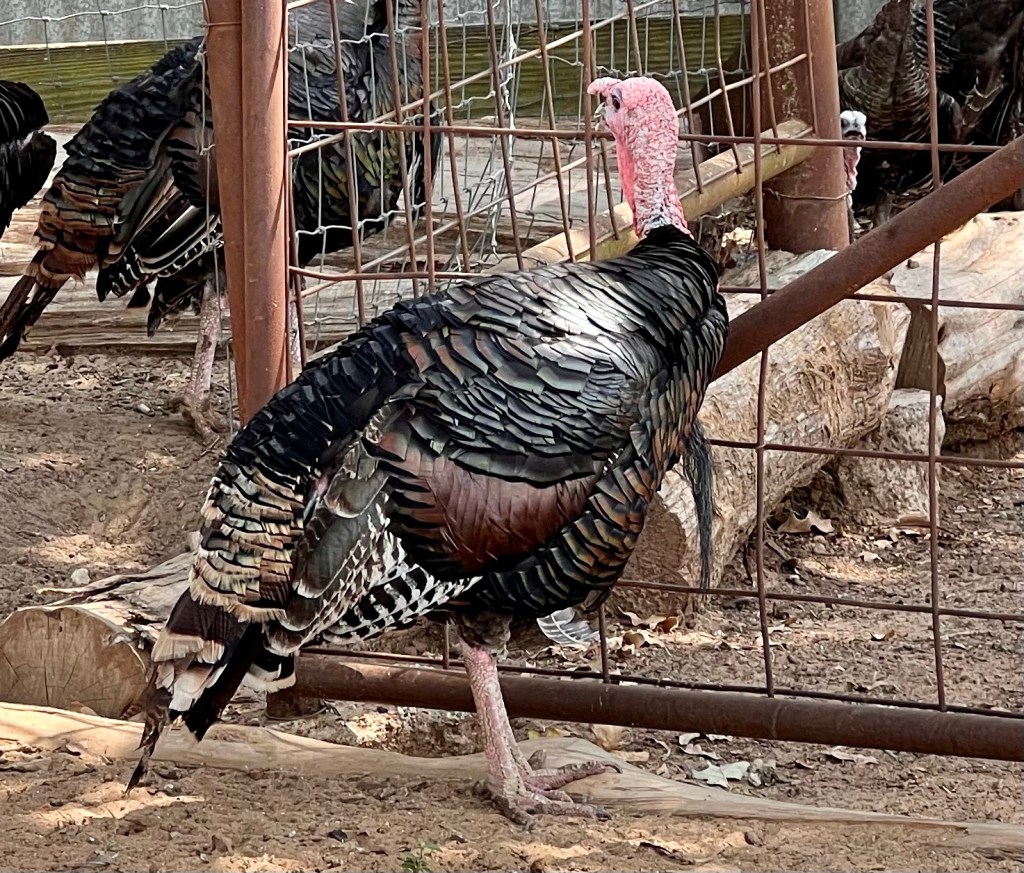
I’d promised myself that I’d make another visit to the bird station our chapter is working on to see what birds are there this time of year. Even though I wasn’t feeling too well, I figured I could sit in the shade for an hour, so off I went to the special area behind Bird and Bee Farm near Milano, home of our Wildscape project (and chickens and turkeys!)


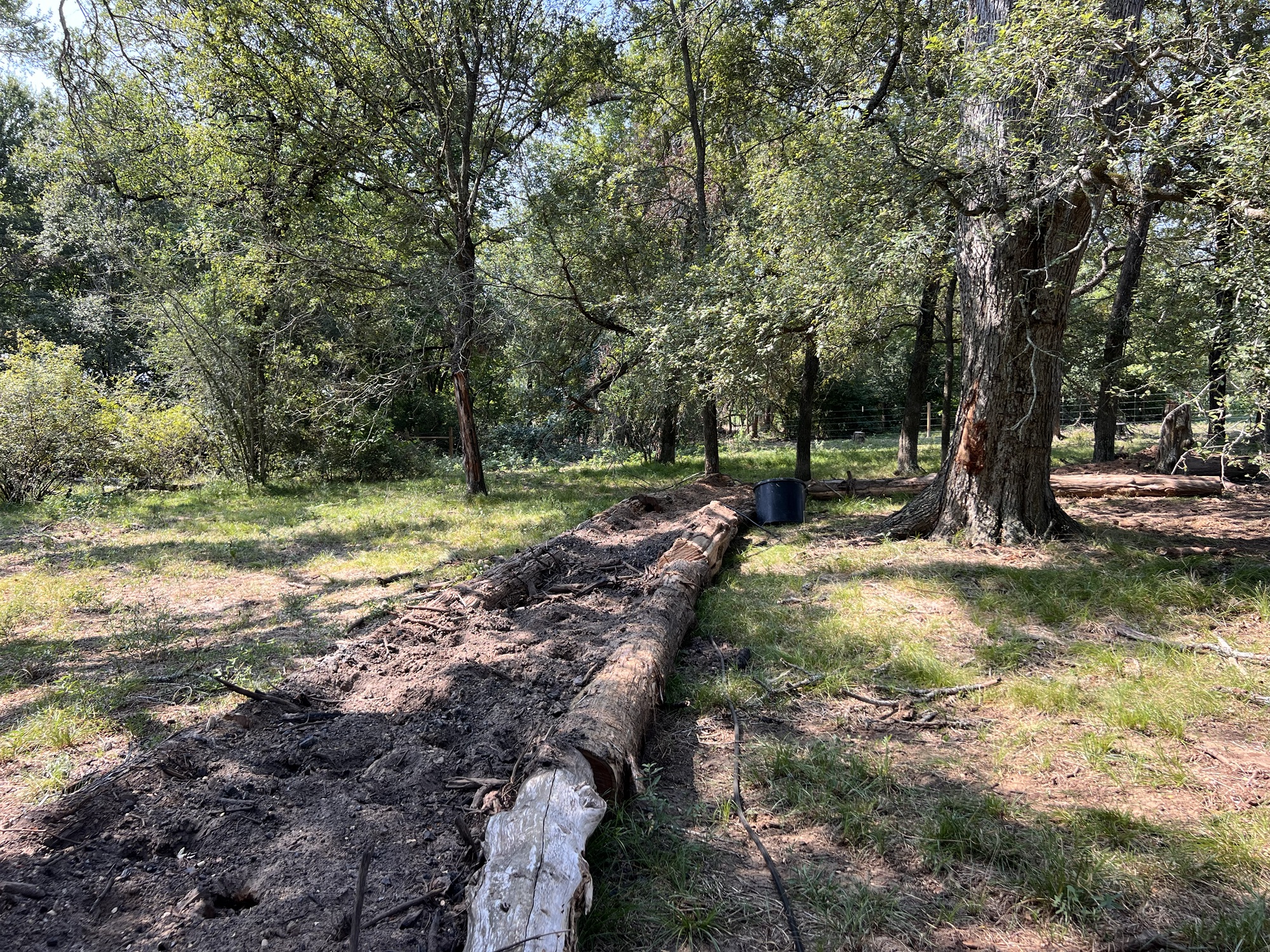
There have been some improvements to the site, as Cathy Johnson posted earlier this week. I enjoyed checking out the new raised beds, charming seating, and a beautiful birdbath watered by a tinkling rain chain.




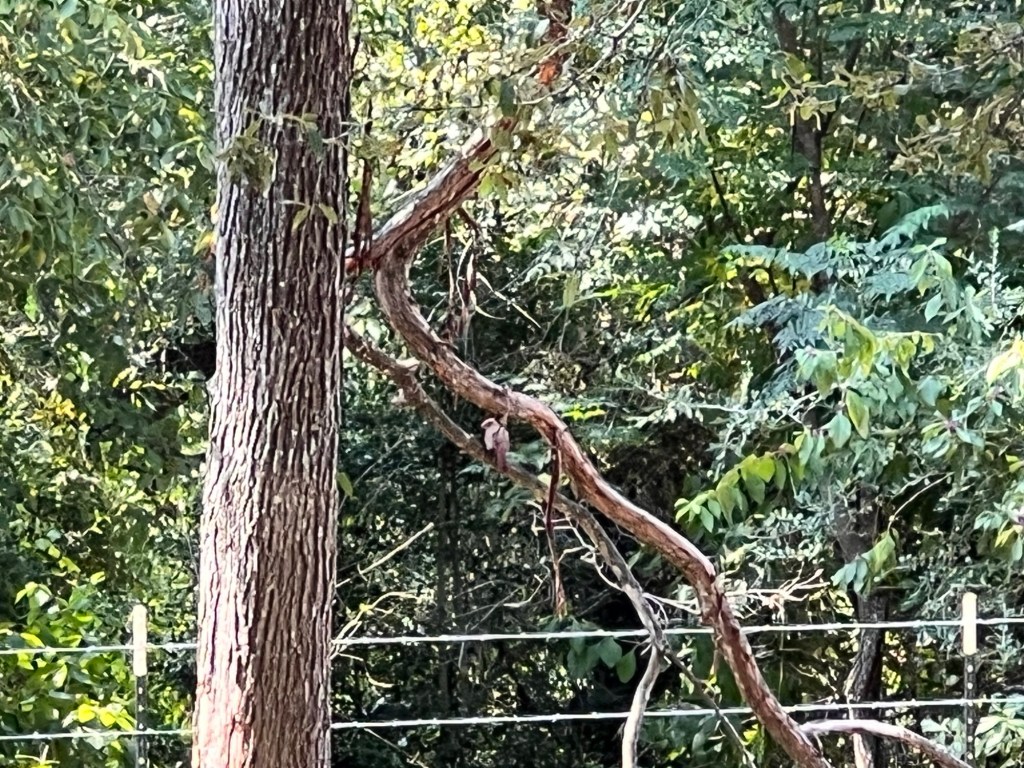
Last time I visited was three weeks ago, when I identified eleven birds. This week I found seventeen! When you sit quietly, the birds forget about you and go about their business catching bugs and picking delicious morsels off the cedar elms.

I got to see Northern Cardinals, Carolina Chickadees, Tufted Titmice, Eastern Bluebirds, and precious Blue-gray gnatcatchers feeding themselves. Not seen, but very well heard were a Swainson’s and Red-tailed Hawk. Other hidden friends were Red-bellied Woodpecker, Yellow-billed Cuckoo, and Blue Jay.
Two juveniles surprised me. One was a young Cardinal who landed very. Eat me and proceeded to find multiple morsels to eat.
You can tell it’s a juvenile by its black beak. It’s growing in adult feathers, so doesn’t look too great.


The other juvenile was a real puzzle. It was enjoying the water chain and easy to photograph, but I couldn’t ID it. It had pretty eyes but not many markings. I ran my photos through Merlin Bird ID and it got no results. But when I tried iNaturalist, the result came up Painted Bunting. It didn’t look like the female, who is rather green, but as I paged through the pictures, I saw the juvenile. Bingo! It has the wing and beak markings I saw, and the same eye ring. So, there we go. I didn’t see or hear any adults


Here are today’s birds:
- American Crow
- Blue-gray Gnatcatcher
- Blue Jay
- Carolina Chickadee
- Carolina Wren
- Eastern Bluebird
- Mourning Dove
- Northern Cardinal
- Northern Mockingbird
- Painted Bunting
- Red-bellied Woodpecker
- Red-tailed Hawk
- Rock Pigeon
- Swainson’s Hawk
- Tufted Titmouse
- Turkey Vulture
- Yellow-billed Cuckoo
Of course I checked out the plants, so that if I get the area declared an official spot on iNaturalist, the observations can go there. A few were really pretty, especially the berries.


I’m going to miss the dedication, but I’ll be back to see what’s here at the beginning of September!
 Nature Along the El Camino Real