Hello all! As usual, I walked around this week looking at nature on our property. I was in our small, wooded area looking for tracks of various animals. I noticed small bits of leaves moving. Upon closer inspection I saw that the leaves were being carried by Leaf Cutter Ants. I watched them for a while because they were so interesting and amazing.
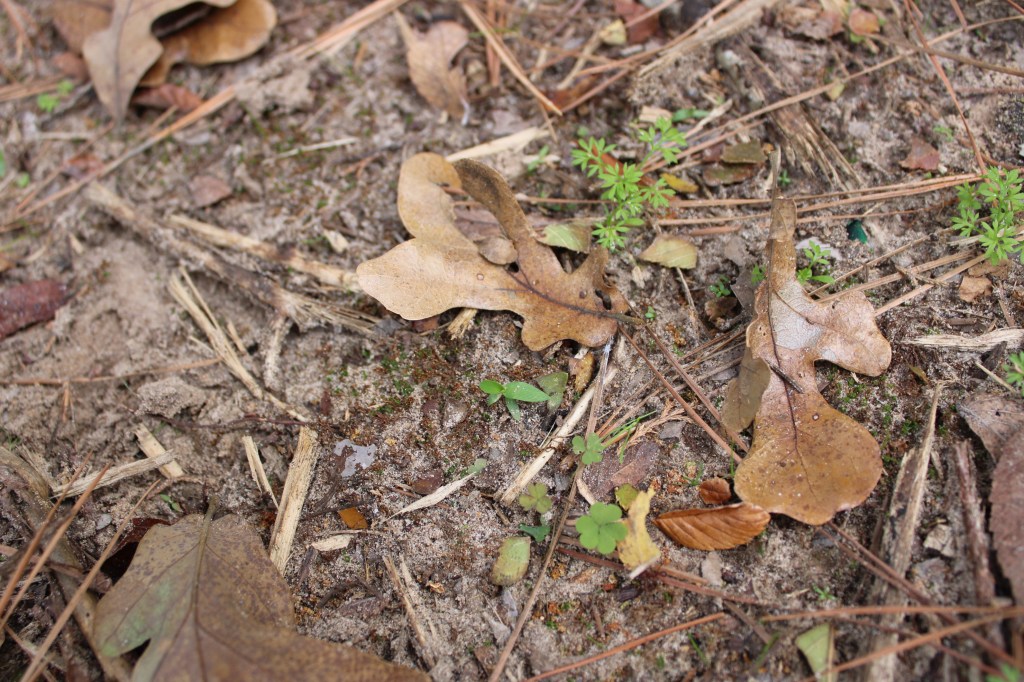
Can you spot the ants?
You have to be paying attention to notice such activity.
These ants are one of the strongest living things for their size. There are about 40 different species of them. The members in the colony who are responsible for actually cutting the leaves have jaws like chainsaws!
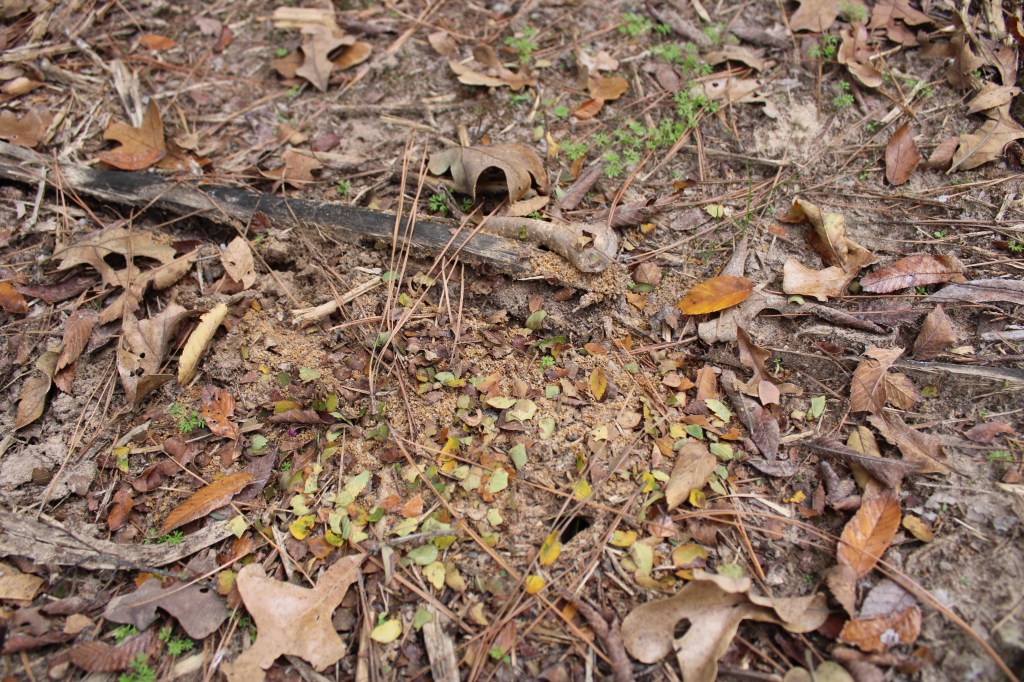
How about here?
Each ant can carry up to 50 times its own body weight. I’d say that’s Olympic medal weight lifting. Their colonies are huge. Each one can house up to 10 million ants.
Another interesting fact is that the ants do not eat the leaves. They make a fungus from them and eat the fungus. Pretty amazing.
These little animals are not too popular with farmers. They strip leaves from plants humans like. But you have to give it to them, they are very resourceful.
Yes, it’s misting and chilly outside this morning. The trees love it.
The holidays are close and there is excitement in the air.
There are also some little gems still out in the garden that are so beautiful. Soon, they too will slip slowly into their winter nap.
Here are some of the gems: a Snailseed vine, a water bowl for the dragonflies, raindrops on a pipevine, a Pink Salvia, a Mexican Petunia, some Yellow Bells, and a rare Salamander.
Go outside and find all the treasures of Mother Nature. She is always there for us to see, and make us feel better.
The butterflies are still laying eggs and producing caterpillars here in November in Central Texas.
On my Passion Vine are Variegated Fritillary and Gulf Coast Fritillary caterpillars. The Gulf Fritillaries are more Orange, while the Variegated species is tan with spots along the bottom of its wings. They both use the Passion Vine as their host plant.
Gulf FritillaryVariegated fritillaryPhotos by Carolyn Henderson
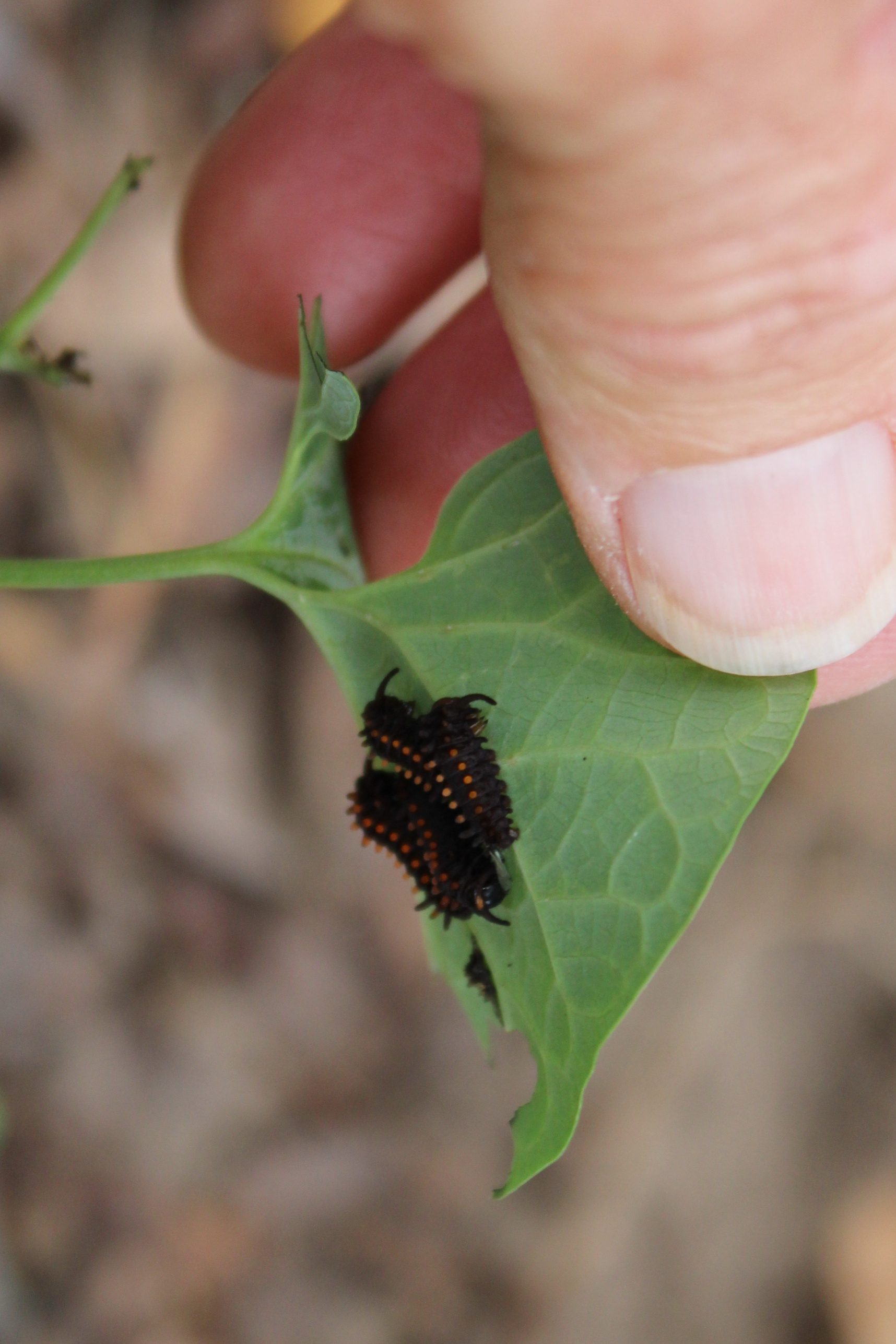
I also have Pipevine caterpillars on the Pipevine plant.
Tons of activity because of the temperate weather right now.
By coincidence, two different groups of El Camino Real Texas Master Naturalist members got to witness the lifecycle of the Gulf Fritillary butterfly (Dione vanillae) up close and in person on Saturday, November 4. Here are our stories.
From Carolyn Henderson
Six members of our chapter got to see a Gulf Fritilary emerge from its chrysalis Saturday at the El Camino Real Texas Master Naturalist Nature Day aththe Wildscape project.
The chrysalis was on the gate entrance to the Wildscape. Donna Lewis noticed it and Carolyn Henderson took the photos.
Traffic through the gate was heavy, but the butterfly managed to hang on and make its debut. The first photo was right after it got out. It was still wet. The second photo was taken about an hour later. It was still getting its bearings.
From Sue Ann Kendall
Coincidentally, I was camping at Buescher State Park near Smithville/Bastrop this weekend. I had taken many long hikes, led a guided nature walk with a group of people from a church, and made many iNat observations. But my best observation was made less than ten feet from our RV, while relaxing and knitting. Go figure.
My campsite view was of a mixed deciduous forest with a lake behind it. There was a lot of yaupon holly, oaks, hackberries, beautyberries, and cypress. Just a mile or so west start the loblolly pines.
We’re in a very woodsy campsite with lots of birds (very loud pileated woodpeckers for example) and I also enjoyed many butterflies wandering around, like sulphurs and red admirals. But one Gulf Fritillary was extra fun to watch. It spent a LOT of time right in front of me, at first on some straggler daisies (that stuff is EVERYWHERE), but then on a vine that I somehow had overlooked when I was taking note of what plants were growing at the campsite.
I watched as the butterfly kept landing on different parts of the leaves of the vine. I was a little slow that morning and wondered why it was so interesting, since there were no flowers on the vine. It dawned on me that the plant resembled a passion vine.
There’s a clue to the butterfly’s mission in this photo.
After the butterfly left, I went in to get a photo of the plant to identify it on iNat. That’s the photo above. I quickly realized there was more going on. Two caterpillars were munching away at one of the leaves.
Hmmmm.
I rushed back to my chair to investigate. The plant turned out to be the yellow passionvine (Passiflora lutea) that Linda Jo is always looking for on hikes. Hooray! And the caterpillars were Gulf fritillary caterpillars. Suddenly, the butterfly’s mission was clear. She was laying eggs. See the tiny yellow dot in the photo of the passionvine?
So, between Carolyn’s group and me, we’ve pretty much seen the entire lifecycle of the Gulf Fritillary!
Here’s what I learned from Wikipedia, which confirms all the things we’ve sen:
The caterpillar food plants–also called the host plants–for gulf fritillaries are members of the genus Passiflora. The adult butterflies use nectar from many flowers, including Lantana plants. The Passiflora host plants are frequently called passion vines; in some Texan counties where this butterfly’s population is high, gulf fritillaries will feed on specific species such as Passiflora lutea and Passiflora affinis. These passion vine plants are suitable host plants as they provide a good structure for larval host habitats which enables young populations of gulf fritillaries to be sufficiently nurtured and protected. The role of host plants is also integral to the oviposition of gulf fritillaries, as the female butterflies lay their eggs on or near the host plant.[8][9]
Fall has finally arrived, or so say the weather people. Seems a little warm for fall, but I don’t mind because I do not like to be cold.
Most people think all the plants are gone, all the butterflies are gone, and so on.
BUT, take another look! There’s life out there in abundance.
Some plants don’t show themselves until October and November. I actually have Pipe-vine caterpillars on my pipe-vine plants now.
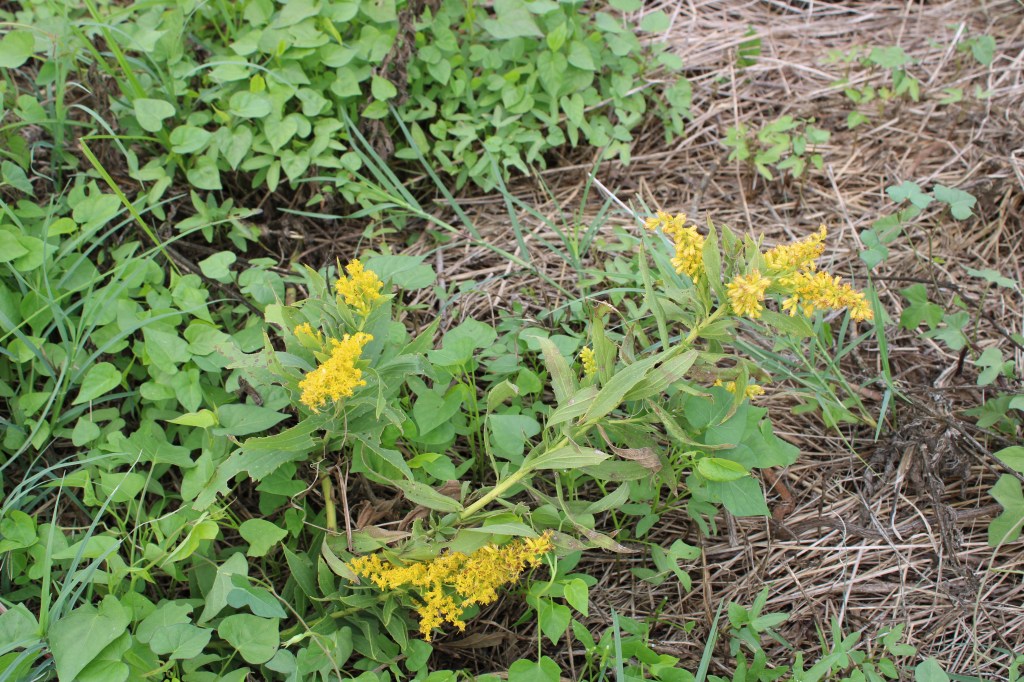
One special tiny plant is seldom seen. It’s a lady tresses orchid. There are several varieties of this pretty little plant. Do you have them on your property? One of them, the Navasota lady tresses, is a Federal and State protected plant.
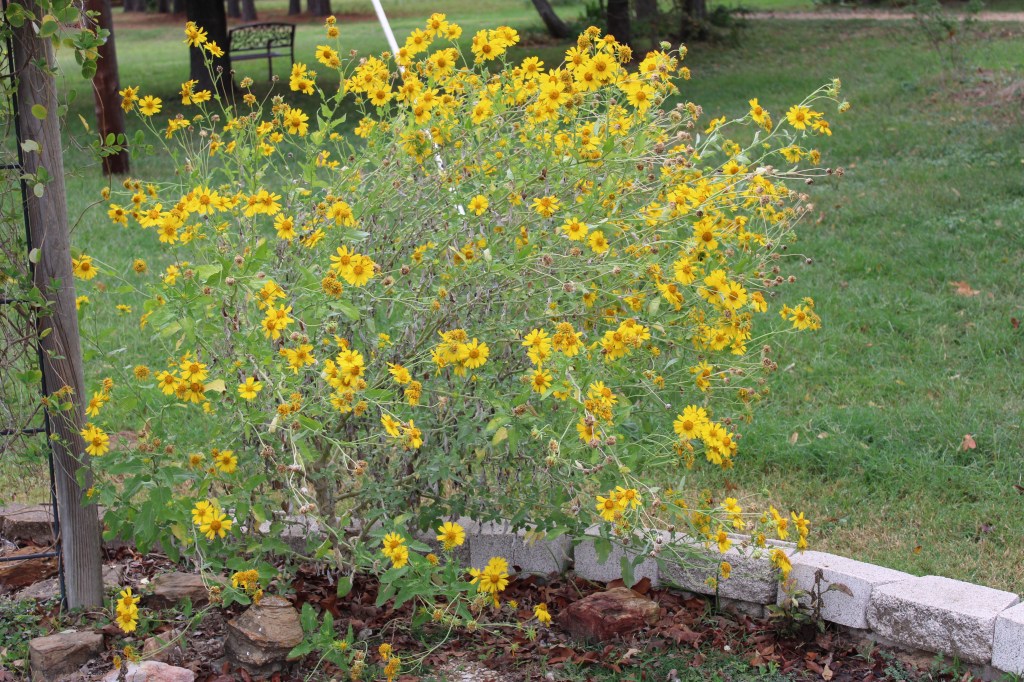
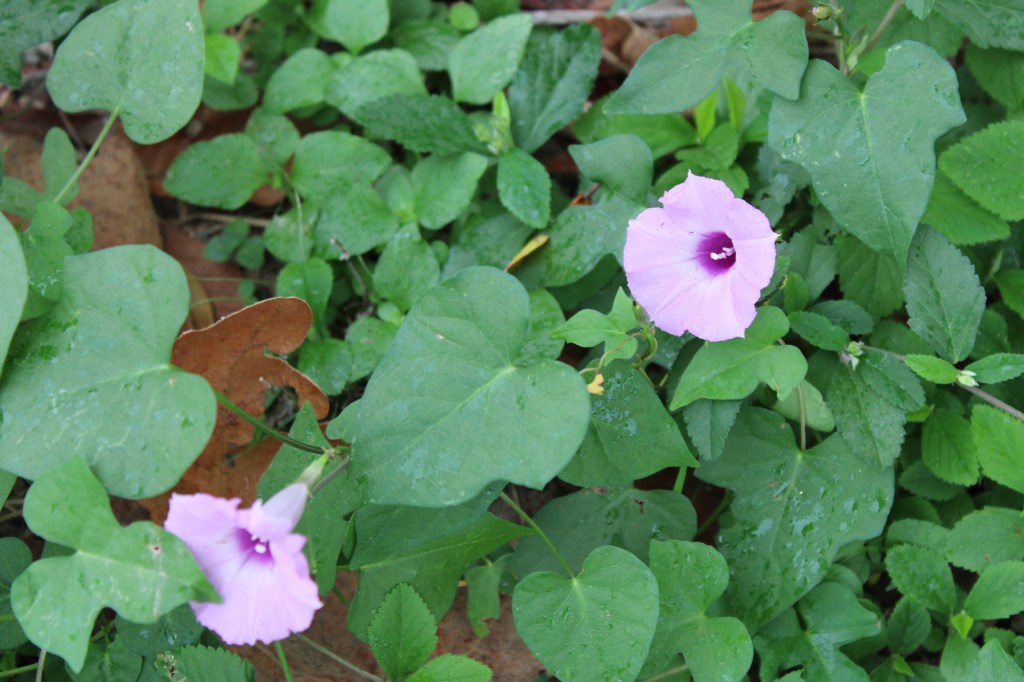
Here are just a few photos I took on October 25 on our property in Milam County, Texas.




 Nature Along the El Camino Real