The Song of the Cicadas

by Donna Lewis; photos by Michelle Lopez and Carolyn Henderson

I hope all of you have been hearing what I am hearing during the late afternoon mostly, a sound that brings back many wonderful childhood memories of summer, cool nights, and my parents and grandparents, who I miss every day.

Superb Dog-Day Cicada photo by chapter member Michelle Lopez.

There is something endearing to their song.  The cicadas sing from tree to tree.

It is only the males who sing.  They will burst out of a hole in the ground and then shed their skins where a new body will come from. The skins are left behind for kids to find, hanging them on their clothes and maybe their pets. At least that’s what I did.  My Dachshund thought it was great. When it finally fell off, my dog ate it.  Awful, but I’m sure it was not harmful.  

The cicadas here in Texas have a life cycle of about 3 to 5 years on average.

The periodical cicadas live from 13 to 17 years and are more common in the north.

If you are walking and one of these fellows hit you, they can put an eye out. They are like the bulldog of the insect world, and go forth headfirst when flying. They try to get to the trees for safety.   

Nature is so full of wondrous things. There are as many different varieties as there are stars in the skies.

So just go outside and enjoy nature.

Another of the same cicada, taken in June by Carolyn Henderson.

Herding Armadillos

by Donna Lewis

Early this morning (July 21), I was putting out my bird feeders when I heard rustling going on in my pollinator garden. For about a week I have seen evidence of an armadillo doing their thing in the garden. Some of the little critters’ actions are very beneficial to the garden. The soil is aerated, and the grub worms are eaten and removed.

But the other action is not so good. The armadillo is also pulling up some of the remaining plants I have left that the drought has not killed off. So that is not so good.

Anyway, I had not been able to find the perpetrator just yet.  So, I looked and there inside the fence was a young armadillo. We will call her Amy. I rush around the fence and open the gate to my garden.  I thought I might be able to herd her out the gate to my pasture.

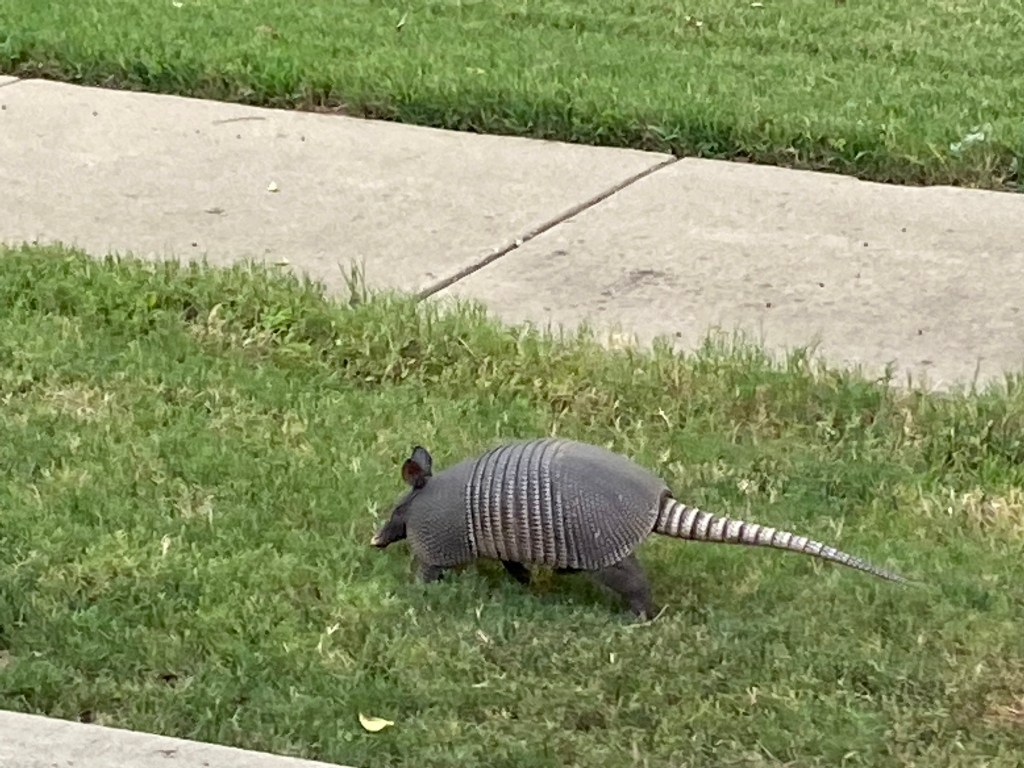
This is not Amy, but it IS a running armadillo! This is by Brandon Adams on iNaturalist, just his second observation!

Also, I might add that our little 13-pound Papillon Mix dog was also outside for his morning constitutional. I kinda forgot about him.

Well, herding an armadillo is not easy. They are fast and do not cooperate with the program.  After 20 minutes, I finally got Amy to the gate opening where lo and behold…Cujo was waiting!   

The excitement was about to begin. Our little pup decided to chase the armadillo back into the garden and around and around everywhere. The dog is barking, the little Armadillo is hollering and I am shouting to the dog. What a crazy sight it must have been. I wish I had a video of it.

I had to catch our little dog, take him back inside the house and start to herd Amy back towards the garden gate again.

All this took about an hour.  What a way to get some exercise. It was not too good for my bad back. BUT, no animal or human was hurt doing the event.

Now, that’s how a Master Naturalist wrangles and saves a cute little Armadillo.

Have fun in your garden.


Here are some more photos and more information on nine-banded armadillos on iNaturalist.

Drought, Ugh

by Donna Lewis

First we have the Big Freeze, now we have the big heat wave and drought!!

I guess we need to be more careful about what we wish for. When it was cold, I wished for warm weather…

So I took a few photos around the house. It is bad. I didn’t even have the heart to take photos of my beautiful pollinator garden. I have tried to save it, but we also have to be smart.

Water for the birds, the big plants and trees. But we might just have to let the small stuff go.  Zinnias will come back from the dried seeds you can harvest now. That will save some water.

This is a good time to learn from this weather event. Put out a sprinkler in the evening, the birds love it.

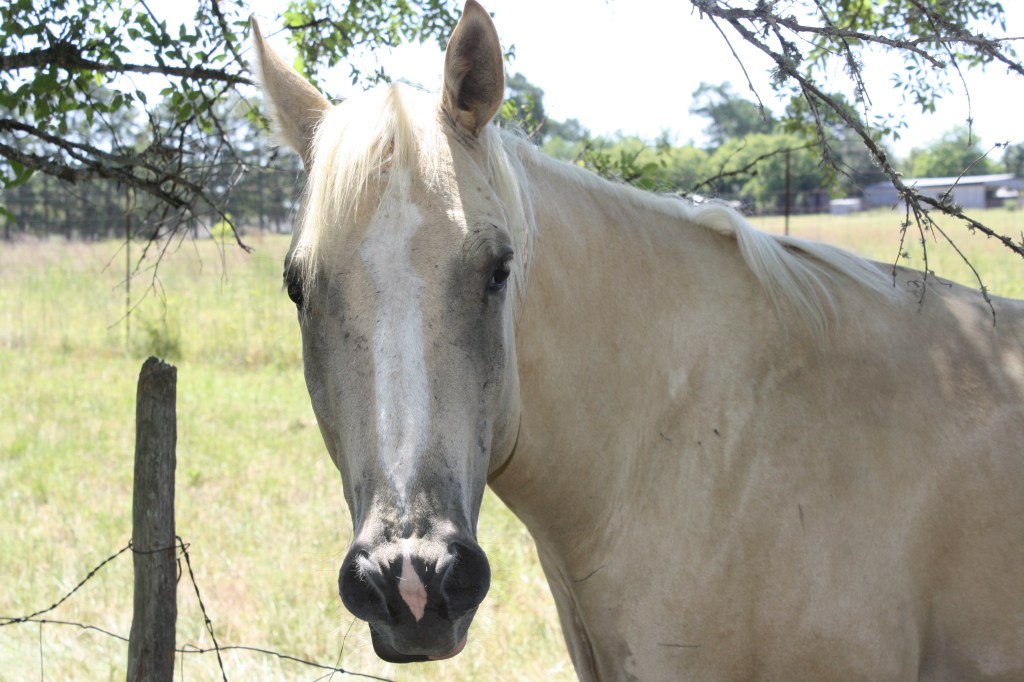
And on a happy note, here is one of my neighbor’s horses watching me put out the sprinklers. He always gets a carrot for helping me!  

Take stock of WHAT is surviving instead of being so upset over the plants that do not make it. Next year we will know to plant more of the hardy things that made it.

We must always observe and revise our plans. Things change.

Summer in the Wildscape

by Catherine Johnson

Now is a good time to visit the Wildscape garden at Bird and Bee Farm. Many native plants and grasses are in bloom. The mason bee houses are filled, and bobwhite quail were spotted on the grounds for the first time (see below). 

Events will be held later in the year, including Nature Days in October.  Saturday mornings
are a nice time to visit and share Master Naturalist info with others or do much needed watering.                                          

Butterflies enjoy the zinnias

Hours will be for Community Outreach- indirect, or  Nature Improvement in Public Areas.

Milkweed…the ones I planted and the ones Mother Nature planted

by Donna Lewis

I wanted to show you what milkweed is growing on our property here in Central Texas.  The biggest issue is that some of these plants came up very late in the year and by now, all the monarchs have already left the area. That is not too good.   

Hopefully, this does not start becoming normal. The plants are reacting to the climate, but the monarchs are reacting to their instincts.  The plants and the butterflies need to be ready at the same time.

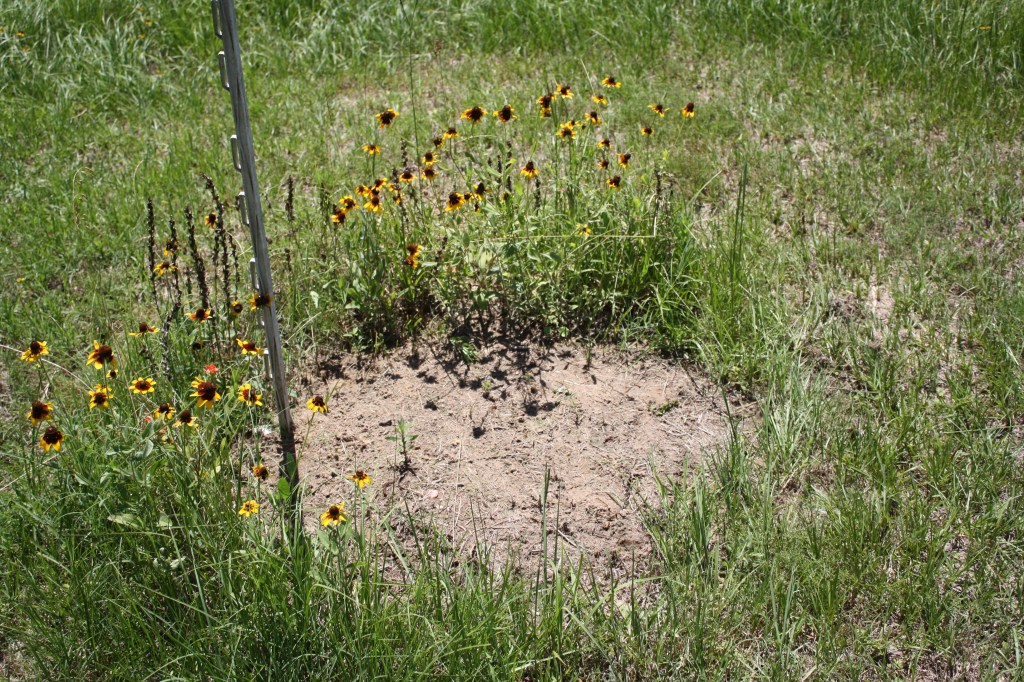
The first photo is Asclepias asperula or Spider Milkweed.  This plant was awarded by a grant to our chapter.  Our member Cathy Johnson applied for the grant. It was a lot of paperwork.

I started with twenty-four small plants. I put them in several areas around our pastures.

This is the only one that has returned this year.  The rest did not come up.

Photo #2 is the seed pod on the plant, which is about to let loose its seeds.

Photo #3  shows the same plant in our back pasture.

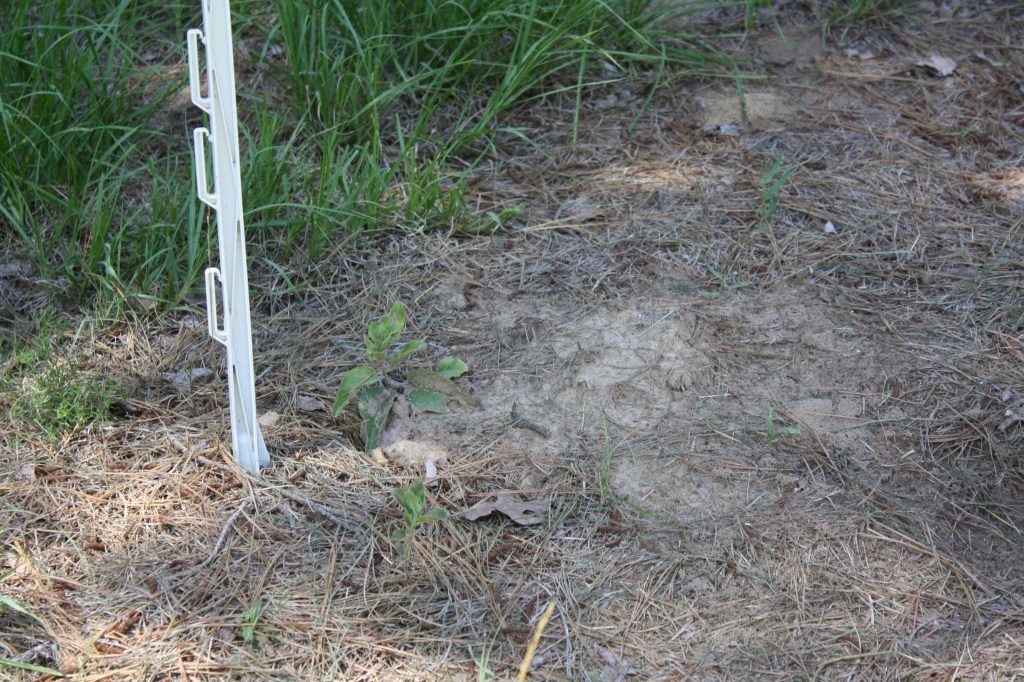
Photo#4  This is another area where we had the plants return for two years, but not this year.  There were gophers under the plant.   I guess they were hungry.

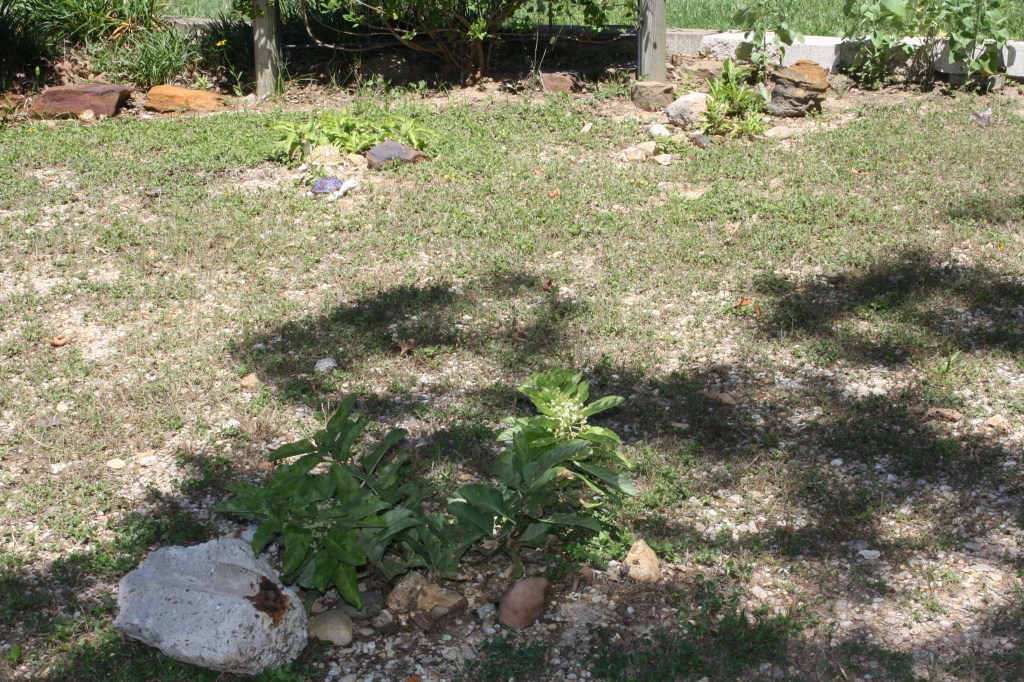
Photo#5  This shows Zizotes Milkweed on our gravel drive where they just came up on their own.  Volunteers for sure.  There are three plants near our backdoor.

#6  This is another Zizotes in the pasture that just showed up.

#7  Another Zizotes in a different part of the pasture.

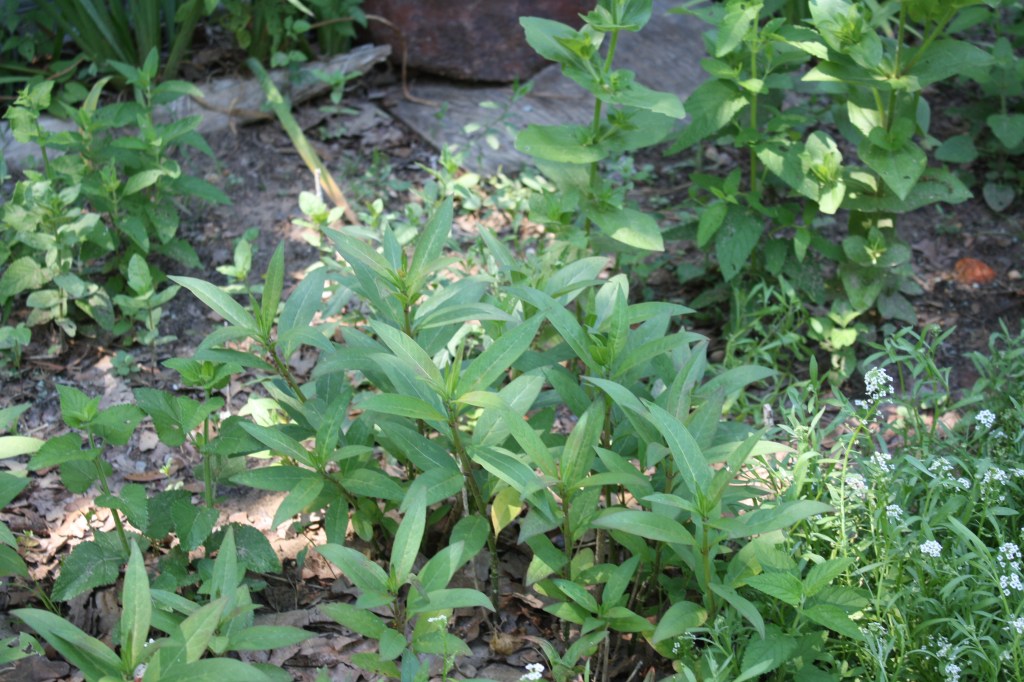
#8  Tropical Milkweed in my garden.  This needed to be bigger before now. Tropical milkweed is from Mexico.

You’re too late, milkweed plants.  The last monarch I saw here on our property was on 5-17-2022.  You can see where the monarchs are by viewing Journey North, monarchs’ migration.  It is a great site.

We will have to pay attention and see what happens to both the milkweed and the monarchs over the next few years.

Still, we need to keep on planting the native milkweed to try to help out.