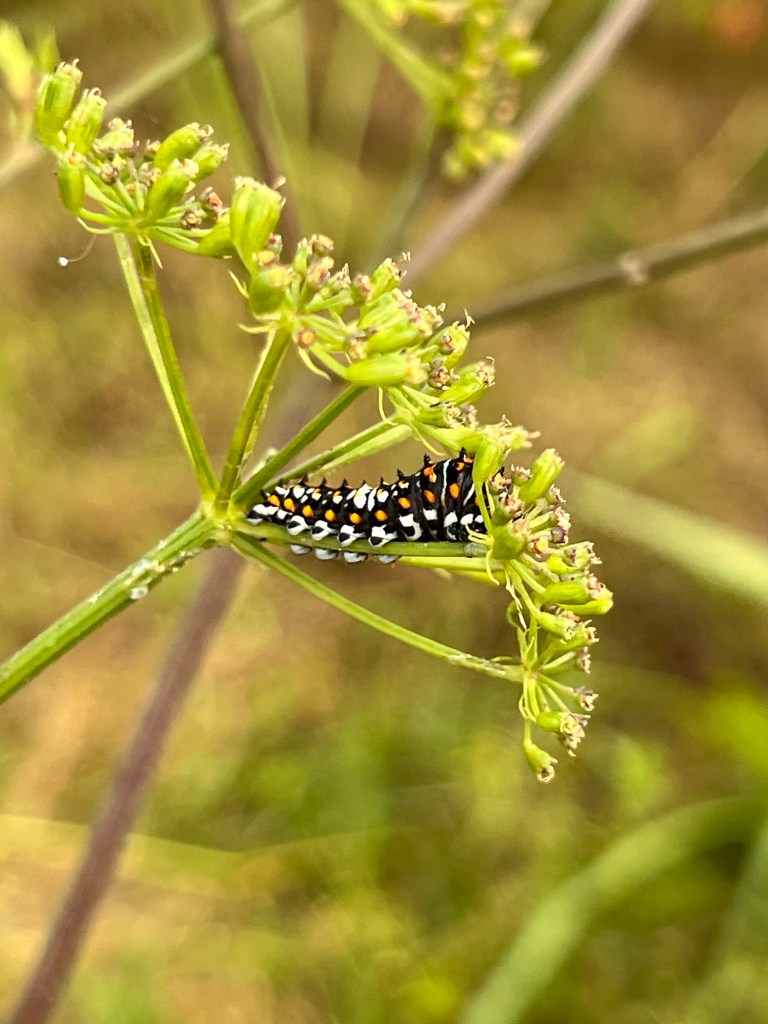
The Ugly Caterpillar’s Demise

by Lisa Milewski

So many times, I have heard someone say, “I just killed the most ugly caterpillar I have ever seen.” 

My face turns to horror in my barely contained reaction. After a brief pause to gather my thoughts, I swiftly turn this into an opportunity to educate others.
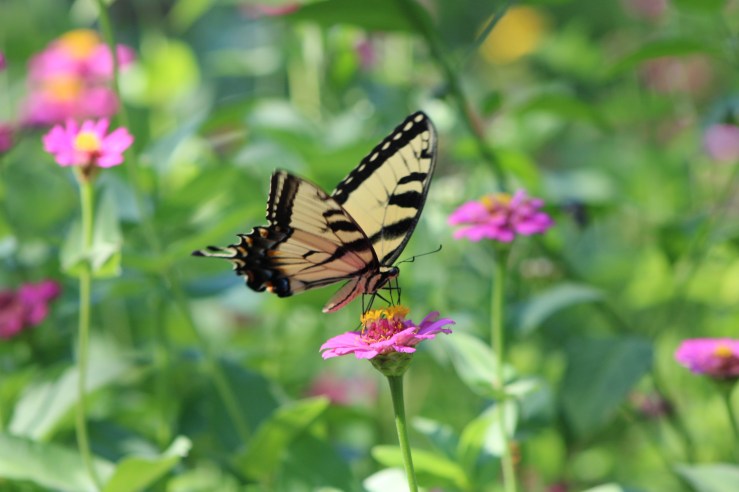
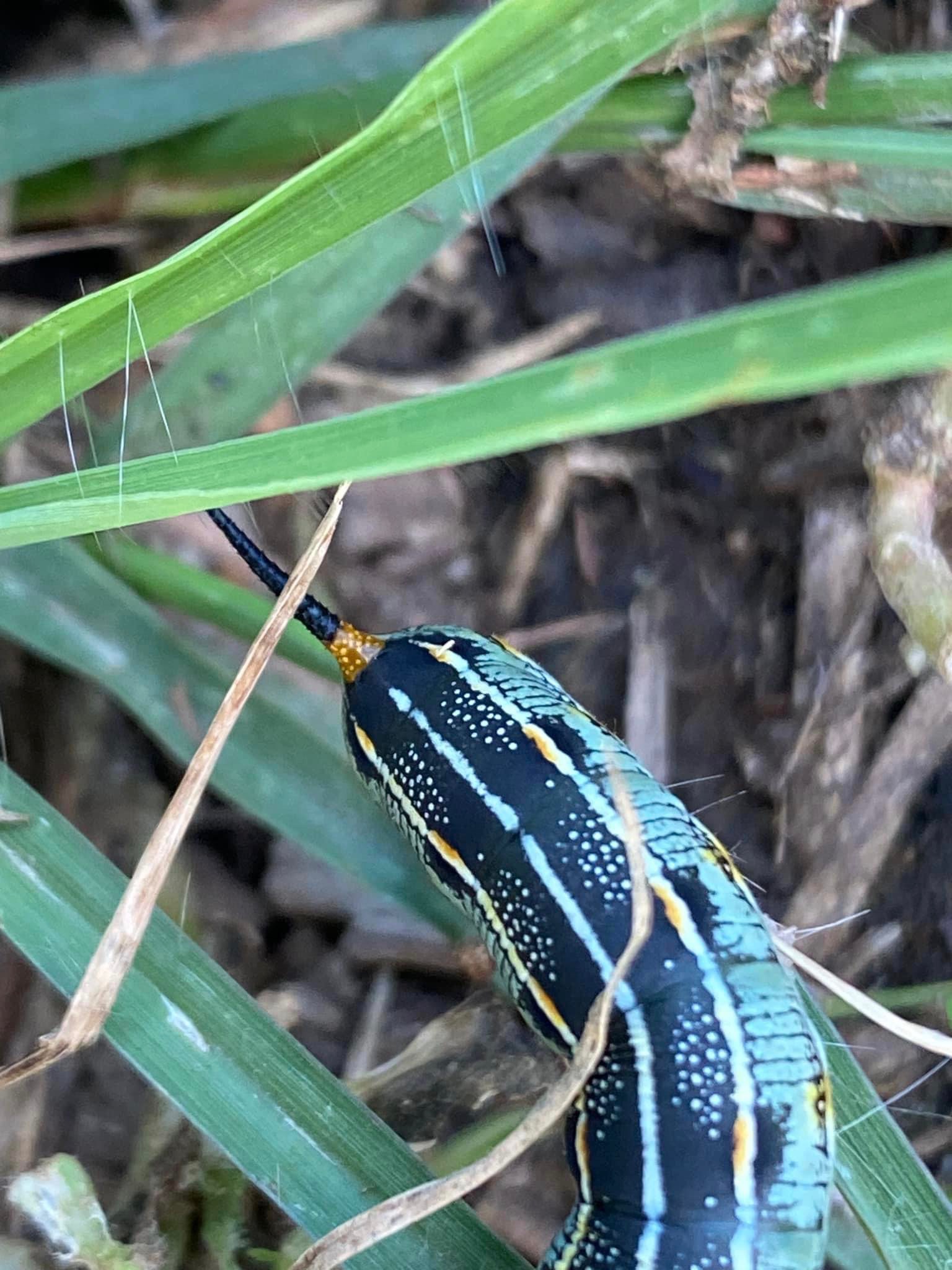
Remember, this was once a caterpillar! Photo by Donna Lewis.

I ask two questions. One, to describe the caterpillar, and two, what plant or vegetable was it on.  Based on those two things, I am usually able to identify the caterpillar. I then proceed to let them know that the ugly caterpillar was going to turn into a beautiful butterfly which in turn is a pollinator that will actually benefit your plant or vegetable. They had no idea! 
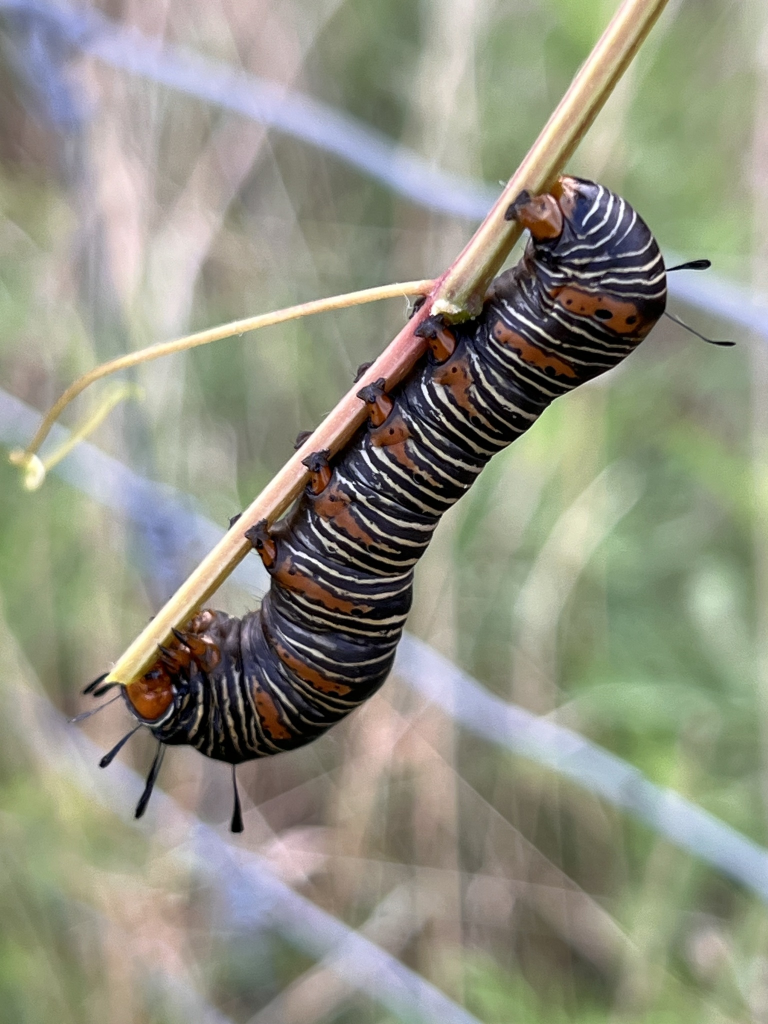
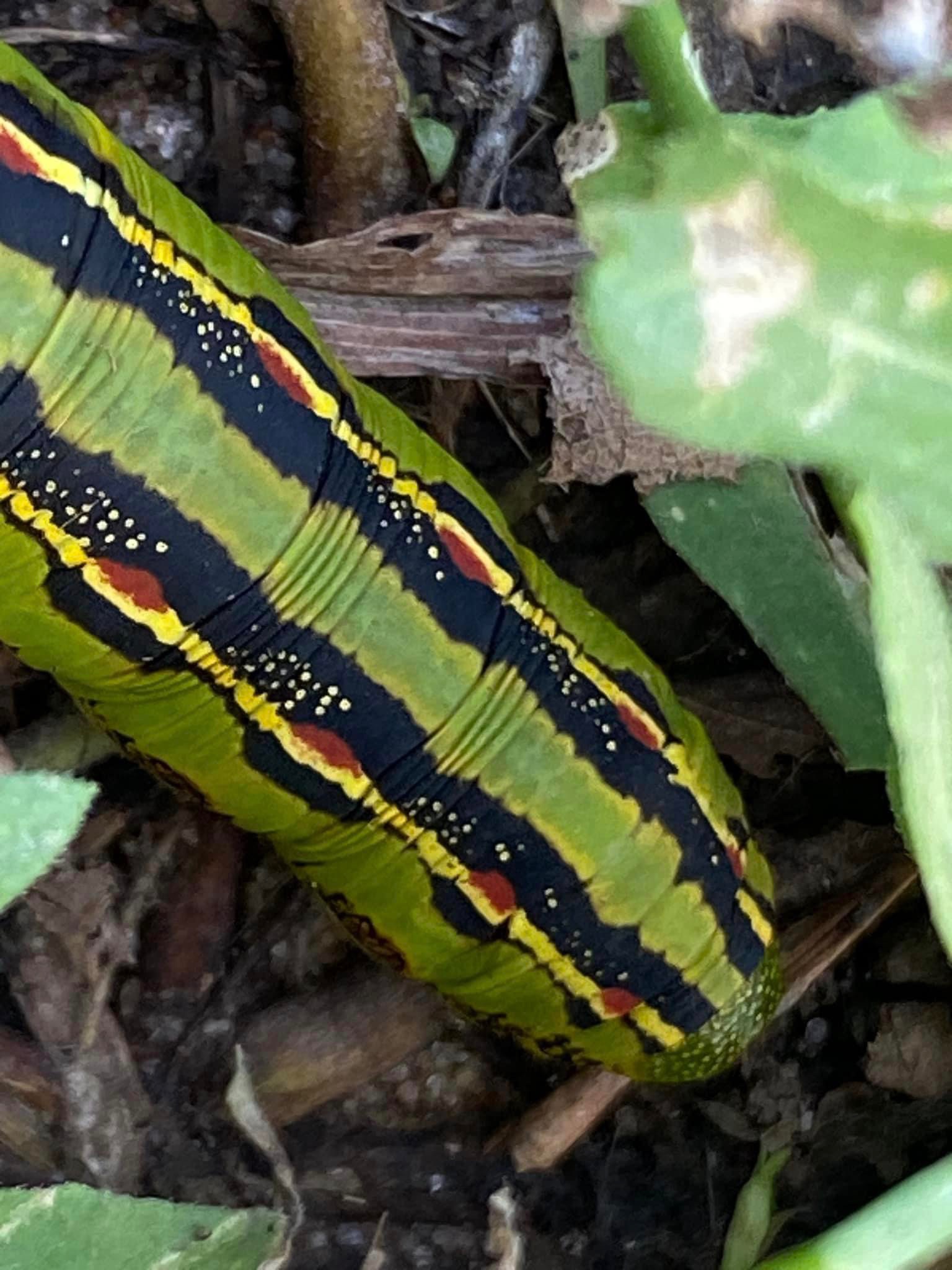
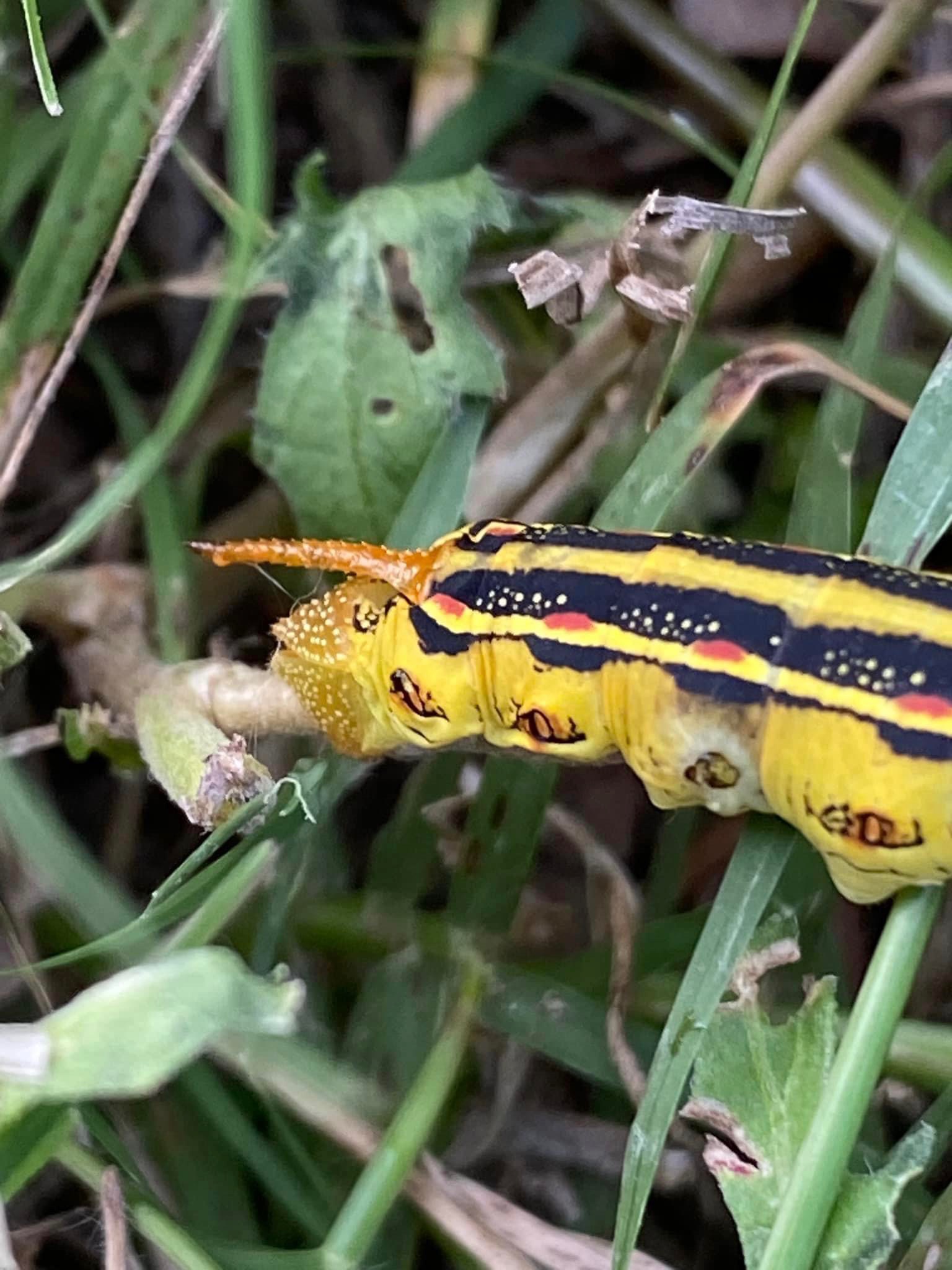
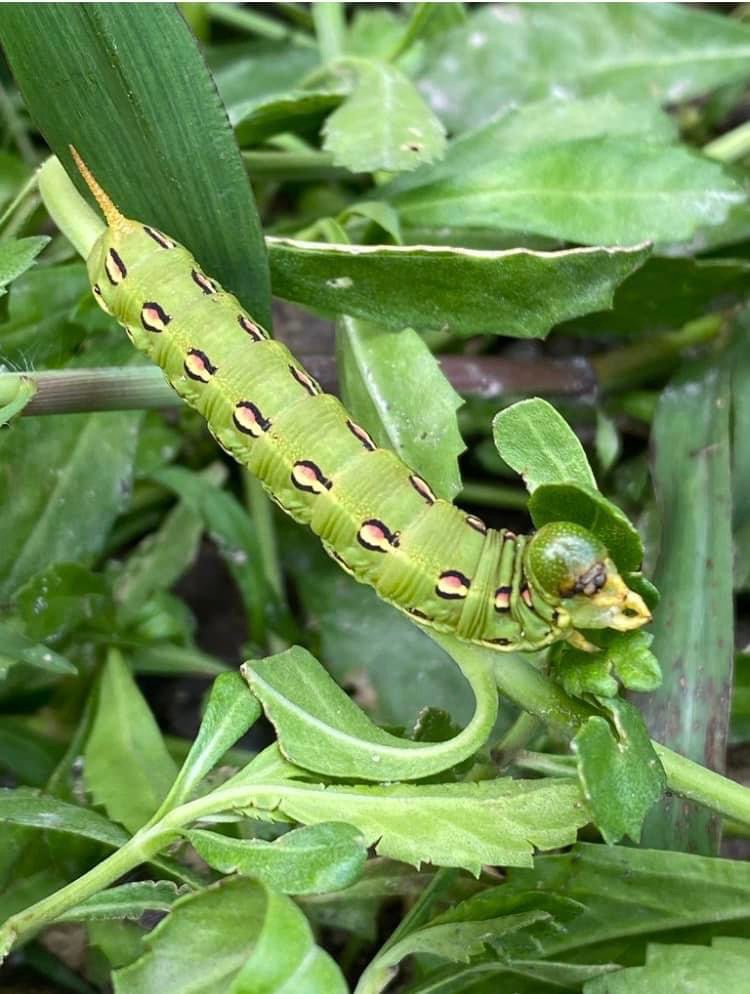
Wilson’s Wood-nymph Moth. Photo by Sue Ann Kendall.

Sometimes the reaction is, “but they were eating up the leaves.”  I then ask if it was a miniscule number of leaves or is it completely devoured. If it’s miniscule and it is a mature plant or vegetable or fruit tree, I say let it be since it won’t be long until it turns into a beautiful butterfly and that mature plant will quickly recover. If it is an immature, young, plant or vegetable, I suggest protecting it with crop covers until it matures and can handle the occasional munching from those caterpillars. 
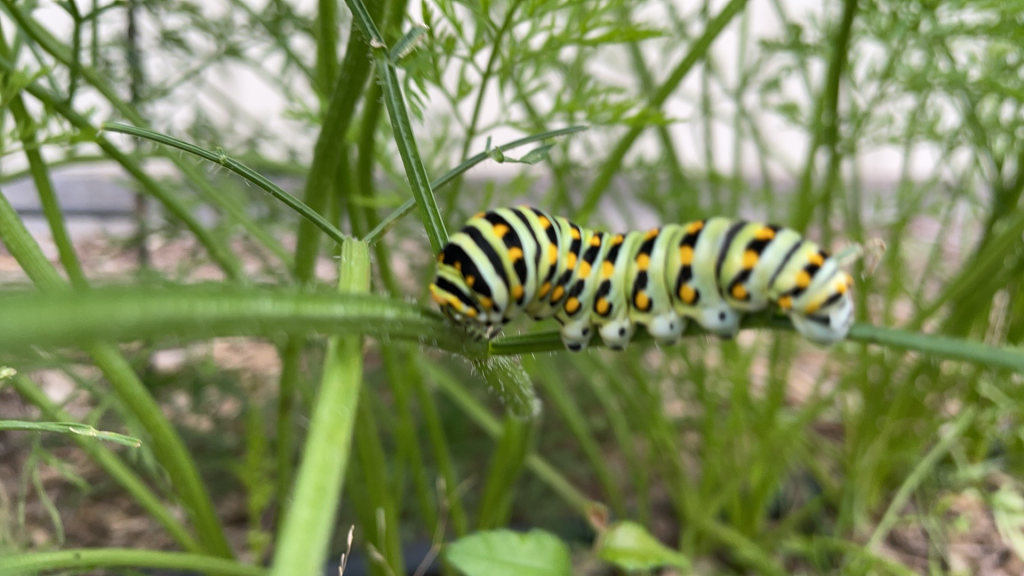
Black Swallowtail. Photo by Sara Faivre.

At this point, I remind them of the many benefits the pollinators provide to include bees, wasps, hummingbirds, etc., and how it actually benefits their plants, vegetables or fruit trees by pollination.  For most (not all), it is critical that the pollen gets transferred from the male plants to the female plants in order to reproduce. Although some plants, like cedar trees, reproduce by the wind that spreads their pollen, most others rely on pollinators. 

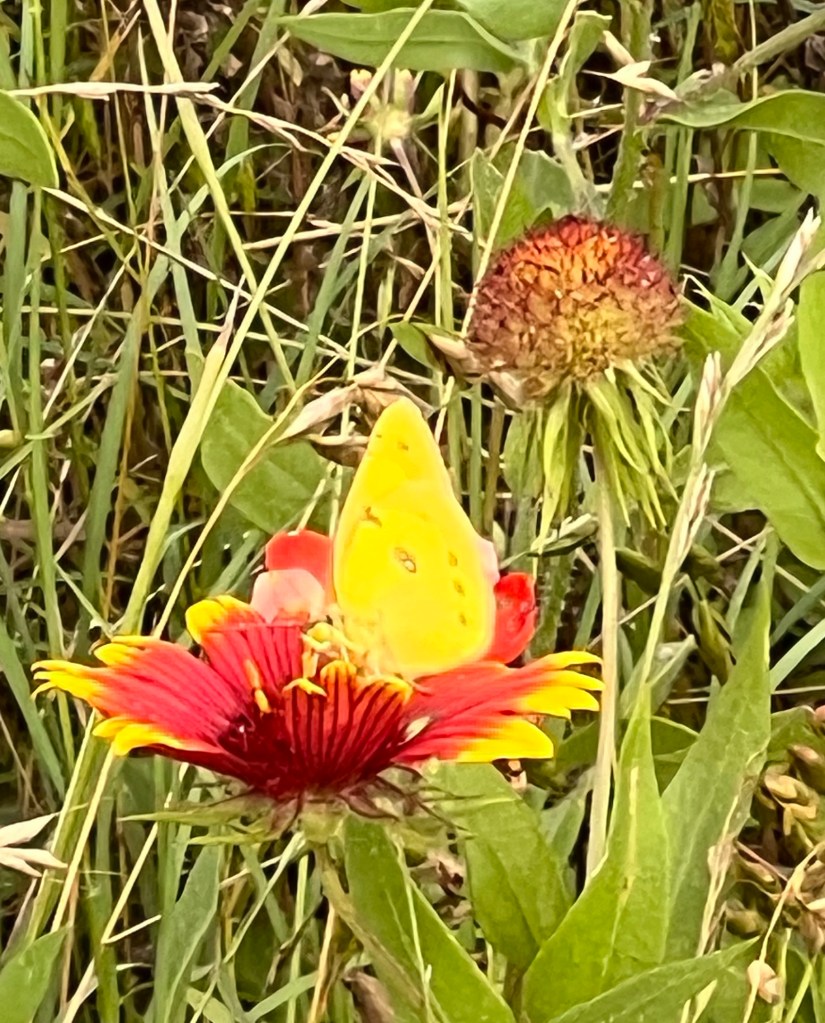
Checkered White. Photo by Sue Ann Kendall.

The next time you think about killing that “ugly” caterpillar, bee or insect, please look it up to identify whether or not it is a friend or foe. If it a beneficial pollinator, we can always find a way to co-exist. 

Butterflies Are Still Laying Eggs in November

by Donna Lewis

The butterflies are still laying eggs and producing caterpillars here in November in Central Texas.

On my Passion Vine are Variegated Fritillary and Gulf Coast Fritillary caterpillars. The Gulf Fritillaries are more Orange, while the Variegated species is tan with spots along the bottom of its wings.  They both use the Passion Vine as their host plant.

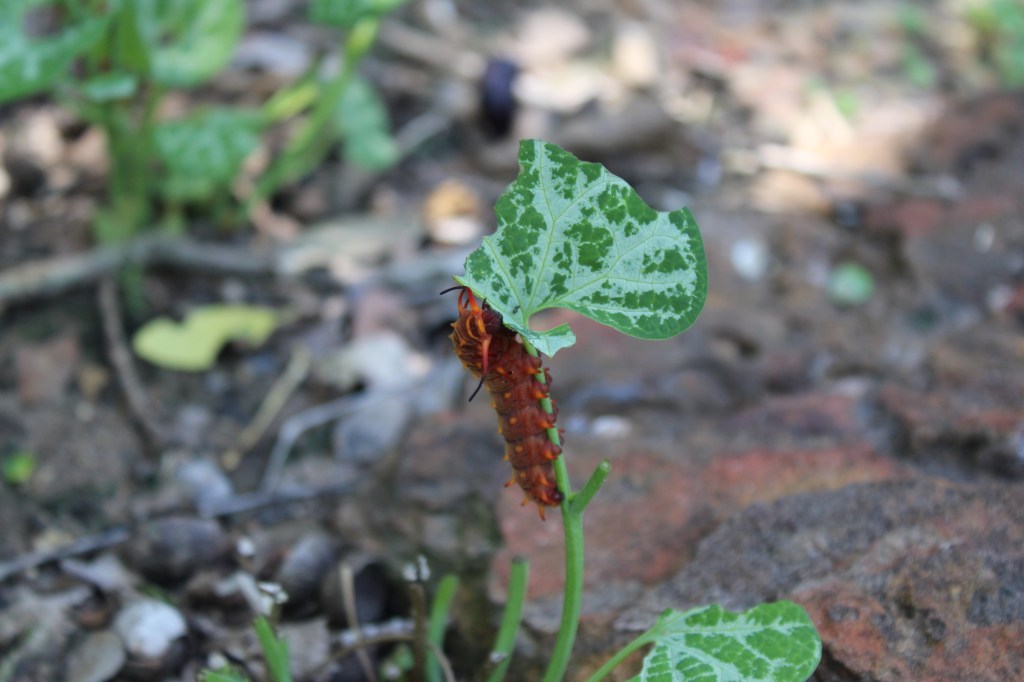
I also have Pipevine caterpillars on the Pipevine plant.

Tons of activity because of the temperate weather right now.

Better get a move on, winter is coming.

Know who you are gardening for.

Hot Time, Summer in the City…

…back of my neck getting dirty and gritty

by Donna Lewis

Remember that song?

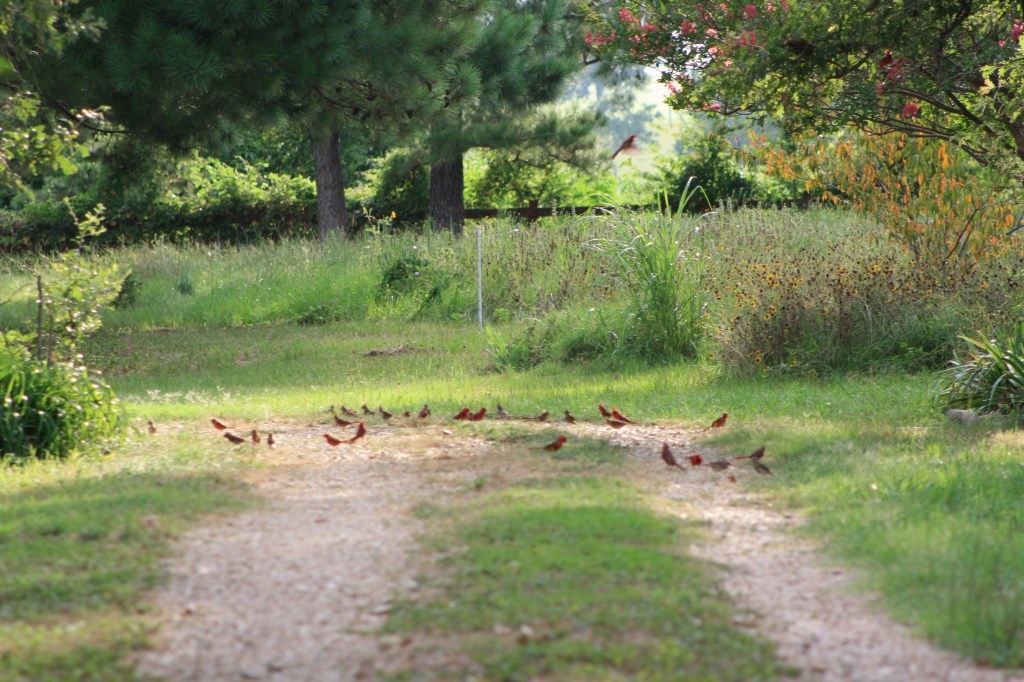
Yes, it is hot and dry. Remember to keep water in the shade if you can and plenty of it for the wild things. I have over 50 Cardinals that wait for me every day now. I bet my electricity bill is going to be a whopper from running our well to get water for them.

That is a LOT of cardinals

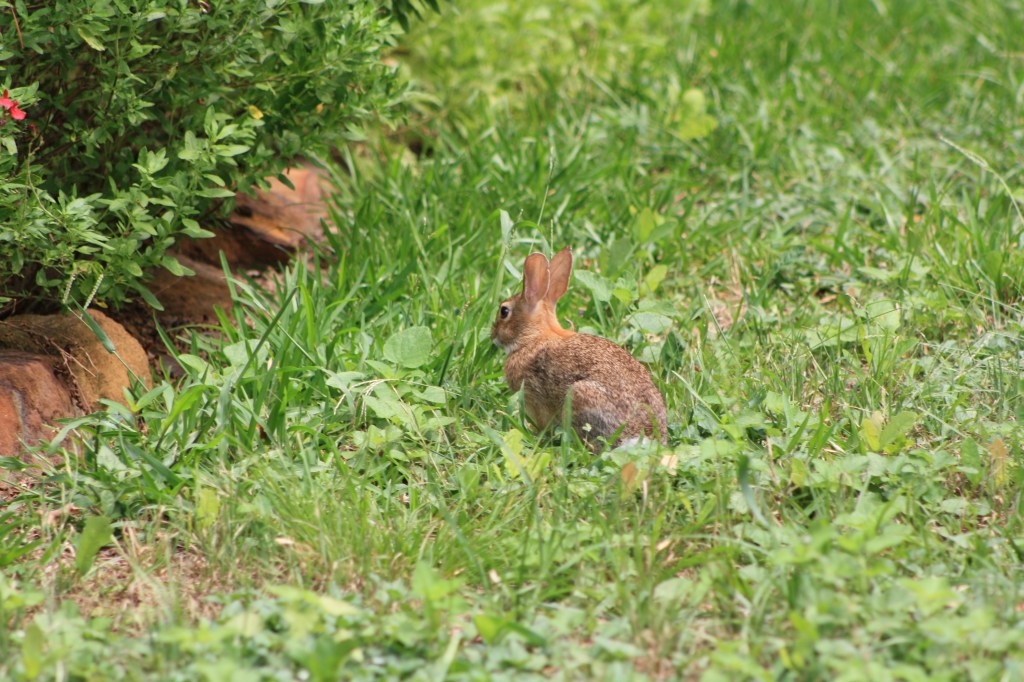
The bunnies are drinking along with all our other wild friends also.

Cottontails appreciate our help.

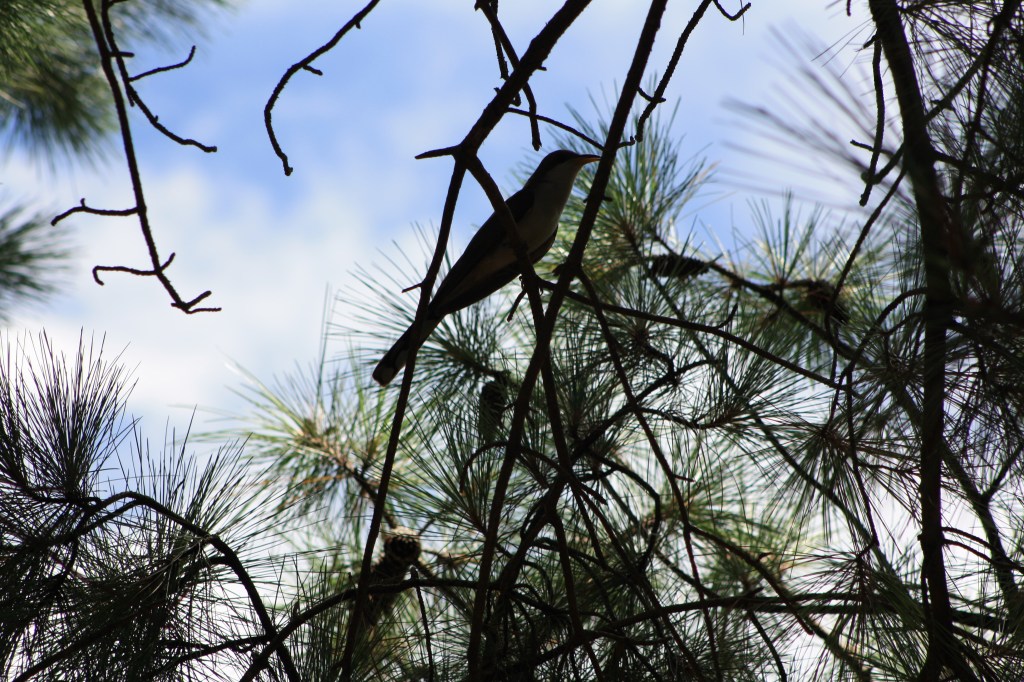
A few days ago, I heard some strange clicking noises way up in a pine tree, I waited a long time to see what it was. It was some kind of bird I had never seen before.

Yellow-billed cuckoos are elusive and often easiest to identify by their sound.

After several days of trying to ID it, I finally found it in a field guide. It was a pair of Yellow Billed Cuckoos!  I had never seen them before. It’s interesting to add them to my bird list.

Most of the wildflowers are going to seed now and the pastures look awful.

In the garden I fight to keep anything alive for the butterflies and hummingbirds.

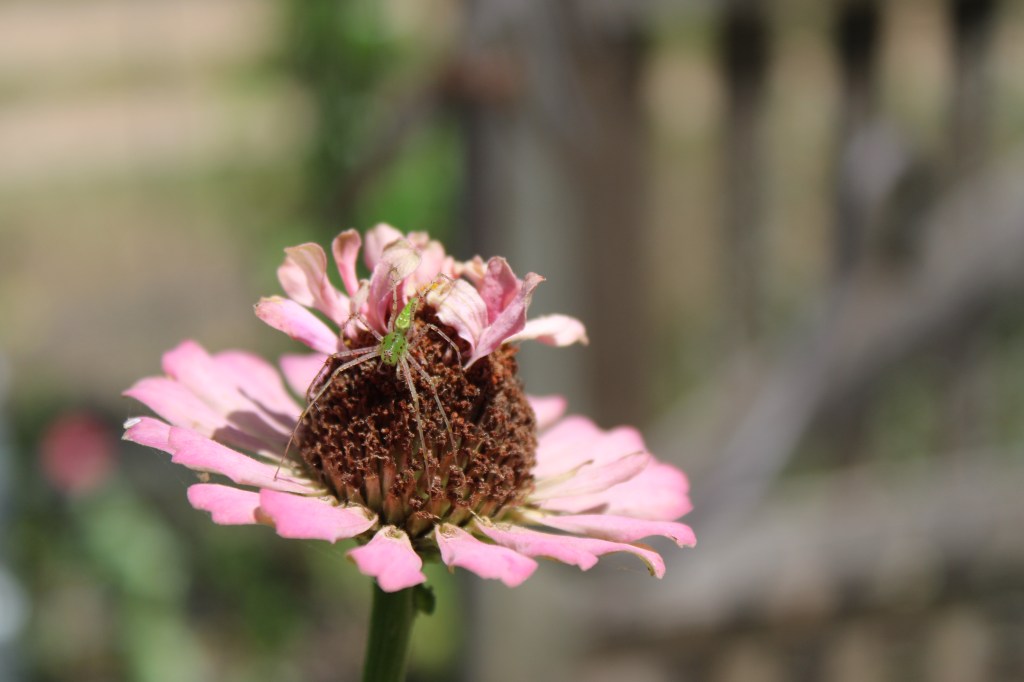
And lynx spiders, too.

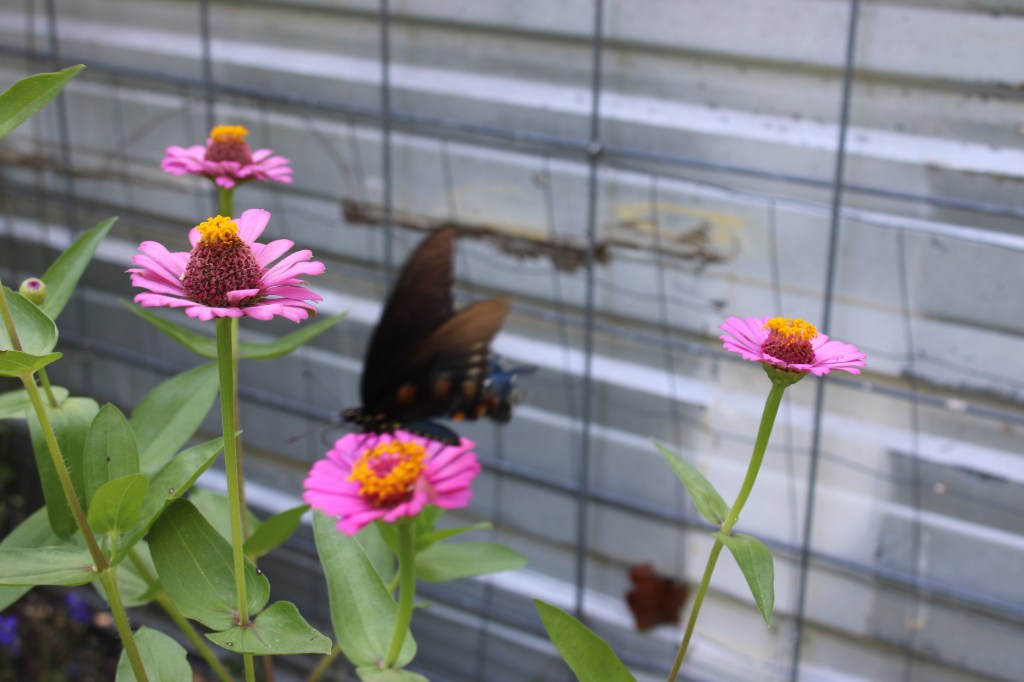
I do have a lot of Gulf Coast Fritillaries, Swallowtails, and Sulfurs still flying around.

There is also a new batch of the red version of the Pipevine Swallowtail caterpillars.

So, enjoy what nature is around you now because the heat is hard on them too.

Remember who you are gardening for.

The Butterfly Nursery

By Sue Ann Kendall

Today on my lunchtime walk, I was looking for butterflies. I walked along County Road 140 keeping my eyes open. Here are some that I found.

I also saw lots of uncooperative tiger swallowtails and black swallowtails, along with buzzy little fiery skippers, tiny dainty sulphurs, and two gorgeous question marks. They were too busy to photograph. It’s a great time of year for butterflies.

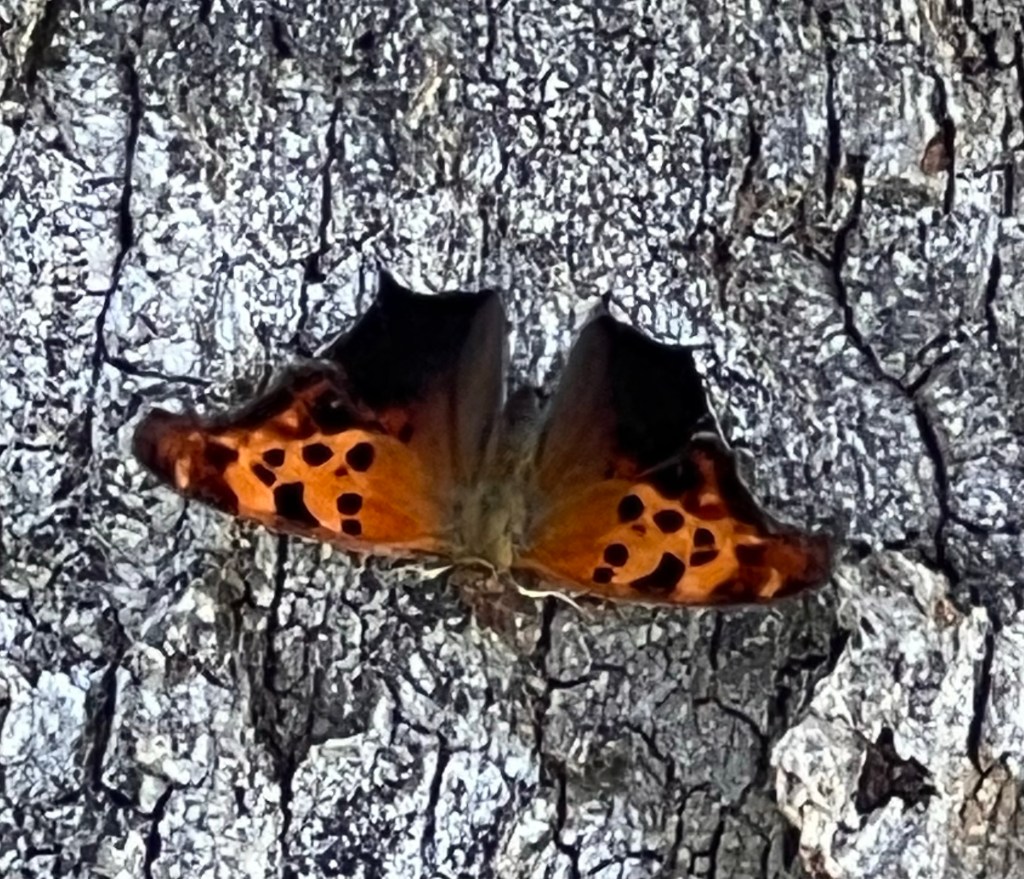
A question mark I saw recently at another part of our ranch.

Hmm, why do I have so many butterflies?

I’ll tell you why we have so many! We let the wildflowers grow! You won’t see so many on fields that have been sprayed to remove broadleaf plants. Luckily, I let the milkweed and it’s buddies grow away. I also encourage the Texas prairie parsley.

It’s yellow.

Today I was looking for butterflies on this plant, Polytaenia texana. I didn’t see any at first. But that’s when I realized there were at least a dozen caterpillars in this one plant.

Nom nom

Well, apparently the black swallowtails that were everywhere in March and April have reproduced.

The earlier instars look like this.

It is so much fun watching the caterpillars munching away. And I’m looking forward to seeing them as beautiful adults later!