Native Rangeland and Cattle Grazing are Compatible

by Carolyn Henderson

New trainees for the El Camino Real chapter Texas Master Naturalist learned about extensive programs being implemented by the Texas Parks and Wildlife Department with area ranchers to restore grazed land to its native state while still grazing cattle on it. A project in a neighboring county is being implemented by Tim Siegmund, the Private Lands Program Leader for TPWD-WL Division, with Jay Whiteside, TPWD Technical Guidance biologist District 5. They are several years into the 7-year plan, and the results are very positive in proving that native growth on rangeland and grazing cattle on it can be compatible and profitable. Below is a synopsis by Siegmund about the project. 

The use of fire to concentrate cattle grazing has led to a recovery of the areas being rested from burning within the pastures.  The cattle preferentially graze the freshly burned areas, and lightly or don’t graze at all the areas burned in previous years.  This allows the plants to recover, make seed, and persist over the long term in a constant burn, graze, rest cycle.  This can lead to better carbon and nitrogen cycling as a result of thatch incorporation into the soil and concentration of animal waste, increased water infiltration as healthy roots grow and rot in place creating pathways for water infiltration, and increased plant and animal diversity as there are a host of niches being created by short and tall vegetation as well as annual, biennial, and perennial plant species.  Patch burn grazing can be a great tool to promote livestock production, plant diversity, and wildlife diversity. —- Tim Siegmund
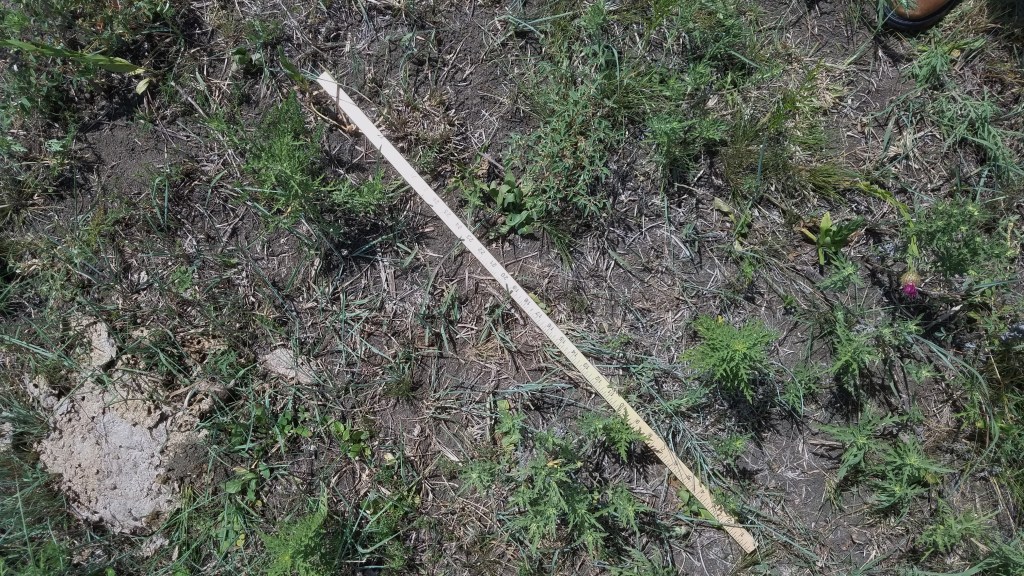
Photo 1 shows the short, grazed grass and the diverse wildflower community not being grazed by the cattle, average grass height was less than 2 inches.

Photo 2 is a picture of a yard stick showing the amount of ground cover now blanketing the ground after 2 full years post burn.

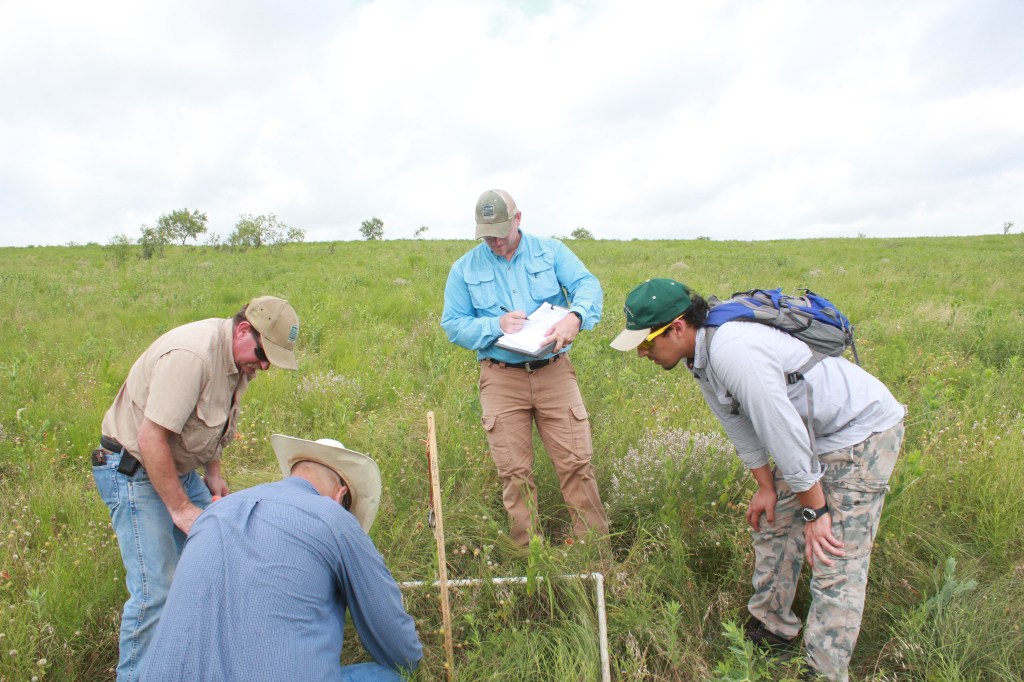
Photo 3 is a picture with Siegmund and assistants in it conducting the vegetation sampling monitoring the changes over time.

Photo 4 shows the year of burn and the annual plant community dominated area as the fire and subsequent regrowth of grass has concentrated the cattle in this area.

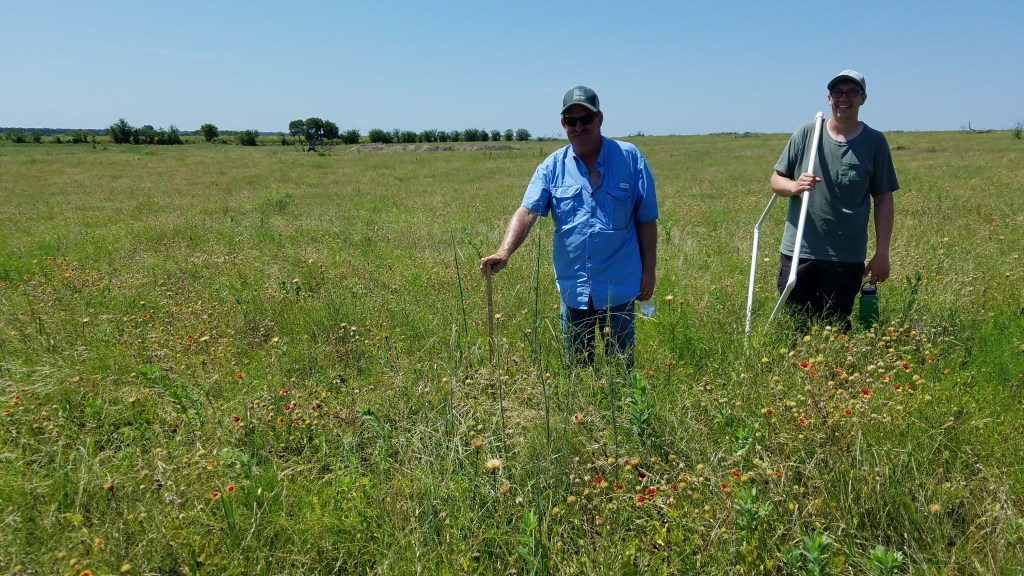
Photo 5 is a picture of Jay Whiteside and an intern showing what 2 years of rest looks like by burning other portions of the pasture to focus grazing pressure elsewhere. In 2019, grass height is approximately 20 inches.

By the way, a recording of this session can be found on our website.

Mystery Flower Revealed

By Carolyn Henderson

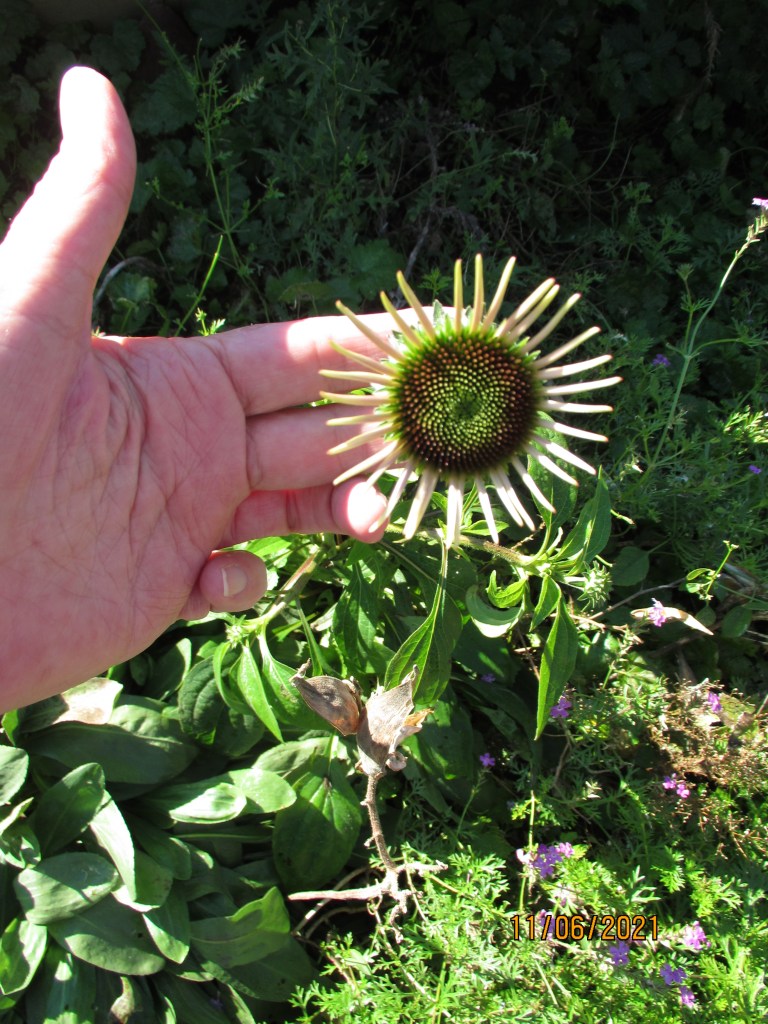
The mystery flower at the El Camino Real Texas Master Naturalist Wildscape that we shared a picture of a few days ago revealed itself one week later at the second weekend of club members working very hard to spread native Texas wildflowers. It is a Purple Coneflower

The flower in its mystery state

This particular Purple Coneflower is somewhat unique in that it is a very late bloomer, its bloom is unusually large, and no one knows how it got there. It has several other buds that I hope get to open up before a hard freeze. 

Now it looks familiar!

If you’d like to see the mystery (now revealed) flower, the ERCTMN members will be holding one more weekend of giving free native Texas Wildflowers to anyone who’d like some. Pots to put them in when they are dug up ran out last weekend, so bring something to put them in to take home. The Wildscape is on County Road 334 at the Bird and Bee Farm

Echinacea purpurea

The only plant that doesn’t have extras is the Purple Coneflower. Cultivator Catherine Johnson hopes to collect seeds from it to share next spring. 

What’s Blooming at the Wildscape?

by Carolyn Henderson

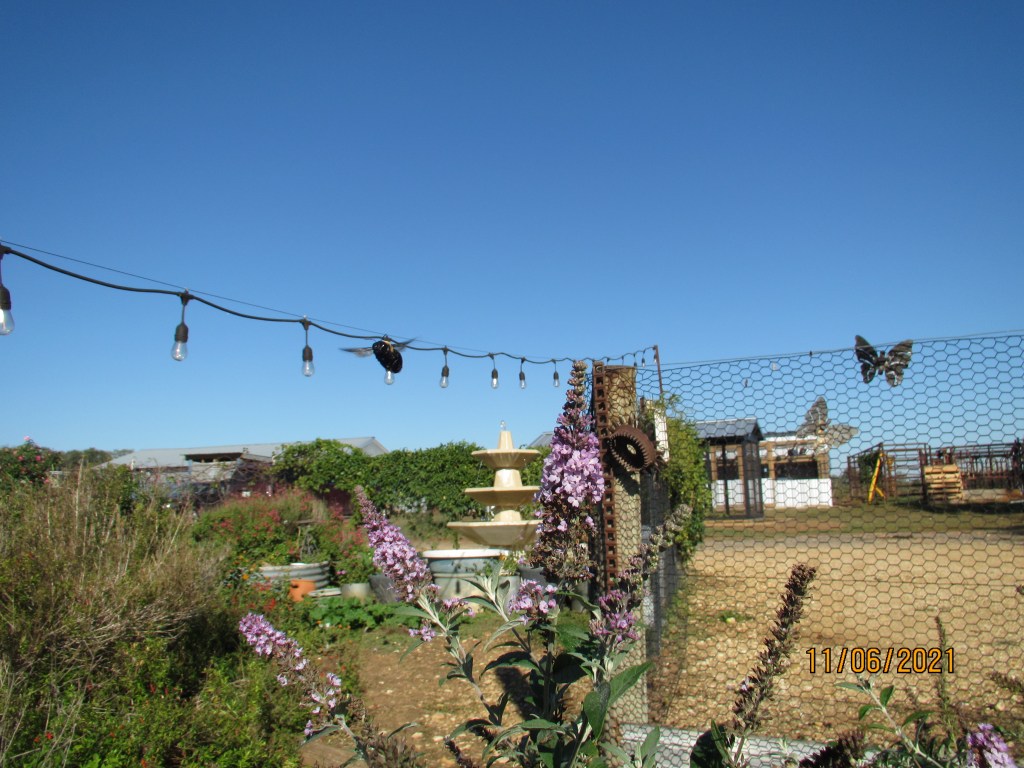
The Bird and Bee Farm Wildscape continues to produce butterfly- and bee-attracting blooms this November and people to take a look at what our chapter does there.

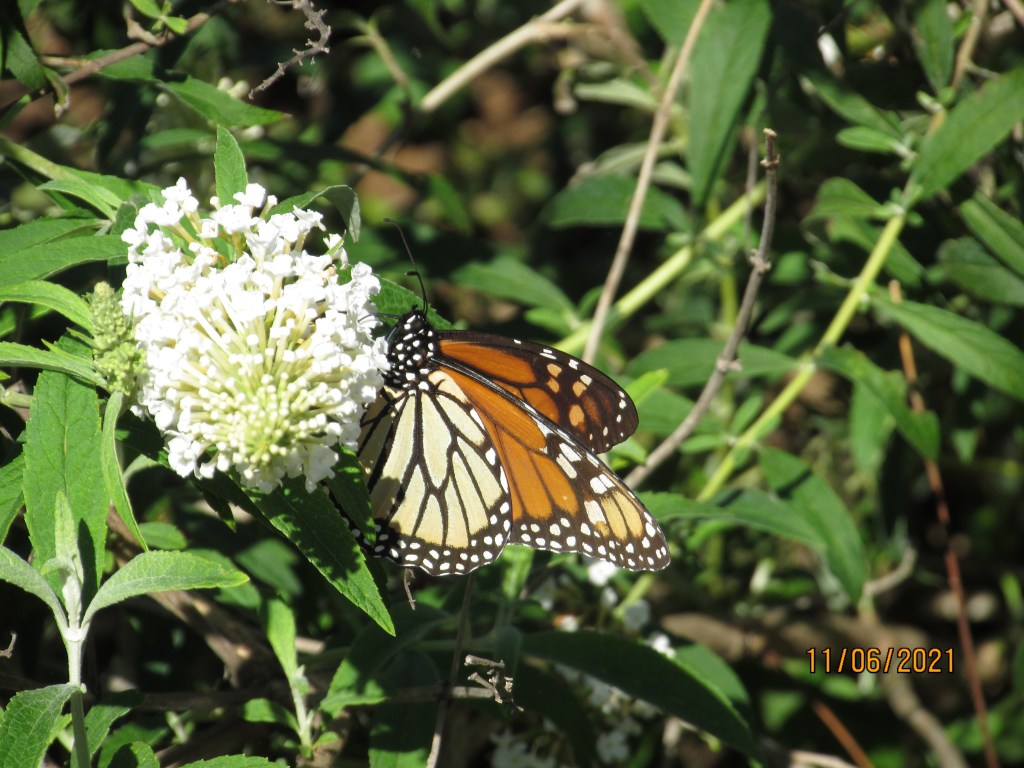
Monarch on white butterfly bush

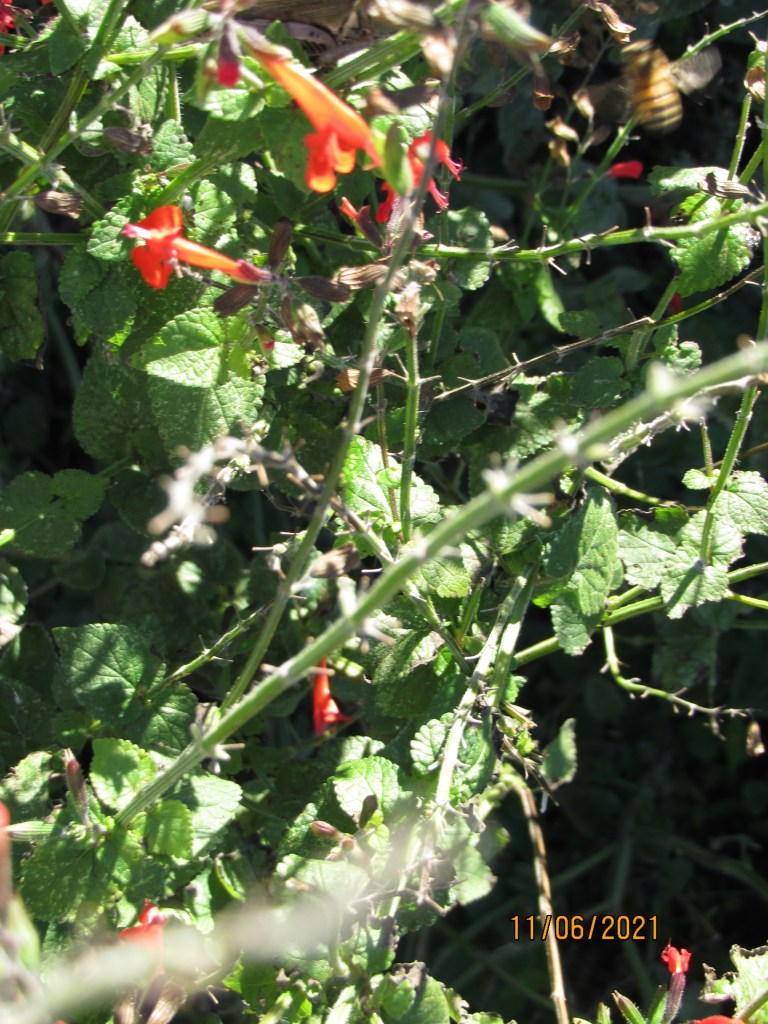
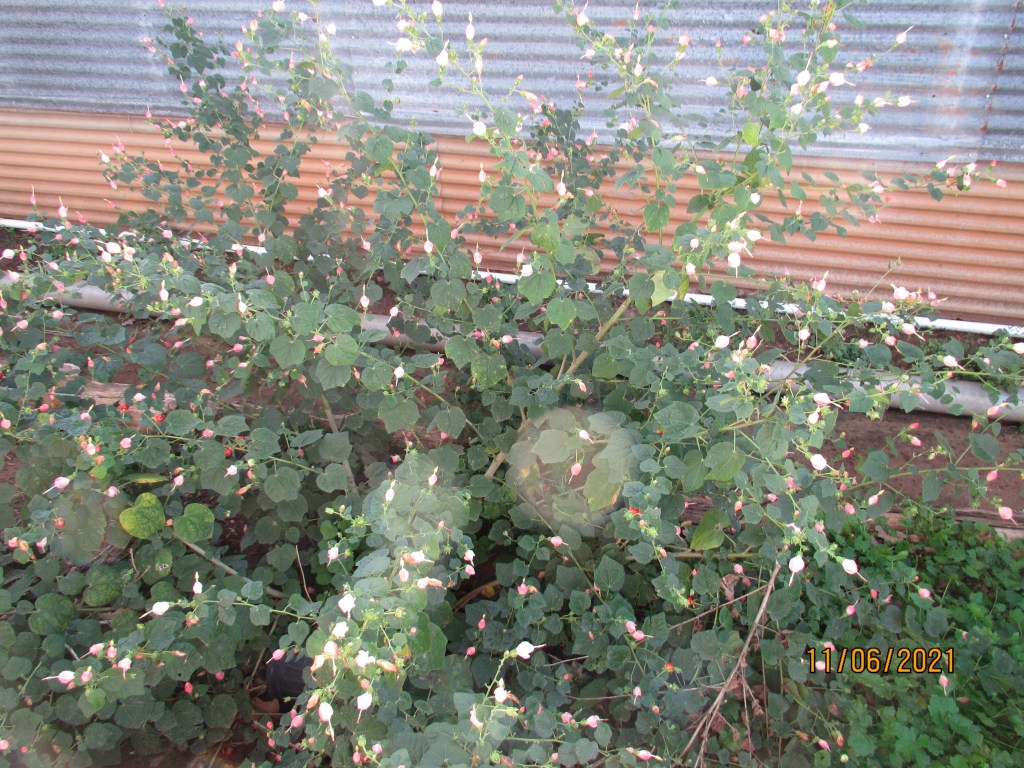
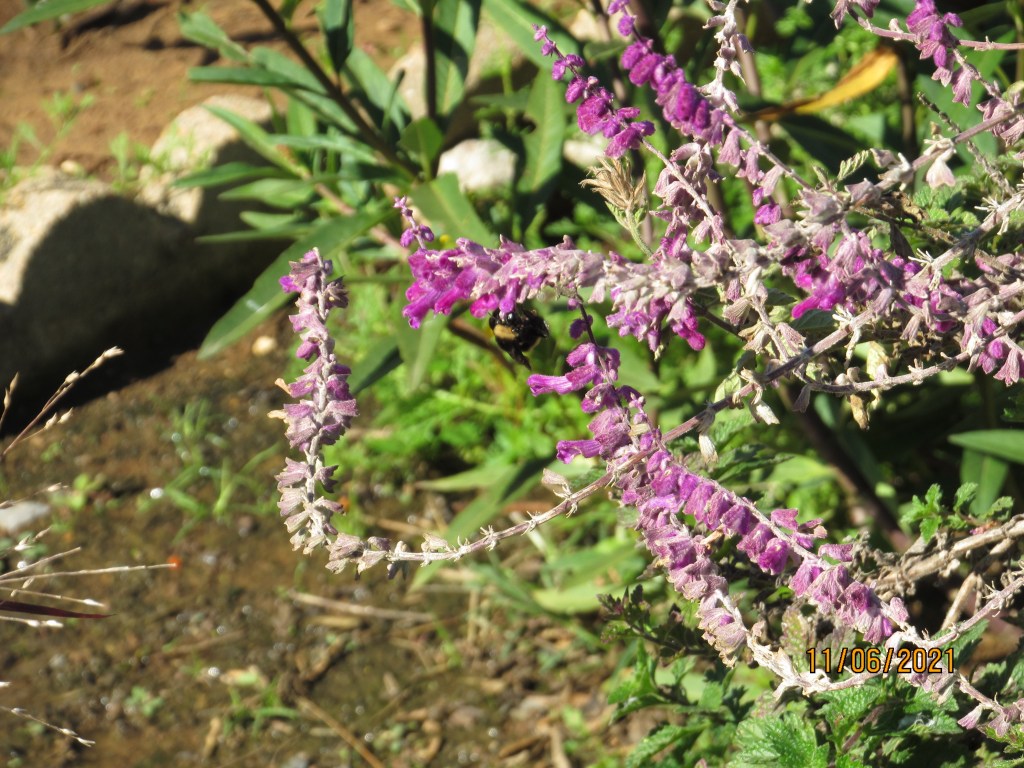
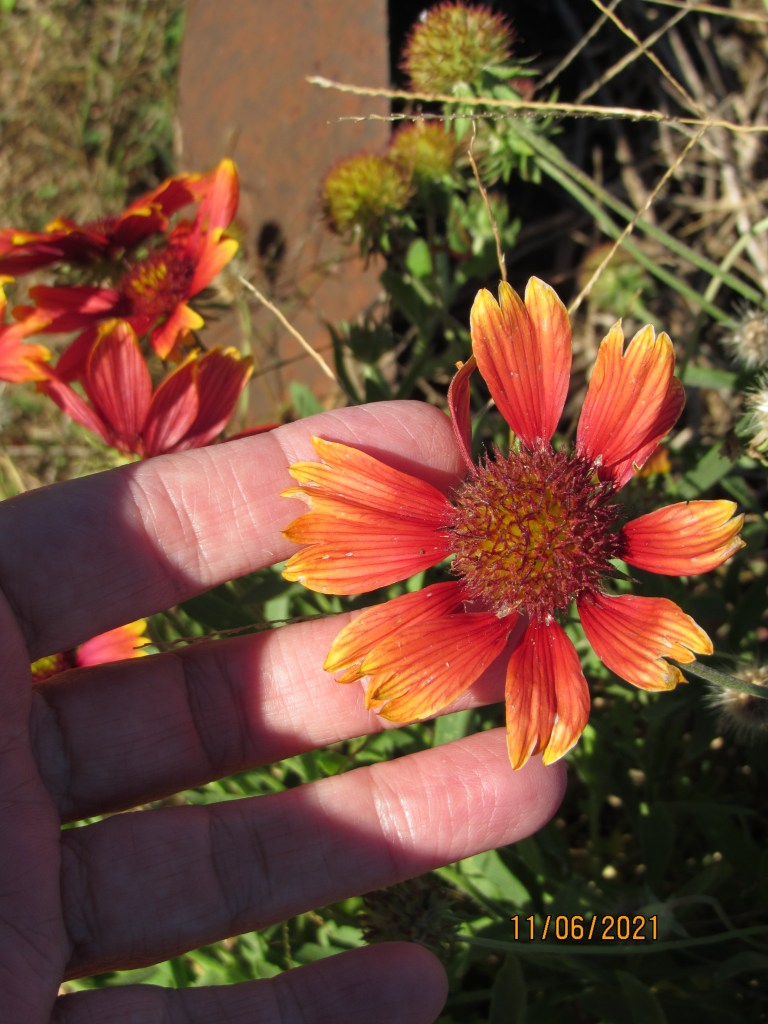
The purple and white Butterfly Bushes are still in bloom as is the Tropical Sage. Those two seem to be the favorites of the pollinating crowd right now. Tropical Milkweed is also in bloom, but it’s not desired by either butterflies or bees of the three varieties there last Saturday. Indian Blankets, roses, Turks Cap of two colors, lantana, and a mystery bloom are also putting out lots of flowers. See the picture of the mystery bloom and take a guess.

Catherine Johnson, main manager of the Wildscape, has organized plant give-aways to anyone who wants to prep their own butterfly flower bed for next spring. It started last Saturday and will continue through Saturday, November 13, and Saturday, November 20. Hours are 9 to 12. Several people from out of town went home with Texas native plants for their gardens last Saturday. The Wildscape is on FM 334 between Milano and Rockdale.

If you don’t want to plant them, you can help dig them up and distribute them to patrons for service hours.

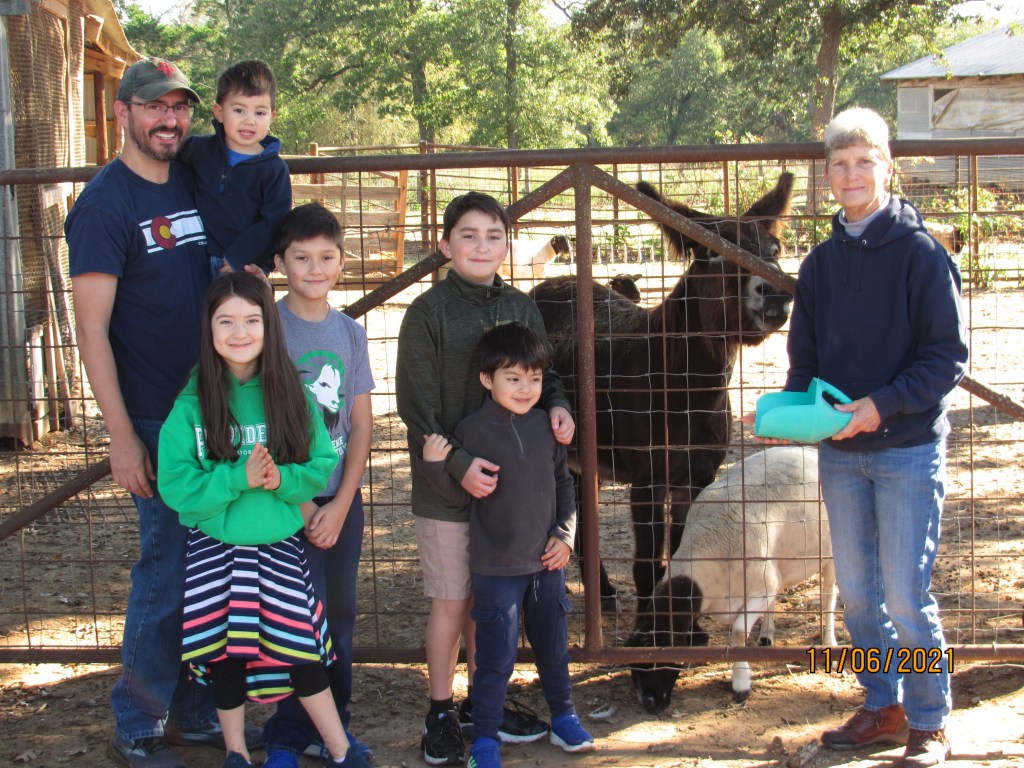
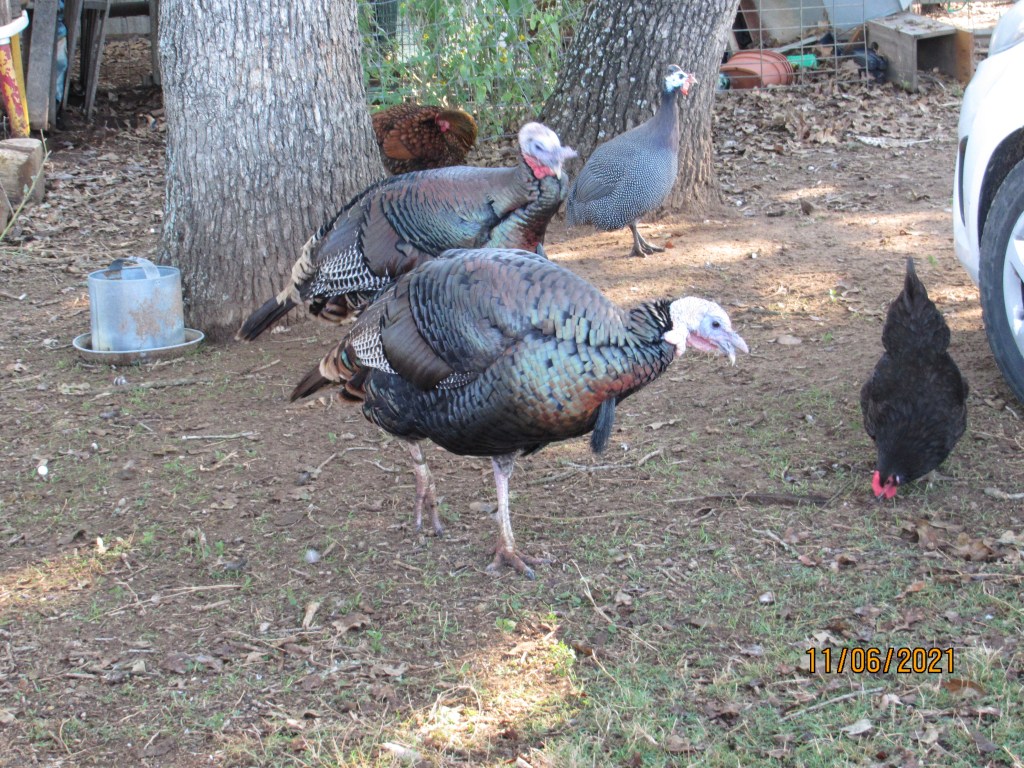
Rio Grande turkeys, guinea fowl, and a hen or two.

Enjoy the flowers while helping the pollinators spring through fall next year.

Report from the 2021 Annual Meeting

by Carolyn Henderson

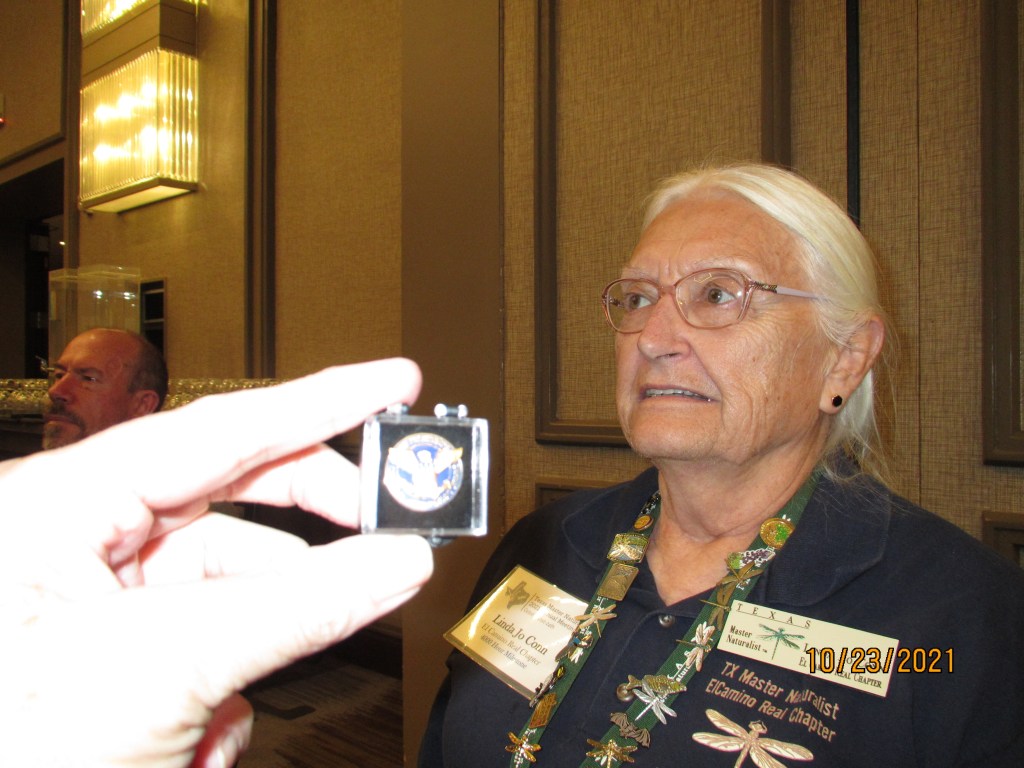
Linda Jo Conn received special recognition Saturday night at the annual meeting of Texas Master Naturalists in Dallas/Ft Worth. She has reached a milestone of 4,000 service hours. She was in very tight company. Only one other statewide member qualified. 

Congratulations to Linda Jo

The award included a dragonfly pin of brushed gold with a ruby in the center and a special pin and certificate from the office of the President of the United States. 

The Presidential pin

In other categories, Eric Neubauer received recognition for reaching 250 service hours. All who received initial certification from the class of 2020 were also recognized (there were many statewide).

Eric stands as his name is called.

Larry Kocian was recognized for “109!” hours of service in the Texas Water Specialist program with TPWD. Kocian and Sandra Dworaczyk were both given recertification this year. 

Good job!

I attended a 3-hour session on this program, and it looks particularly interesting. If we can get a group of three interested, they can take the class and gain certification. I have a connection to it if anyone is interested. If you’d like to find out more information, contact Melissa Felty, conservation education manager for TPWD, at Conservation Edu@tpwd.gov or go to the web site. The class counts as advanced training hours (8) and the service, which can be education, water testing, CoCoRaHs precipitation measuring, and other things, count as service hours for Texas Master Naturalist. 

Yay for our folks!

The meeting had some very educational sessions. I went from water conservation, to wildscaping in the shade, to Chronic Wasting Disease, to iNaturalist advanced training, to Tarantula sex with live tarantulas in one day. That last one was particularly amusing to me, Eric, and the rest of the packed class. A few members gave play-by-play commentary. My favorite occurred on Saturday. It was an excellent program given by a fellow iNaturalist from the Blackland Prairie chapter on identifying trees. I now have a brochure to carry with me. 

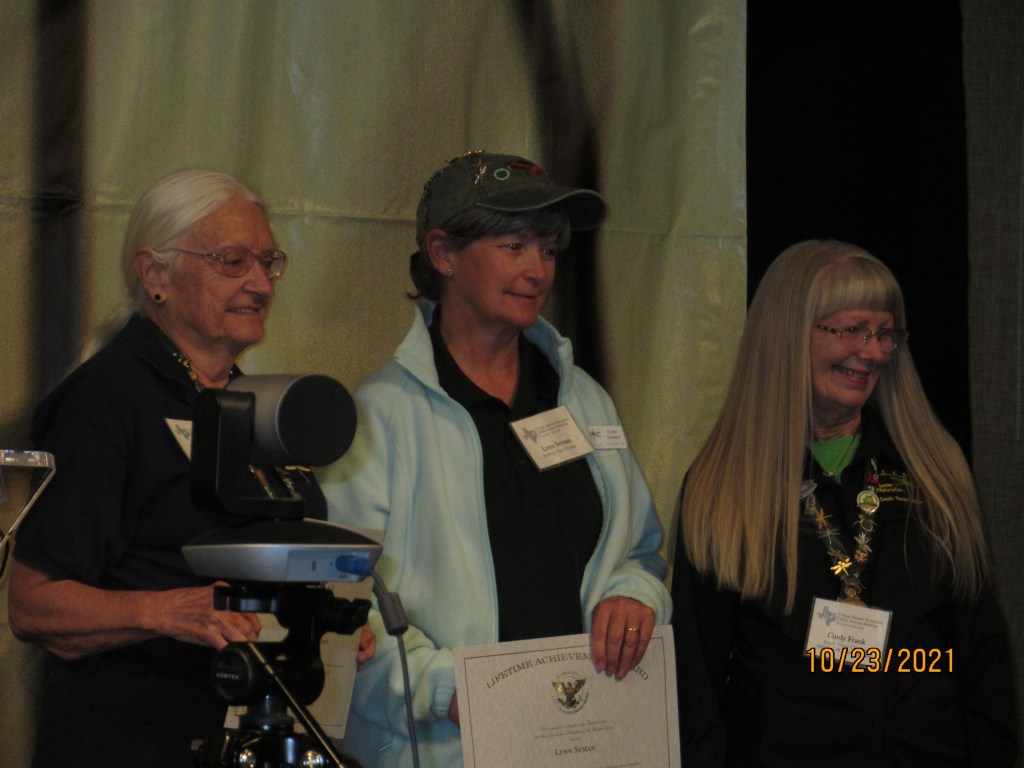
Award recipients

The meeting was educational, entertaining, and a great place to meet other TMNs. I came away with some good ideas for our chapter. 

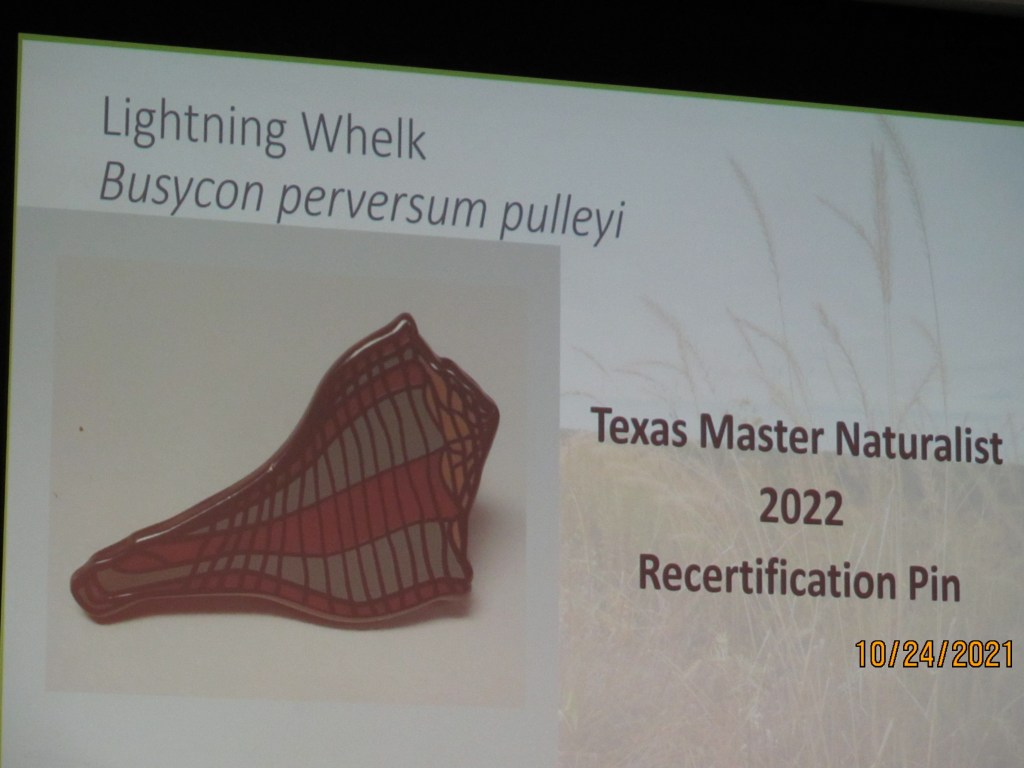
Oh, and by the way, the new TMN pin for recertification in 2022 is the Lightning Whelk.

Shades of Purple

by Carolyn Henderson

Colorful blooms are bursting out all over at the Bird and Bee Farm Wildscape. Whatever your favorite color might be, it’s in there. 

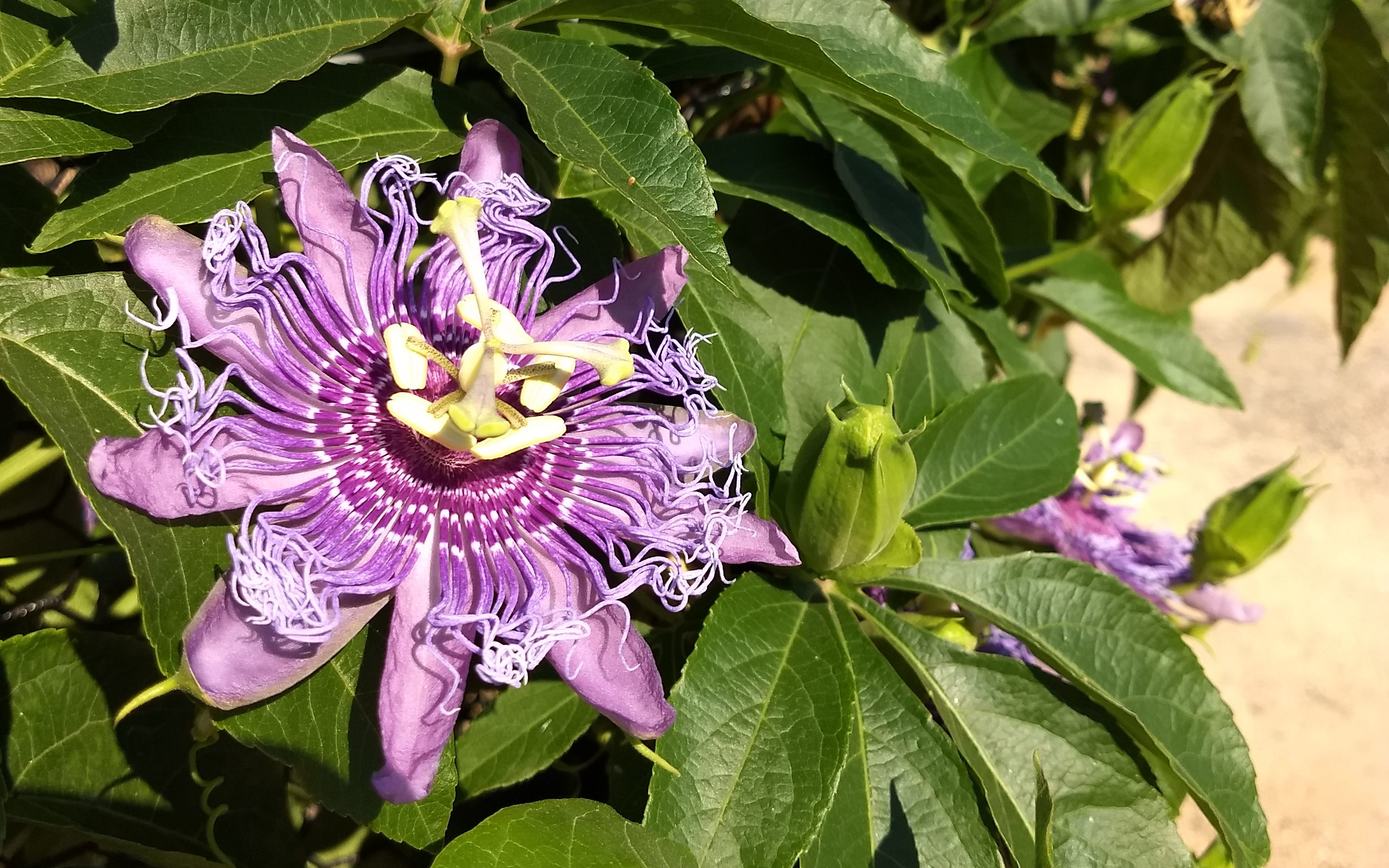
Passionflower

Shades of purple are particularly abundant. They range from the bright Mock Vervain purple to the pale bluish-lavender of  Palmleaf Mists. There is a specimen of just about everything in between. I’ve included seven different flowers that are classified as “purple”. And all of them are native to Texas. They can grow in sand and blackland and most of them don’t need much rain. 

Garden cosmos

If purple is not your shade, reds, oranges, yellows, and whites are also broadly represented.  I encourage you to come and see all the colors. There are plenty of butterflies and bees to watch, too. They are particularly fond of most of these flowers. 

You can plot next year’s garden from here. And often times there are free samples to take home. Our chapter will be hosting Girl Scouts on July 17 in the morning, at the Wildscape. It’s a good time to go check out the place for yourself.