More and more of the native wildflowers are blooming, but the other sign of spring here in northern Milam County are birds working hard to make new birds. This morning, I looked out at the pond behind our house and saw a Great Blue Heron in breeding plumage.
Look closely
I realized he had a big stick in his mouth. He’s making a nest! I think the nest is over by the creek. I do look forward to seeing the family.
Off to the nest.
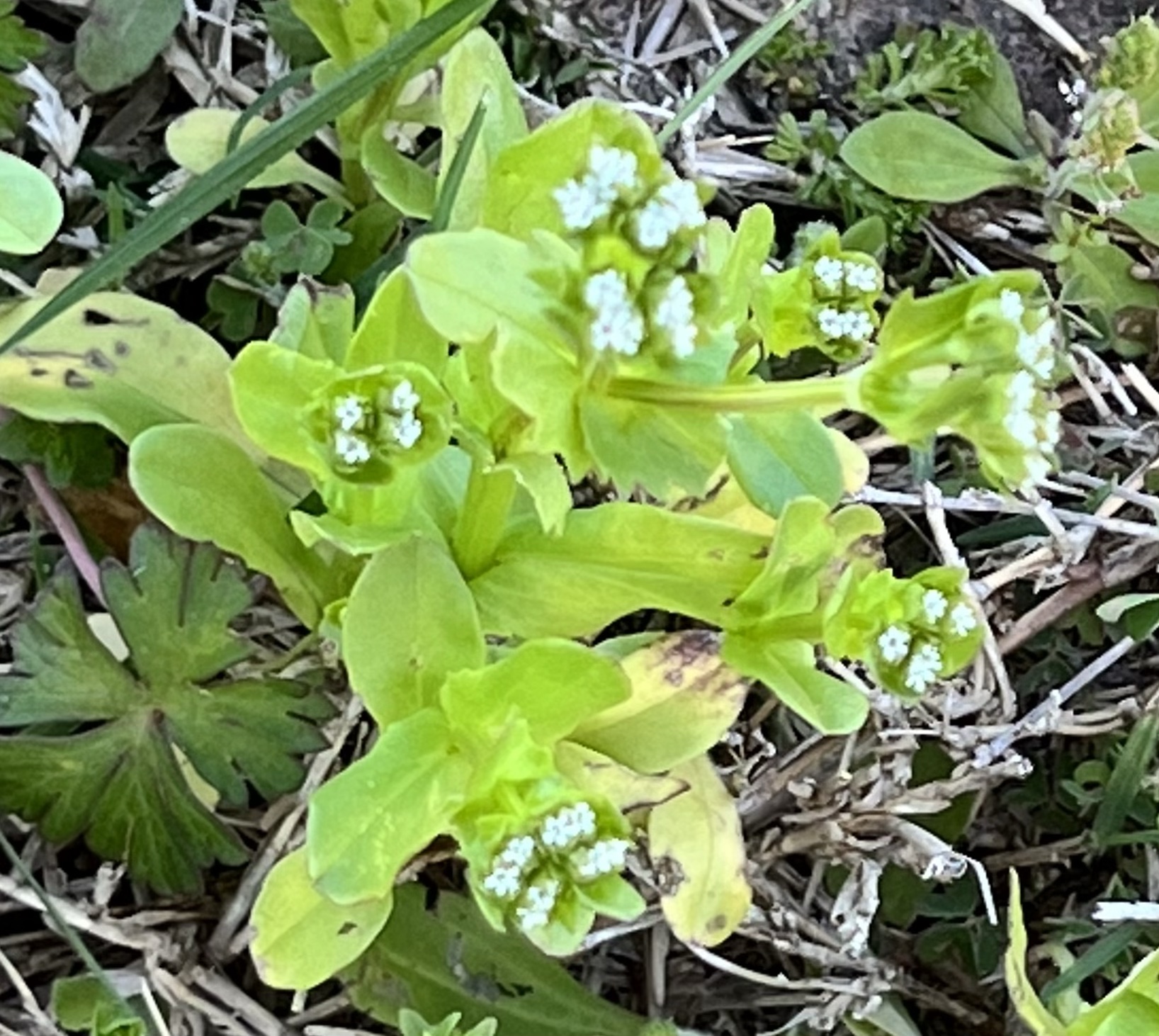
I spot lots more little flowers on my walks. I often have to memorize where I see them when I’m horseback so I can come back and get pictures. Here are some recent arrivals.
Dewberry. Yay!One of the cornsalads Toadflax. Roadside gauraBlack willow putting out leavesCatchweed bedstrawCretanweed. Honest. It is cut off.
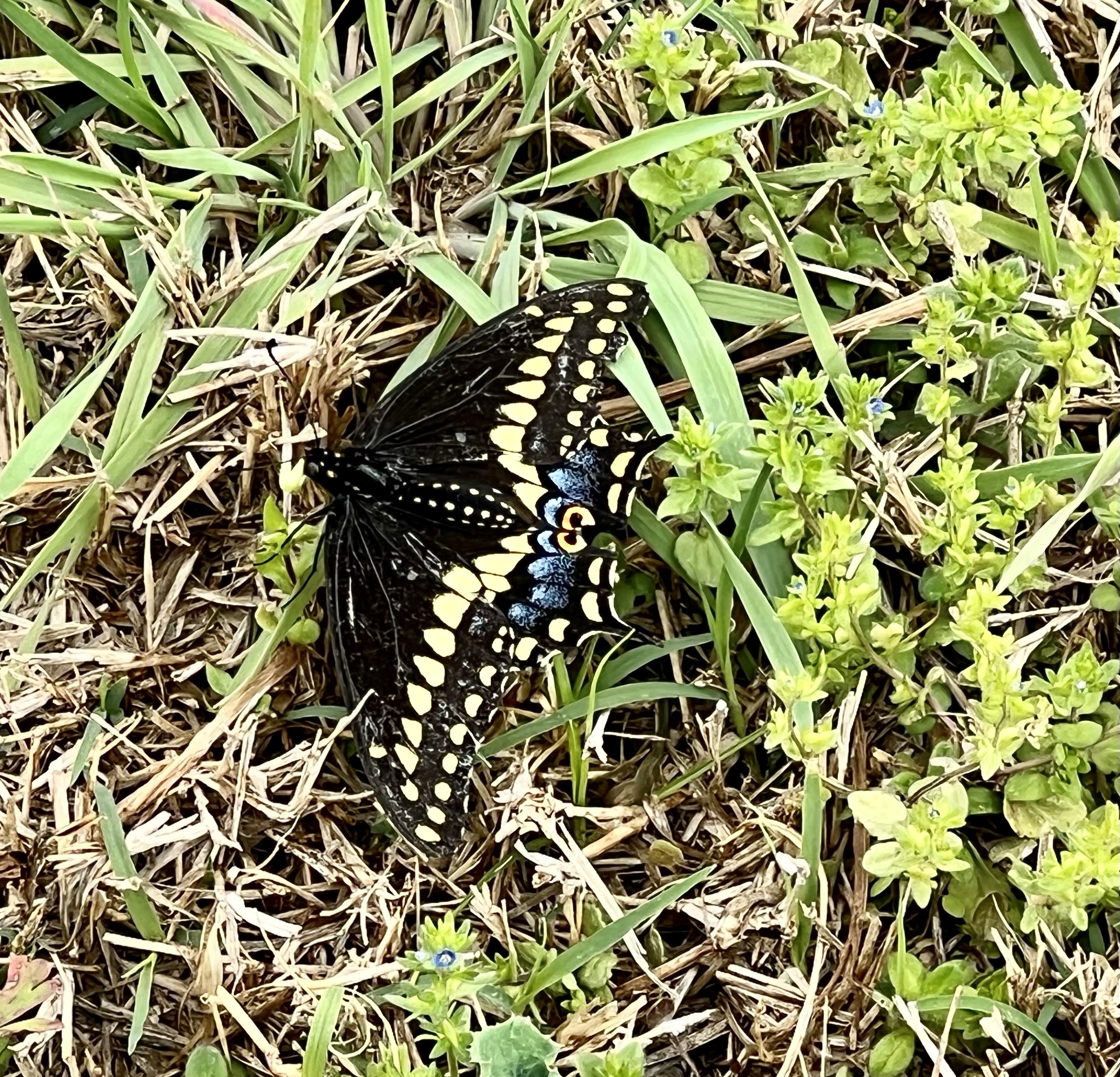
Butterflies are everywhere, too. They are enjoying the dandelion blossoms mostly. I still haven’t gotten a red admiral to sit still, but they are also here.
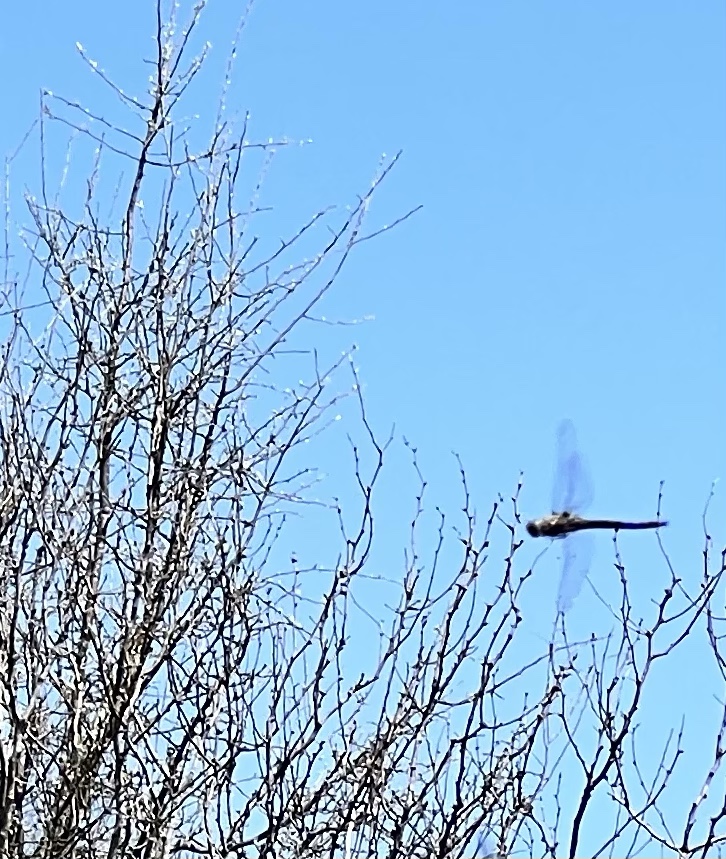
Checkered skipperOne of the lady butterflies Not a butterfly. American lady Carpenterworm moth Black swallowtails First dragonfly of the yearBlack vulture, not an insect
It’s so much fun to watch the seasons unfold. It’s also fun to listen. Cardinals are calling loudly this morning, but they have competition from a woodpecker who’s giving a concert by pecking on different parts of a tree and varying the tone of its pecks. What fun. Barn swallows are swiping and chirping.
And the heron is chiming in, along with the crows. I miss the flock of starlings that descended yesterday and really made things loud!
The source of morning concerts at the Hermits’ Rest Ranch.
But wait! Late addition! Just now I found Snappy, or more likely child of Snappy, one of our big snapping turtles. The original Snappy is much larger.
If you want Latin names for my observations or to see more, visit the Hermits’ Rest Ranch Flora and Fauna project on iNaturalist!
I have a project on iNaturalist where I record the flora and fauna on the ranch where I live. I started it right after I became a Master Naturalist in 2018 and am still contributing to it. My goal is to eventually analyze the data to see if flowers or birds are appearing around the same time or if there’s difference due to weather or climate, or what.
I especially love the tiny flowers, like this birds-eye speedwell.
I accumulated a lot of Master Naturalist hours while working on this project, since I go out on almost every nice day to see what’s new on the property. But, last year the program changed its policy, and now we don’t get credit for hours spent observing nature on our own property. I can see not wanting observations of the same twenty plants in a suburban yard, but we have 500 acres. I stopped for a while, but then I realized the project is still important to me, so I am still taking pictures and uploading, especially in the spring.
Last week I shared some of the earlier flowers in our fields and woods. This week some new ones have showed up, which always thrills me. I’ll share some photos of the new arrivals below.
We are also losing some birds and gaining others. The hawks are still here, red-tails and red-shouldered, along with the tiny merlins and peregrin falcons. And our resident harrier keeps hovering over the fields, hopefully eating a LOT of mice.
The amazing pair of great blue herons seems busy bonding, and the belted kingfisher who showed up over the winter is still flying around and making its unmistakable chirps. In addition to the crows and starlings, we have some visiting blackbirds that make a beautiful sound. I’m not sure what type they are but enjoy listening to them. And cardinals. Wow, do we have a LOT of cardinals, too. I never knew they flocked until I moved here.
Just one male cardinal
Action shot showing the beautiful tail of this barn swallow.
Yesterday, I looked into a willow tree behind my house with my binoculars and saw a loggerhead shrike, a dove, English sparrows, a pair of cardinals, and a festive group of tiny chickadees bopping around. That’s my kind of decorated tree. Oh, and some red-eared slider turtles were holding down the trunks (this was in a tank).
I was happy to see barn swallows already in their nests just a couple of days after they arrived. The tiny insects are here, so they are looking pretty happy.
Speaking of tiny insects, I am always seeing tiny flies and bees on the flowers. They are pretty hard to identify. For example, the fly or bee in this picture is much smaller than you’d think. That is a dwarf dandelion it’s on, not a regular one.
Bee, fly?I put a regular dandelion in the picture to show yu the size of the dwarf ones in comparison.
So, yes, it’s a fun time over where I live, and I’m glad I’m able to document the variety of life here in the northern part of Milam County. I look forward to seeing what others are observing. I’ve noticed lots of plum and redbud trees elsewhere, but I just have the buds on cedar elms and coral berry.
The first Indian paintbrushwood sorrellEarly bluebonnetMouse-ear chickweedEarly mock vervainRegular ole chickweedsmooth cat’s earFirst leaves on the trees
Besides all this, I’ve seen a lot of butterflies, such as sulphurs and red admirals, but no one will hold still for me. I even saw something big and black from a long way off. I look forward to more!
Thanks for visiting my part of the world. No matter what, the rhythms of nature keep on going, and that’s a comfort.
I just wanted to share the attached picture of what I believe is an American Lady butterfly that I took in the evening of January 13 in Buckholts. It was the only one I saw, and I thought it was unusual to spot one this time of year. It actually landed on my hand and remained there for a good while when I was checking my trail cameras.
Note: Donnie sent us this article after his first meeting. It’s great to have new folks jumping in and contributing! Welcome, Donnie!
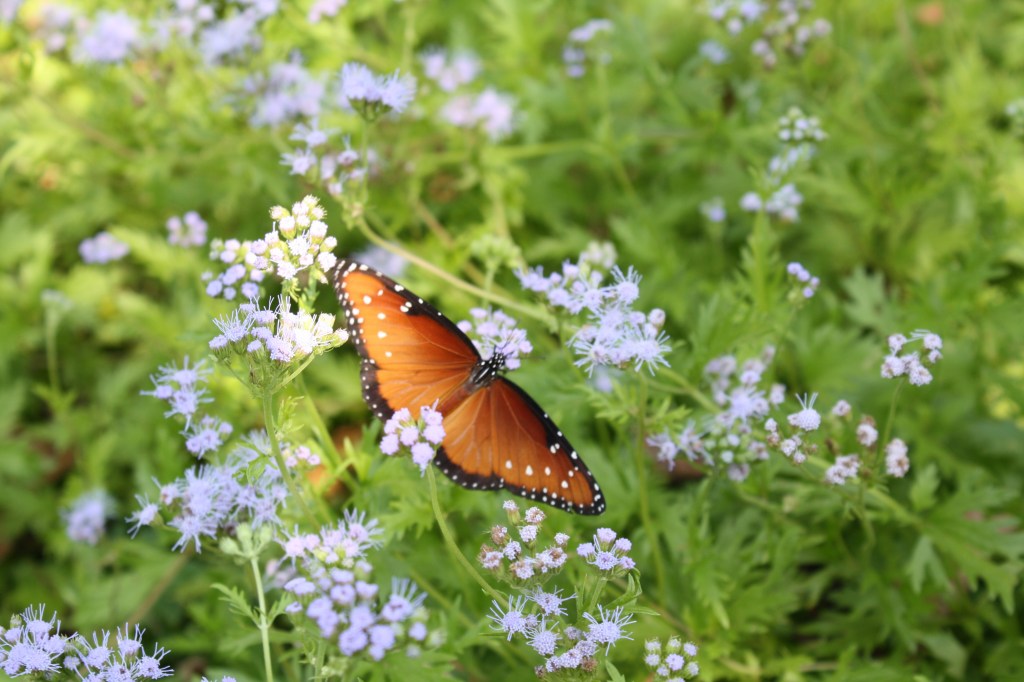
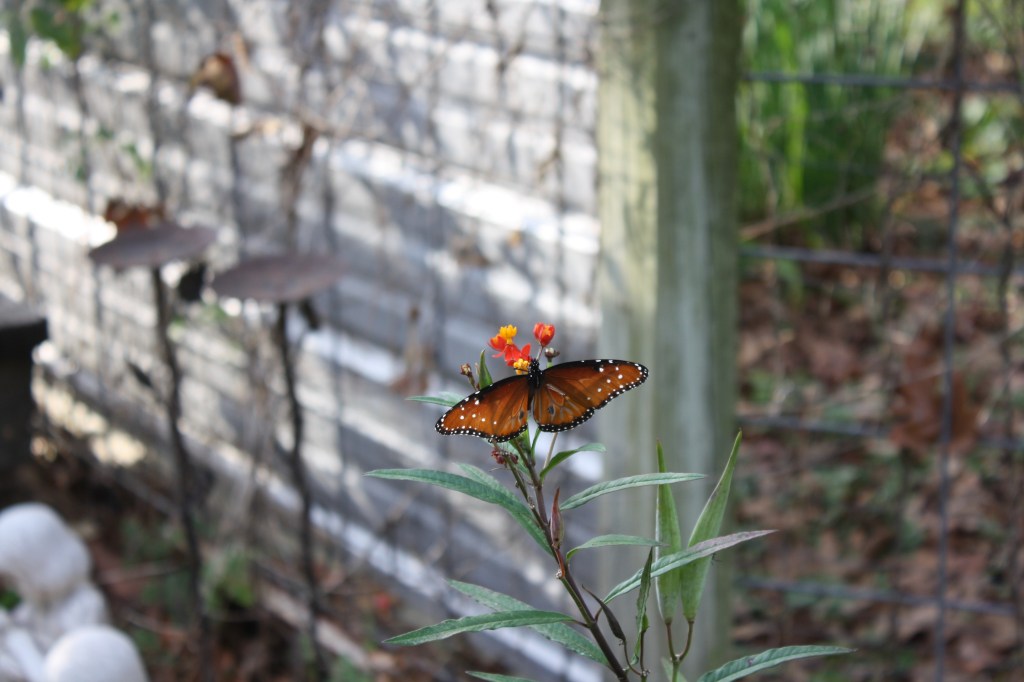
This week I had so many butterflies everywhere here on our property in Central Texas. Sulphurs, Gulf Fritillary, a Swallowtail, Queens, and numerous tiny little butterflies too quick for me to get a good look at.
Queen in happier times when the flowers are blooming
Of course, we also have had one freeze that took out most of any flowering plants I still had. It has been warm, so the plants have not died down completely. The Coral Honeysuckle is blooming proficiently, and all the butterflies are swarming around it. This is also the Hummingbirds favorite plant in my yard.
The Queen Butterfly was really unexpected. Poor things were flying everywhere in my garden trying to find those special plants that I have for them, mainly the Purple Mist Flower. They really love that plant in particular. The Mist Flower usually shows up late in the summer when it is dry and very hot. Right now, it is dead as a doornail. Really sad.
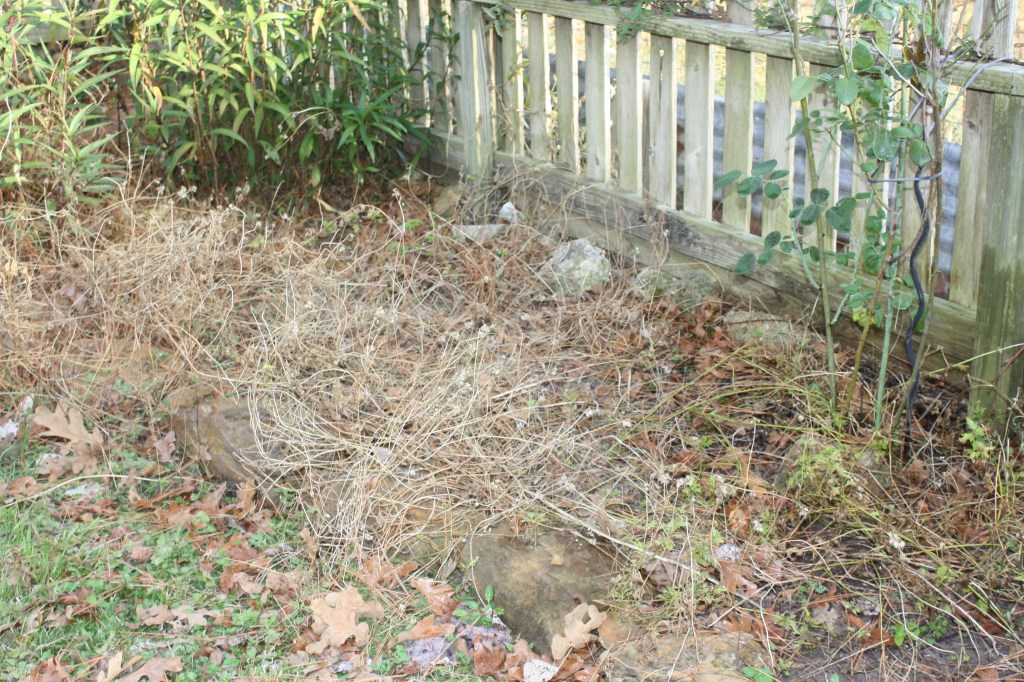
Not looking very helpful to butterflies.
I see all these butterflies with nothing to nourish them, and I know the first big freeze is on our doorstep. I wish I could help them. Many of these little guys should be asleep in a chrysalis for the winter months. But the weather has tricked them into waking up and thinking it’s springtime.
But this is how we learn about nature. We observe her and learn lessons. Mother Nature is a great teacher.
On the morning of September 4, 2021, I got to witness a miracle.
On our front porch, a new Gulf Coast Fritillary butterfly hatched. After a few hours it had pumped its wings up and was waiting to dry enough so it could take its place among the other pollinators that are here in Milam County. What a neat way to start the day.
New life!
We will need many more of these and other pollinators to help feed the world, and provide beauty for all of us.
Passion flower
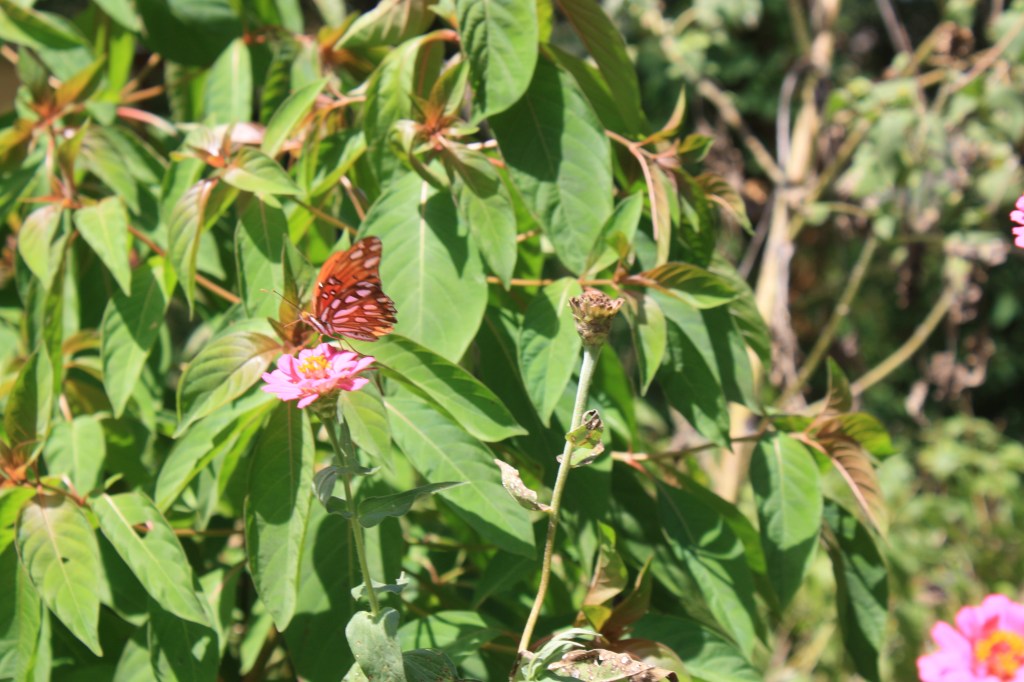
The Gulf Fritillary uses the passion vine for its host plant. The female will lay her tiny eggs in the tendrils of the vine. When they hatch, they will eat the leaves and buds until they are ready to go to sleep in a chrysalis and awaken to become the beautiful butterfly we know.
Orange and silver, they are easily recognized. The new butterfly will spend its winters in the most Southern states and in Mexico. It can not survive freezing weather.
While the passion vine is its host plant many of our common summer plants are its nectar choices: butterfly bush, coneflowers, lantana, zinnias, and salvia to name a few.








 Nature Along the El Camino Real