The recent rains have delayed work at the Wildscape including planting free milkweed from Monarch Watch.
Mason bee in nest!
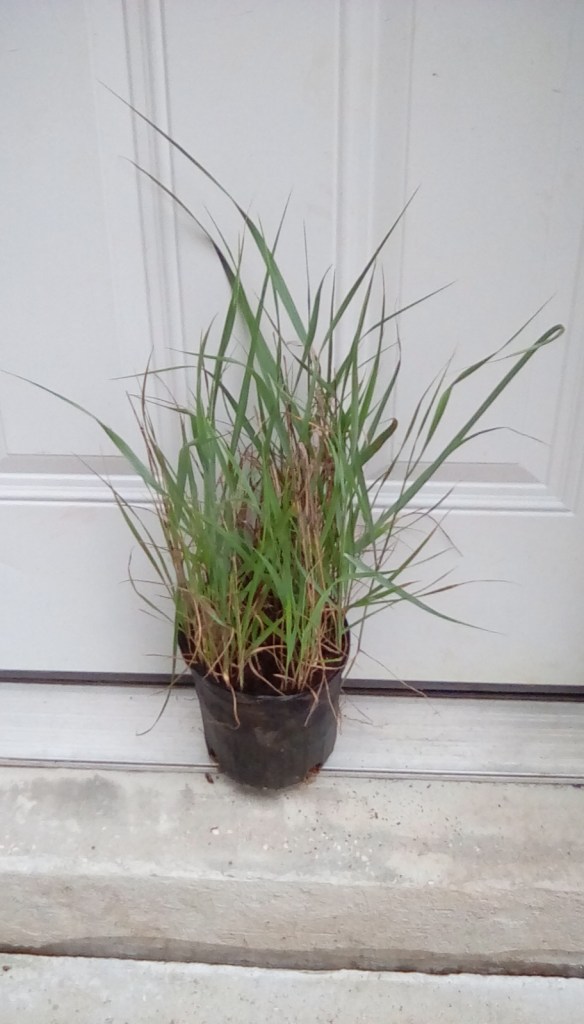
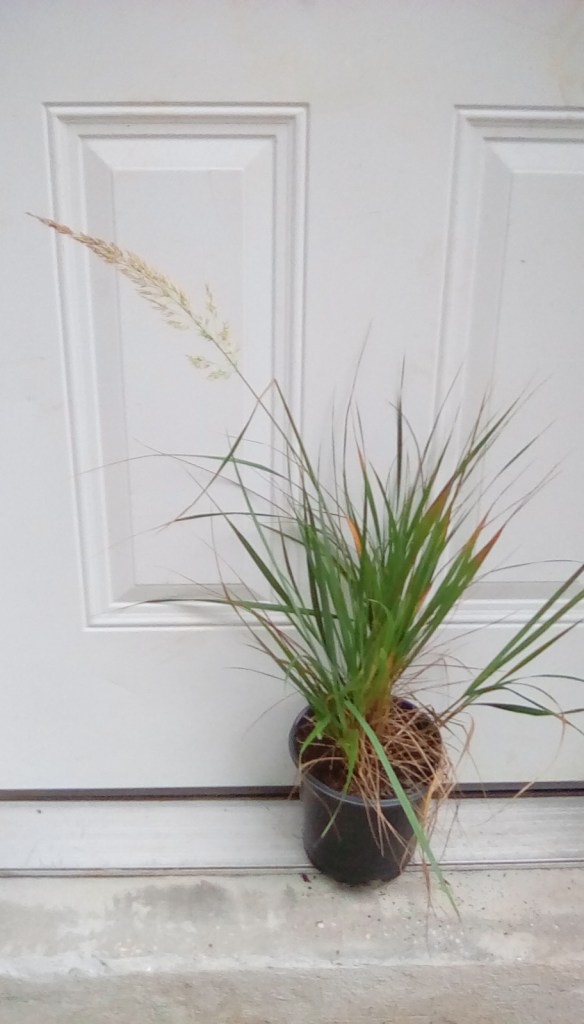
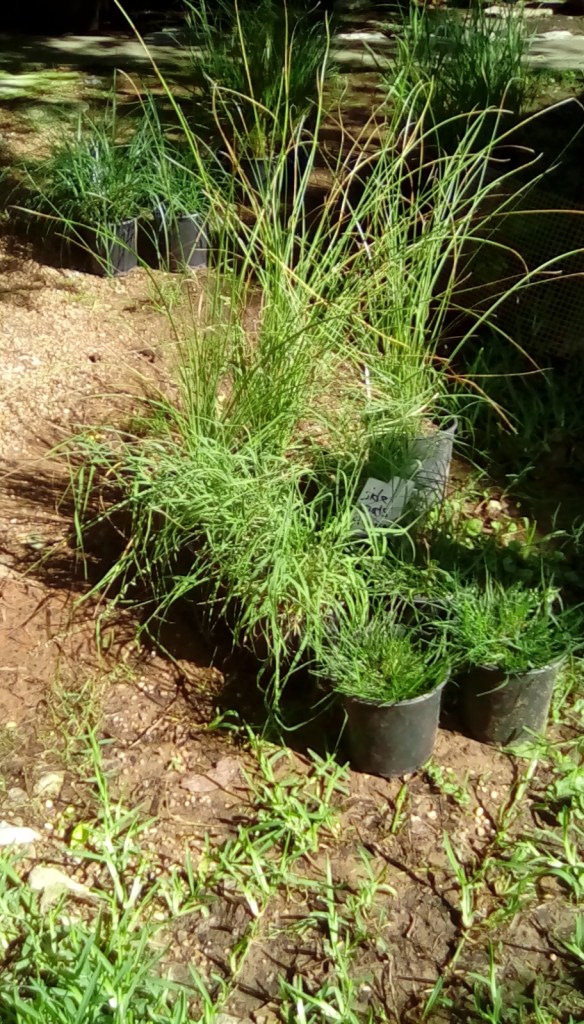
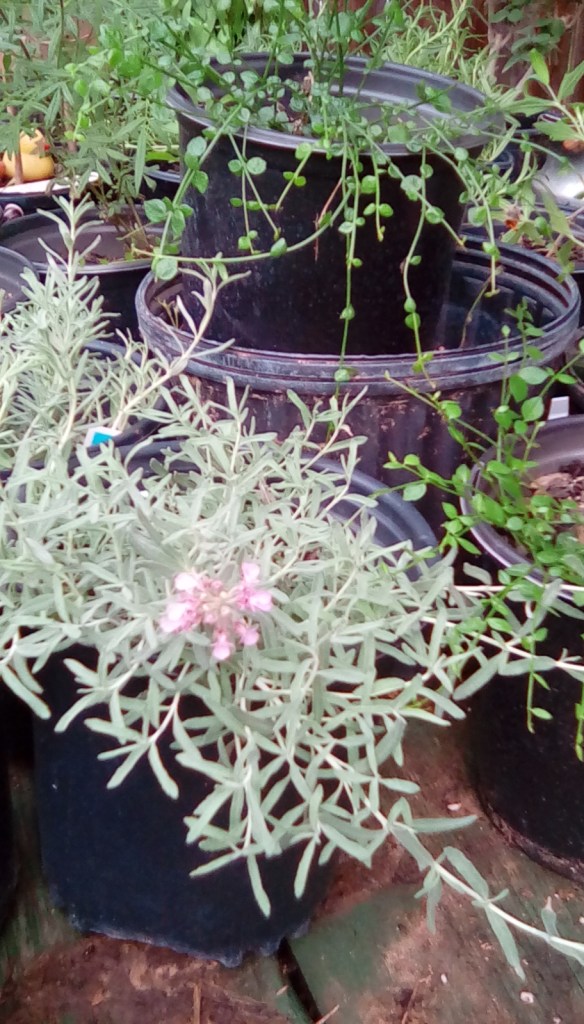
Natives waiting to go in include new Side Oats Grama, Shenendoah and Heavy Metal Switchgrass, Maiden, Karl Forester, and Little Bunny grasses, Dwarf Adagio Miscanthus and Nolina for the Southwest garden.
Heavy Metal
Shenendoah
Maiden
Navajo Princess, Jumping Jacks, Falling Water Mangaves
Some of the new plants
New natives being tended include Common Bluestar and Wild Quinine (not pictured).
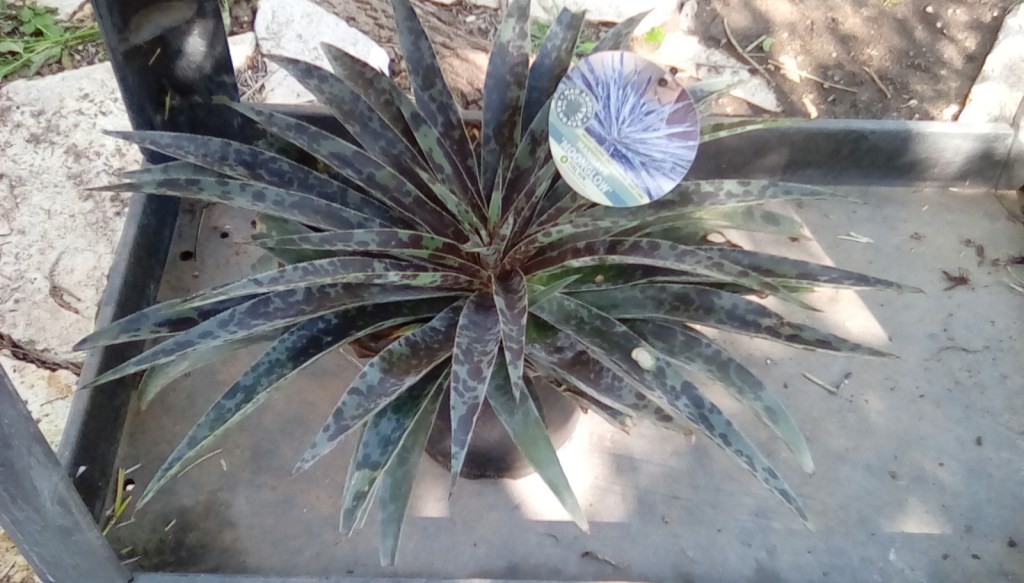
Moonglow Mangave
Karl Forester
Adagio
Nolina, Side Oats, and Little Bunny
More new additions
Between stones of the new patio will be Creeping Germander and Texas Sedge. Soon, there will be more native plants for sharing.
The purple martins at my property had just started laying eggs the last time I checked them. So I knew they should have babies anytime now.
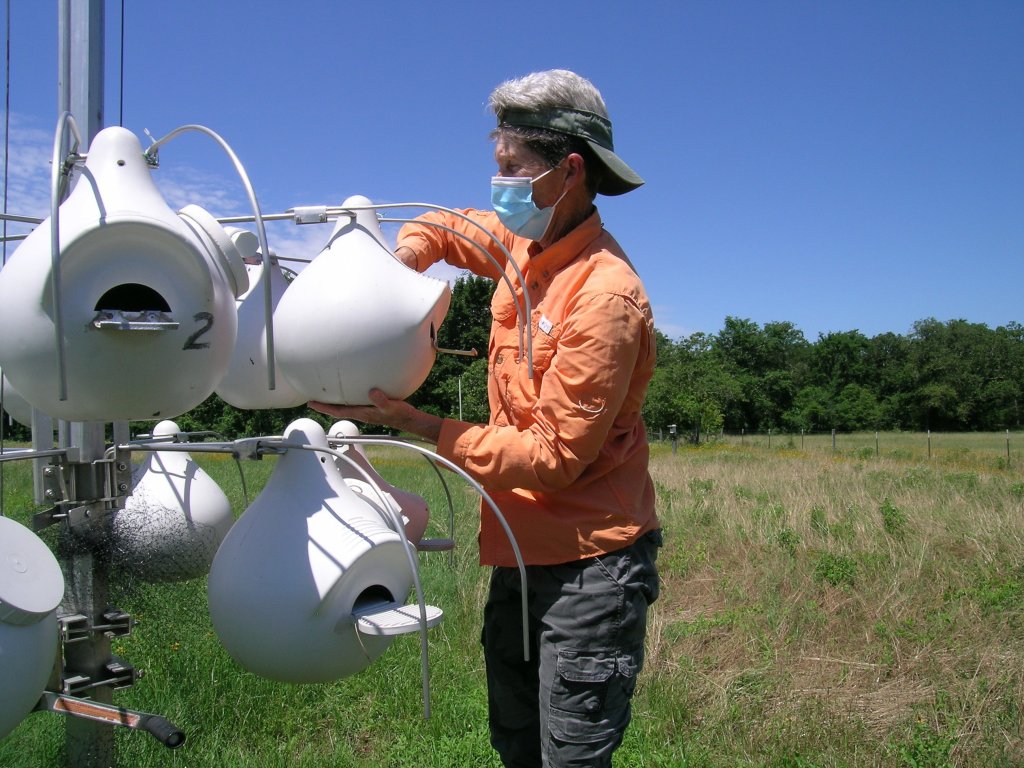
After the f days of rain, I knew I needed to check to see if water had gotten into any of the gourds. A wet nest can be deadly for birds.
Checking the gourds
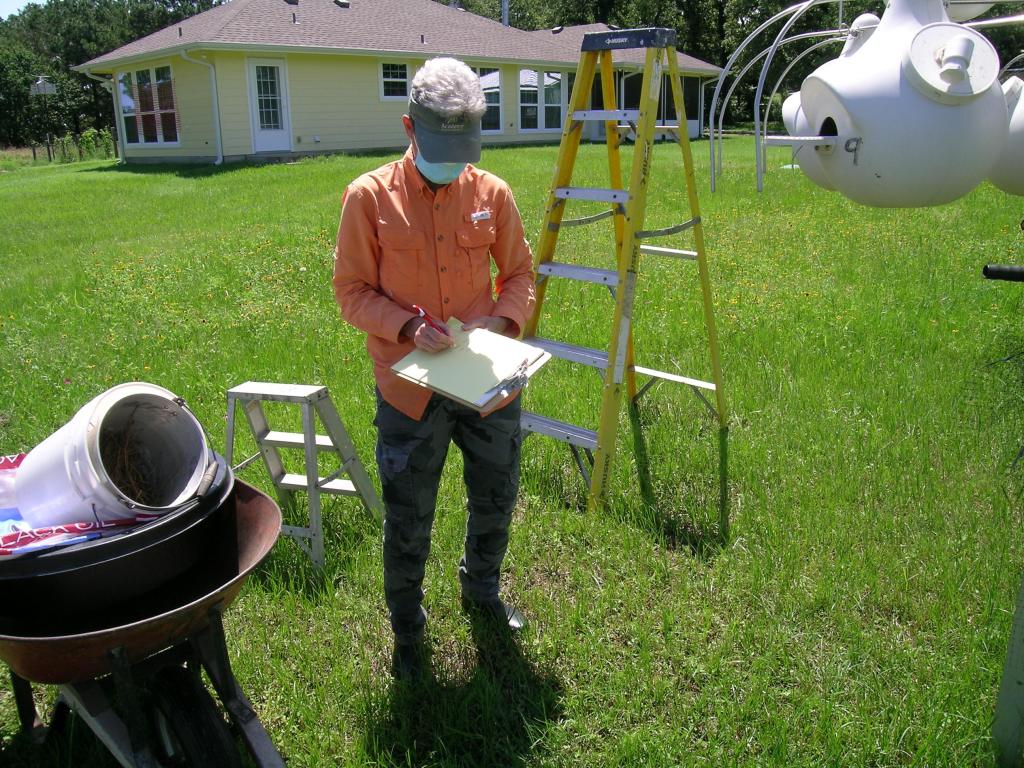
The first thing I do is gather everything I might need to clean and replace wet nesting material. You should always clean the site and not throw anything on the ground. All that does is alert snakes that there is food up the pole.
So, nesting material, recording paper, a sack to put debris in, and clean towels to wipe out the gourd should be taken with you as you go to the housing. You don’t want to have to run back to get something. It’s best to not lower their housing for longer than 30 minutes at best, especially when they are feeding young.
All my material is gathered
As I thought, there were eggs in three gourds and young in the other nine gourds.
New life
YEAH!!!!! How exciting! I love babies. Sadly one of the gourds with eggs had gotten a lot of water in it. The nest was wet and not fit for the martins. The eggs were cold. I had to remove everything, clean it and put in fresh pine needles. It is possible that the martin might lay a second set, but not probable.
I measured one of the oldest healthy babies to be five days old. Now I will know when I should check on them again.
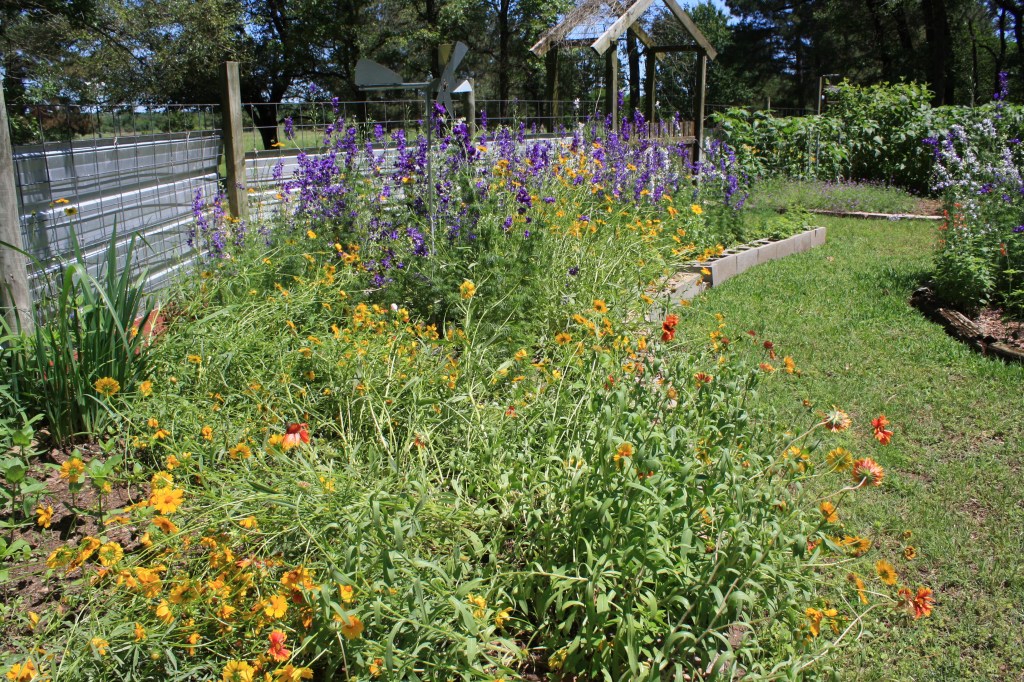
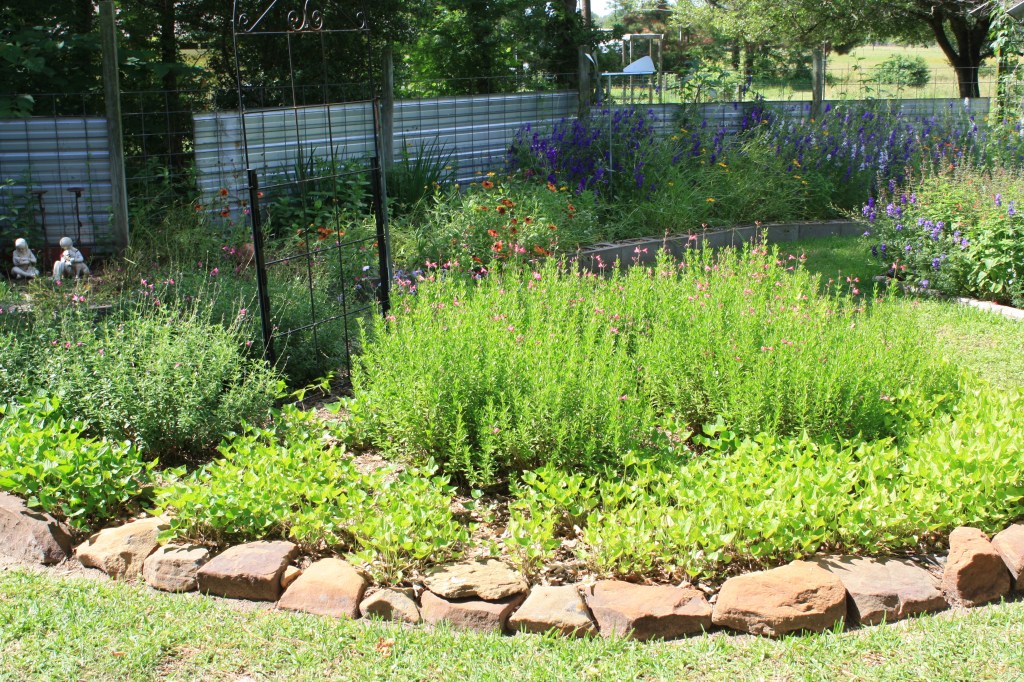
Here is the May 20th update on my pollinator garden. Every year the garden is different depending on what comes back.
Wildflowers can’t be put down!
This year was really scary because of the freeze . I was not sure what might be completely dead.
We can thank the rain for some of this lushness.
But, and I love this part…90% of my garden was planted with native plants! They are sturdy!! I did have a few larger bushes that have not shown up and probably won’t.
All this beauty makes you forget last winter, almost.
But the garden is still a beauty. Everything is about five weeks behind its normal time to bloom. The vines are just now popping up, and some plants that like more sun and hot weather have not started to bloom just yet.
These natives are happy.
This is why planting things that are native to your area keeps the budget low. They come back!
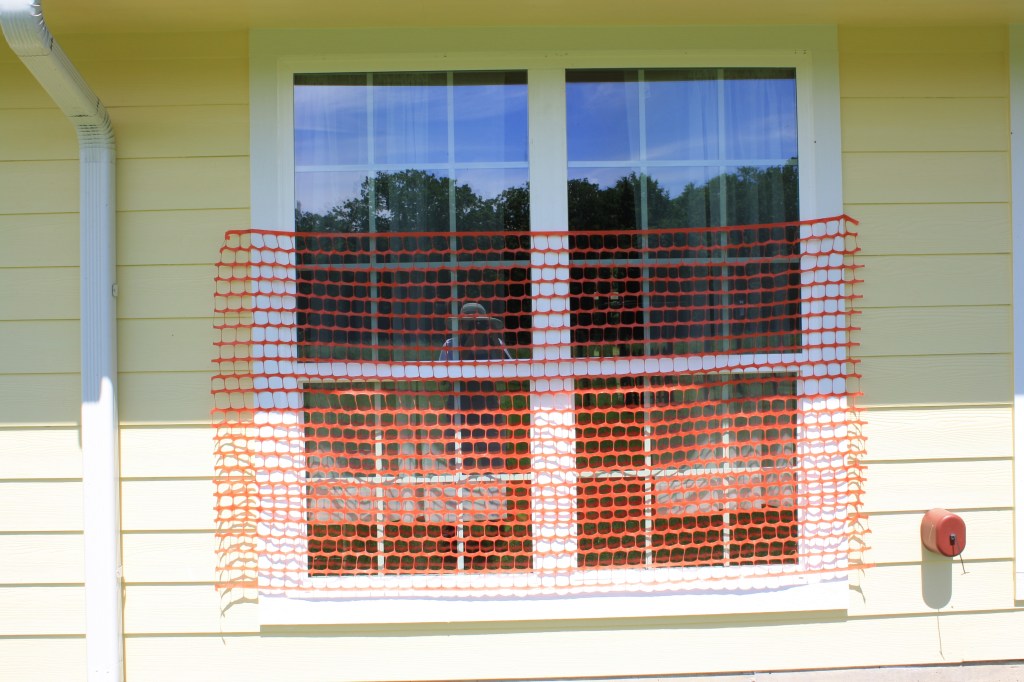
The second week of May brought an issue up at my house that I have not had before. Blue birds hitting my windows trying to catch insects. I was worried they would hurt their beaks and my window panes.
I tried putting objects in front of the window, placing furniture inside of the house that showed thru, decals made just for this purpose and just waiting outside to scare the birds away. All with no luck. The pounding went on all day.
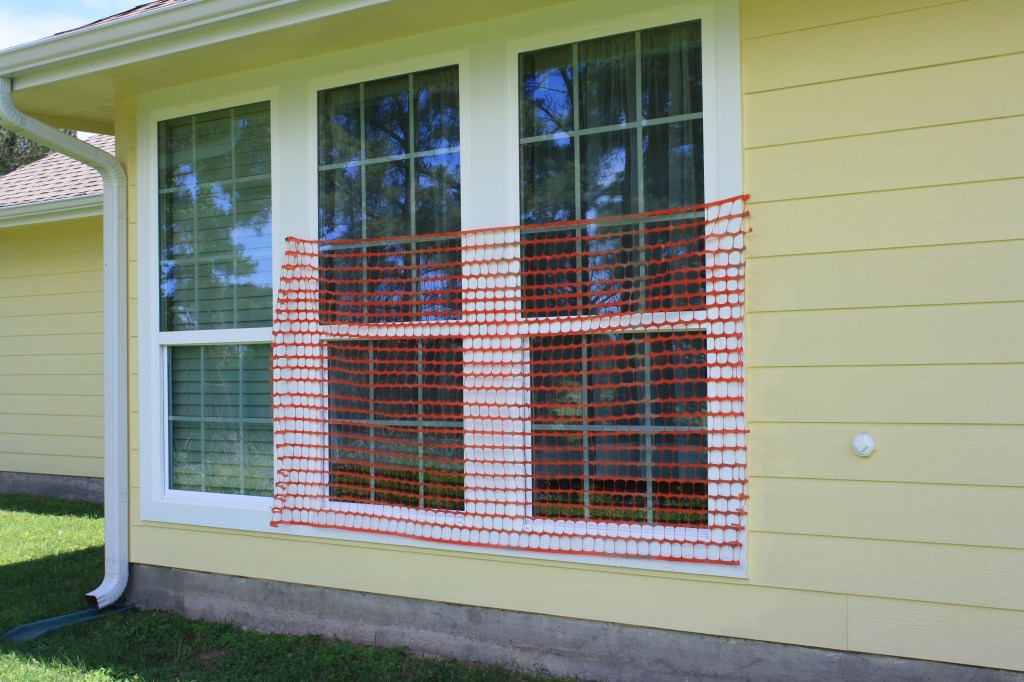
Then Linda remembered that we had saved some plastic construction fencing from when our house was built. Strong and lightweight. So we put some up around the house and it worked.
Bird Proofed!
I don’t know what was different this year that caused the birds to do this, I just hope it doesn’t happen again.
When we learned about scientific names in the training classes, we were introduced to how the name of the person that initially described them is often appended to the name. At the time, it seemed rather redundant.
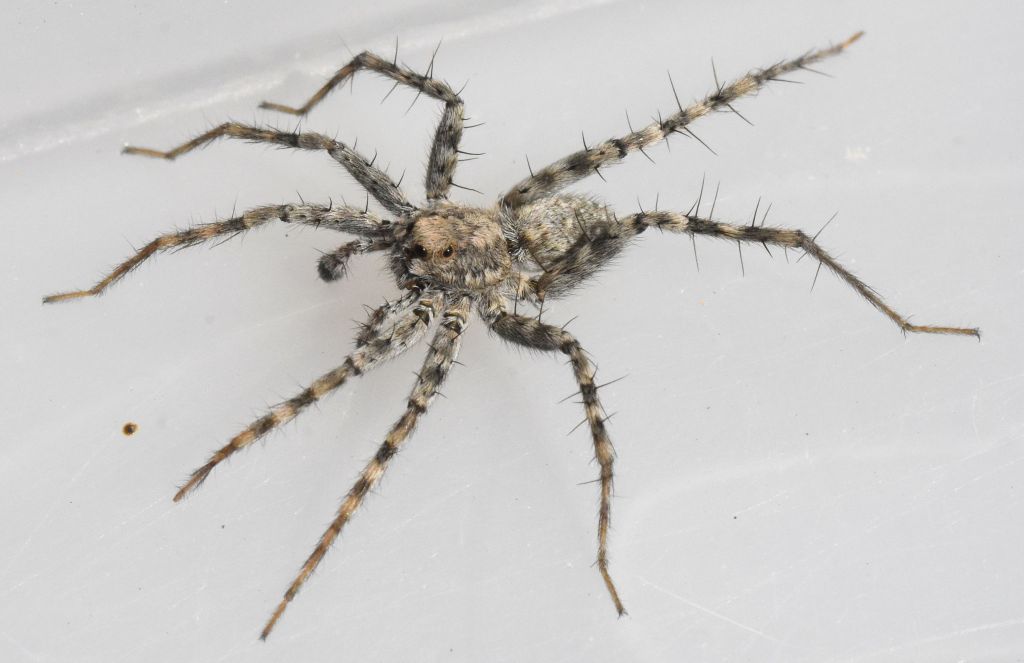
As I found out recently, it can be very useful. I’ve been trying to untangle the lapidicina group of Pardosa wolf Spiders in Texas. These are the largest of the Pardosa spiders around here, and they like rocks, especially limestone outcrops. Their common name is stone spiders because of it.
I’m not aware of any in Milam County, but there are some at Granger Lake just next door. There are also some along Brushy Creek in Williamson County and several places along the lake near Belton in Bell County. In total, there are four species in Texas, which are apparently found in limited areas that don’t necessarily overlap.
Here’s one found near Granger Lake. It’s looking right at us!
Here’s what happened. P. sierra was described by Banks in 1898 from specimens collected in Baja California. P. atromedia (California) and sura were described subsequently. In 1959, Barnes decided they were all the same species, P. sierra, which had an immense range in southwestern U.S. and in Mexico. This was based on similar morphology of genitalia.
Then, in 2010, Correa-Ramirez et al. looked at the genetic code of specimens and concluded that they were indeed separate species, and that atromedia was in California, sierra was in Baja California, and sura was everywhere else. Additional studies may eventually add to these ranges, but for us it’s very likely that Texas has sura and not sierra. The other species in Texas are lapidicina, mercurialis, and vadosa. They are difficult to tell apart and all appear to come in a variety of colors and patterns.











 Nature Along the El Camino Real