Beautiful Arachnid Mystery

by Sue Ann Kendall

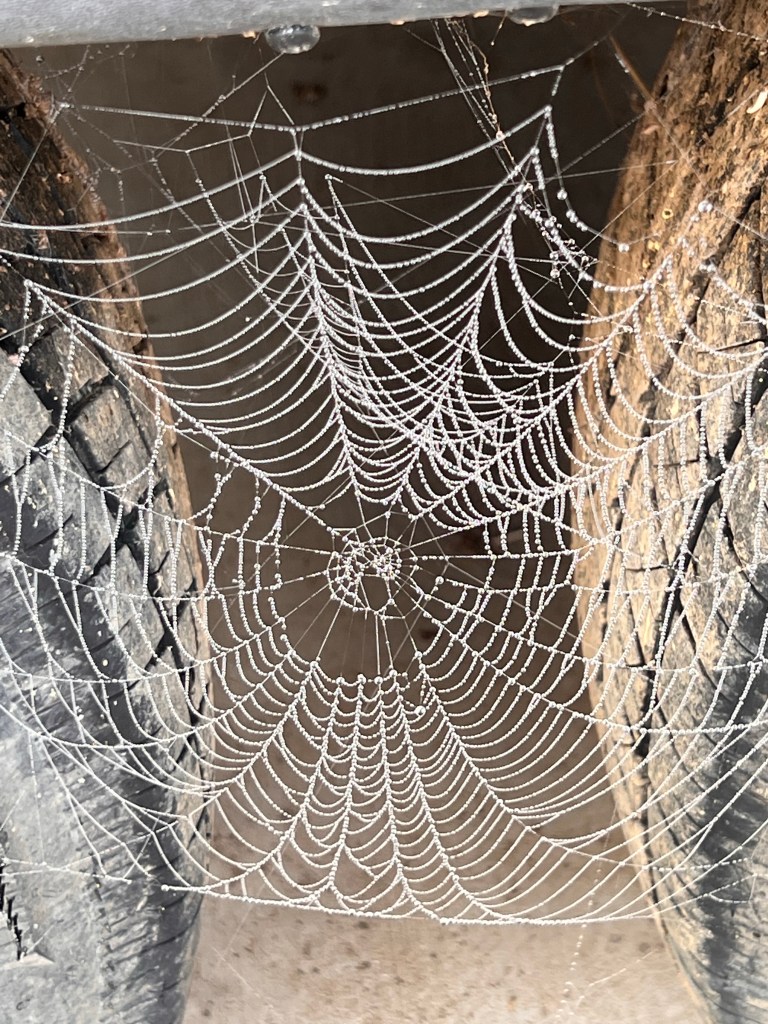
Yesterday morning, it was very foggy at my house. As usual, I stopped to enjoy the droplets of water in the grass and hanging on the chicken wire at the henhouse. On my way back from feeding the chickens, I happened to glance at the steps to the RV that’s parked next to our garage. I was entranced by the jewel-like effect the dew had on the spider webs that are usually just busy trapping flies and other insects.

Arachnid artistry

Yes, spiderwebs have a job to do, but that doesn’t mean one can’t admire their construction and strength. That water had to be heavy, but the webs held up. There was also a light breeze, and I wish I’d thought to take video of the webs as they danced around, still holding on to most of their water droplets.

I didn’t see any evidence of spiders in any of the webs I saw, including ones around the grounds near my house. They were probably avoiding their webs until it dried off a bit.

You can see how dewy it was in the background grass

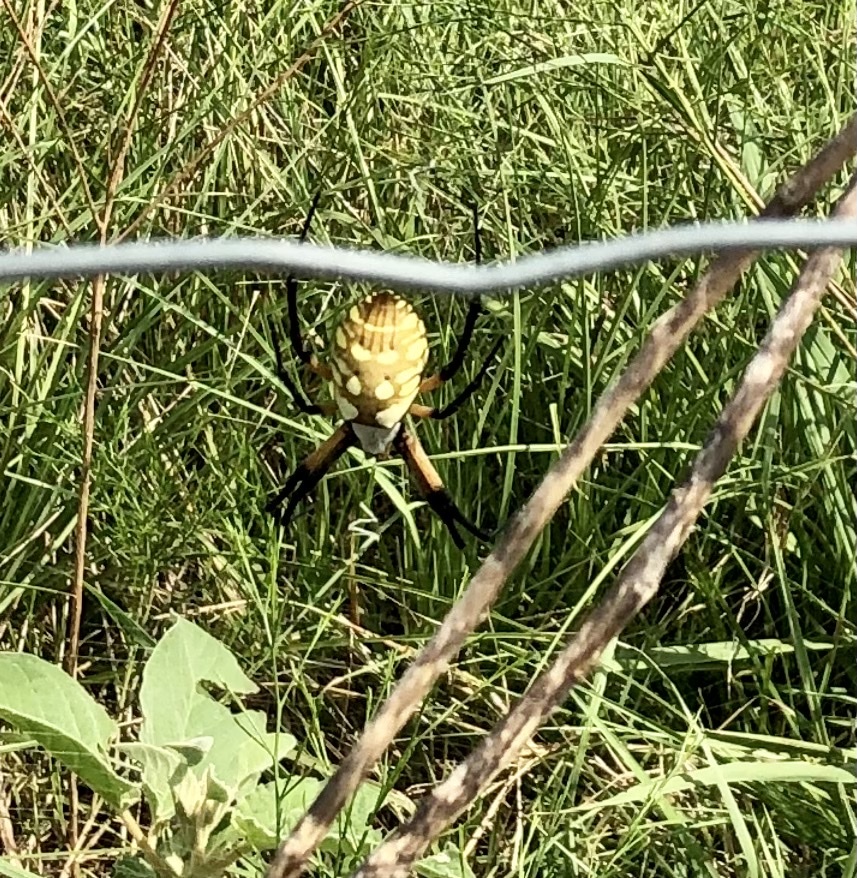
I figured most of the webs I saw were woven by an orbweaver, judging from their shape. I know that the yellow garden spiders (Argiope aurantia) are mostly gone, so I ruled them out. But I’ve seen a couple of different orbweavers around this fall and I’m not sure which ones they are, because I haven’t gotten any confirmation from iNaturalist reviewers (follow the link to view and confirm or deny my guesses!). Most appear to have been Western spotted orbweavers (Neoscona oaxacensis) or tuft-legged orbweavers (Mangora placida).
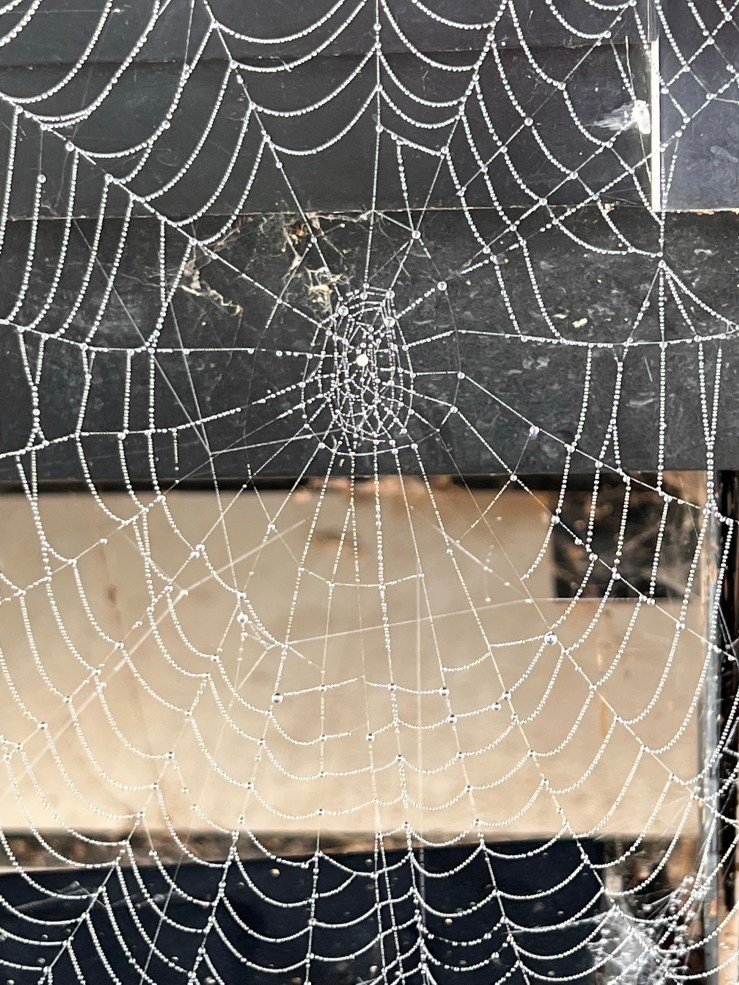
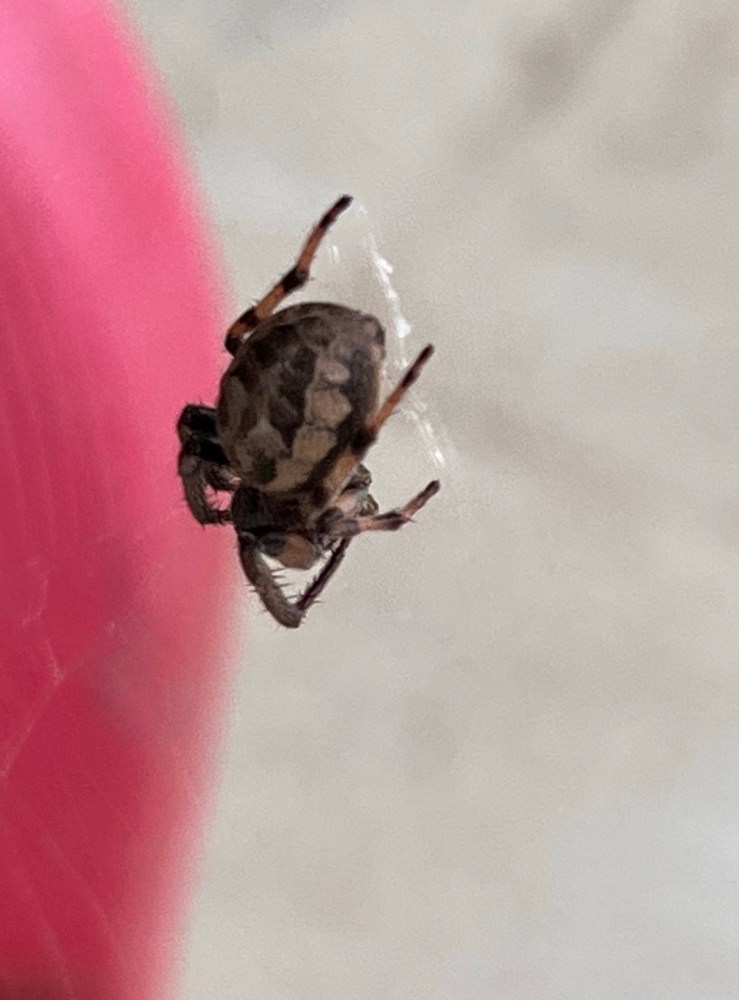
The center of this one is rather wonky but does the job.

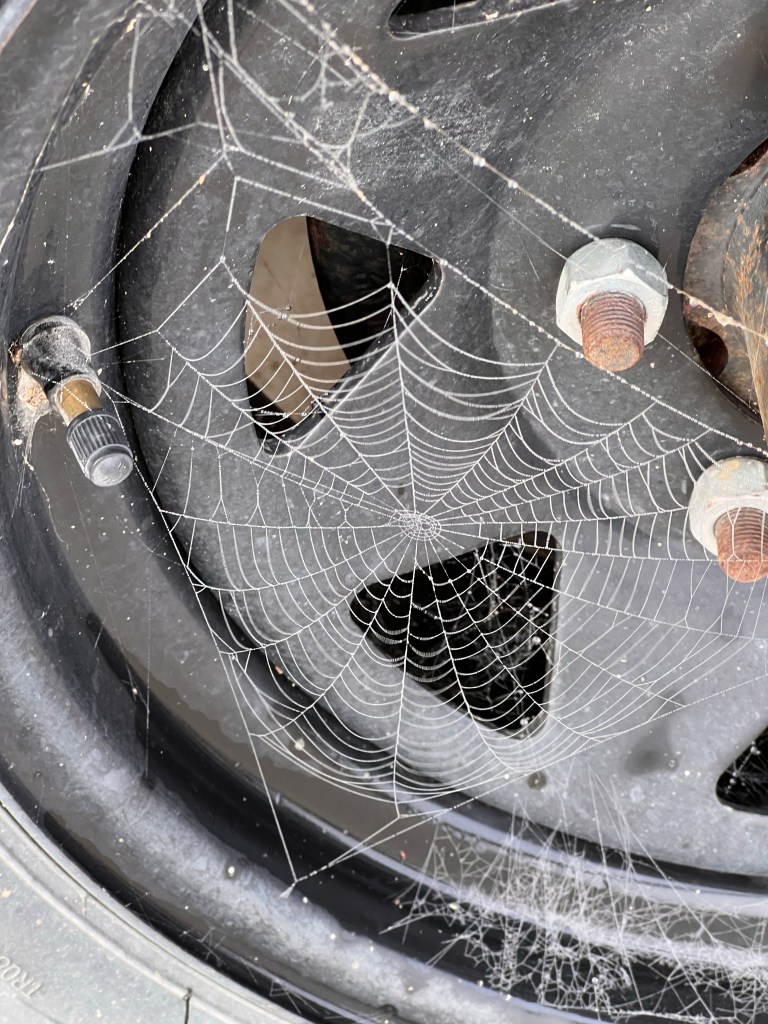
This morning was still damp, but not as foggy, so the webs were back to being almost invisible, but hey, I spotted a brown lump in one of the webs. I found her! The webs by the RV seem to be made by yet another orb weaving friend, the furrow orbweaver (Larinioides cornutus), which I have seen before in Milam County. The pattern is quite different from the others I’d been seeing this summer, so I’m fairly confident, even though no one has confirmed the observation yet (I just put it up a couple of hours ago).

I was happy to be able to know to whom I owed the debt of gratitude for the spectacle of web adornment I got to enjoy yesterday.

I do think maybe one or two of the webs were made by different spiders, especially the one by the front gate, which was made by an old spidey buddy of mine, who, judging by her coloration, is probably the Spotted Orbweaver (Neoscona crucifera). These webs aren’t quite as neat and tidy as the ones by the RV.

Well, regardless of whether my identifications are right or not, I’ve had fun with the orbweavers in my vicinity, and hope you enjoyed learning a little more about them. Below are some more of my photos of these cool arachnids and their webs.

Johnson Grass Postscript

by Eric Neubauer

Johnsongrass round postscript: This morning there was a flock of LBBs (little brown birds) on top of it. I couldn’t entice a single bird to come to my feeder in a year. Go figure.

Little brown birds par excellence, the English sparrow Passer domesticus. Photo by Sue Ann Kendall


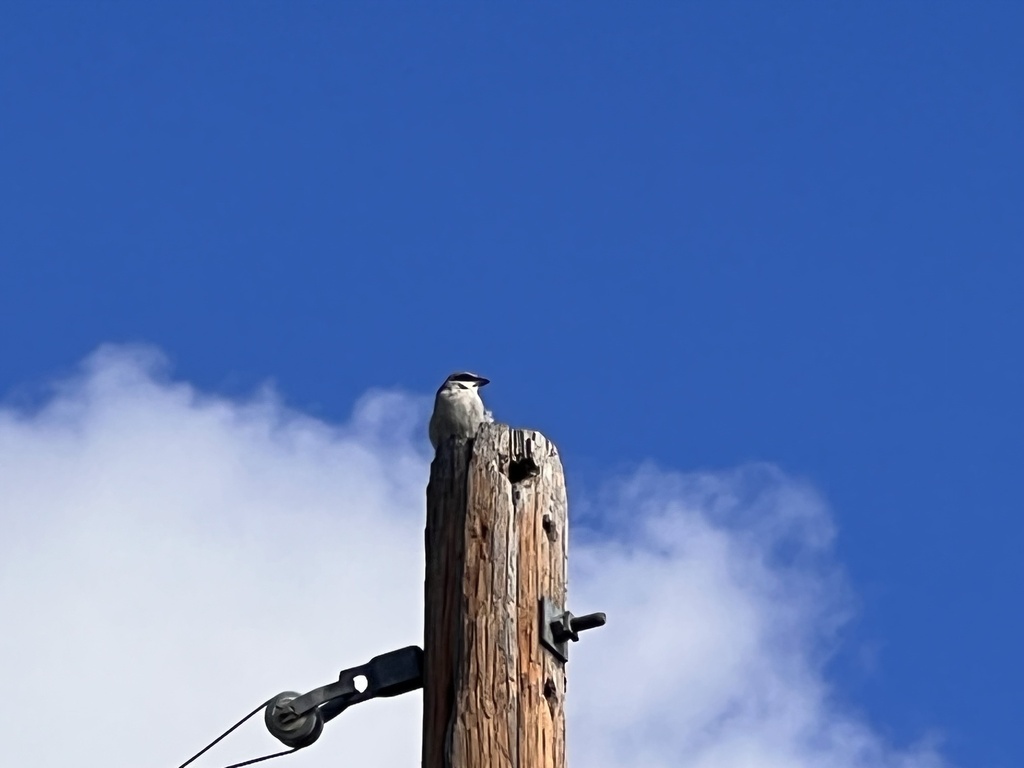
Late yesterday there was a shrike and a kestrel sitting on the wire above the round.

Loggerhead shrike Lanius ludovicianus. Photo by Sue Ann Kendall.

Also, the pulled-up Johnsongrass is a commodity. The trashman stopped by and asked if I wanted to throw the grass I had just pulled in the truck, but I said, “No, it goes down there,” pointing at the round.

Heads Up!

by Donna Lewis

Last evening, I was outside just looking at the multitude of migrating shippers.

Those are the tiny butterflies that have many species here in Texas.

I heard the sound of something that is familiar from as long as I can remember… Sandhill Cranes!! I looked up and there was a “V” flock of 95 birds going South.

How exciting. If you have ever heard them, you will never forget the sound they make.

It is something that makes your heart warm. I always hope that every year as long as I live I will hear that call.

So, pay attention because there will be more to come.

This is why we are naturalists, to help these birds and all wildlife continue on.

(Photos and video from Sue Ann Kendall, taken in October 2022)

Take a Walk on the Wild Side

by Catherine Johnson

When? Every Saturday in November from 9-noon.   

Where? Milam Wildscape Project – Bird and Bee Farm – 1369 County Road 334, Milano, Texas. 

What? Nature Days

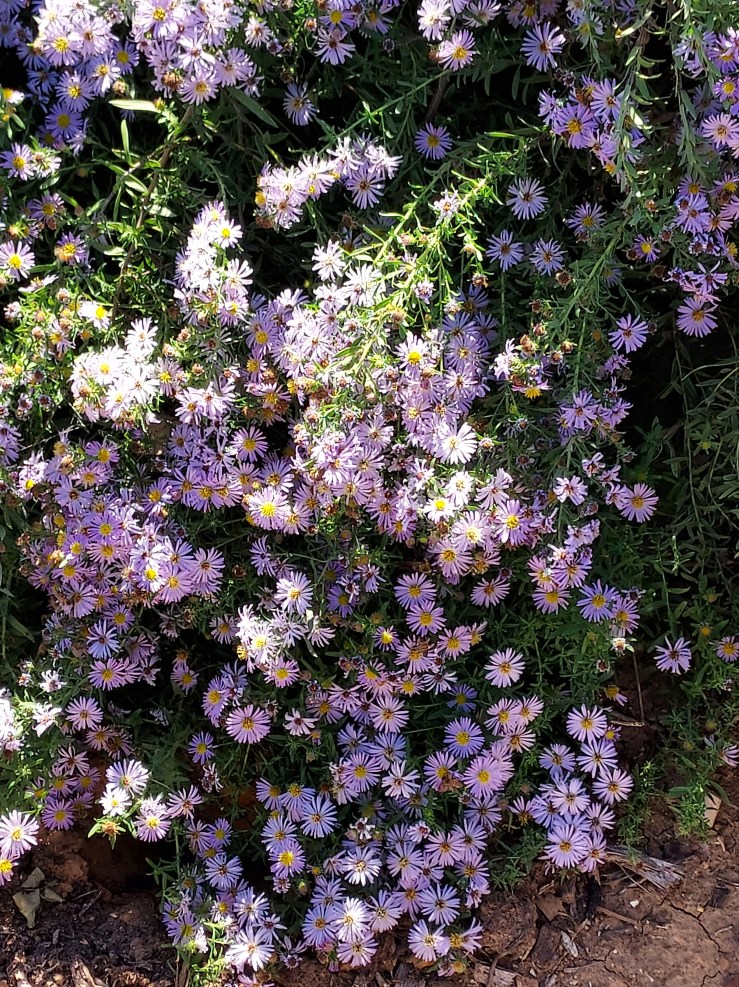
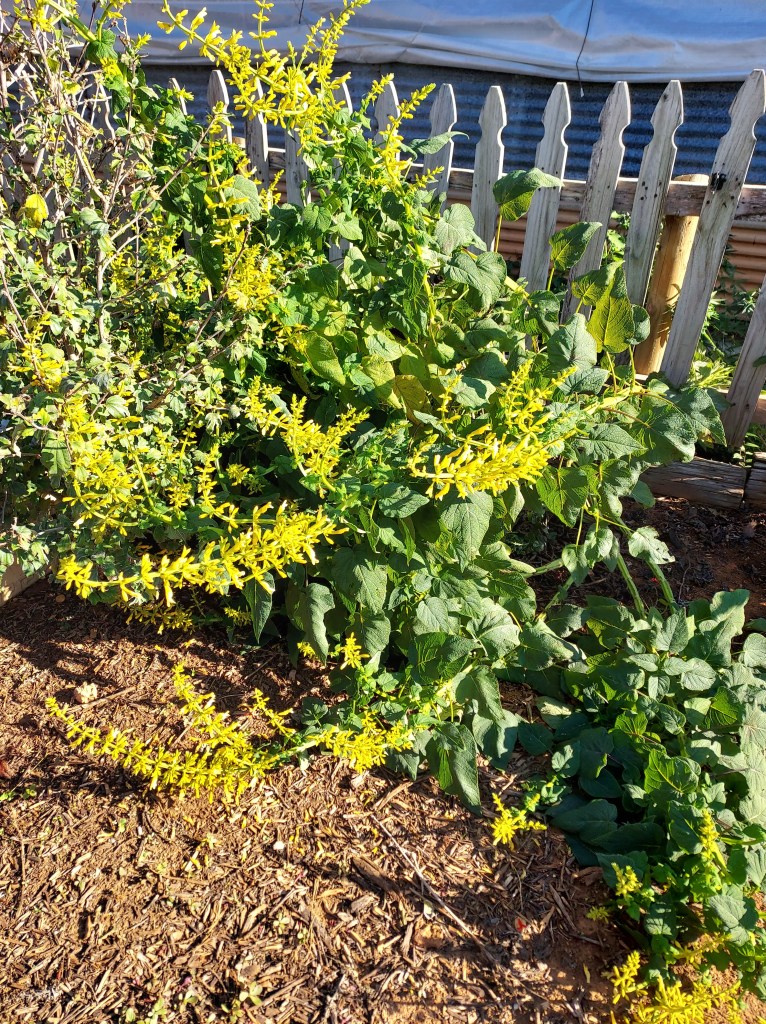
Come see blooming tall purple asters, red and pink Turk’s cap, white fragrant mist flower, Mexican bush sage, Mexican honeysuckle, forsythia sage, Gulf muhly, and more. 

View this video for a sample of the thousands of pollinators.  We will be giving away free native plants, goody bags for all, bee houses, plus refreshments.

Come tour the garden and share YOUR nature stories with us.

Our garden is never finished, beautiful, and always WILD.

Beautiful Things Still in the Garden

by Donna Lewis

So here we are, summer has gone (except for the warm weather) and fall is trying to make its appearance. After a very dry summer, native plants can still be found in the garden. We do need some rain right now.

I am amazed that there is anything still putting out flowers at all.

The leaves are starting to fall. You will be tempted to rake it all up, so your garden looks neat. Don’t do it! Those leaves and pine needles are the blankets that Mother Nature puts on her children. She is saving plants for next spring and tons of butterfly larvae.

Remember neatness is in the eyes of the beholder.

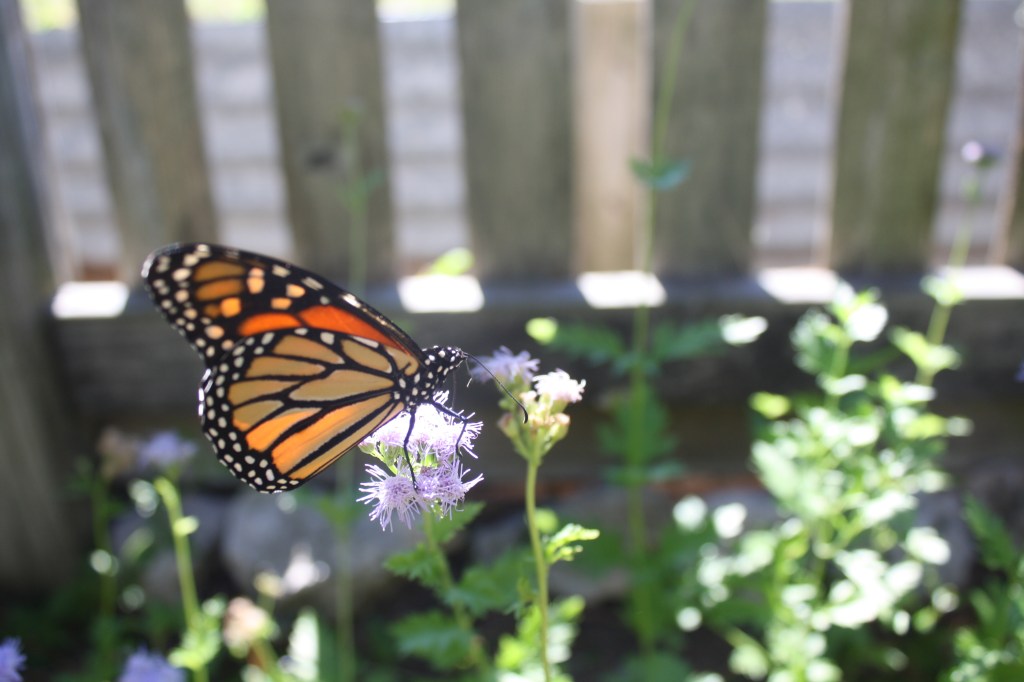
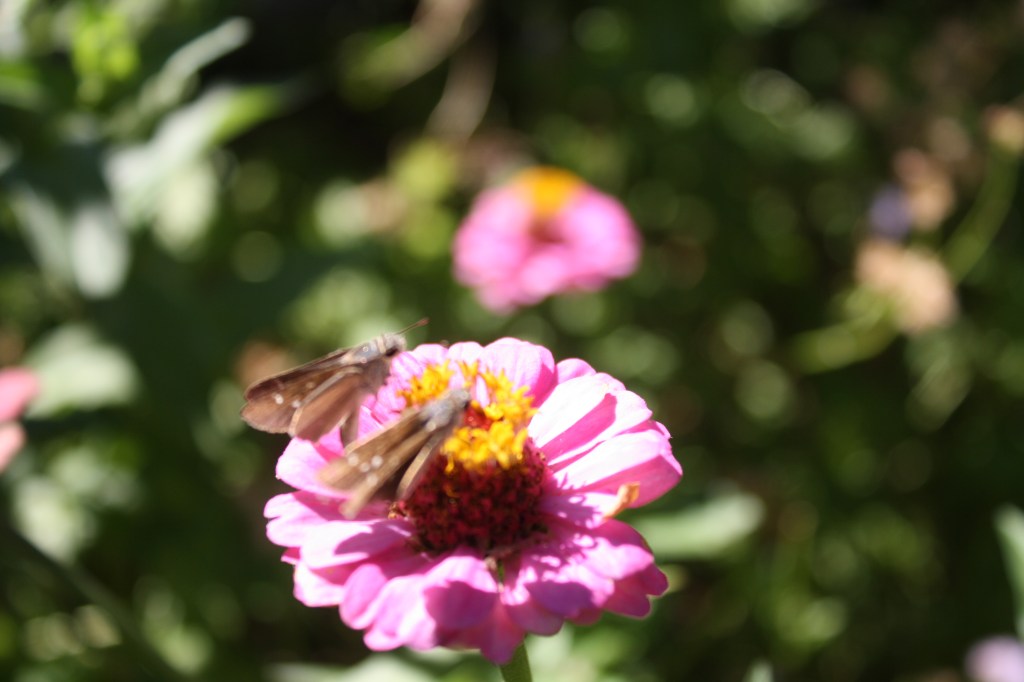
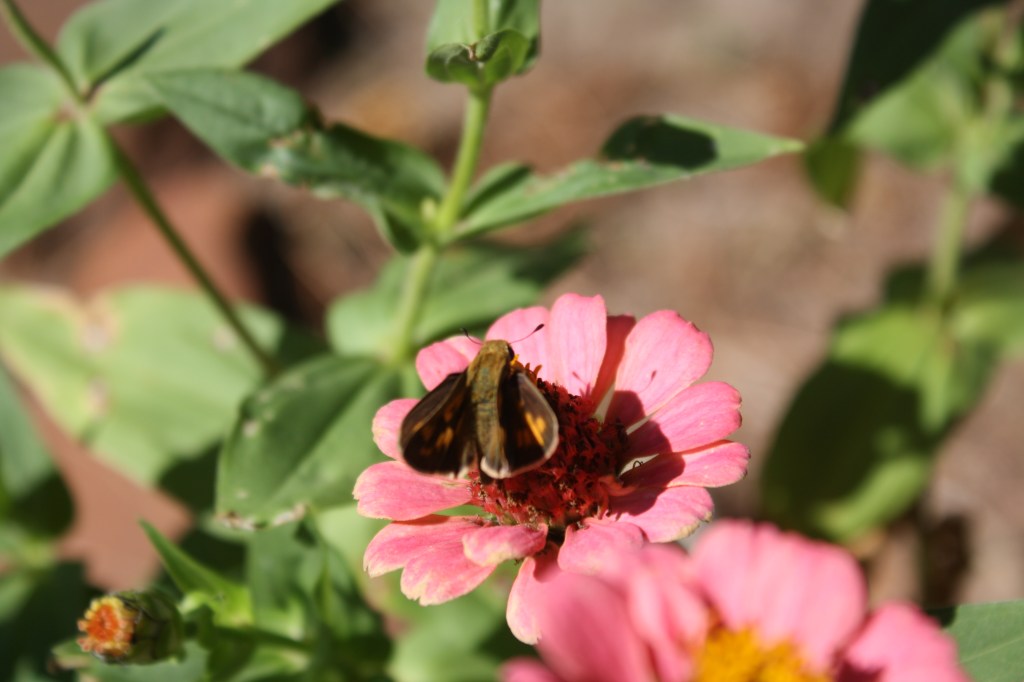
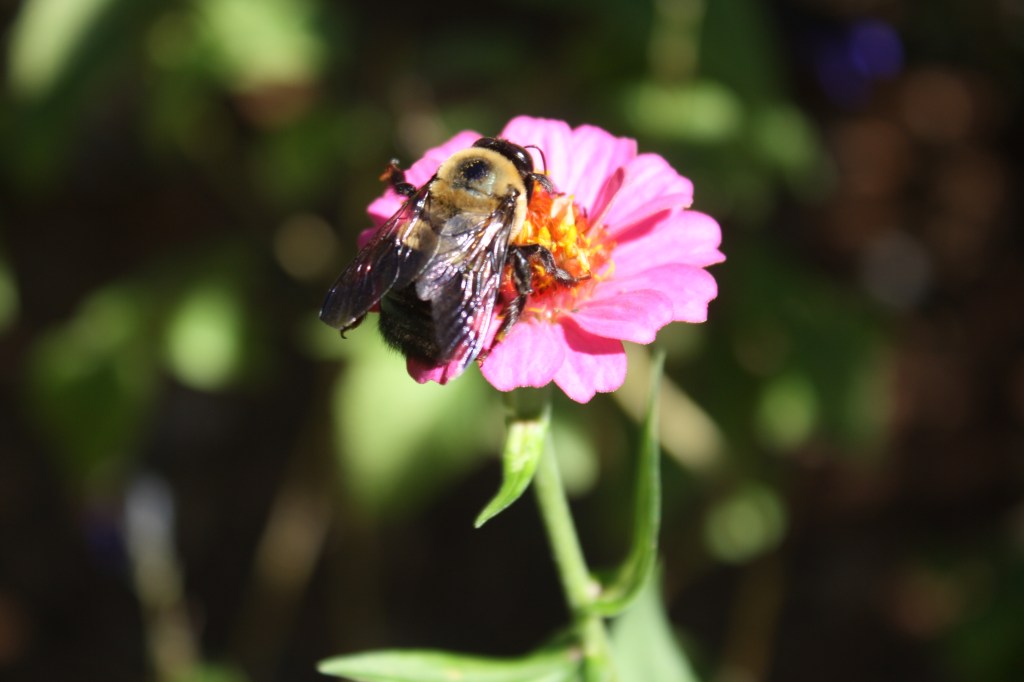
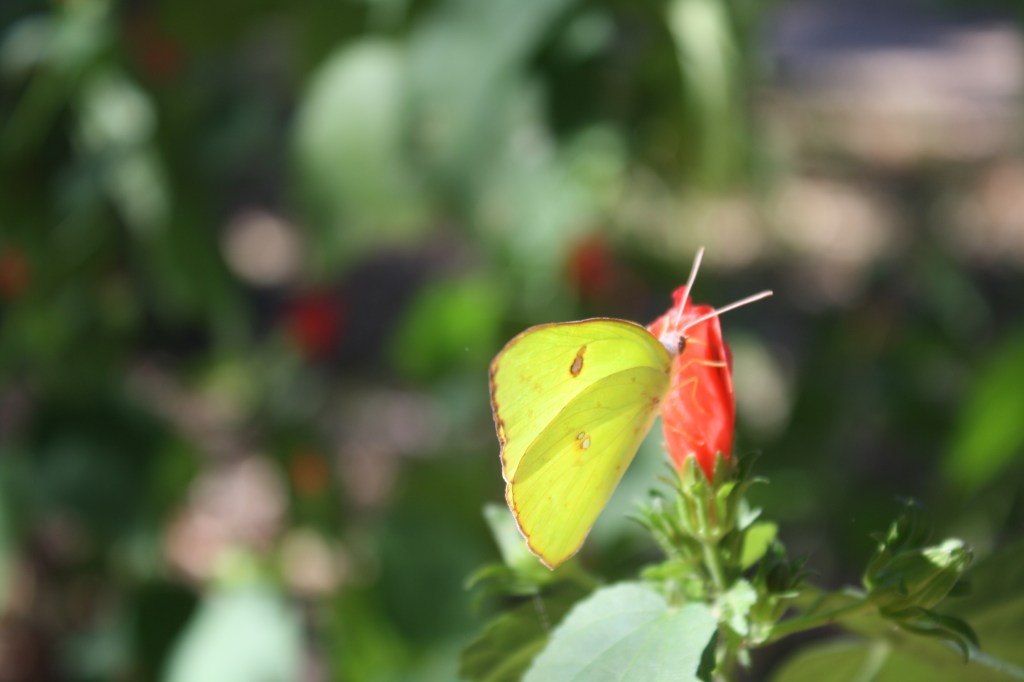
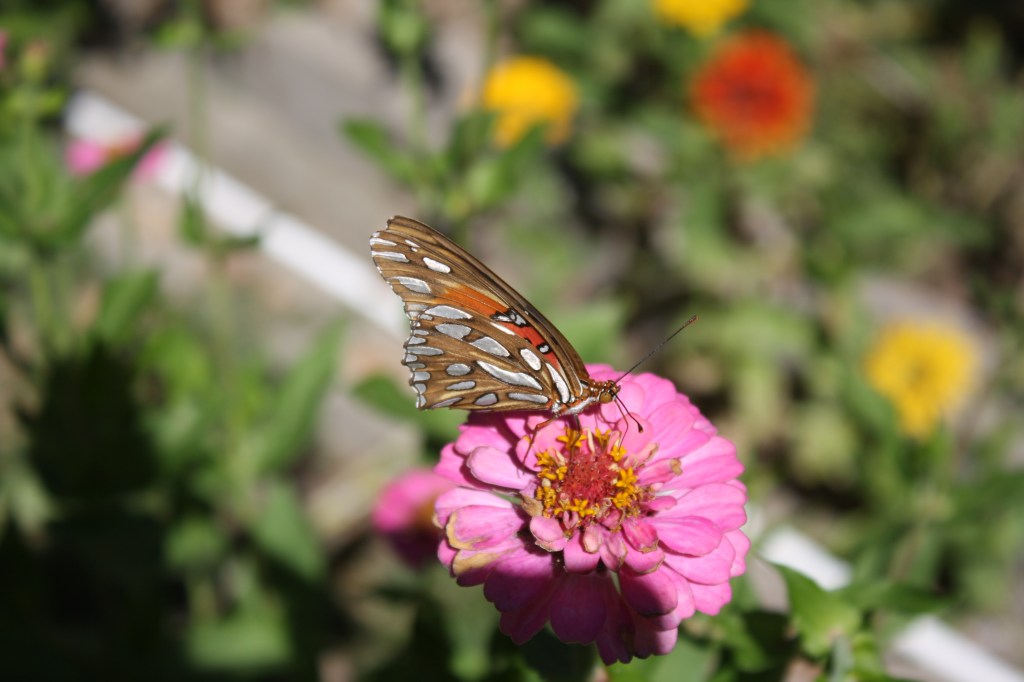
Here are some things that I took photos of today (10-26-2022) in my garden here in Central Texas.  You might be surprised at what I saw. There were many more, but I was not fast enough to catch them with my camera. I was still very happy that I got to see them.

  • Monarch on Mist Flower
  • Monarch underside view
  • Skipper Butterfly
  • Fiery Skipper Butterfly
  • Queen Butterfly
  • Clouded Skipper Butterfly
  • Common Eastern Bumble Bee
  • Clouded Sulphur Butterfly
  • Gulf Coast Fritillary

So remember next spring when you plant for pollinators, these are the creatures you’re helping.

Remember who you are gardening for.