Congratulations to the 2023 Training Class!

by Carolyn Henderson

The El Camino Real chapter training class of 2023 completed its final class for the year Thursday night. There was great joy by all attending. Training Director Kathy Lester and Training Assistant Alan Rudd may have been the most gleeful. TPWD Biologist Bobby Allcorn finished the training with lots of information on Texas native mammals. 

The class of five is off to a good start. They all have all 40 hours of training (some have a few extra) and are already reporting volunteer and AT hours. Patricia Coombs will not only graduate from the class, but she will also be fully certified as a Master Naturalist. 

We will have a celebration for them on April 26 at the All Saints Episcopal Church at 6 p.m. The dinner will be catered by Barbara Dominguez, owner of Hot Corner Catering and The Venue on Main. She will provide vegetarian dishes to complement the main course. You may BYOB. Students and members who organized the class this year will be treated by the chapter. All others, including guests, will pay for their meals. Guests are welcome. We will need a head count at the regular meeting April 13.

Please come celebrate the class who survived several major weather events that seemed to always occur on Thursday nights, and give a pat on the back to Kathy Lester, Alan Rudd, Michelle Lopez, Ann Collins, and Marian Buegler for their service to keep the class on track every week. I might add that several members attended regularly for support and several of them also helped host. 
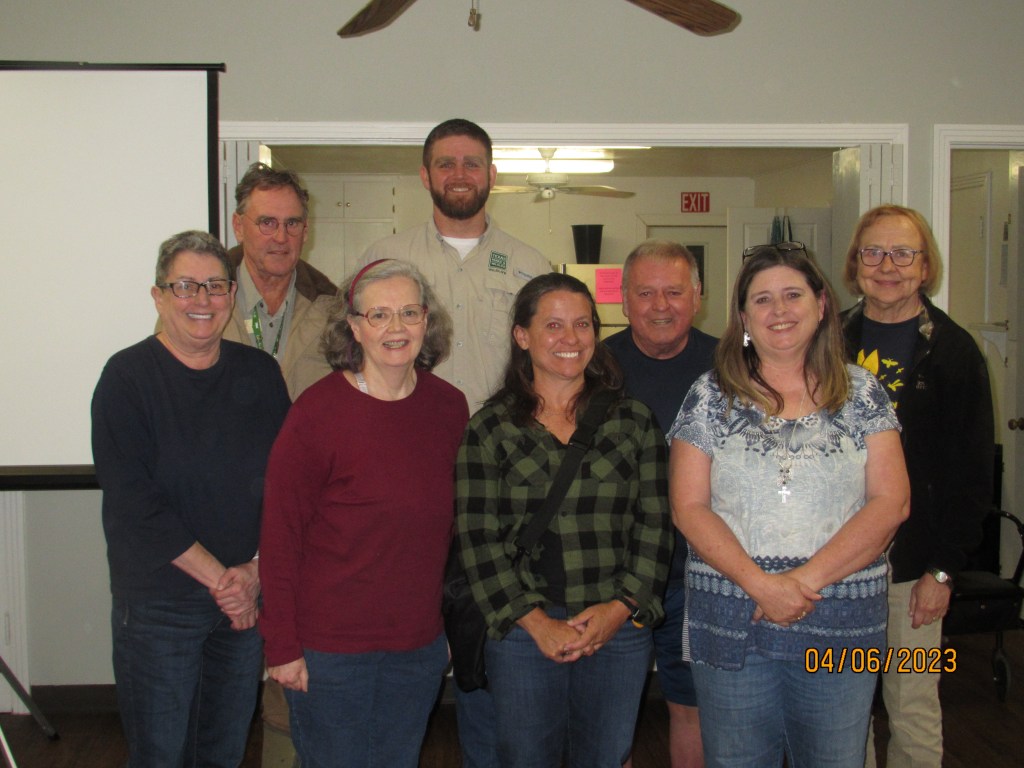
Pictured in the photo: Front row – Patricia Coombs, Ellen Luckey, Michelle Pierce, Brenda Ferris

     Back row – Alan Rudd, Bobby Allcorn, Neil Wettstein, Kathy Lester
Having a Wild Time at All Things Wild

by Carolyn Henderson

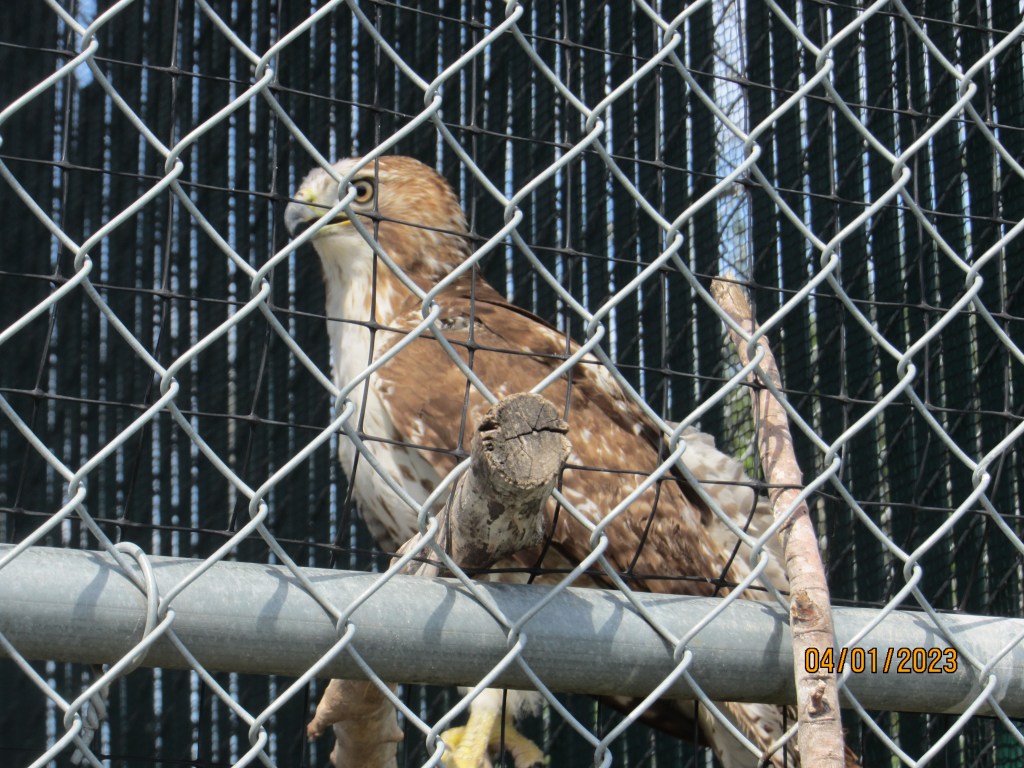
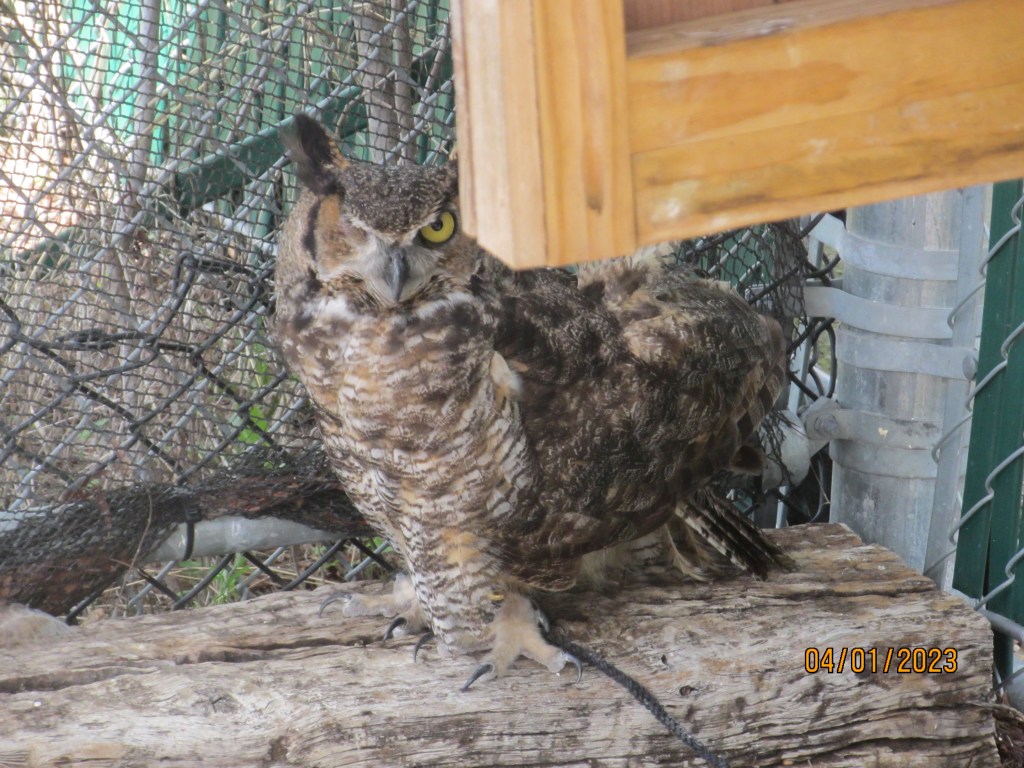
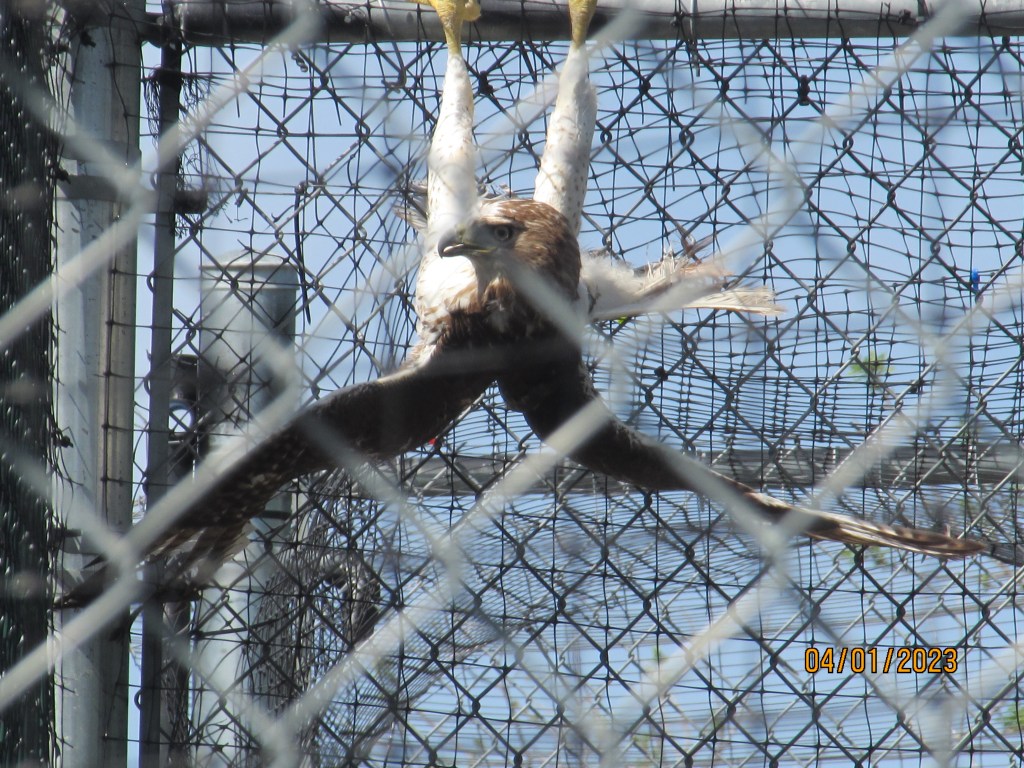
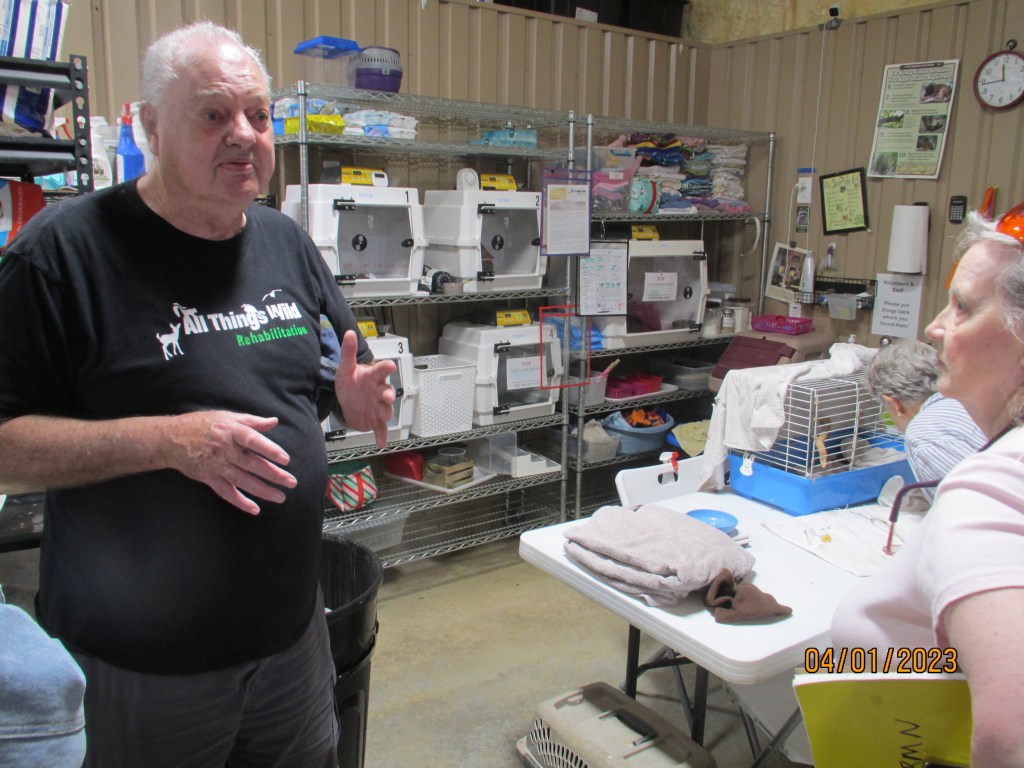
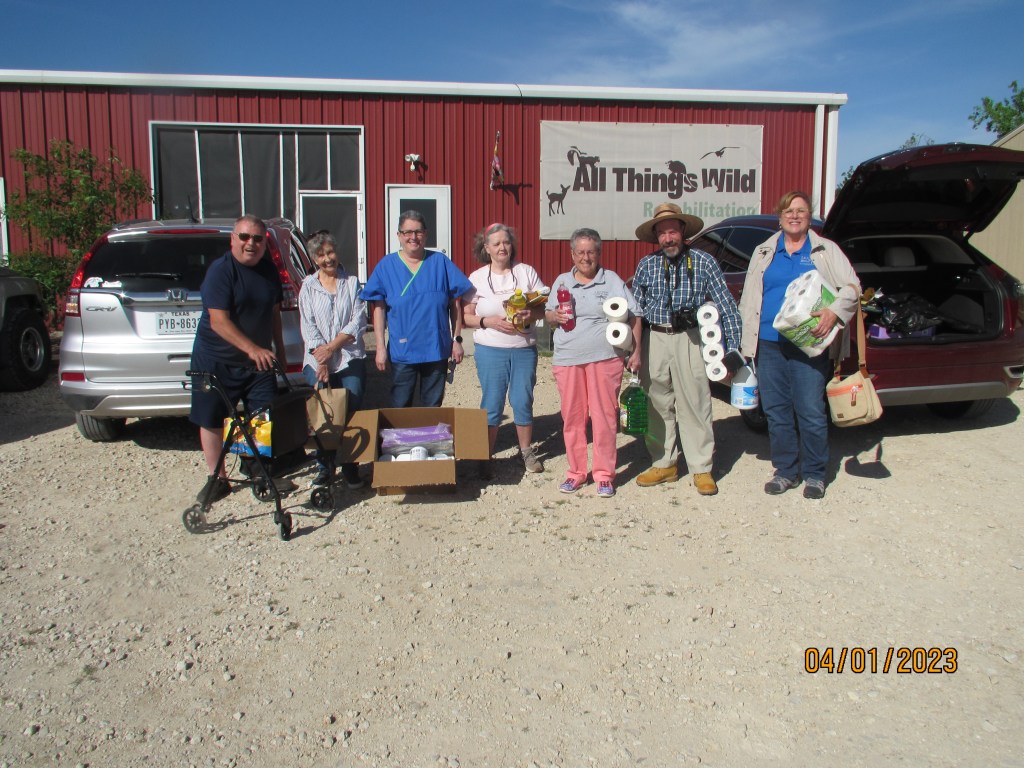
Eight members and a few friends of the El Camino Real chapter of Texas Master Naturalist toured the All Things Wild Rehabilitation Center near Georgetown, Texas, Saturday morning, April 1. The tour was led by Roger Rucker, Vice President and Director of Education for All Things Wild. It is an amazing degree of service the organization performs for injured and orphaned wild animals and birds in the area. The trip there was an awe-inspiring show of wildflowers. 

We brought donations

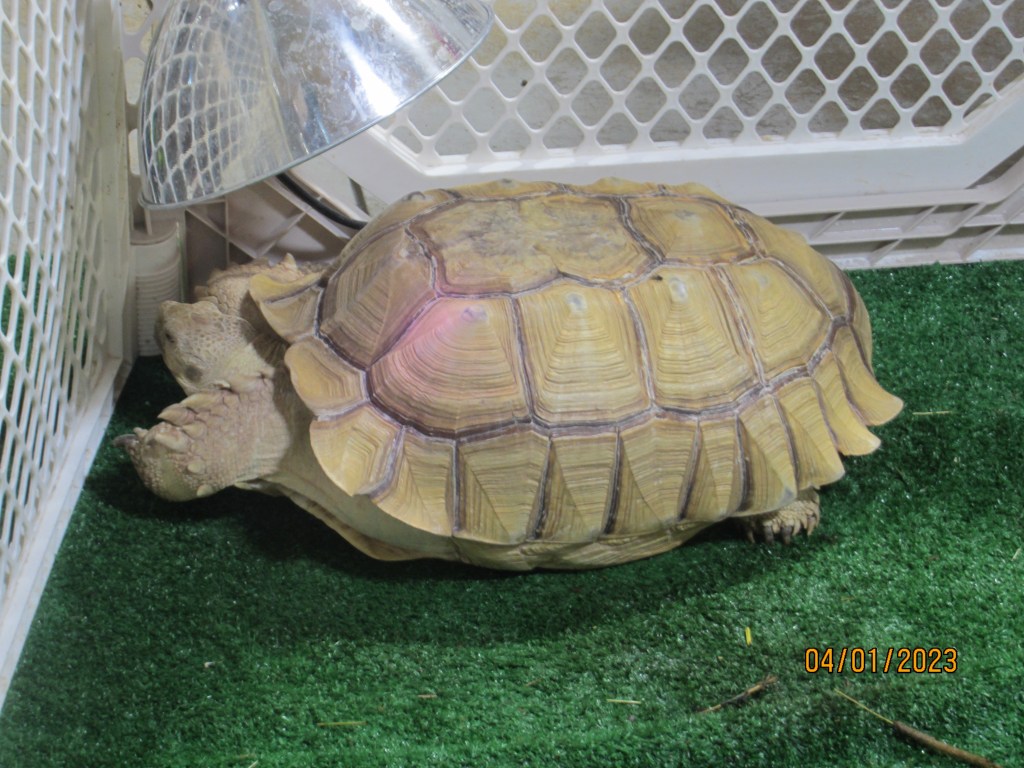
They take in injured animals and rehabilitate them with the intention of releasing them back to their natural habitat. Occasionally, the injury prohibits the animal from being able to survive in the wild. In those cases, the animal or bird becomes a permanent resident of the facility.

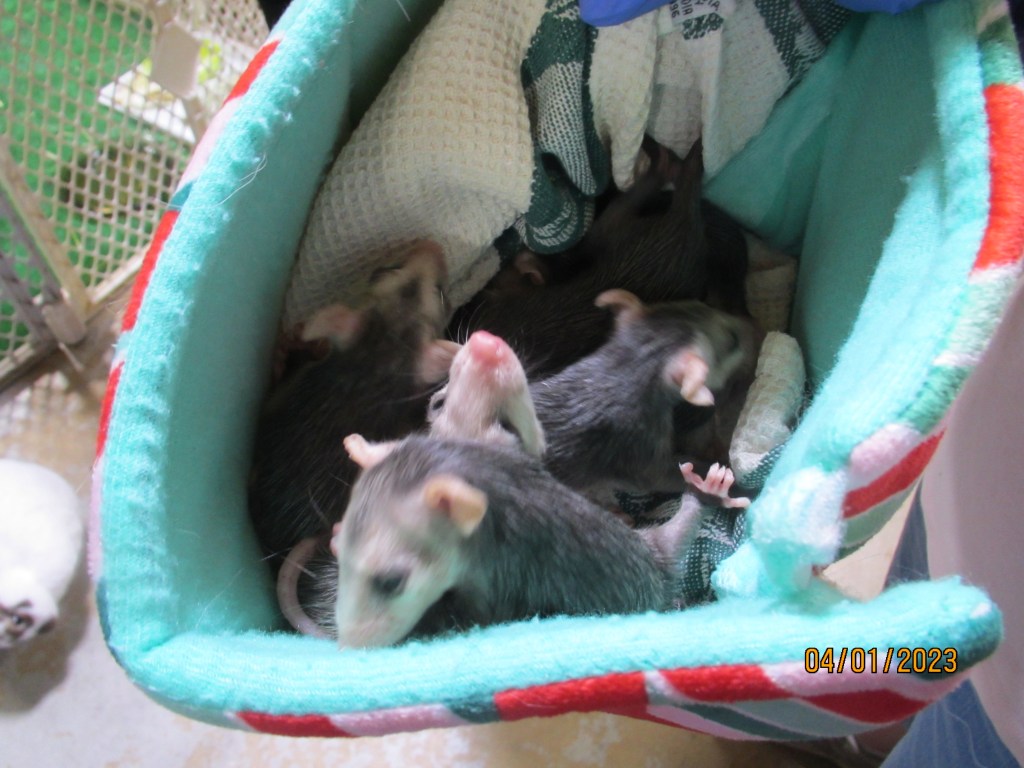
Volunteers and staff also care for and raise orphaned baby animals and birds to adulthood. Once they are of an age to support themselves in the wild, the team releases them as close to where they were found as possible. 

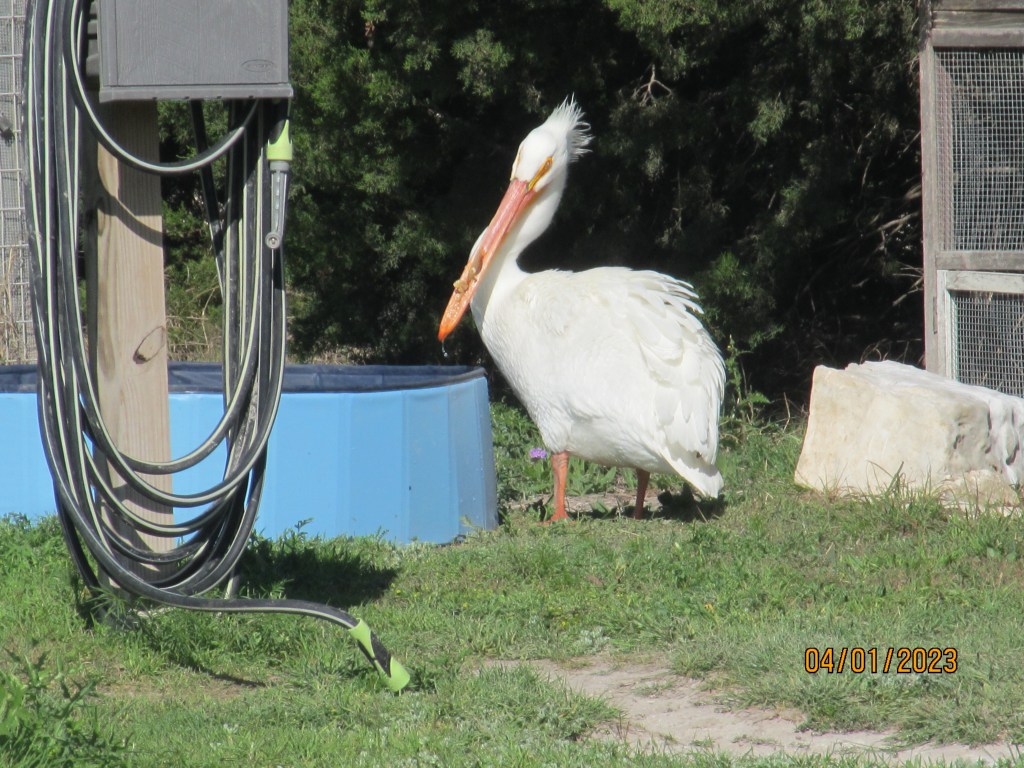
The resident wingless pelican

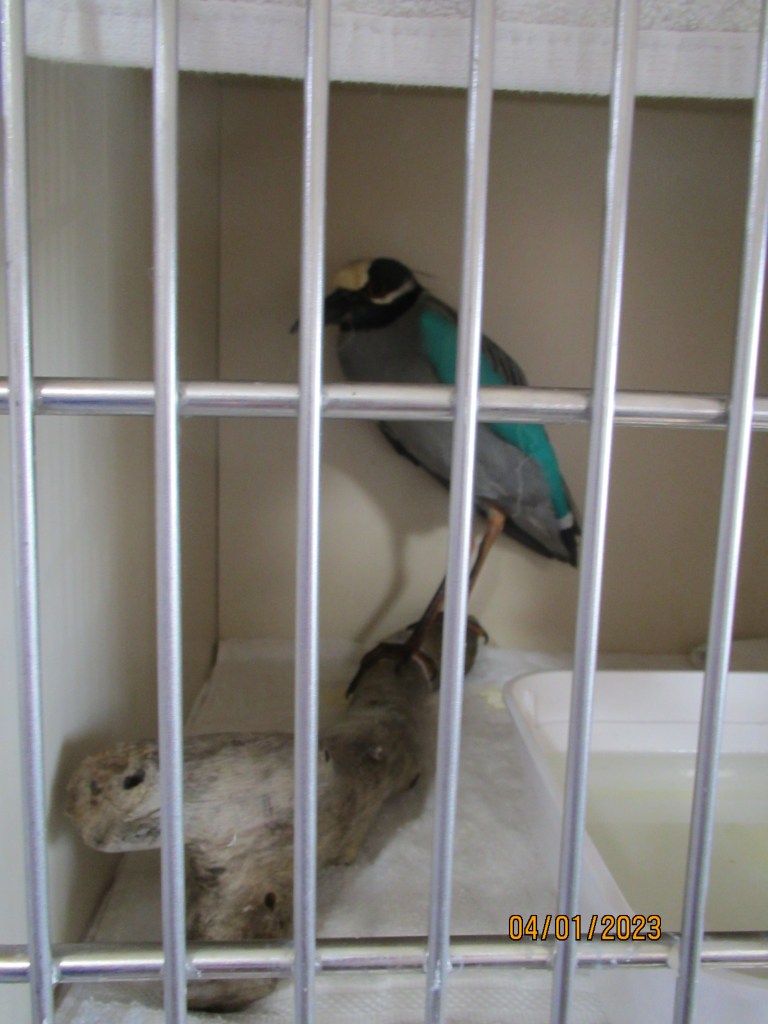
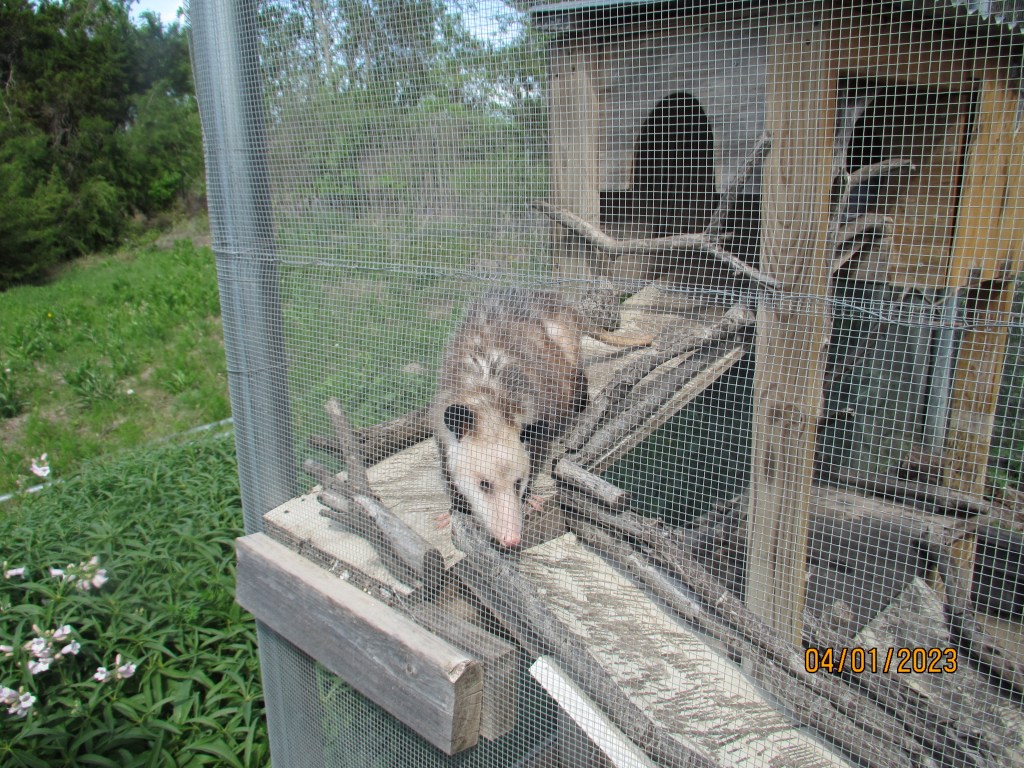
All Things Wild is currently housing many squirrels, several opossums, large turtles, some raptors, many baby rabbits – both cottontails and jack rabbits, a nearly featherless vulture, an owl in ambassador training, a Blue Jay, a skunk, and a very large, wing-less white Pelican. They range from newborns to recovering adults. 

If an animal or bird cannot be released to the wild, they are made ambassadors for the education programs the staff and volunteers perform. They are trained to be people-friendly then taken to schools or other locations to be used in education programs around the area.

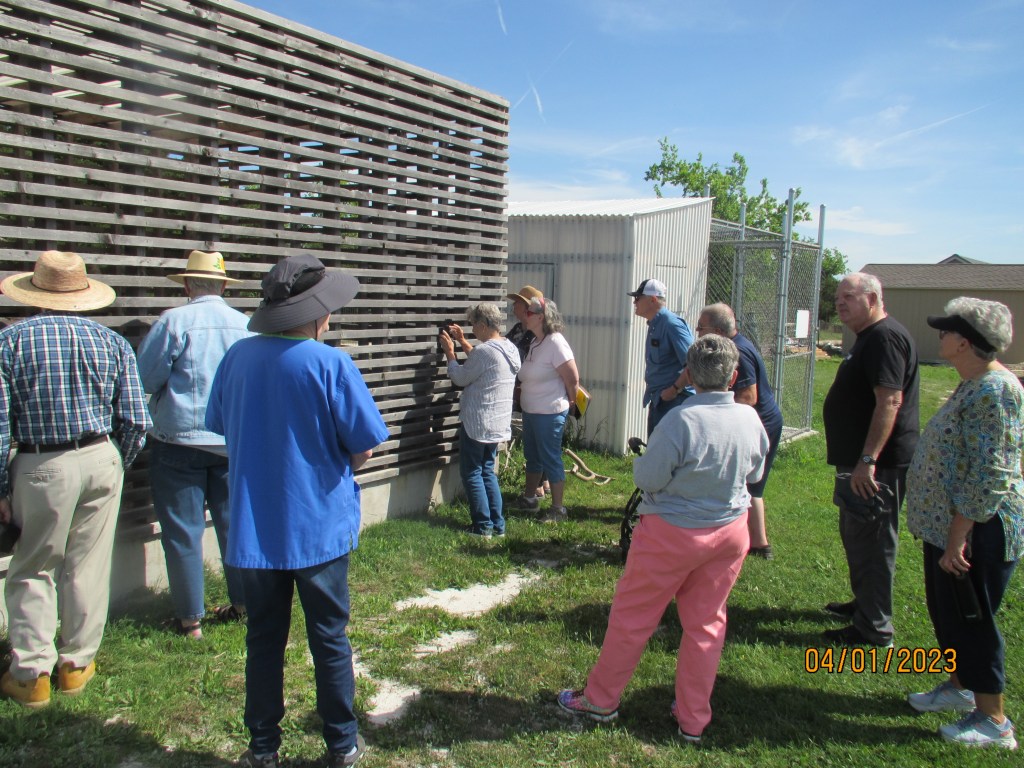
Checking out a building

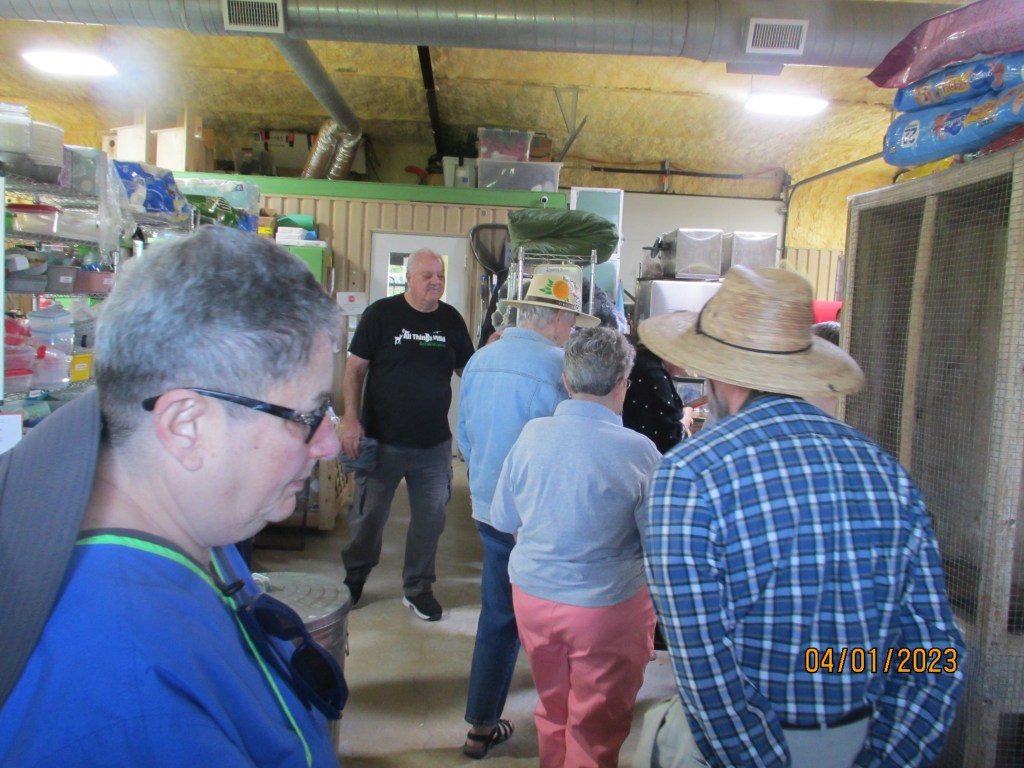
Up until a few years ago, volunteers worked from their homes fostering the animals. With donations from supporters, they have built a large building to house the ill, perform surgery, and manage the organization. They have outside habitats for those getting closer to being released. Just recently, they received some buildings to add to their range. They are building an office and an education room that will seat up to 60 students. 

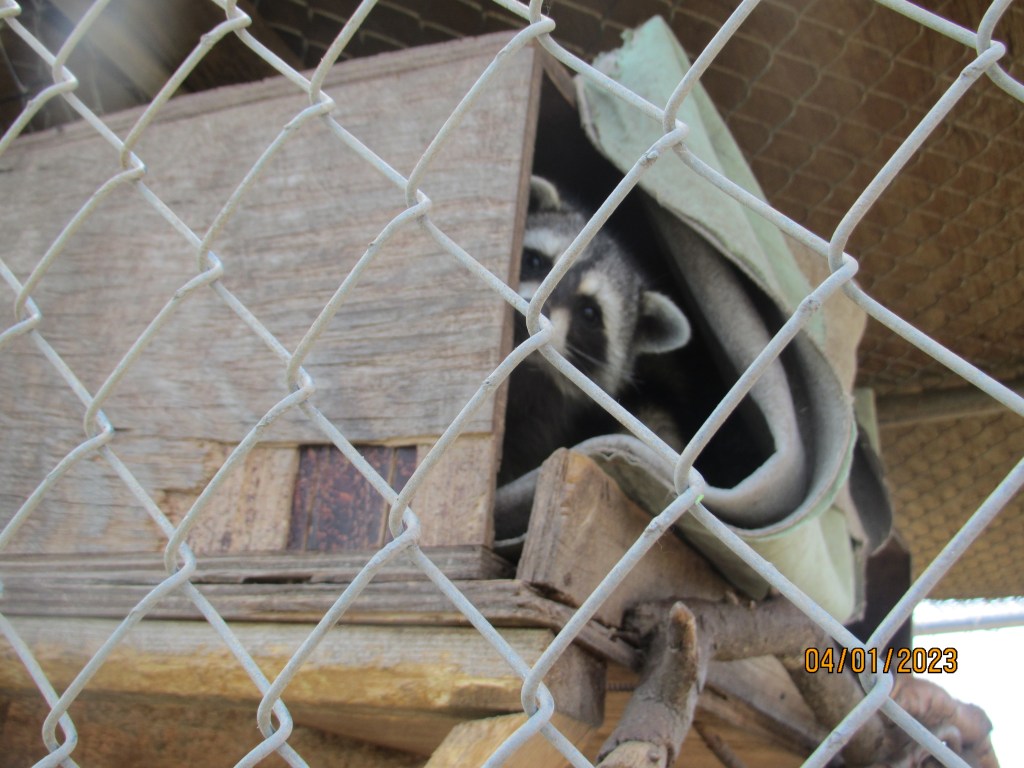
Peeking

They operate on donations. They can use money or items they are frequently in need of at the place. If you’d like to know more, check out the web site at Wildlife Rehabilitation & Education – All Things Wild Rehabilitation

There was a lot to see!

Pink Turk’s Cap Experiment Update

by Carolyn Henderson

Success with growing Pink Turk’s Caps from seed is looking more possible every day. I now have seven growing from seeds that wintered in the refrigerator. Then I was surprised to find that the one whole seed pod I planted in the ground last November had come up. I had flagged the site, so I could remember exactly where I put it. 

So, they will come up from a baby plant planted in the fall, seeds that have been removed from the red pod covering, cleaned, dried, and refrigerated over the winter, and a whole pod placed in a flower bed in the fall. The only version that didn’t produce plants were the cleaned and dried seeds planted in the fall in containers and left outside. 

Now, I’m waiting to get them a little larger, so I can transplant them to the mostly shaded flower bed. 

Training Class Studies Bee Farming

by Kathy Lester

The El Camino Real Texas Master Naturalist training class met at Walker Honey Farm, where owner Clint Walker discussed all the wonderful things about bees. Attendees were able to handle the hive frames, see the queen bees, and observe at least three different colors of pollen carried by the bees. They were dressed appropriately for visiting hives. 

Bee handler Blake explained the manufacturing process.

Then they had some great “retail therapy” at the Walker Honey Farm store.

Cucumbers, Dill, and Surprise Butterflies

by Dorothy Mayer

Last year I had quite a few Eastern Black Swallowtails eating most of my dill. I was okay with that, as almost all of my cucumbers were too bitter to can. The weather got too hot too fast for my cucumbers. So, I was disappointed not to be able to can any pickles last year.

The dill was fine, though, and the beautiful butterflies loved it and laid lots of eggs underneath the leaves. When the caterpillars got big enough, I put them in my butterfly house along with a bunch of dill and watched until they all got into a chrysalis. A few did come out & looked healthy. They flew good so I assumed they were healthy.

However, I had three chrysalis that didn’t look right but, I just left them alone. I figured after numerous freezes that they were all dead in there. (I had my butterfly incubator on the back porch where it’s not heated nor cooled.)

Nope. One by one those butterflies managed to come out, and we got to watch them fly away, which was just super fun and amazing. I plan to plant a ton of extra dill this year and try that again. I think it’s a great activity for a learning experience for children and adults alike.

So please, don’t put chemicals on your plants, because you will kill “good bugs” with the “bad bugs.” Poison doesn’t discriminate. It kills ALL bugs and possibly birds, too, as birds eat the insects and feed them to their babies.

Happy Spring Everyone.