Johnson Grass War Update

by Eric Neubauer

Finally, I’m seeing significant results in my attempt to convert about three acres to a modern bunchgrass prairie. It’s been five years since the last crop, wheat, grew here. After a couple of years, it became obvious that Johnson Grass was my greatest enemy because it could out compete all the
other plants leaving dense, impenetrable groves of nothing else. Herbicides weren’t an option because there were many native species coming up that I wanted to preserve. So, my only option was pulling up the Johnson Grass by hand. There were also several other non-native grasses, but nothing that would take over.

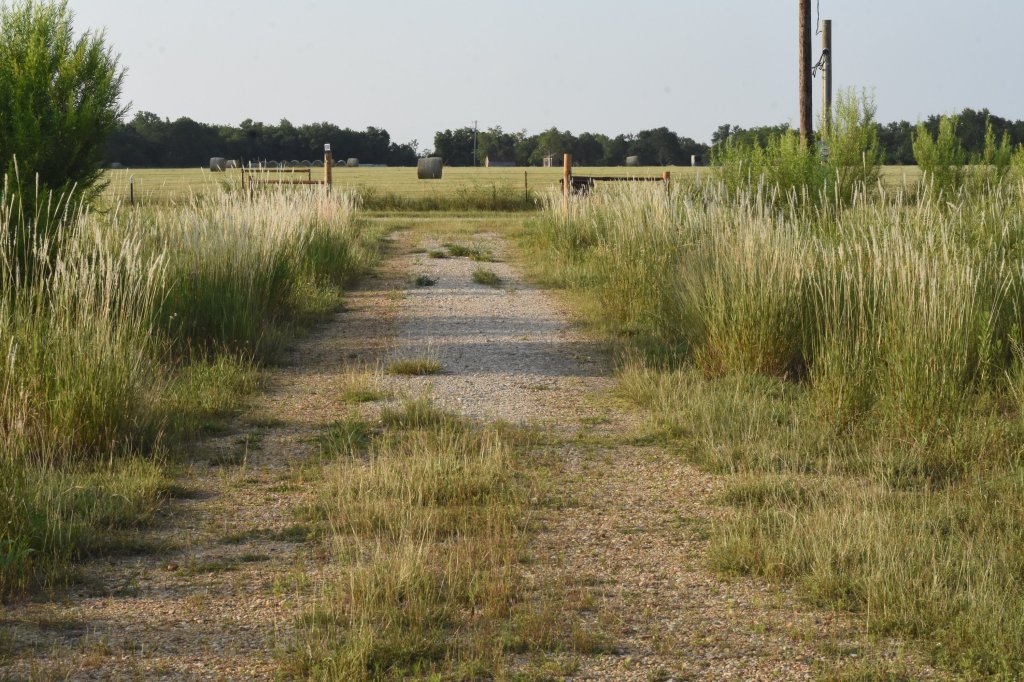
The first image is looking down the driveway. Instead of being lined with Johnson Grass, it’s lined with 5′ tall Long-spike Beardgrass.
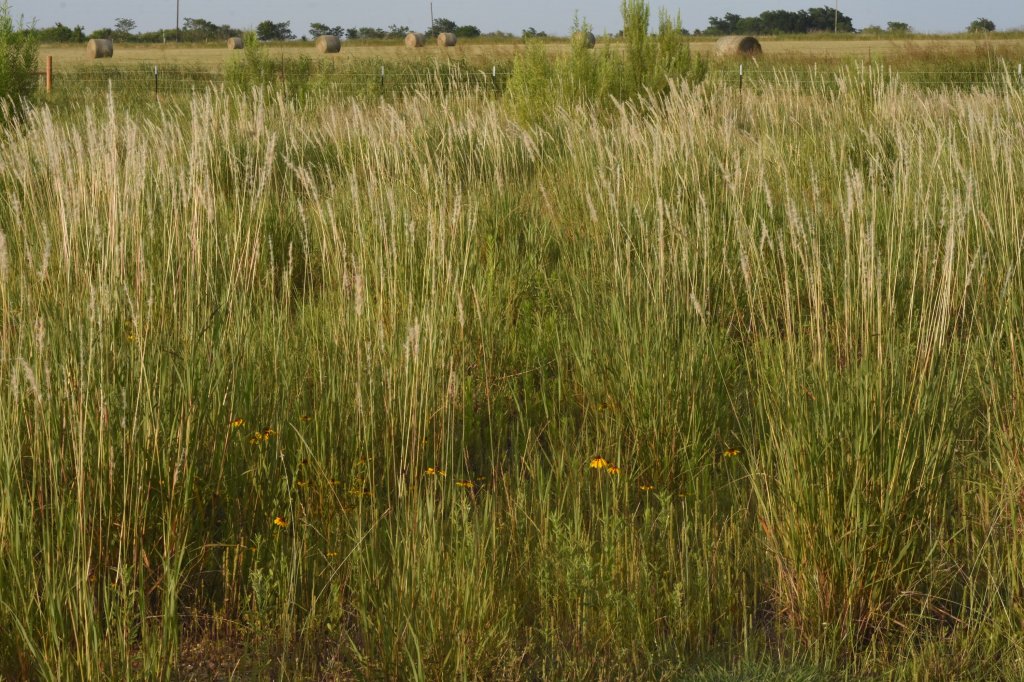
The second image is looking to the side. Although the Beardgrass appears impenetrable, it’s possible to walk between the bunches. In the meantime, the wildflower seed bank has been gradually returning and filling in the gaps. Pinkladies and Frogfruit were some of the earliest species to arrive, but others have followed.
The third image is a place where wildflowers have taken over. That area was entirely Johnson Grass
three years ago, and now only requires occasional attention to remove any new Johnson Grass seedlings. Not shown is the Poverty weed and Mesquite that has sprung up to give the landscape texture. It’s apparent I’ll need to thin out the Mesquite eventually.

Water Needs for Plants and Our Wild Friends

by Donna Lewis

Right now it’s 7:00 am and go outside to put up the bird feeders and fill up all the bird baths.

The birds are eagerly awaiting my food offerings. The mosquitoes are waiting just for me! I have to wear long sleeves that I hate.

This is delicious!

Anyway, we need to remember our birds, bunnies and other critters need water that is accessible.  Putting it under some shade helps keep yhrm a little cooler. Of course, that also gives the cats a place to hide and pounce. So, use common sense about water placement.

Bird baths should be varied in height. That gives everyone a chance to drink. Make sure to put a stone in the bottom so the babies don’t drown.

I fill all (10) of them every day.  And people wonder why I have so many birds.

So many feeders!

In the evening as a treat, I will put out a sprinkler in one area and leave it on for about 30 minutes.   The birds go crazy and call all their friends.  It’s great to watch them.

The morning is also a good time to water the plants in your garden.

Remember if you use sprinklers, you wash off the nectar on a plant which takes hours to replace. So, watering under the leaves and flowers is the best.  I know it is not always possible to do that.   In that case rotate the watering, so there is always nectar on some of the plants.

Helpful rocks!

Don’t forget to place your hummingbird feeders under a shaded area and change it out every three days when it is hot. It’s always hot here in Texas.

I hope these tips help.

Remember who you are gardening for.

Monthly Wildscape Workday

by Catherine Johnson

Photos by Patricia Coombs

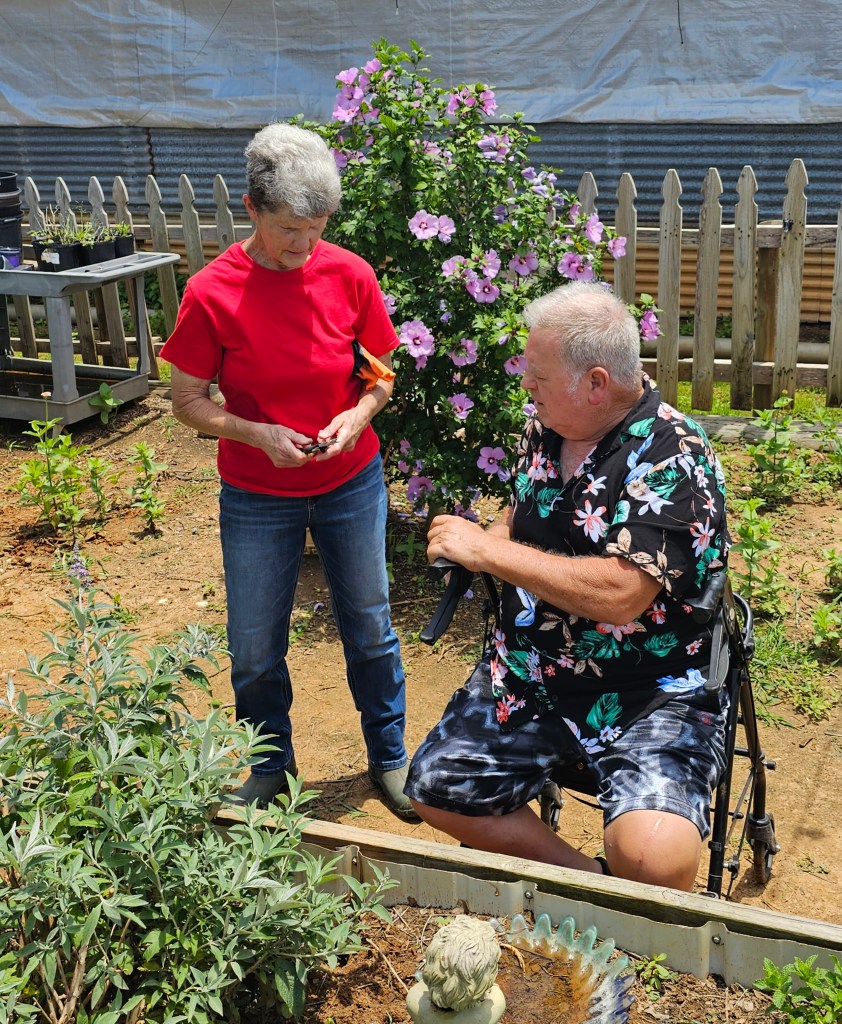
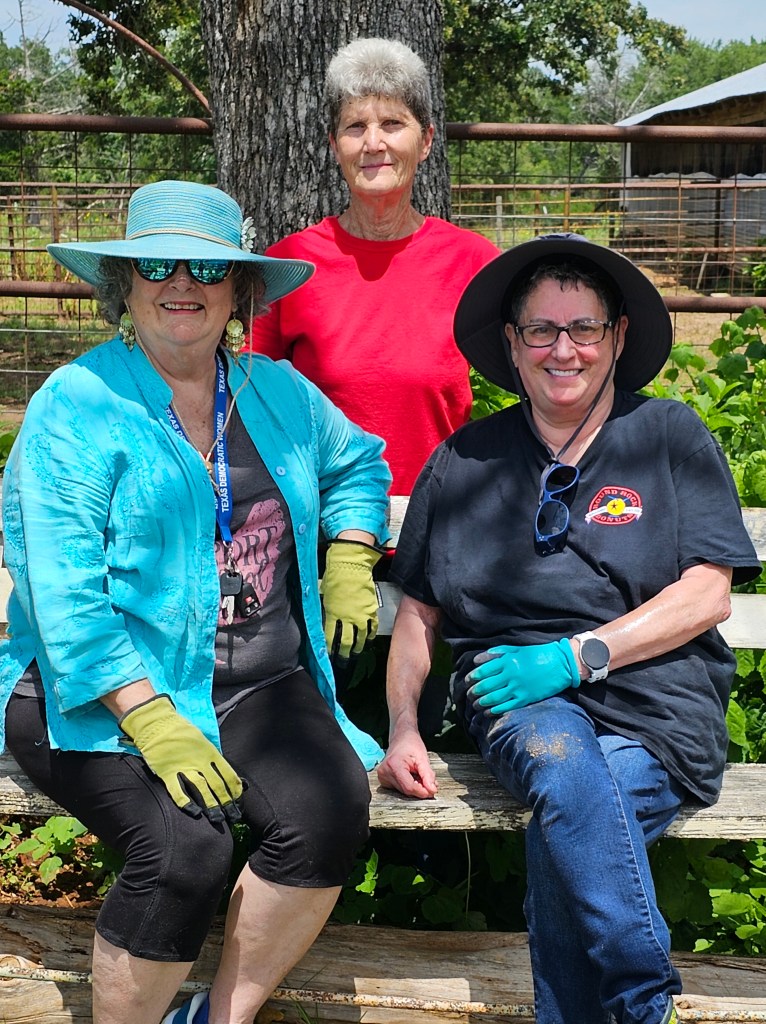
Much was accomplished at our monthly workday.

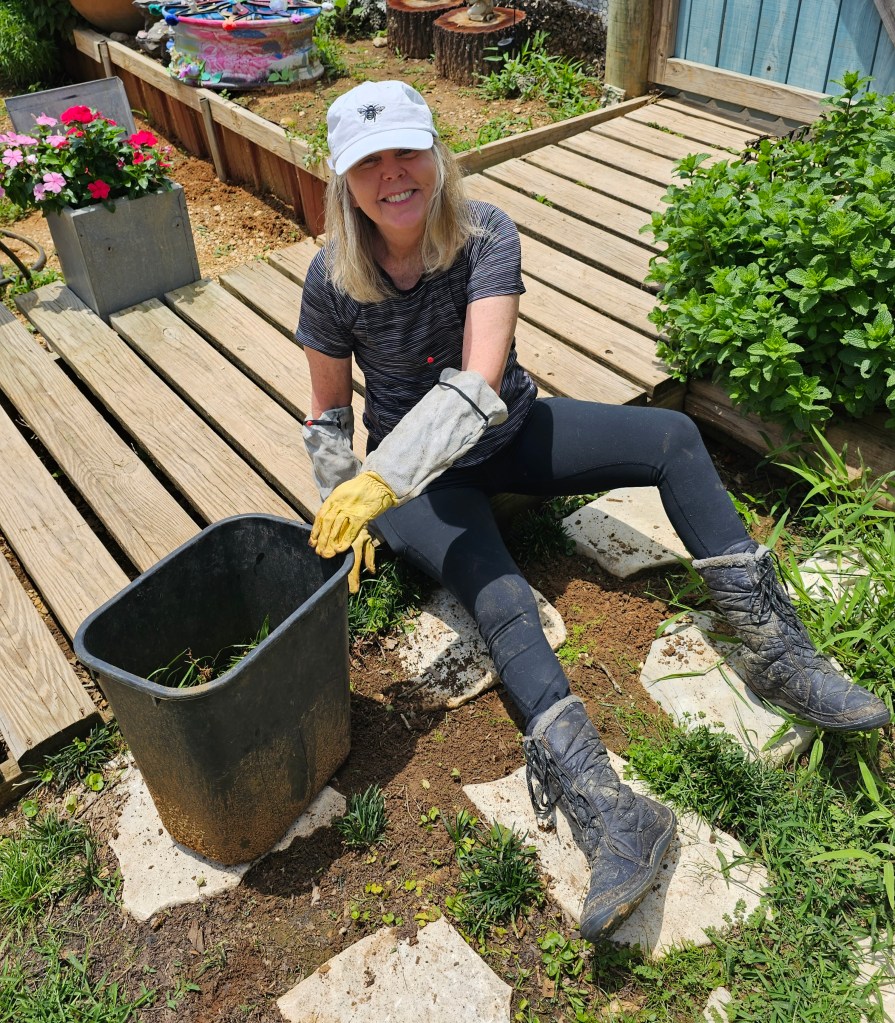
Patricia, Donna, Cindy, Pamela, and Alan’s guest weeded the shade garden while Neal expanded the section he is in charge of.

Pamela, Donna and Patricia take a break.

Phyllis and Ellen planted new Milkweed, Liatris and Wild Bergamot.

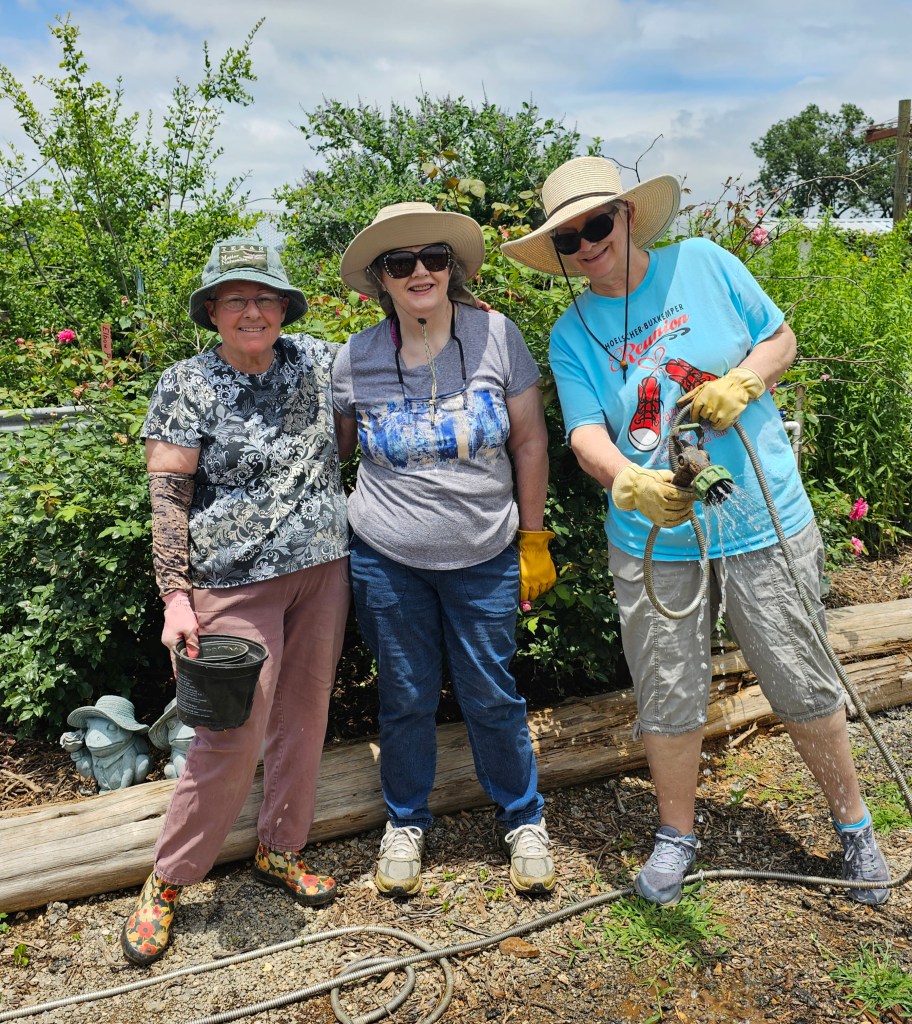
Catherine, Ellen, and Phyllis have fun with the water hose.

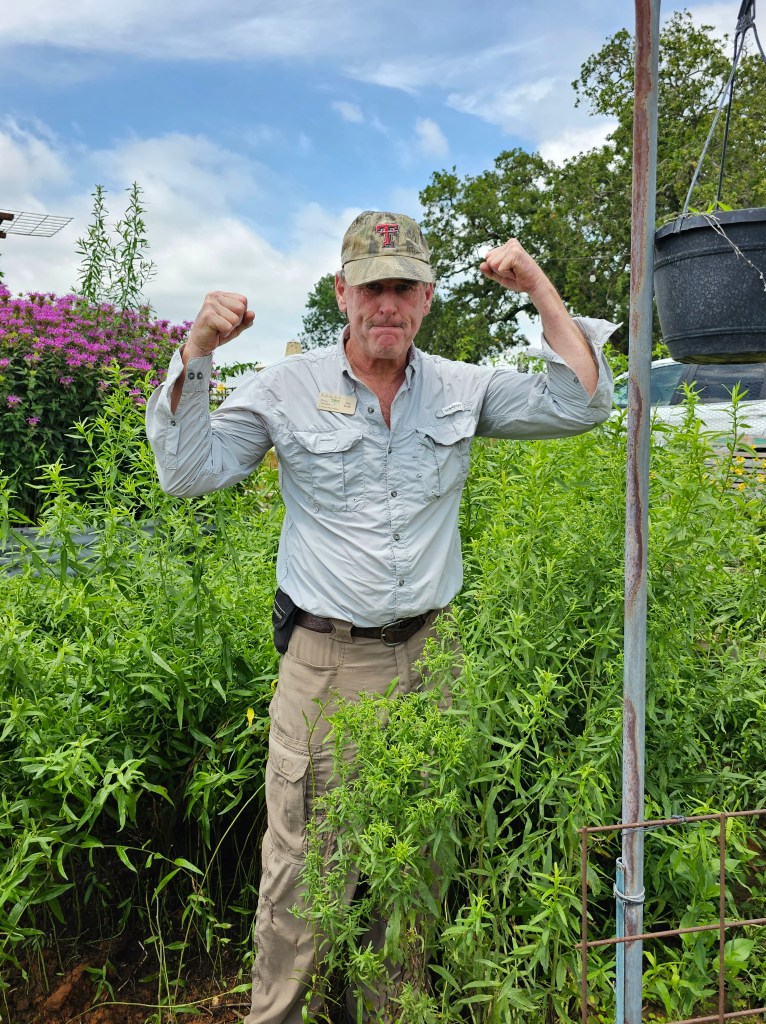
Alan and Gene cleared excess Asters.

Clearing asters takes strength

Everyone took home native plants from the Wildscape.

Cindy sits down on the job, which actually makes weeding easier!

The best part was visiting with friends.

Rain and Gopher Holes

by Donna Lewis

Well , we prayed for rain and we got it! Tons of it and in a short amount of time.

Sadly, it was not a good thing at our place here in Central Texas.   It went into our barn, our well house, our front and back porch, and every inch of our pasture and my garden!

Thankfully, it did not get in the house.

We must have at least a million gophers that live under our property.  Lucky us. So, when tons of water go in those holes, it must come out somewhere.

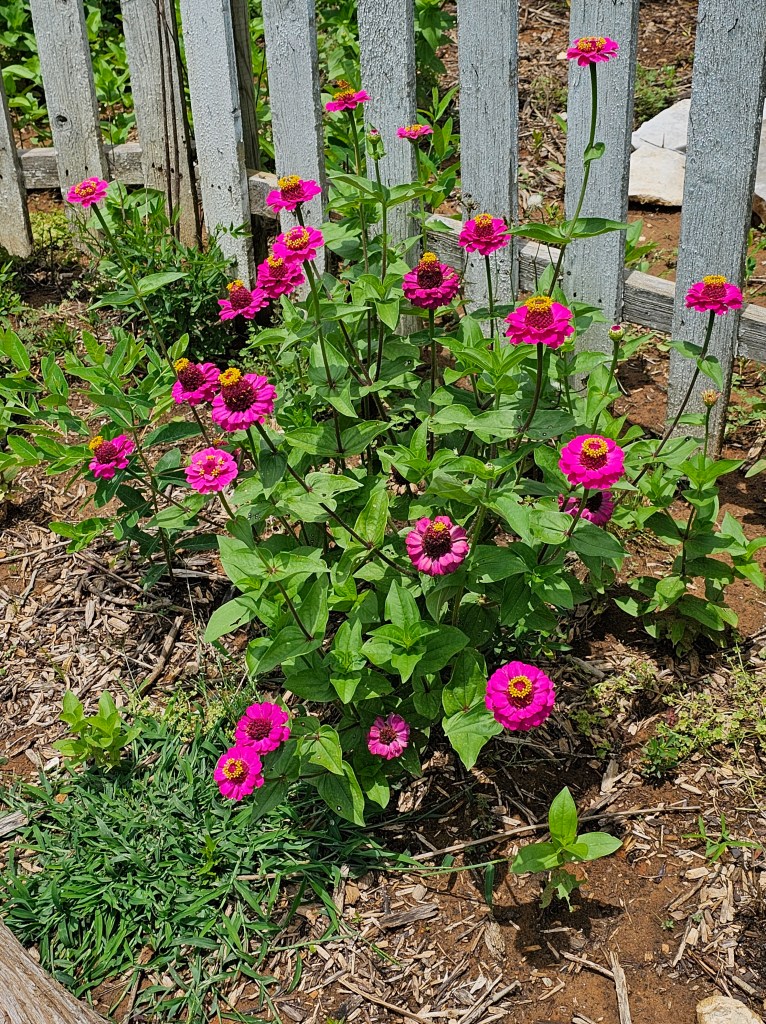
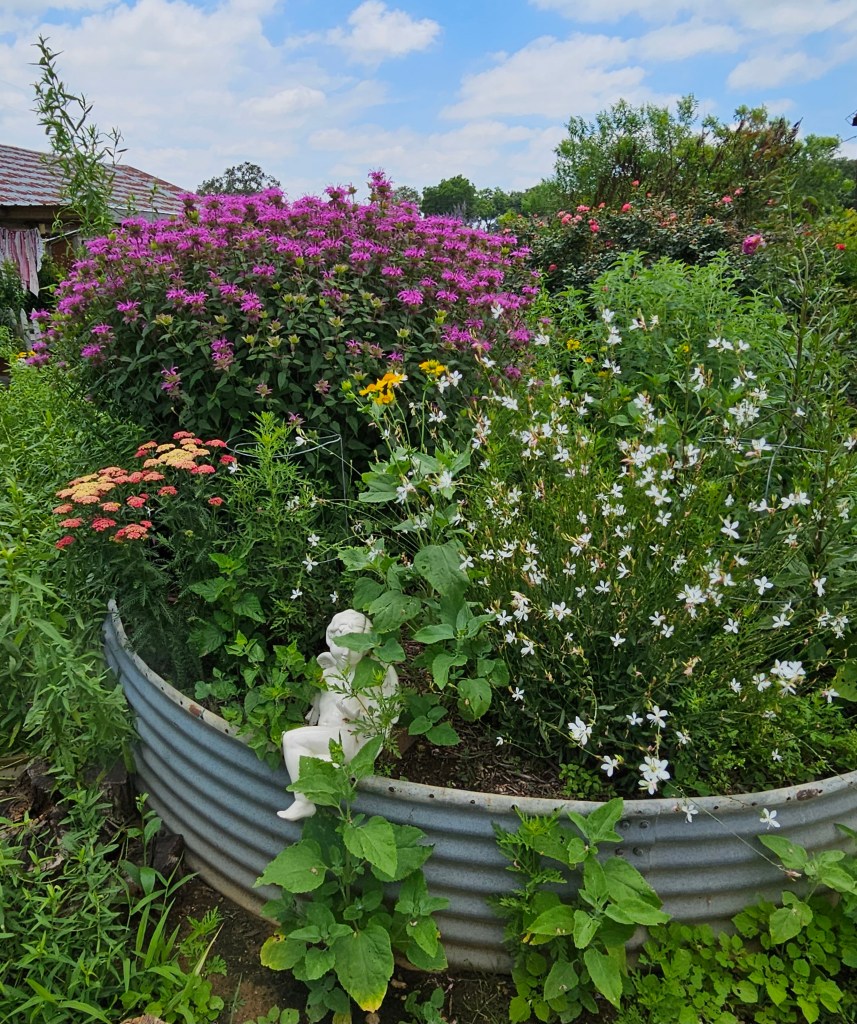
So, falling from the sky and coming up from the ground, it did a number on the pollinator garden.  And wouldn’t you know it, it was really starting to shine.

This will take some work to repair. It would have been a much easier task when I was younger. But I will just do the best I can.  We never give up.

You never know what Mother Nature has planned.