Learning about Harriers

by Sue Ann Kendall

For the past couple of years, I have been observing one or more harriers on our ranch property north of Cameron. I will admit that I thought harriers were dogs or airplanes until I looked the bird up on Merlin Bird ID. I thought maybe some of my fellow Master Naturalists would like to learn a bit about these beautiful hawks.

photo by Dan Pancamo

As soon as I spotted one, I had a feeling that these weren’t our usual hawk species around here (red-tails, red-shouldered, kestrels), because of their actions. Rather than sitting on a high perch or flying high and diving, these hawks were skimming the pasture and then diving in for what I assume are mice, since our fields are full of them.

The resources I look at say they are uncommon around here, so I feel lucky to have her flying around here. I say “her,” because the hawk I have been observing is brown, rather than gray like a male would be. You can’t miss the patch of white on her rump area, which is the second main identifier of northern harriers.
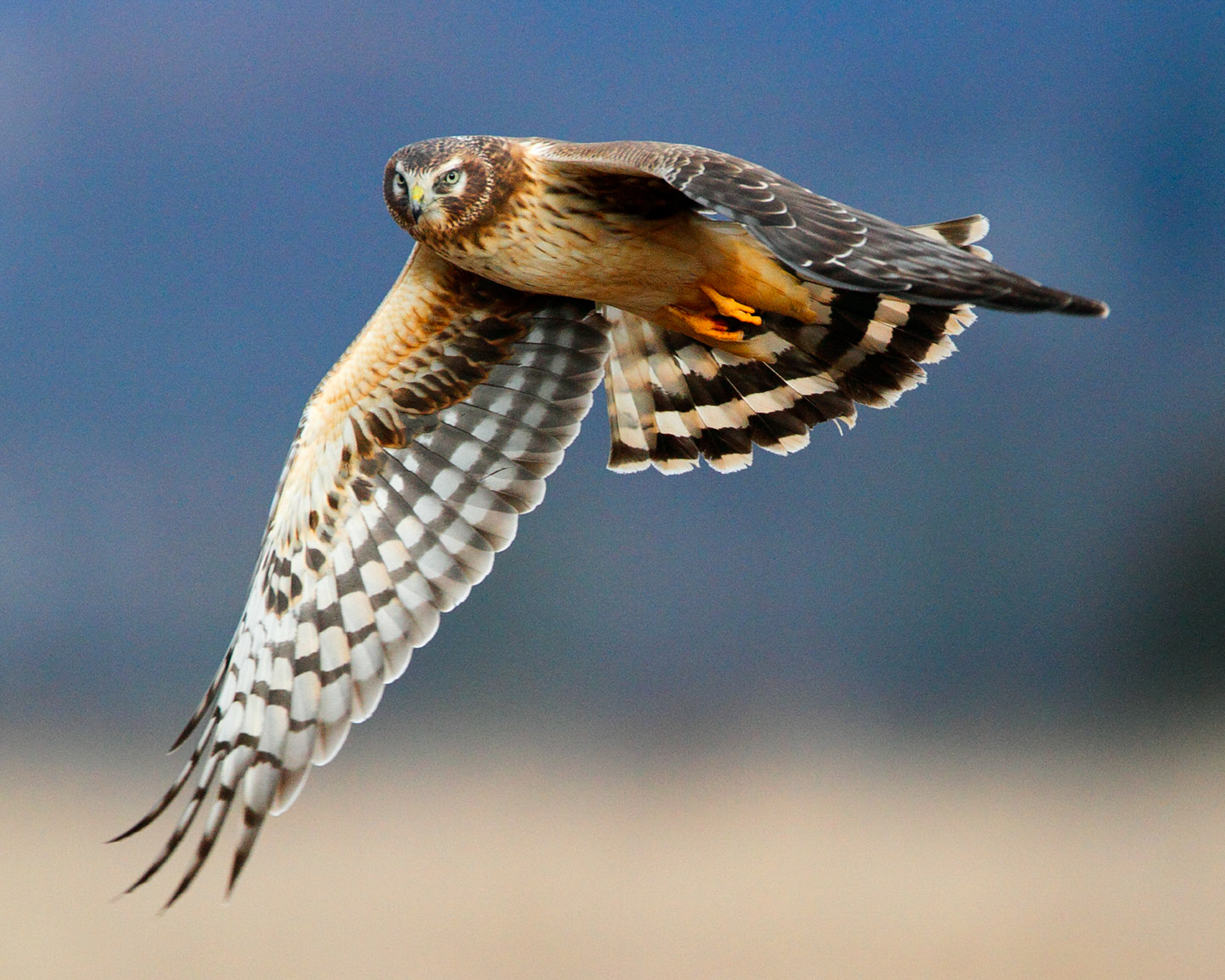
Northern Harrier.
Steven Sachs / Audubon Photography Awards

Harriers are fun to watch, since they are lower to the ground while they hunt, and you can get a good look at how they comb the area for food. It’s sort of like a vacuum cleaner, in that they go down a field, turn, and go back a few yards to the left or right of the first pass. Soon enough, something gets caught.

Little did I know how they actually hunt! It turns out they use their ears, unlike most other hawks. According to the All about Birds website from Cornell Labs:

Northern Harriers are the most owl-like of hawks (though they’re not related to owls). They rely on hearing as well as vision to capture prey. The disk-shaped face looks and functions much like an owl’s, with stiff facial feathers helping to direct sound to the ears.

All about Birds

Once I looked further into their behavior, I can see that our land has the kind of habitat harrierw want: lightly grazed pastures along with lots of ponds and marshy areas (hooray for me for making our pond, which is fed by a long arroyo that’s usually damp or wet).

Have any of you seen northern harriers on your property? I know that the literature says they don’t breed here, but I do have the right setting, if they want to.
Bryoventure III at the Big Thicket

by Ann Collins, with additional photos by Linda Jo Conn

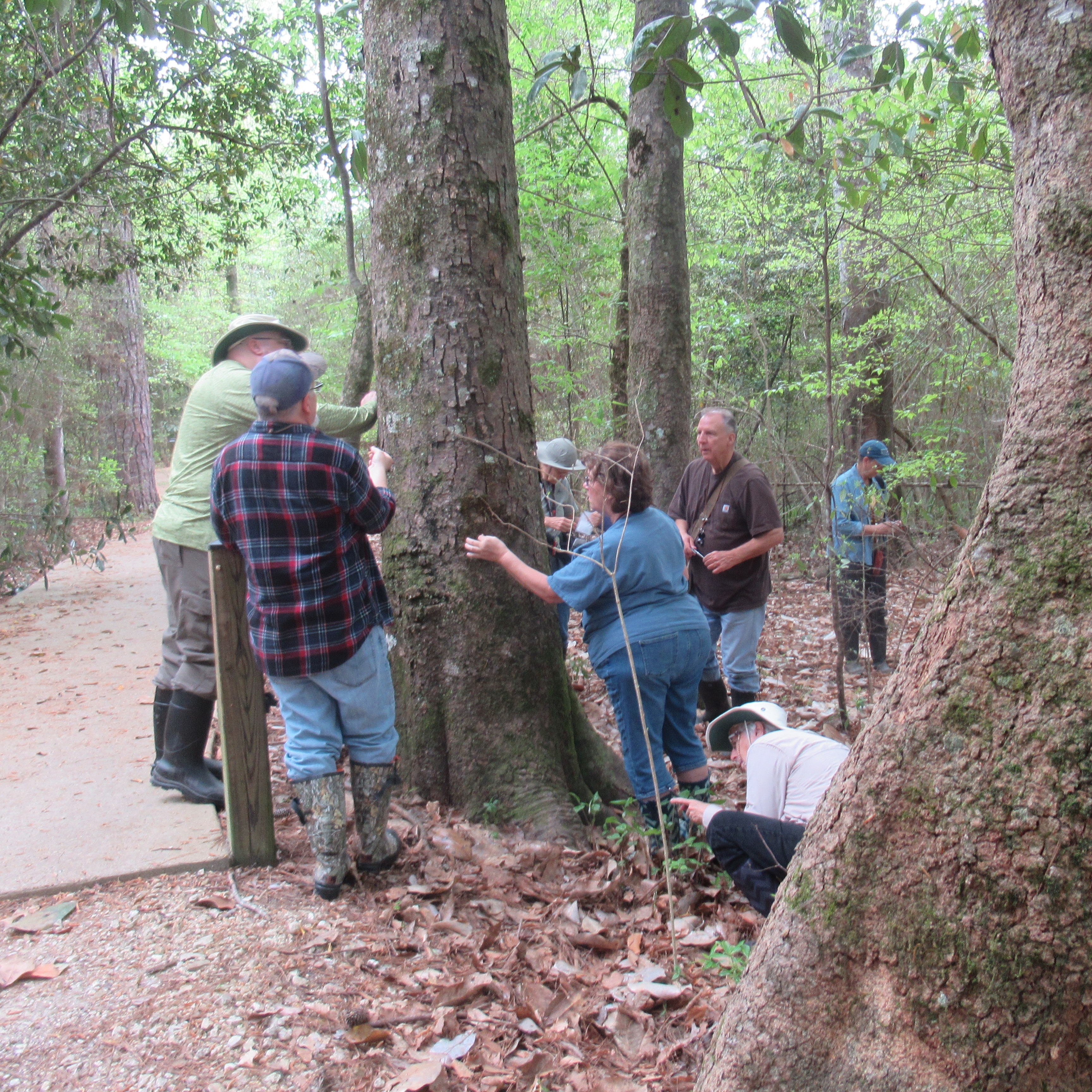
Linda Jo Conn and I just got back from “Nature Nerd Nirvana” – a phrase coined by a fellow traveler this past weekend. Ten lucky participants were able to trail along after Master Teacher Dale Kruse on Bryoventure III. We spend three glorious days immersed in the flora and fauna of the Big Thicket National Preserve. Talk about herding cats; Dale actually had a whistle to keep us rounded up!

Finding mosses everywhere in the Big Thicket.

Dale arranged lodging at the Research Station in Saratoga, Texas. We brought our own food and “drink,” but everything else was furnished. Not exactly the Plaza, but more than adeqquate for our needs.

Extreme dragonfly close-up

Trails in the Thicket were in great shape. There hadn’t been too much rain, so there were few muddy ruts in the roads. Of course, some of us managed to get in water deep enough to seep in over out boot tops – not me, of course! One trekker actually fell in and another, who shall remain nameless, fought her way across a bay gall (that’s an area dominated by sweet bay and holly) on a fallen cypress log. Such fun to watch!

We were supposed to ignore all the vascular plants and focus entirely on the bryophytes – like that was going to happen! Fortunately, birds are somewhat difficult to see with so much vegetation, and the trees are so tall!

Continue reading “Bryoventure III at the Big Thicket”

Annoyed by Trash

by Sue Ann Kendall

I’ve been thinking a lot about trash bags and how they endanger our domesticated and wild animal friends. So, you can imagine how perturbed I was when I got behind this garbage truck outside of Temple last week.

See the huge open bag? It was releasing its contents along the road. Above the caution sign at right is a genuine bit of trash that flew out.

The darned thing was blithely spewing trash, and plastic bags in particular, all along the highway. I couldn’t quite make out the license plate, though I was tempted to call this guy in for polluting the road.

I know this truck isn’t alone. The particular stretch of road we were on must be a trash route, because there was a LOT of debris on the roadside. What made us most sad was the plain evidence that people had quite recently walked the road and picked up trash, since there were black trash bags evenly spaced among the fresh new mess.

We really have a lot of education and enforcement work to do, don’t we?

We Had a Little Spring. Now Chilly.

Sharing this post, since it’s all about the spring blossoms and our crazy weather! Remember to send me your ideas and nature sightings, fellow Master Naturalists–Sue Ann

Sue Ann (Suna) Kendall's avatarThe Hermits' Rest

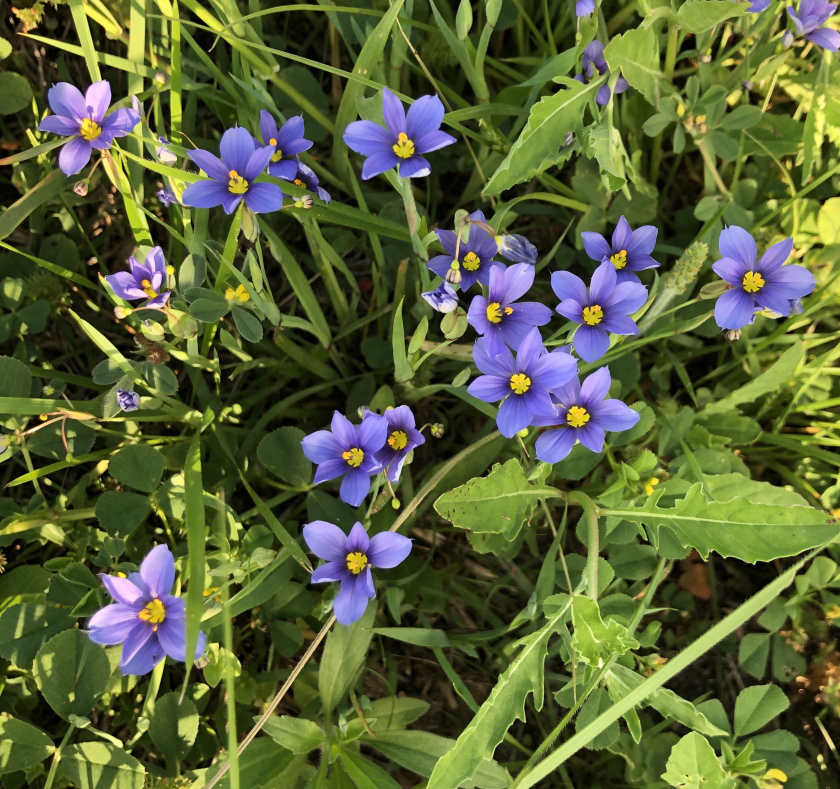
My friends the blue-eyed grass have returned.

Well, shoot, just when I was really getting into long walks and frolicking amid the wildflowers, a late cold front has driven me indoors. Yesterday, we hosted an event at 11 am at our office. The front showed up right as all the attendees were coming in or trying to find us. A big wind and brief rain surprised everyone, and blew away my meeting signs. March decided not to go out like a lamb after all!

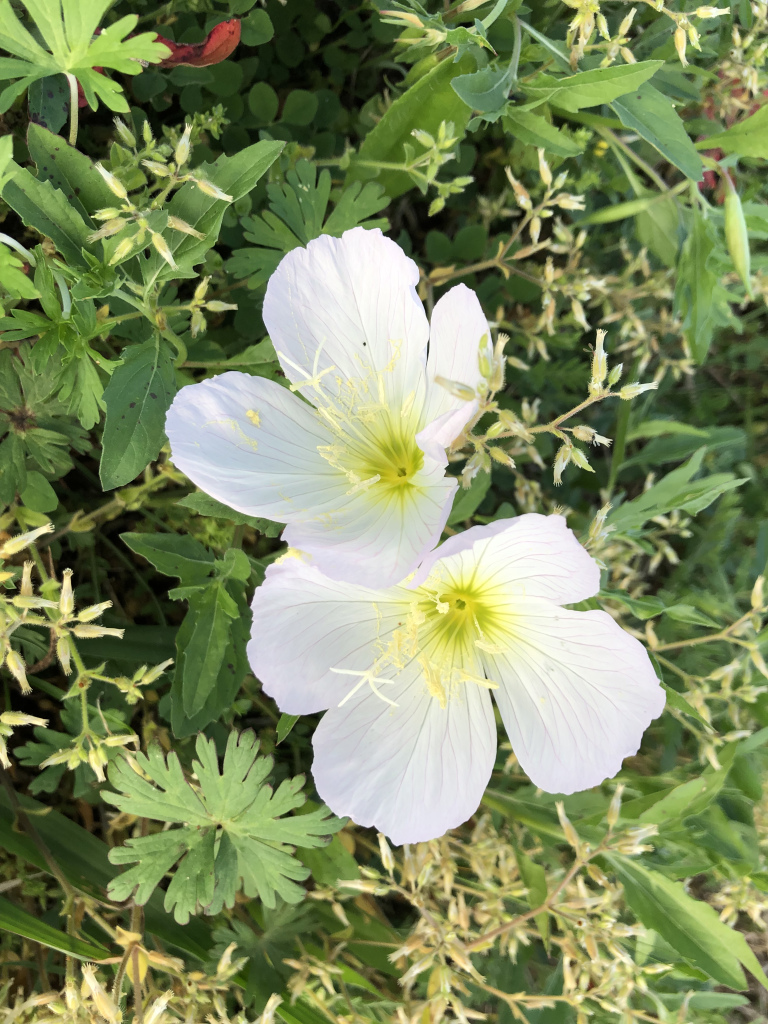
We have a patch of pink evening primrose that is nearly white. It’s striking against the green grass.

But, I did get a lot of flower-viewing, pet walking, and iNaturalist uploading done before the front! It’s a great year for flowers, thanks to the winter rains, so I know I’ll be out finding more to share soon.

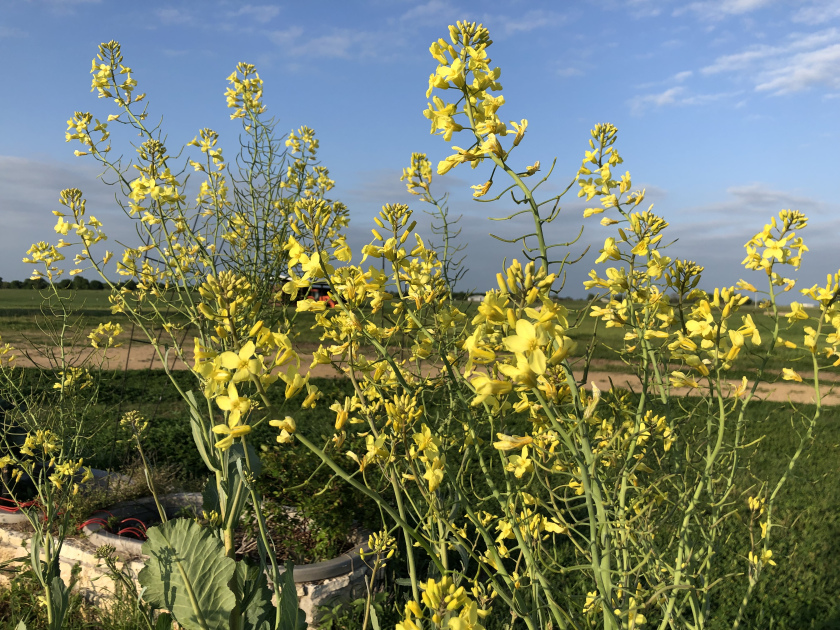
Yellow Flowers

The wild and crazy collard green in…

View original post 156 more words

Suet Bird Block Recipe

At the March 2019 Chapter Meeting, Cindy Travis shared her recipe for home-made suet blocks for bird feeders. These attract warblers, woodpeckers, chickadees, wrens, and more. She’s agreed to share it with readers of our blog!

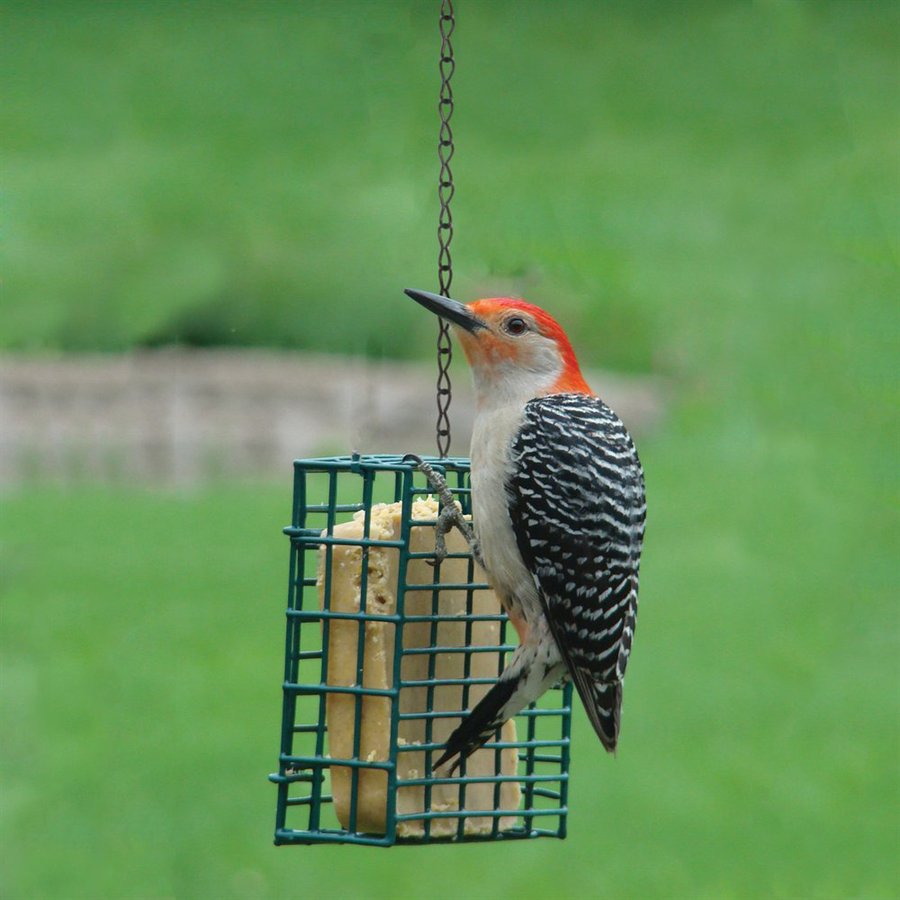
This red-bellied woodpecker likes the inexpensive feeder from Lowe’s. Photo from Lowe’s

Cindy says you can easily double or triple the recipe, so you’ll have plenty. The blocks freeze well.

Ingredients

  • 1 cup lard
  • 1 cup crunchy peanut butter
  • 1/3 cup sugar
  • 1 cup whole wheat flour
  • 2 cups cornmeal
  • 1 cup raisins, seeds, or crumbled eggshells (optional)
  • (Cindy recommends currants as fruit, because they are small)

Instructions

Dump all ingredients in a pot and heat over medium heat until the lard and peanut butter melt. Stir thoroughly.

Pour into a square pan, bread pan (you can slice the blocks), or into a Ziploc-type plastic storage container the size of your bird feeder.

Cool until solid, then hang in your block feeder.

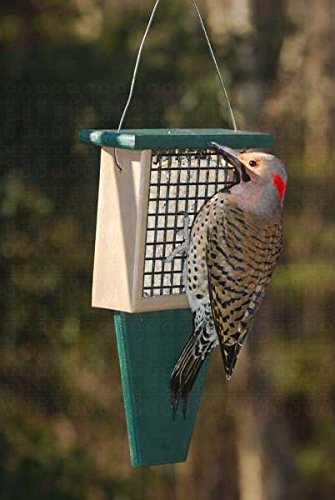
This flicker likes the feeder with tail rest from Amazon. Photo from Amazon.

PS: You can easily find suet feeders in home improvement stores (Lowe’s Home Depot) or big box stores with garden departments (Target, Wal-Mart, etc.). Specialty wild bird feeding stores will have a larger selection, and of course you can find them online (here is a sampling from Wild Birds Unlimited). You can attach them to trees, hang them on poles, etc.