It seems that I am a great landlord to all. Everyone wants to live here.
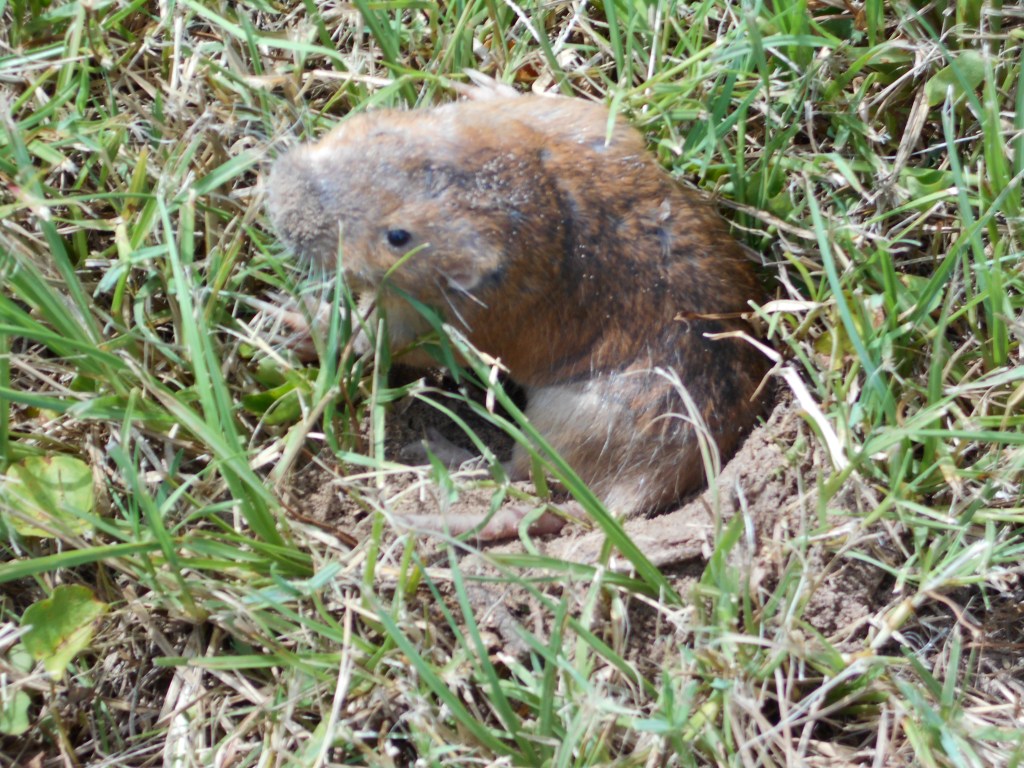
They are cute, for sure.
Right now, my garden is asleep for its winter nap. It is looking pretty sad, but as I told you that will change come spring. So, while the garden sleeps, I had some visitors sneak in.
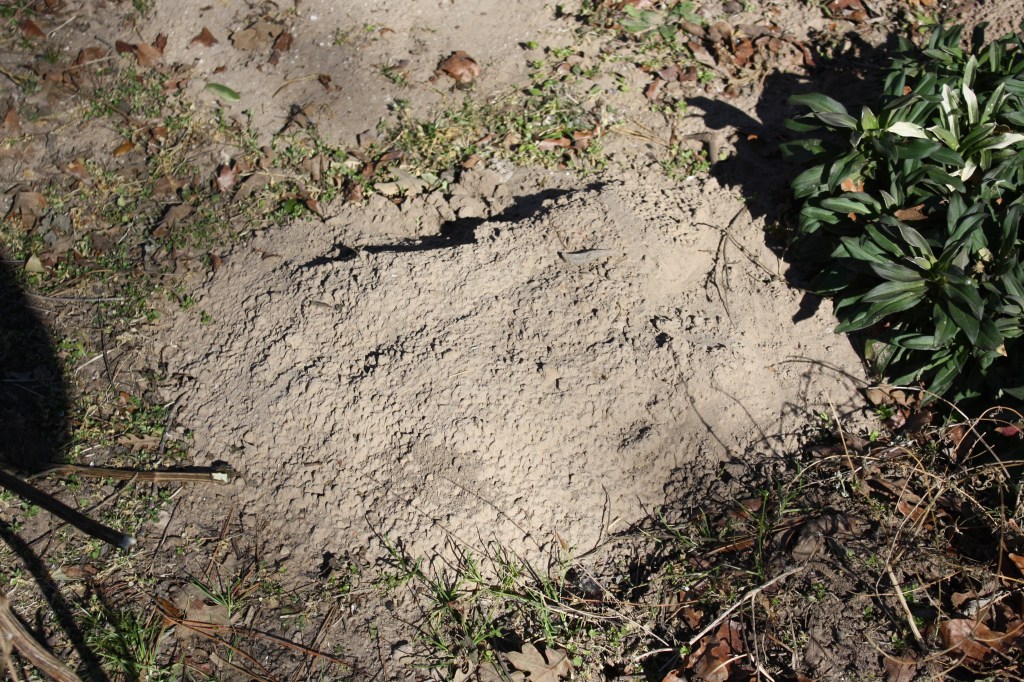
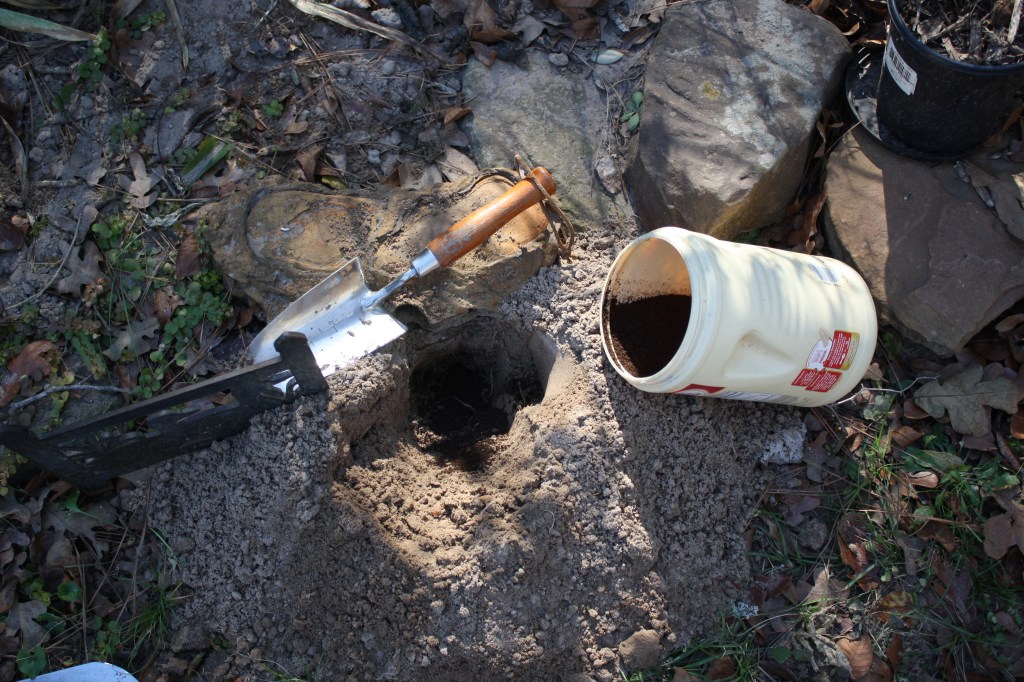
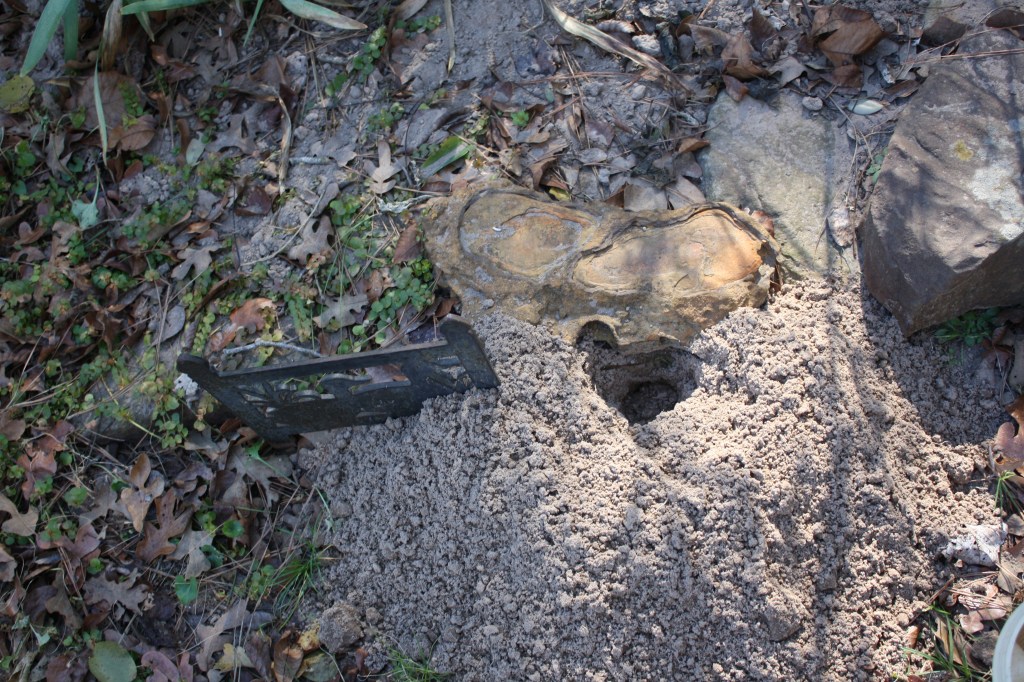
Evidence of gophers – mounds
This is the first time ever that Pocket Gophers have decided to reside in my garden. I should have been more vigilant before so many little gophers and their relatives decided to move in. Free room and board.
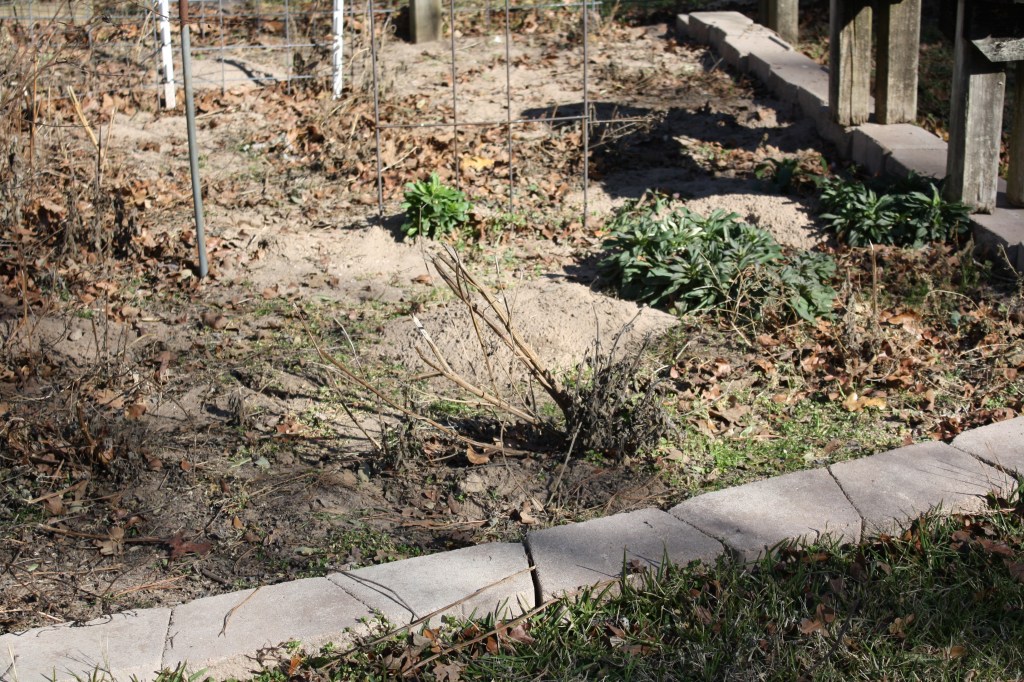
Grr, more mounds.
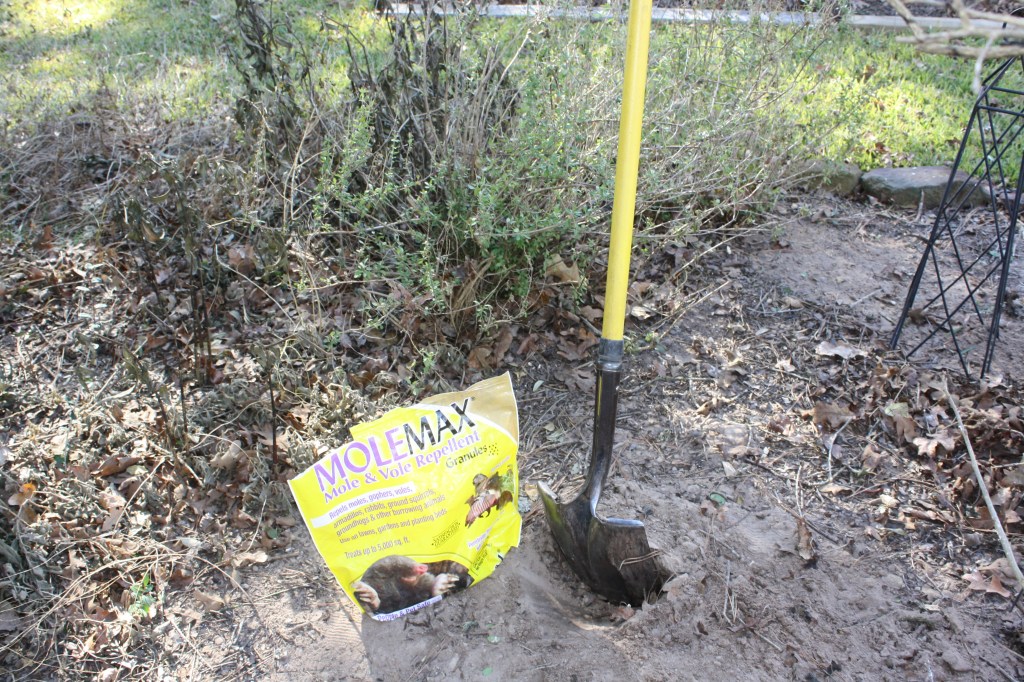
Now I have a huge problem. I have been trying for about 4 weeks to nicely move them out. I have bought repellent, used coffee grinds and mothballs, to no avail so far.
I asked at the Coop in Bryan Tx and their only advice was to kill them. I hate to even use that word. I love all nature. I am still looking for something that will run them out of my garden and into the pastures where I don’t mind them living. After all, we are in their hood.
My Brittany Spaniel was our original Gopher hunter, and trust me there were none around her. She always brought her trophies to show her love for me.
Sadly, she passed away two years ago from old age. I miss her a lot.
Holes, the little darlings love them.
Our current two children (our dogs) have no interest in chasing after anything but a ball or a cookie. No help there. I must do something soon or it will do a great deal of damage to the garden. I might try cat hair next, as another one of our members suggested (Cathy Johnson ).
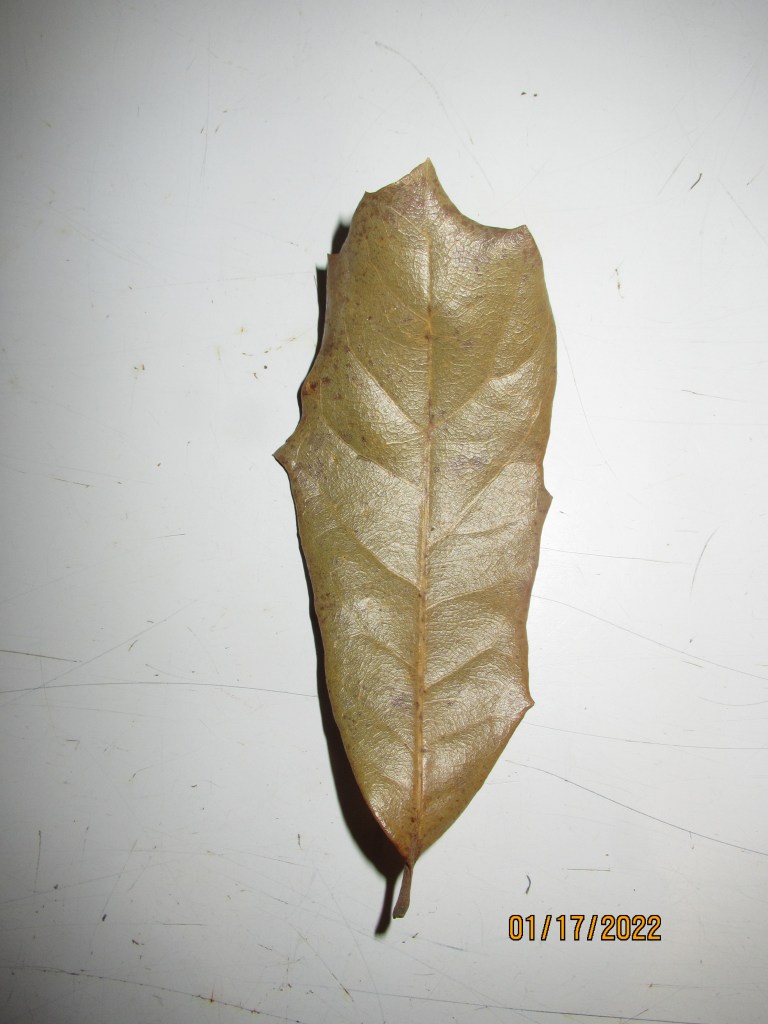
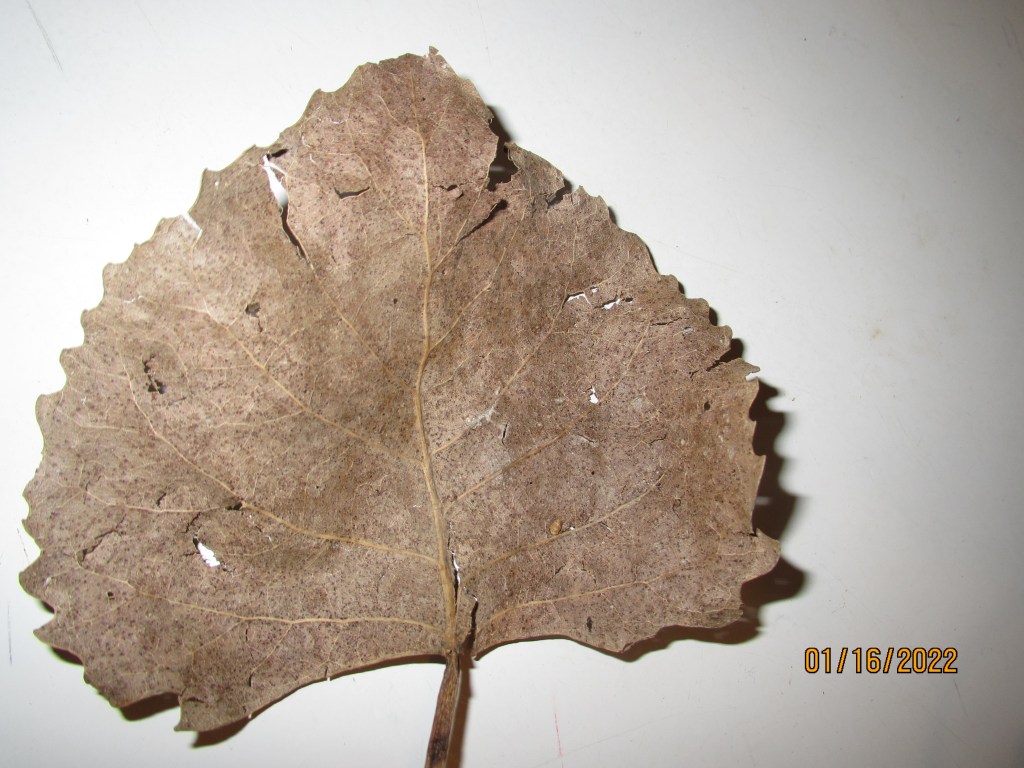
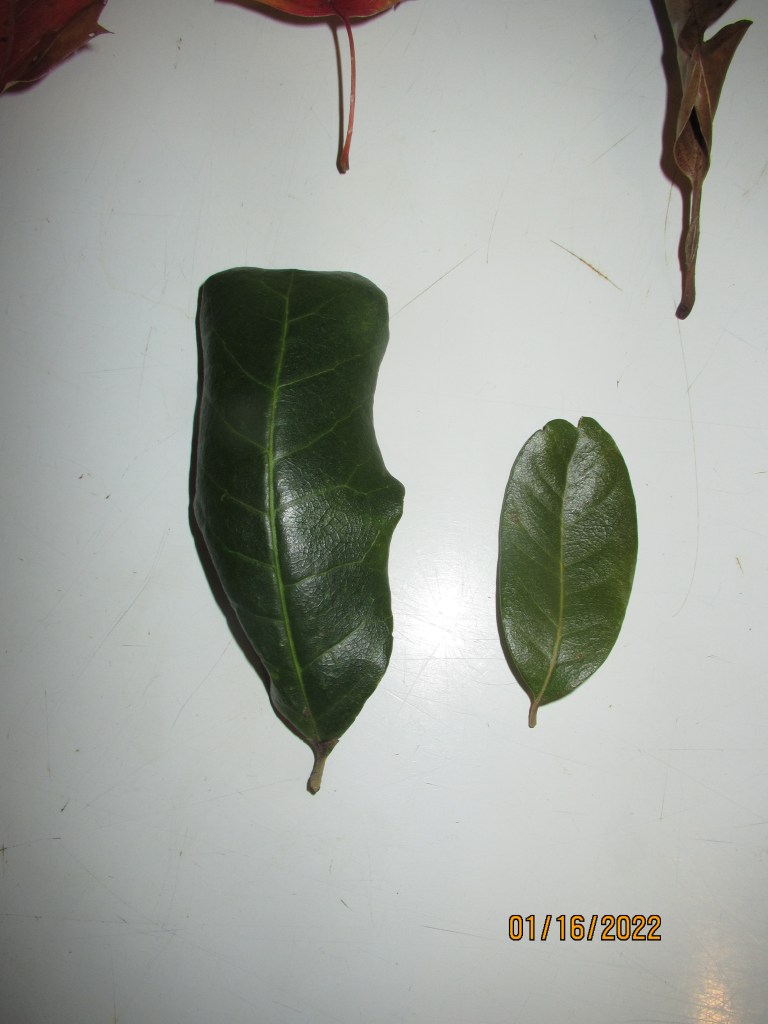
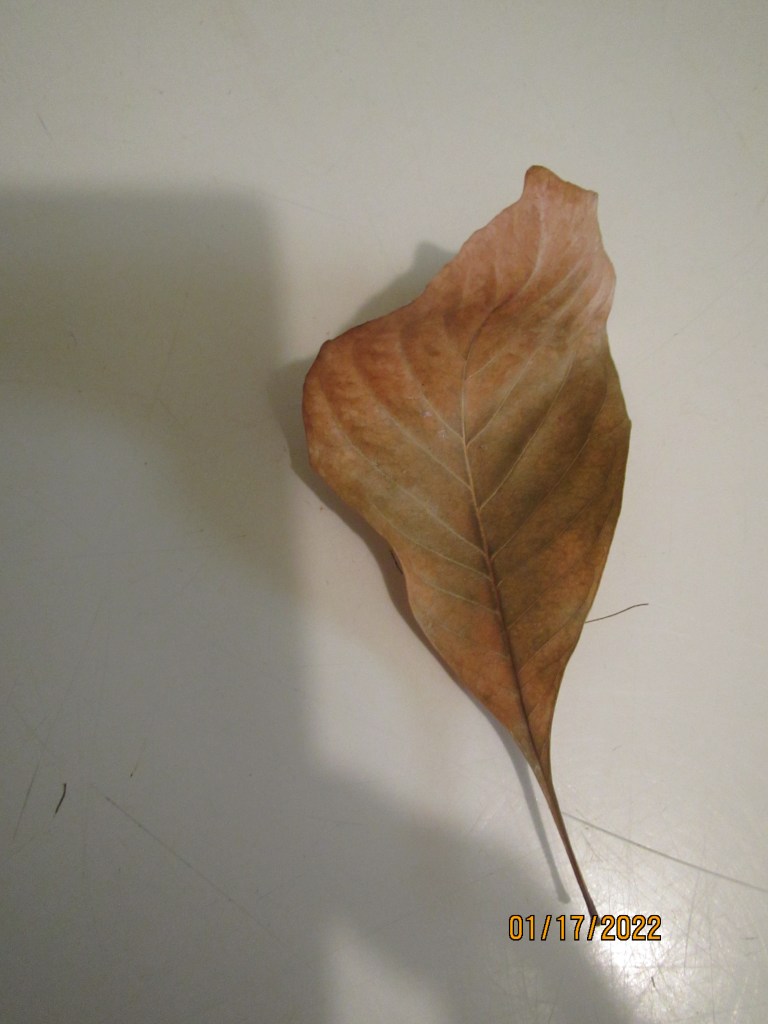
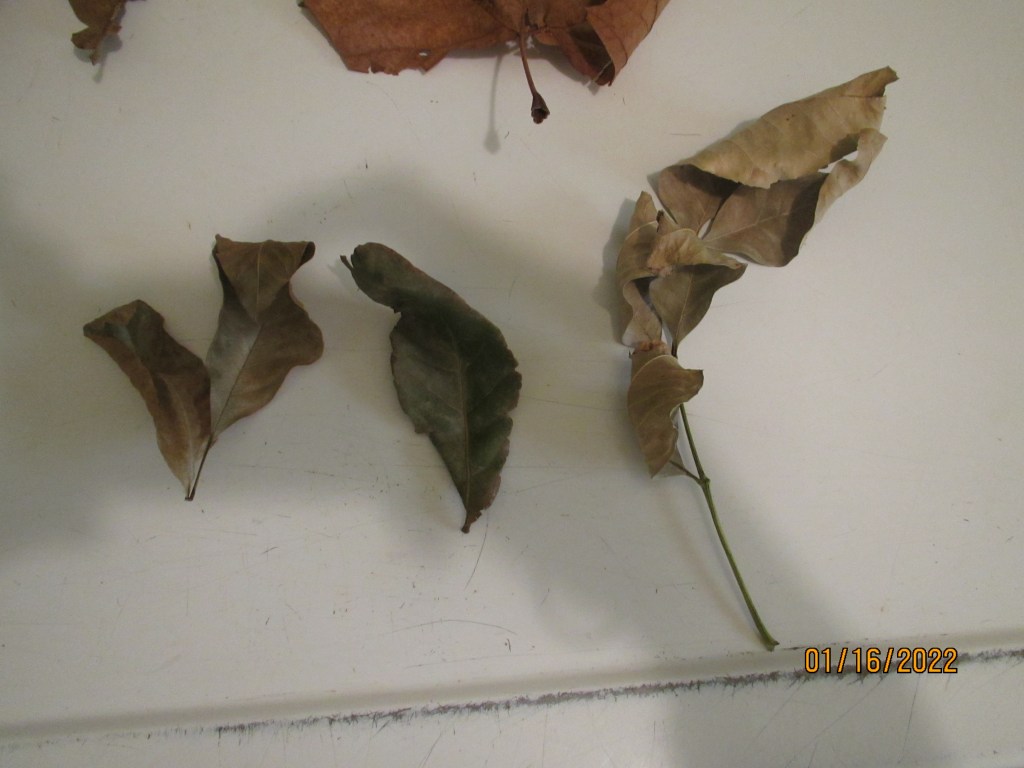
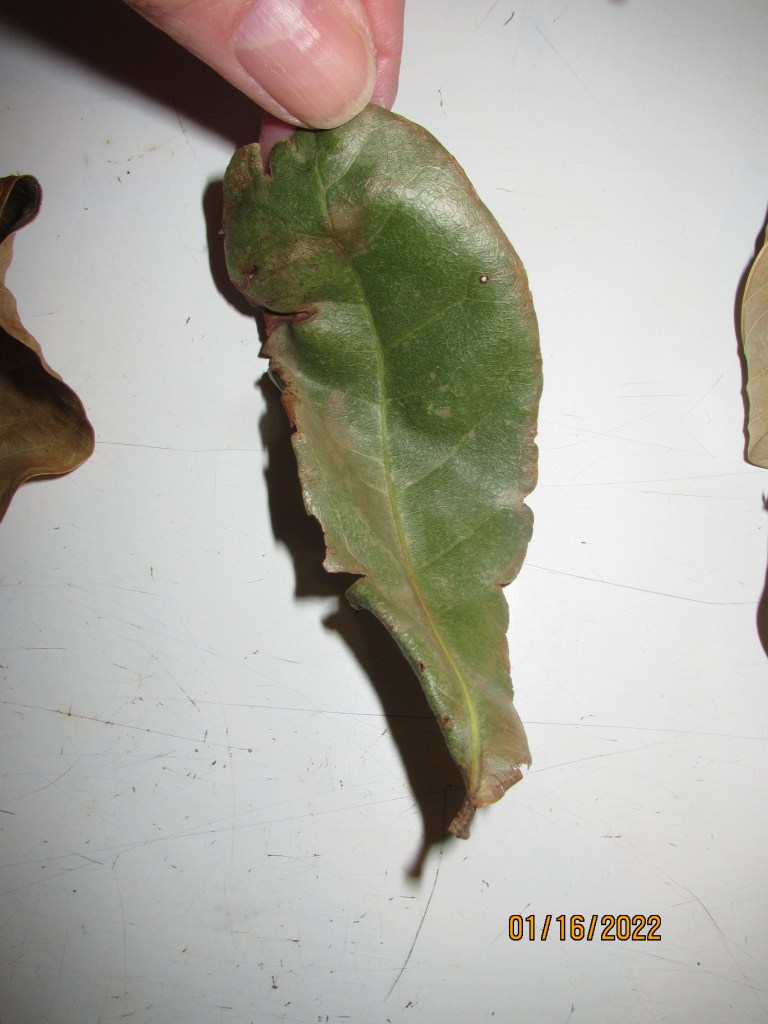
Saturday, January 15, was a very windy day, as everyone in Central Texas knows. That wind deposited approximately eleven diverse types of tree leaves in my garage. I say approximate because neither I nor iNaturalist have been able to accurately identify some of them.
Why are they all in my garage? It has something to do with the aerodynamics of the layout of my house, location, and wind direction. There is a wall that extends from the outer wall of my garage down my driveway quite a few feet. When the wind blows from the north or northeast, all the leaves in my immediate neighborhood blow around that wall into my garage. My neighbor swears this happens to him, too. I’m pretty sure they’re all in my garage.
There were so many Saturday evening, that I became curious about what had found its way there. I have two types of trees in my yard – Live Oak and Texas Ash. The Texas Ash had literally dropped all its brown leaves Friday. Directly below the trees. None of them were there Saturday. Live Oaks are called evergreen, but they do drop large amounts of leaves while replacing them almost immediately. This usually occurs in February. Those leaves were blown off the trees in a green state – mostly.
So, what did I find and identify?
Buckley’s Oak also called Texas Red Oak
Bastard Oak also called Post Oak
Rzedowski’s Sycamore (not at all sure of this ID)
Eastern Cottonwood
Live Oak – Don’t know if it’s Texas, Southern or Coastal
Magnolia – it’s an evergreen but does drop leaves
Texas Ash
Four others I could not get an ID on.
I did a little research on oak trees in Texas since there seemed to be an abundance of them in my garage. Texas has 50 species of oak trees. Central Texas hosts 6 of them natively. We have Red Oak (Buckley’s), Mexican Oak (abundant on the UT campus), Live Oak, Lacey Oak, Chinquapin Oak and Bur Oak. Needless to say, other types of oaks are here, but those are the ones considered to be native to the area.
I have to give the wind a little credit. It took all the Texas Ash leaves and blew them into one large pile in my back yard up against a fence. And, it blew all the leaves off a nearby Chinese Tallow into another neighbor’s yard.
Can you identify the trees these pictured leaves fell and blew from? After you give it a shot, the answers are below. And if you can identify them more accurately or at all for the unidentified ones, I’d like to know.
The identifications are in the order shown: 1> Buckley’s Oak or Texas Red Oak 2> Bastard or Post Oak 3> Rzedowski’s Sycamore 4> Eastern Cottonwood 5> Southern Live Oak 6> Magnolia 7> Texas Ash 8> Texas Live Oak. The other three are unidentified.
I just wanted to share the attached picture of what I believe is an American Lady butterfly that I took in the evening of January 13 in Buckholts. It was the only one I saw, and I thought it was unusual to spot one this time of year. It actually landed on my hand and remained there for a good while when I was checking my trail cameras.
Note: Donnie sent us this article after his first meeting. It’s great to have new folks jumping in and contributing! Welcome, Donnie!
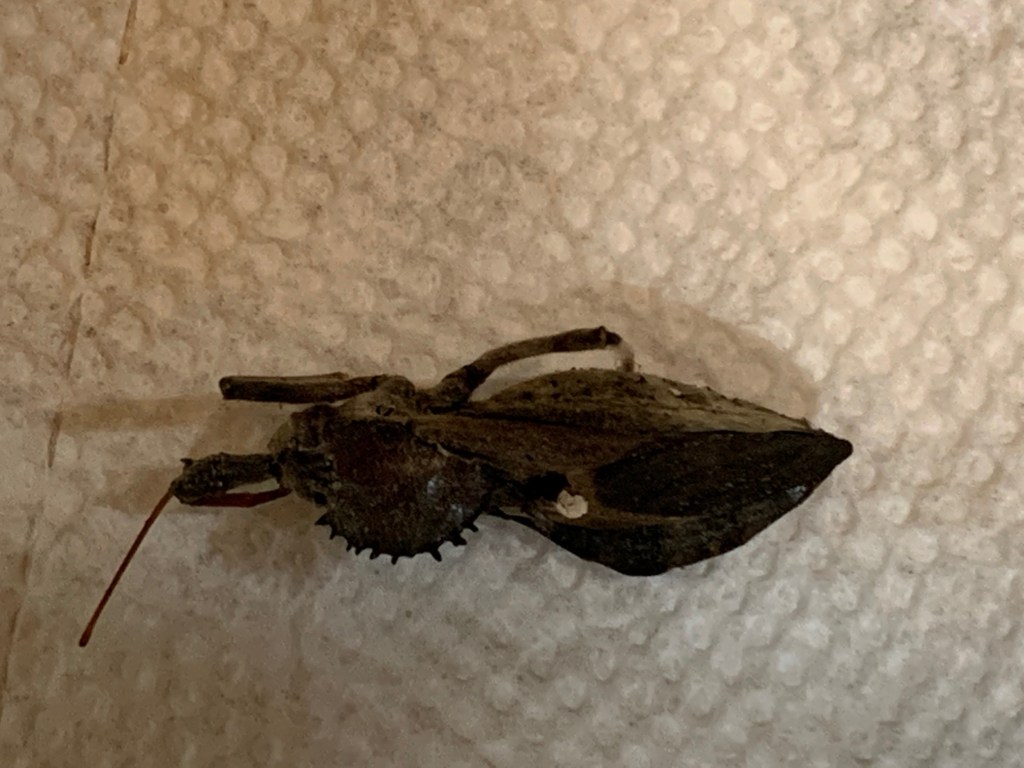
One day last October I stepped out onto our porch and noticed a dead bug. As I swung back to kick it off, I remembered our grandson was collecting bugs for fourth grade science. So, I got a piece of paper and scooped up the bug. Then I took a GOOD look at it. It looked like some prehistoric creature! I put it in a plastic bag for Eli and set it aside. Then I got curious about what it was as I’d never seen this thing before. I hauled out my bug books and hunted through two of them with no luck! Hmmm. Sounds like something rare! So, I went to the trusty internet. Uhh – how do I search for it if I don’t know what it is?? I thought about it, and feeling rather foolish, I searched for “bug with cog wheel on back”. Imagine my shock when all this information started pouring out at me!! A WHEEL BUG!!! How unique!
A Wheel Bug is in a group called Assassin Bugs. Order – Hemiptera; scientific name – Arilus cristatus; family – Reduviidae. They are about one inch long and range from blackish brown to orange or a mixture. These bugs have a cog-wheel type of crest on the back of the head and body. The female is larger than the male. This is a good bug/bad bug. They are considered beneficial insects in gardens and wooded areas. They eat cabbage worms, caterpillars, Japanese beetles, etc. And they are also considered pollinators. They like to be in or around homes because of the carbon dioxide we emit when we breathe. They can be found on the underside of leaves on garden plants. They can be found under rocks, under cool, dark areas, beneath mulch.
Most varieties won’t bite humans; however, species in the SW United States are most likely to bite. AND their bite is described as ten times worse than a wasp or hornet sting with the pain lasting for several weeks up to several months.
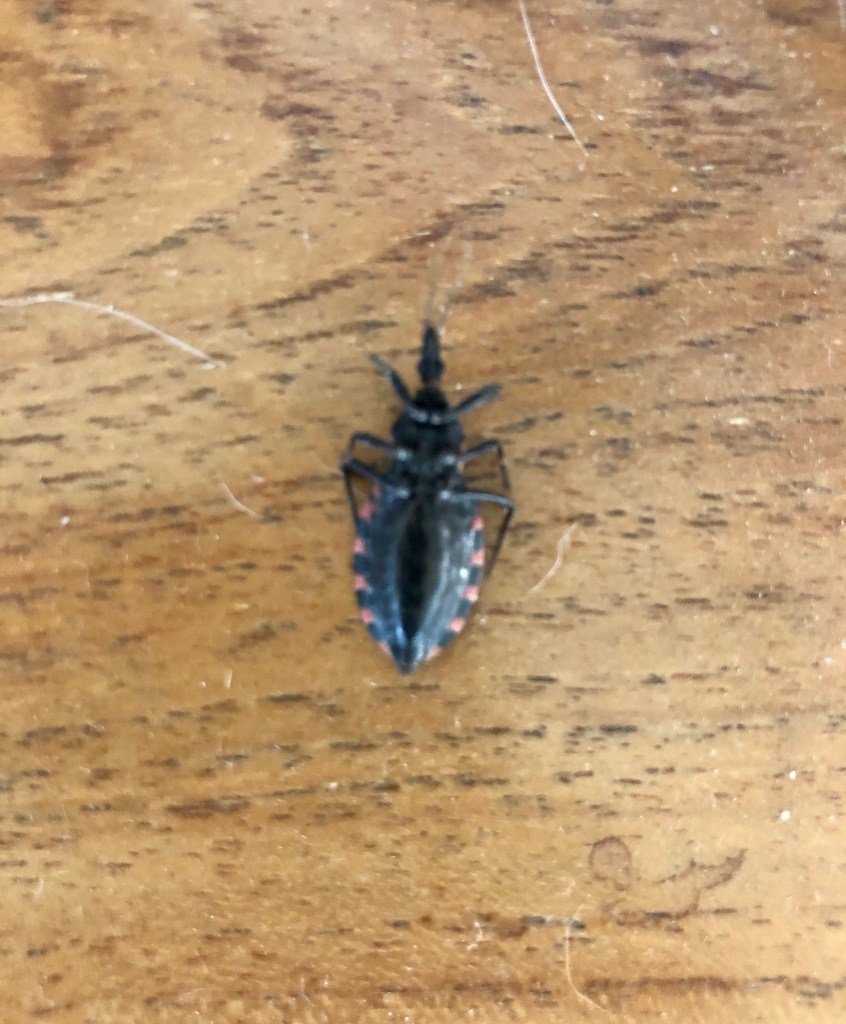
NOTE! We have discovered since this blog originally posted that wheel bugs don’t transmit Chaga’s Disease, just kissing bugs (Eastern Bloodsucking ConenoseTriatoma sanguisuga). However, in case you run into a kissing bug, here’s the information on the disease:
Kissing bug, photo by Sue Ann Kendall
Along with the very painful bites, they can also transmit Chaga’s Disease and or Trypanosoma Cruzi. This is rare in the southern states but will probably become more common. If untreated, it can later cause serious heart and digestive problems. The ACUTE phase includes fever, fatigue, rash, body aches, eyelid swelling, headaches, loss of appetite, nausea, diarrhea or vomiting, swollen glands, enlargement of liver or spleen. The CHRONIC phase causes irregular heartbeat, heart failure, sudden cardiac arrest, difficulty swallowing from enlarged esophagus, stomach pain or constipation due to enlarged colon. The acute phase may have no symptoms until it becomes chronic OR there may never be symptoms!!
These bugs are considered uncommon in the US. Hence the reason I didn’t find them in my bug books. I asked the TPW biologist if she knew what a Wheel Bug was. She gave me a funny look and said yes. I told her my story about finding one. And her reply was “you mean they are already up here?” These bugs are common in South and Central America and Mexico. You can draw your own conclusions about this. I recently presented a little program about this bug to the Lexington Garden Club. A man there who lives out west from Lexington said they are all over their property.