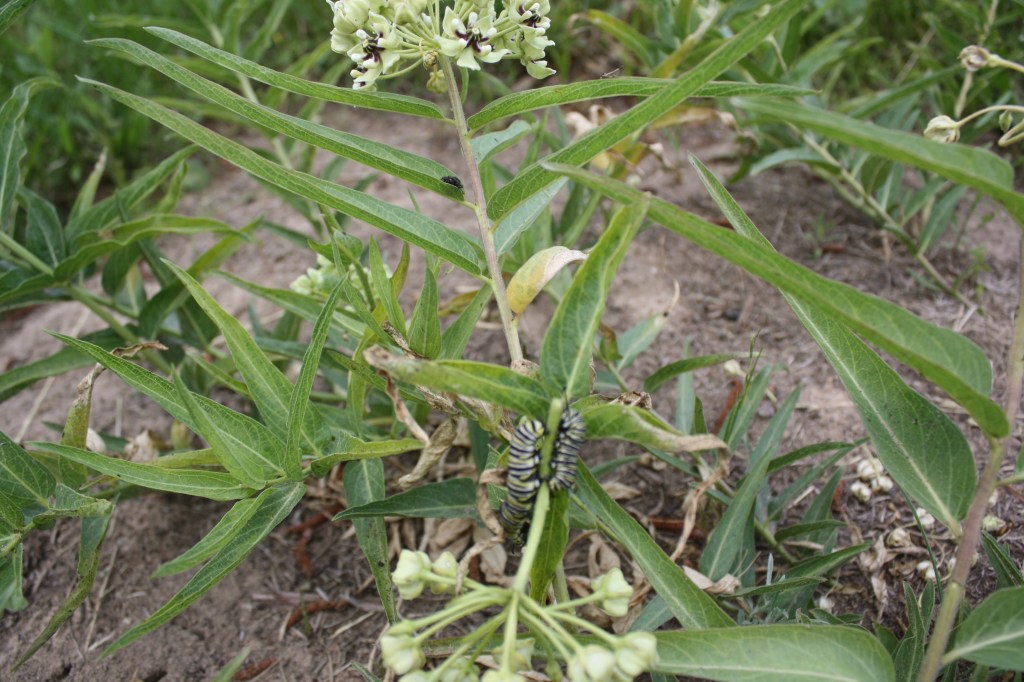
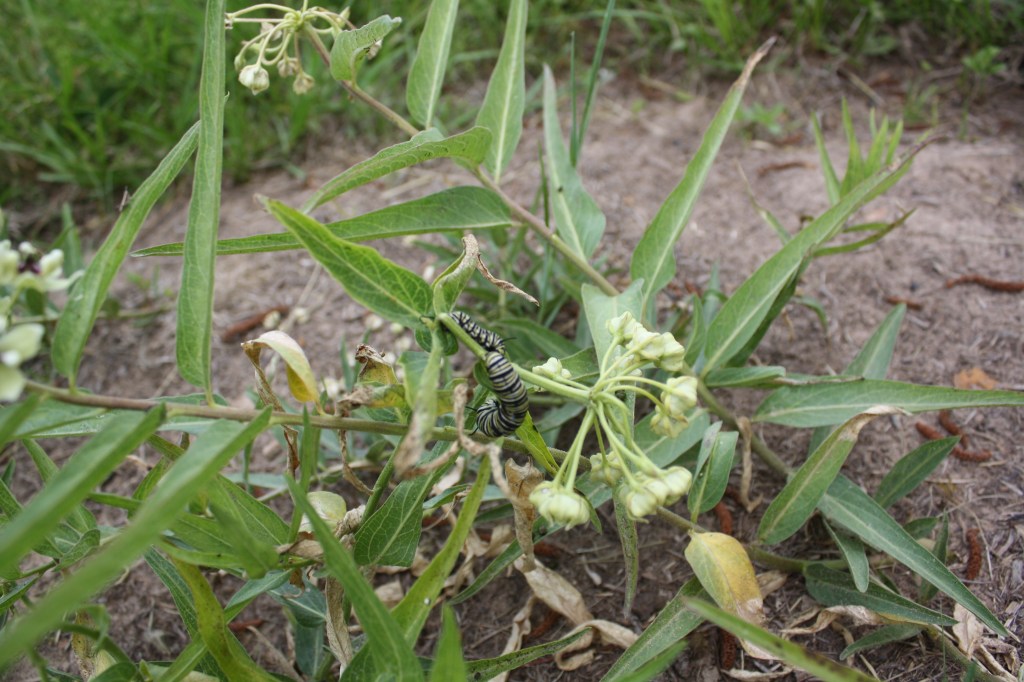
On Maya 4, I was so happy to discover two monarch caterpillars feeding on the milkweed a group of our Master Naturalists planted on our properties last year. This species of milkweed is Asclepias asperula, common name Antelope Horns or Spider Milkweed.
Of the twenty-four plants I received from a grant Cathy Johnson procured for us, only these few survived. Gophers tunneled under all the others and they did not regrow.
But… look what found them! There are two monarch caterpillars munching away on them.
There were also two species of bees, a wasp, a variegated fritillary, and a hairstreak butterfly. Everyone wanted in on the action.
Interesting was the fact that the Monarchs were eating the stems not the leaves? I do not know why that was. Something to learn about.
The main thing to take away is that while it may seem like a minor event…two more monarchs made it into our world.
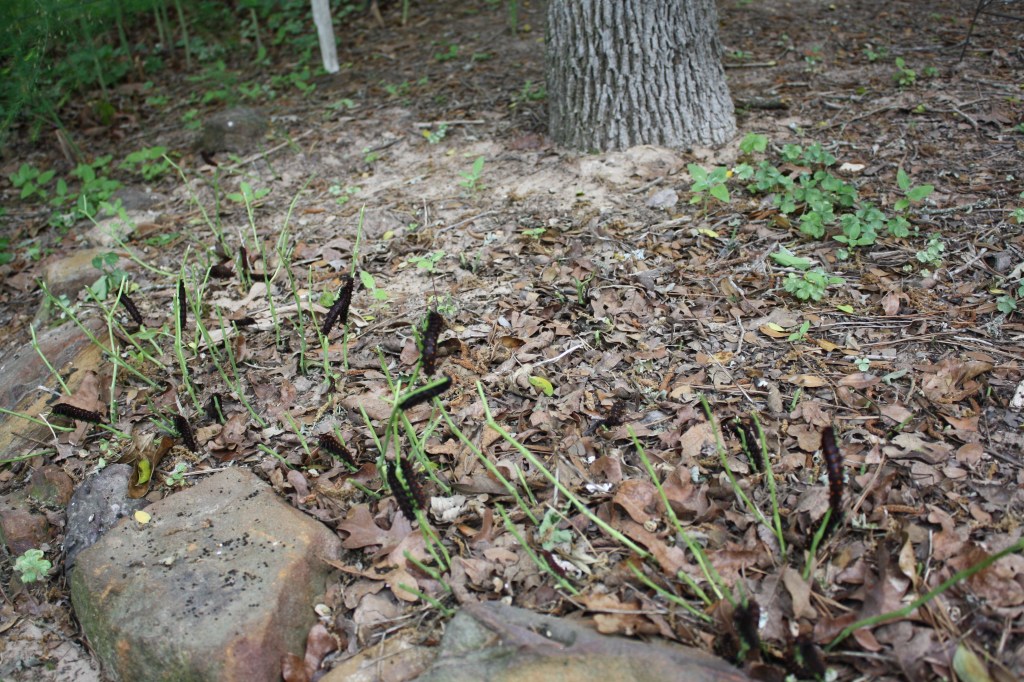
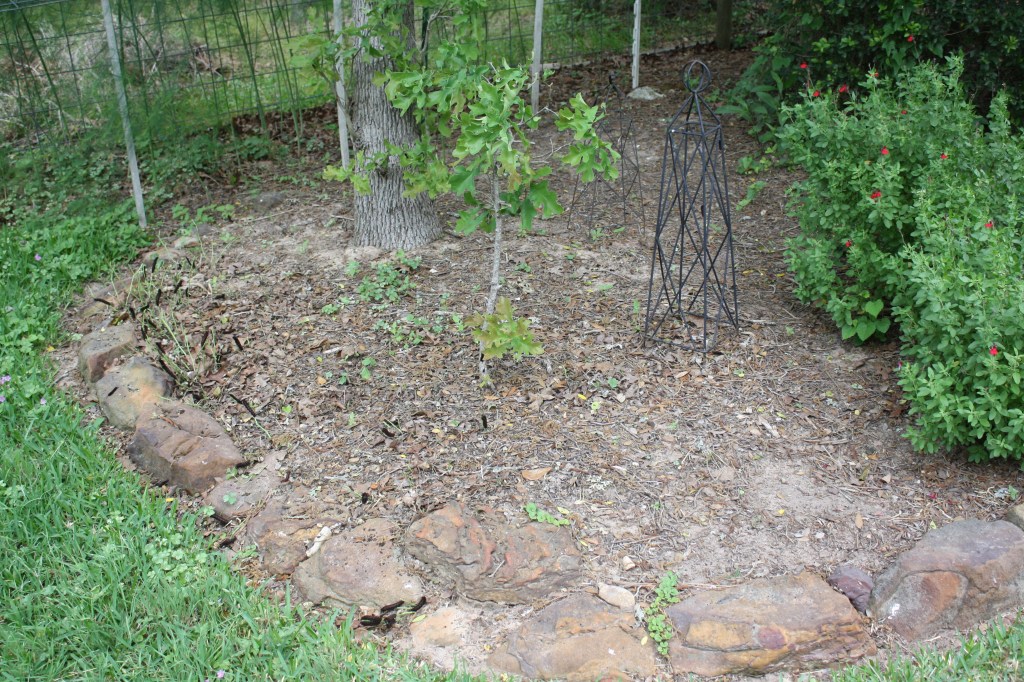
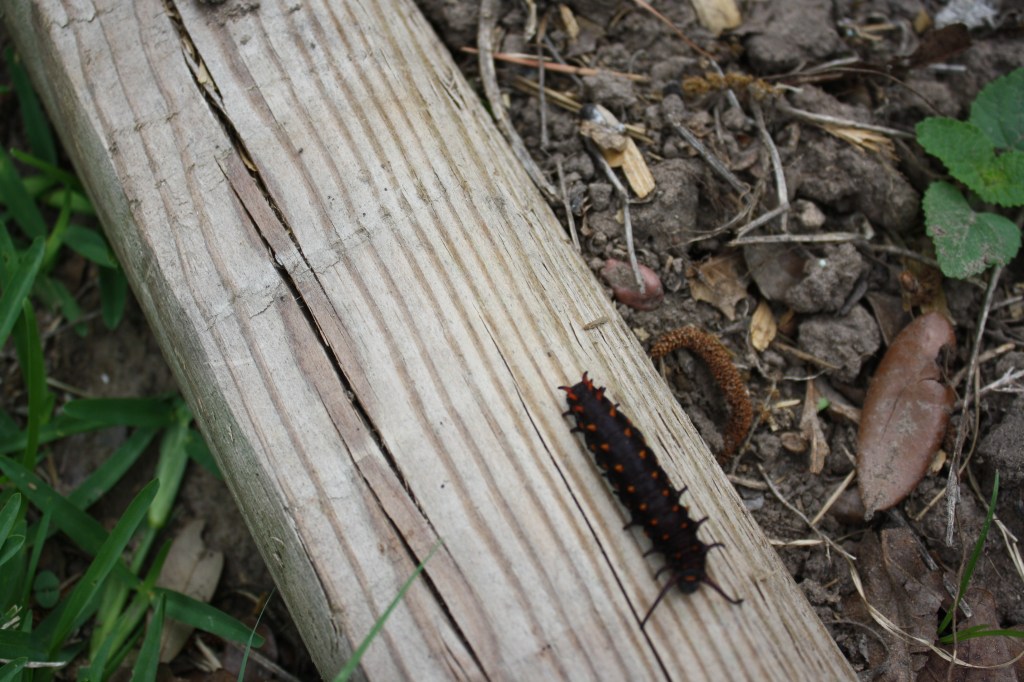
On May 2, I went out to the pollinator garden to work, and all I saw was black Pipe-vine caterpillars on the march to find more pipe-vine plants. They ate all the ones I have in my garden right down to the ground and are even eating the stems right now. It’s a feast going on….
The vines, before
I almost stepped on a bunch of them.
Off it goes!
I got my camera, took a few shots and then carefully walked out of the garden.
The vines, after
They will go out to the pasture and find their native vine until they are big enough to make a chrysalis and then become a beautiful black swallowtail butterfly.
Nothing left but future butterflies.
In several weeks, my plants will completely grow back and the process begins again. Last year I had four complete cycles.
The caterpillars can be black or dark red.
That is amazing.
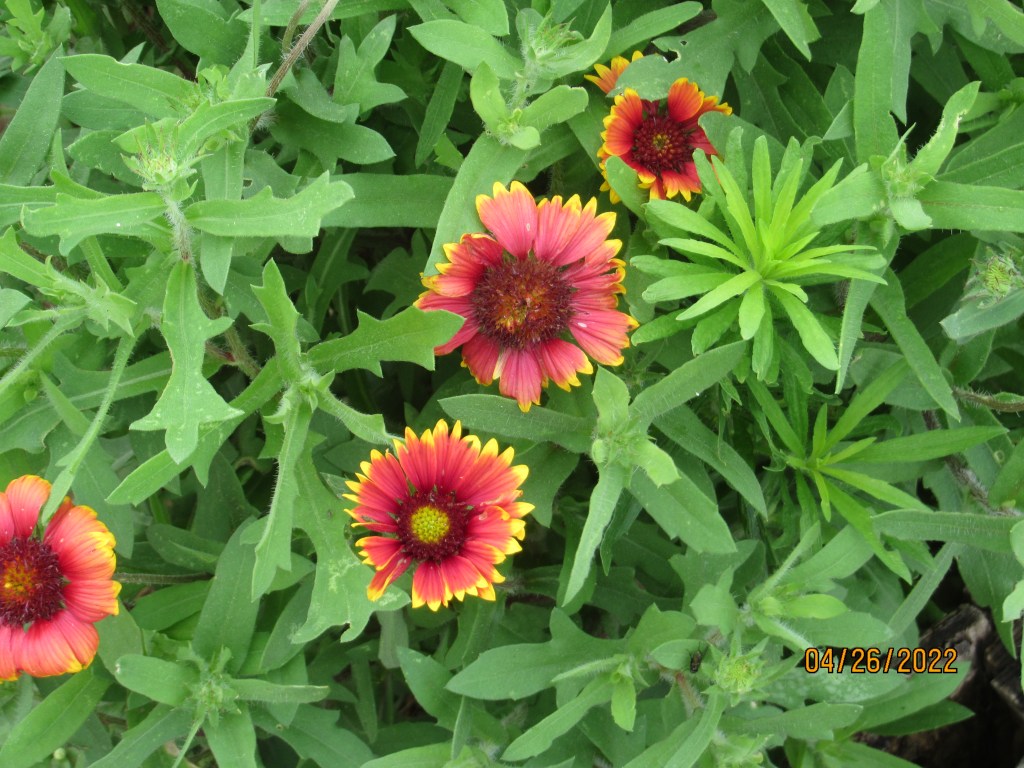
PS: Out near where Donna lives, Suna saw at least a dozen of the adults enjoying Indian blanket flowers. Sadly, she was unable to stop the vehicle fast enough for a photo, but it was a beautiful sight.
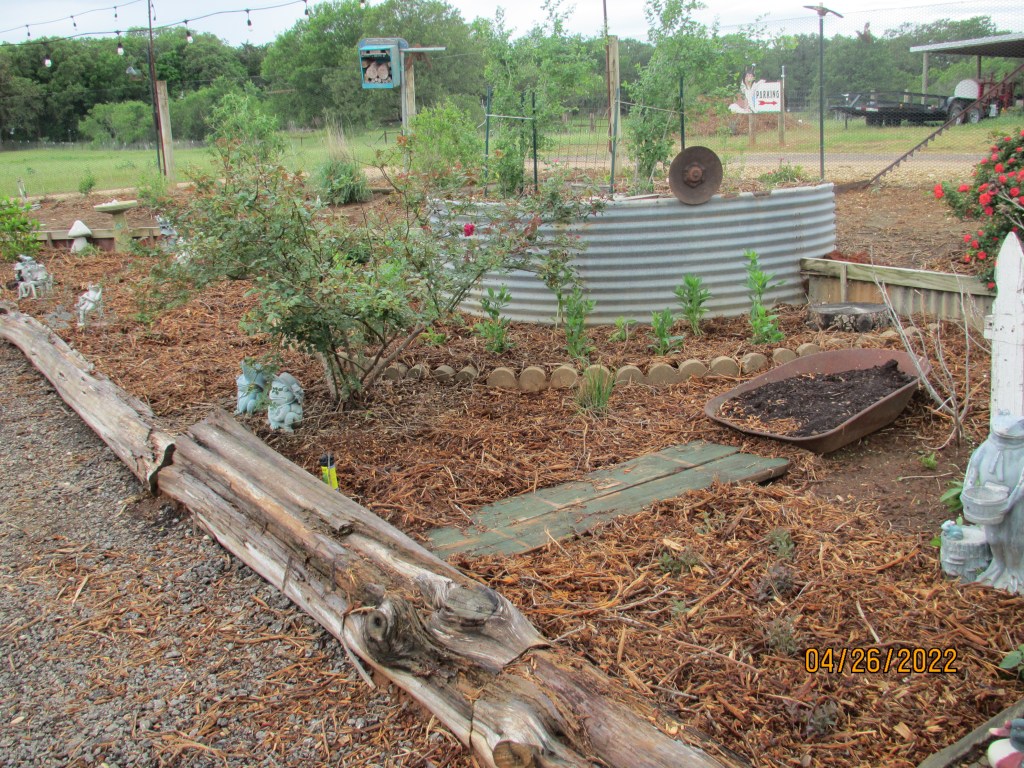
The El Camino Real Chapter wildscape at the Bird and Bee Farm is in bloom and looking particularly well-groomed this week.
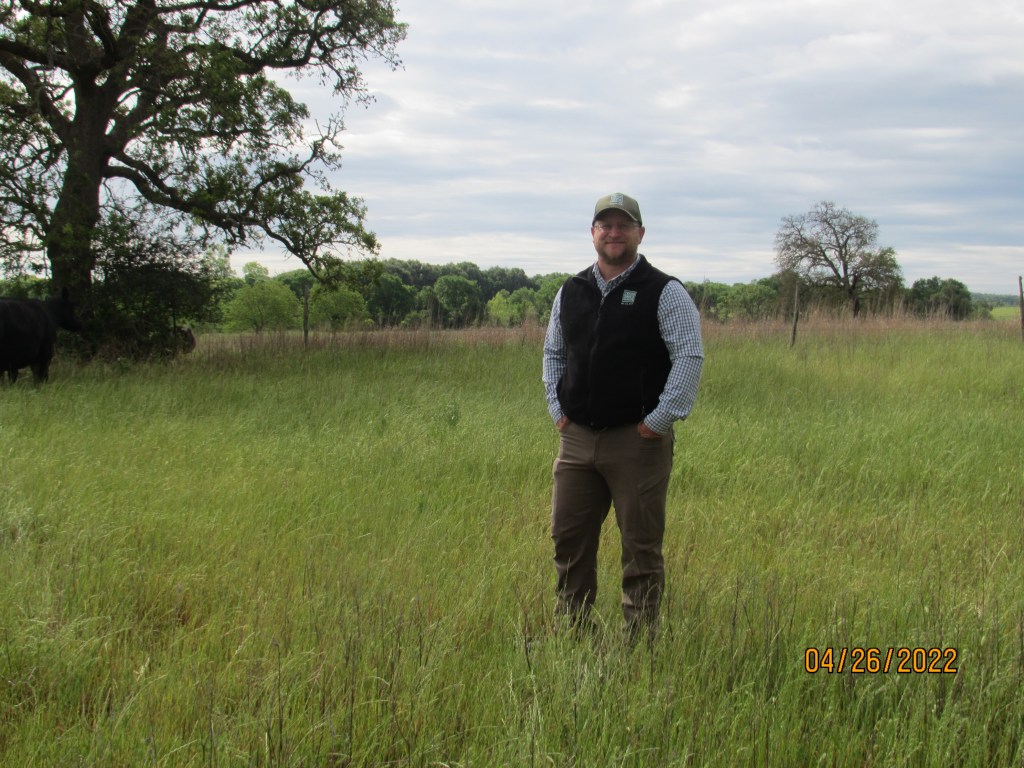
Owners of the Bird and Bee Farm, Gene and Cindy Rek, who also happen to be official Texas Master Naturalists now, have received special recognition for their agricultural practices from the Texas Commission on Environmental Quality. The TCEQ came out last Tuesday to film a video and interview the Reks about their operations, and the Wildscape got a little recognition, too.
Tim Siegmund, TPWD biologist and our friend, helped the Reks convert their pastures to native grasses.
The Reks, Catherine Johnson and family, and several members of our chapter worked hard to make the place presentable for the filming. Luckily, several of the native plants in the wildscape also decided to bloom in time for the filming.
The Reks will receive their award in May at a TCEQ banquet, where the short video will be shown. The video will then be viewable to the public via the TCEQ website and You Tube. We will post it here when it’s available.
In the meantime, look at what’s blooming at the wildscape! (Sorry the blogmaster can’t remember the names of all the flowers – she’s old.)
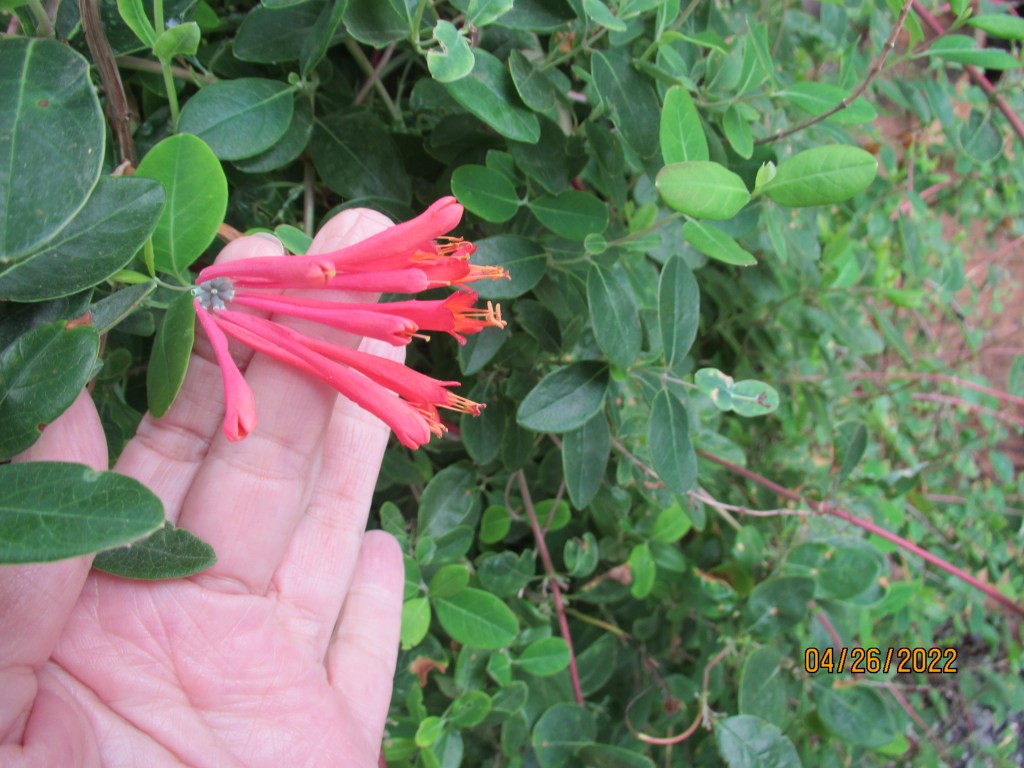
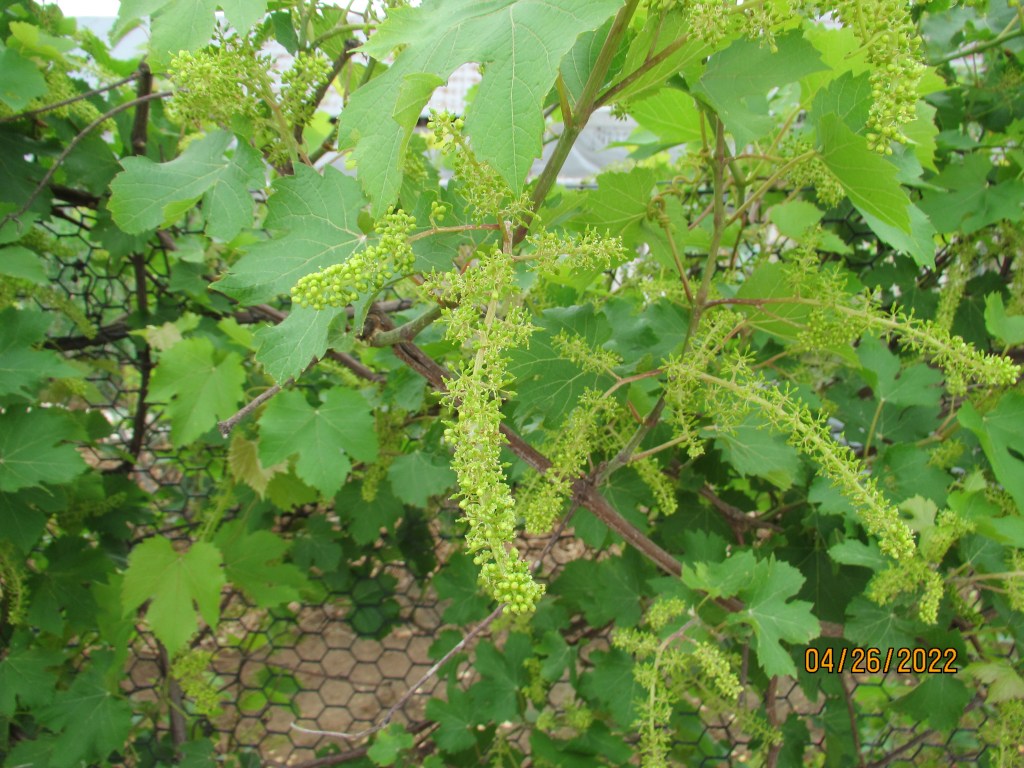
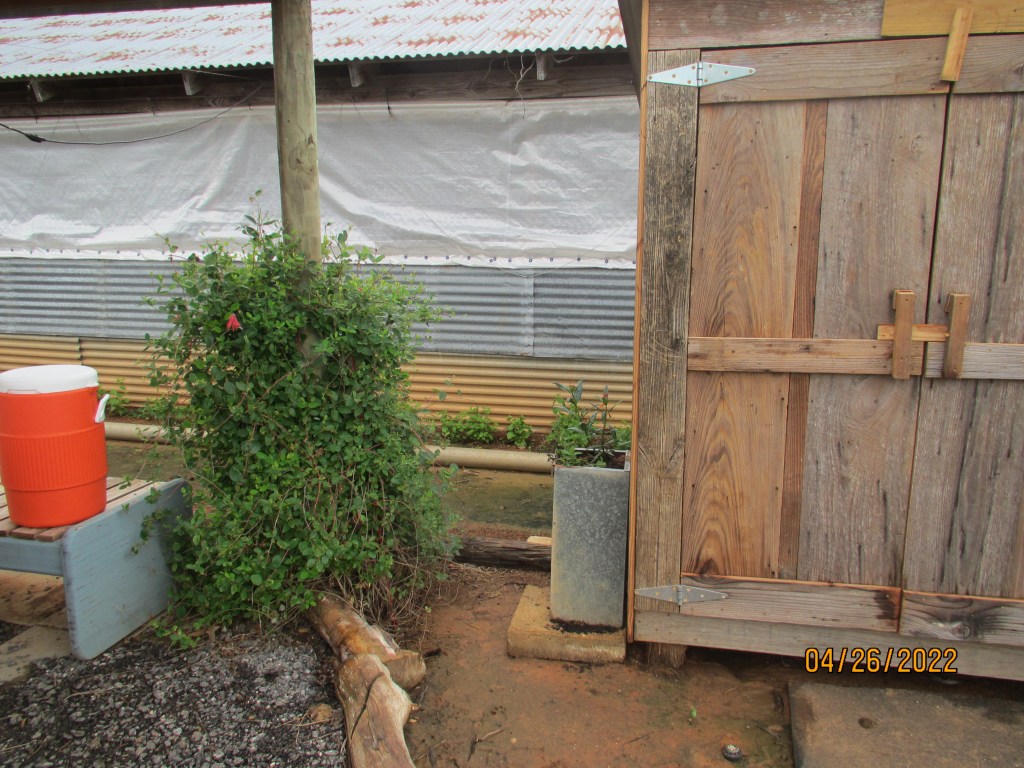
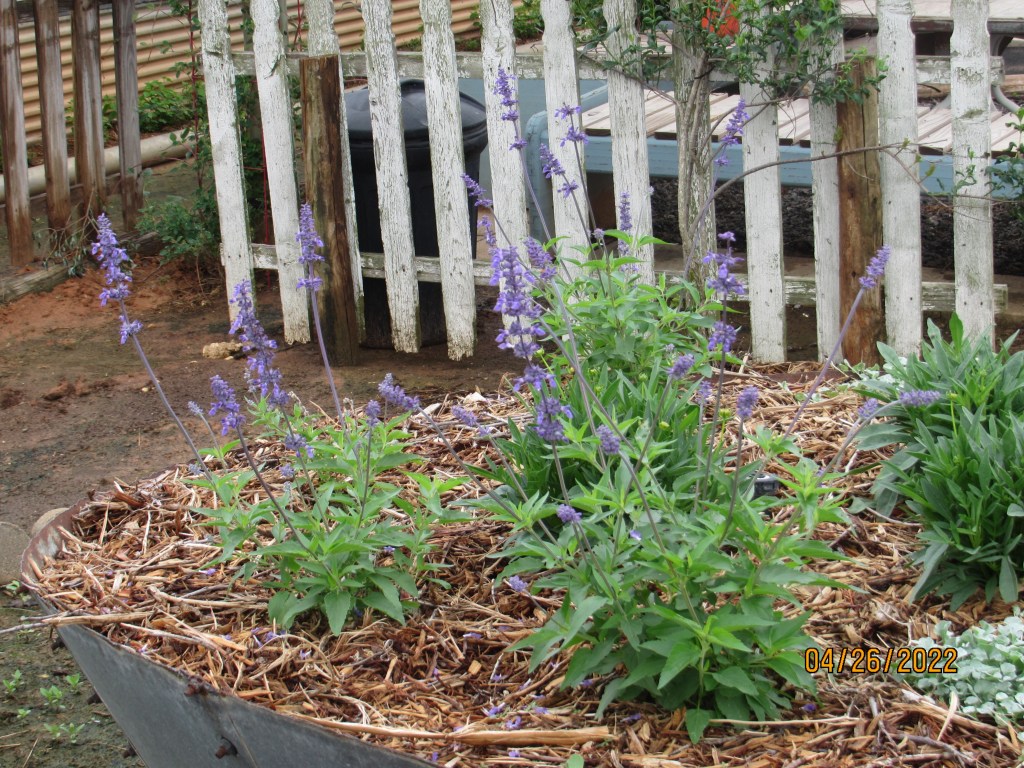
WisteriaHoneysuckleGrapevineIndian blanketSalviaClick any image to see the full photo
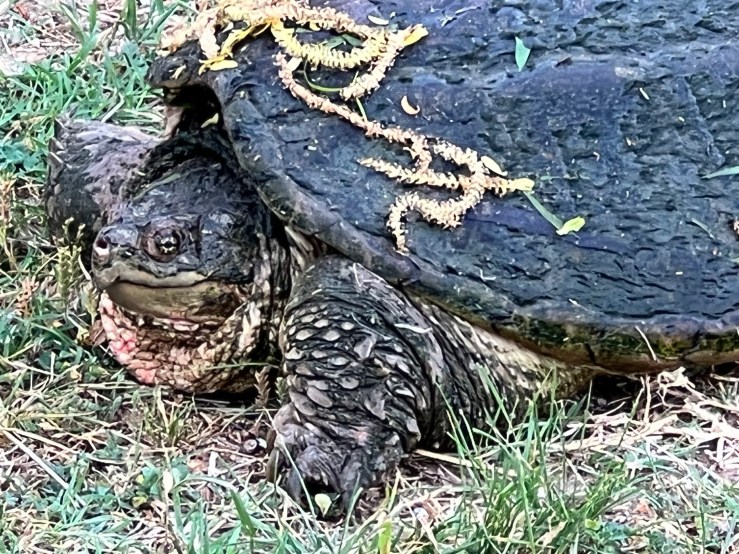
I went out Friday morning to see if I could get a photo of the feral cat that’s showed up at our ranch (brave thing, considering our predator density). Thus, I had my camera out and ready when I detected movement over by my tack room. It wasn’t a cat, though. At first, I thought it might be an armadillo, but as I got closer, I recognized a common snapping turtle (Chelydra serpentina) was lumbering along across the property, heading from one body of water to another.
I’m busy. Leave me alone.
We’ve always had snapping turtles at our ranch. For a long time there was one much bigger than this (those tend to be males), with a head as big as a pro football player’s fist. We’d usually run across it in April or May, heading somewhere across a pasture. The dogs bark at them, but horses don’t seem to mind them. I’ve never seen one snap, though my mother used to tell a story of how she narrowly avoided losing a finger once.
Obviously, it came out of a body of water next to the blooming black willow trees.
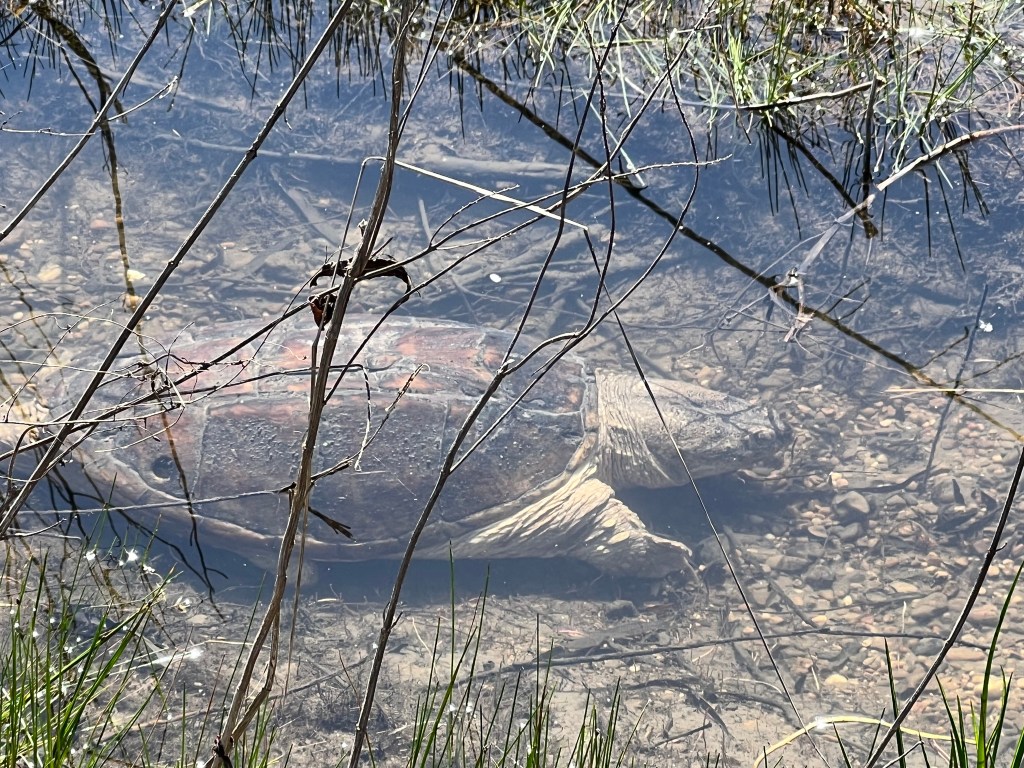
These turtles tend to live in shallow water, especially streams and creeks. That’s where at least one of the snapping turtles on our property was for much of this spring. I don’t know if it’s the same one. This one looks less ancient somehow.
This is in the creek in front of our house and is smaller than the other one. Notice the hole in its shell. I wonder if someone tried to eat it or shot it.
These turtles are really cool, and I’m glad they are still around. They seem like relics of a long-ago age, to me. Here’s a fact I found that you might like:
In shallow waters, common snapping turtles may lie beneath a muddy bottom with only their heads exposed, stretching their long necks to the surface for an occasional breath. Their nostrils are positioned on the very tip of the snout, effectively functioning as snorkels.
I’ve seen them doing just that in Austin in the limestone creeks, which was fun. Whenever I saw people and their dogs frolicking along Barton Creek, I remembered how many snapping turtles I had seen there, in Lake Creek, and in Brushy Creek. They are quite common, as their name hints. Still, it’s always fun to see them out of the water, since they spend most of their time submerged and snorkeling along with those handy nostrils out, unless there’s a mating mission or something.
The tail looks pretty scary, too!
What Else Is New?
I’m always on the lookout for new flowers and such, and sure enough, every day seems to bring something fun and/or pretty. Who needs all those bluebonnets and paintbrushes when the other guys are just getting started? My Engelmann daisies are taking over, as usual, but I’ve been seeing some other favorites popping up, as well. Take a look!
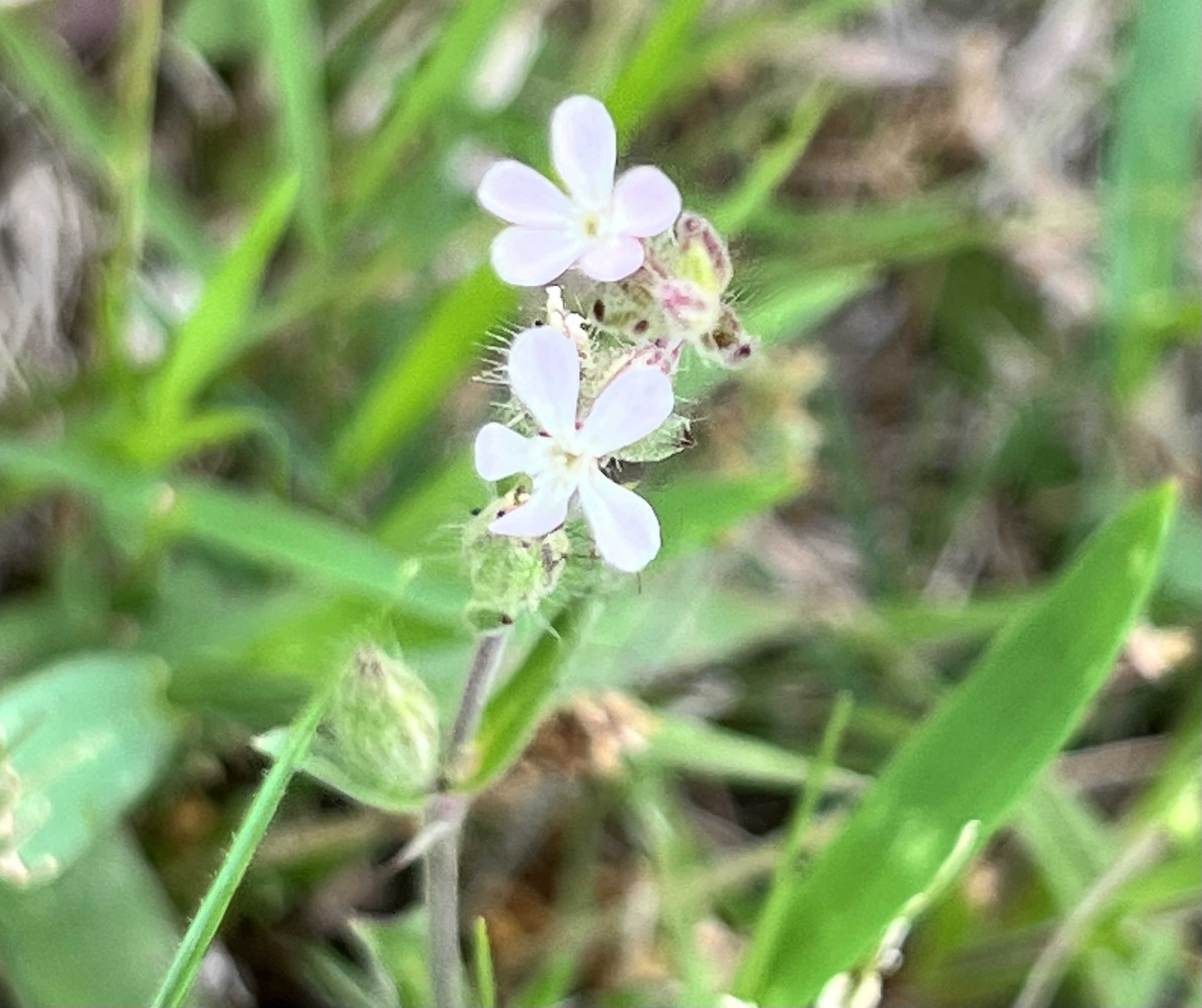
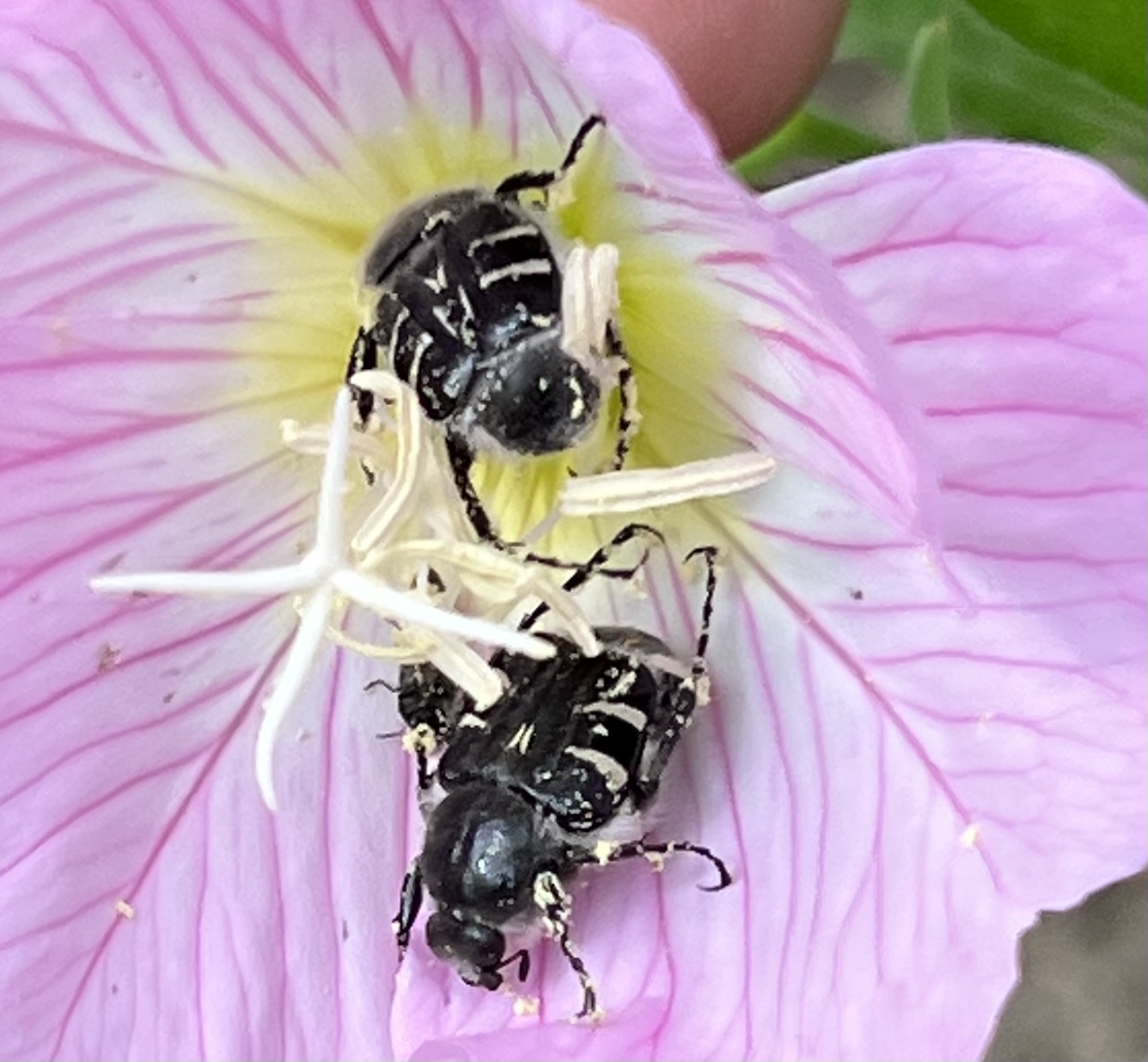
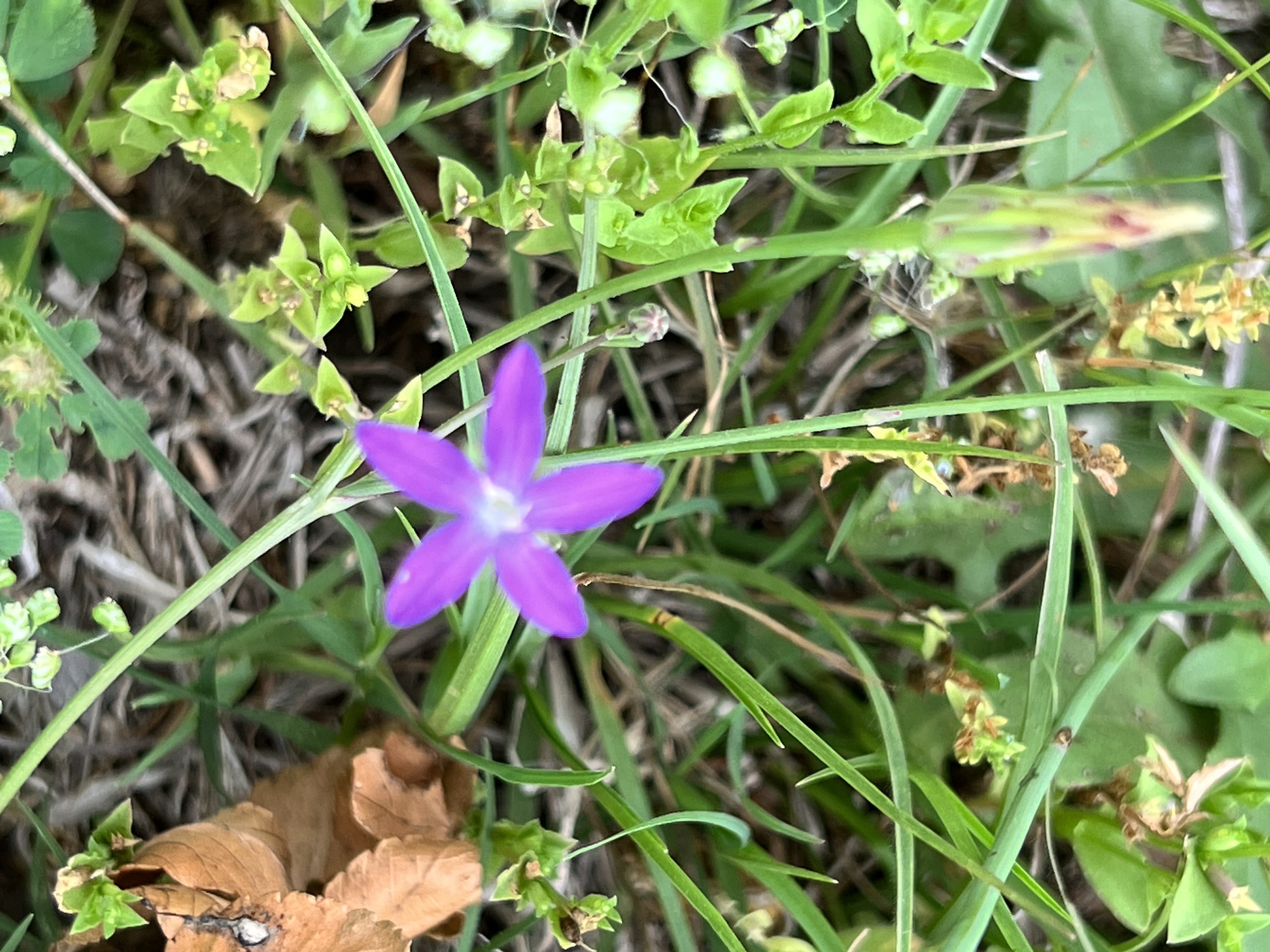
fleabaneThyanta custator accerraBarn swallowSmall-flowered catchflyTexas flower scarabWhite blue-eyed grass (with one blue one for comparison)Venus’s looking-glassfemale black-chinned hummingbirdMale cardinal, duh.
I’ve tried my luck at posting sound files on iNaturalist, too. So far, I have a confirmed (and VERY loud) Chuck-will’s widow and dickcissels. You’d think I could get a red-winged blackbird, but there are always bunches of other birds around when they are calling. I could get other birds, but I don’t know what a lot of them are, and there’s no help identifying the sounds if you can’t see the bird.