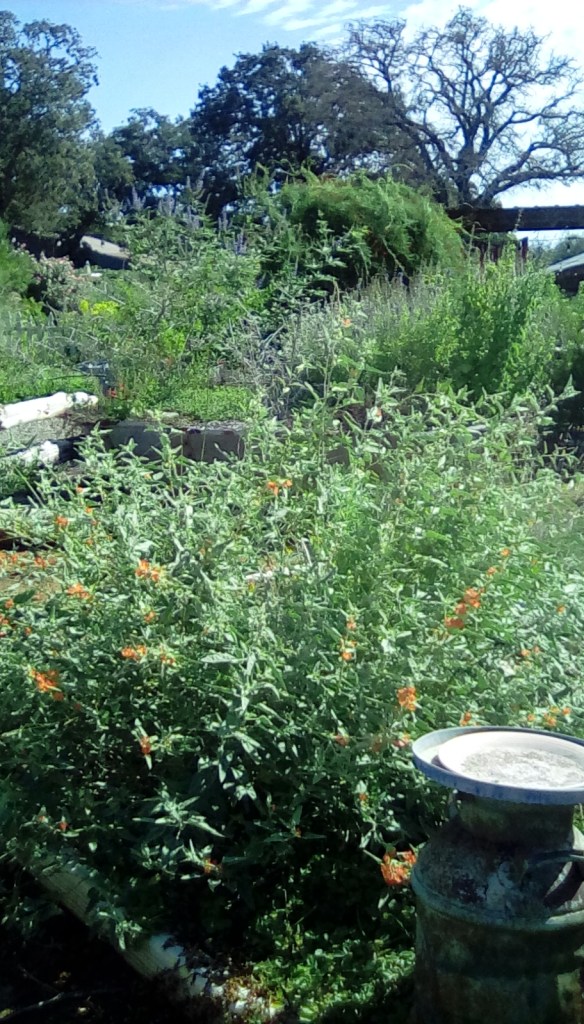
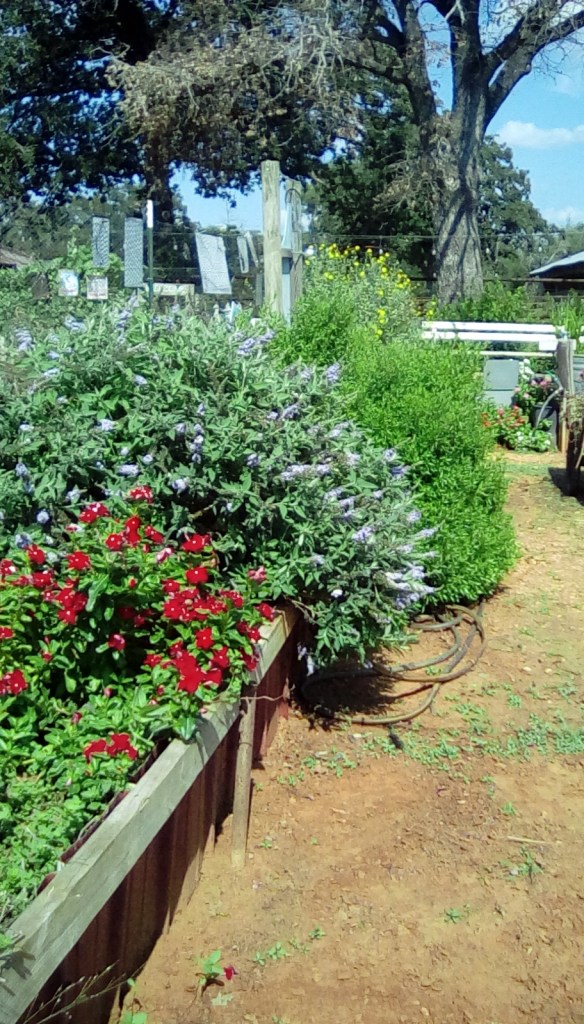
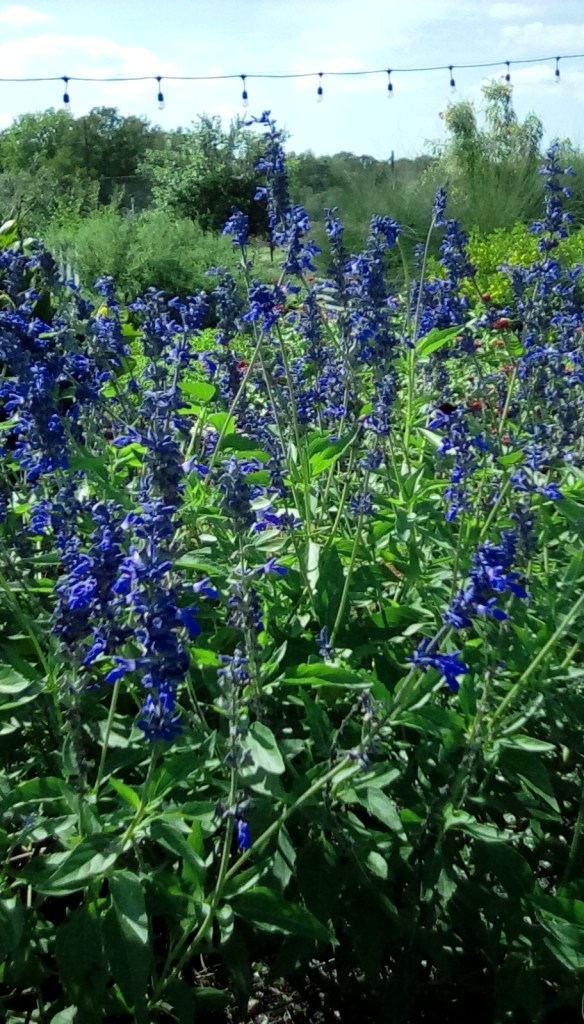
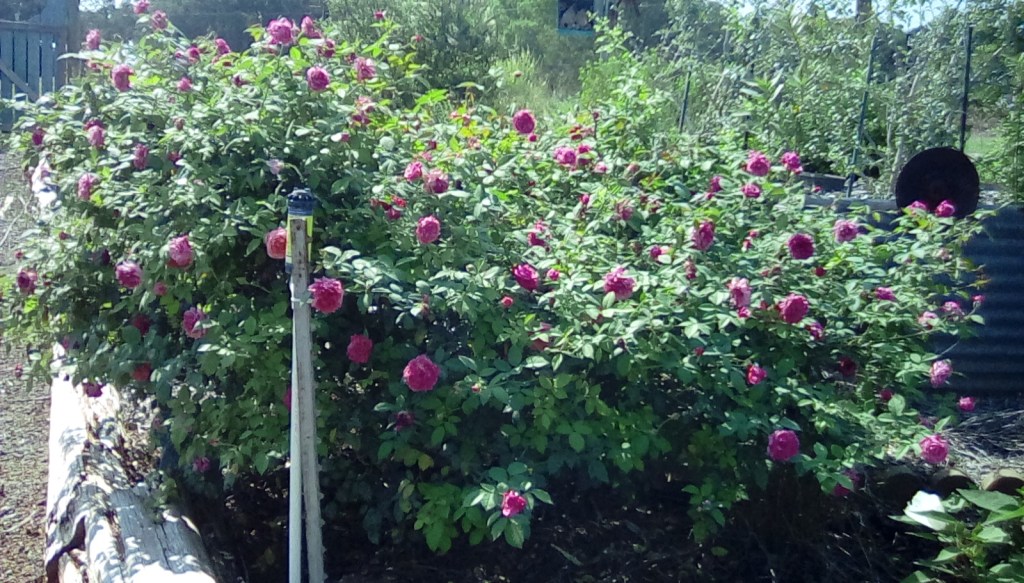
Abundant flowers attracting many pollinators leave one in awe at the El Camino Real Texas Master Naturalist Wildscape out at the Bird and Bee Farm. I read Catherine Johnson’s blog and noticed the severely overgrown Malabar Spinach awning that is being overtaken by Cypress Vines. I went out to try to tame it.
Before
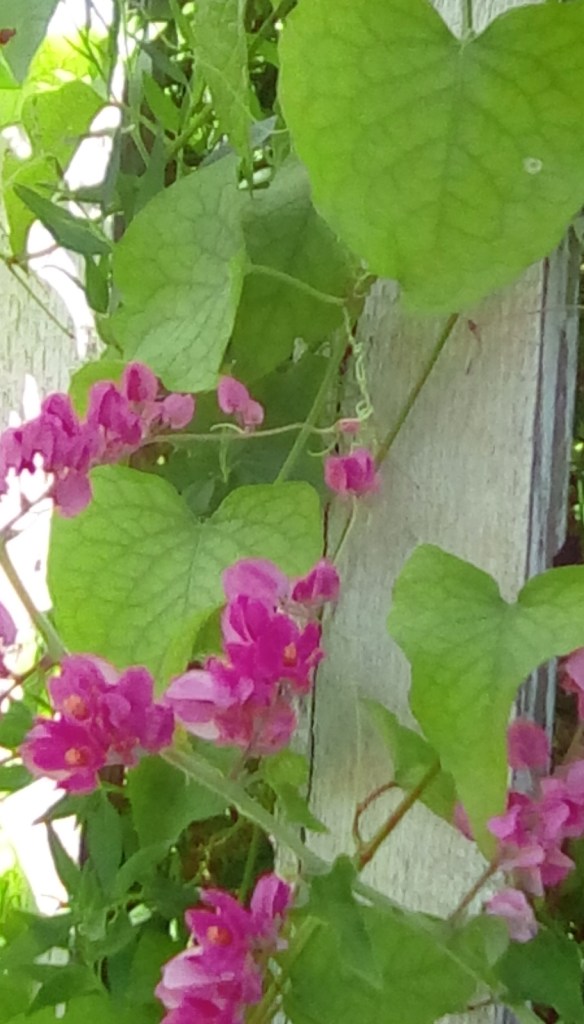
It took electric pruners to get it under control. It draped over the entrances and spread out to the picket fence and flower bed behind it. And the Cypress vine had overgrown it and was attaching itself to cannas and other bushes nearby. I have made the awning walkthrough accessible. If you want to grow either of those at your place, it’s prime time to take cuttings or pick the berries. Or take some to eat – the Malabar. I don’t know that the Cypress vine is edible by humans, but hummingbirds were sure enjoying the nectar in the flowers.
After
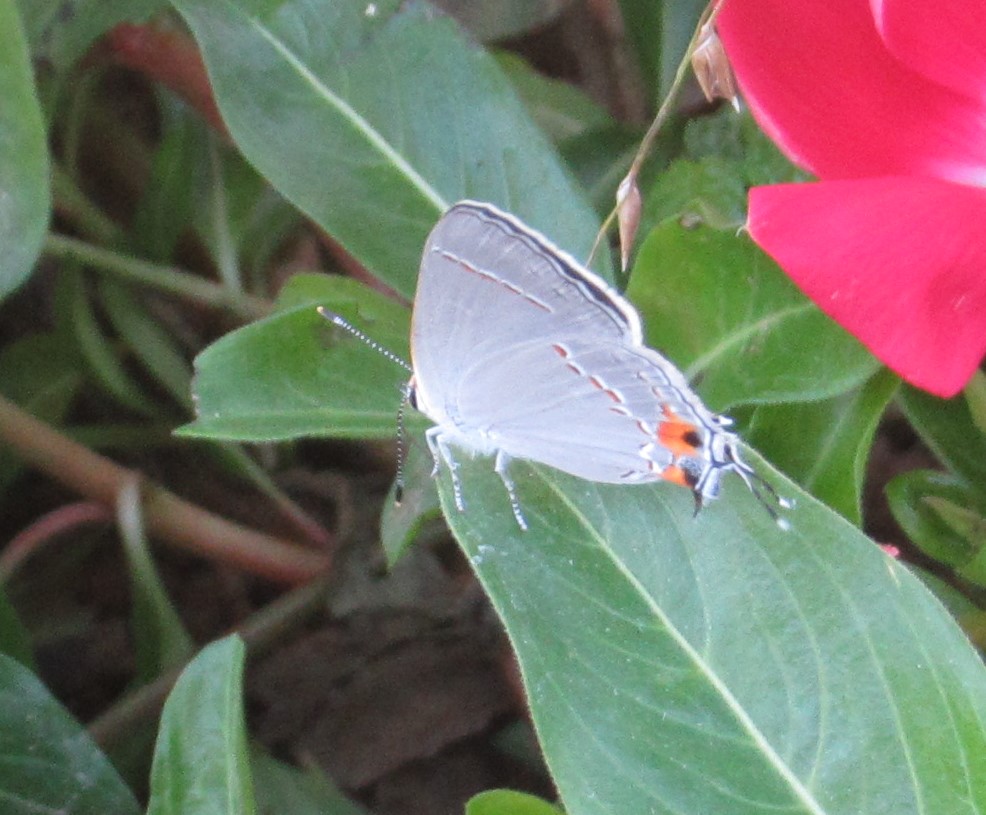
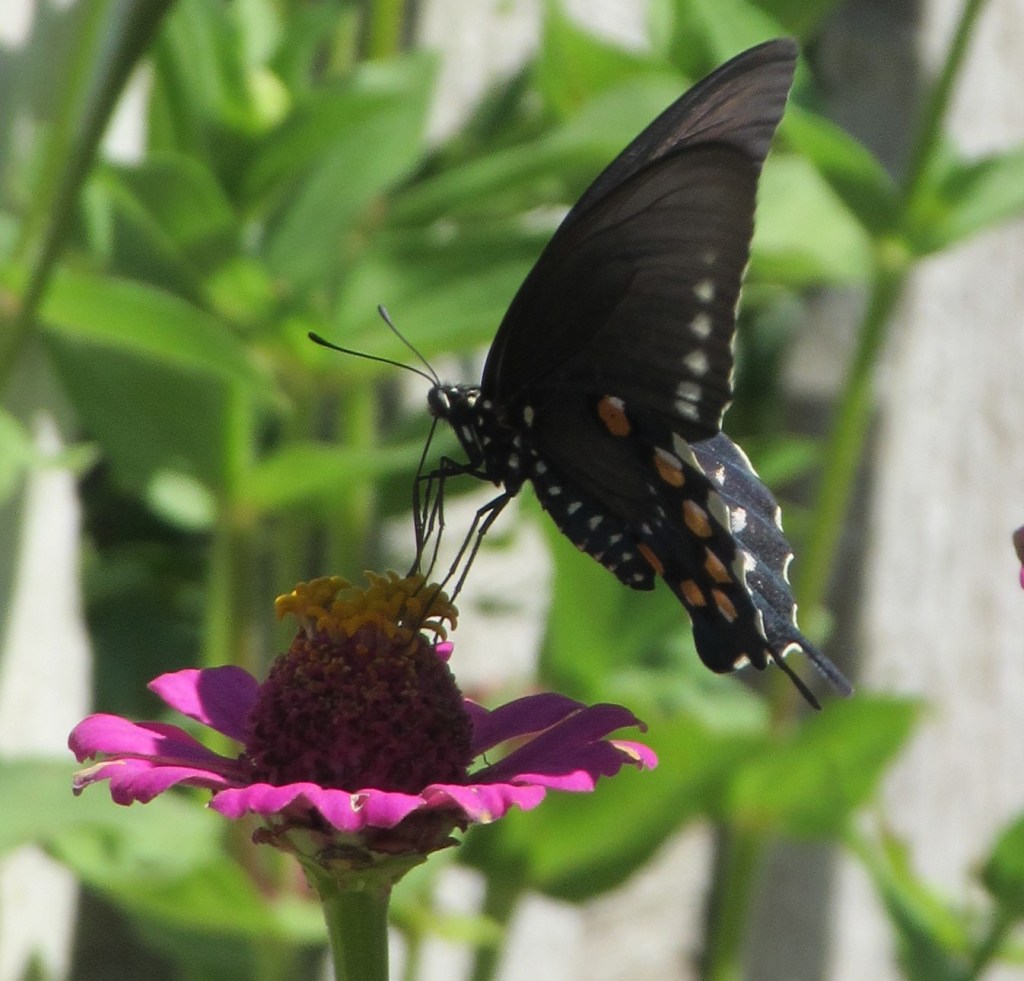
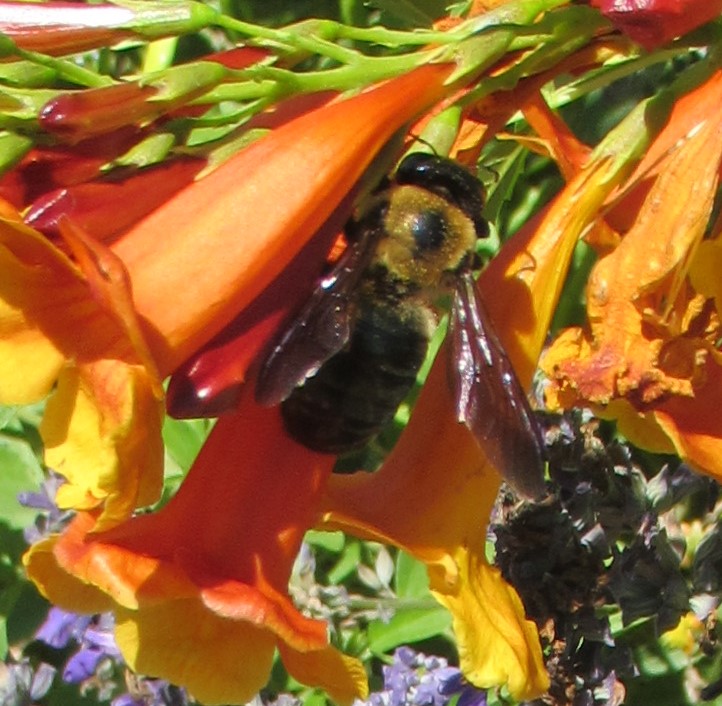
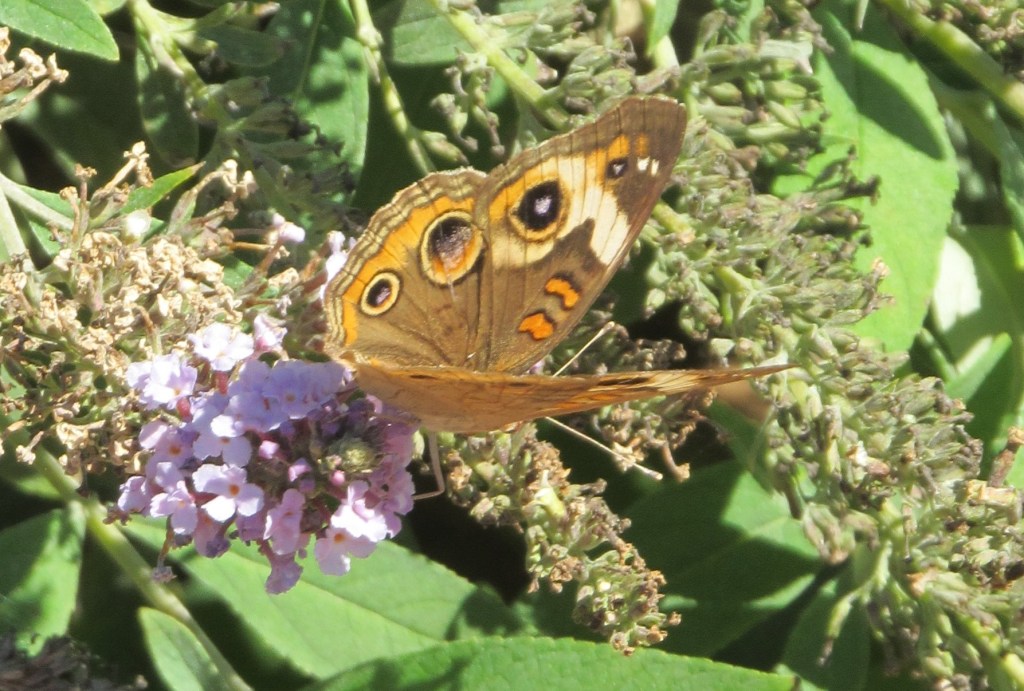
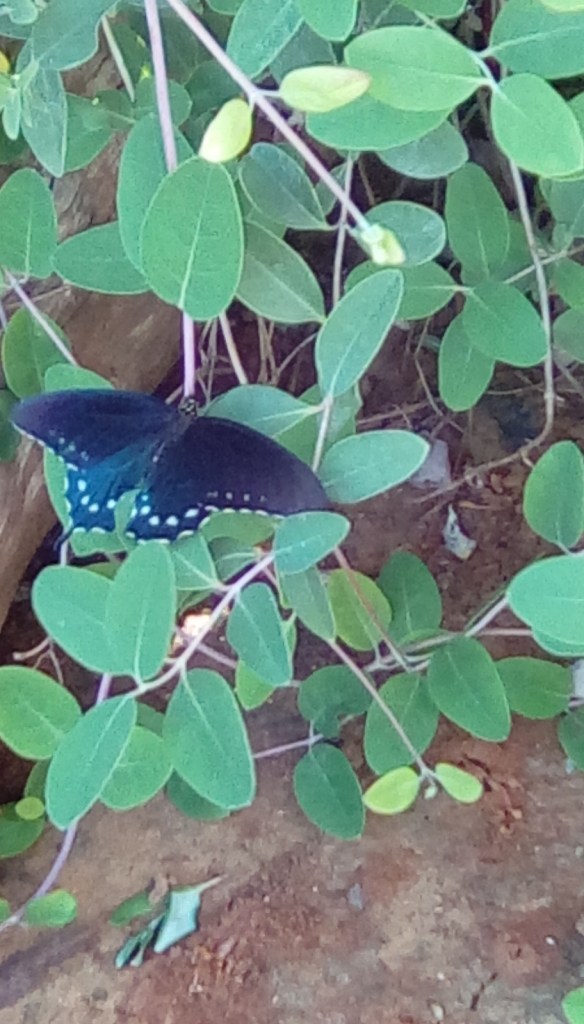
It was hard to stay focused on the vines while several species of butterflies and bees were all over the wildscape. Many Gulf Fritillaries, Common Buckeyes, Grey Hairstreaks and Pipevine Swallowtails were there. The Zinnias and Turk’s Caps were the favorite food of the butterflies. Carpenter bees and honeybees were also abundant. Cindy Rek said she has seen a few Monarchs and they laid eggs which have developed into caterpillars already. She has photos to prove it.
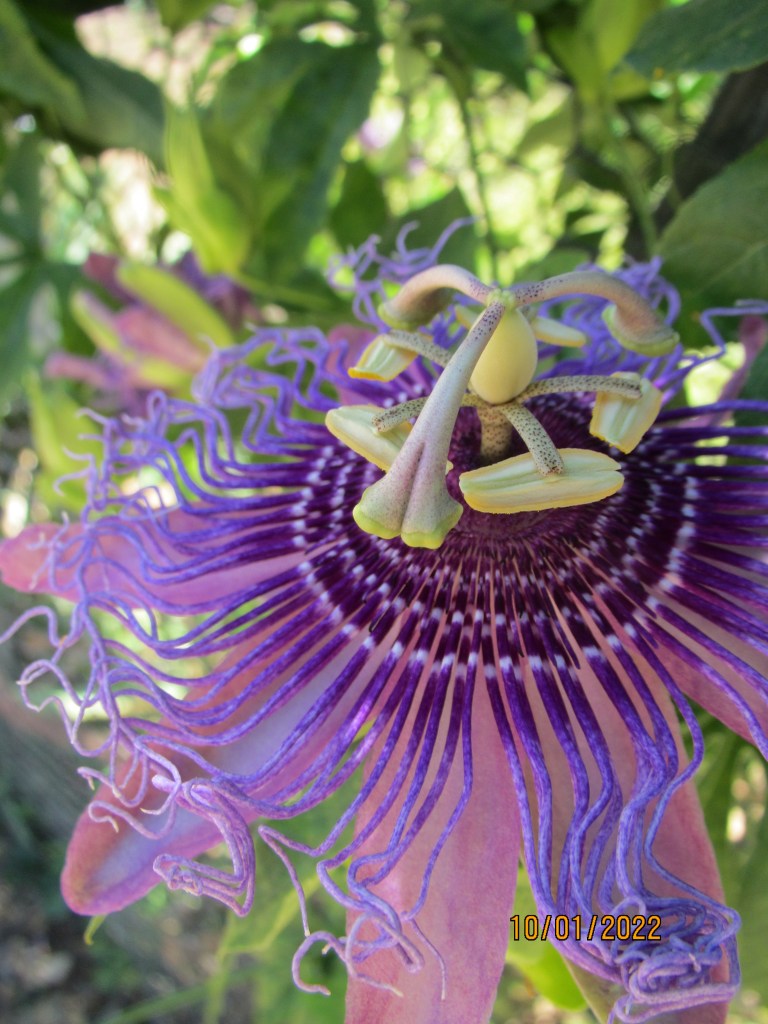
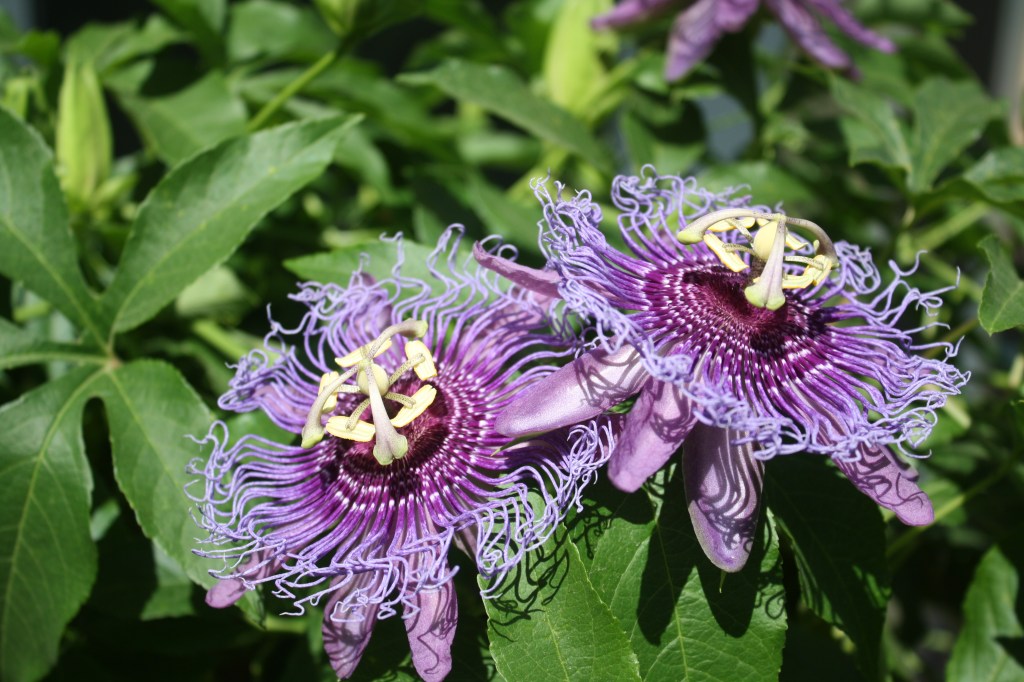
Gray HairstreakPipevine SwallowtailGulf Fritillary, worse for wearCarpenter beeCommon BuckeyeMorning gloryPassionflower
If you are participating in the the iNaturalist Pollinators BioBlitz beginning Oct. 7, the wildscape has plenty to photograph. If you don’t do bioblitzes, you can just sit among the many blooming flowers and all the pollinators buzzing around them. Pull a weed or two while you’re there.
There are many plants in full bloom in the Milam Wildscape Project.
One cool morning Kim Summers and I began preparing the Garden for Nature Days in November.
Kim is invisible!
We saw many butterflies and the last of hummingbirds for the year.
Enjoy the pictures or better yet take a ride over to Bird and Bee Farm, conveniently located between Rockdale and Milano, and take home a beautiful bouquet.
I took a walk in the garden and just outside to look at the new emergence that the rain we had a week or so ago had brought. Many things I thought were dead came back to life, maybe just for a short time, but it shows us nature trying to repair herself.
Toad is happy to have some water.
Fall is here, and things will change as they are supposed to do.
Hawk on the lookout for tasty morsels.
The land will rest for a while. We will wait for spring again.
Fire wheelTurk’s capCoral vinePassion vineMilkweedIndian blanket
As the saying goes…a picture is worth a thousand words.
Hey there, readers. This is Sue Ann. Our frequent blogger, Donna, has been in a lot of pain this summer, and has hurt her back again. Please send all your good thoughts her way, so that she can heal and get back to taking care of the life in her garden.
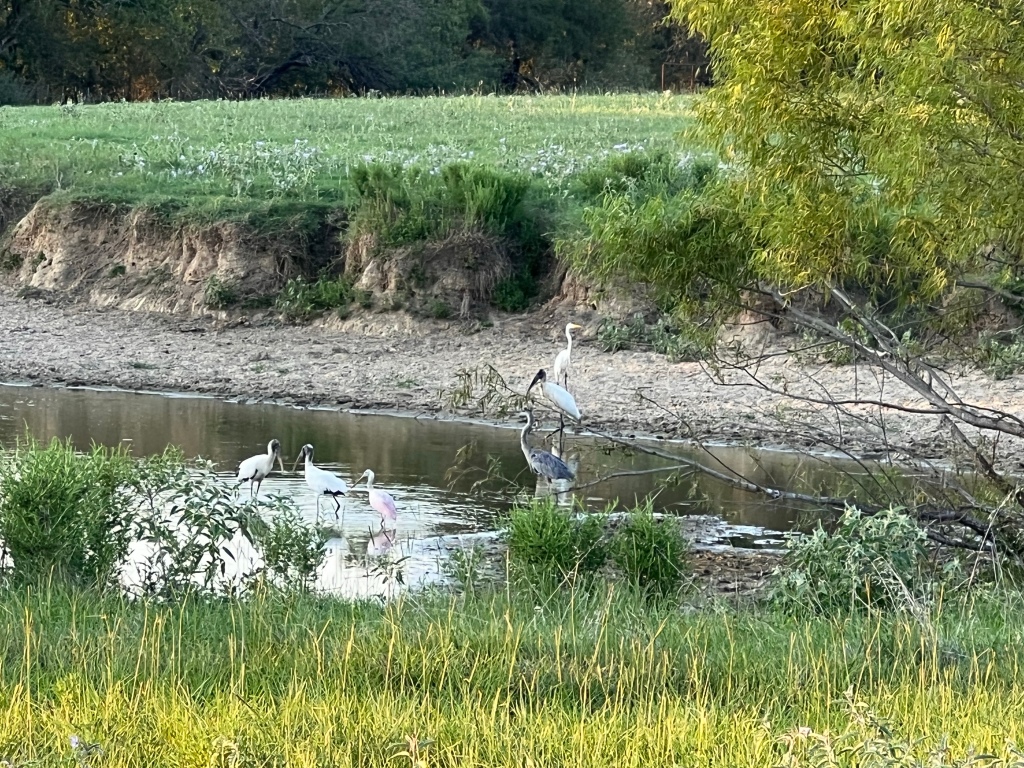
I still get the feeling sometimes that I live in an aviary. I can’t believe how many interesting birds drop by my property and let me observe them. Yesterday was a particularly good day, because in addition to the storks who’ve been visiting for a couple of weeks, I found something different, a roseate spoonbill!
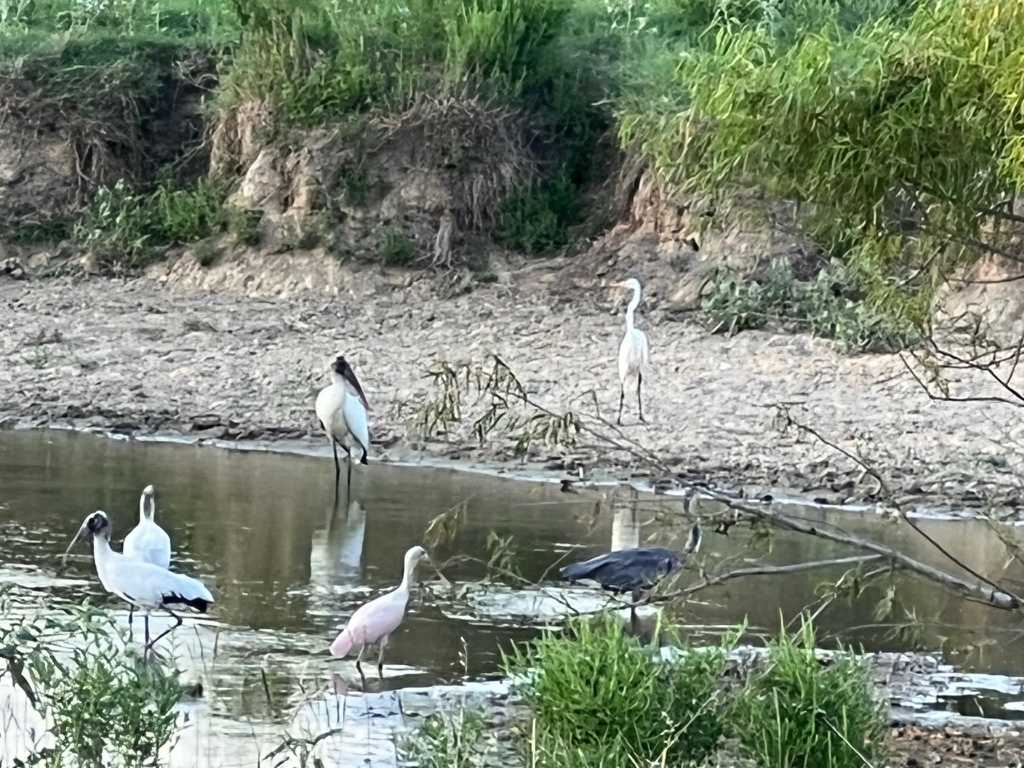
There you go, three storks, one very pink spoonbill, a great blue heron, and a great egret!
It was especially good to see the spoonbill (Platalea ajaja) in person and watch it eating up close through my binoculars, since I had seen some specimens when we went to the Texas A&M Biodiversity Research and Teaching Collections last month. Oops, I just realized that I hadn’t written up that event, so darn it! You can go read about it in my personal blog post, So Many Dead Things. Below are the specimens I looked at.
Linda Jo Conn investigates the spoon-shaped bill as Dr. Gary Voelker looks on. Heather Prestridge, who gave us our tour, is holding the specimen.You can see the variety of shades of pink they have, depending on what they’ve been eating.
The spoonbills are coastal birds, which is why you don’t see too many of them here in the middle of Texas. I’ve seen them one other time, though. According to Wikipedia as reproduced on the iNaturalist site, many were seen outside their usual range in 2021, so perhaps this behavior is continuing this year.
They’d just finished feeding, so I don’t have a good photo of that.
They are fun to watch as they eat, swinging their bills from side to side to catch delicious (and hopefully pink, to keep their feathers pretty) foods. The one I saw was parading alongside three storks on the shore of the tank behind my house, which appears to be a hotbed of small edible items these days.
I wonder if this one got separated from his or her buddies and took up with the storks, which also hang around in small groups. They were getting along just fine and didn’t seem to be bothering my resident shore birds at all.
Here’s some more about their eating habits:
This species feeds in shallow fresh or coastal waters by swinging its bill from side to side as it steadily walks through the water, often in groups. The spoon-shaped bill allows it to sift easily through mud. It feeds on crustaceans, aquatic insects, frogs, newts and very small fish ignored by larger waders… Roseate spoonbills must compete for food with snowy egrets, great egrets, tricolored herons and American white pelicans.
These guys fly with outstretched necks, like the storks, and unlike herons.
I’m wondering if I’m seeing so many interesting shore birds here lately because other shallow waters have dried up from the drought. I’ve also been enjoying a tricolored heron and a kingfisher. I’ve seen the resident green heron more and more recently, as well.
Keep your eyes open as you drive through Milam County, especially as migration time approaches. You’ll be seeing snow geese, sandhill cranes, ducks, and other interesting birds. Admittedly, you will probably find many of those by also listening. Those geese and cranes make quite a racket as they fly by. Look for the dark wing areas on the geese and listen for the clacking sounds of cranes.
I hope you enjoyed learning about a fascinating visitor. Here are some more of my photos of the spoonbill and friends.
Do yourself a favor and visit the Master Naturalist Milam Landscape Project (a new name for the Wildscape).
See if you can name the plants in the pictures. Plans are in progress for November Nature Days, which will be each Saturday from 9am to 12pm. See you there!