The Ugly Caterpillar’s Demise

by Lisa Milewski

So many times, I have heard someone say, “I just killed the most ugly caterpillar I have ever seen.” 

My face turns to horror in my barely contained reaction. After a brief pause to gather my thoughts, I swiftly turn this into an opportunity to educate others.
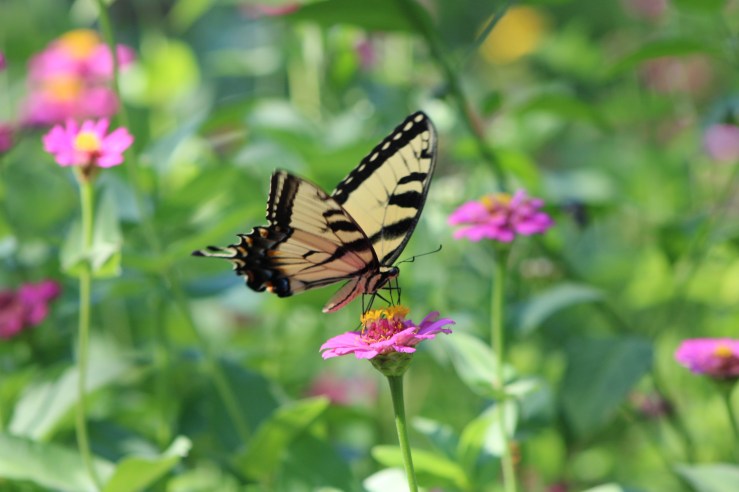
Remember, this was once a caterpillar! Photo by Donna Lewis.

I ask two questions. One, to describe the caterpillar, and two, what plant or vegetable was it on.  Based on those two things, I am usually able to identify the caterpillar. I then proceed to let them know that the ugly caterpillar was going to turn into a beautiful butterfly which in turn is a pollinator that will actually benefit your plant or vegetable. They had no idea! 
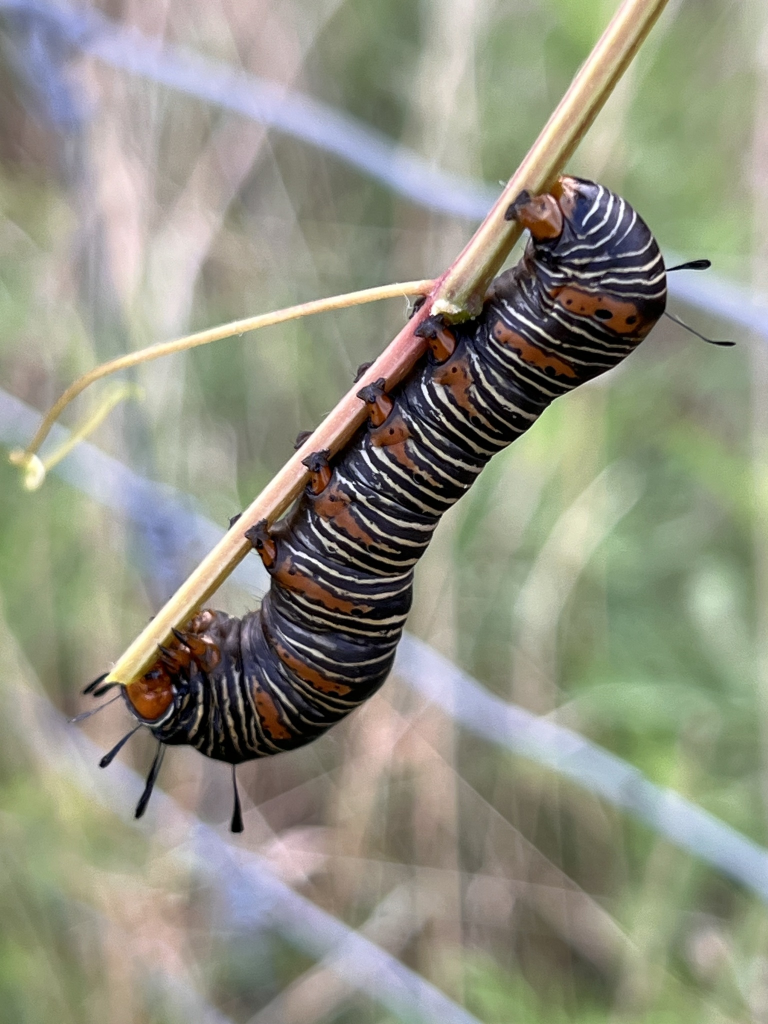
Wilson’s Wood-nymph Moth. Photo by Sue Ann Kendall.

Sometimes the reaction is, “but they were eating up the leaves.”  I then ask if it was a miniscule number of leaves or is it completely devoured. If it’s miniscule and it is a mature plant or vegetable or fruit tree, I say let it be since it won’t be long until it turns into a beautiful butterfly and that mature plant will quickly recover. If it is an immature, young, plant or vegetable, I suggest protecting it with crop covers until it matures and can handle the occasional munching from those caterpillars. 
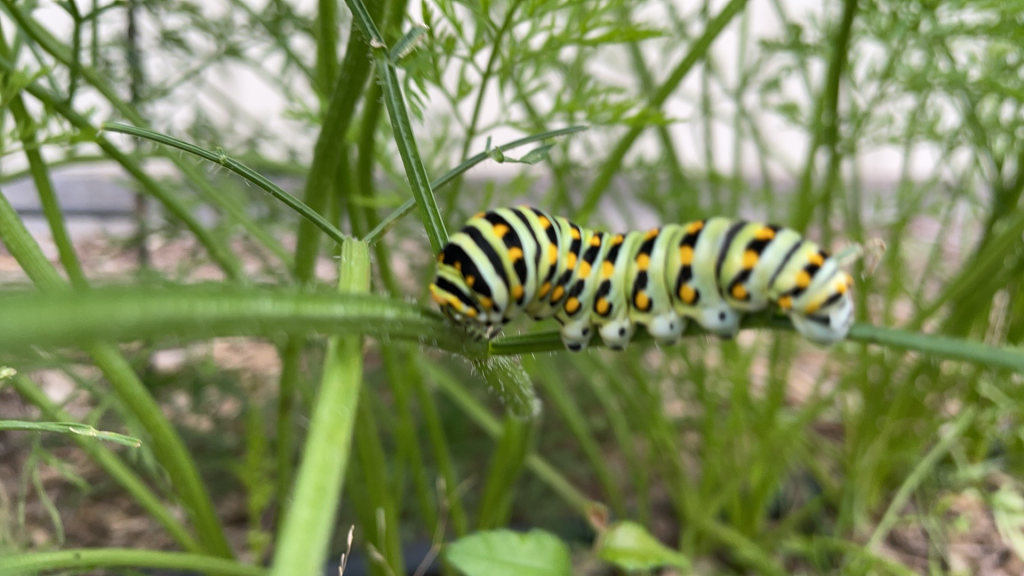
Black Swallowtail. Photo by Sara Faivre.

At this point, I remind them of the many benefits the pollinators provide to include bees, wasps, hummingbirds, etc., and how it actually benefits their plants, vegetables or fruit trees by pollination.  For most (not all), it is critical that the pollen gets transferred from the male plants to the female plants in order to reproduce. Although some plants, like cedar trees, reproduce by the wind that spreads their pollen, most others rely on pollinators. 

Checkered White. Photo by Sue Ann Kendall.

The next time you think about killing that “ugly” caterpillar, bee or insect, please look it up to identify whether or not it is a friend or foe. If it a beneficial pollinator, we can always find a way to co-exist. 
Water…All Creatures Need It

by Donna Lewis

Once again, we are breaking records for the heat here in Texas and the world.

I think that this is the new normal. My opinion…

So, there are a few simple things we can do for the wildlife.

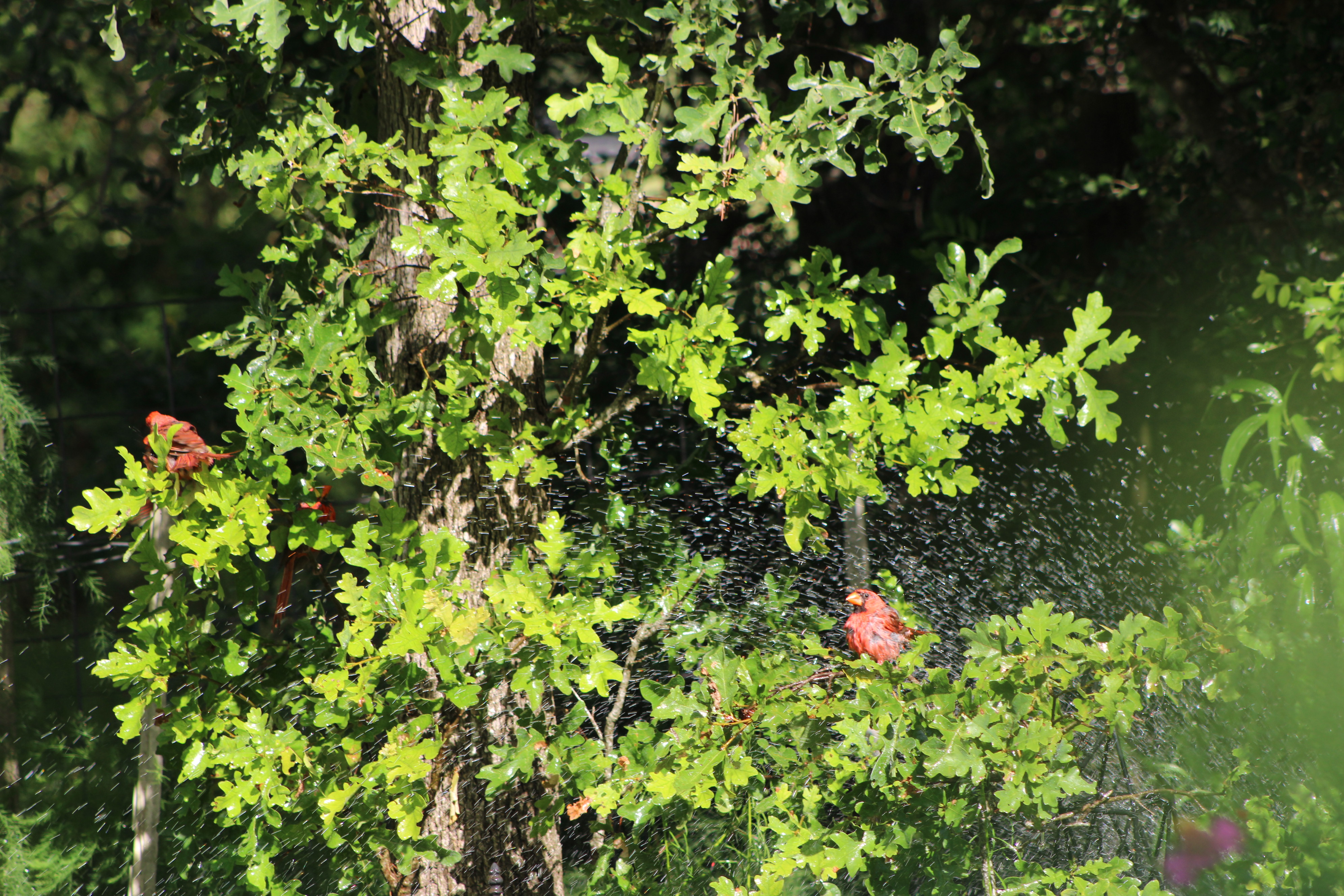
One, we can provide water for them. It can be more important than food.

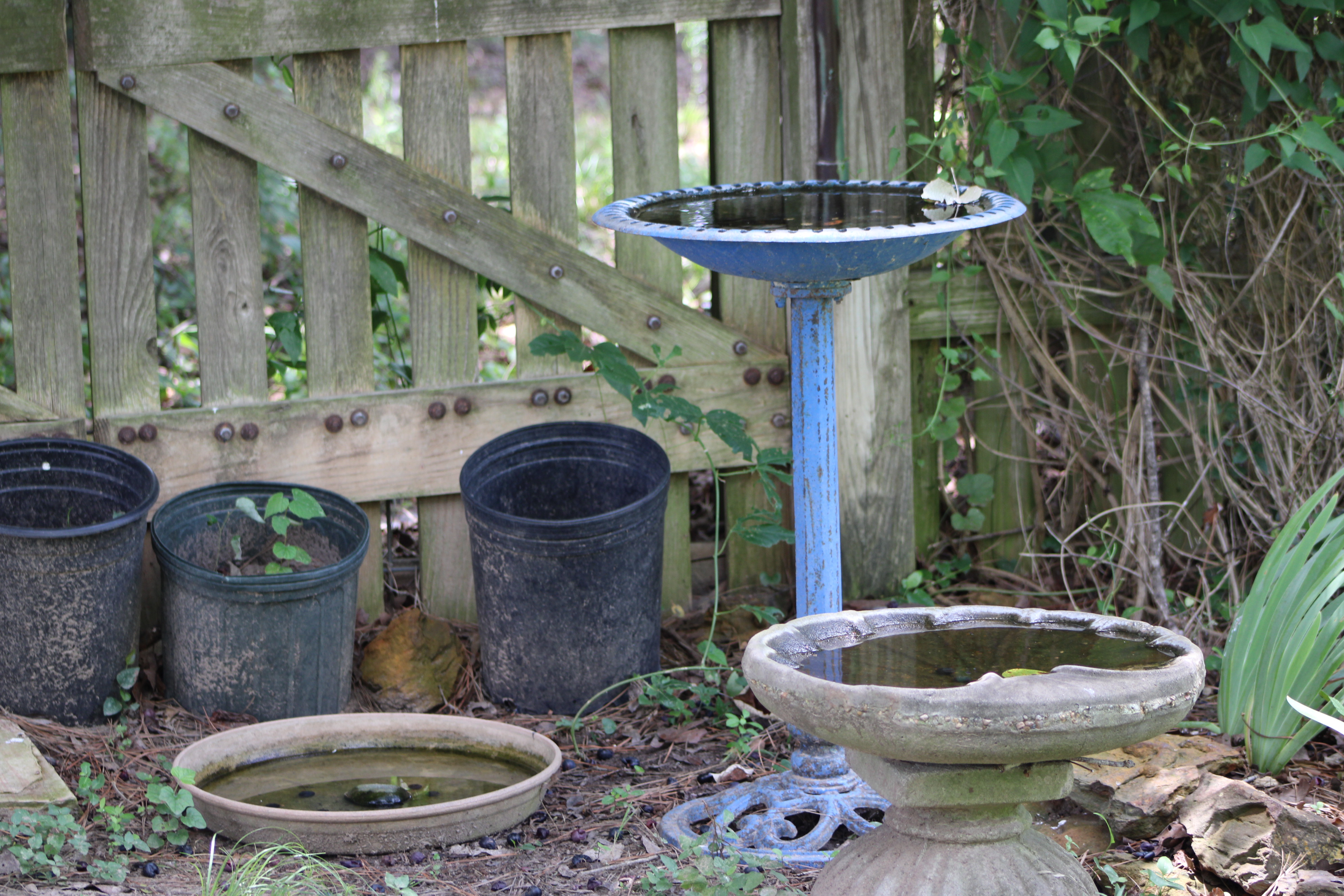
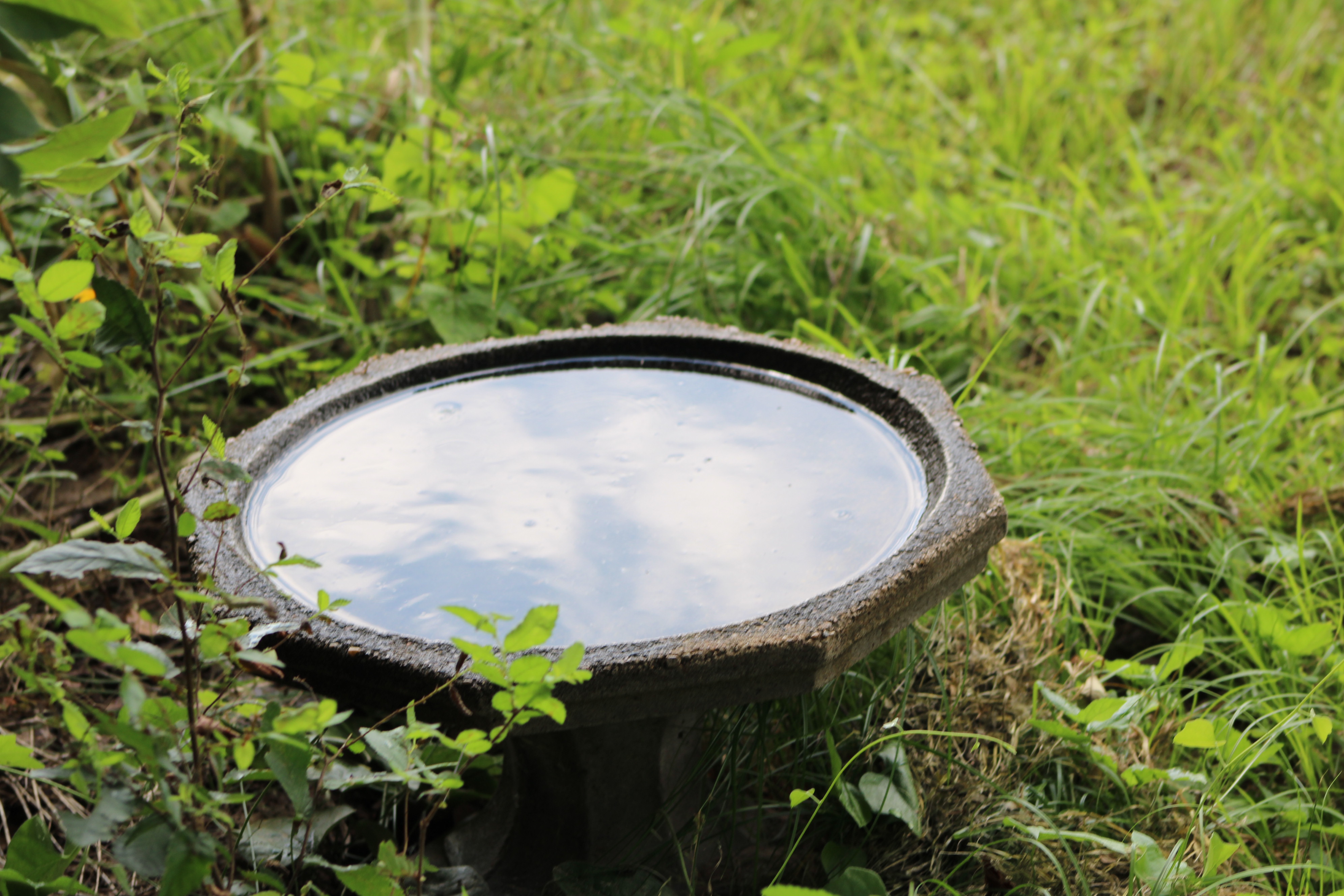
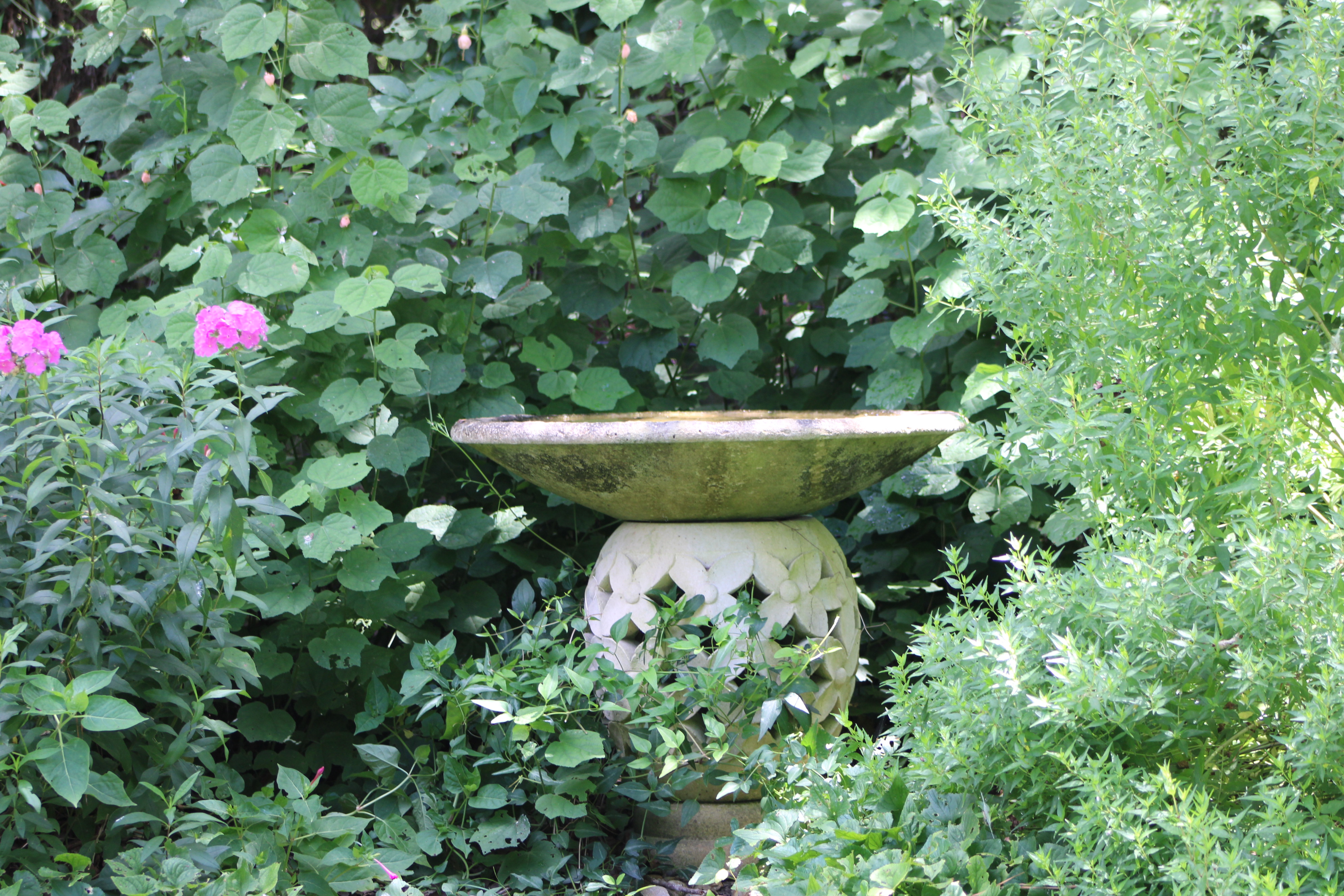
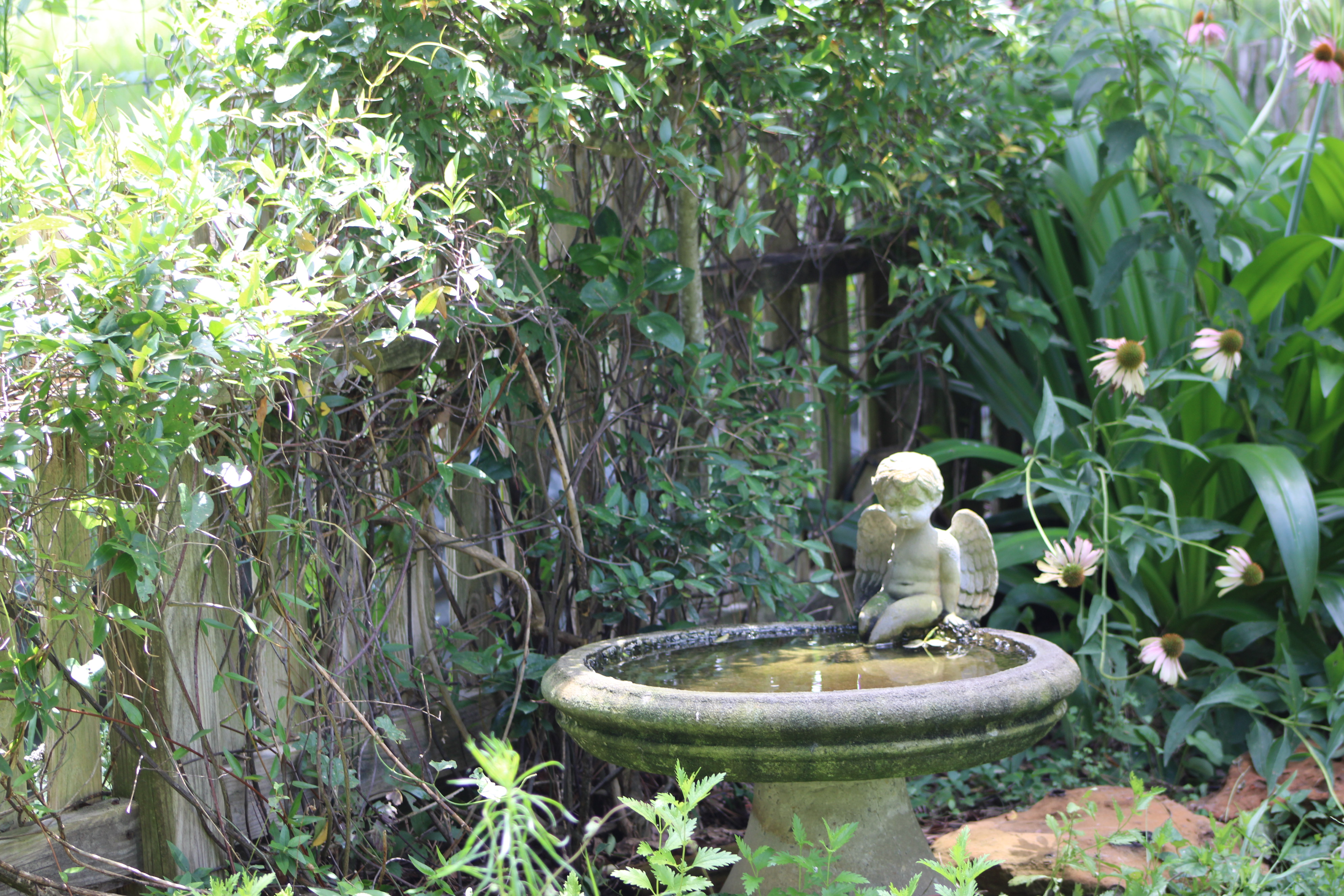
Containers that are not too deep are best.  Place the containers under some shade if possible. Dump old water out as often as you can, and put fresh water in. That will keep the mosquitos to a minimum.  

Birds need a perch of some kind to feel safe. There are lots of things you use for this. You can use cow panels, trellis, and  old tree limbs. Be creative.

Here are a few photos of water containers I use.

I also put the sprinkler on for about 30 minutes each day. They love that.

You will find many birds, mammals, and reptiles drinking from the water you provide.

Remember the little creatures we love.

Hogna Babies Are Teens!

By Eric Neubauer

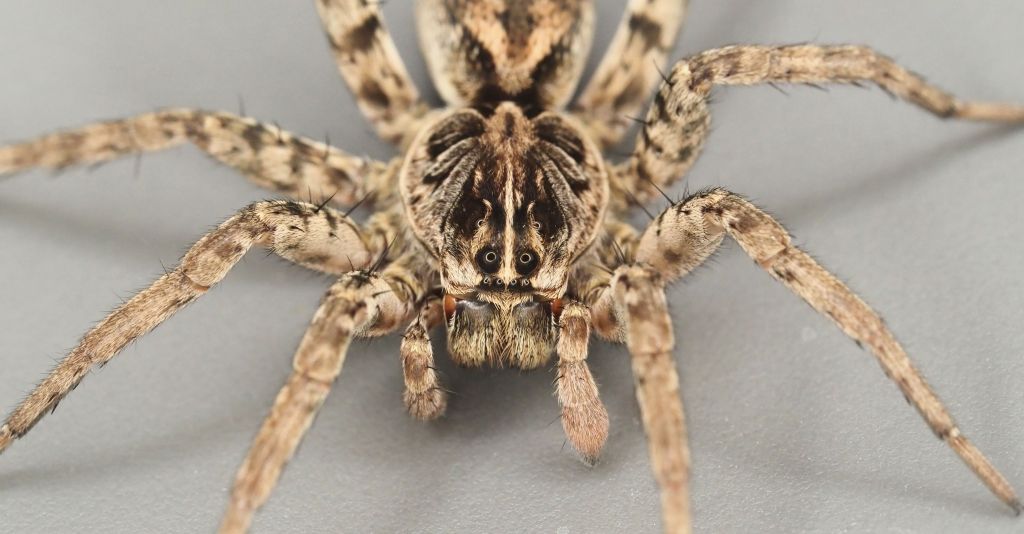
I’ve been checking my local Hogna ‘incognita‘ spiders since late last
year and looking forward to the time when I can get some good
photographs of adults. They’ve already started to grow rapidly, and at
5:15 AM on June 15 I found my first sub-adult male. A few more molts and
they’ll be adults!

Look at that face!

May 6, 2024 – Day of Discovery

by Ann Collins

You just never know what might pop up, do you? I’ve seen some strange things on my little slice of Heaven, right here in Milam County.

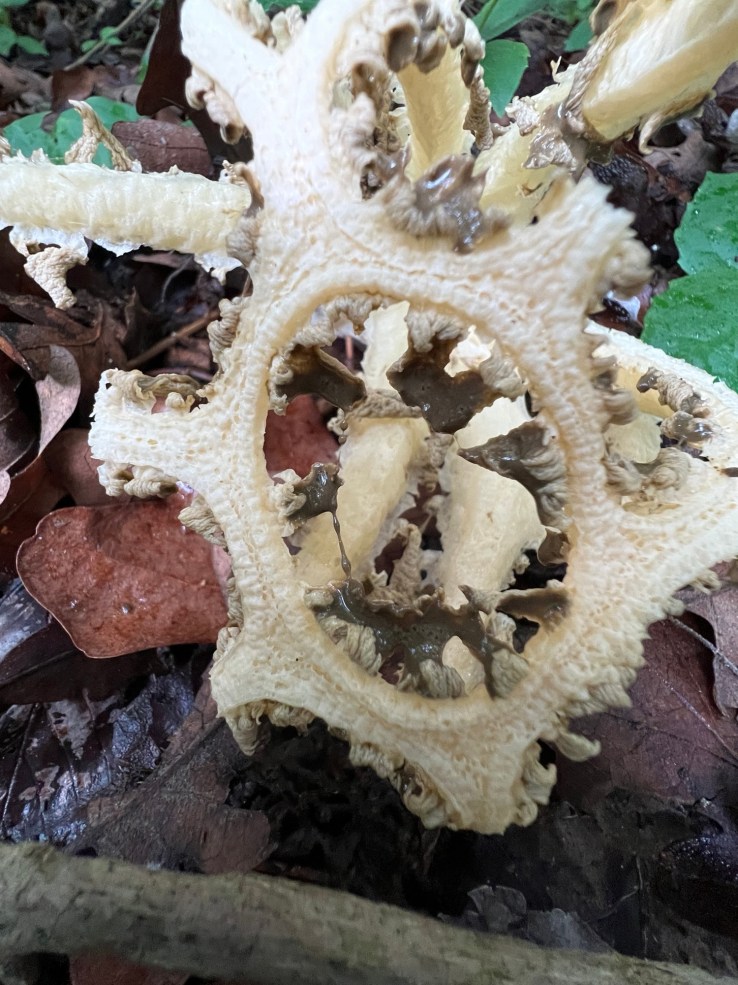
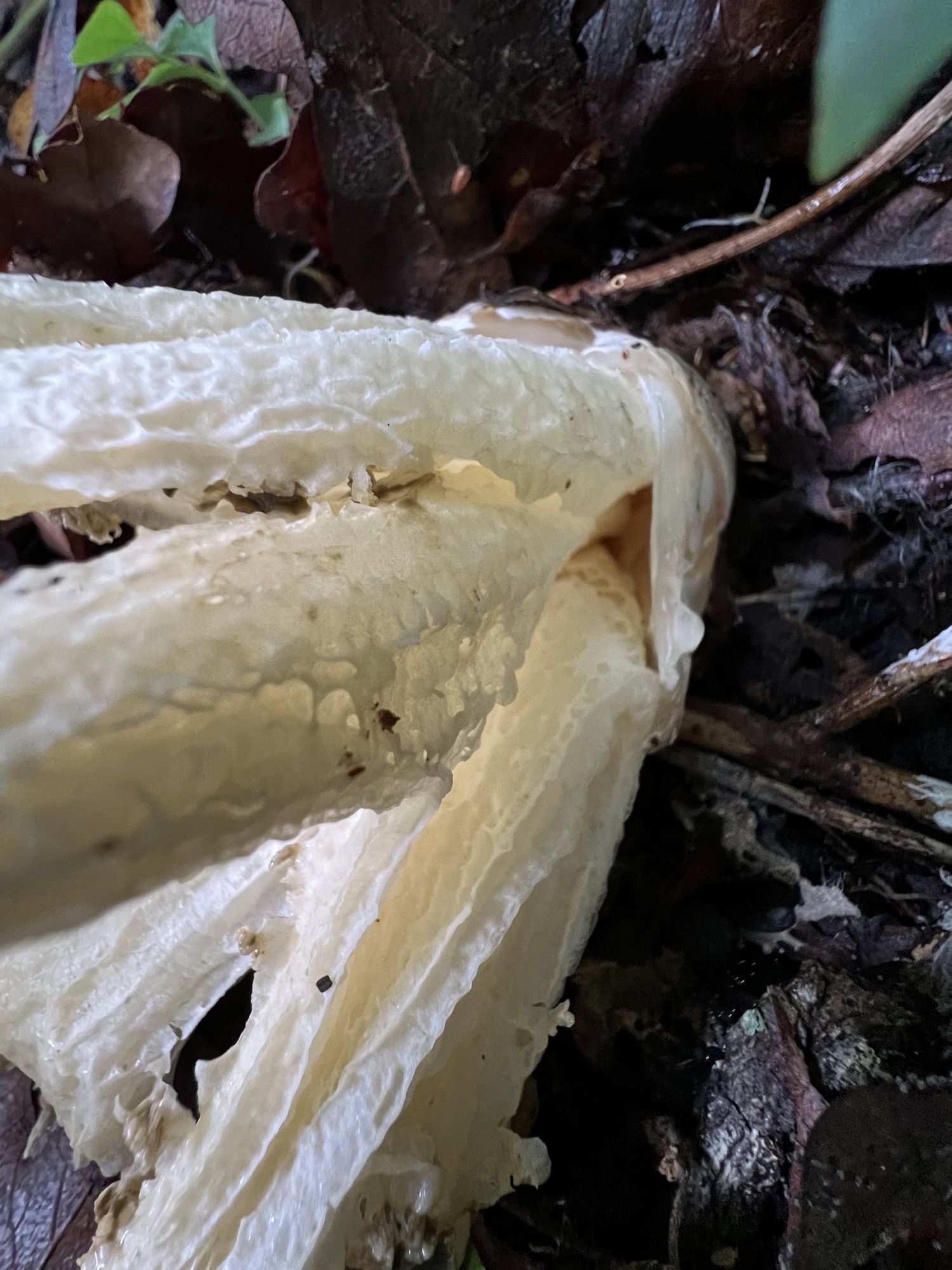
After a whole lot of rain, the oak leaves are coughing up quite a few interesting mushroom/fungus spores. I was cleaning one of my bird baths and spotted something in the tangle of yaupon, Japanese honeysuckle (no, I did not plant it!), mock orange, and who knows what else. It looked like a bunch of decaying celery to me. On closer inspection it looked more like the embryo of a space alien from a dark planet.

Of course, I couldn’t ignore it, just not in my nature. So, pushing and pulling the tangled limbs away, I crawled through the low tunnel with my trusty camera phone cocked and ready in case this little monster tried to attack. Fortunately, it didn’t. In actual fact, it was “rooted” to the ground. Had I known what it was I would have tried to dig it up.

Not nearly enough camera snaps and some pretty wet knees later, I edited my pictures and immediately posted them; only four are allowed on the iNaturalist phone app. In less than five minutes, a guy in Sweden identified it for me. I had entered it under the genus Blumenavia but @nSchwab took me a step further with Blumenavia rhacodes.

Not too much later, @masaki_hamaguchi from Hokkaido in Japan confirmed the identity for me. At 10:29 am Texas time, Masaki much have been burning the midnight oil like my friend LJC. I’m too lazy and really don’t care to figure out what time it was there. You techy types can figure it out if you want to. Thrilled to have my baby alien identified I quickly agreed with them.

Enough of the excitement of discovery. I proceded to dig deeper and found out that @loganwiedenfeld is at the top of the leaderboard as the top observer of “Blumy” with the massive number of three! Yes! 3! Three! The total observations on iNat is 37! Yes! Thirty-seven! This little old lady from south Milam, Texas has joined a pretty eite group with nothing more than a keen eye for spotting stuff! No months of observation, no collecting data, just plain dumb luck!

Just 37!

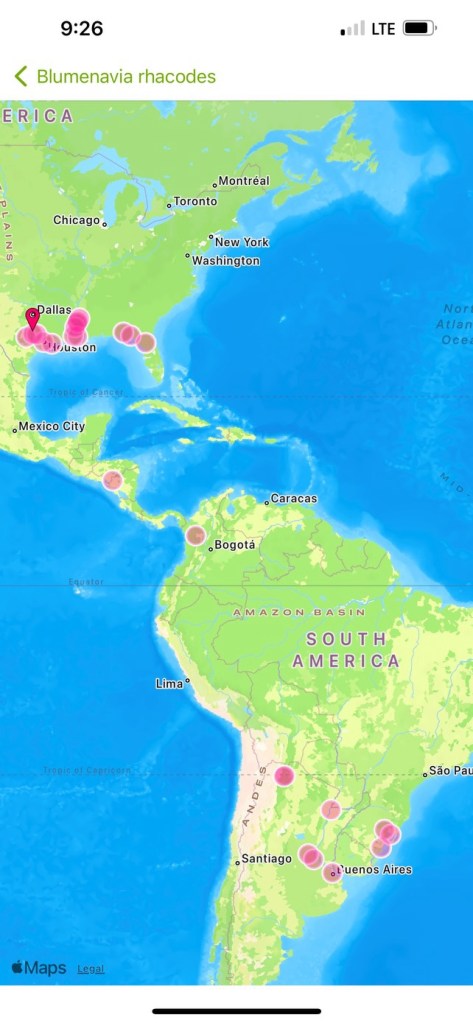
There’s not much information about Blumenavia online. Wikipedia simply says it’s “a genus of fungi in the family of Phallaceae.” The genus contains three species in South America and Africa. iNaturalist has a map locating sightings along the Gulf Coast of North America. A. Moller apparently named it in 1895.

Screenshot

Antique Rose Emporium

by Catherine Johnson

On the way home from Washington-on-the Brazos, a group of Master Naturalists stopped by to visit the Antique Rose Emporium garden, which was stunning.  The new owners are continuing to add structures, add educational programs, and partner with NPSOT to stock many native plants.

One of the caretakers told of how they created a continuous flowing “creek” around the Cypress trees.  Available outdoor seating and refreshments help provide a peaceful experience in a Shire-like setting.

Happy May Day! Celebrate with flowers!