Having a Wild Time at All Things Wild

by Carolyn Henderson

Eight members and a few friends of the El Camino Real chapter of Texas Master Naturalist toured the All Things Wild Rehabilitation Center near Georgetown, Texas, Saturday morning, April 1. The tour was led by Roger Rucker, Vice President and Director of Education for All Things Wild. It is an amazing degree of service the organization performs for injured and orphaned wild animals and birds in the area. The trip there was an awe-inspiring show of wildflowers. 
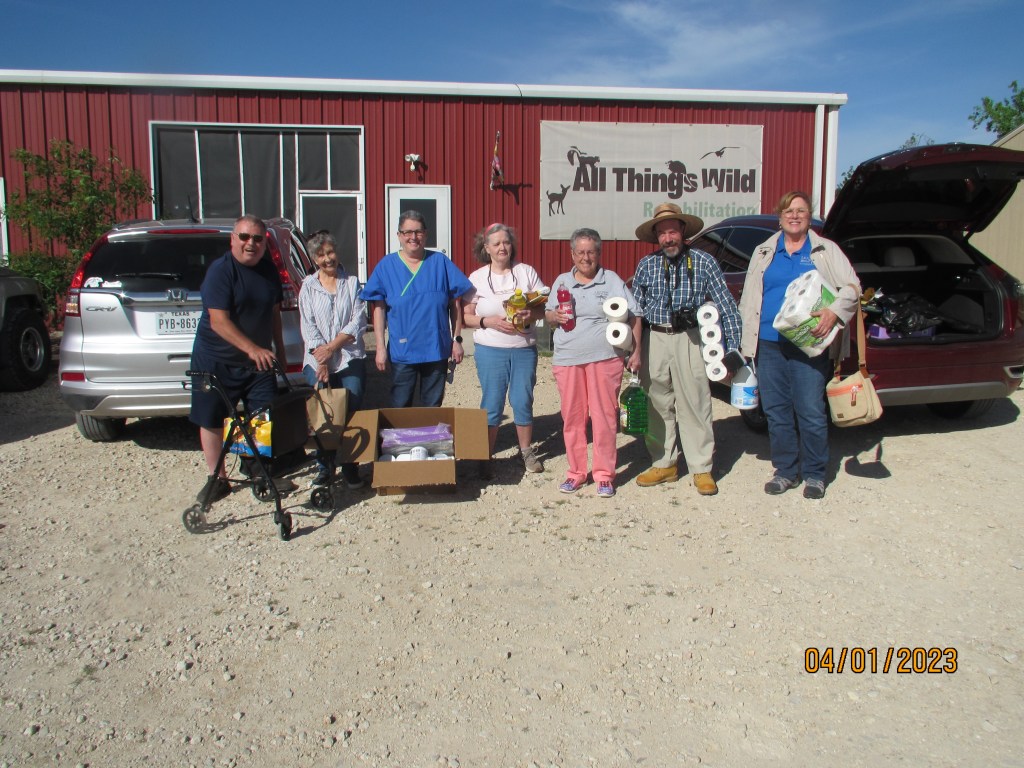
We brought donations

They take in injured animals and rehabilitate them with the intention of releasing them back to their natural habitat. Occasionally, the injury prohibits the animal from being able to survive in the wild. In those cases, the animal or bird becomes a permanent resident of the facility.
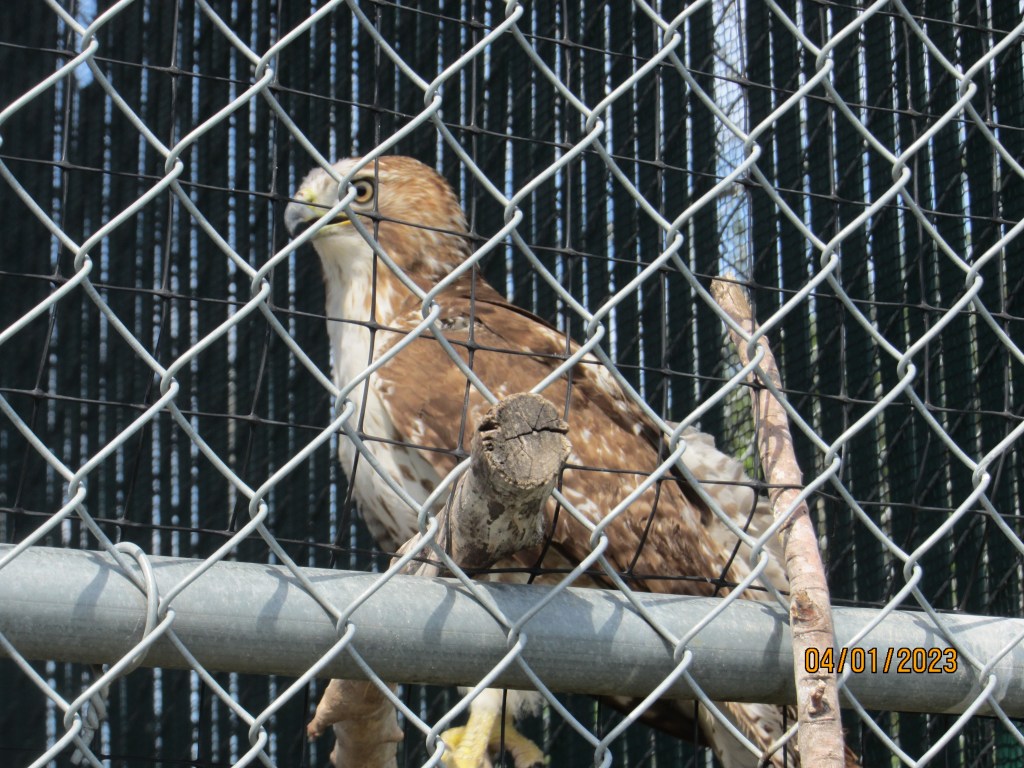
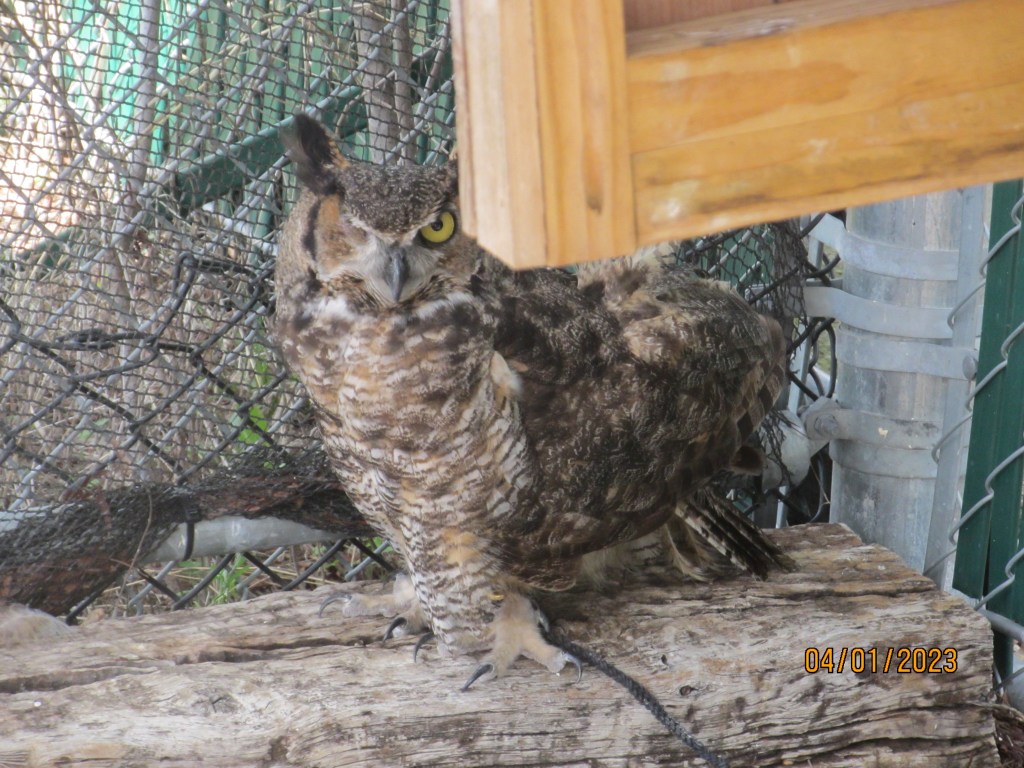
Volunteers and staff also care for and raise orphaned baby animals and birds to adulthood. Once they are of an age to support themselves in the wild, the team releases them as close to where they were found as possible. 
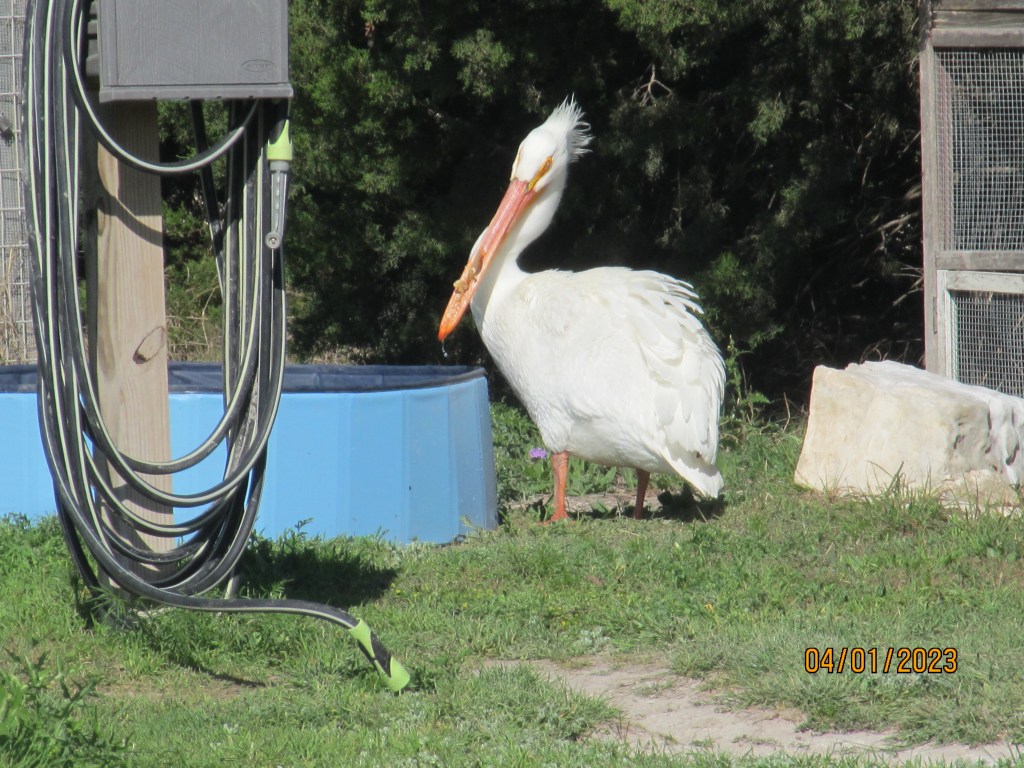
The resident wingless pelican

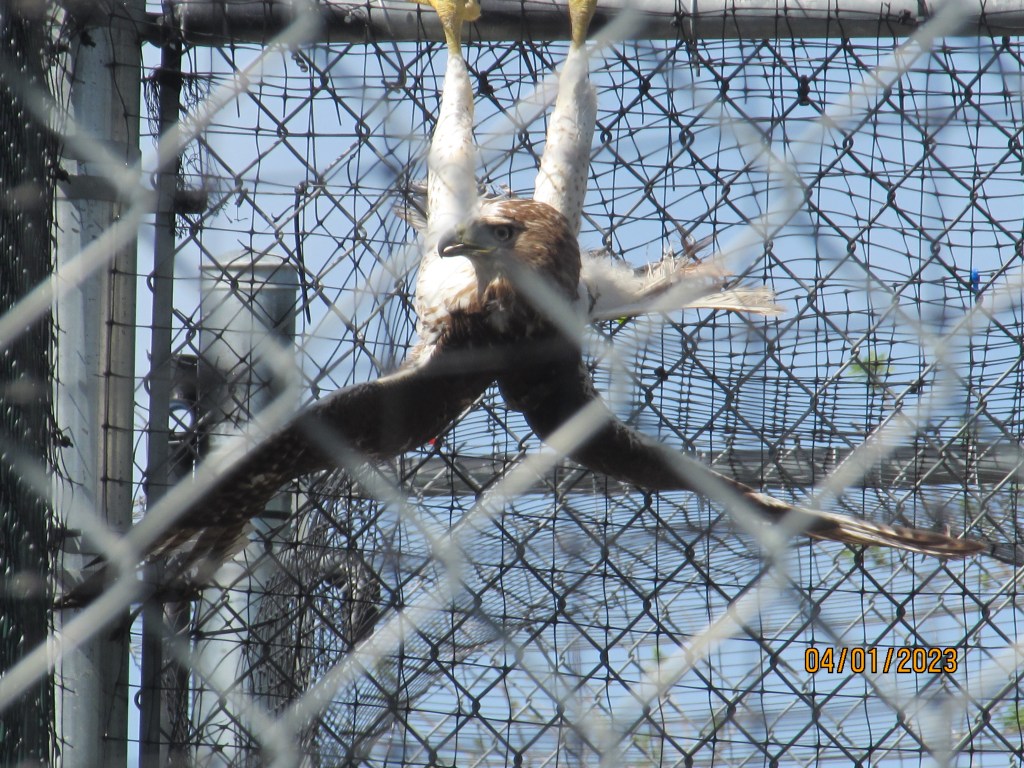
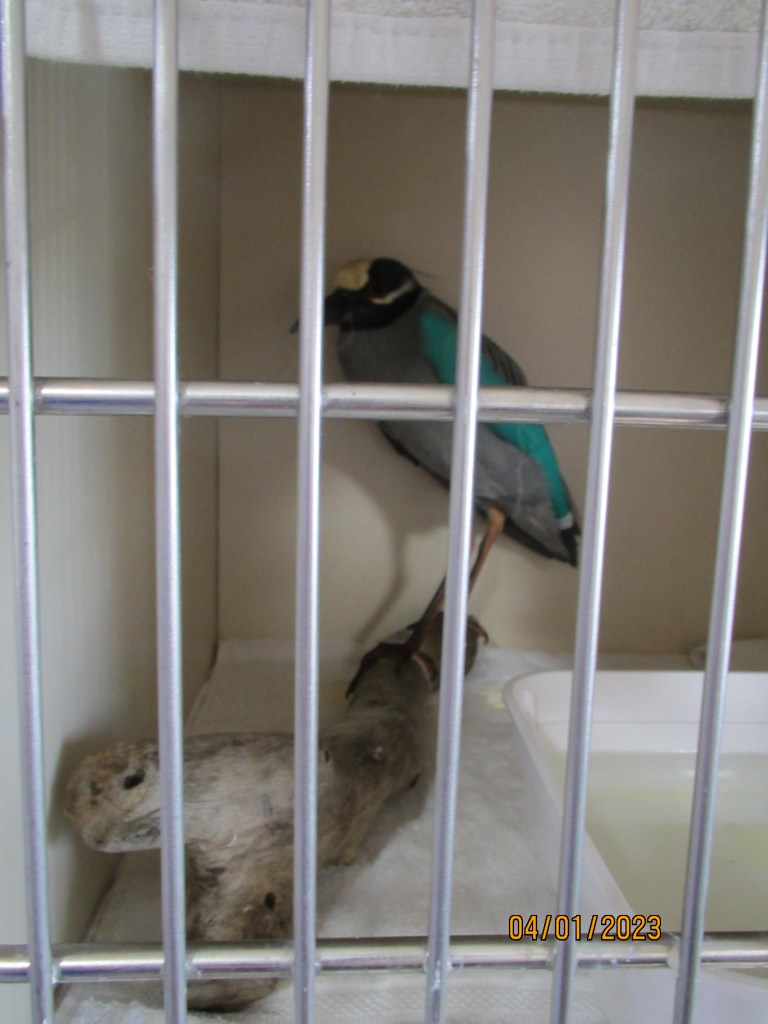
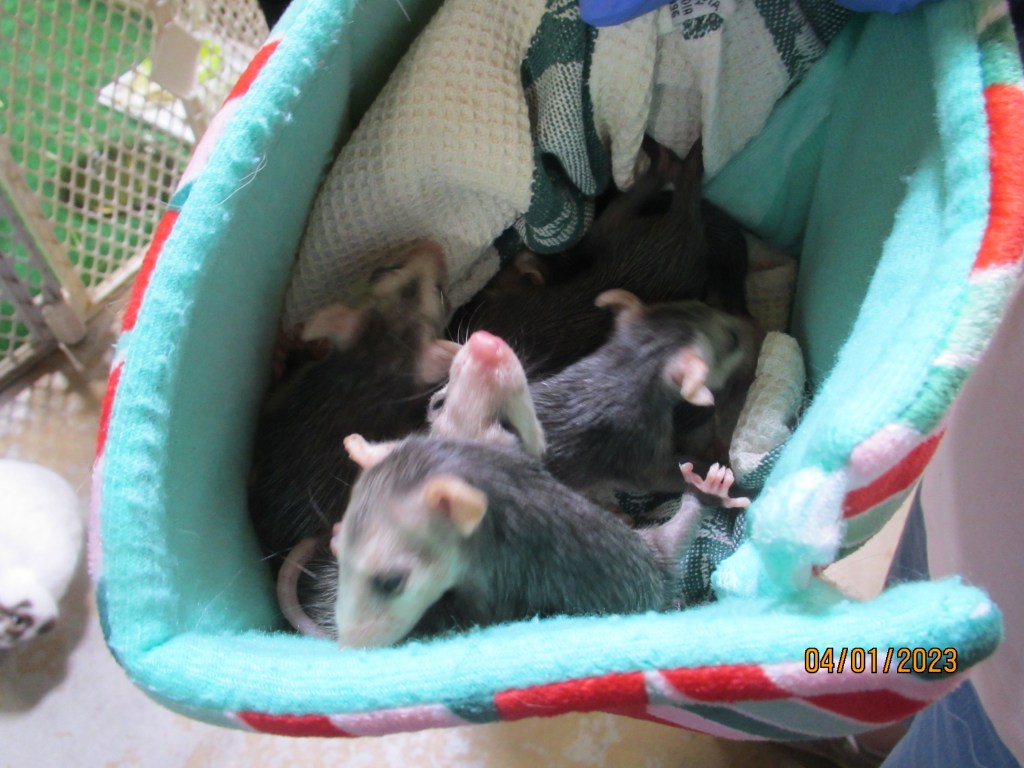
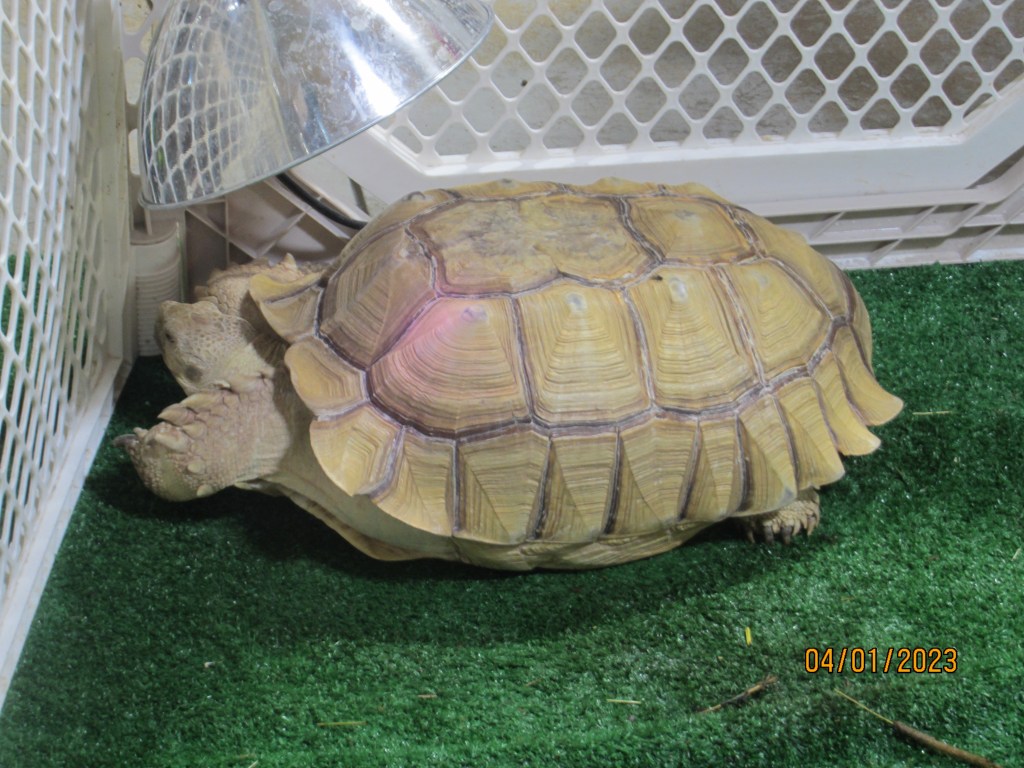
All Things Wild is currently housing many squirrels, several opossums, large turtles, some raptors, many baby rabbits – both cottontails and jack rabbits, a nearly featherless vulture, an owl in ambassador training, a Blue Jay, a skunk, and a very large, wing-less white Pelican. They range from newborns to recovering adults. 
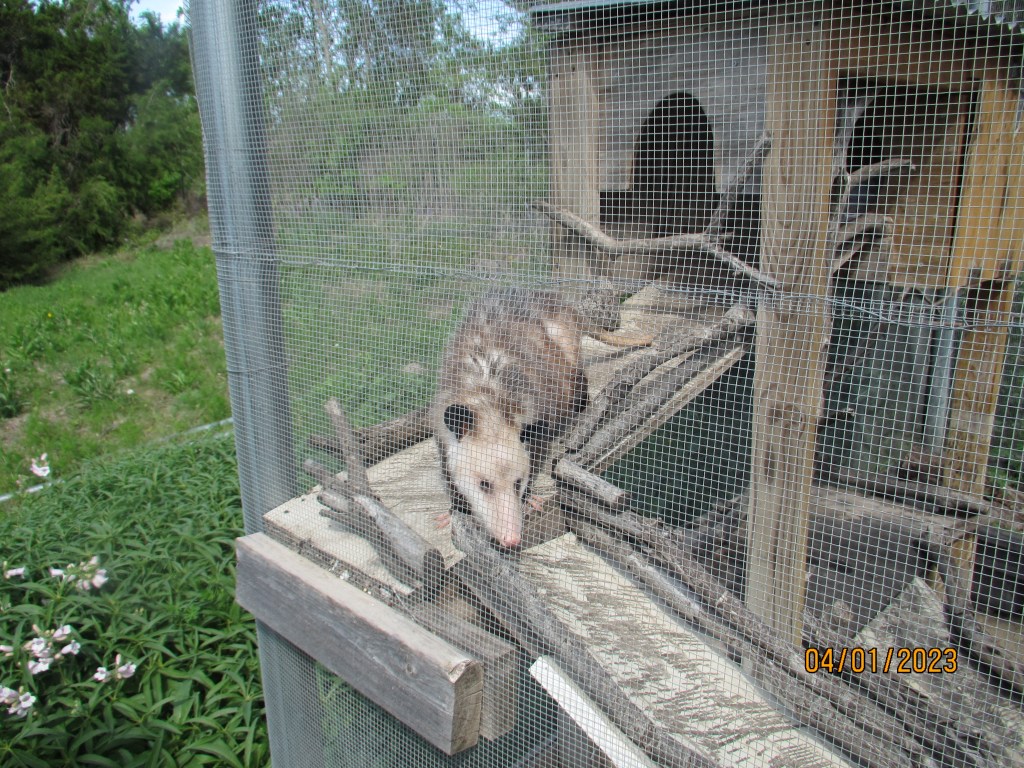
If an animal or bird cannot be released to the wild, they are made ambassadors for the education programs the staff and volunteers perform. They are trained to be people-friendly then taken to schools or other locations to be used in education programs around the area.
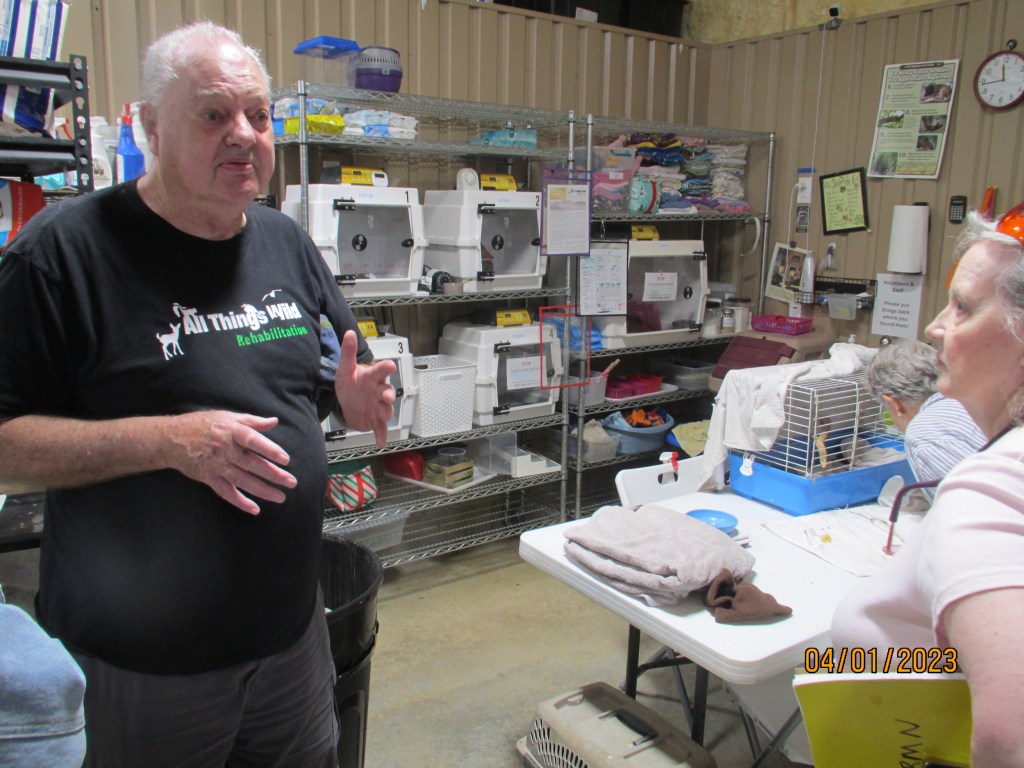
Checking out a building

Up until a few years ago, volunteers worked from their homes fostering the animals. With donations from supporters, they have built a large building to house the ill, perform surgery, and manage the organization. They have outside habitats for those getting closer to being released. Just recently, they received some buildings to add to their range. They are building an office and an education room that will seat up to 60 students. 
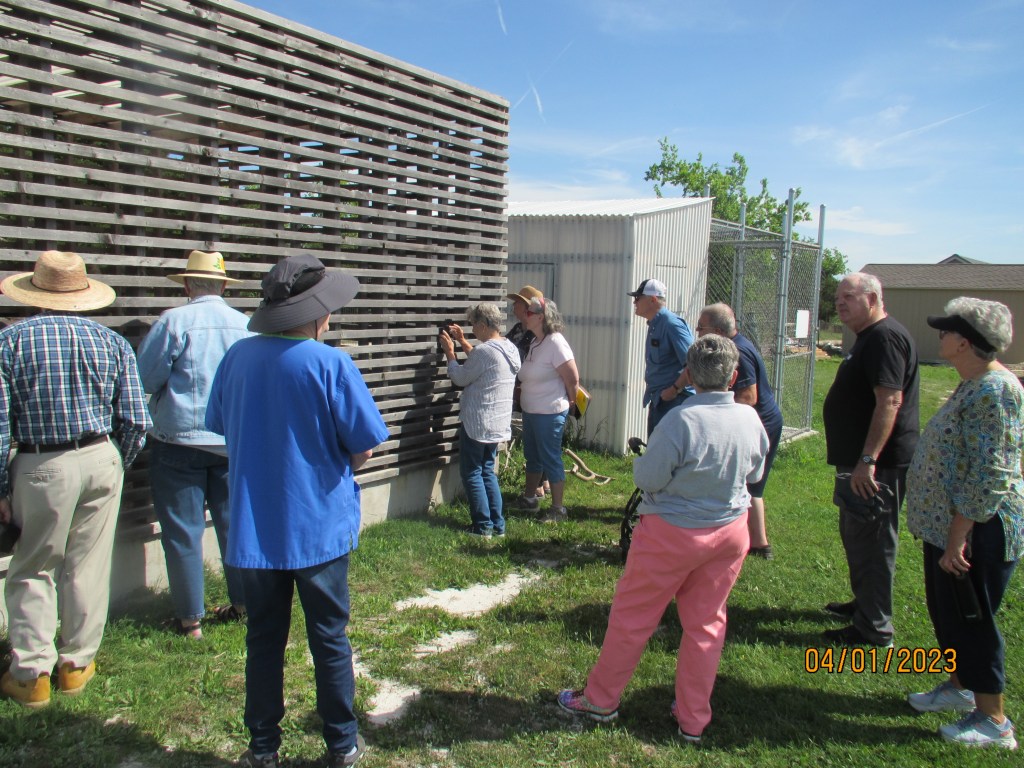
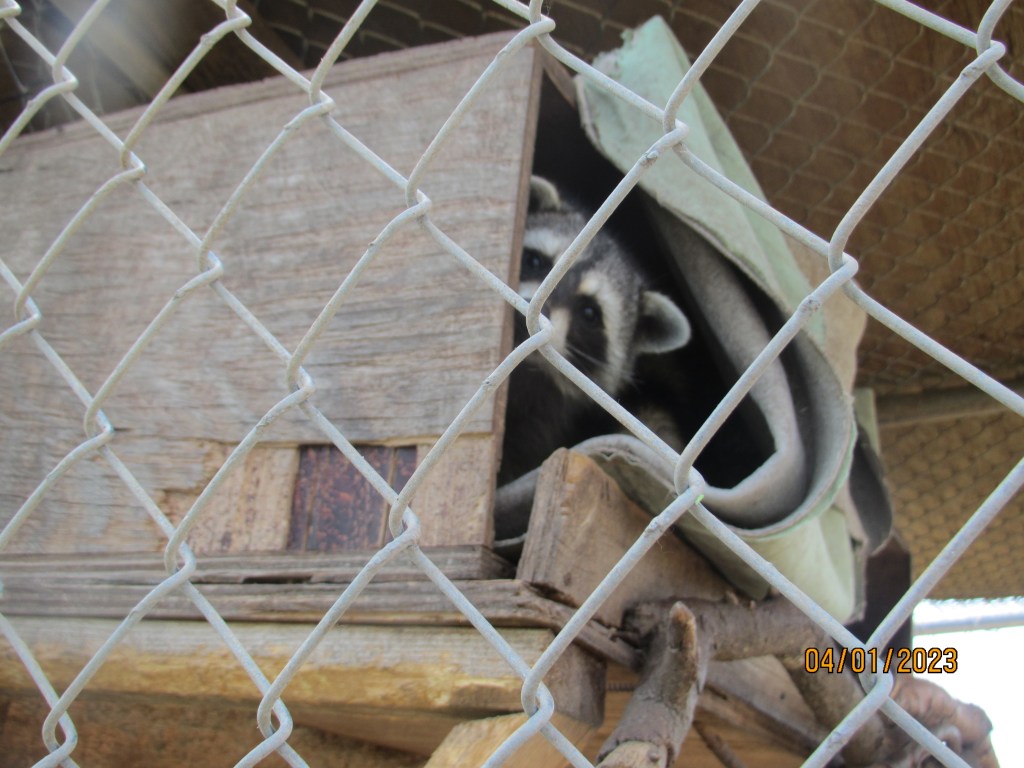
Peeking

They operate on donations. They can use money or items they are frequently in need of at the place. If you’d like to know more, check out the web site at Wildlife Rehabilitation & Education – All Things Wild Rehabilitation. 
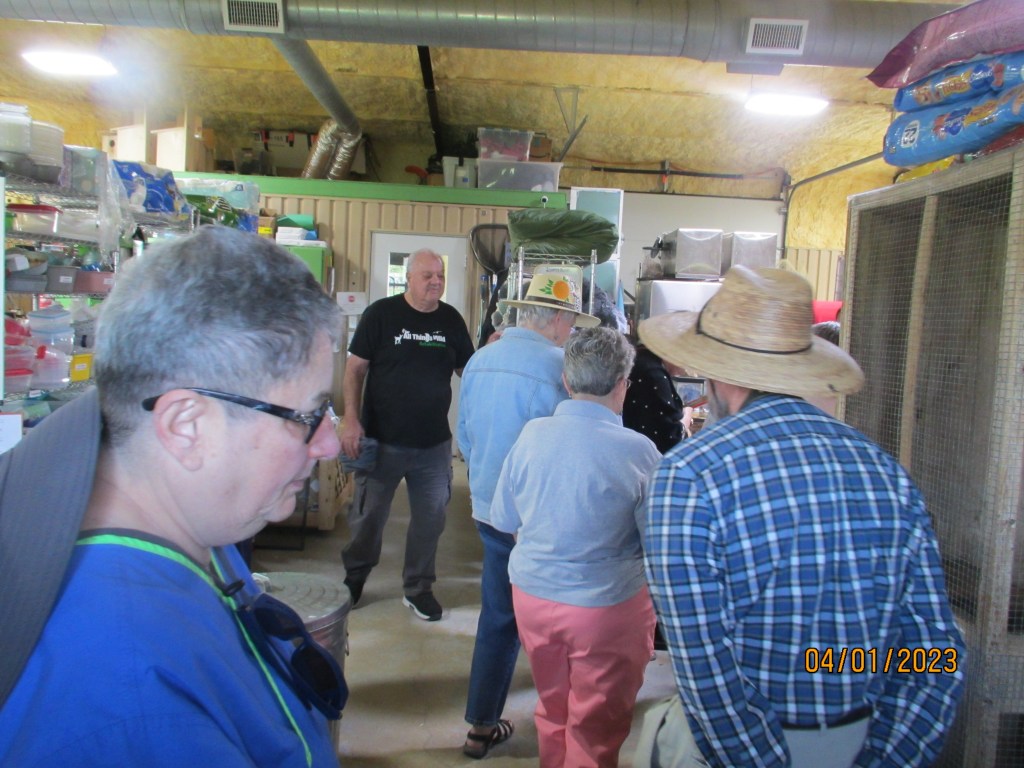
There was a lot to see!

Pink Turk’s Cap Experiment Update

by Carolyn Henderson

Success with growing Pink Turk’s Caps from seed is looking more possible every day. I now have seven growing from seeds that wintered in the refrigerator. Then I was surprised to find that the one whole seed pod I planted in the ground last November had come up. I had flagged the site, so I could remember exactly where I put it. 

So, they will come up from a baby plant planted in the fall, seeds that have been removed from the red pod covering, cleaned, dried, and refrigerated over the winter, and a whole pod placed in a flower bed in the fall. The only version that didn’t produce plants were the cleaned and dried seeds planted in the fall in containers and left outside. 

Now, I’m waiting to get them a little larger, so I can transplant them to the mostly shaded flower bed. 

Training Class Studies Bee Farming

by Kathy Lester

The El Camino Real Texas Master Naturalist training class met at Walker Honey Farm, where owner Clint Walker discussed all the wonderful things about bees. Attendees were able to handle the hive frames, see the queen bees, and observe at least three different colors of pollen carried by the bees. They were dressed appropriately for visiting hives. 

Bee handler Blake explained the manufacturing process.

Then they had some great “retail therapy” at the Walker Honey Farm store.

Cucumbers, Dill, and Surprise Butterflies

by Dorothy Mayer

Last year I had quite a few Eastern Black Swallowtails eating most of my dill. I was okay with that, as almost all of my cucumbers were too bitter to can. The weather got too hot too fast for my cucumbers. So, I was disappointed not to be able to can any pickles last year.

The dill was fine, though, and the beautiful butterflies loved it and laid lots of eggs underneath the leaves. When the caterpillars got big enough, I put them in my butterfly house along with a bunch of dill and watched until they all got into a chrysalis. A few did come out & looked healthy. They flew good so I assumed they were healthy.

However, I had three chrysalis that didn’t look right but, I just left them alone. I figured after numerous freezes that they were all dead in there. (I had my butterfly incubator on the back porch where it’s not heated nor cooled.)

Nope. One by one those butterflies managed to come out, and we got to watch them fly away, which was just super fun and amazing. I plan to plant a ton of extra dill this year and try that again. I think it’s a great activity for a learning experience for children and adults alike.

So please, don’t put chemicals on your plants, because you will kill “good bugs” with the “bad bugs.” Poison doesn’t discriminate. It kills ALL bugs and possibly birds, too, as birds eat the insects and feed them to their babies.

Happy Spring Everyone.

Immigrants in the Wildscape

by Carolyn Henderson

Immigrants have come to the El Camino Real Wildscape, and no one knows how they arrived. A few bright red Common Poppies and what appears to be some type of Larkspur have produced vivid early
blooms in one bed of the wildscape.

Manager Catherine Johnson assures me that no one planted either of those to her knowledge. Seeds of them could have been in the dirt of other plants bought and planted, or perhaps a bird carried a seed and dropped it off on its way through the area.

The Larkspur is a little puzzling because no one is sure what it really is – not even iNaturalist. When I tried to identify there, it said it was pretty sure it’s a Larkspur, but wasn’t sure which one. It looks most like a Forked Larkspur which is spottily found across the United States, but that one is mostly found in Western Europe. If you know the identification, let me know.

The rooster in the picture showed up because he took his job too seriously at his prior home. I’m told he will be travelling on down the road soon. He is pretty, though.

It was too cold for most bees and butterflies, but a few did crawl around. One red wasp was making a nest on a gardening tool in the decorative mailbox storage. The awning is repaired, and the Malabar Spinach is beginning to grow again.

A few Master Naturalists or those soon to be certified showed up to work on the place. Some pulled up weeds, while another dug up overgrown sages, and planted something else. The sages went home with members to be planted in their gardens. What is in overgrown abundance is Sunflowers. If you want some, they are all over the wildscape.

A week of warm weather should have many things blooming soon.