
by Sue Ann Kendall
Usually, I’m the one editing and uploading blog posts for other people, but today I have time to write my own post for this blog. If you live in Milam County, Texas, there’s a very good chance you’ve had some rain over the past few days, very welcome rain, in fact, even if some of us got a lot very quickly.
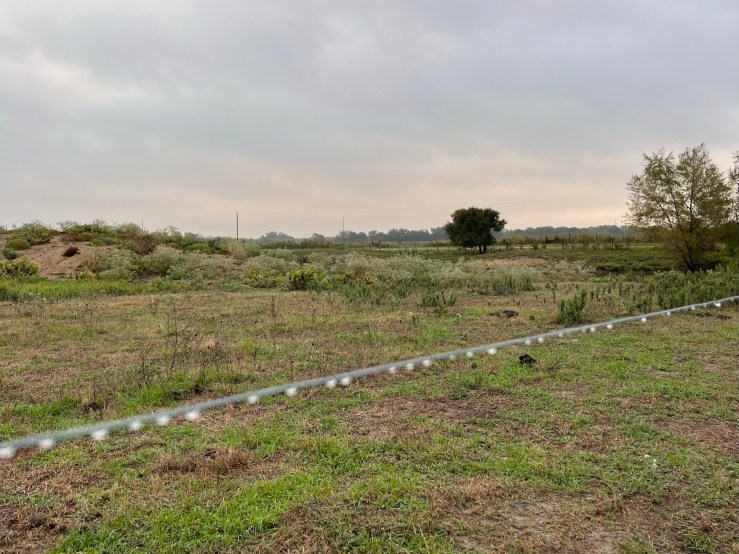
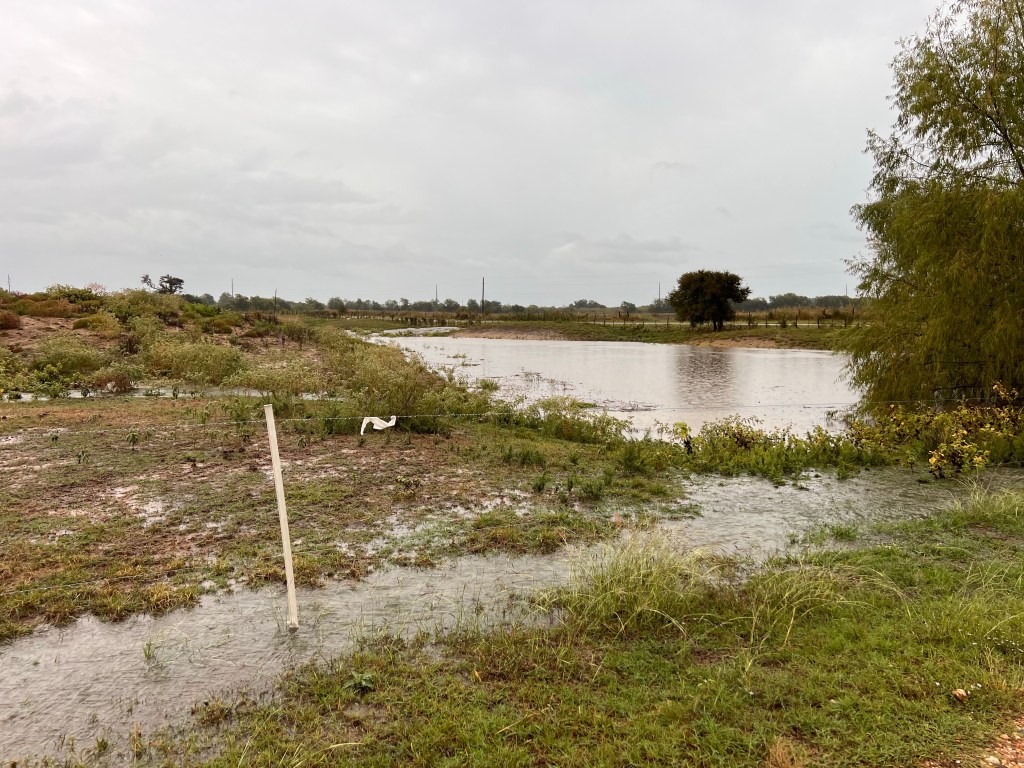
Where I live, at the Hermits’ Rest Ranch in northwest Milam County, we got close to six inches of rain. That’s how it goes here these days, months of drought followed by a big flood. I was expecting it.
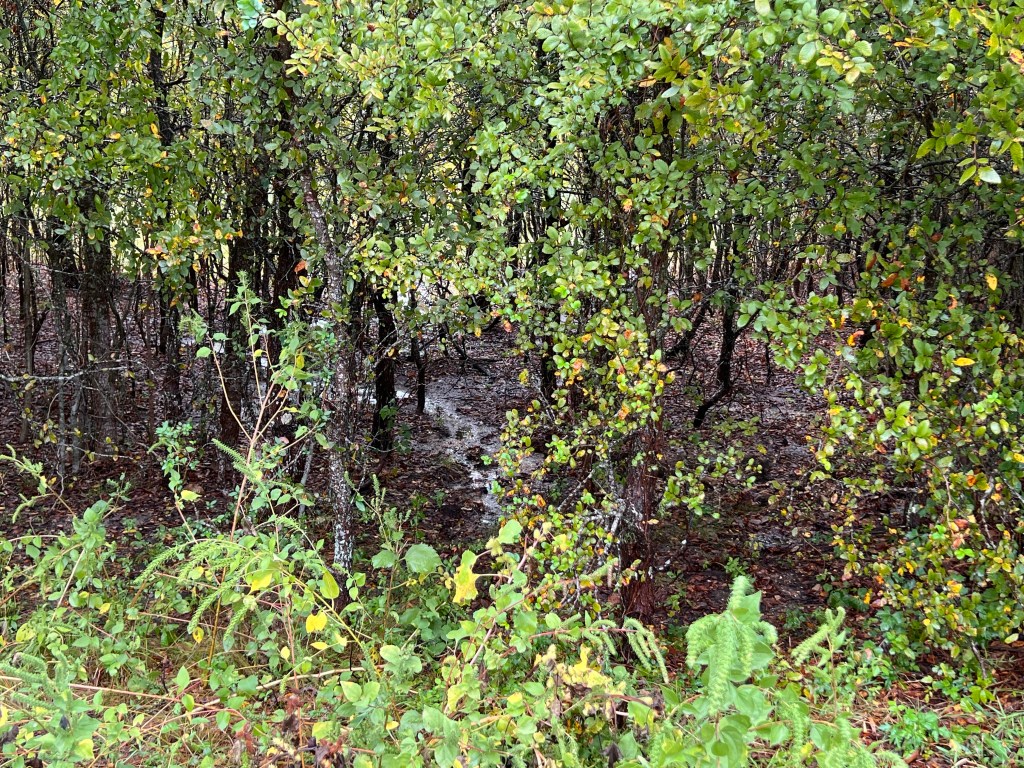
It’s also autumn, and since I’m not one of those people Donna wrote about yesterday who think there’s nothing going on in nature this time of year, I thought the days after a big rain would be the perfect time to see what’s blooming or seeding, who’s flying around, and who’s up and about after a rain. Since one of my hobbies is documenting what flora and fauna are around at different times of year on this property, I knew it would be a good idea to document what’s here on iNaturalist (you don’t get Master Naturalist hours for work on your own property, but I’m fine with that, since this is my own research).
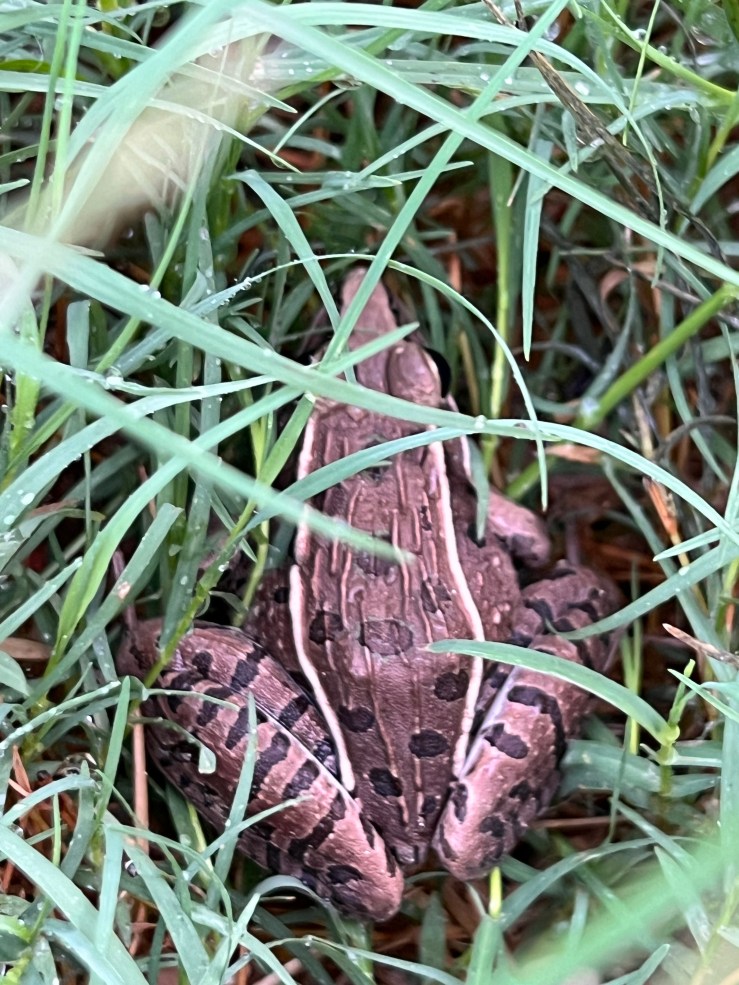
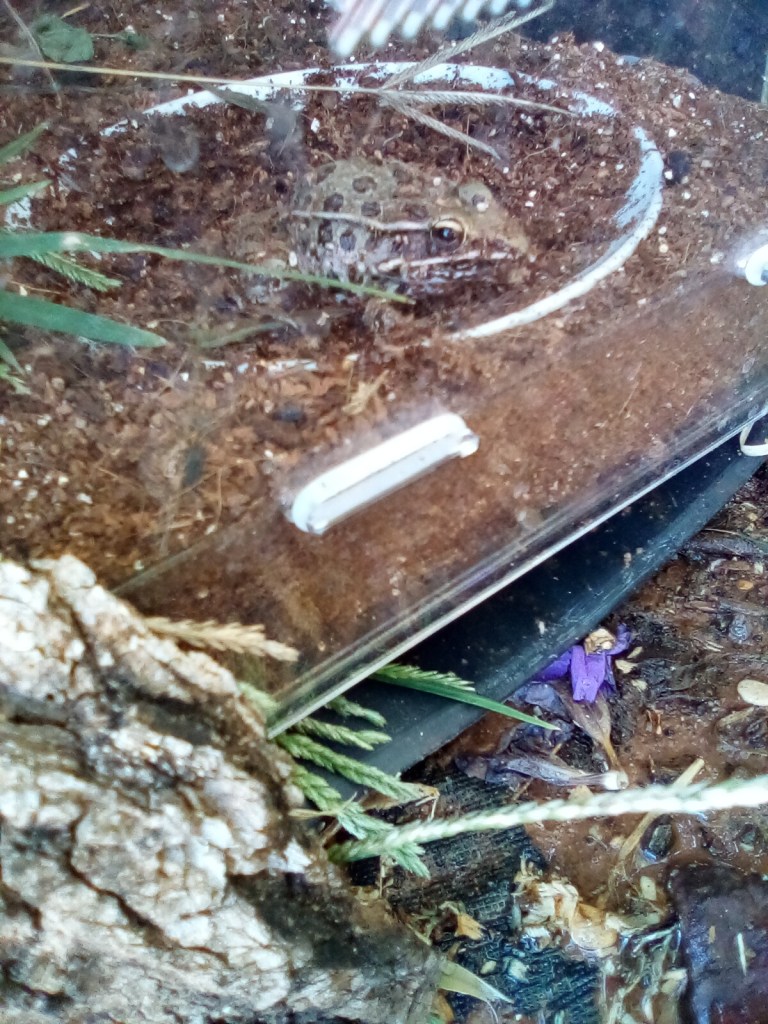
As the title of this post hints, I found most of my interesting sightings on the ground. Looking down will quickly dissuade you of any notion that nothing’s blooming, growing, and reproducing this time of year. The very first thing I found on the ground was my favorite: this gorgeous leopard frog. I didn’t get a side view, so I can’t tell if it’s a Rio Grande one or a regular one, but it’s pretty.
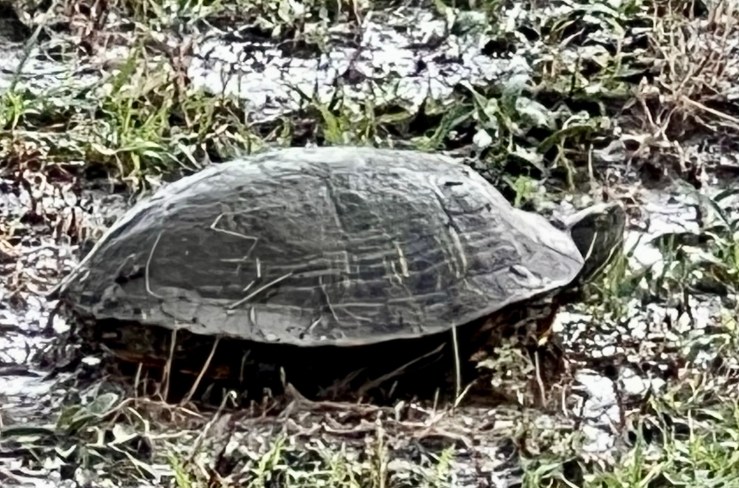
As I walked down to my front pond, I saw another resident out of its usual watery location, this pond slider, who must have been going from the back pond to the front. There are so many of these in there, and I bet the flooding moved them around a bit.
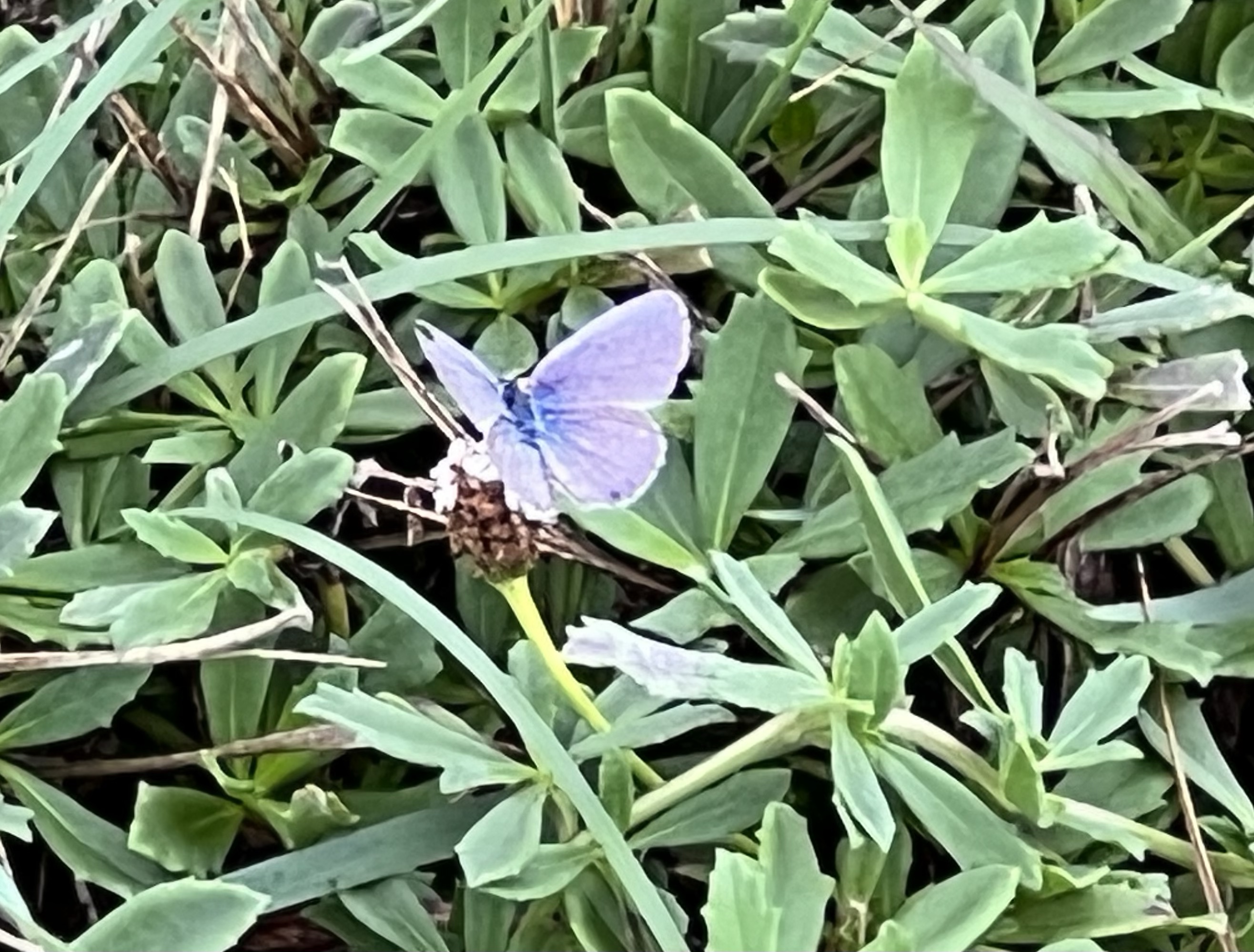
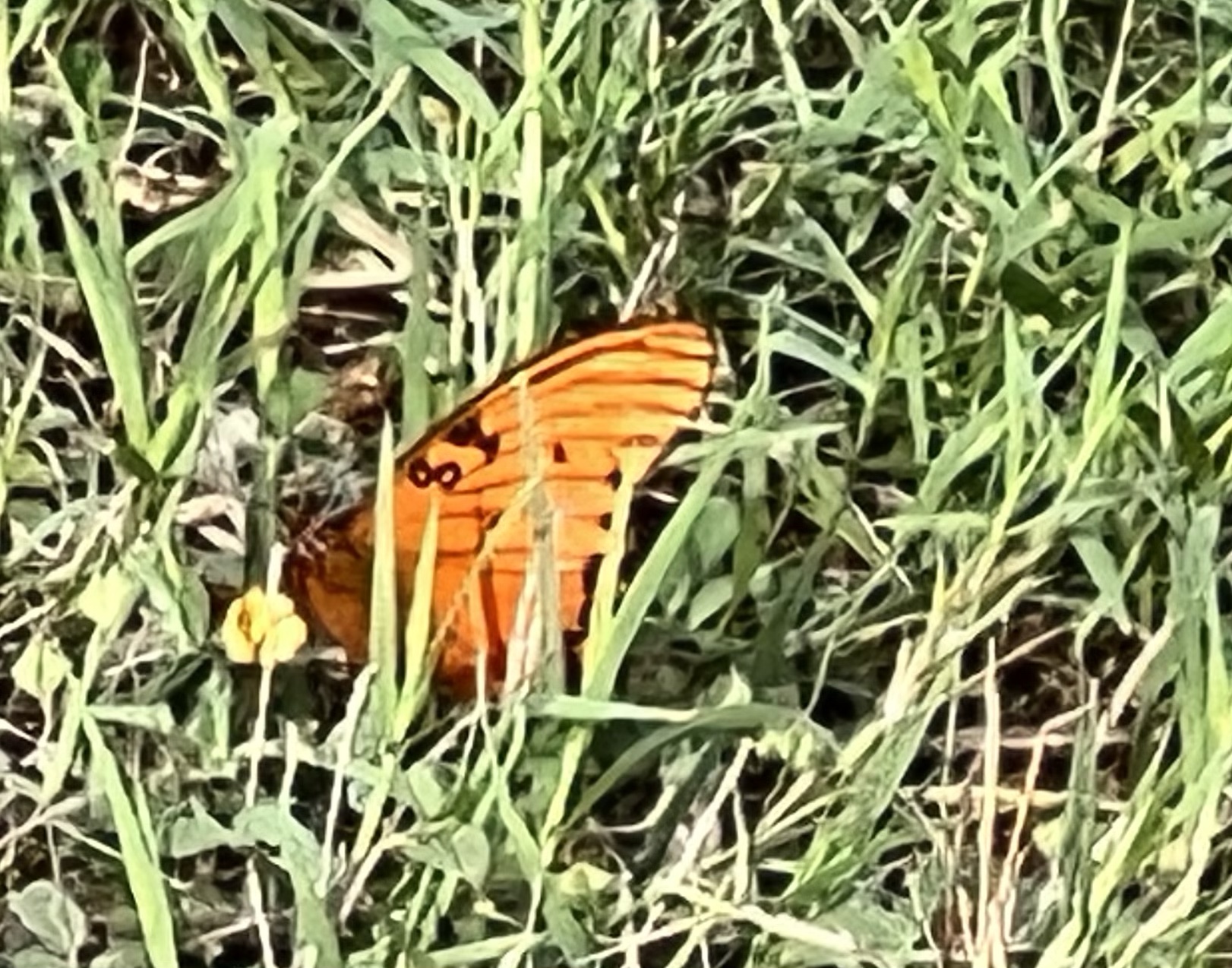
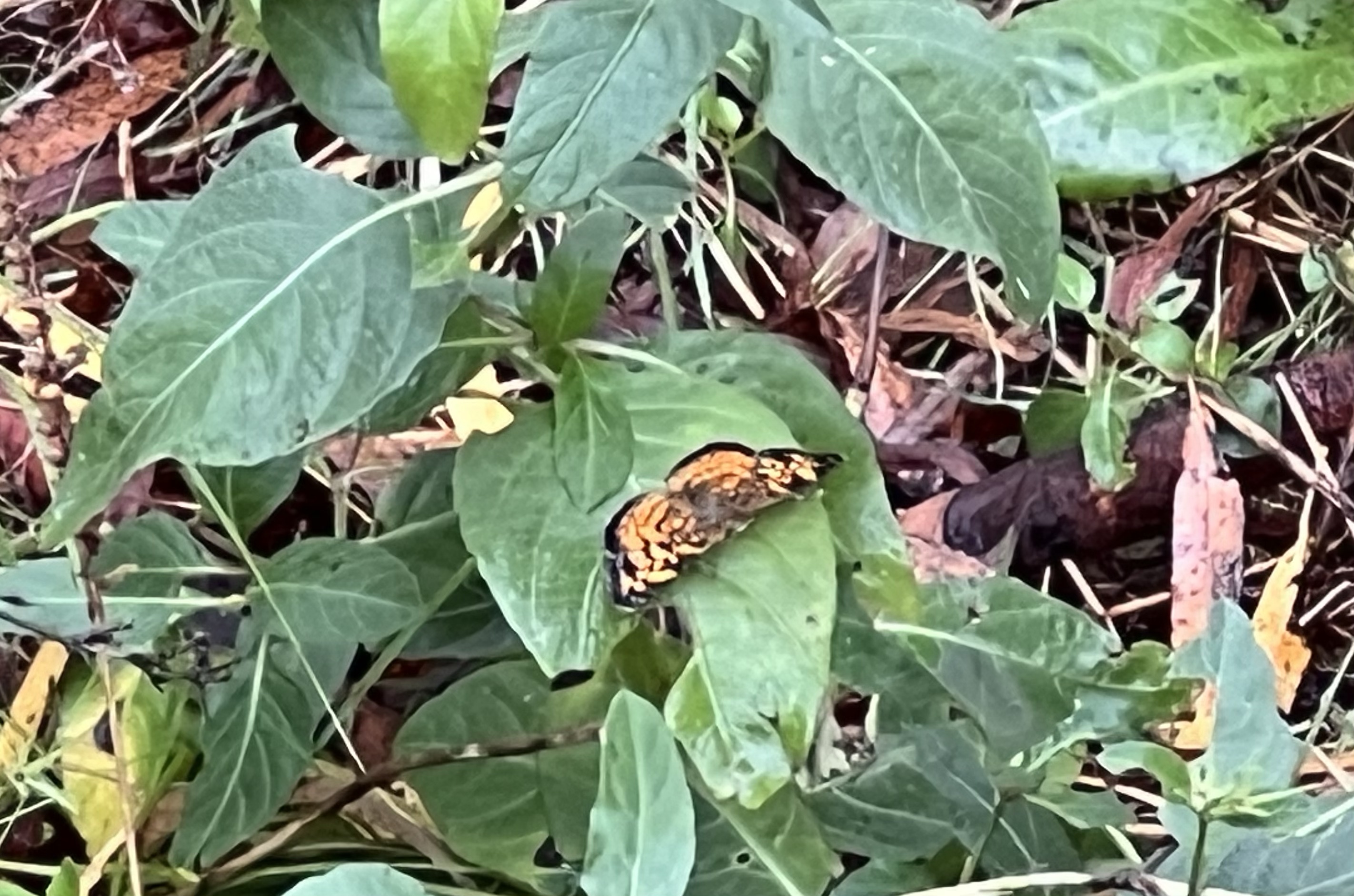
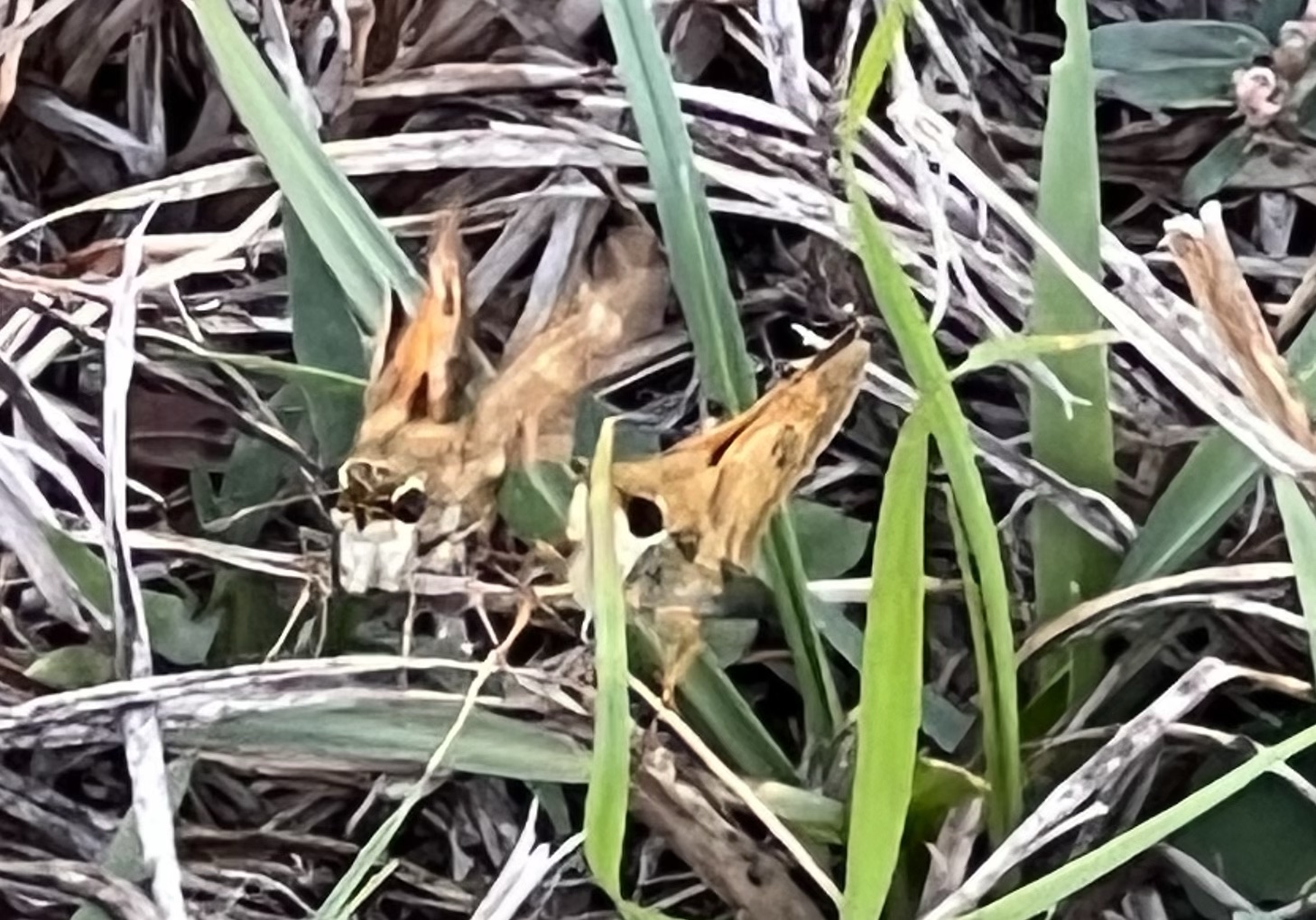
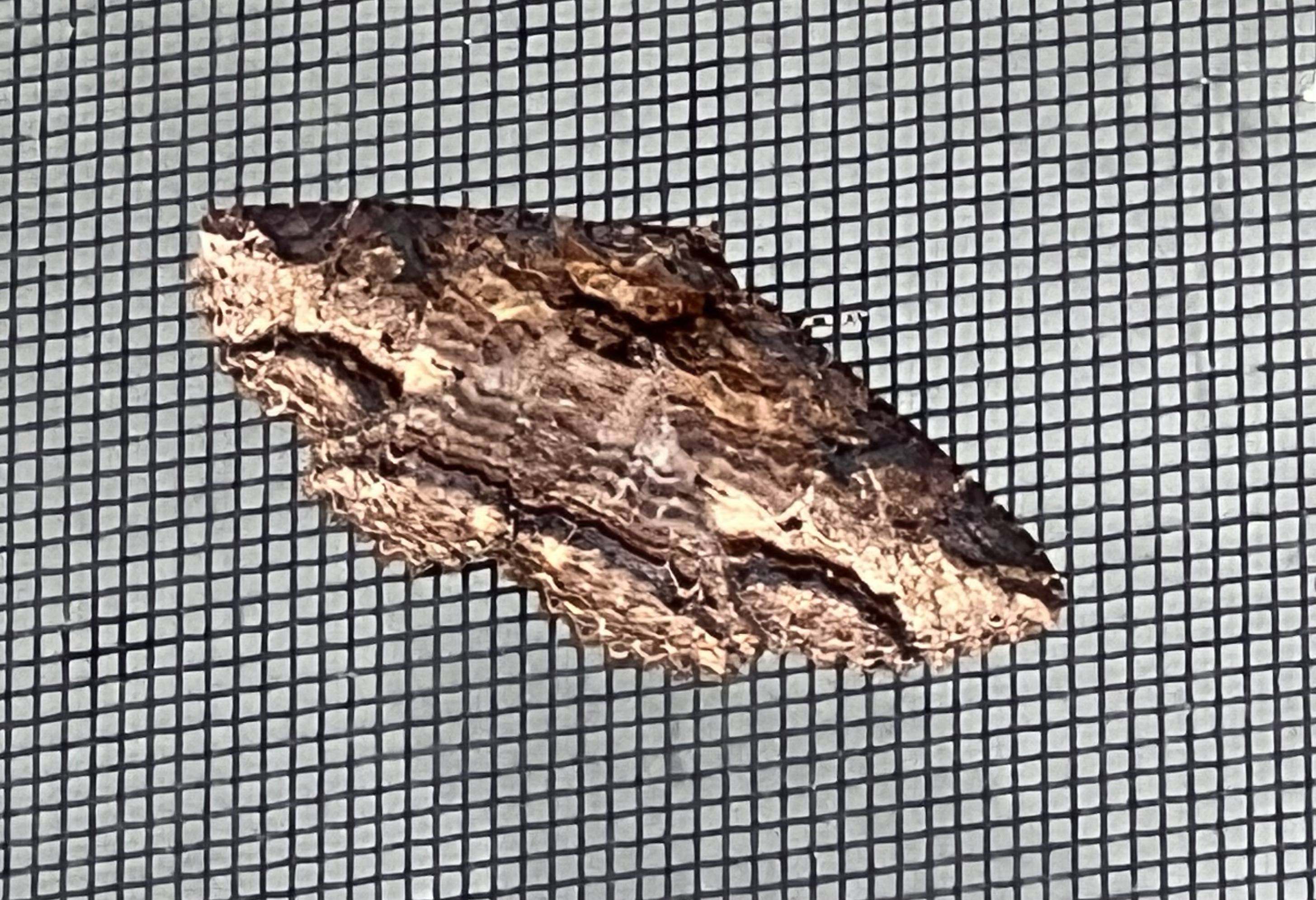
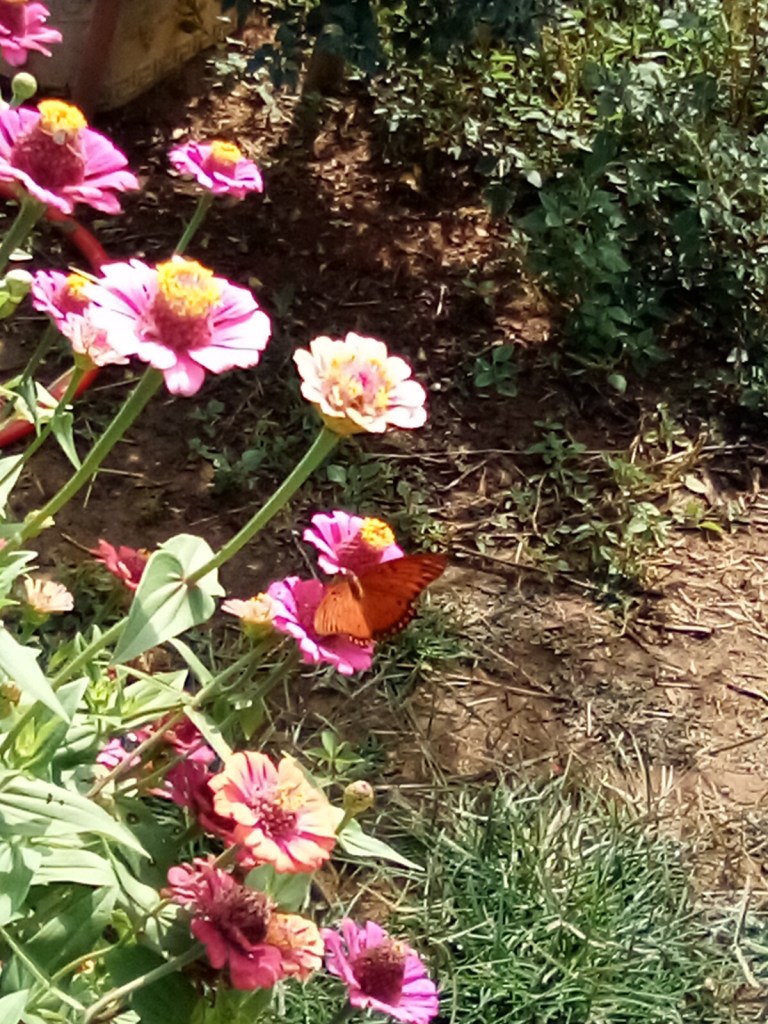
Once the sun came out, so did the butterflies and moths. I’m transfixed by the Ceraunus blues (Hemiargus ceraunus) and was really pleased to find them drying off their wings so I could see the blue part when they were sitting still, for once. But I also enjoyed the many sulphurs (not pictured, as they are blurry), Gulf fritillaries (Dione vanillae) and pearl crescents (Phyciodes tharos). There were also monarchs, who refused to pose, and lots of skippers.
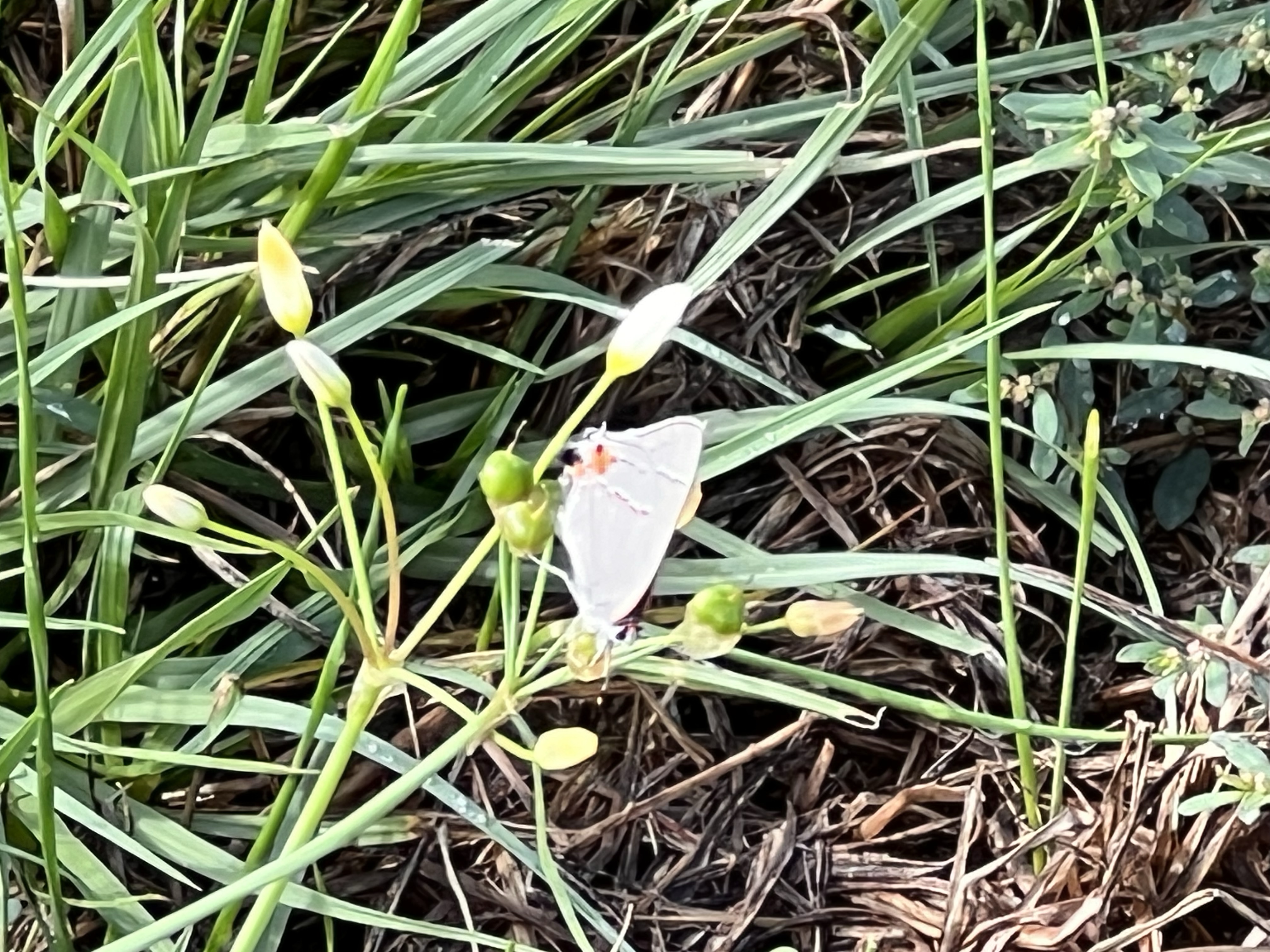
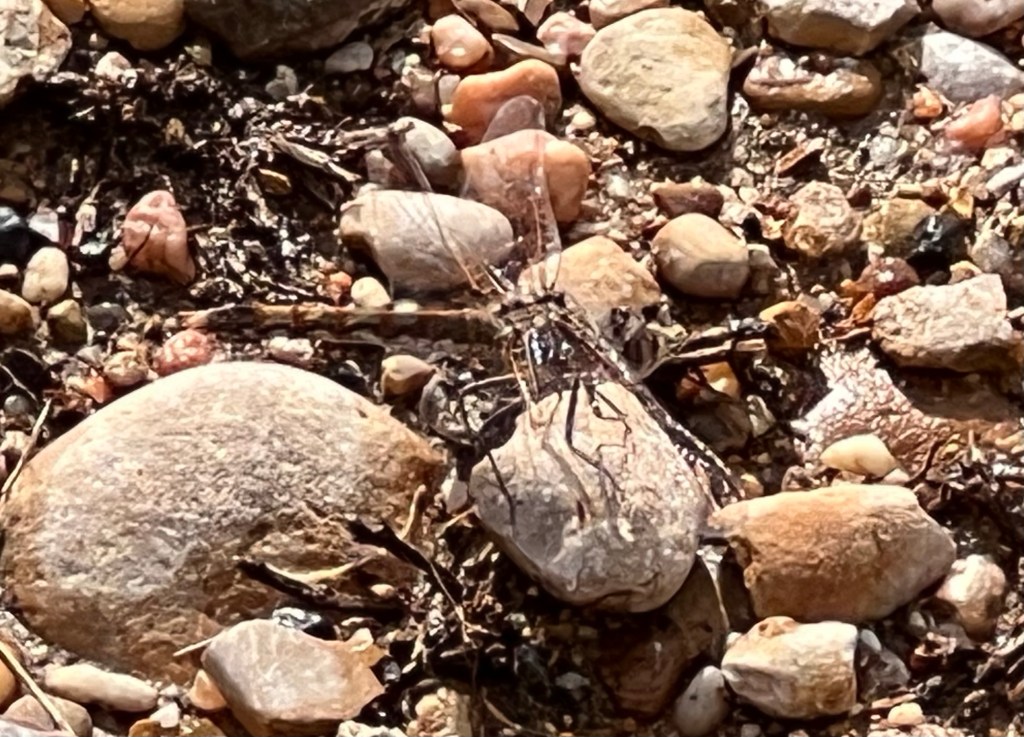
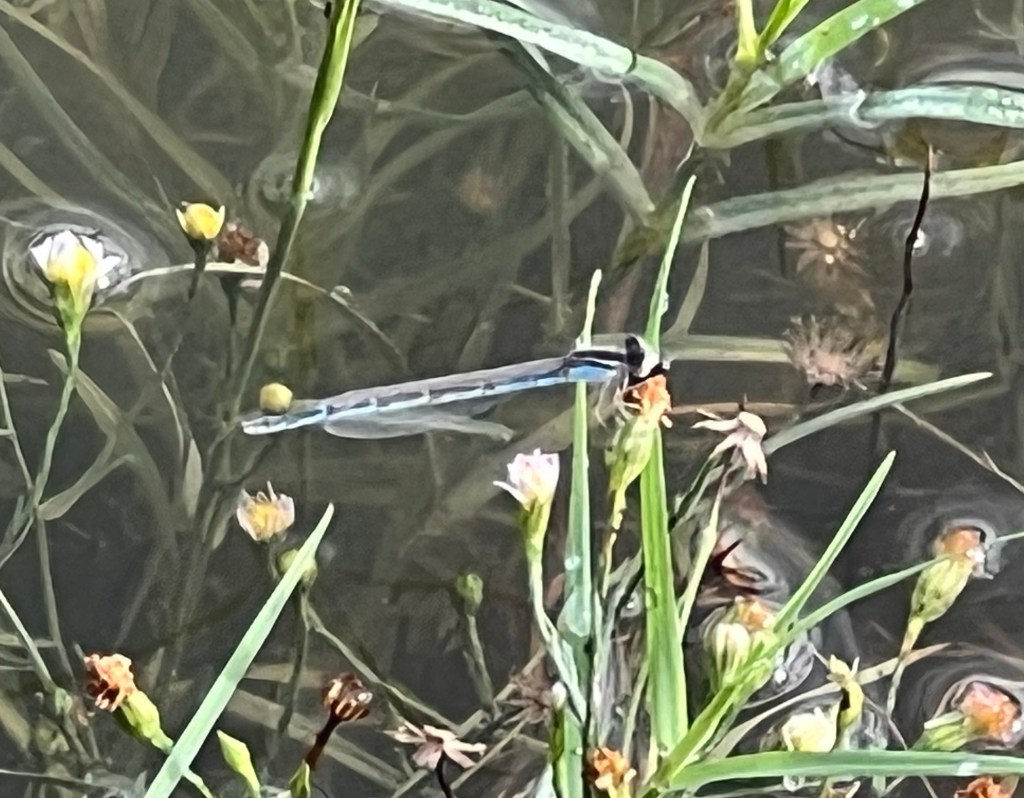
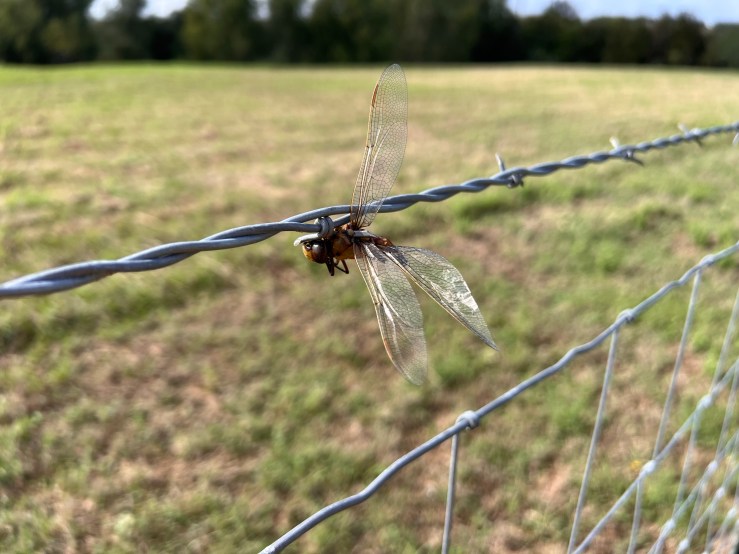
Speaking of flying insects, there are also dozens of dragonflies and damselflies out scarfing up meals. Saddlebags, pond hawks, pink ones, and red ones all flitted by me. But these are the two that sat still briefly.
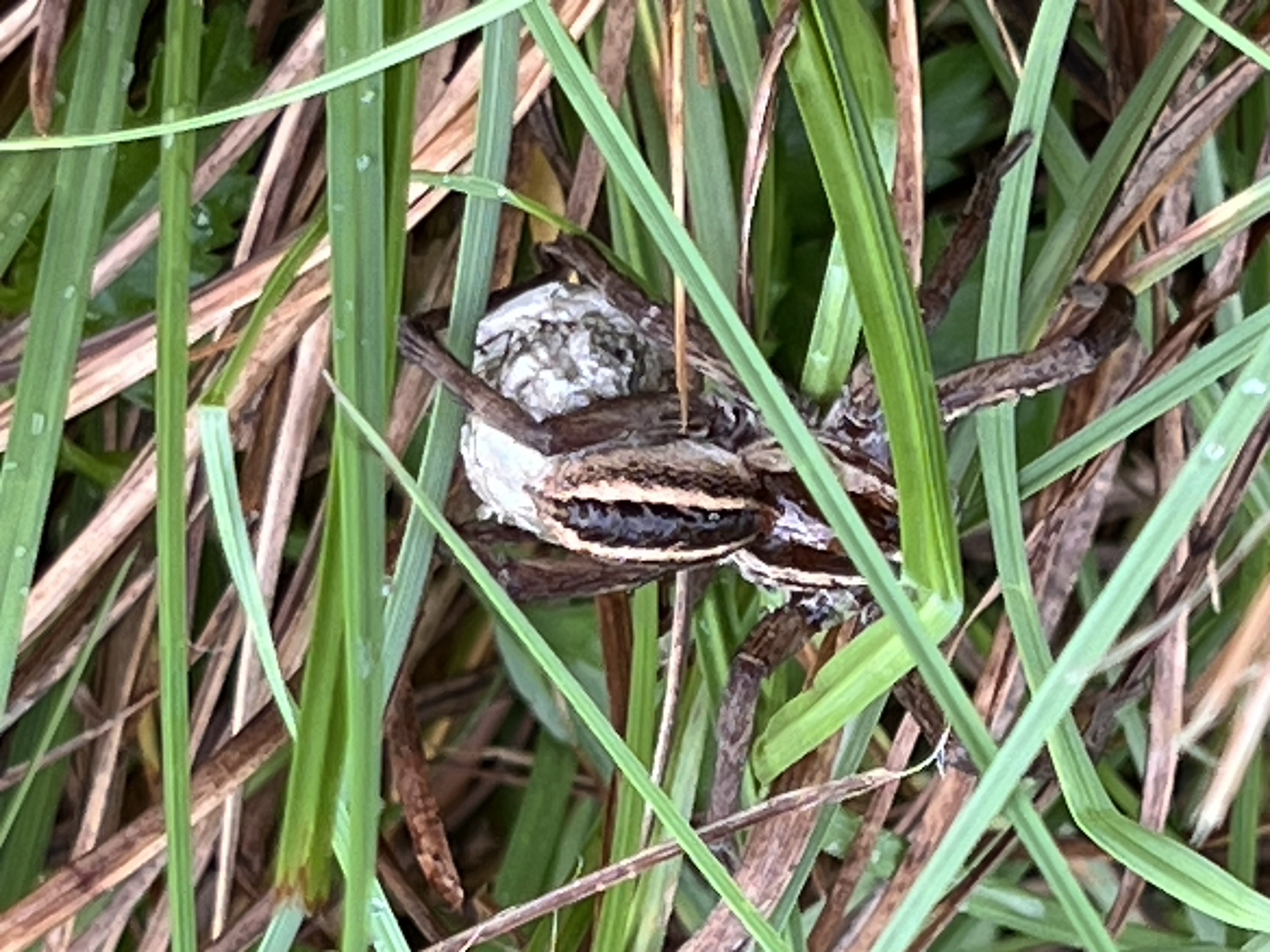
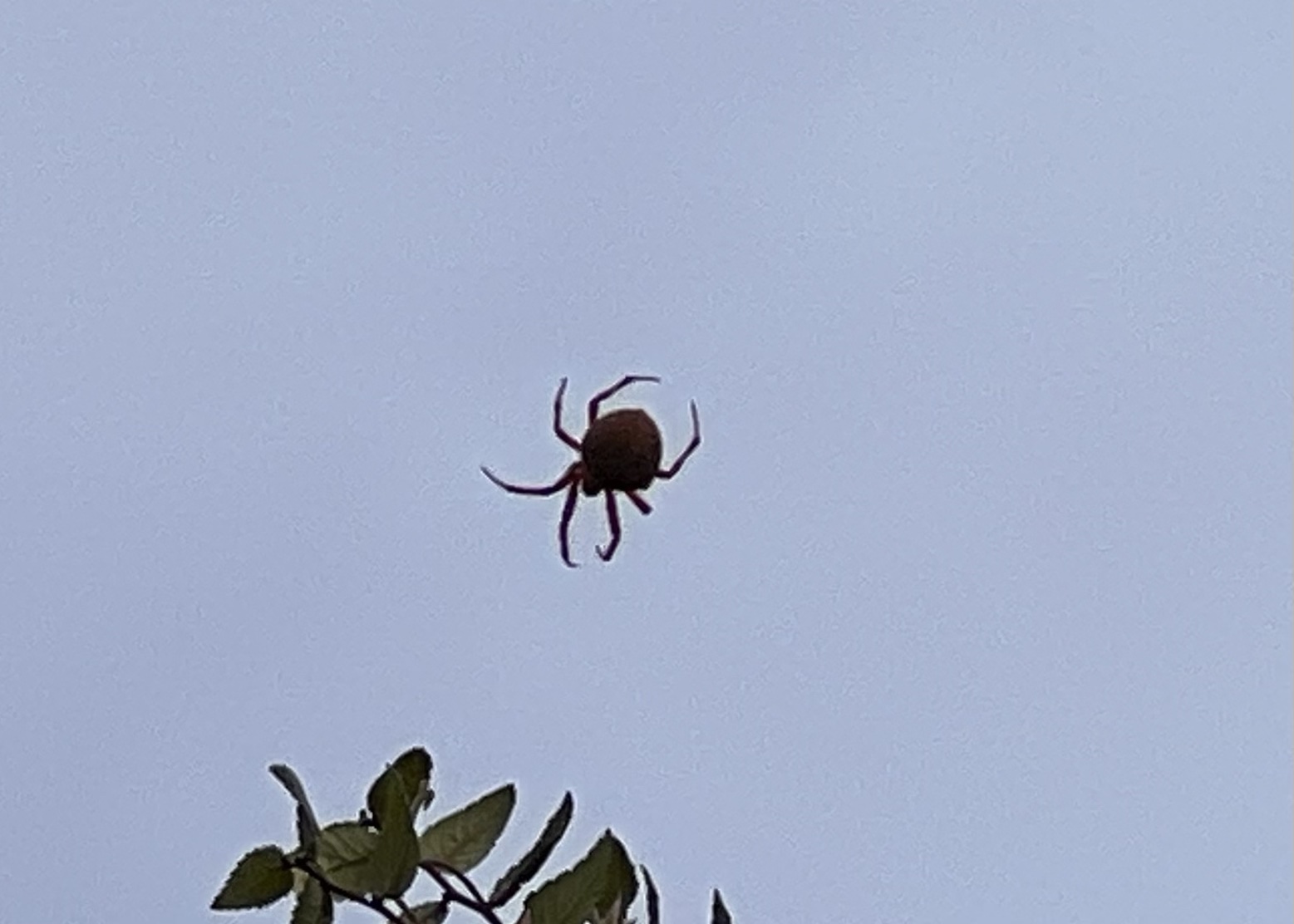
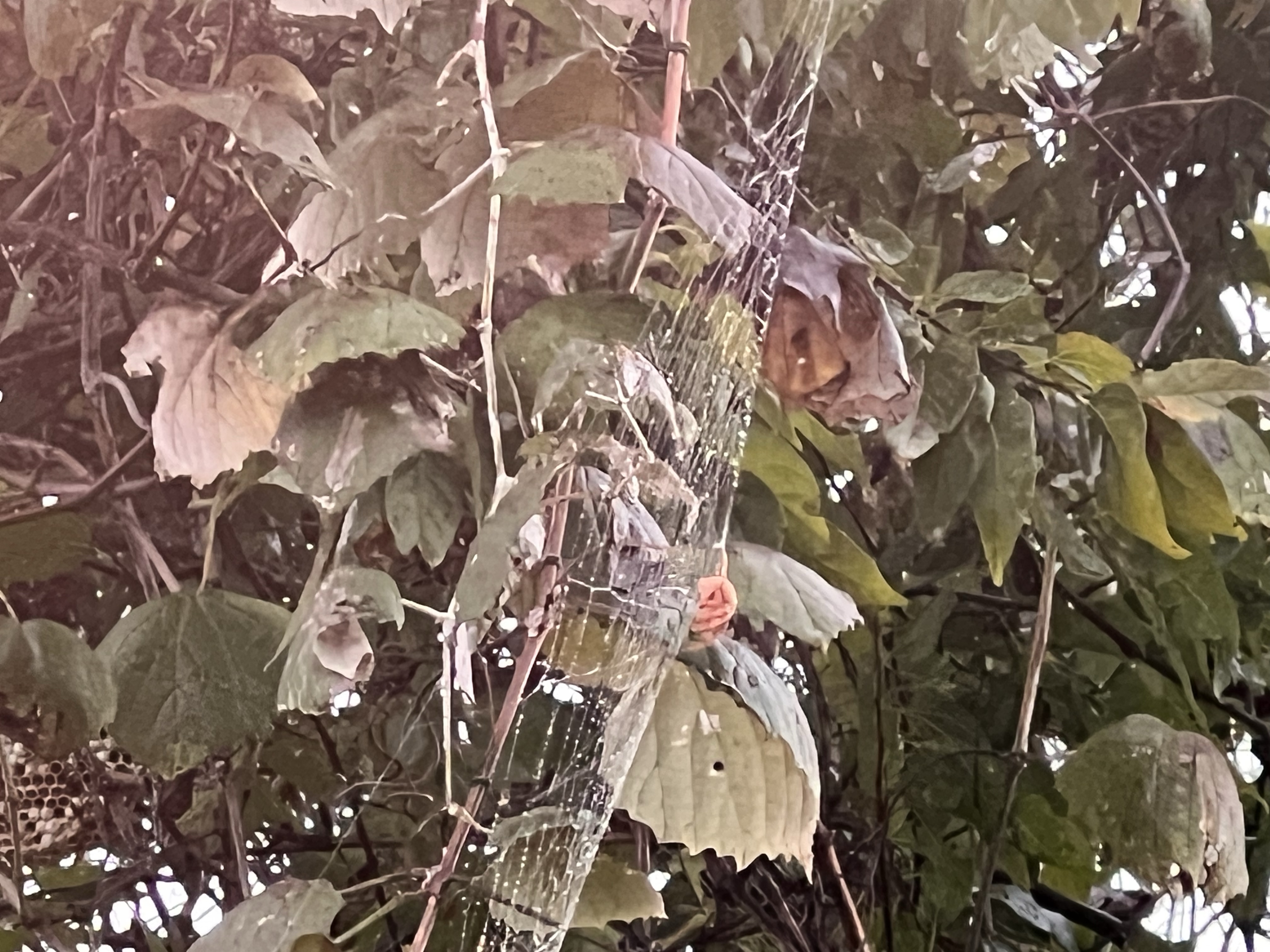
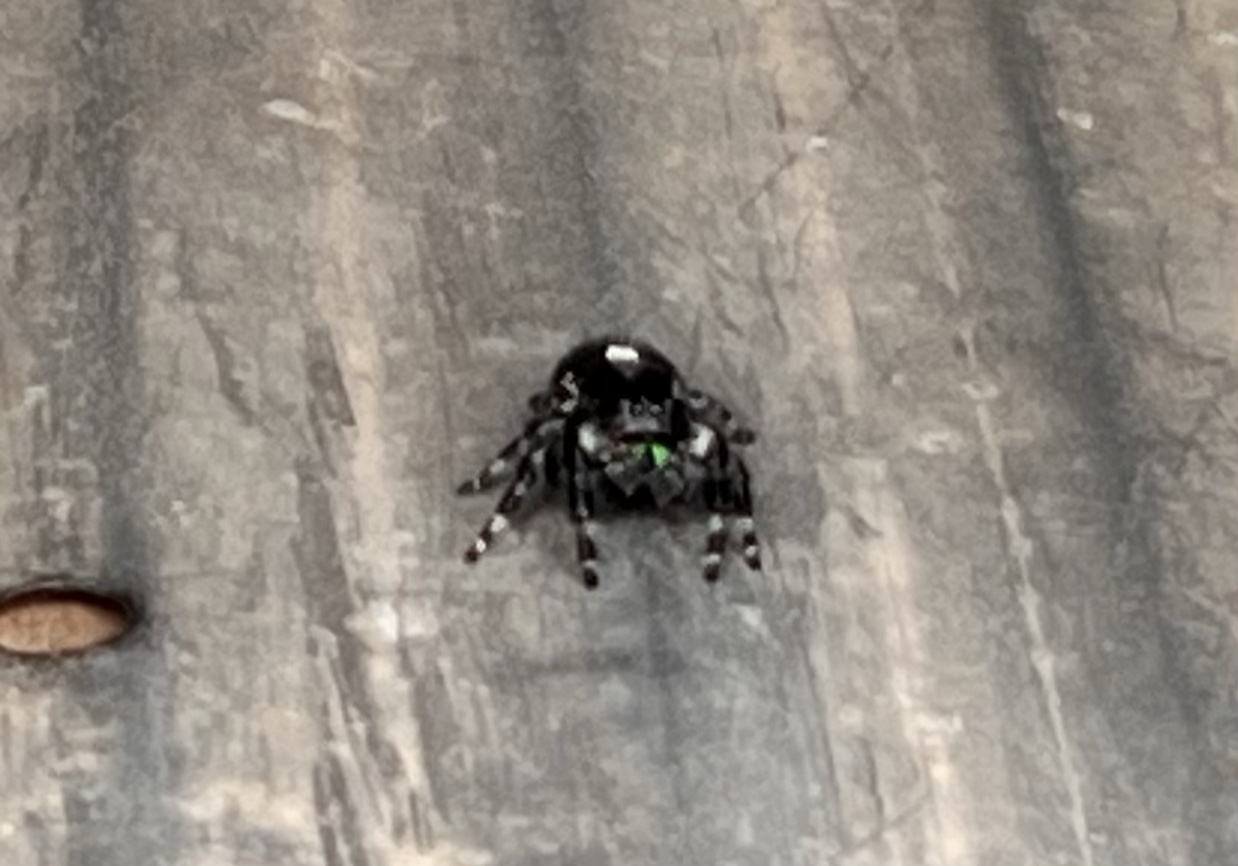
And for our pal Eric, I documented some spiders, including a rabid wolf spider mama and my bold jumping spider buddy who lives in my mailbox. There are also many orb weavers out, including these orange ones that may be spotted orb weavers, but I can’t get close enough to get a good photo.
Of course, this is a great time of year for birds, and this is one time when it’s just fine to look up. After all, birds can be found in the water, on the ground, in the bushes, in trees, on poles, and in the air. I’ve been having a blast with the Merlin Bird ID app on my phone, which has helped me a lot with figuring out all the different sparrows and sparrow-esque birds out in our fields. I say “sparrow-esque,” because just this week I realized one confusing sparrow was, in fact, a pipit. (The link goes to my personal blog post about the birds.) Once Merlin identified it and told me what to look for, I could easily identify it from both sight and sound (and a lovely sound it is).
The list of actual sparrows I have seen and heard includes way more than the annoying house sparrows that have invaded from Europe! Here’s a list:
- Clay-colored sparrow
- Harris’s sparrow (seen in the winter, not now)
- Lark sparrow (bigger ones)
- Savannah sparrow
- Swamp sparrow
- Vesper sparrow
That’s a lot of sparrows. Added to that are the two kinds of wrens and the amazing meadowlarks (I could listen to those guys all day), and there is a lot of brown to go around. I almost forgot the killdeer. You can’t really forget them, because they never shut up. Between the killdeer and the crows, it can be hard for poor Merlin to hear the more delicate bird calls. The crows have much to tell each other, though I do enjoy all their different kinds of calls and other vocalizations.
Also quite vocal are the loggerhead shrikes and the phoebes. You can’t miss them. Plus, the shrike leaves tell-tale evidence.
You’d think I was done with the birds, but no way. We have large flocks of cardinals here, many warblers (this week the yellow-rumped are around), starlings, grackles, and three kinds of woodpecker (downy, red-bellied, and pileated).
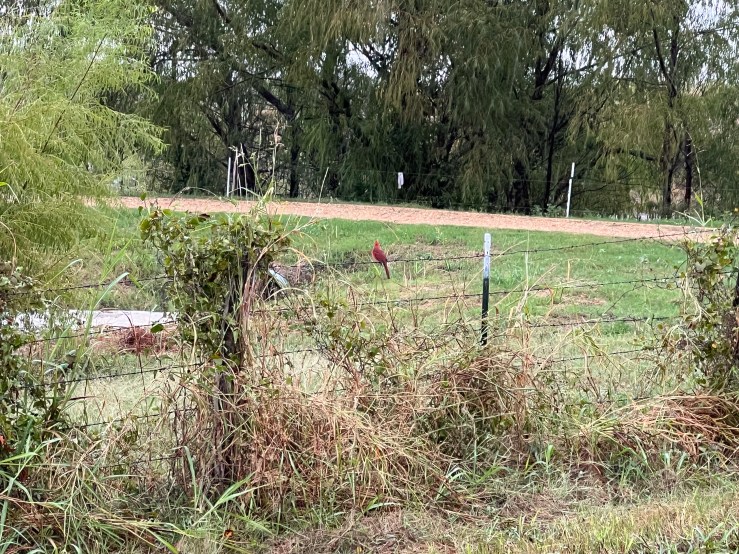
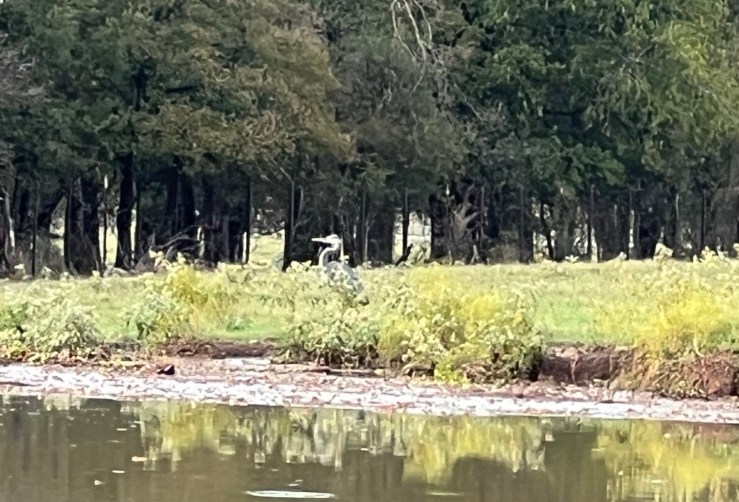
And then there are the water birds. Merlin messed up big time and identified this as a crow. It was right next to me when it croaked, and it sure sounded like a great blue heron to me.
A seasonal water bird that’s around right now is our belted kingfisher. I do have a photo of it, but it’s a blurry thing with a white neck ring that you know is a kingfisher if you’ve ever seen one. I got to enjoy watching is catch a couple of fish today (and make a lot of kingfisher trills), but there were willow trees between me and the bird, so no photos. Nonetheless, that was a wonderful experience!
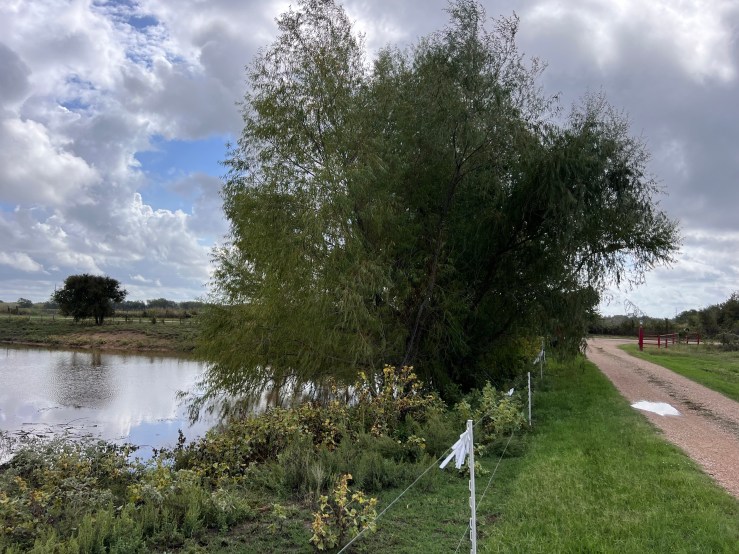
I’m impressed by how many birds are are still here or migrating through, since many summer residents have moved on. I’d miss the tanagers and buntings more if other beautiful singers hadn’t taken their place. But enough on birds. I’m overly chatty.
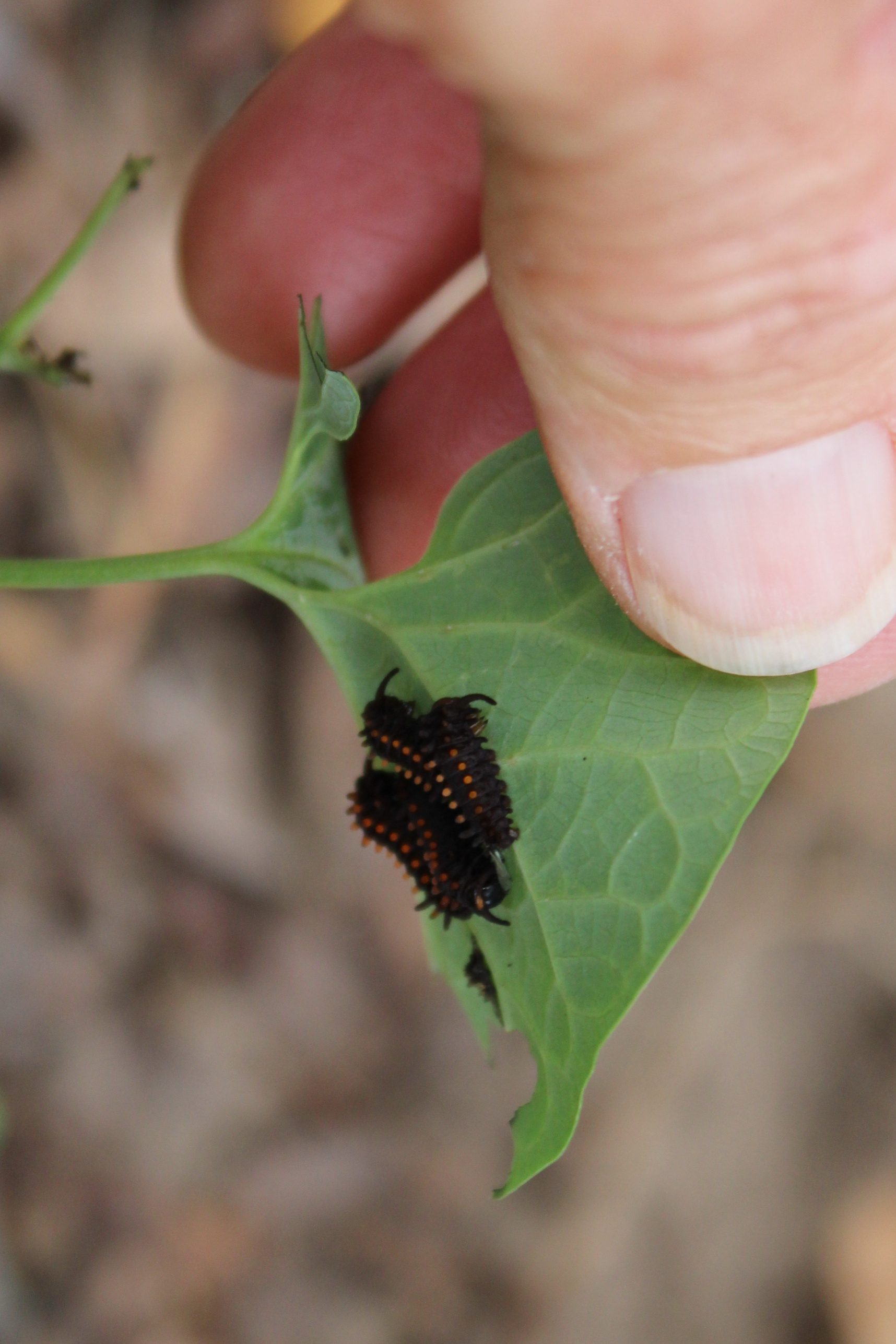
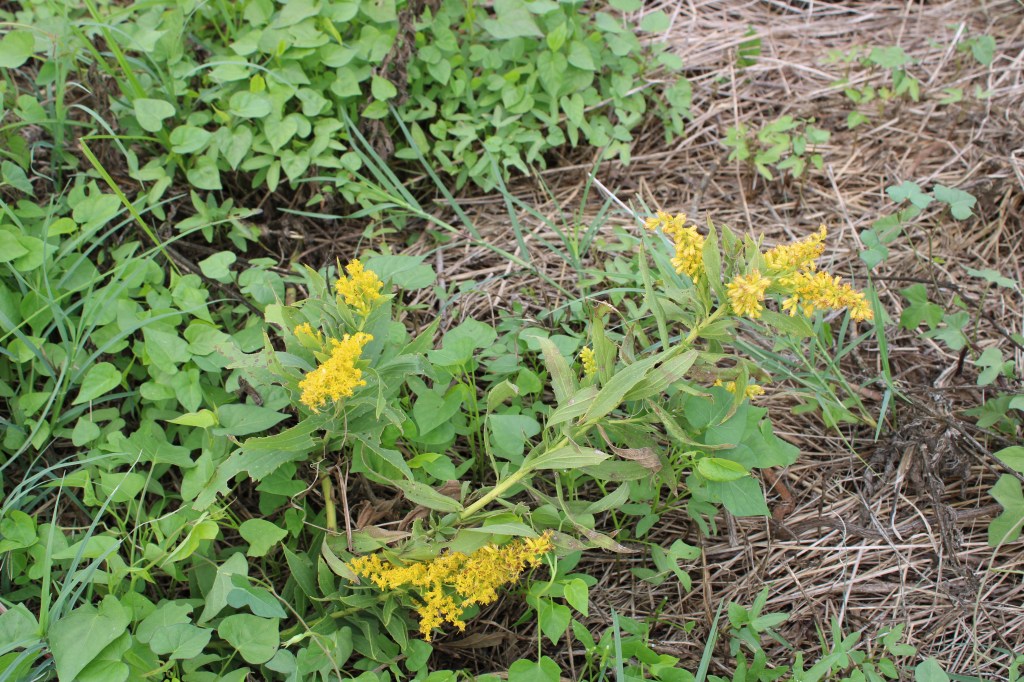
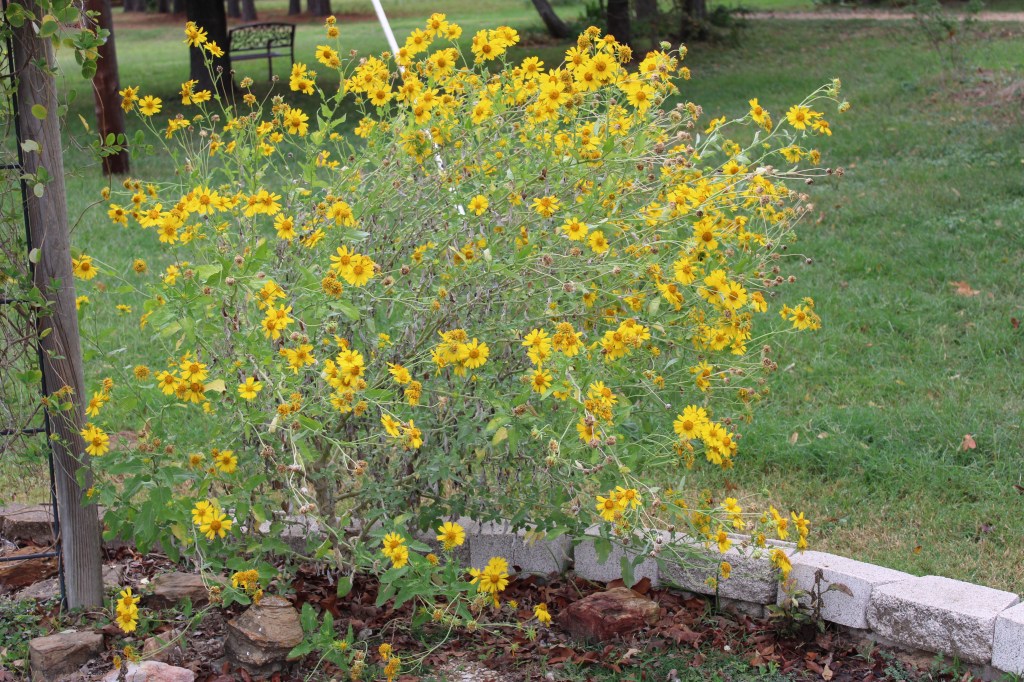
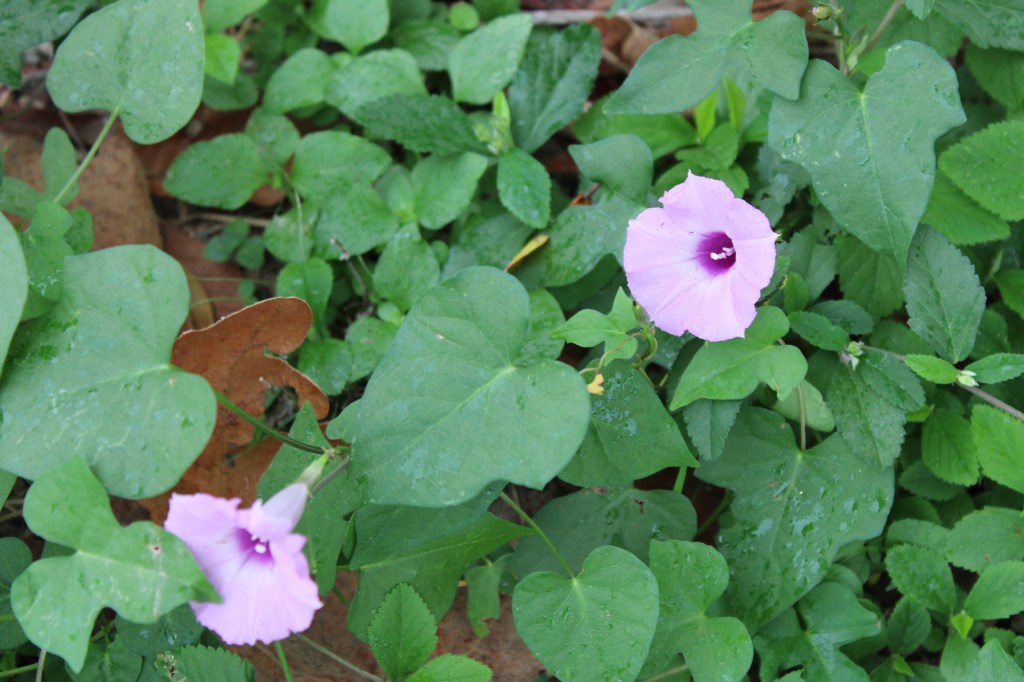
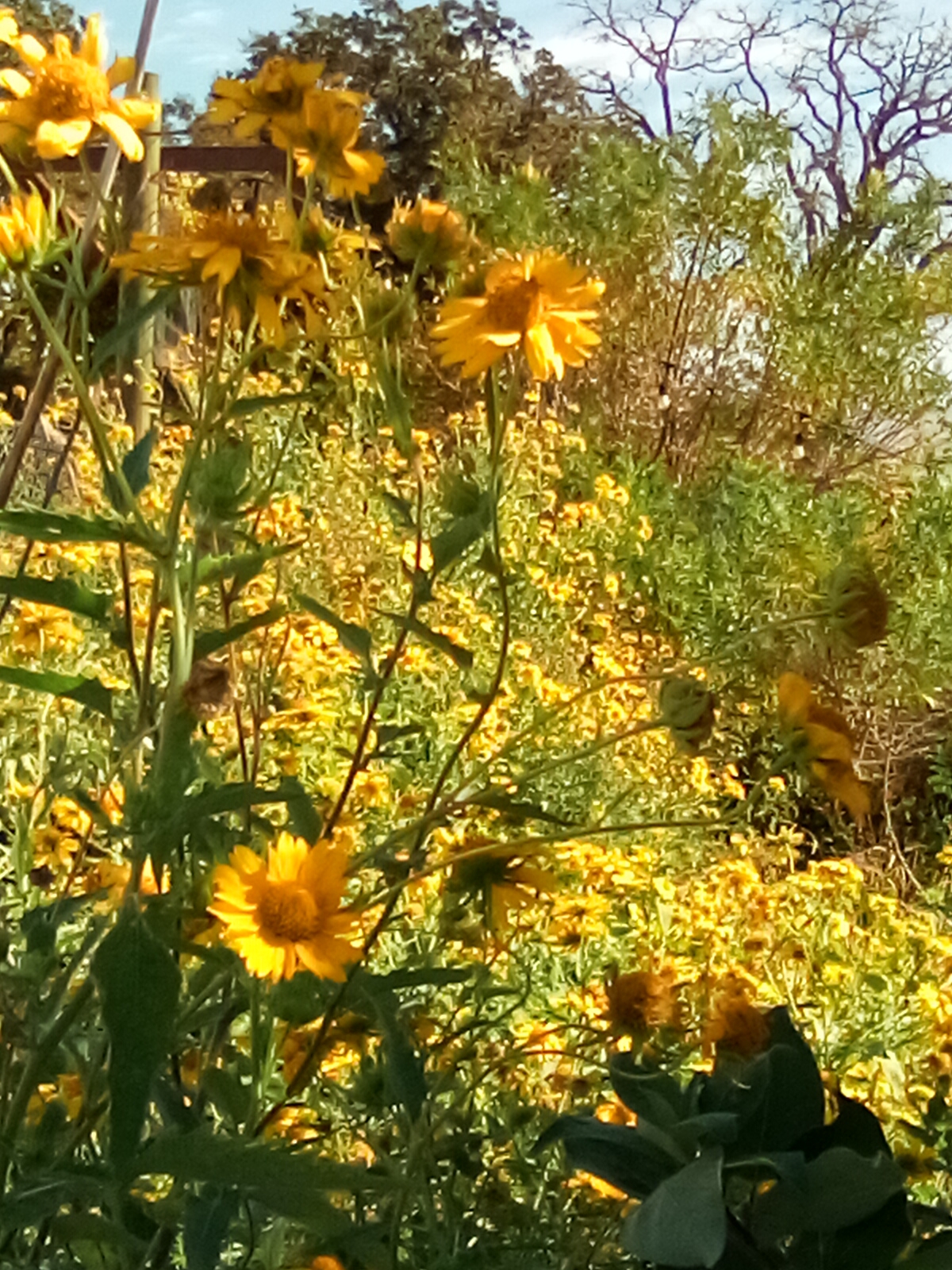
I had originally intended to focus on all the plants that are blooming or making pretty seeds/berries right now on the ranch, but I got distracted by all the other teeming wildlife. Autumn is a great time to look for flowers here, though, so allow me to share a few of the plants I’m enjoying right now. It’s fun to watch groups of flowers fade away while others start up!
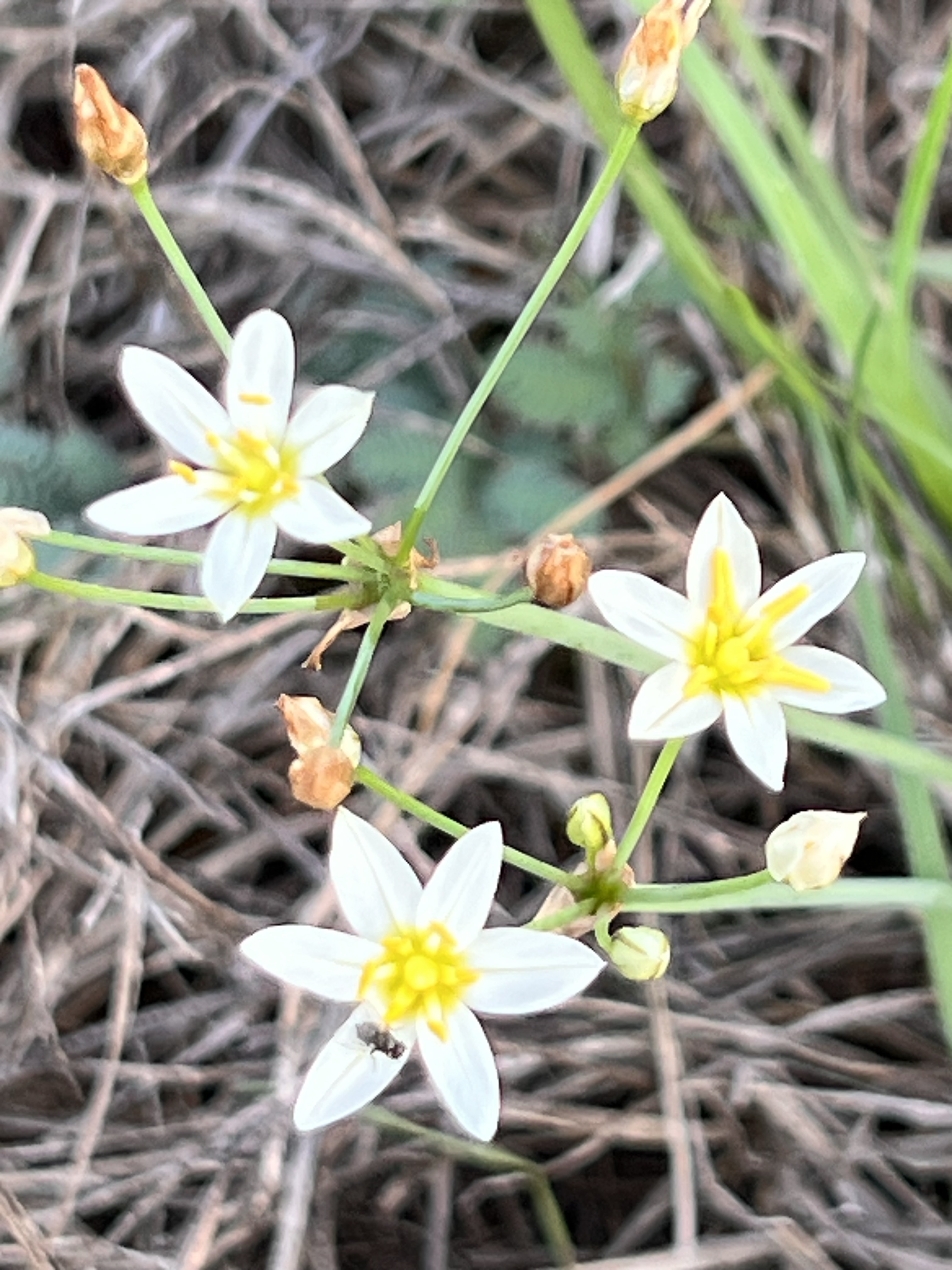
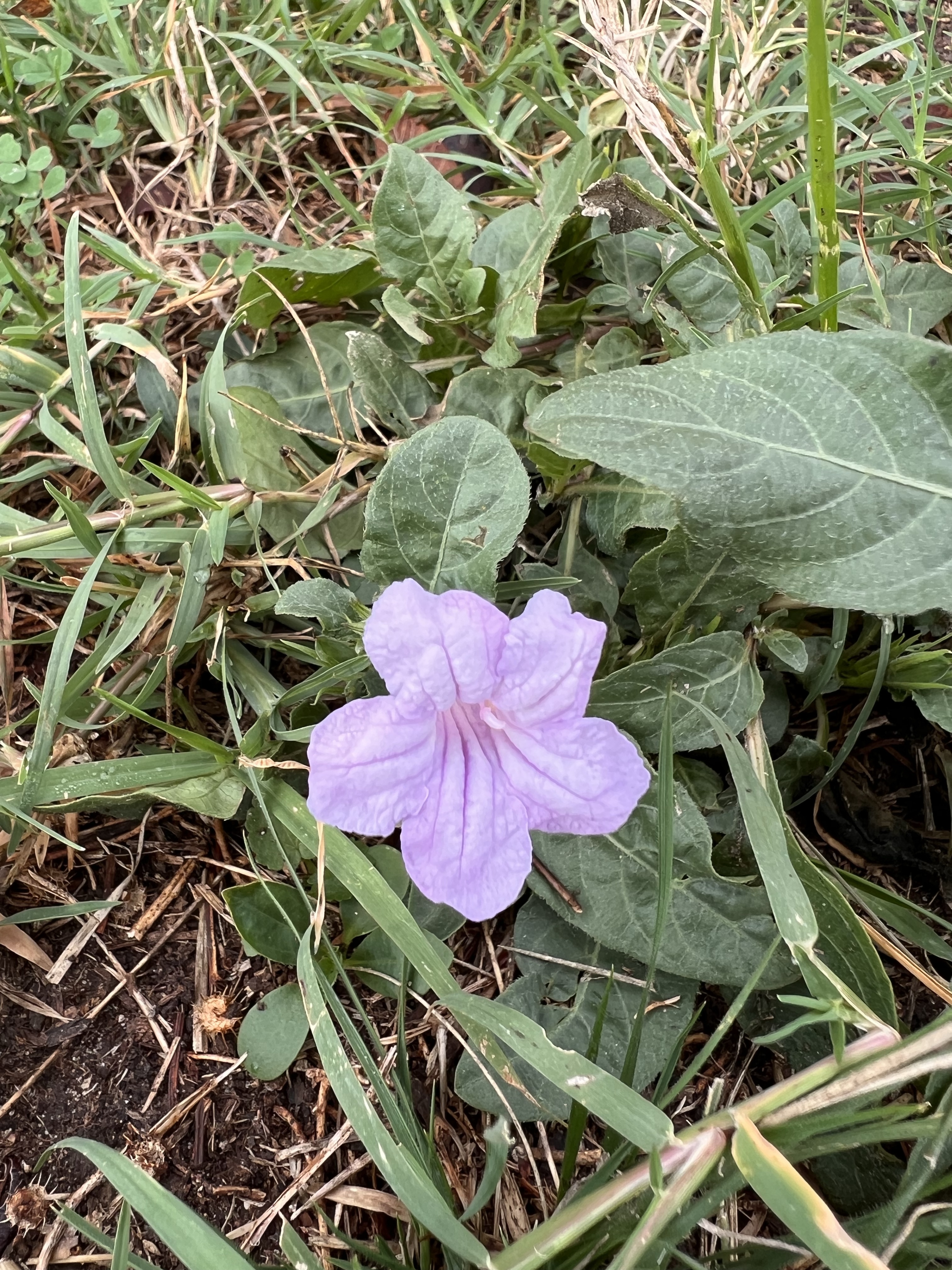
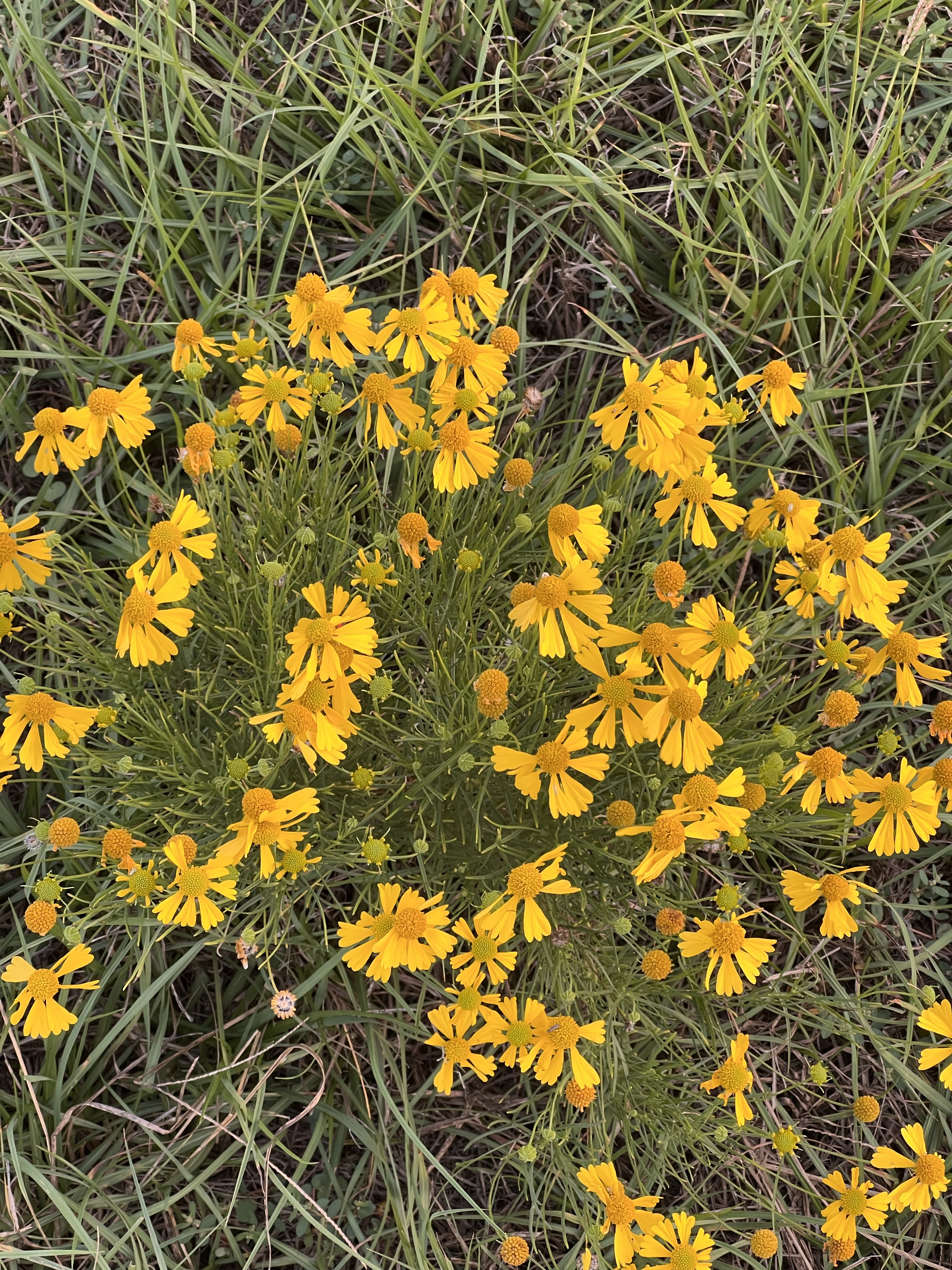
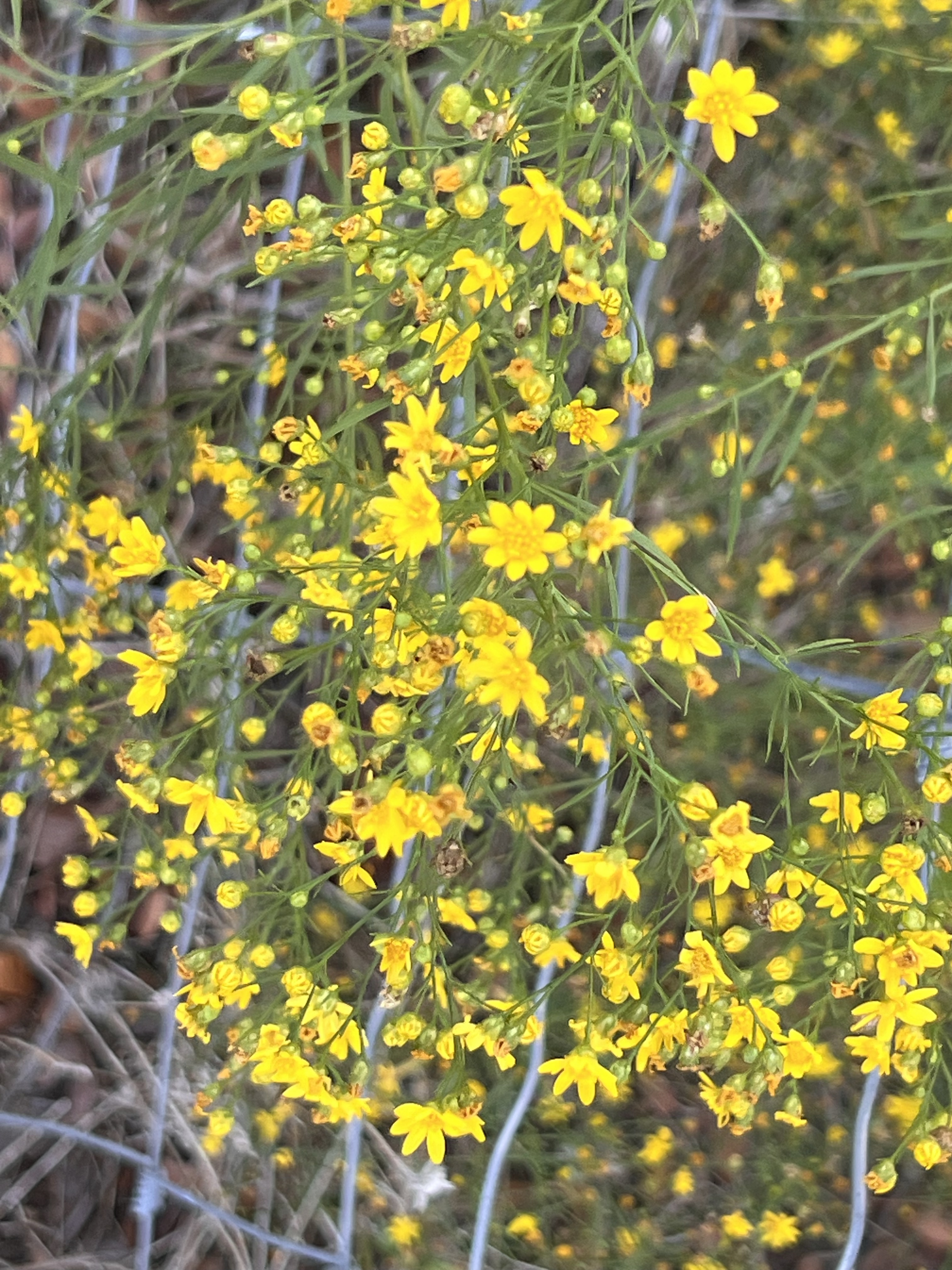
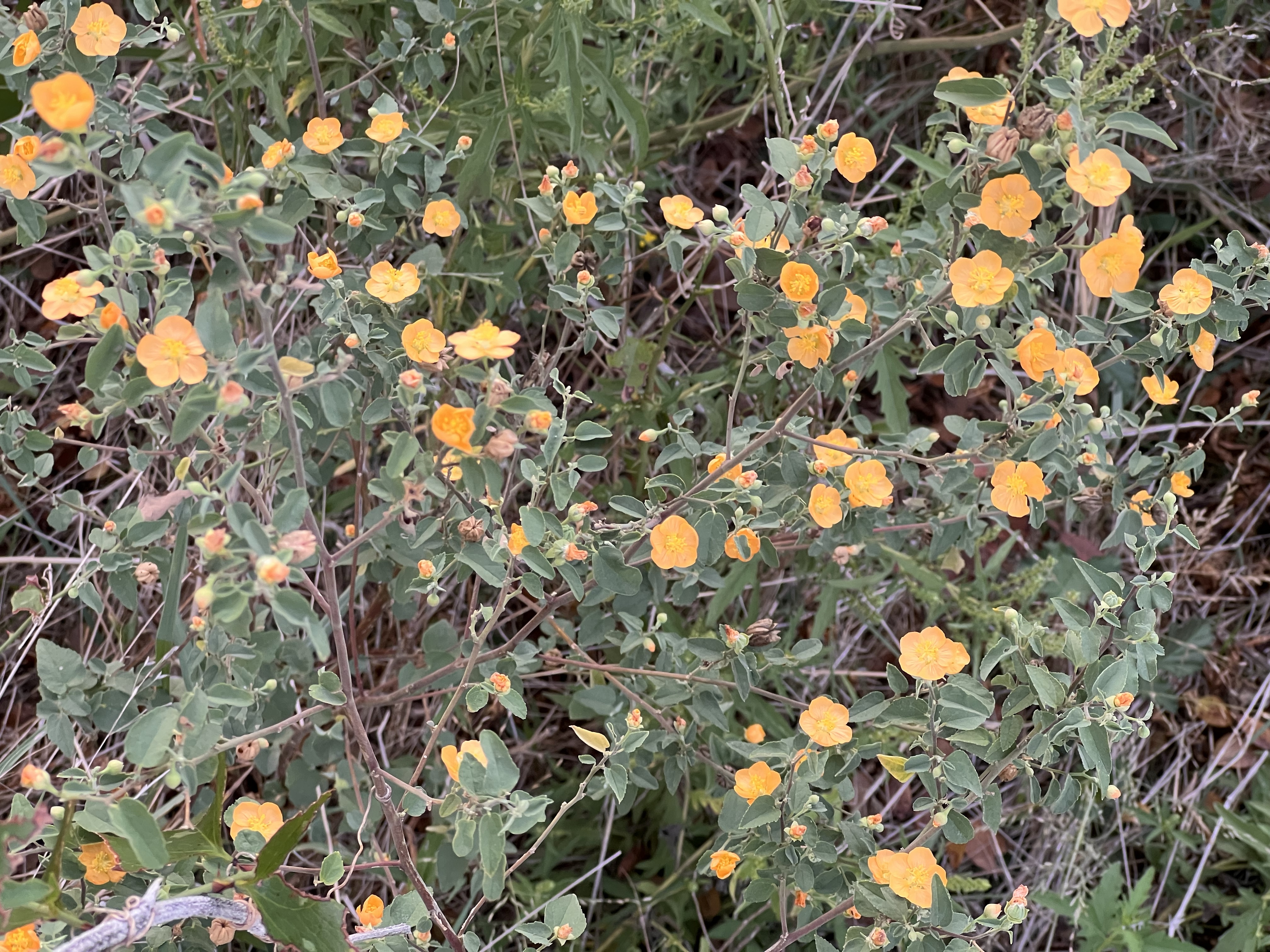
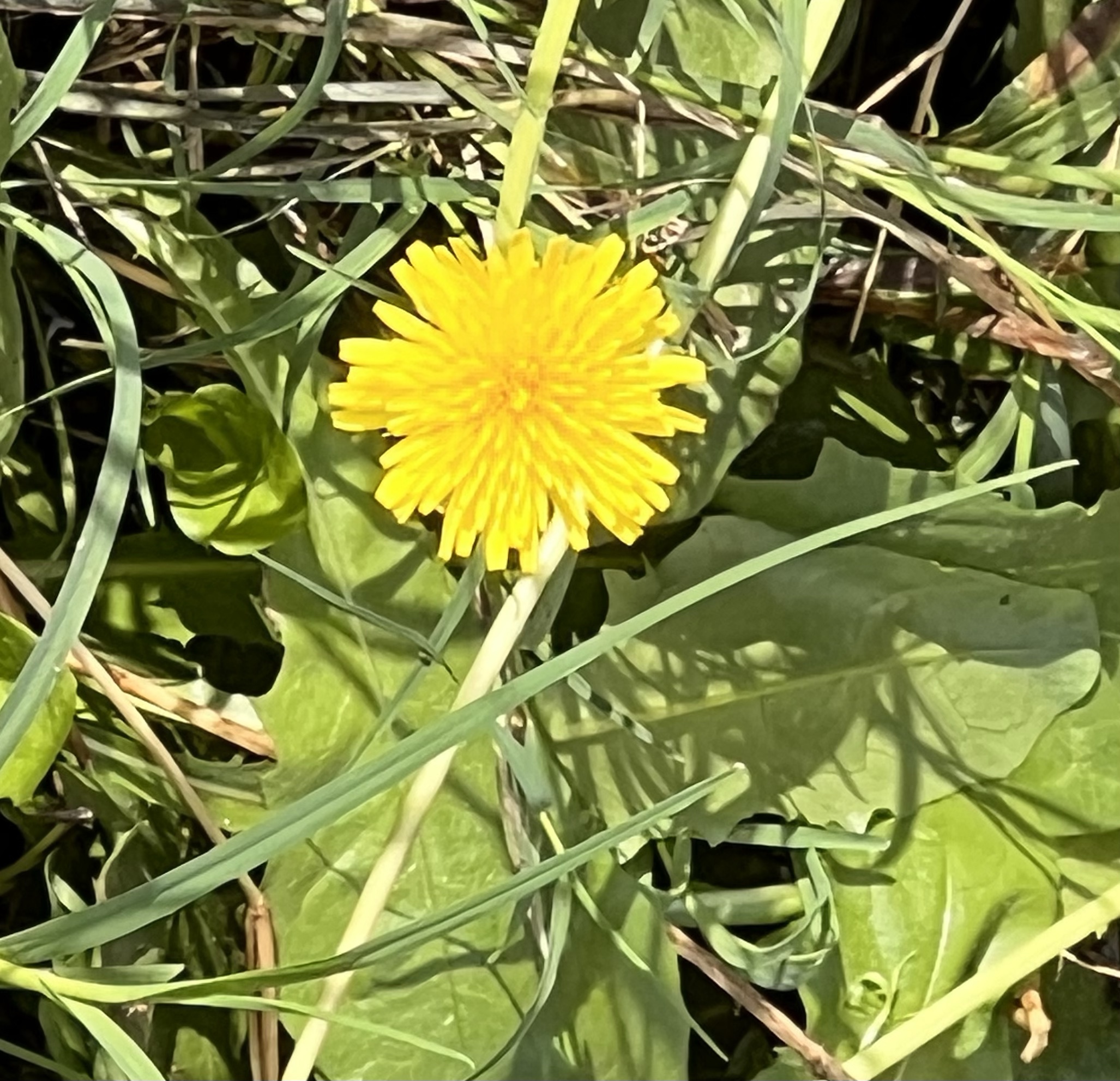
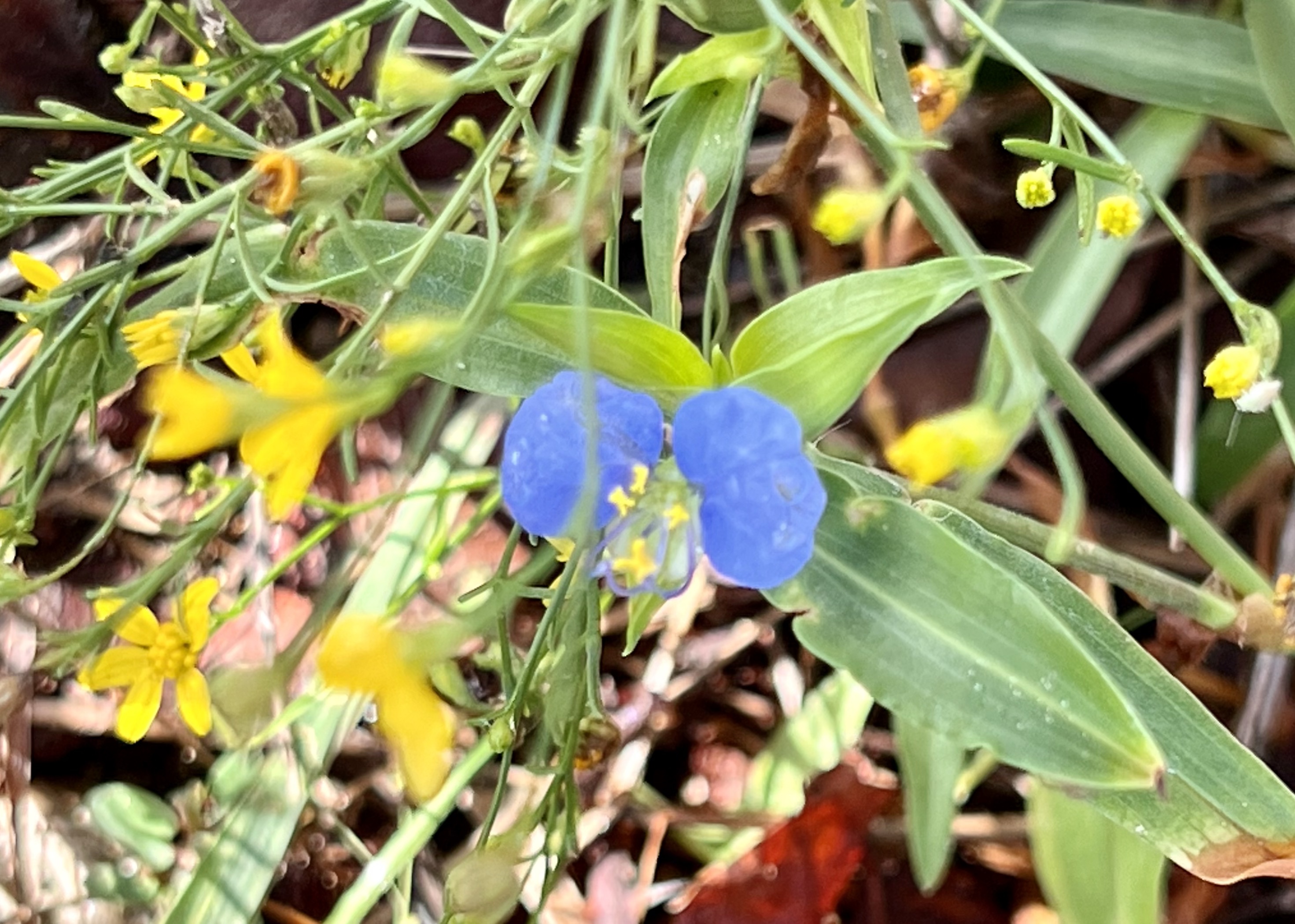
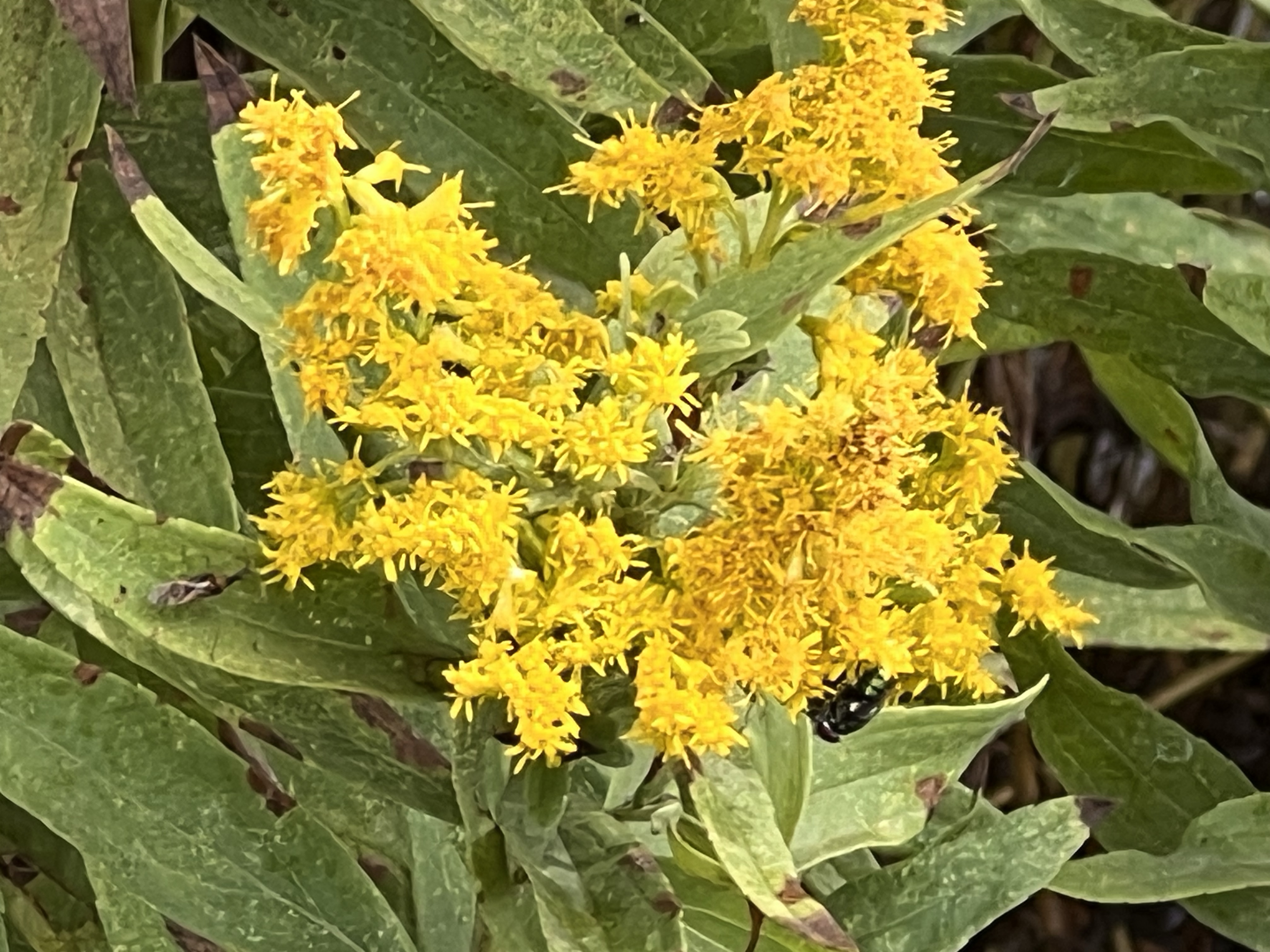
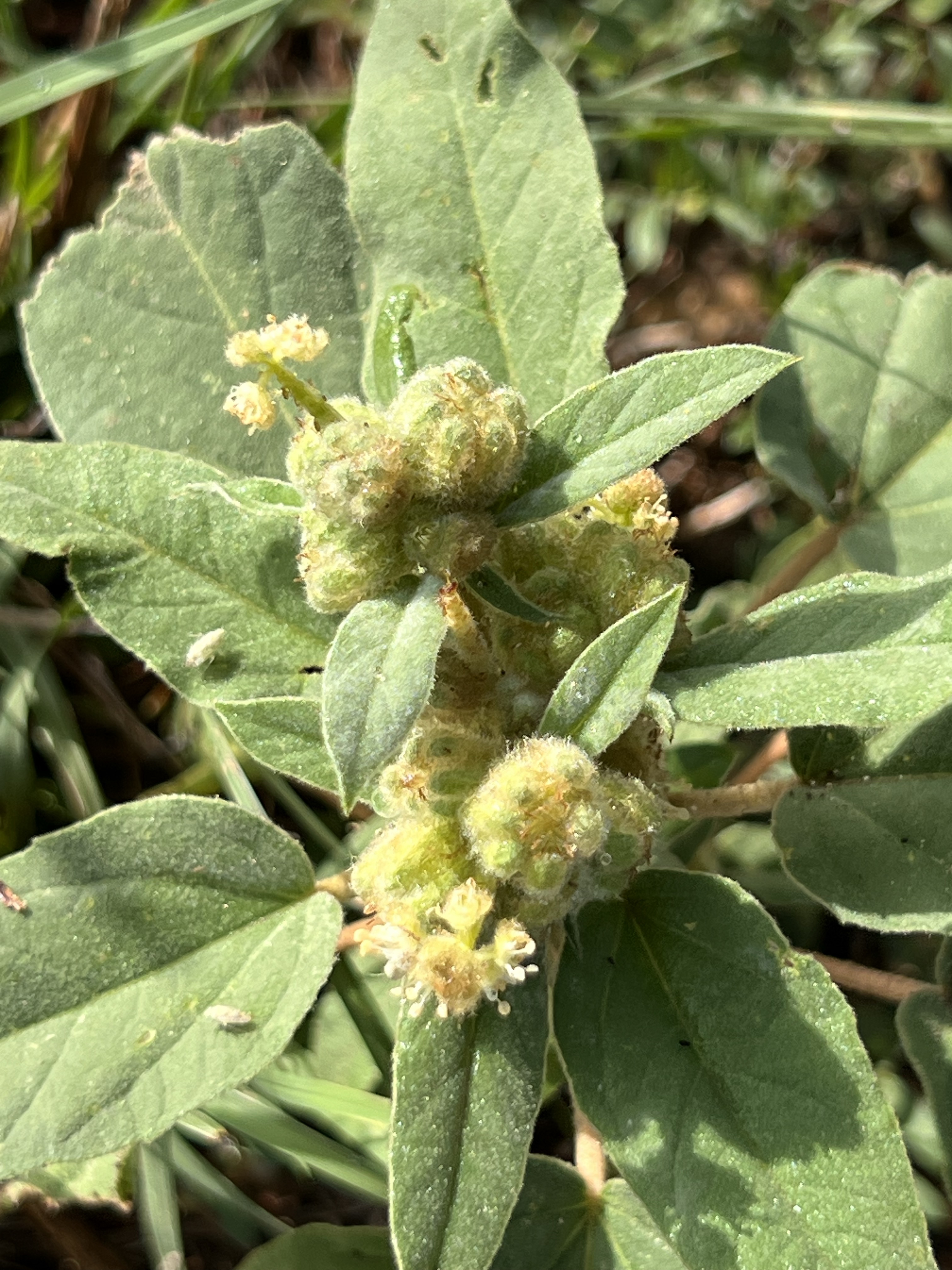
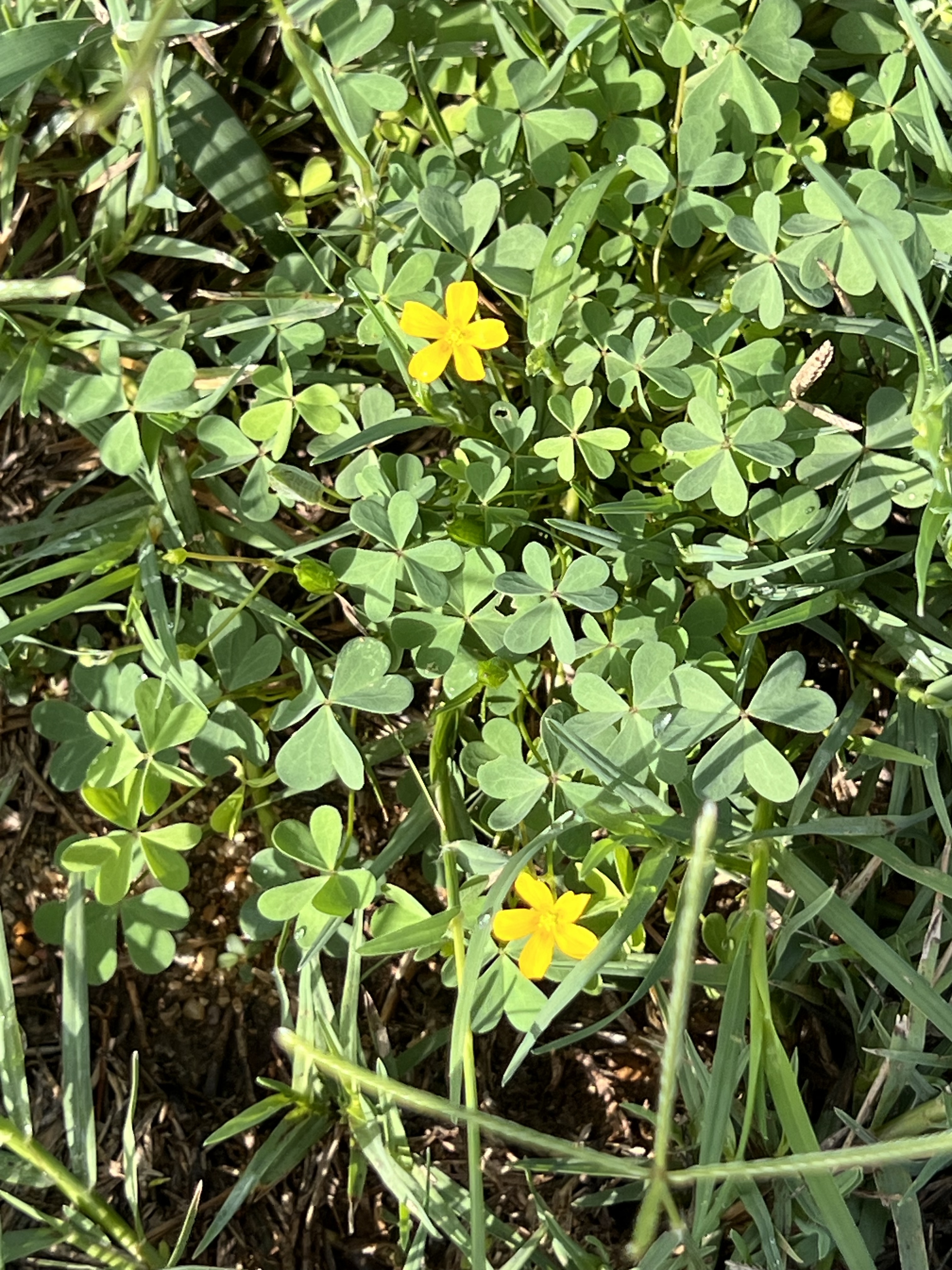
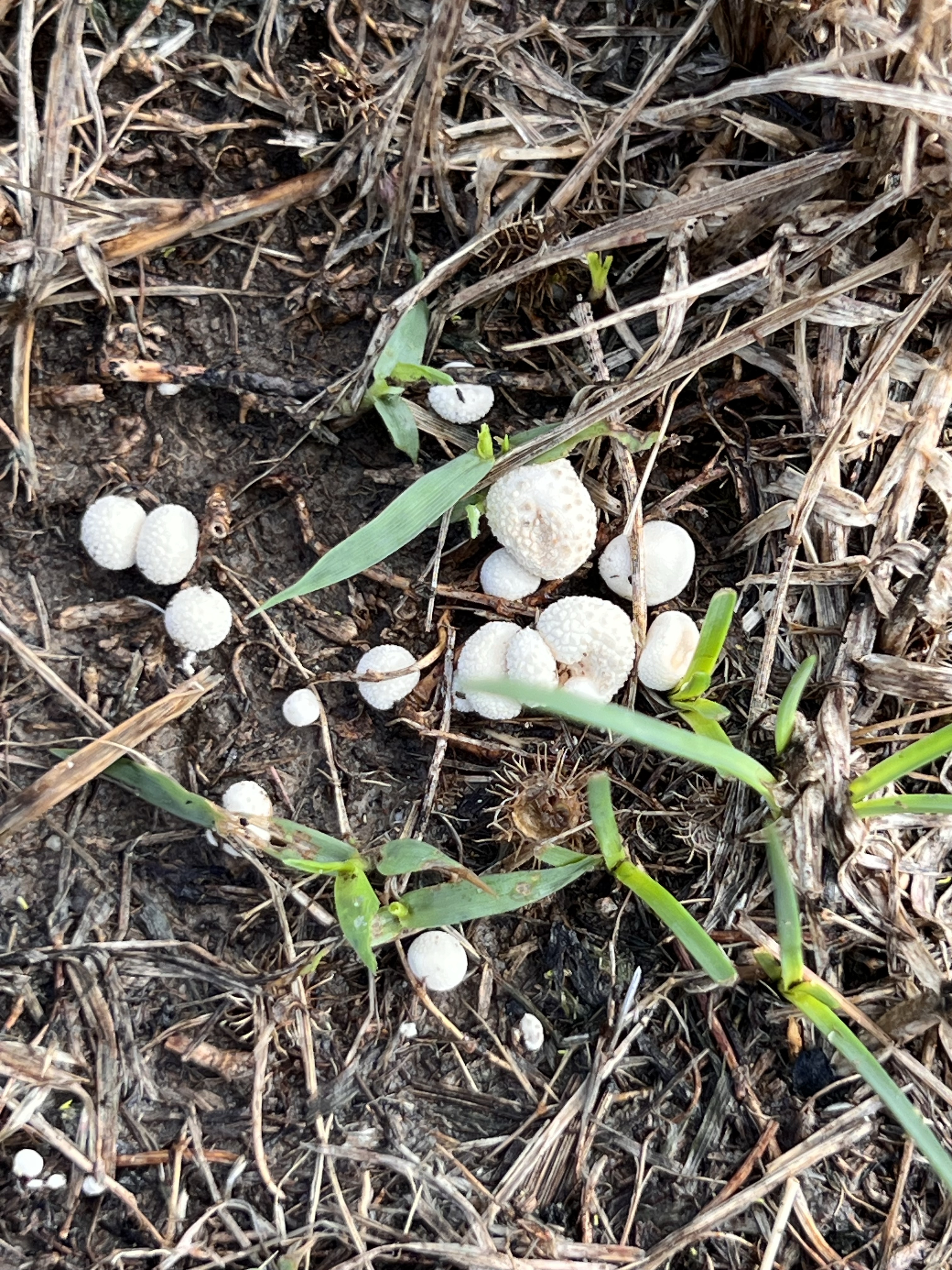
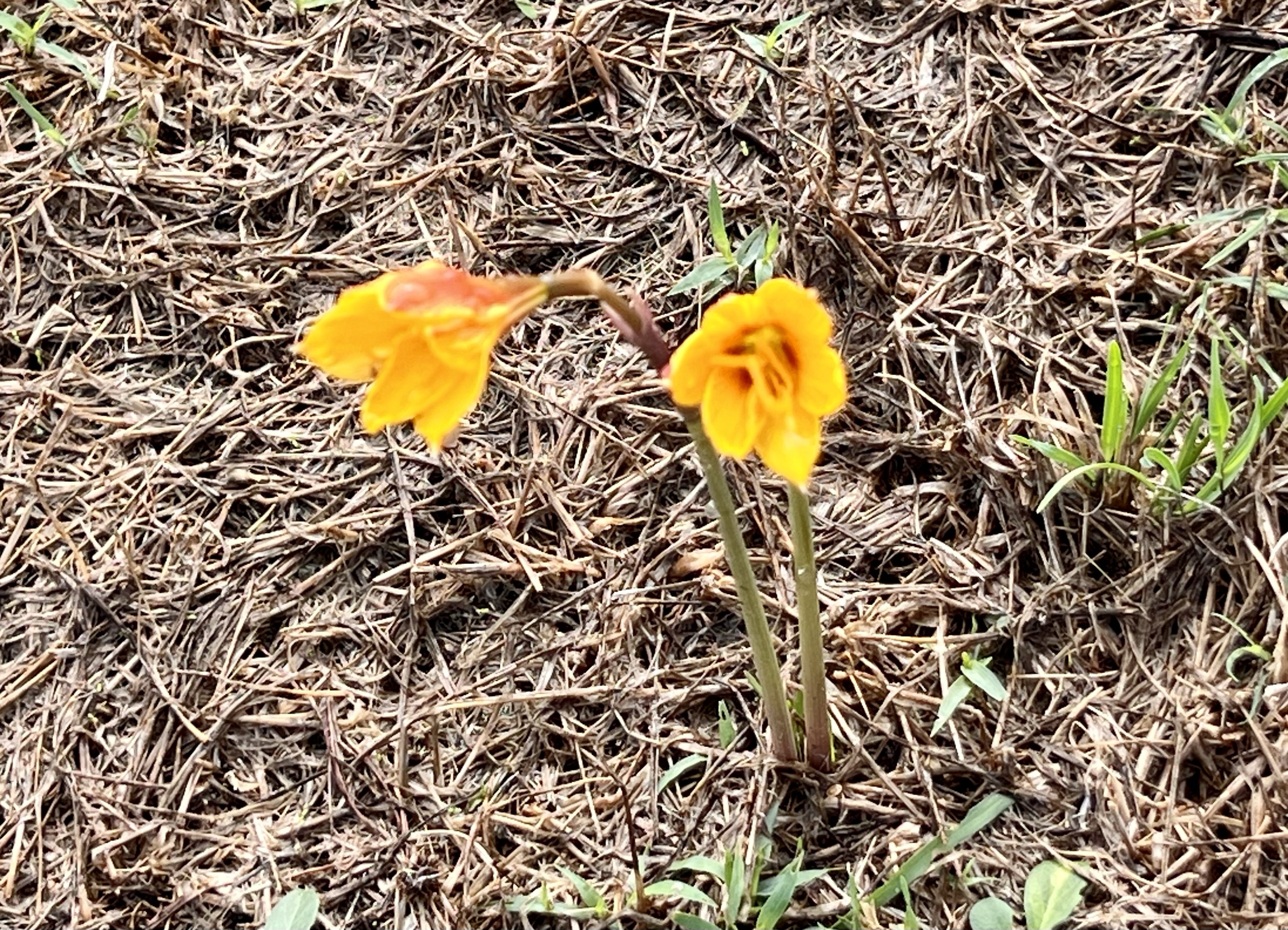
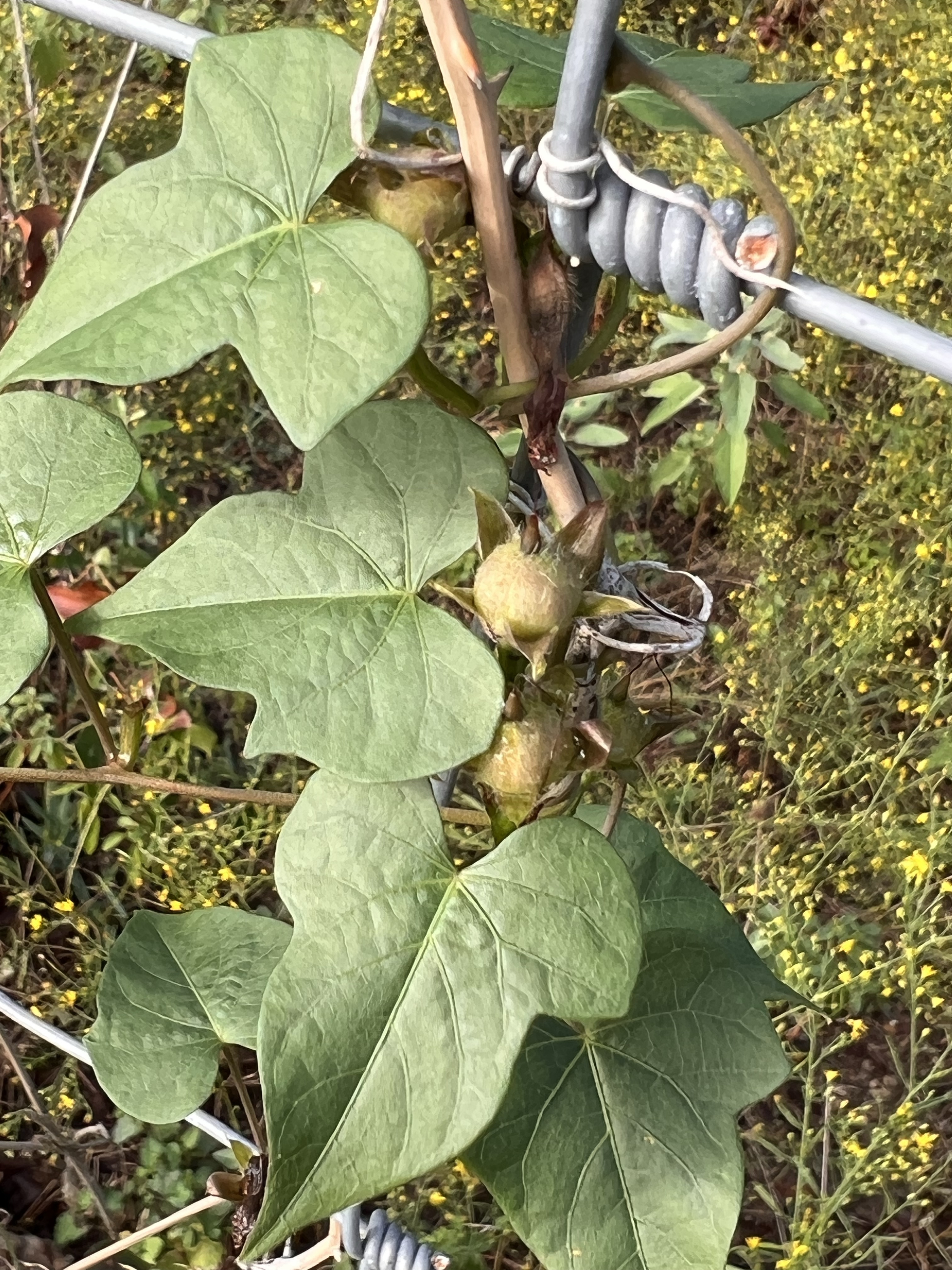
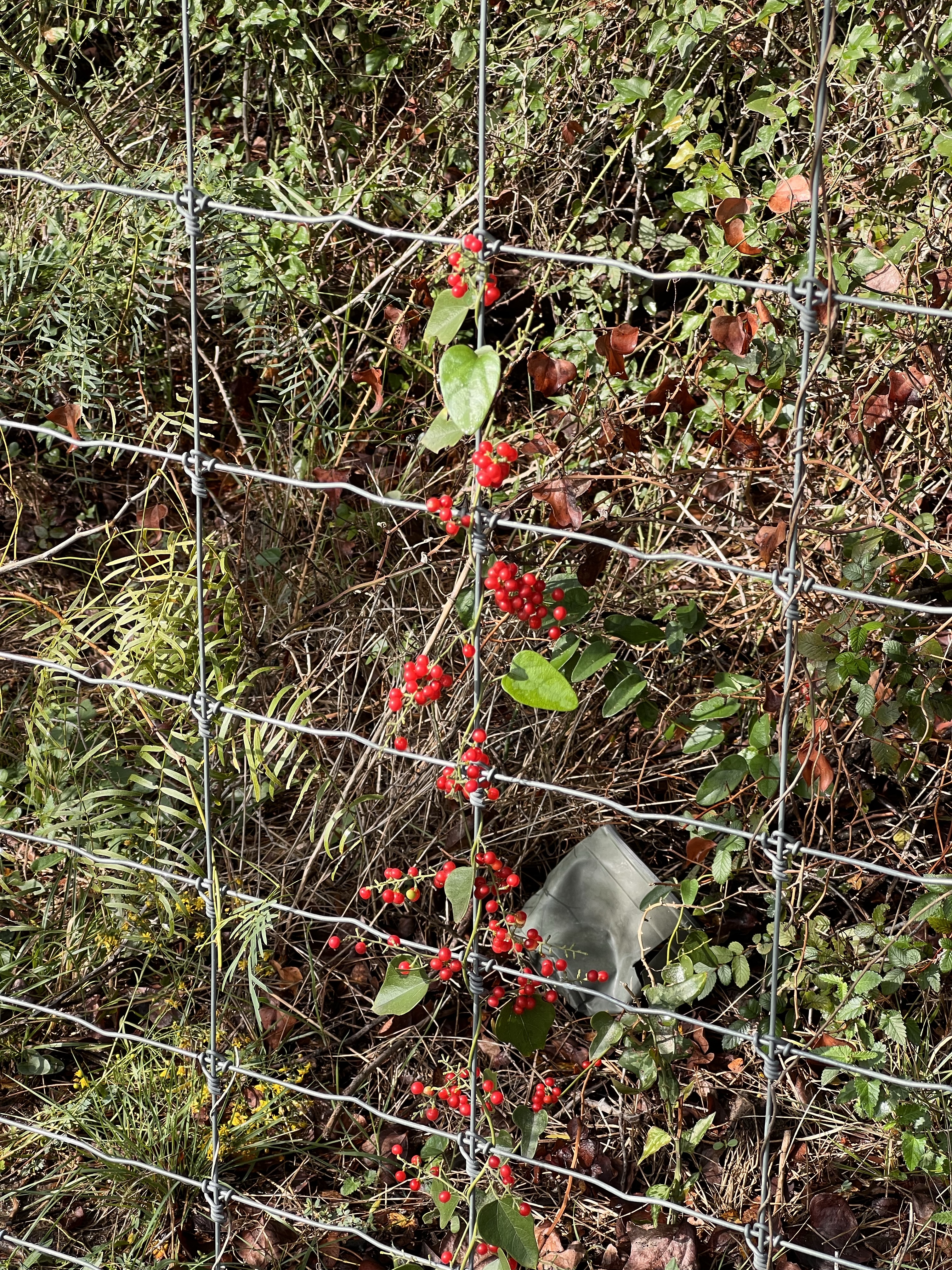
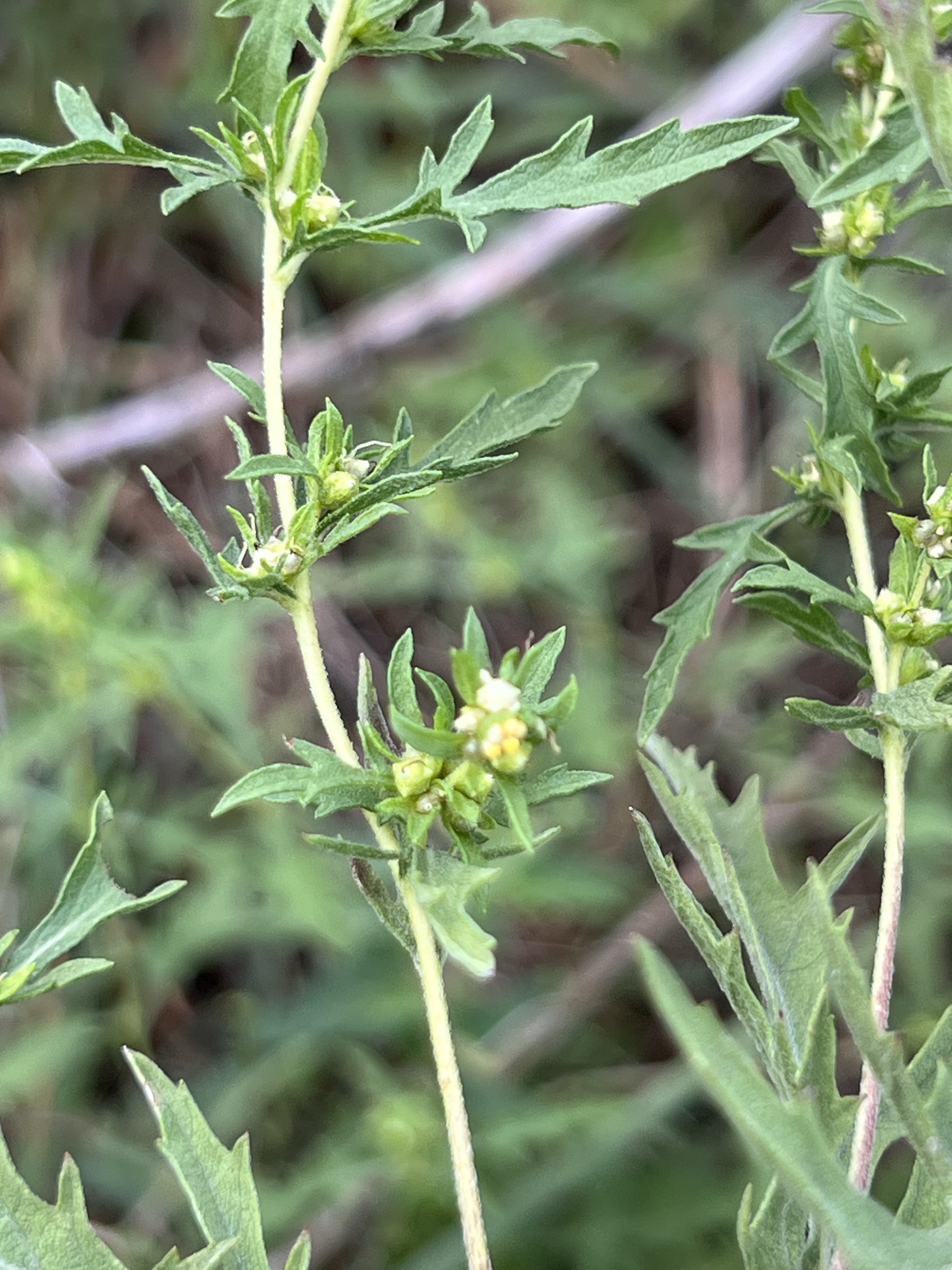
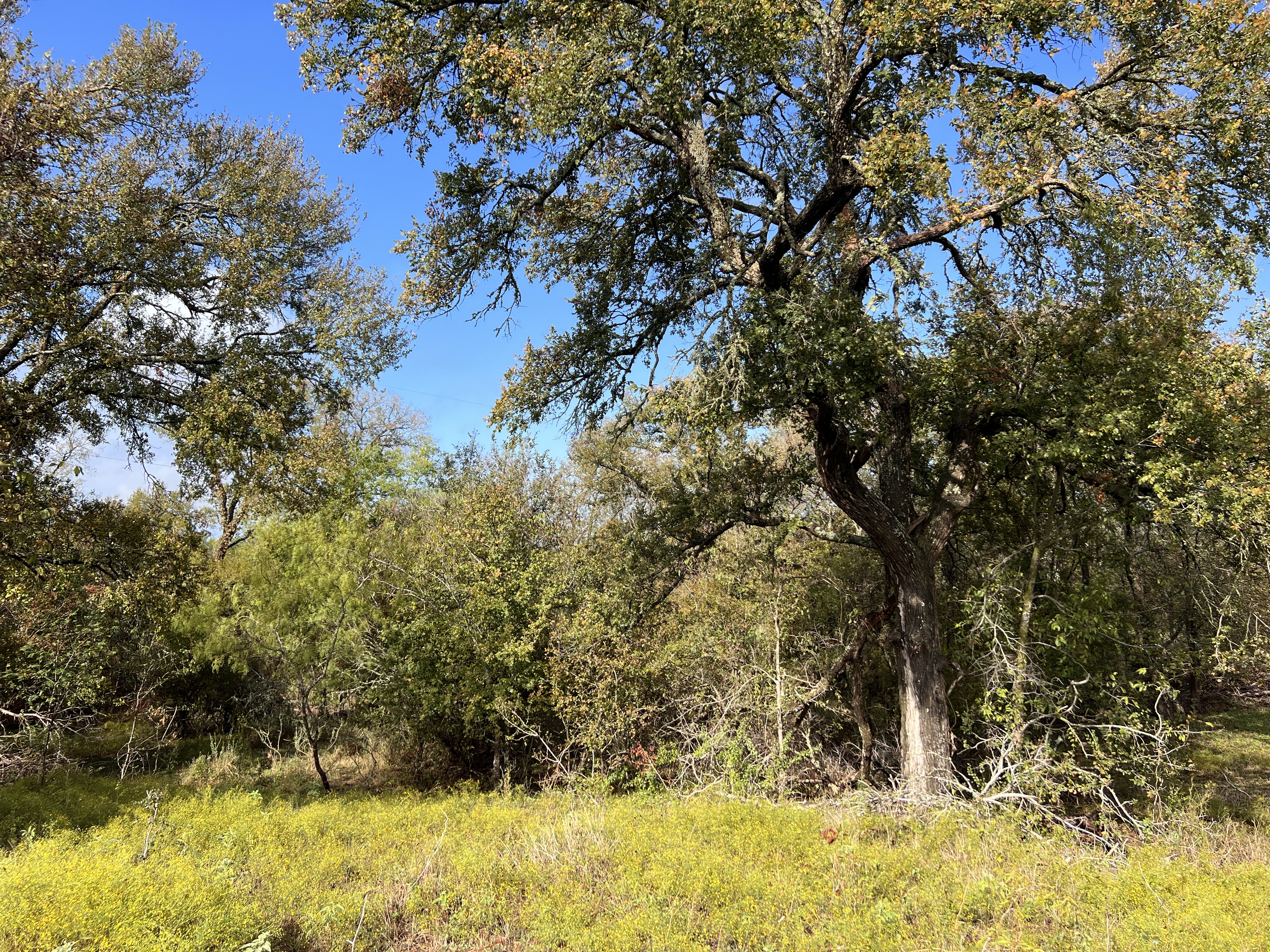
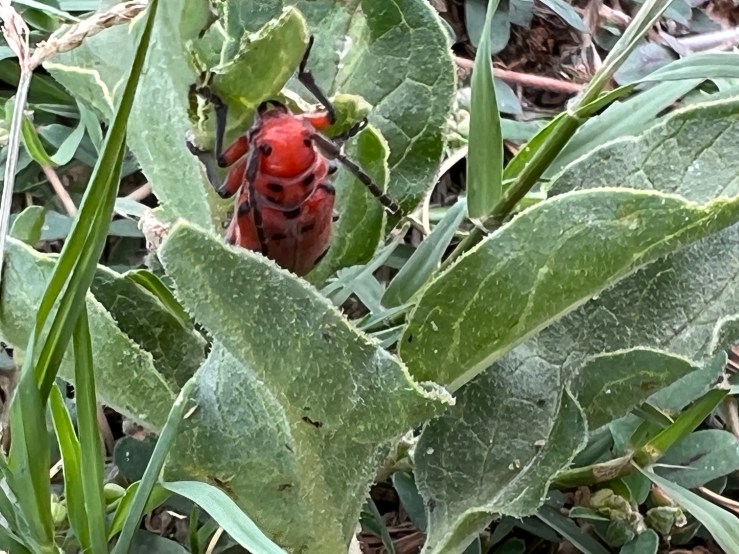
Well, if that doesn’t convince you that autumn is a great time to go out in nature and look down for a while, I don’t know what will. Heck, you might even see a milkweed beetle.








 Nature Along the El Camino Real