
by Donna Lewis
Sooner or later you know this warm weather will turn to cold and icy conditions.
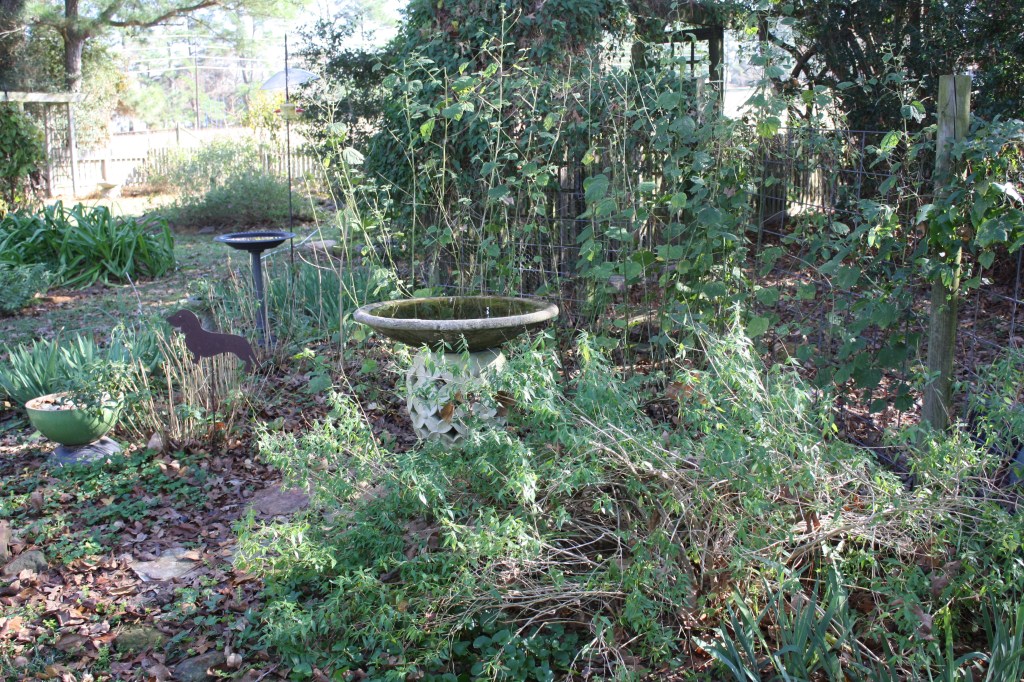
I will hate that. Probably our wild friends will hate it too. Last year, you may have had the horrible thing I had in my garden, frozen bird baths for days. I was very upset that I could not do anything to fix it.

Every living thing needs water even in the wintertime. Sometimes people forget about the wild things outside and I hear them say, “They will be OK.” Not so when the weather breaks records.
I decided this winter I would try to be more prepared if and when it happened. I read everything I could find on how to fix the ice issue for the birds and creatures that live here with me on our property. I have not tried any of these suggestions, so it will be a learning experience for me also.
The first thing I learned is that some bird baths are made of materials that crack more easily during freezing temperatures. Sadly, they are also the most common things used to make bird baths with.
Concrete
Porcelain
Ceramic
Stone
Glass
The less likely materials to crack are made of
Metal
Resin
Reinforced Plastic
Some locations are better for cold weather. Protected areas like porches, areas that the sun can get to during the daytime, and areas protected from cats.

There are also many products especially made to go in bird baths that heat the water. They will require extension cords, so that makes it hard for many reasons. These products are also not cheap. But they do work. You have to be careful and follow all the safety rules when using them.
I also read where people have put items in the water that move if the wind blows. Some of these were ping pong balls, tennis balls, and wine corks. I have my doubts that these work, but who knows? They would be easy to do. I will probably try them out.
Solar would be great, except that in the winter you may not have enough sunlight to keep them powered.

Last but not least, is that you should NEVER put chemicals in the water that prevent freezing. These include antifreeze, salt, sugar, alcohol, or glycerin/glycol. This could kill the birds. Certainly, would defeat the purpose!
Also remember that if the water is deeper than two inches, put a brick or rock in the middle, so small birds do not drown.
I hope these at least get you to thinking about our outdoor friends when it gets cold. Now is the time to get ready.




 Nature Along the El Camino Real