
By Sue Ann Kendall
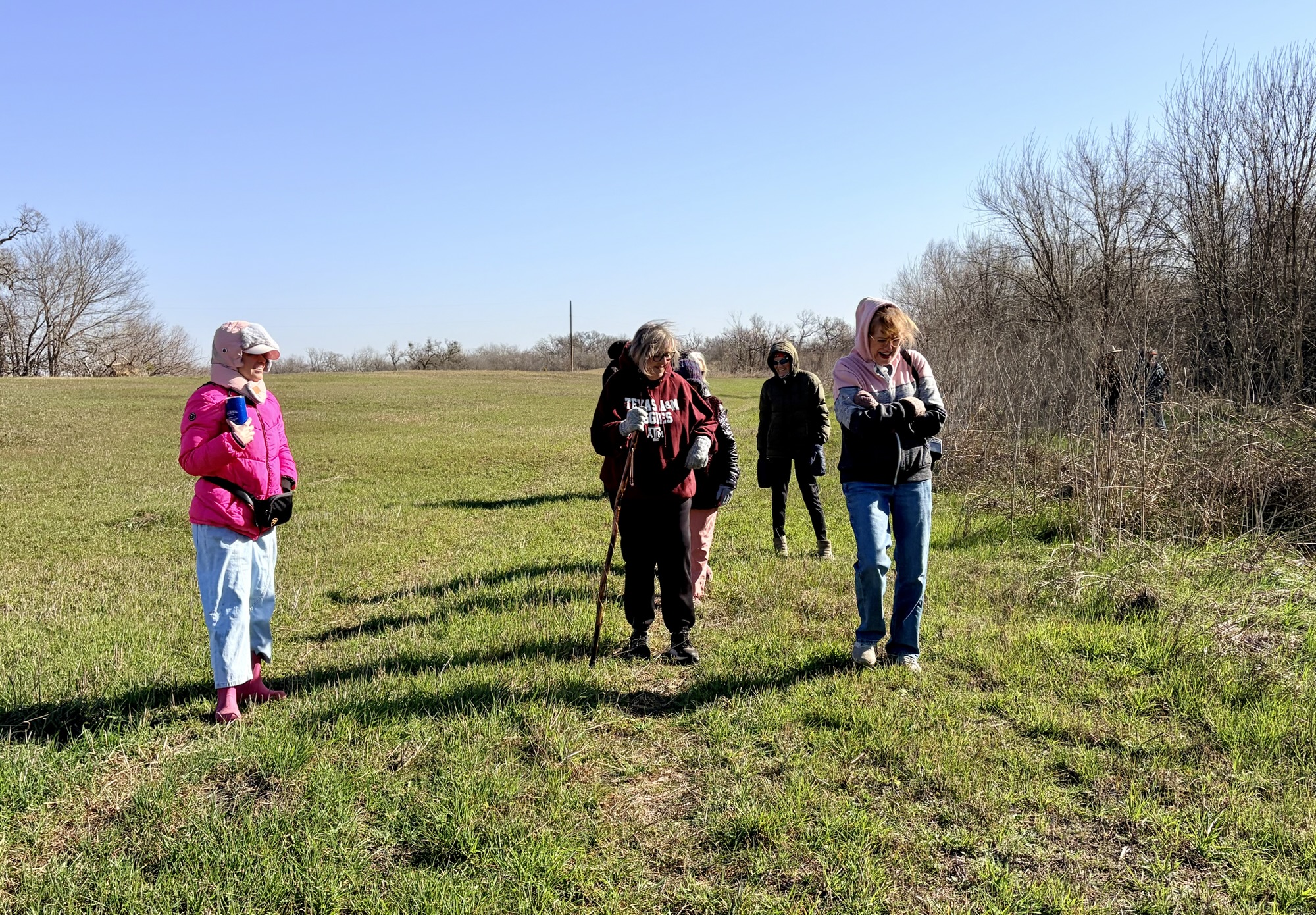
This past Saturday was chilly, plus there was a brisk wind. That didn’t stop a small but eager group of members of our chapter and friends, though. It was their big chance to learn all about beavers and their habits.
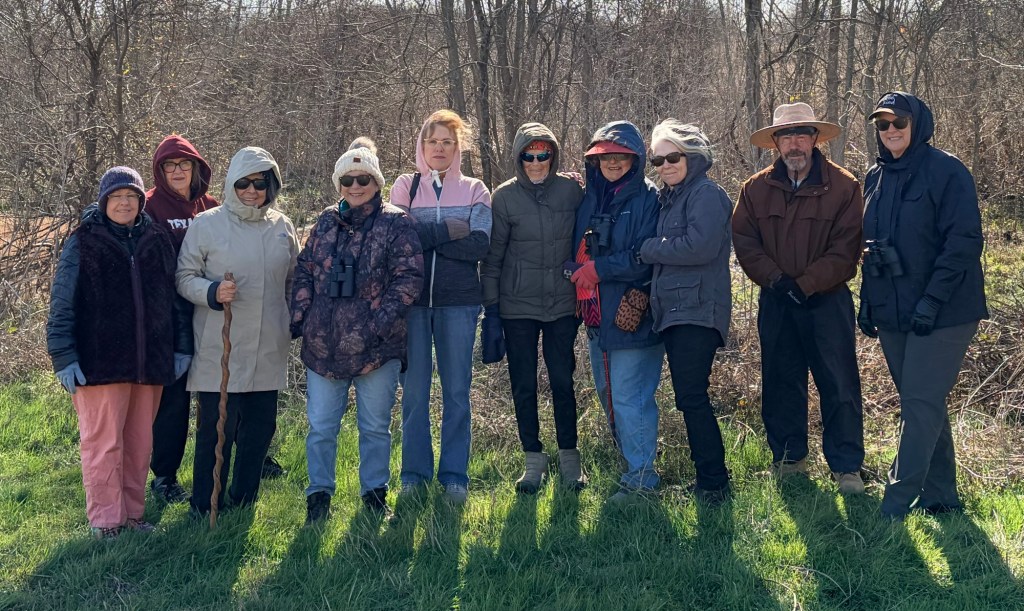
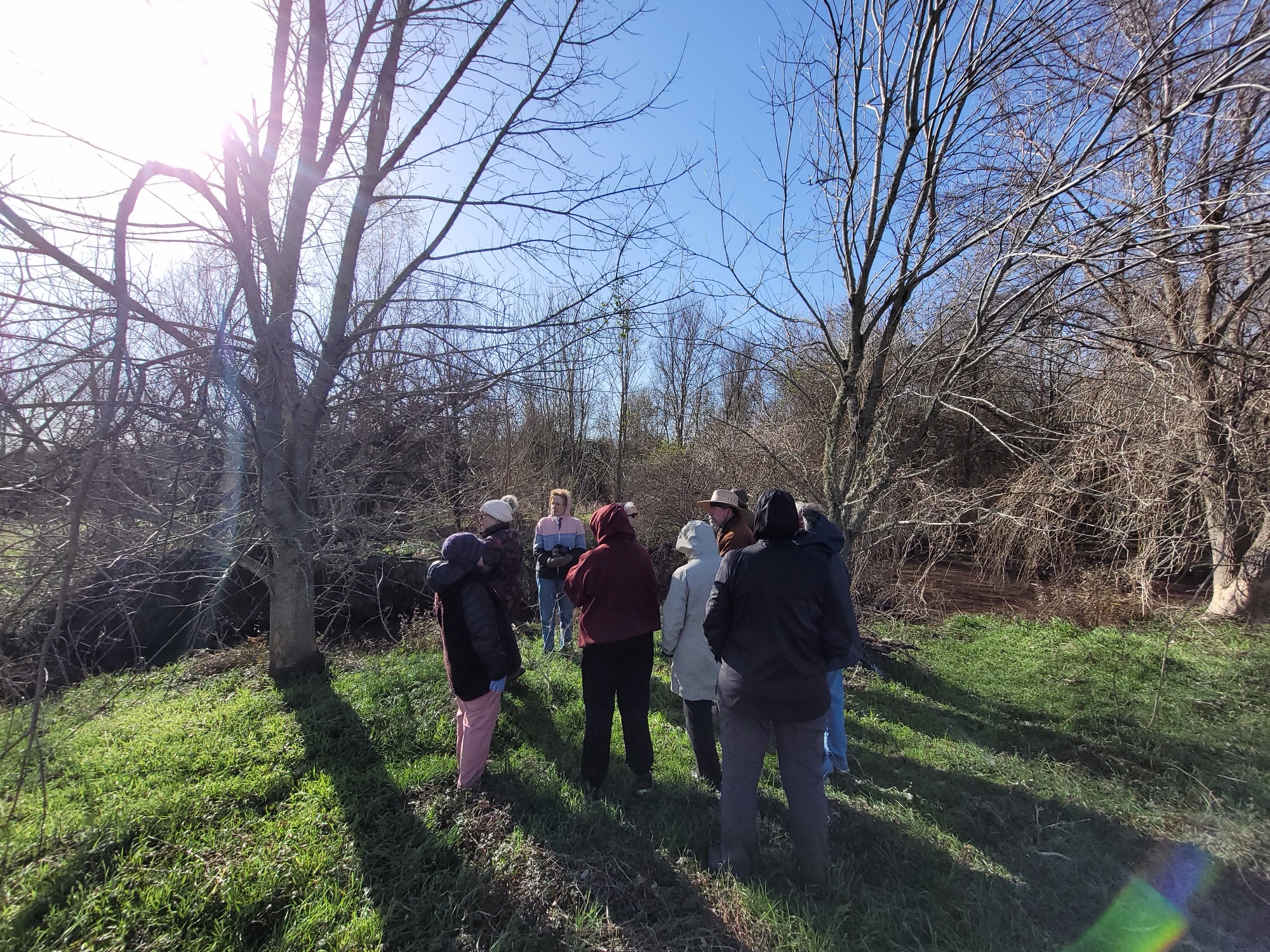
We gathered at the ridge that overlooks the beaver ponds, where I gave an introduction to beavers (having recently read an informative book, Beaverland, from which I learned a great deal about their history and effect on the environment). I also repeated things I learned from this here Wikipedia article on Castor canadensis that you, too, can read.
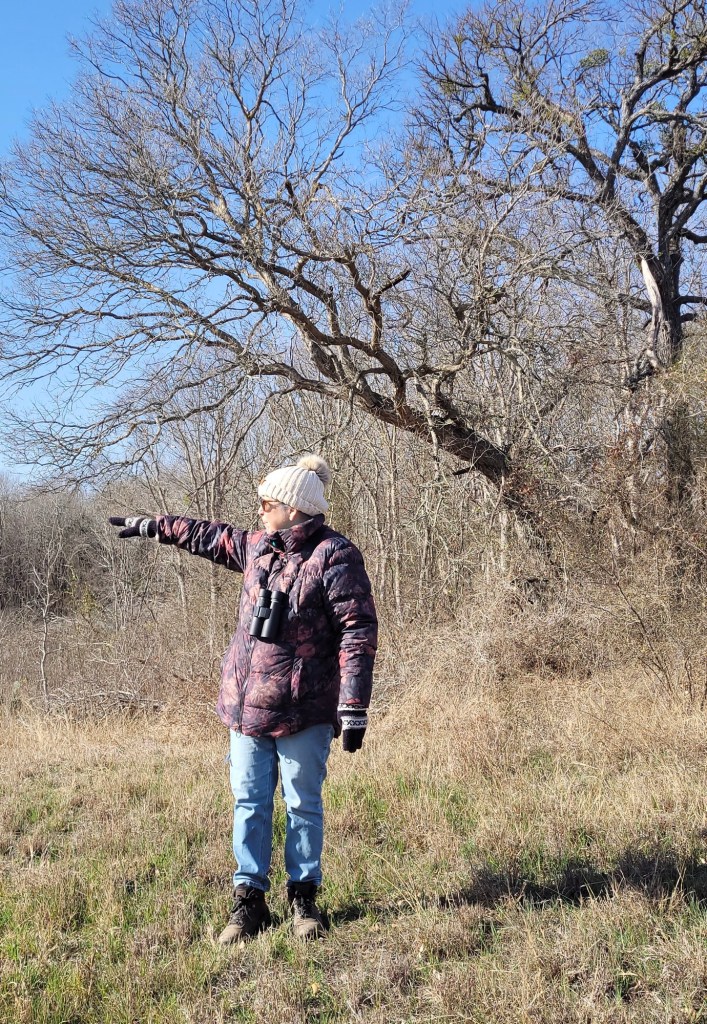
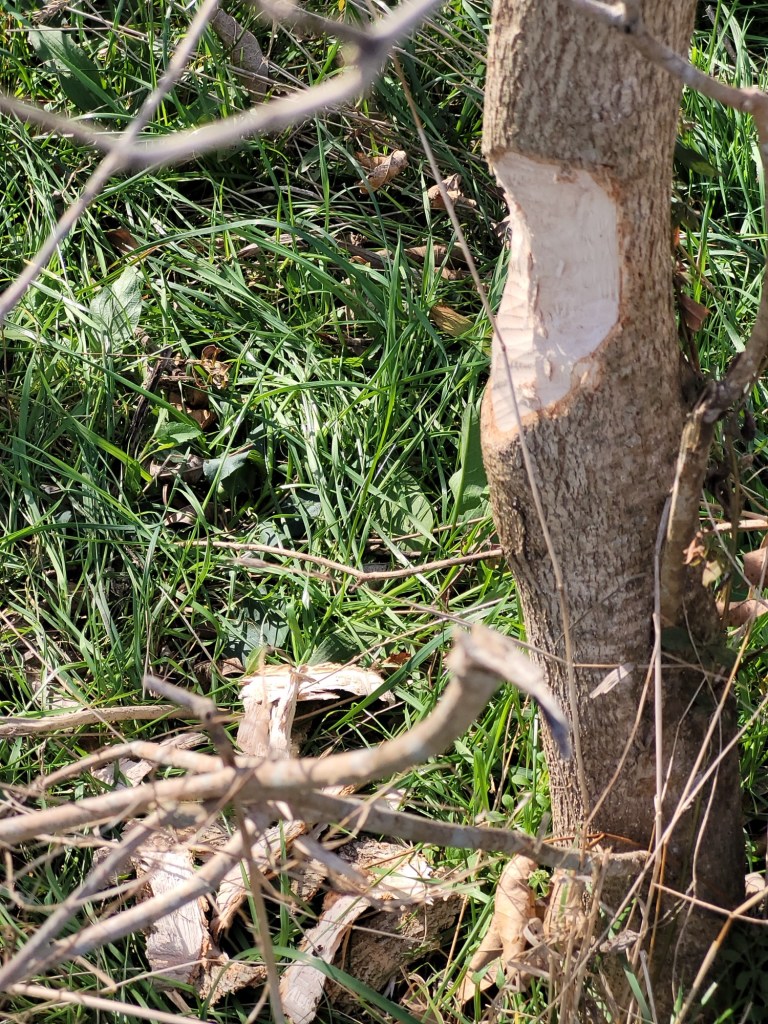
For example, beavers are the second largest rodents in North America, and they have come back from near extinction as a result of the fur trade at the turn of the last century. They have had a huge effect on the environment by damming waterways and creating wetlands that end up becoming fertile land when the beavers move on and the dams break up. They don’t eat trees, by the way, just bark. The trees they cut down with their big orange teeth are used in dams, which can contain their lodges where they sleep and raise young.
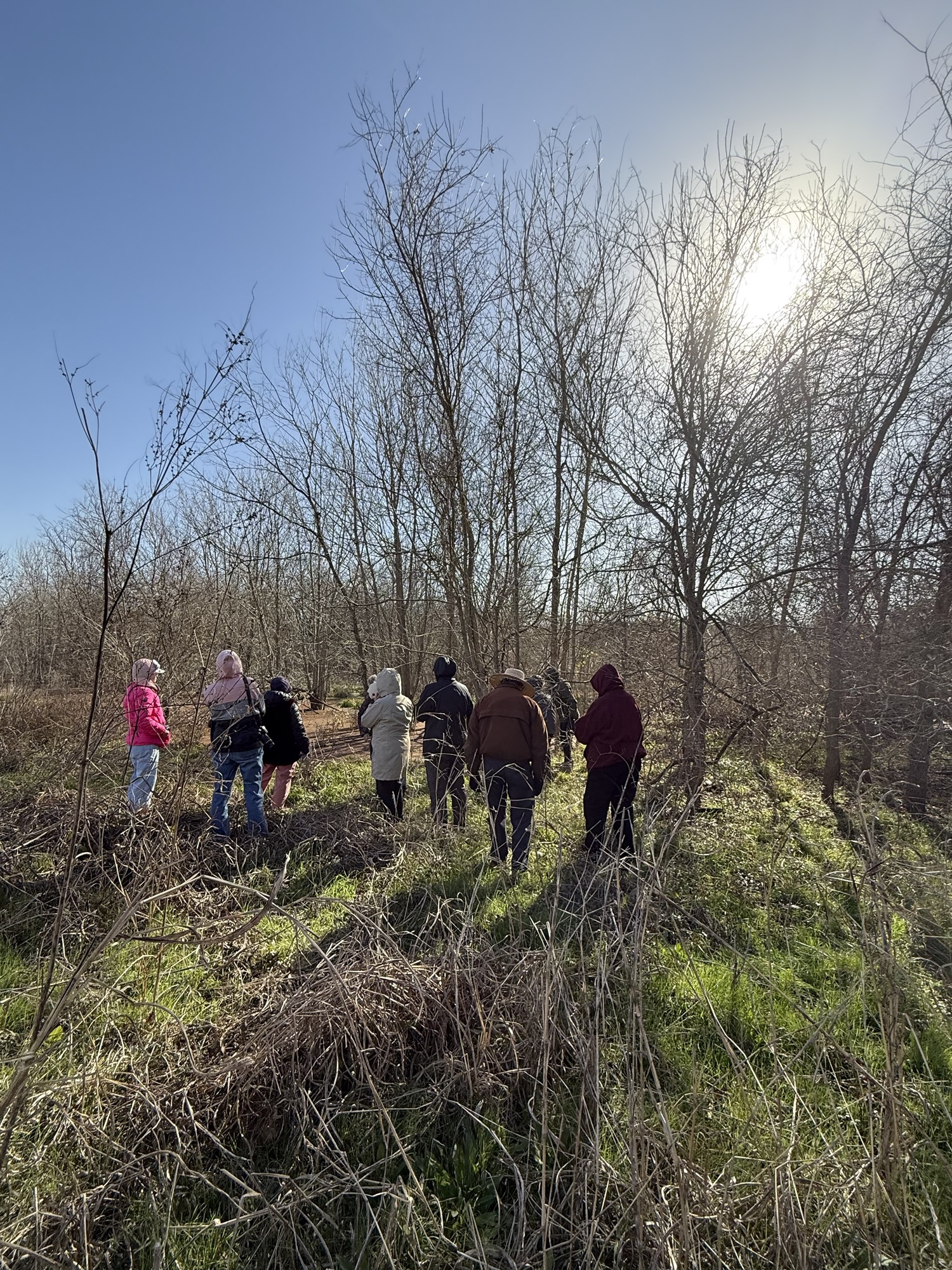
After I talked for just a little while, we trekked off to see the three dams that create beautiful ponds along the spring-fed creek that runs through the property.
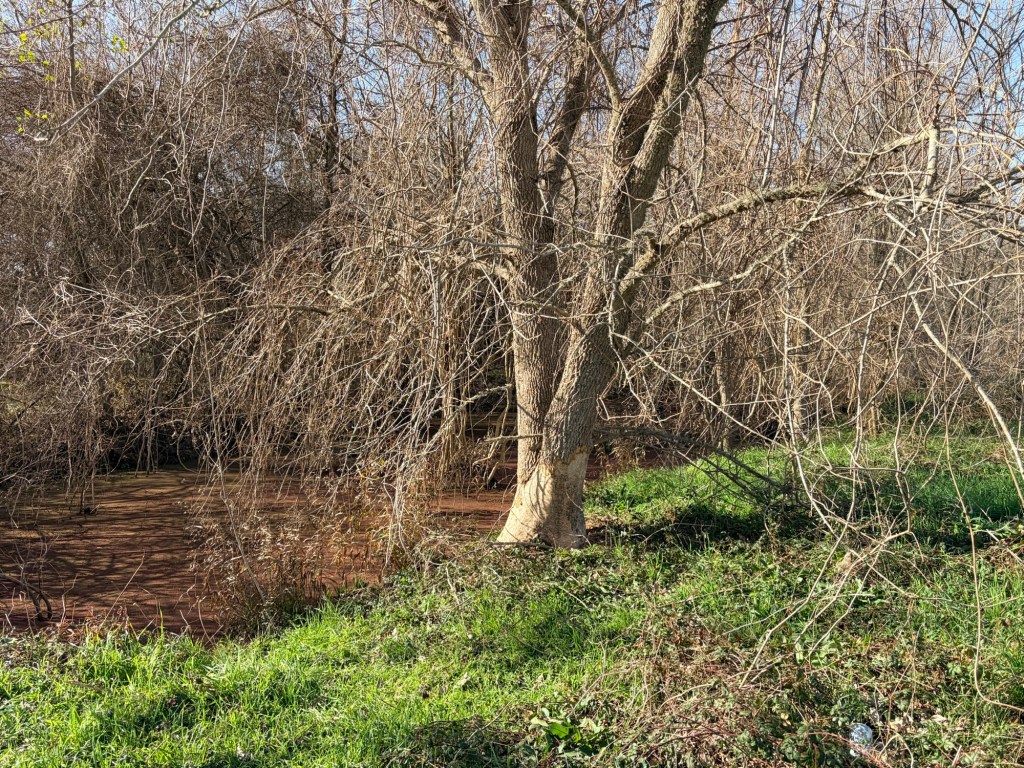
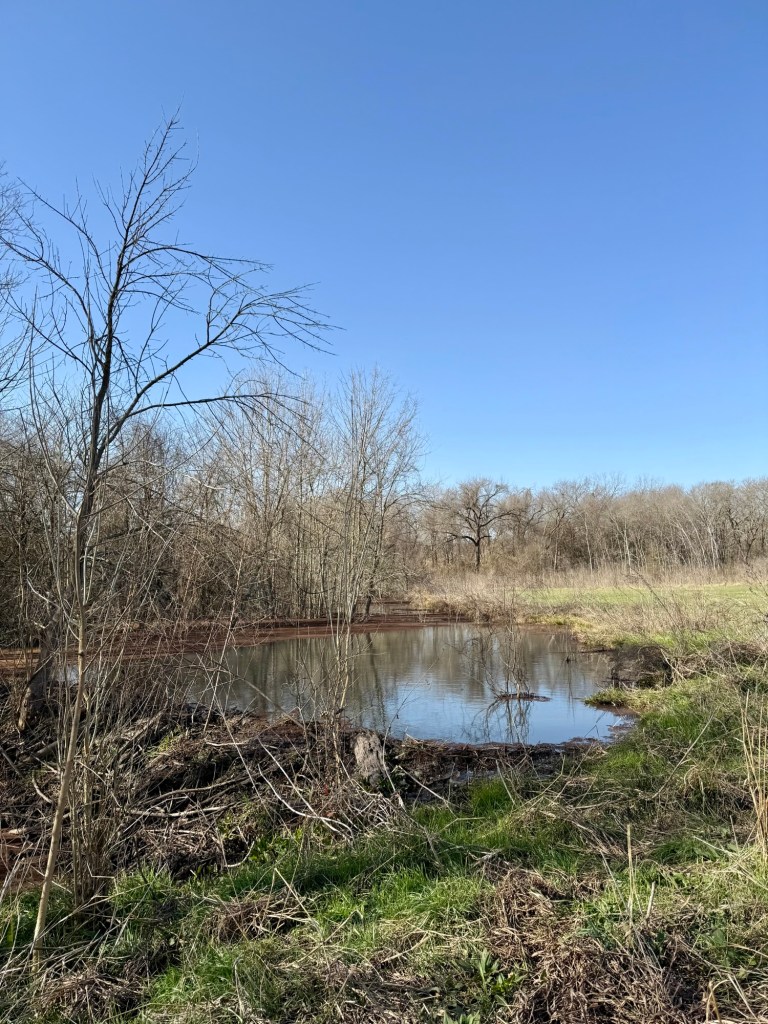
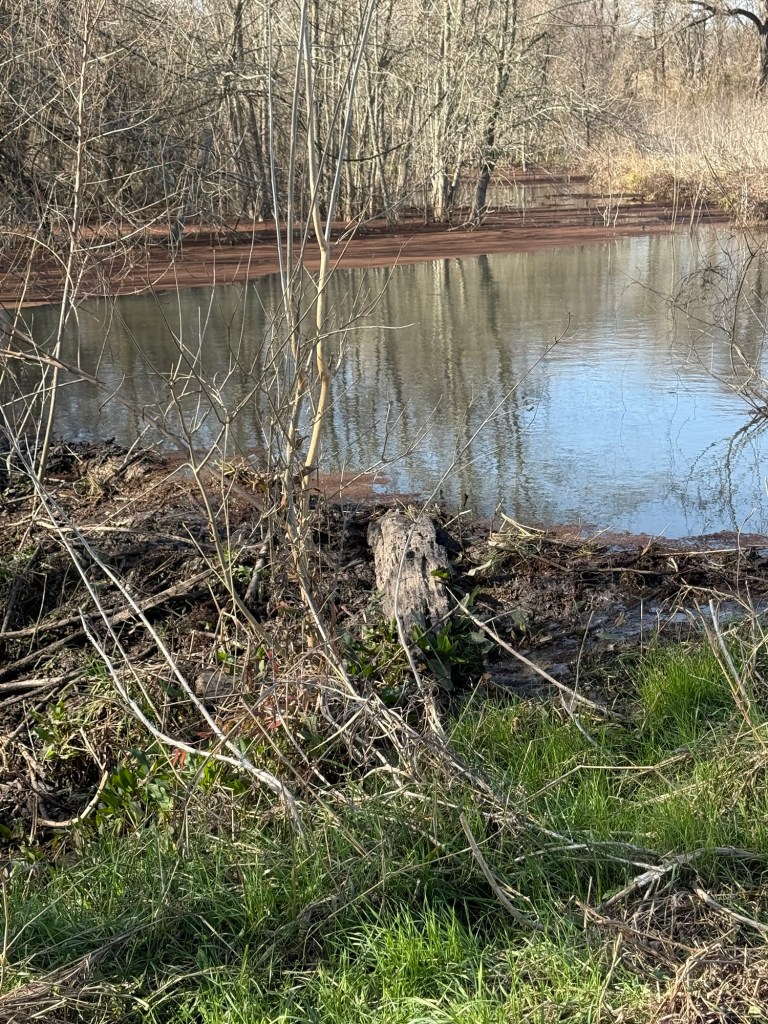
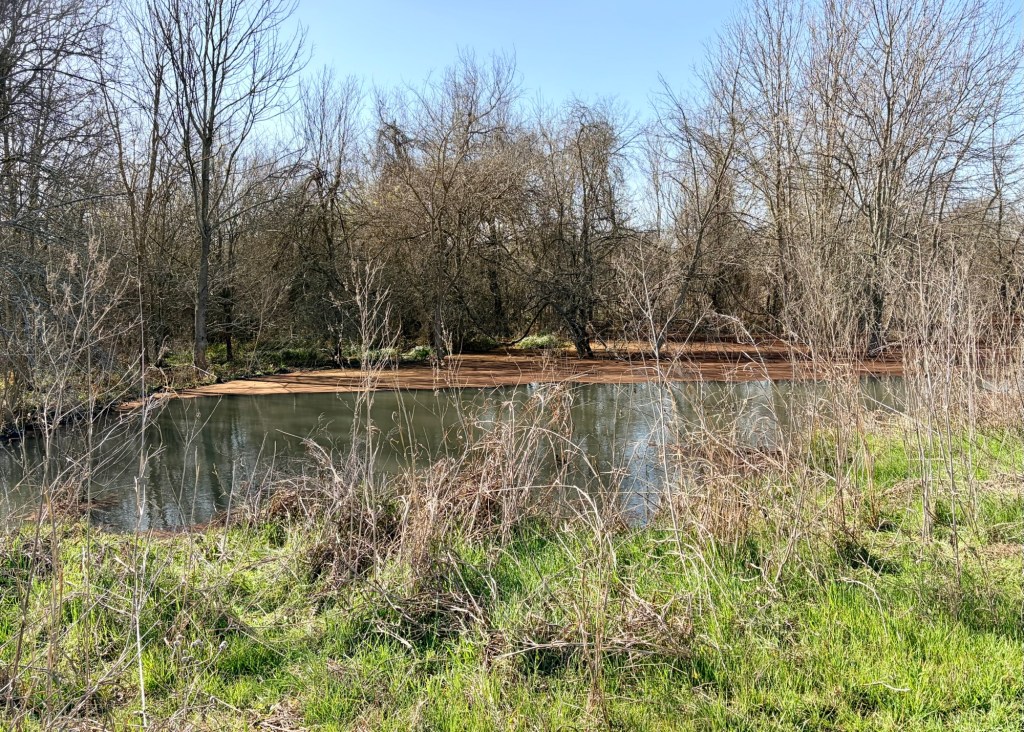

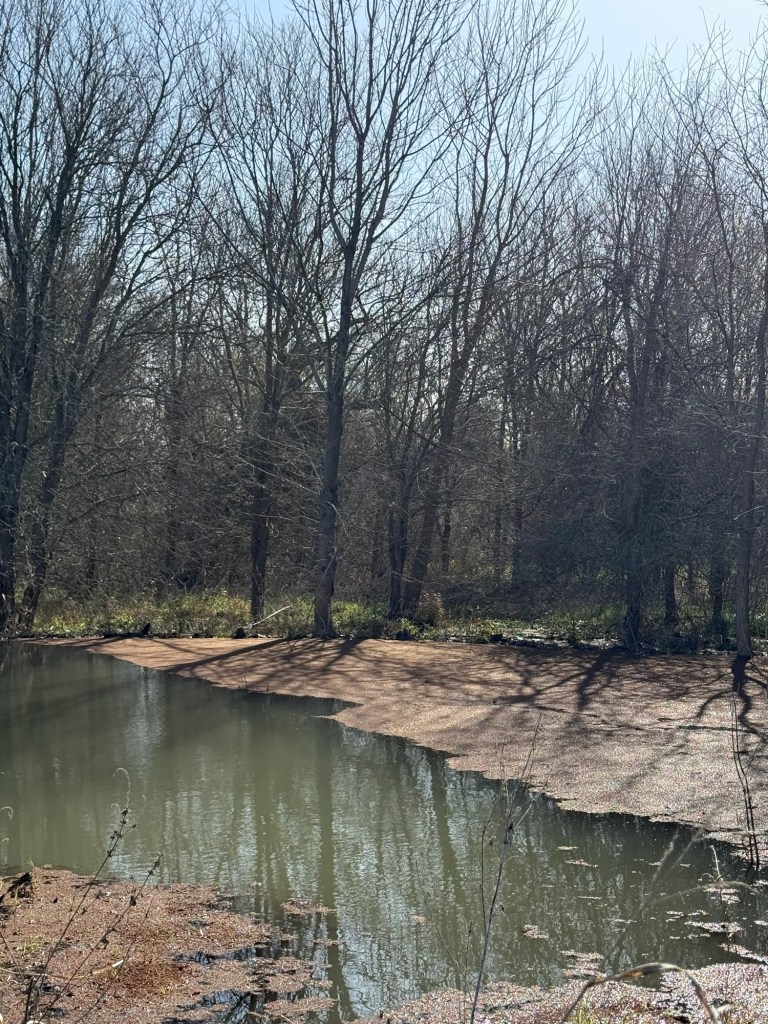
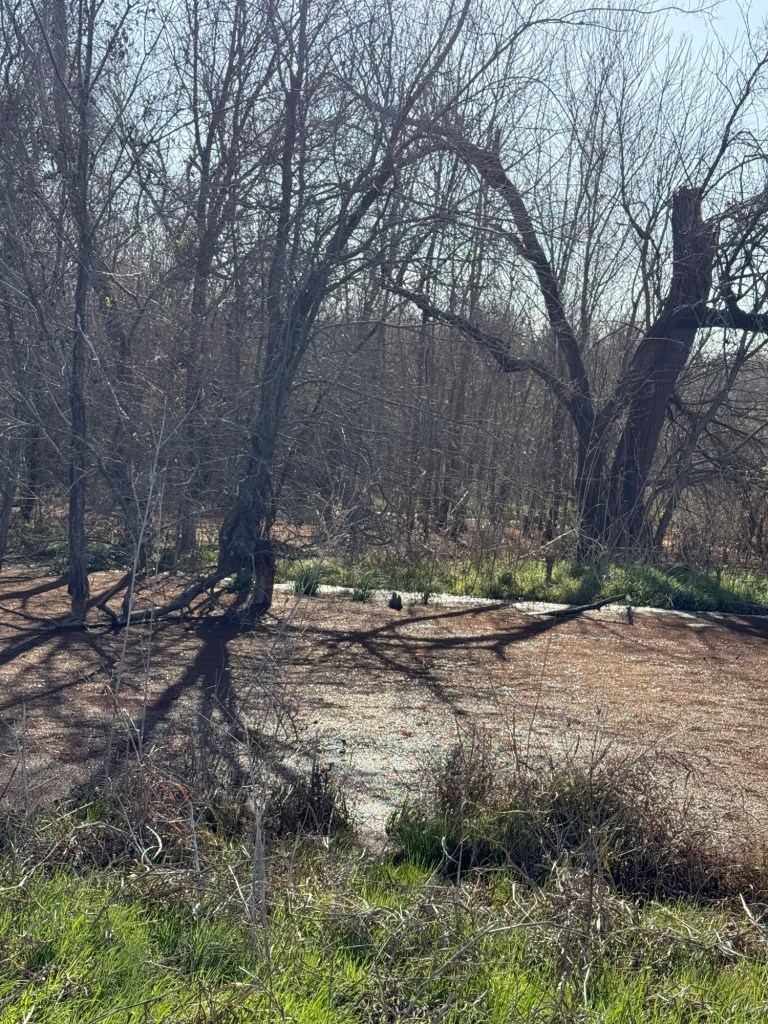
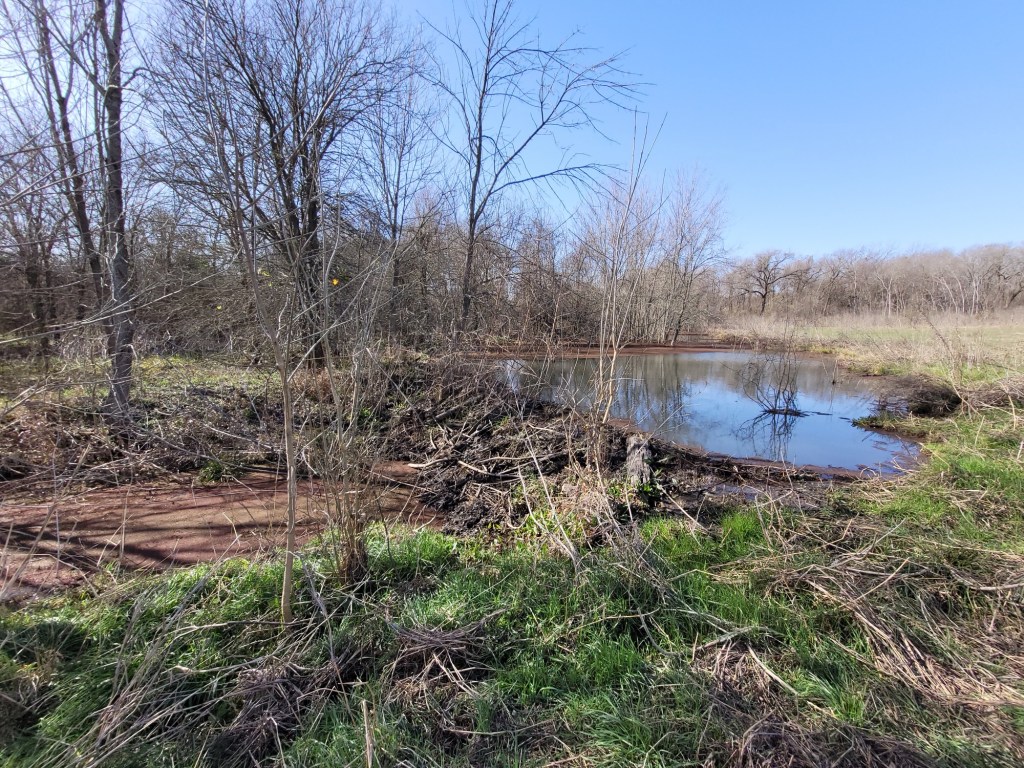
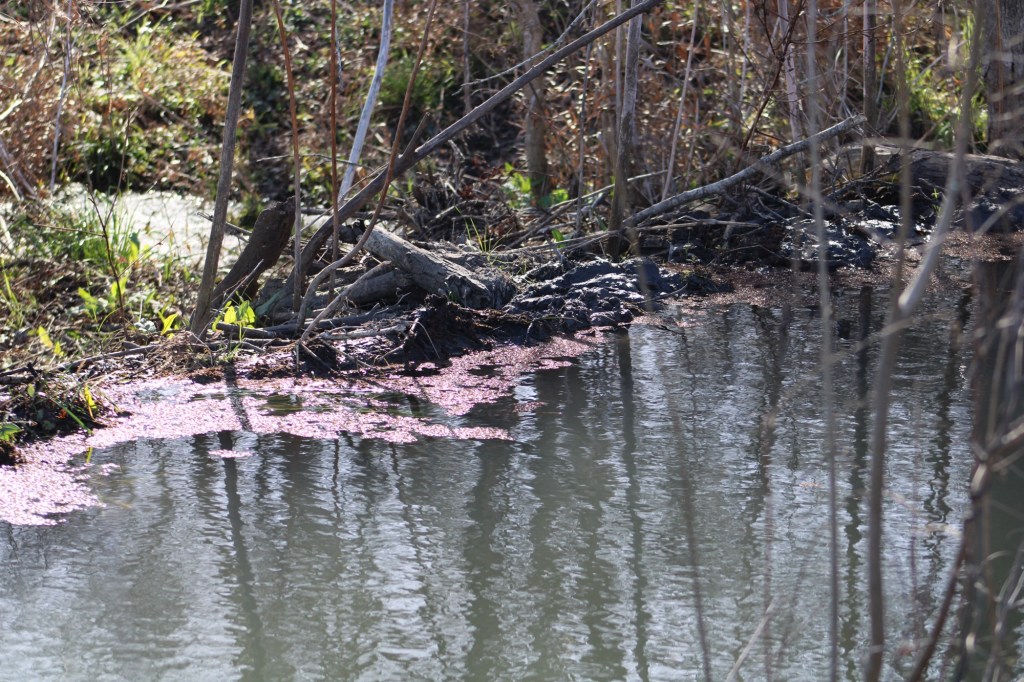
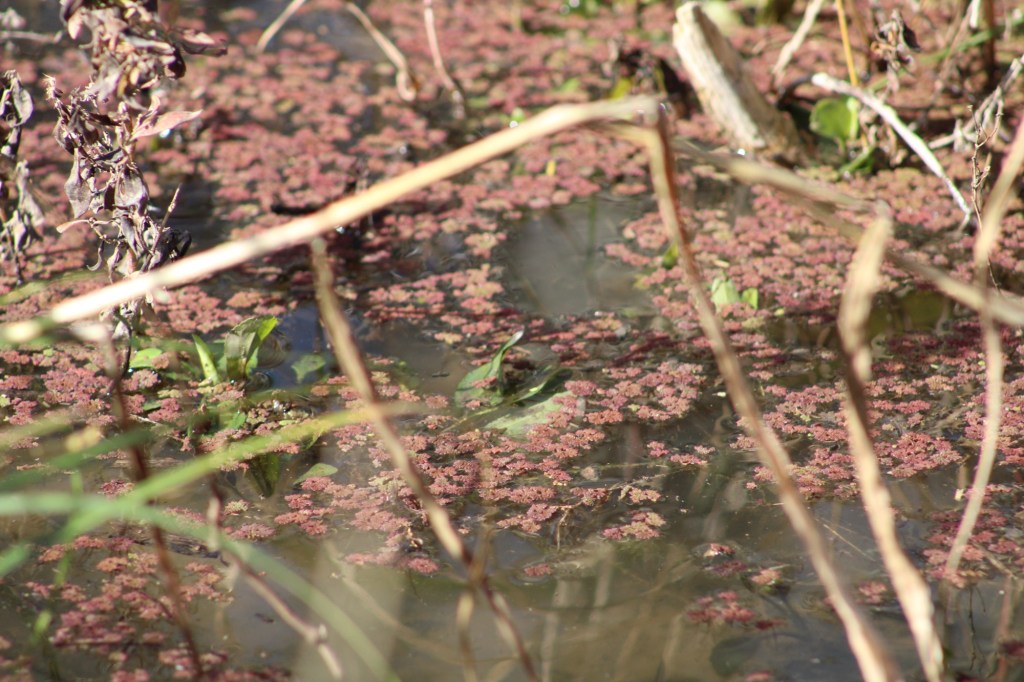
We could see how the creek trickles through each dam, which is another thing beaver dams do, they lessen erosion from fast-flowing water. and we saw many trees that had been chewed on. The pond water was so clear that you could see fish in it, where the duckweeed wasn’t floating.
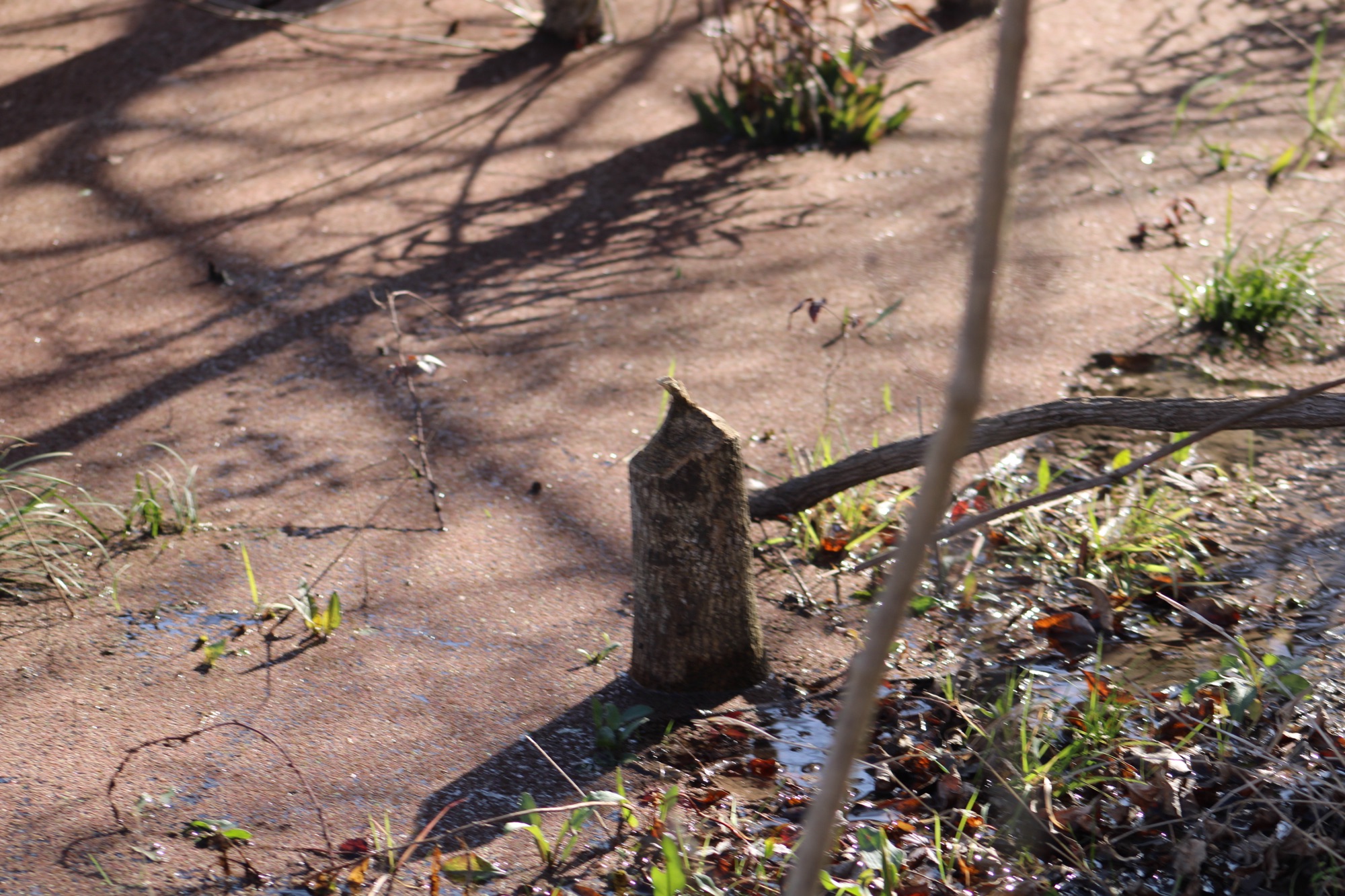
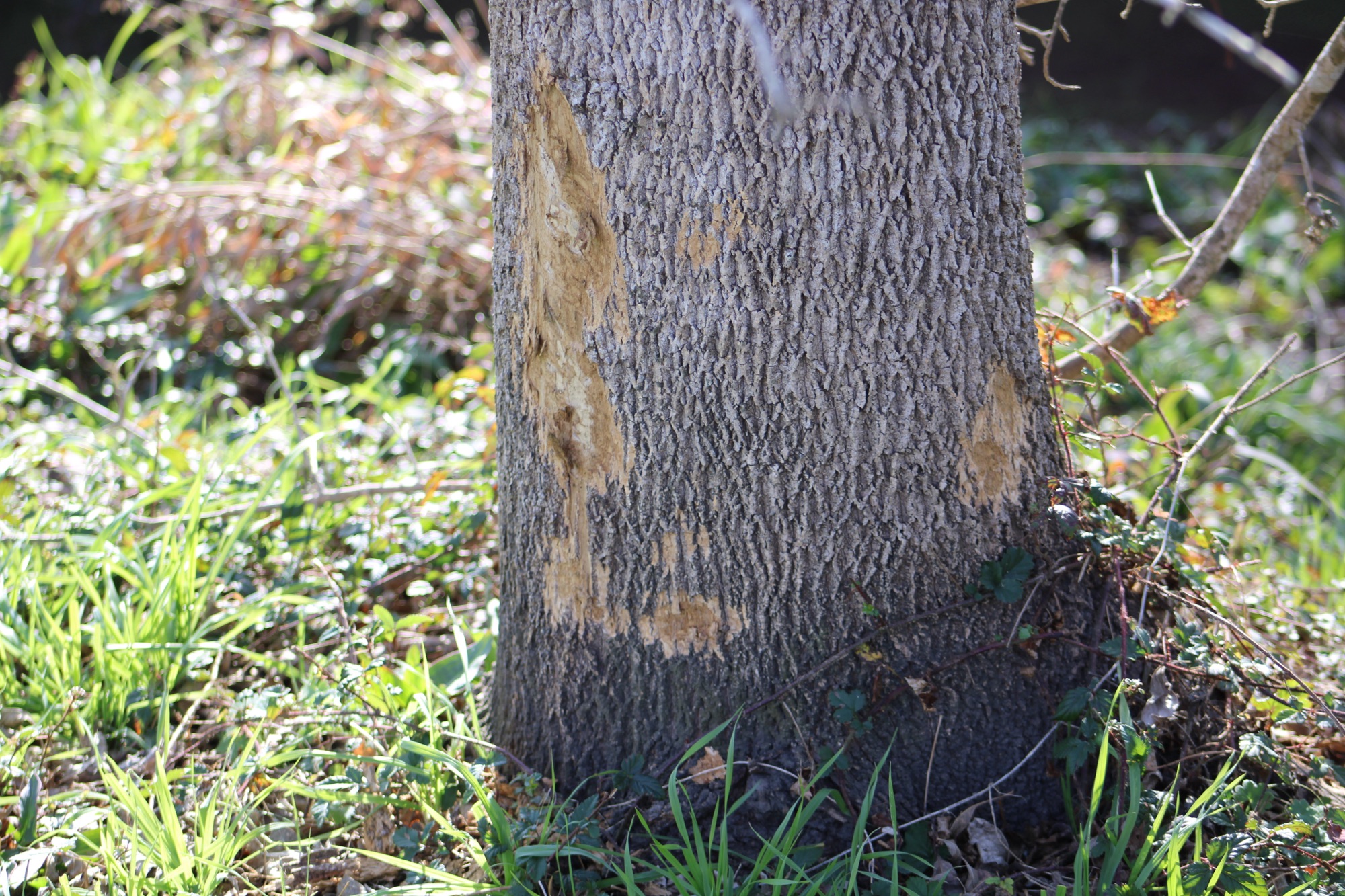
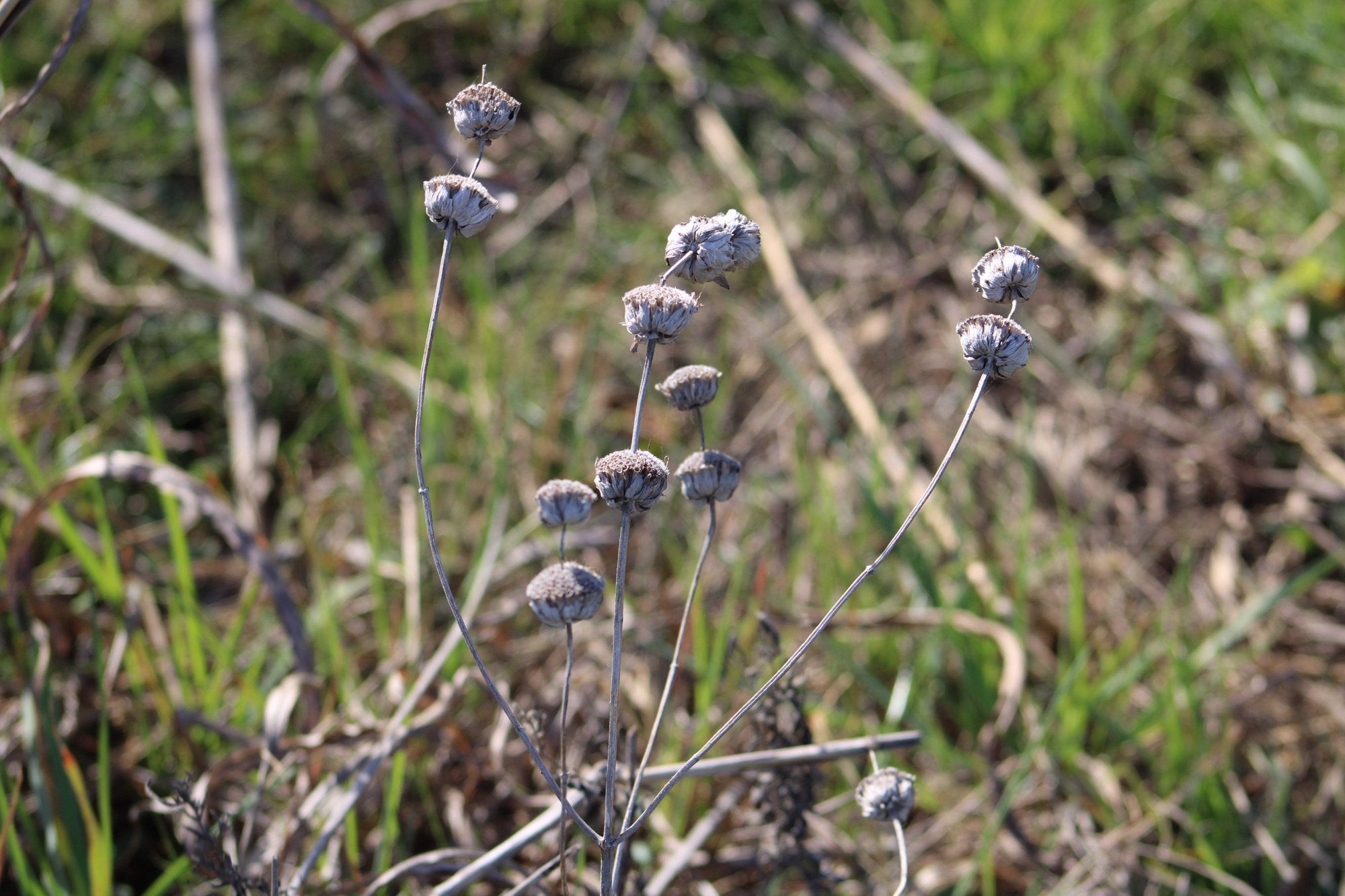
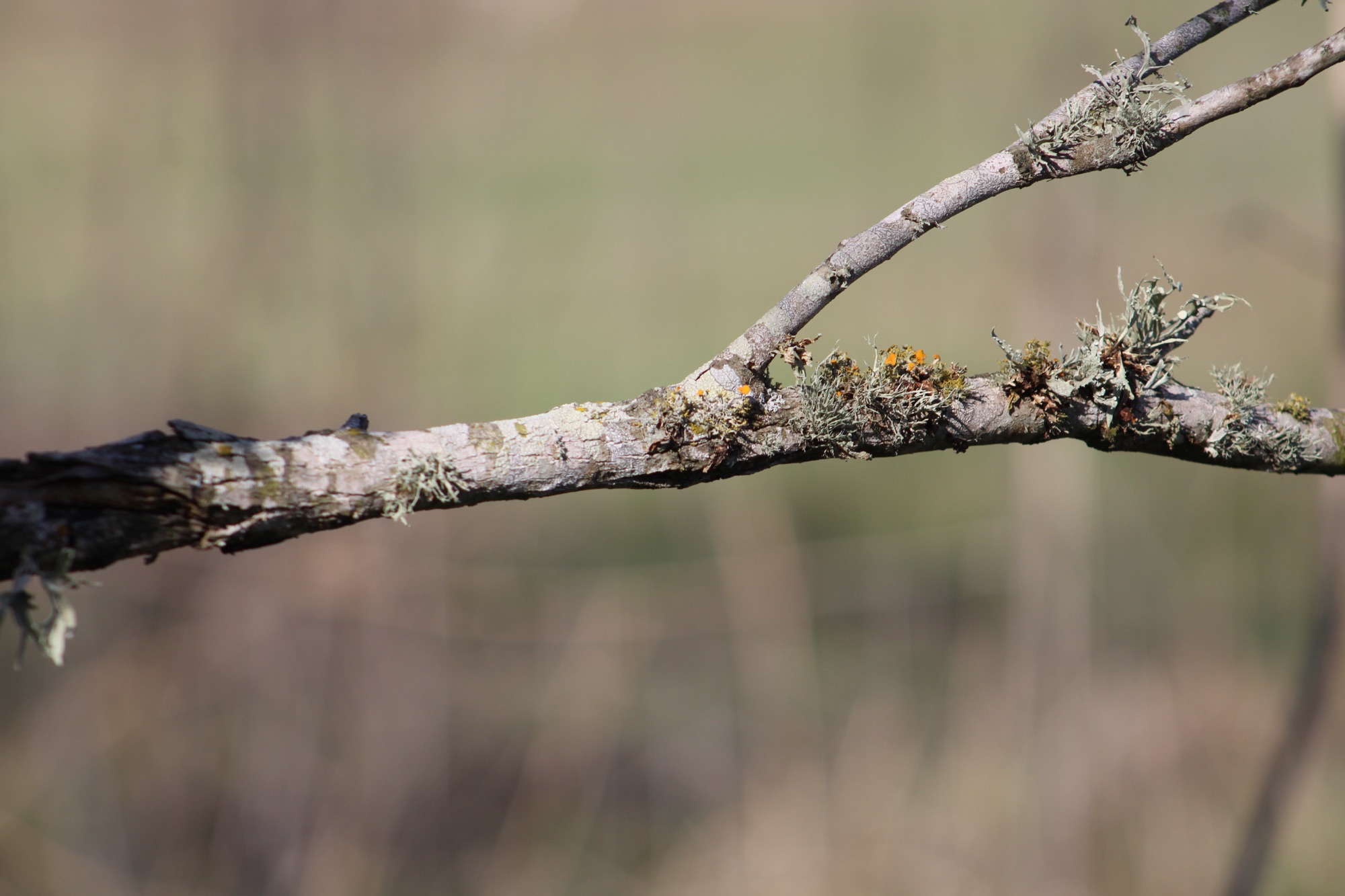
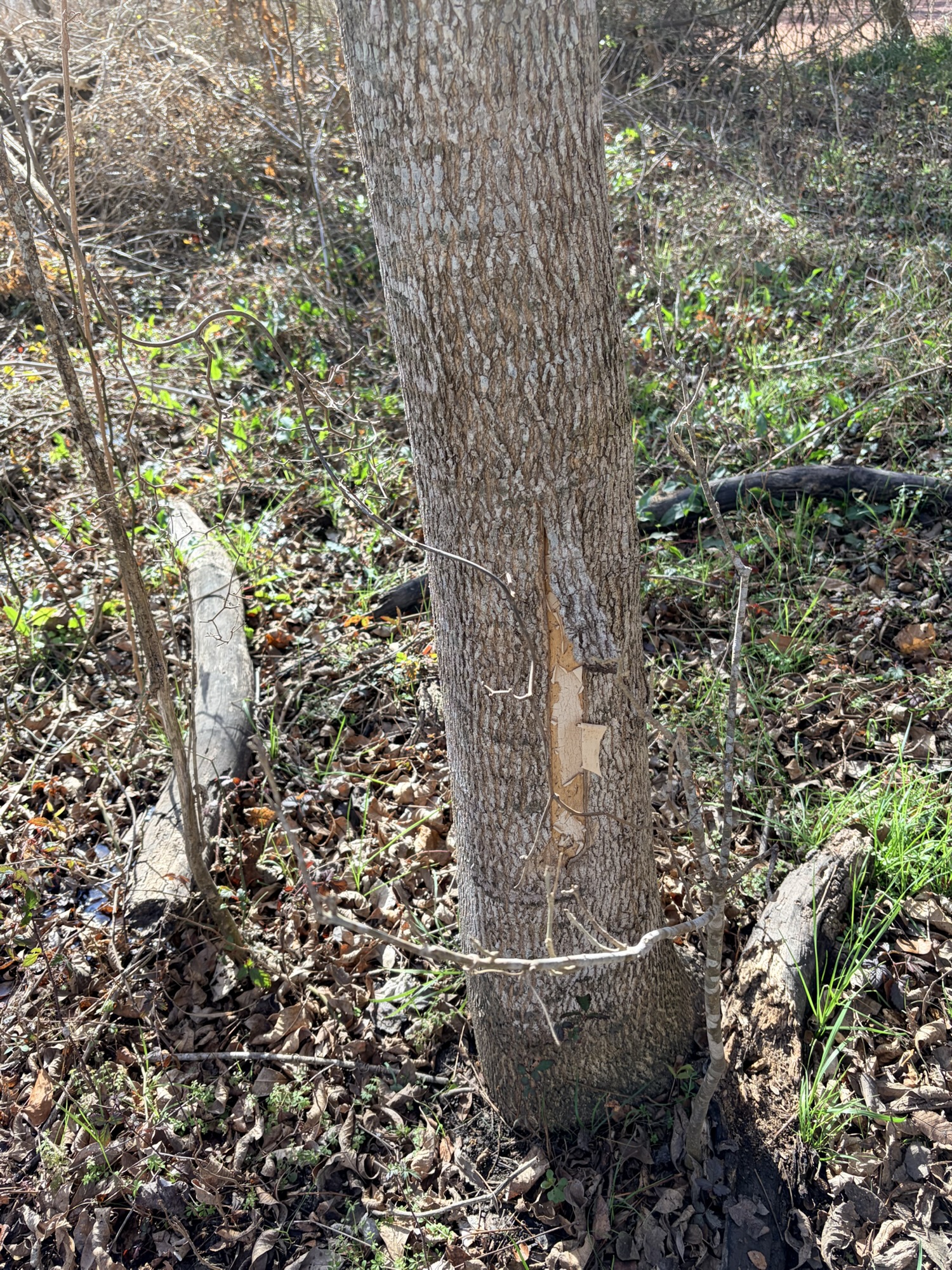
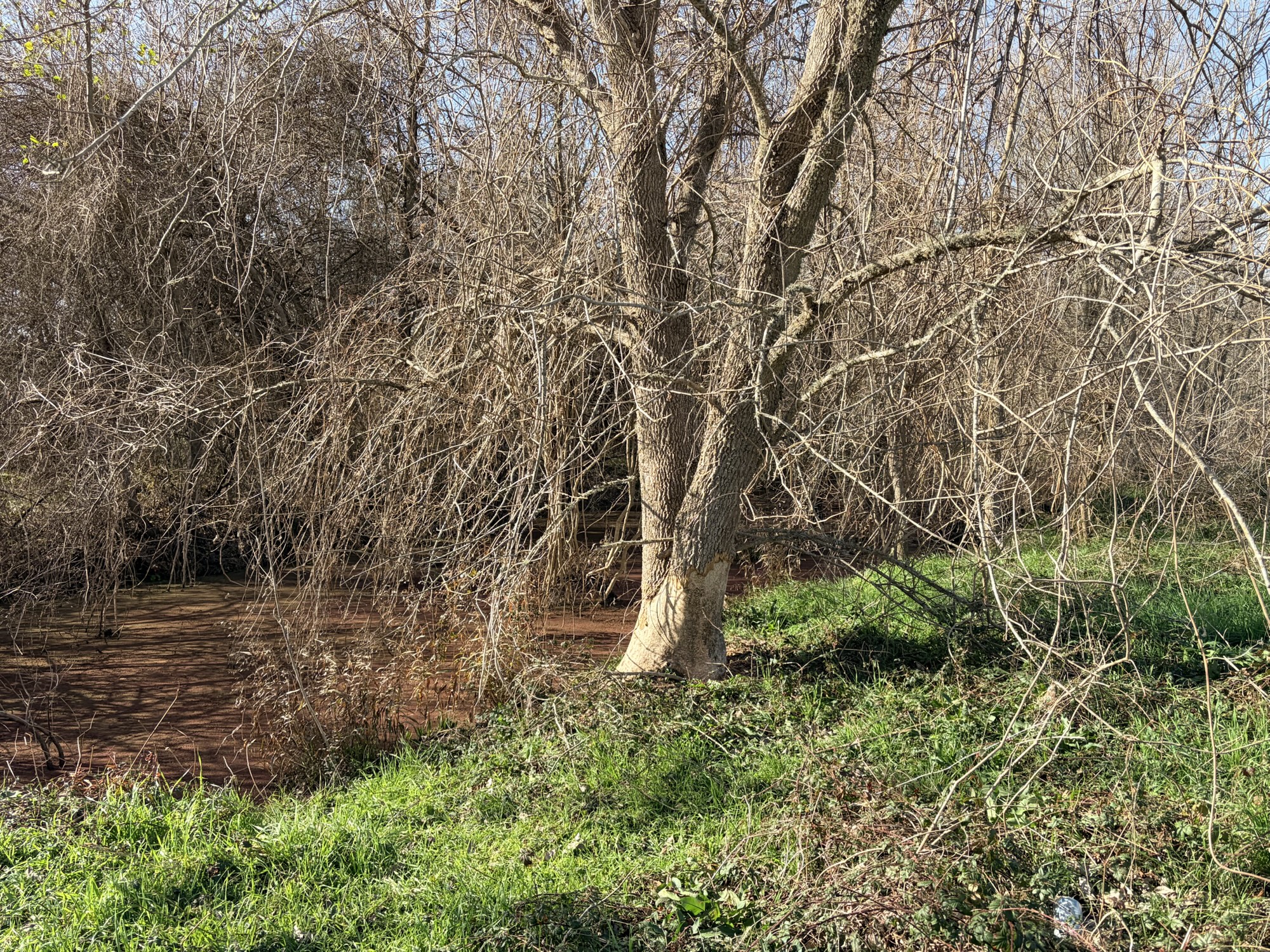
Even though we were a bit chilly, we had a good time seeing this sight not everyone gets to see. The sun was shining and we were with fellow lovers of nature. Not a bad way to spend a chilly Saturday morning.
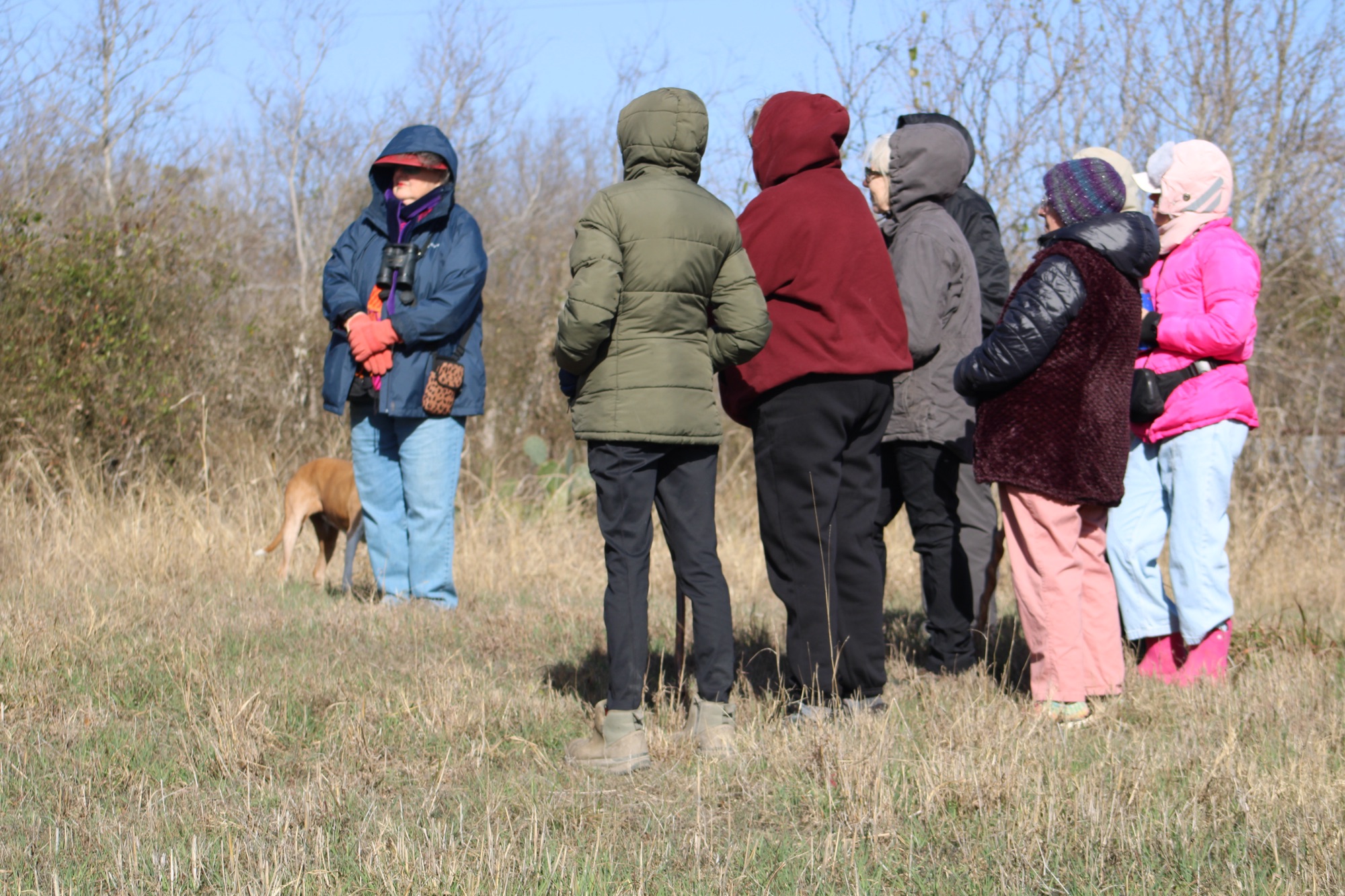
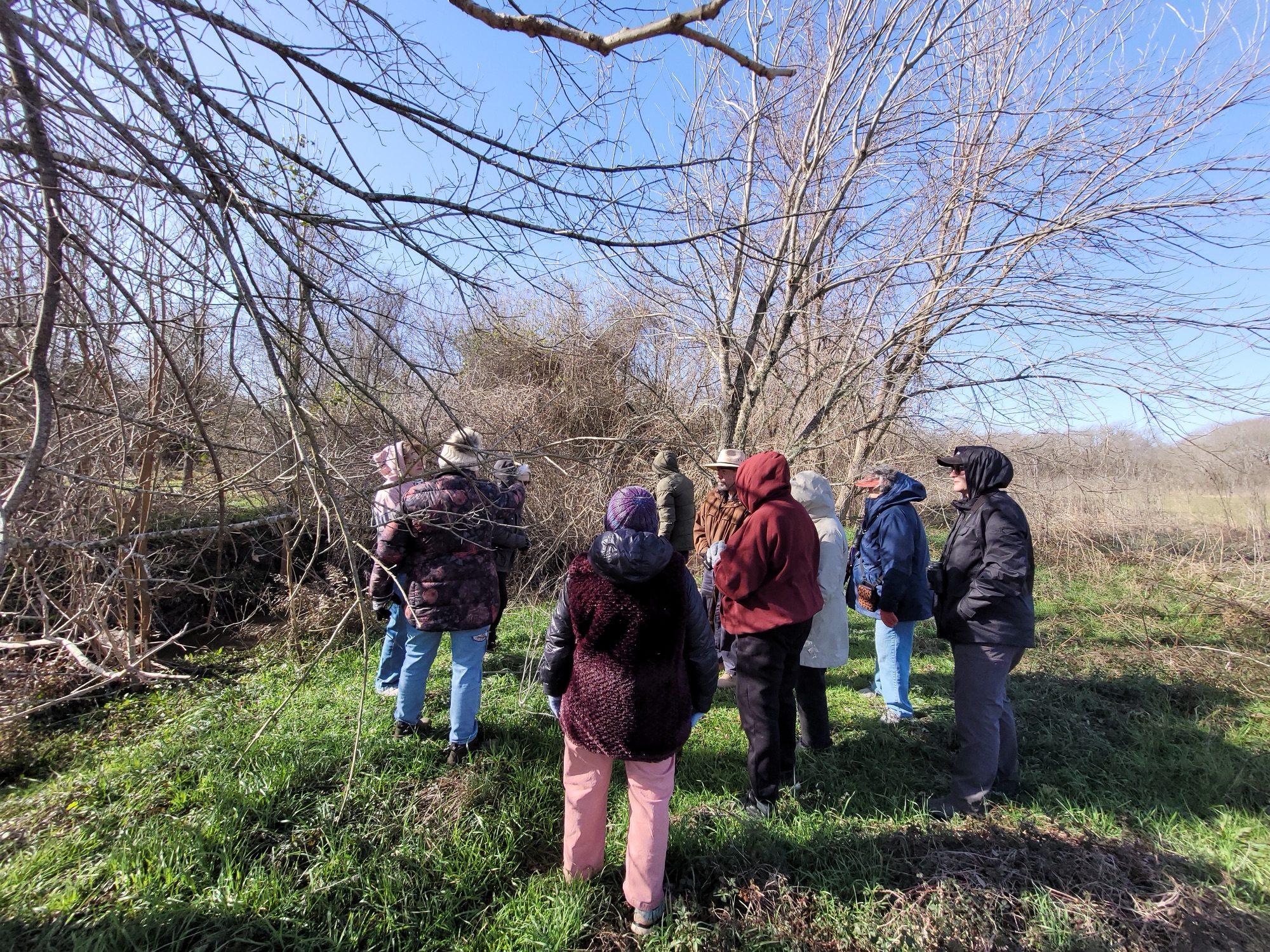
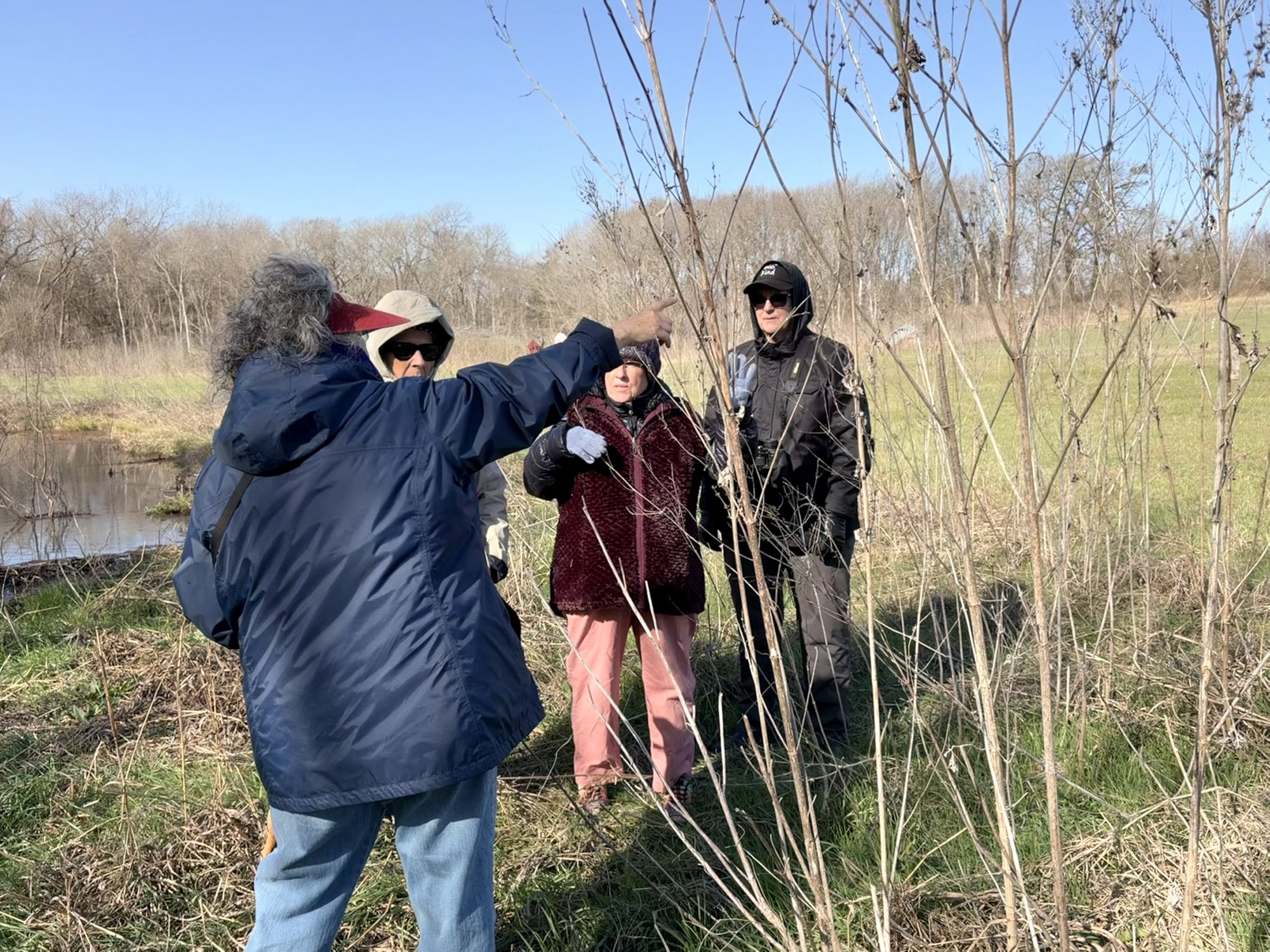
Photos by Carolyn Henderson, Rosie Johnson, and Sue Ann Kendall
 Nature Along the El Camino Real