
by Catherine Johnson

Today we met with Linda Burgess, coordinator of the new Little Free Seed Library project (here’s a link to an article explaining how they work and an article from Mother Earth News). This project involves creating nice boxes for storing labeled native seeds that can be shared and exchanged. We hope to have more than one location in Milam County. The Wildscape will provide many native seeds for the project, as will members of our chapter.
Check the blog for updates on this project as we build it out. Share any ideas you may have for locations for the seed libraries.
Johnson Homestead Wildlife Update
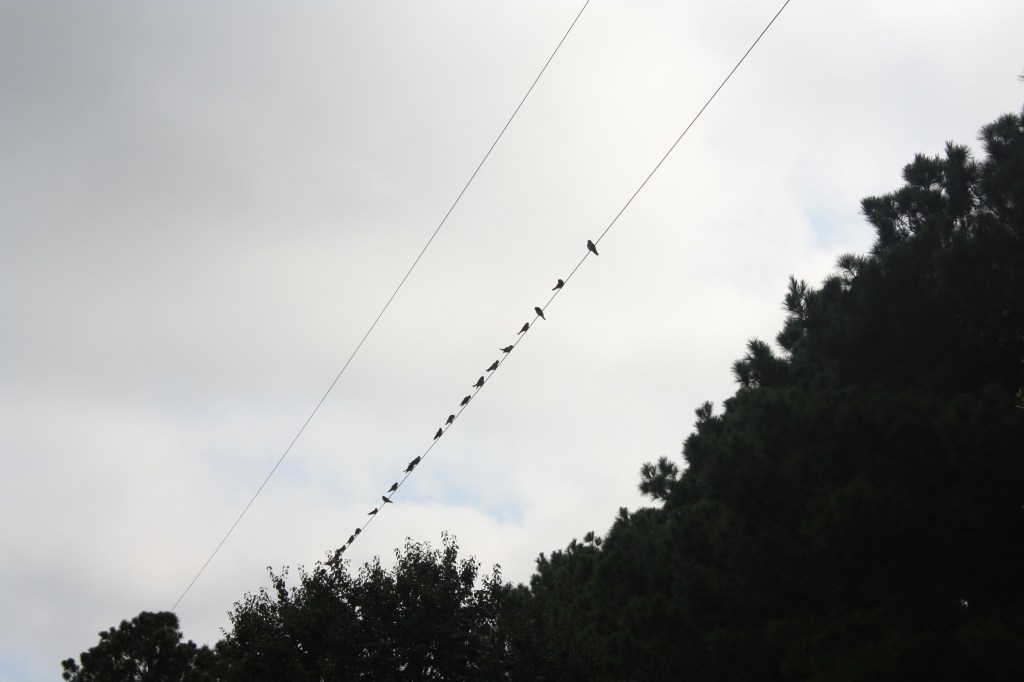
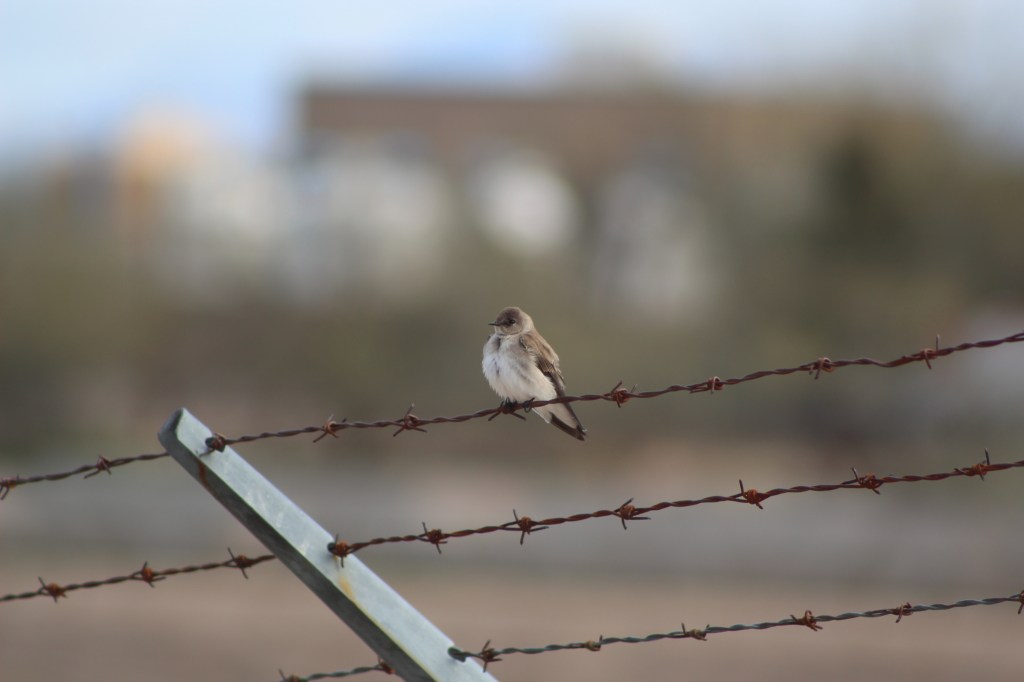
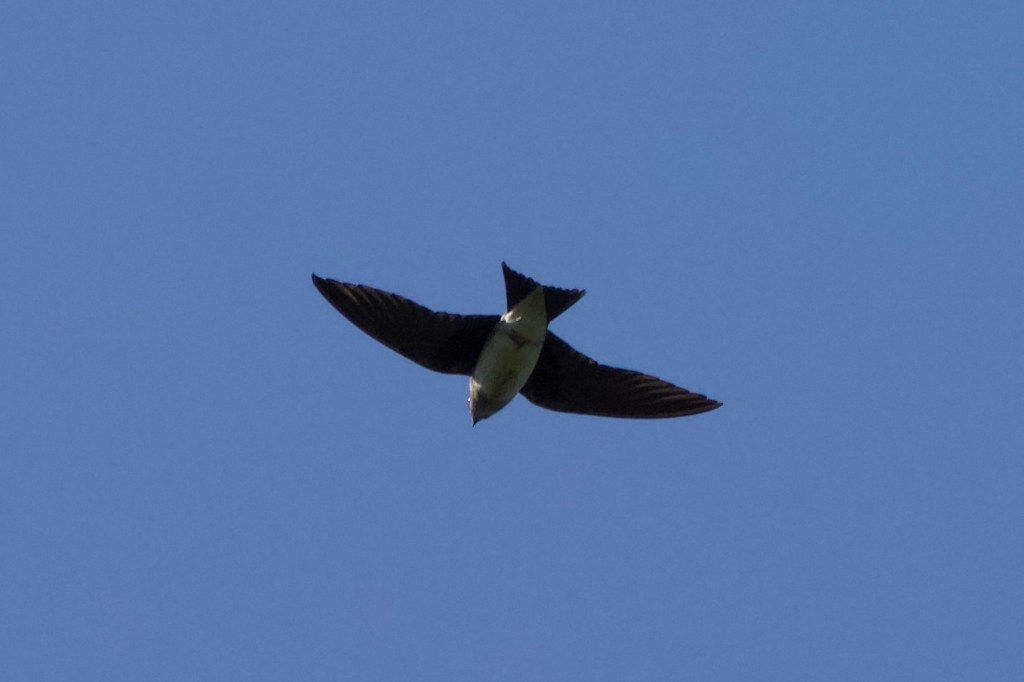
At my house we are winding down the nature events. The Barn Swallow colony expanded this year, and there have been a record number of toads and frogs. I allowed a family of mice to live in a small section of my kitchen then successfully trapped and relocated them. We found them after they ate my daughter’s chocolate bars.


We are rehabbing another leopard frog that was hit by a weedeater. One foot had to be removed, so he is learning to swim again. When it is cold, I will put him in the yard next to our other frogs.


The picture with chairs, fans, etc., was an attempt to protect and keep cool a second batch of wrens at the house.

We had few snakes but an over-abundance of fire ants. Lessons were learned for next year.

 Nature Along the El Camino Real