Hogna ‘incognita’ reaches another seasonal milestone

by Eric Neubauer

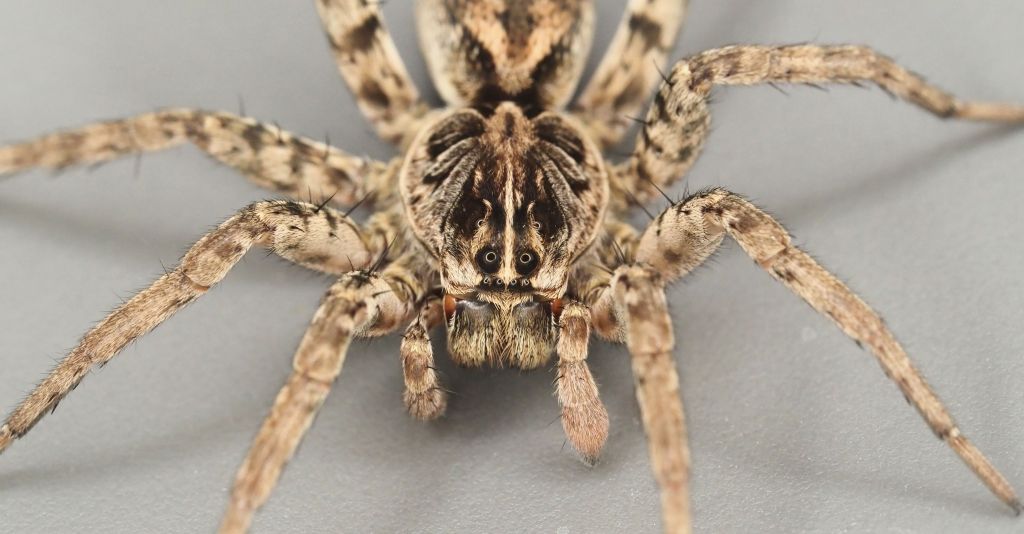
My first adult incognita of the year. Like birds, wolf spider males are often more eye catching than the females. In the case of this species, this means a bolder pattern with greater contrasts like this one here.

Males mature ahead of the females, but I think I also observed a female with only one molt to go which means they’ll start maturing soon too.

I’m just learning how to recognize females as they approach maturity. At present I’m assuming that if they’re big enough to be recognizably male and they aren’t, then they must be females.

The timing appears to simultaneous across its range, with recent observations from Oklahoma, Kansas, and for the first time ever, Louisiana. Even those that have been lab raised since last October are on schedule with the first male molting into an adult last week.

Hogna Babies Are Teens!

By Eric Neubauer

I’ve been checking my local Hogna ‘incognita‘ spiders since late last
year and looking forward to the time when I can get some good
photographs of adults. They’ve already started to grow rapidly, and at
5:15 AM on June 15 I found my first sub-adult male. A few more molts and
they’ll be adults!

Look at that face!

Wolf Spider Mystery

by Eric Neubauer

I’ve been watching a large population of Hogna wolf spiders growing up on my property since winter. I’ve submitted photographs to both iNaturalist and BugGuide, and people there don’t hesitate to confirm them all as Hogna antelucana.

Specimen of hogna wolf spider with the vee shape pinched shut.

Nevertheless, I found I can easily sort them into two groups from a fairly young age on. The markings on this species are quite variable in general, but one reliable difference between the two groups is in a lightly colored vee shape near the back of the head. The vee points toward the back and is open at about a 35 degree angle on one type and is pinched shut on the other.

Specimen with an open vee shape.

There are other small differences, but they are harder to define and less consistent.

At first I thought it might be a case of sexual dimmorphism, but lately I think there may be two different species.

The dark one.

The third example has the open vee, hard to see because the spider is looking up, and is very dark with none of the warmer tones these spiders usually have. It is the only one like that I’ve seen and perhaps lacks the ability to produce an orangish pigment.

It is one of several mysteries to keeping life interesting.