Having a Wild Time at All Things Wild

by Carolyn Henderson

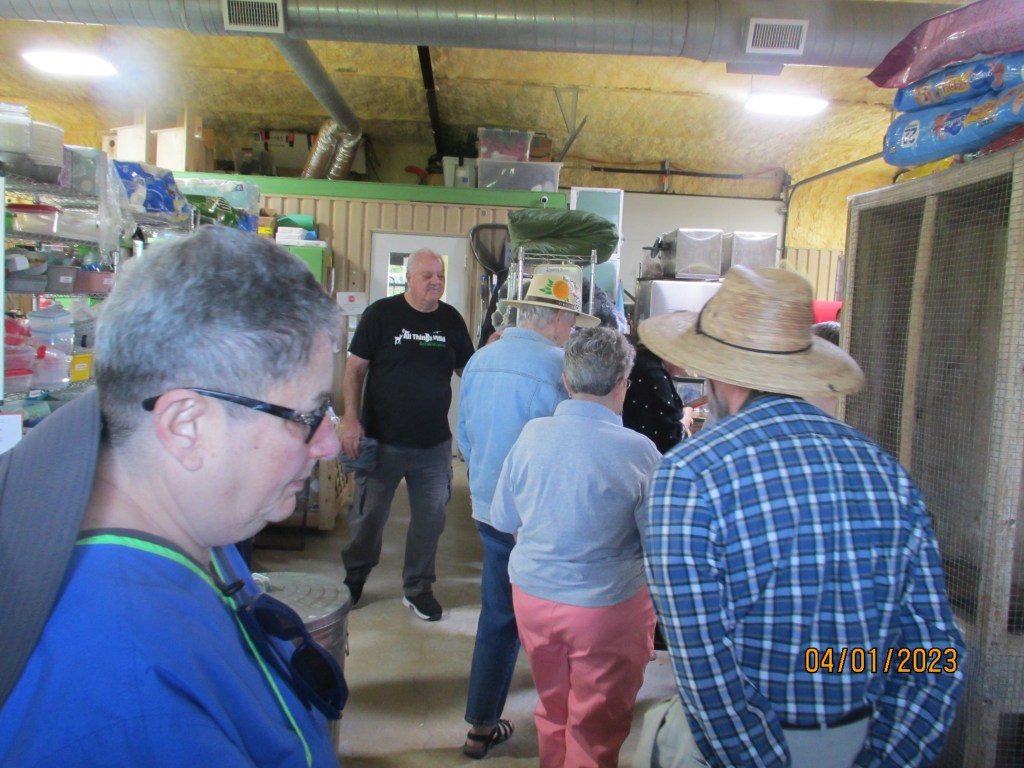
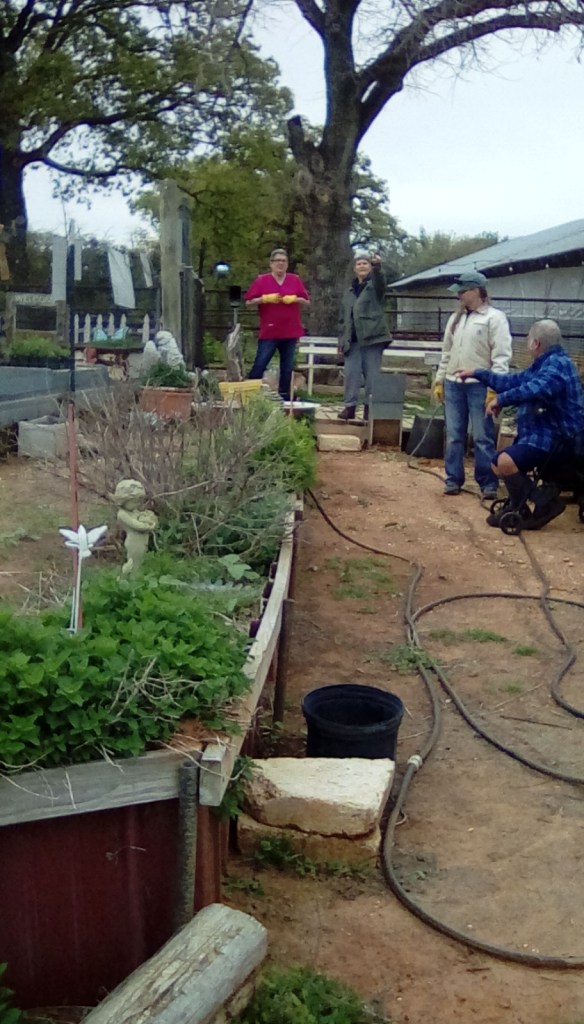
Eight members and a few friends of the El Camino Real chapter of Texas Master Naturalist toured the All Things Wild Rehabilitation Center near Georgetown, Texas, Saturday morning, April 1. The tour was led by Roger Rucker, Vice President and Director of Education for All Things Wild. It is an amazing degree of service the organization performs for injured and orphaned wild animals and birds in the area. The trip there was an awe-inspiring show of wildflowers. 
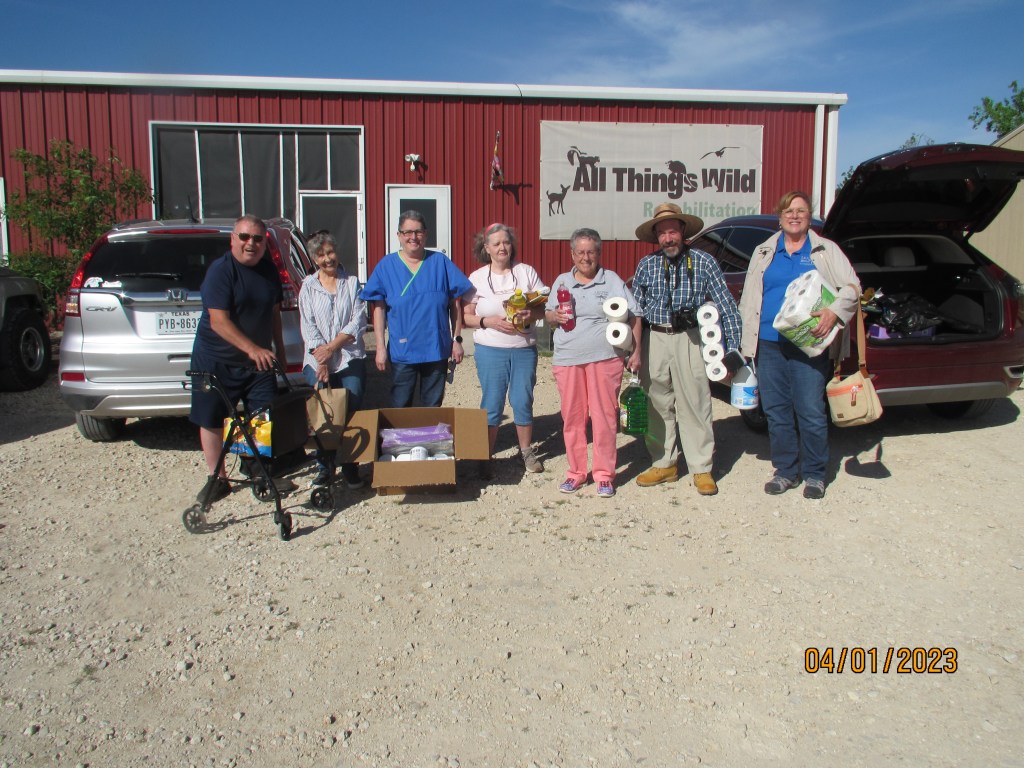
We brought donations

They take in injured animals and rehabilitate them with the intention of releasing them back to their natural habitat. Occasionally, the injury prohibits the animal from being able to survive in the wild. In those cases, the animal or bird becomes a permanent resident of the facility.
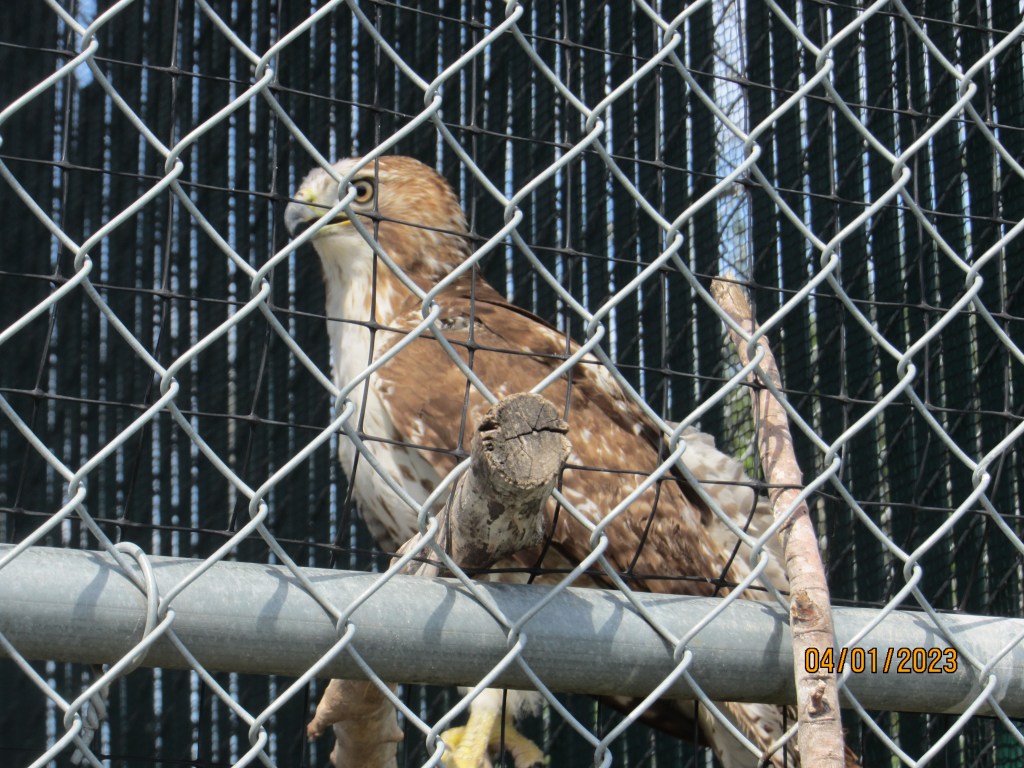
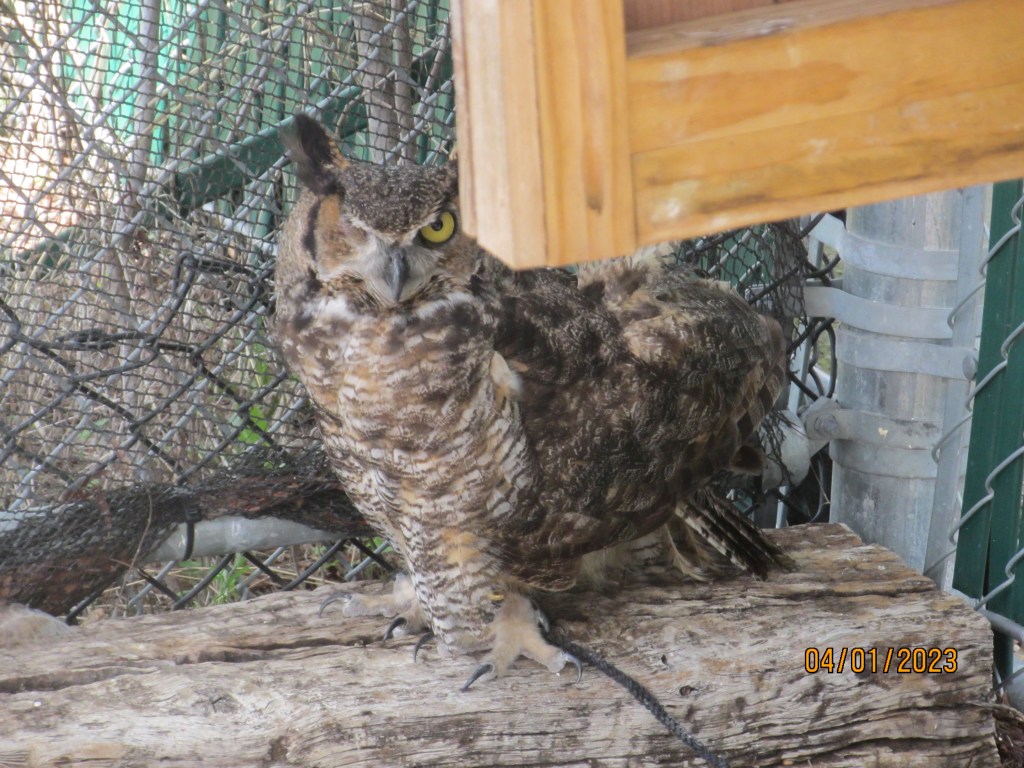
Volunteers and staff also care for and raise orphaned baby animals and birds to adulthood. Once they are of an age to support themselves in the wild, the team releases them as close to where they were found as possible. 
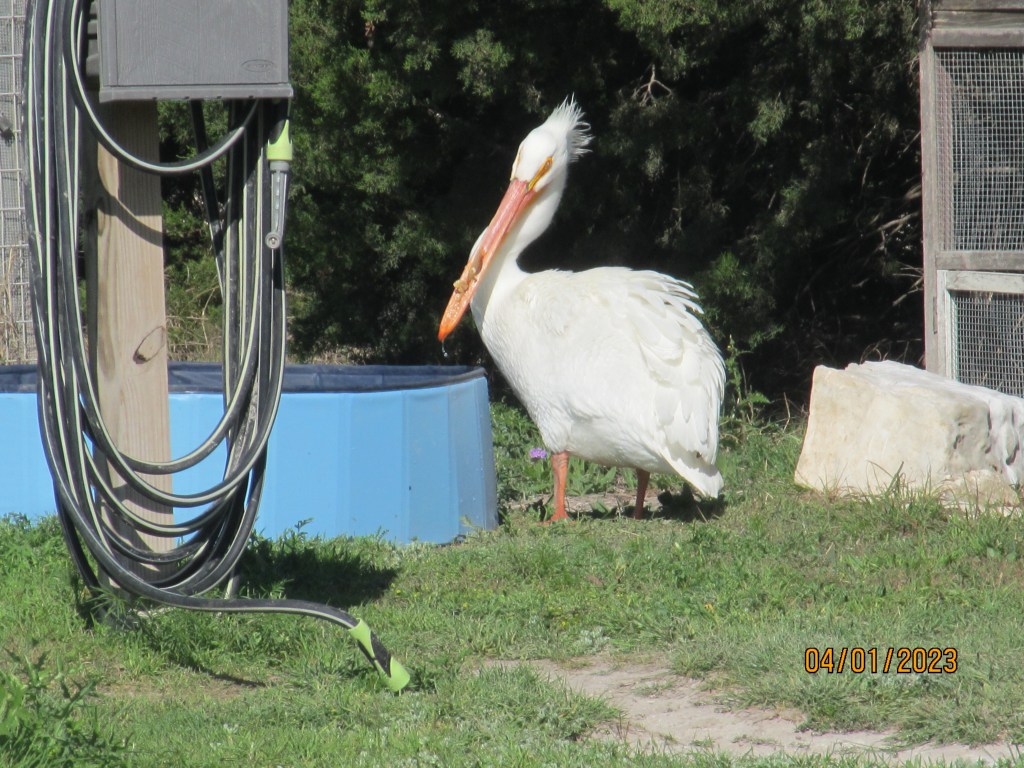
The resident wingless pelican

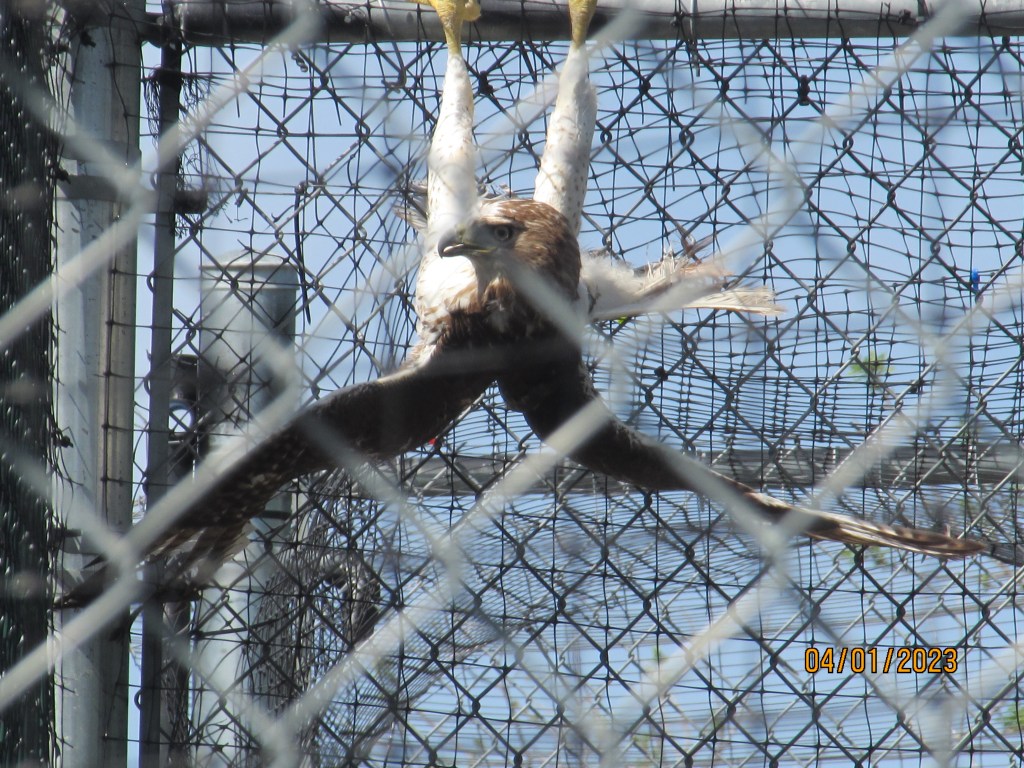
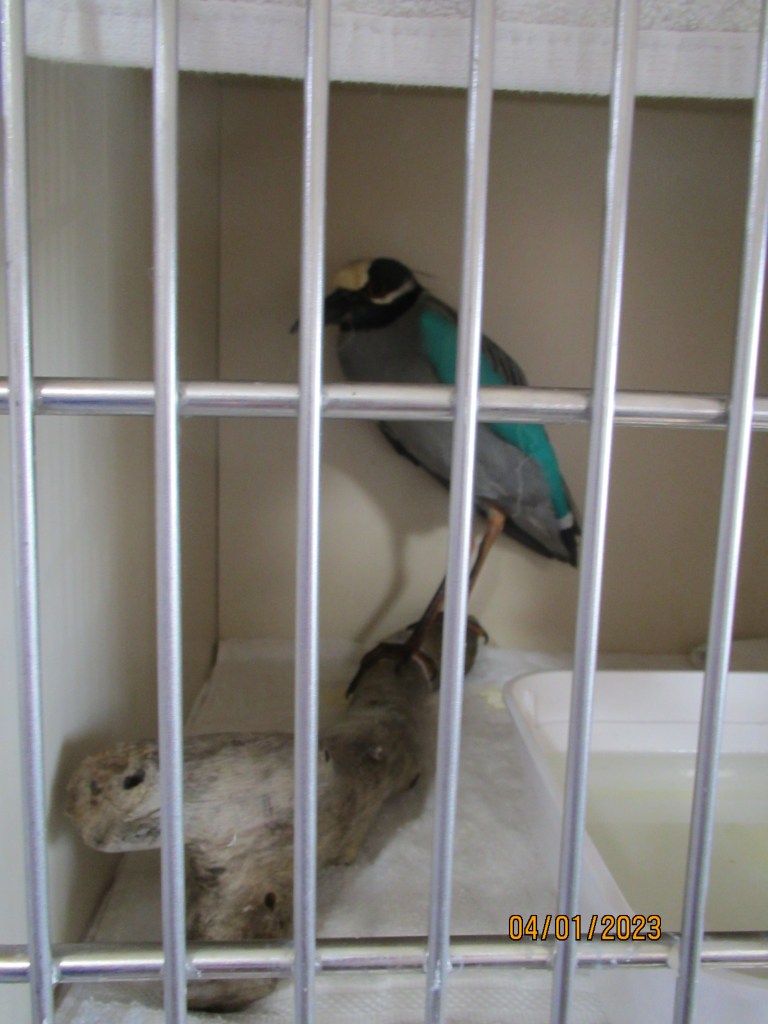
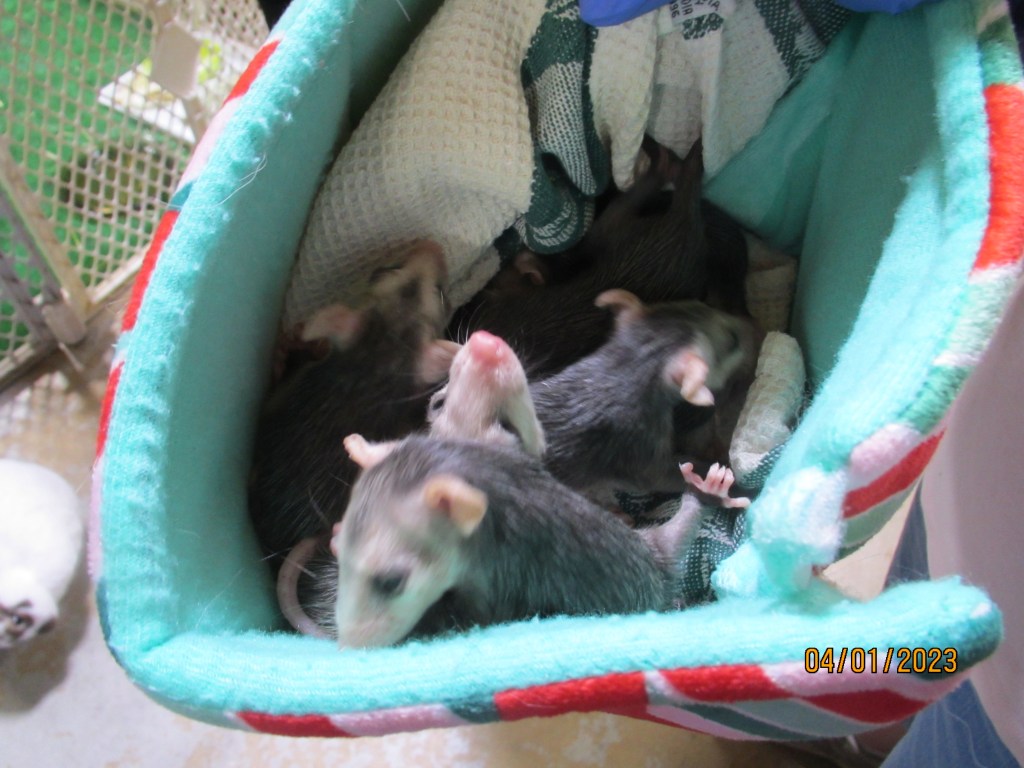
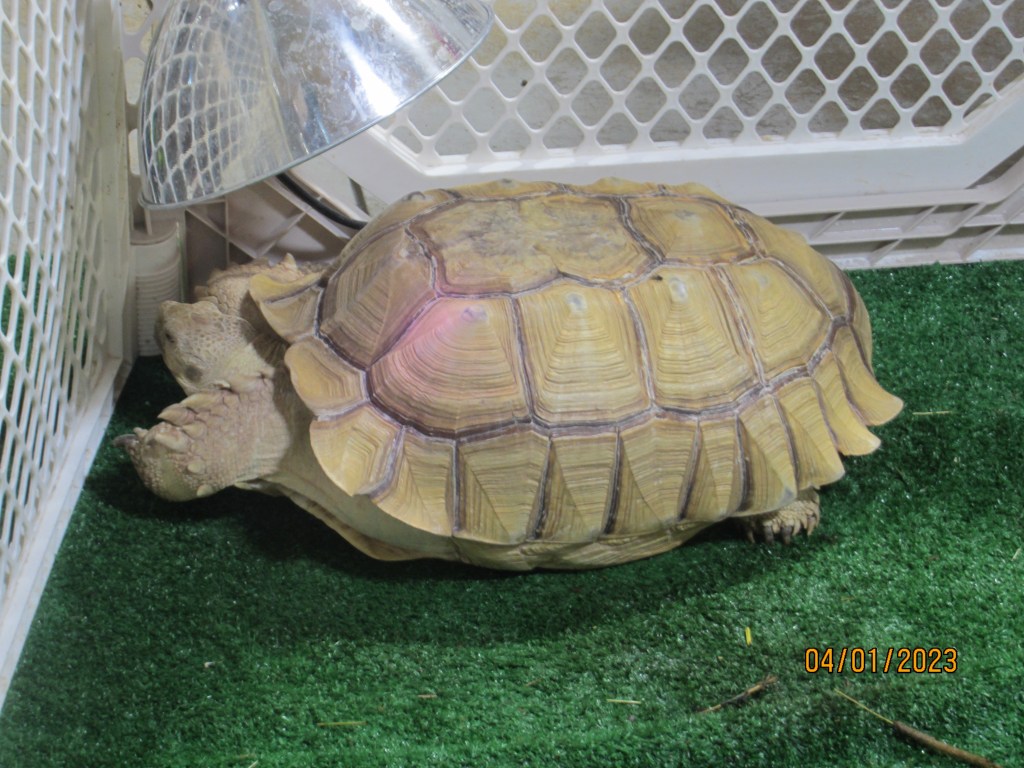
All Things Wild is currently housing many squirrels, several opossums, large turtles, some raptors, many baby rabbits – both cottontails and jack rabbits, a nearly featherless vulture, an owl in ambassador training, a Blue Jay, a skunk, and a very large, wing-less white Pelican. They range from newborns to recovering adults. 
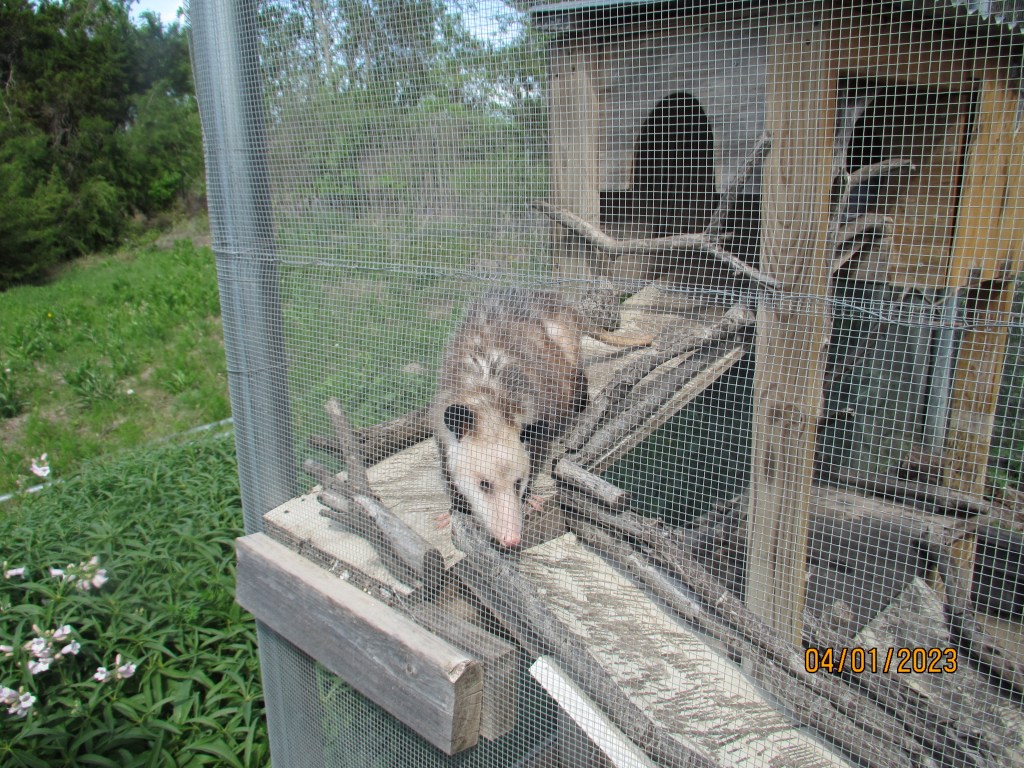
If an animal or bird cannot be released to the wild, they are made ambassadors for the education programs the staff and volunteers perform. They are trained to be people-friendly then taken to schools or other locations to be used in education programs around the area.
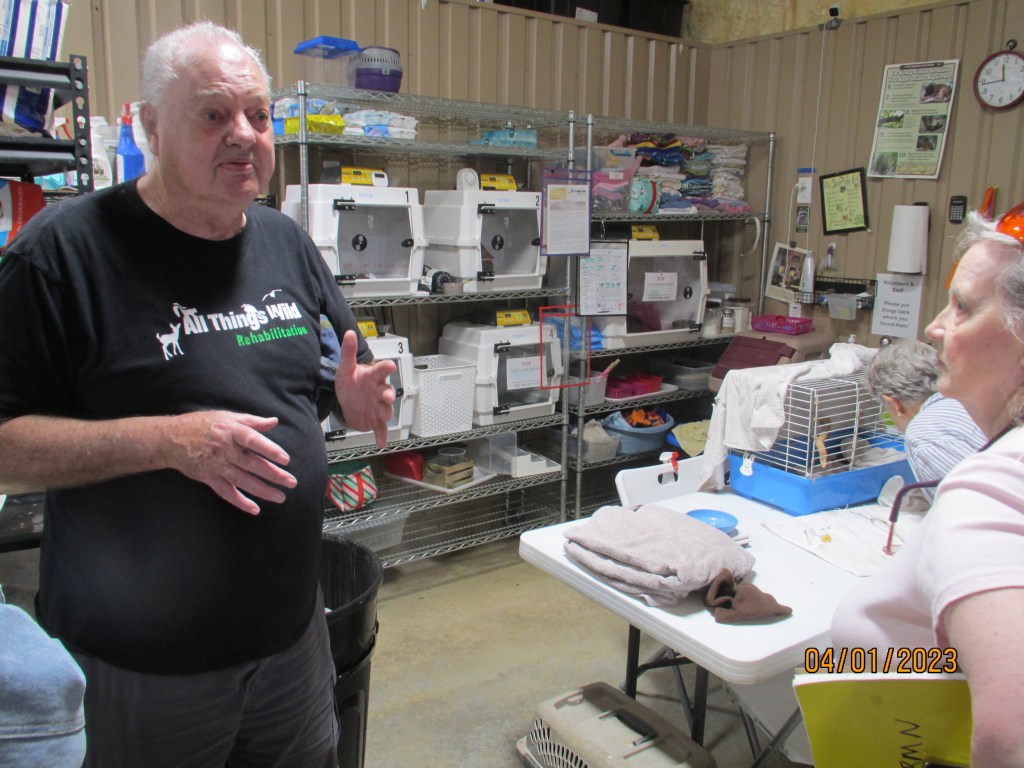
Checking out a building

Up until a few years ago, volunteers worked from their homes fostering the animals. With donations from supporters, they have built a large building to house the ill, perform surgery, and manage the organization. They have outside habitats for those getting closer to being released. Just recently, they received some buildings to add to their range. They are building an office and an education room that will seat up to 60 students. 
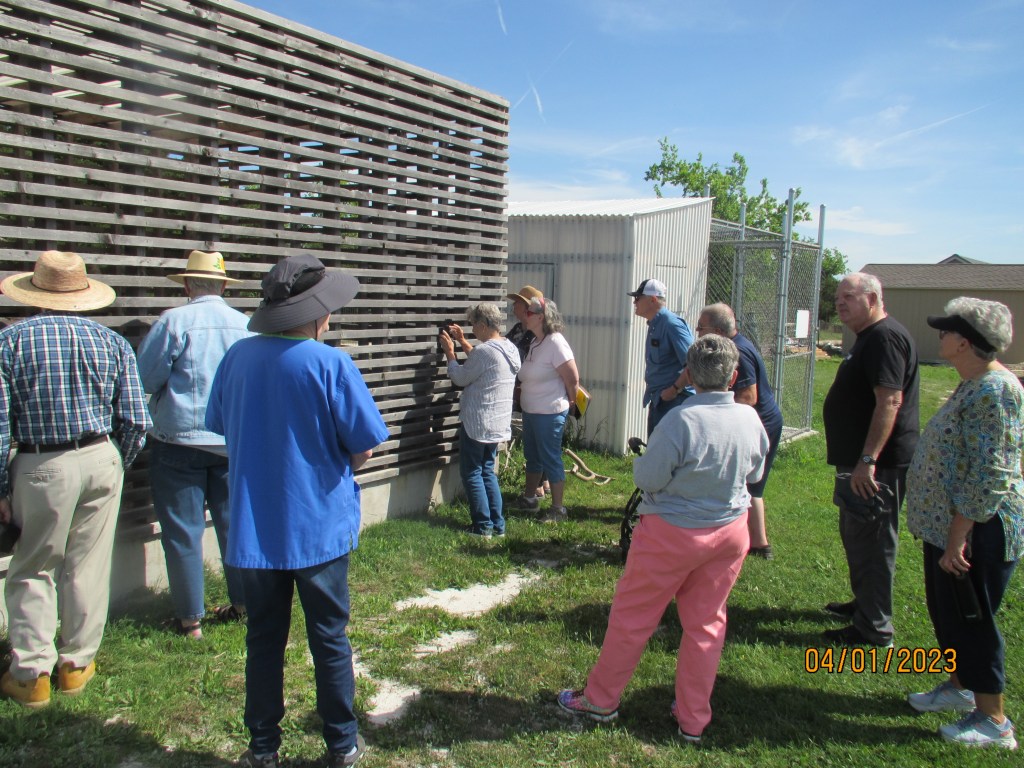
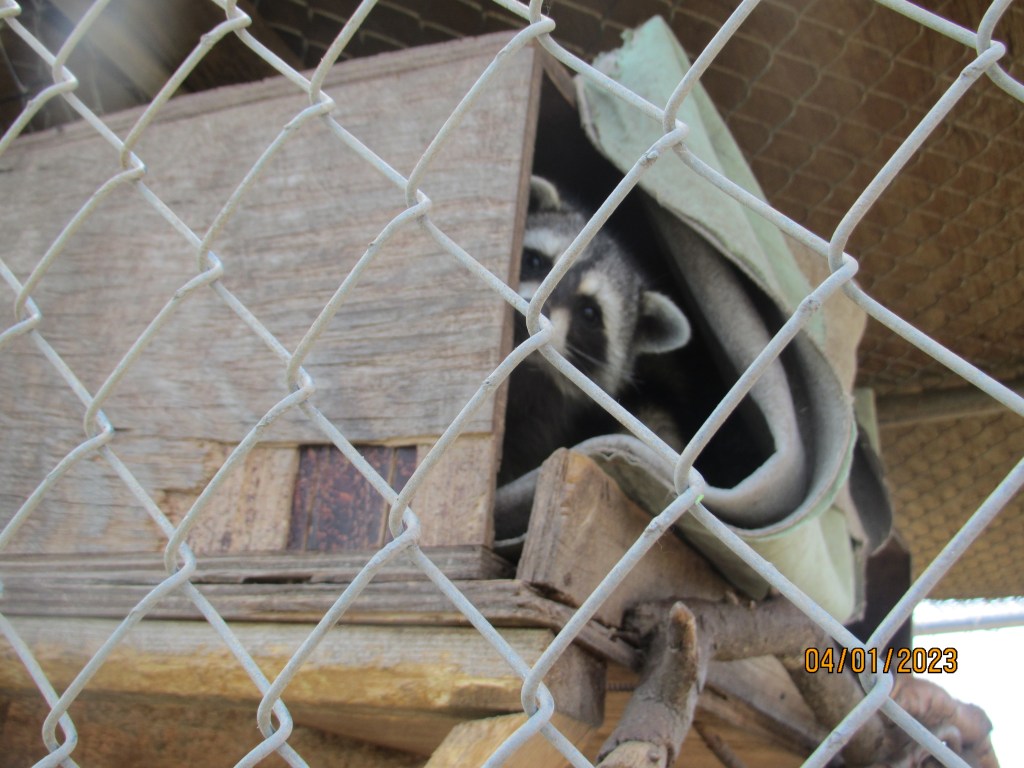
Peeking

They operate on donations. They can use money or items they are frequently in need of at the place. If you’d like to know more, check out the web site at Wildlife Rehabilitation & Education – All Things Wild Rehabilitation

There was a lot to see!

Here and There

by Catherine Johnson

The last few months have been busy with ice storms, native plant nursery tours and work at our chapter’s Milam  Wildscape.

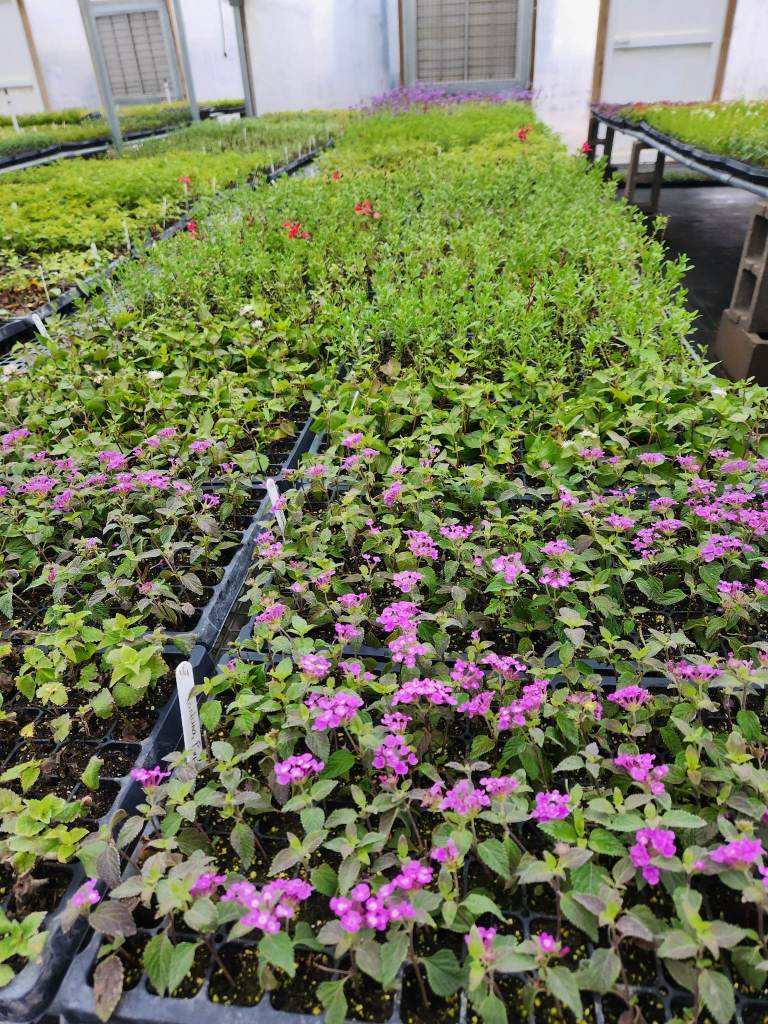
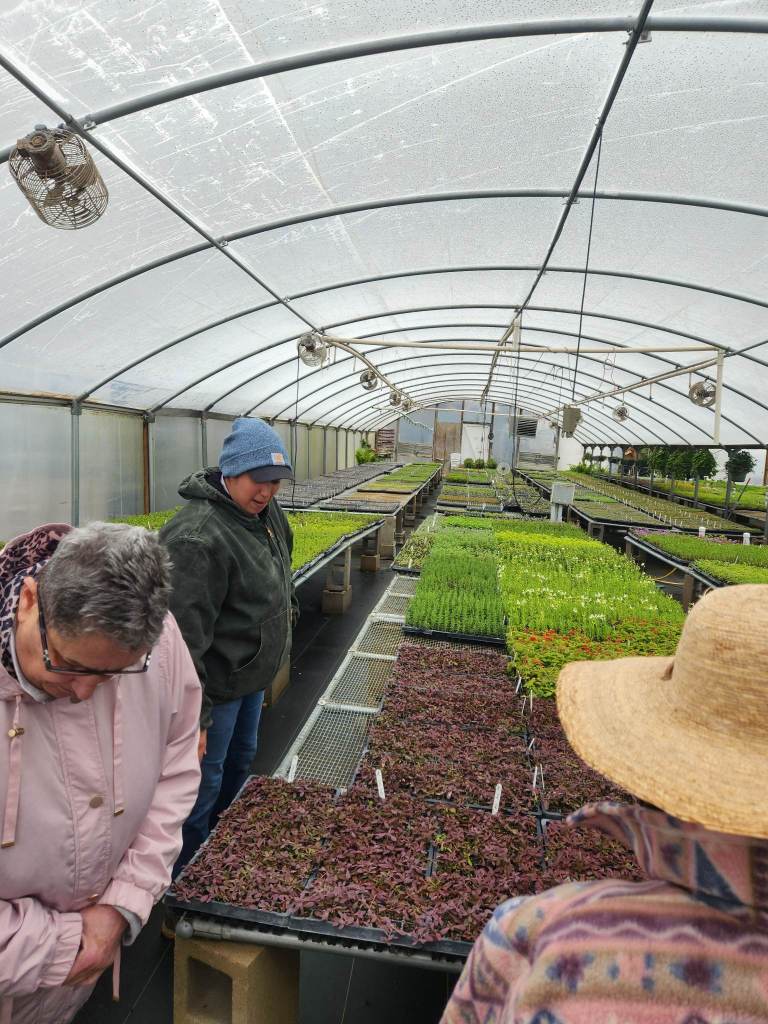
The tour guides Mandy and Brandon taught us about wholesale plant operations and we were able to view many beautiful Texas native plants.  The interest in using natives in landscaping is increasing and both businesses are expanding. 

Volunteers at our Wildscape have been working to prepare for upcoming educational programs and tours.  Hope to see you there.

Thank you to Gary Johnson for driving us to Native Texas Nursery and to Patricia Coombs for taking pictures at Joss Nursery.

Field Trip to Native Texas Nursery

by Debbi Harris

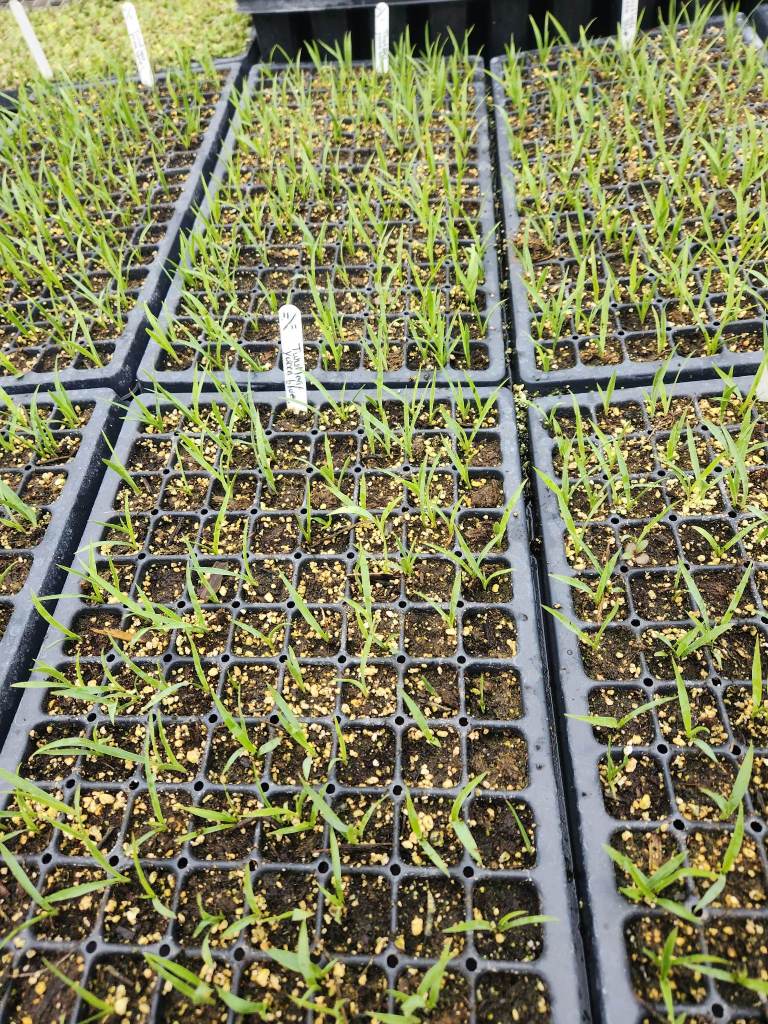
Last week, members of our Chapter went on a field trip to the Native Texas Nursery in Manor. The trip was organized by Catherine Johnson, who uses them as a source for many of the plants in our Wildcape. The nursery has 40 acres of outdoor plantings and greenhouses, called casas by the team.

Entrance

We had a great tour guide, Mandy Pixler, and learned a lot about how native plants are propagated from her.

More information on the trip is found in the captions on the photos below!

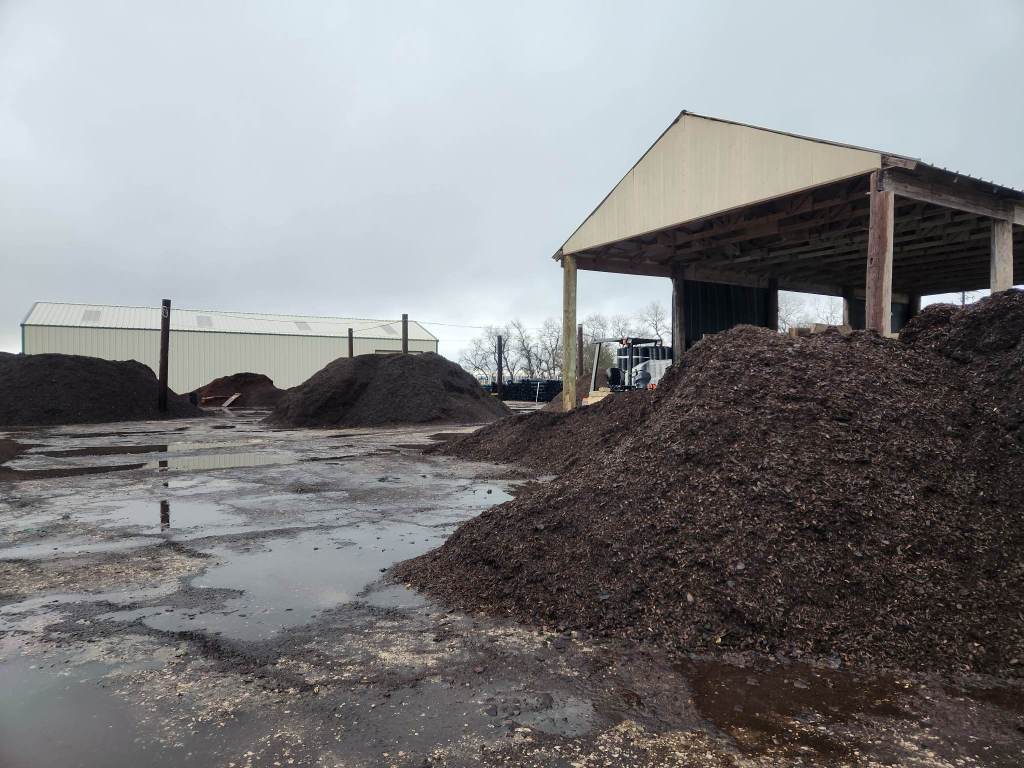
The area where they mix up bins of soil was very interesting. Here is where they put the soil into different sizes of pots.

Lots and lots of pots.

Learning about Biodiversity

by Sue Ann Kendall

This is what I intended to post last month and forgot to. Seeing the spoonbills on my property yesterday made me realize I’d forgotten to share this with our Chapter and friends. I hope you enjoy these belated observations.


On August 18, I enjoyed a visit to the Texas A&M Biodiversity Research and Teaching Collections. Pamela Neeley and I drove over and met up with Linda Jo Conn and her granddaughter, who’s high school age, and enjoyed it as much as we did, I think. We were sad that more of our group couldn’t join us.

Art is from 3D images of animals.

Our guides were curators Heather Prestridge, an ichthyologist, and Gary Voelker, an ornithologist. They were informal with our small group, informative, and entertaining as well. I had a blast learning about how many specimens they have, how long the collection has been growing (since the 1930s), and how they preserve the animals for research.

Specimen jars. Stop here if you don’t want to see preserved animals and such.

The collections of herps (snakes, lizards, frogs, etc.) are immense. It’s cool to see where they all come from. There is much from Texas but also around the world. They are preserved in formaldehyde.

The fish were fascinating as well. My favorite was the box fish. There were just so many to categorize. Wow. There’s a lot of work for their grad students and volunteers! The other thing they do with the specimens is take tissue samples and freeze them (really cold) for future research on DNA and the like. What a resource this is!

Of course the birds fascinated me. I was probably really annoying with all my questions but wow, there were things here I’d never seen before, like the Hoatzin. What the heck. This bird’s young have claws on their wings!! It’s also called a stink bird, because it digests food in its crop, which is smelly. It’s a really different bird!

Pamela is amazed at the hoatzin bird

Dr. Voelker was great at sharing information about the birds. We saw the largest and smallest owls and an awesome variety of kingfishers, some that were an indescribable blue. Africa has some darn colorful birds.

Look at these roseate spoonbills. They are so many shades of pink. and I was fascinated to see the bill up close. Such specialization!

There was a lovely domed collection of hummingbirds that had been donated to Heather. Someone had it in their family for years!

That’s something else!

I’ll spare you the details but we learned about 3D imaging and printing of specimens. They find what’s in the animals’ stomachs and can ID them. Huh.

And look! A giraffe skull! Look at the horns!

They didn’t talk much about boring old mammals but I checked them out.

El Camino Real Chapter Members Attack! (More on Tree Girdling)

by Linda Jo Conn

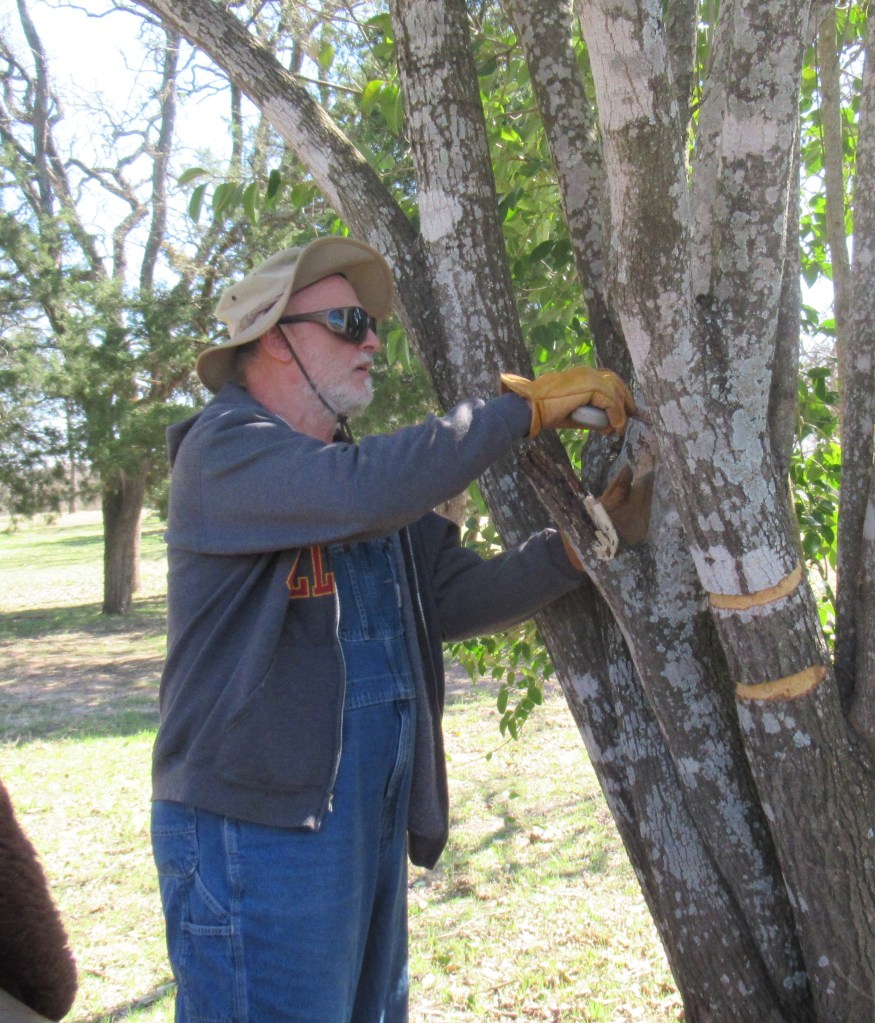
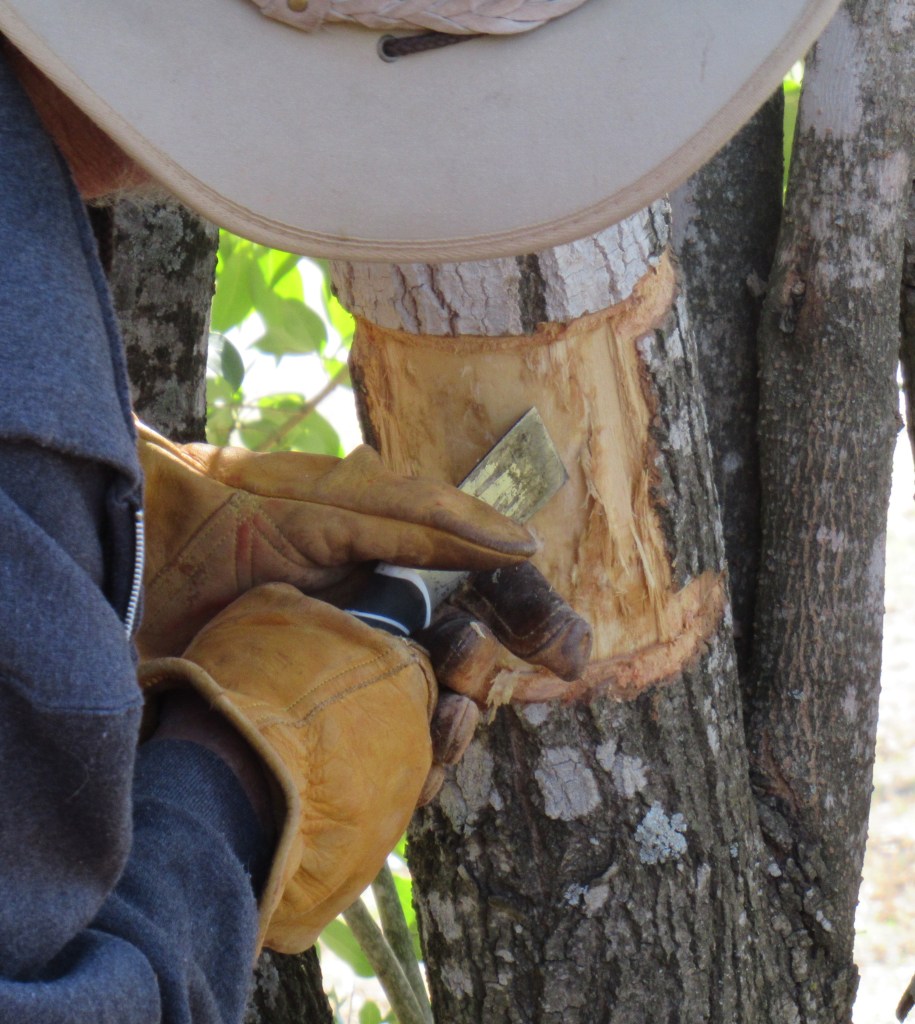
While I and a couple of others watched, a group of hard-working El Camino Real Texas Master Naturalist members and trainees girdled three of the large specimens of invasive Glossy Privets (Ligustrum lucidum) on the grounds of the Wilson-Ledbetter Park in Cameron.  The weather cooperated. It was pleasant with a hint of a chill in the breeze. 

Cliff Tyllick, known to iNaturalists as “baldeagle”, is a self-appointed eradicator of invasive species.  He regularly leads volunteer groups in Austin at the Walnut Creek Metropolitan Park to remove invasive plants.  Read Cliff’s profile at https://www.inaturalist.org/people/baldeagle

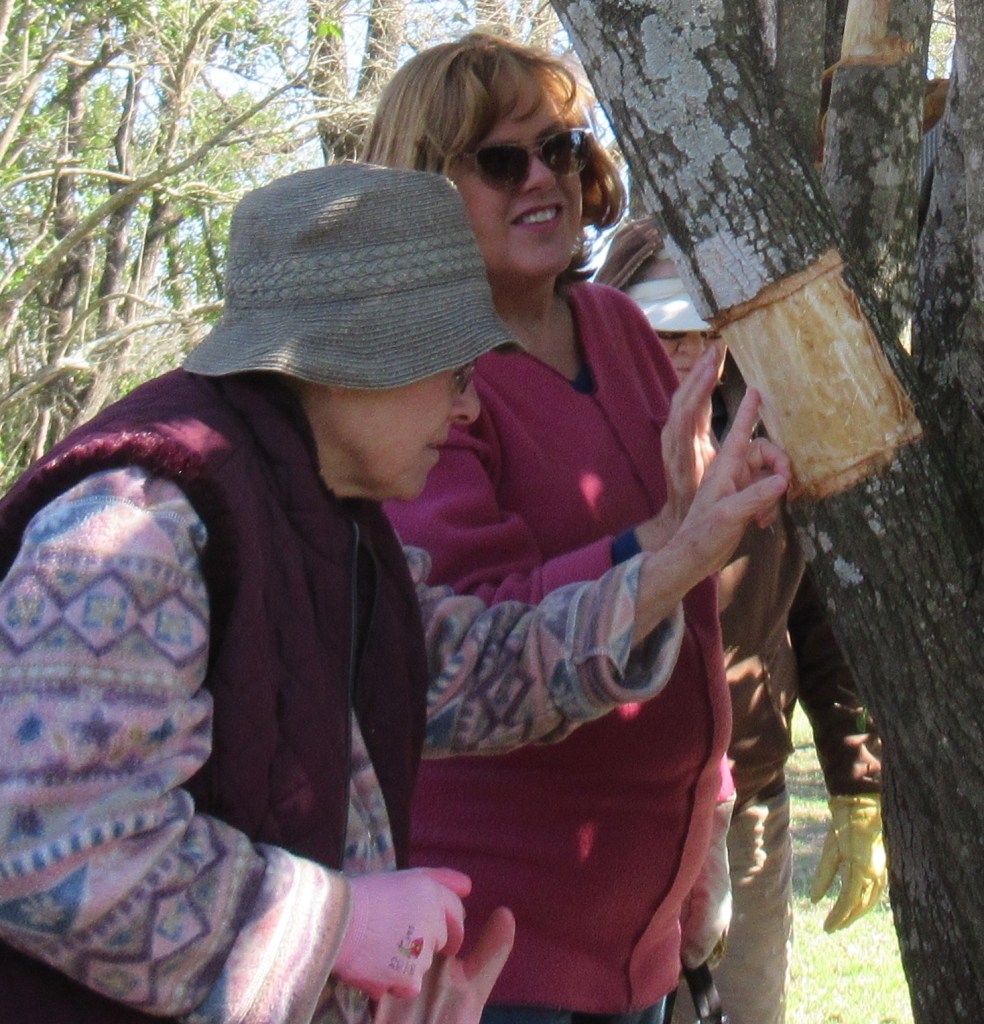
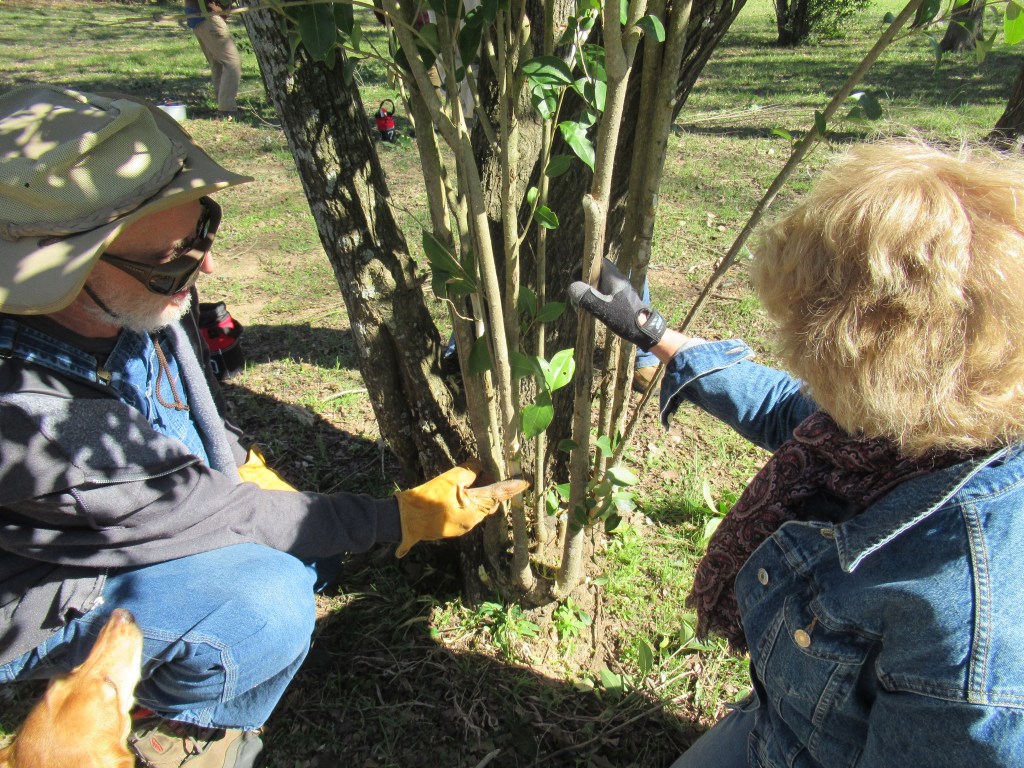
First, Cliff demonstrated the technique to the group and showed the proper use of each of the tools in his girdling kit. Several members came equipped with their own tools, some newly purchased, along with an eagerness to learn.  

Carolyn Henderson, ECR Chapter President and coordinator of the volunteer project, showed the determination that is necessary for the job. 

Cliff was always ready and eager to share his knowledge about tree growth and structure with the folks.  He explains the basics of a technique to trainee Linda Burgess.

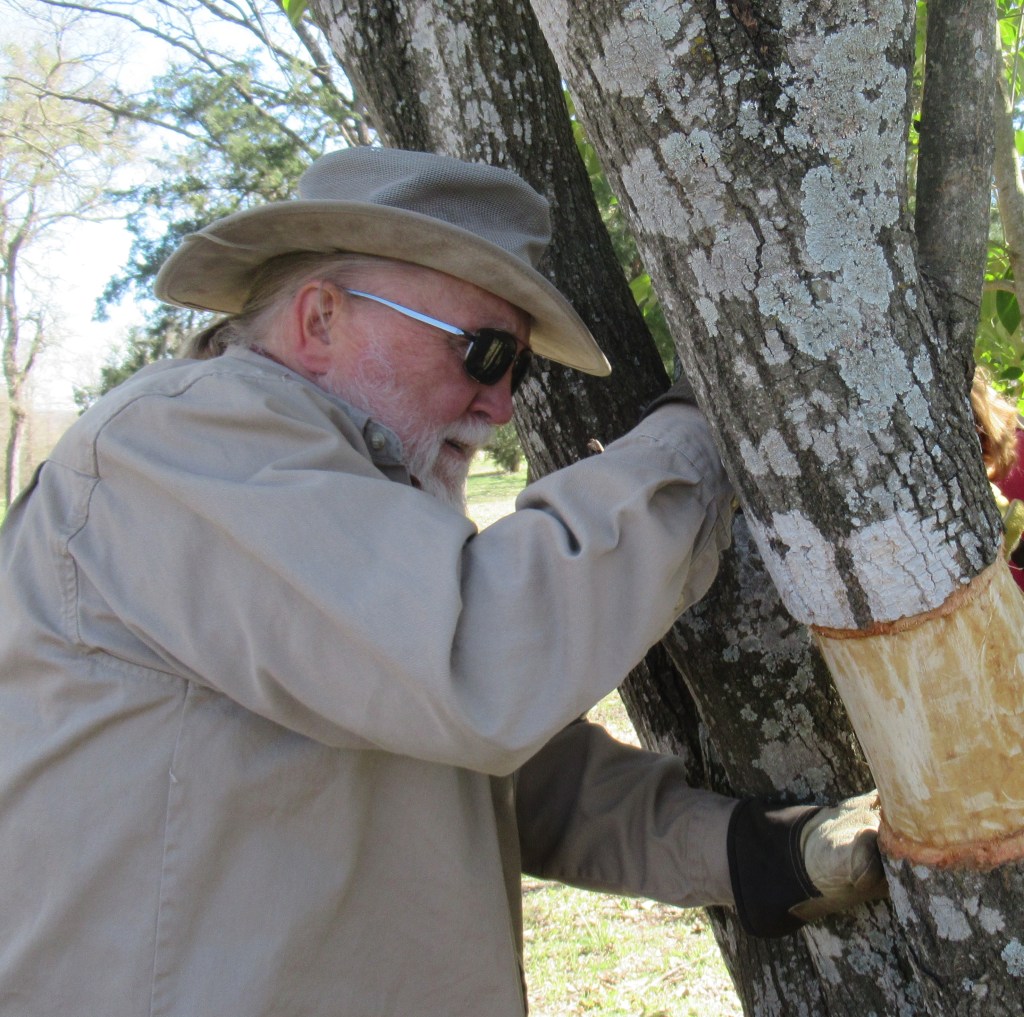
Mike Conner, a well-seasoned warrior against invasive and aggressive species on his own property, attacked and conquered several large and difficult trunks of privet.

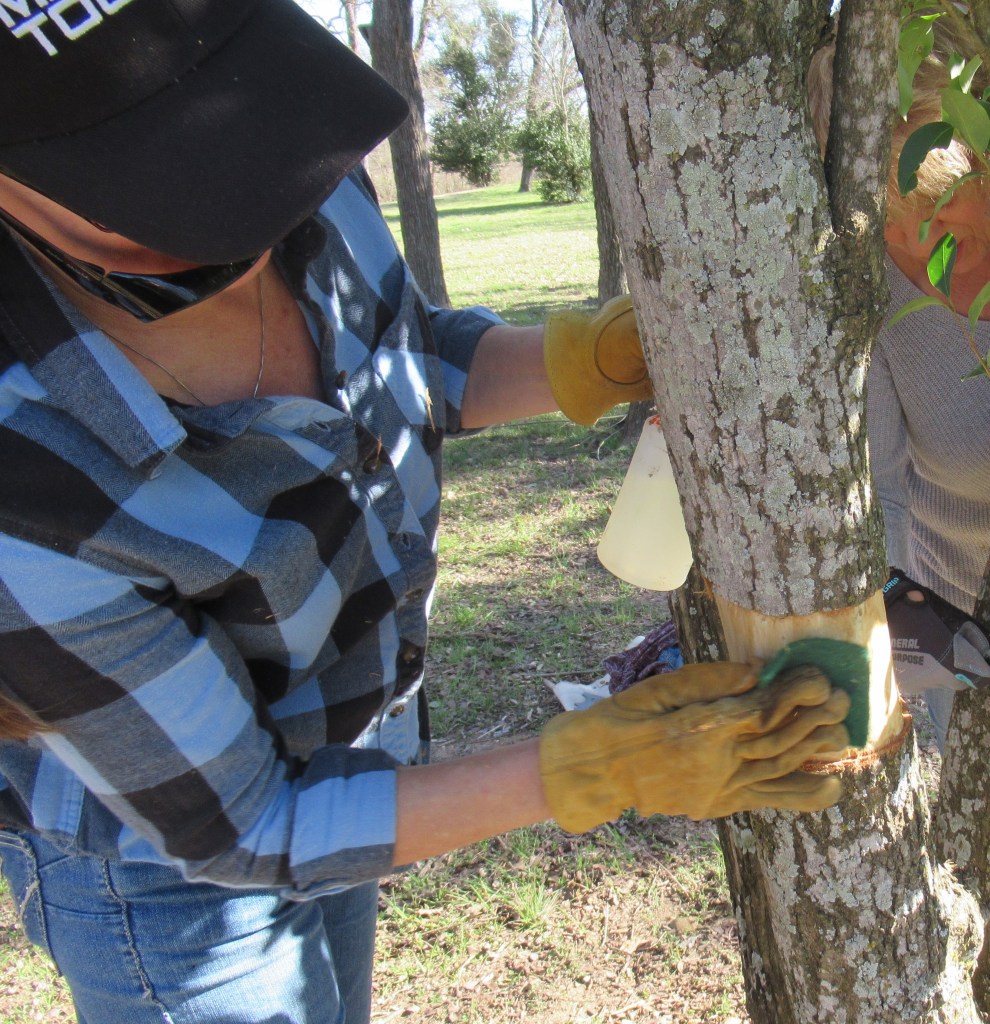
Mariann Buegler showed her grit and fortitude and is now at the final stages of the process using a spray bottle of 70% alcohol and a scrub pad.  

Catherine Johnson and Carolyn inspect the progress on a girdle. 

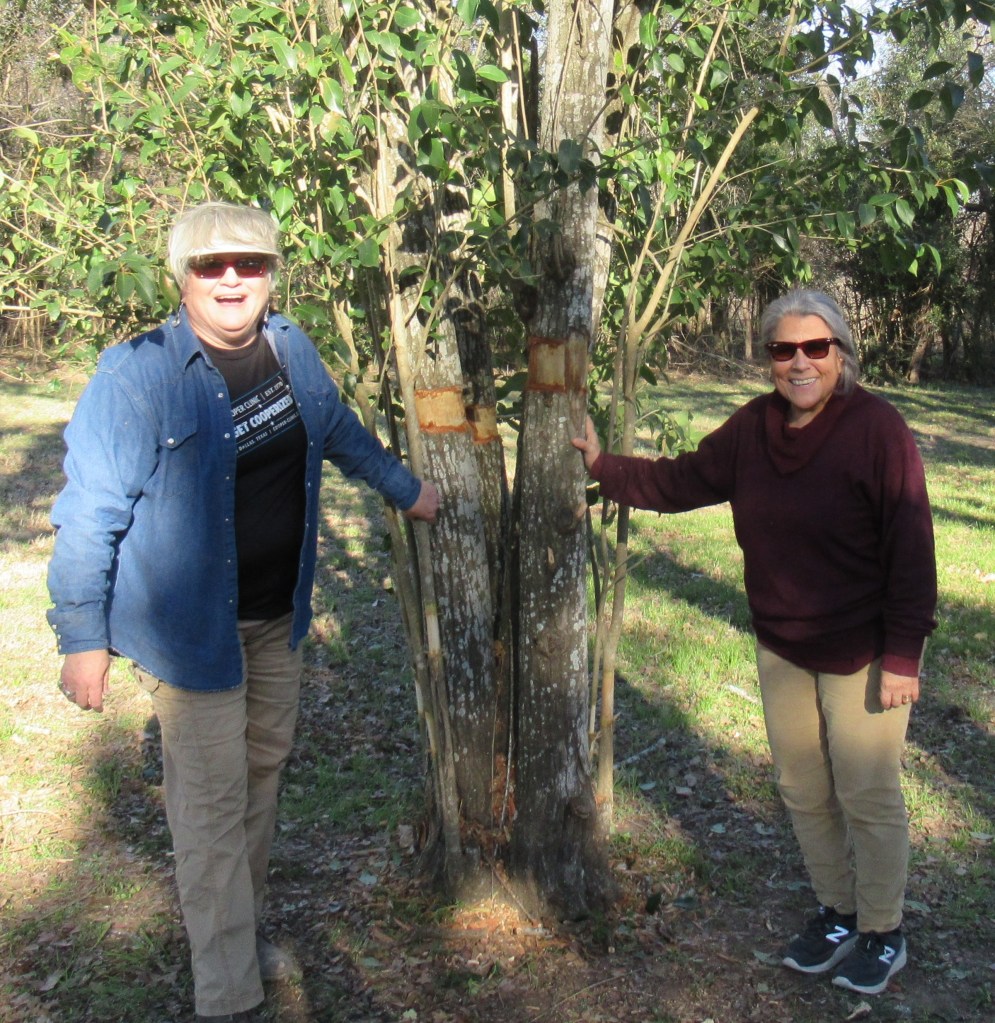
Debbie Sorenson and Liz Lewis are rightfully proud of their finished girdling job. Great work! 

For an instructional guide on girdling of invasive species, watch “Girdling Invasive Trees with Cliff Tyllick” below (this is the same one that our other tree girdling post featured): 

Not only did we learn about the technique of girdling to eliminate invasive species without the use of herbicides from Cliff, we also learned about the detrimental effects of invasive species in the natural ecology.  

Linda and Cliff

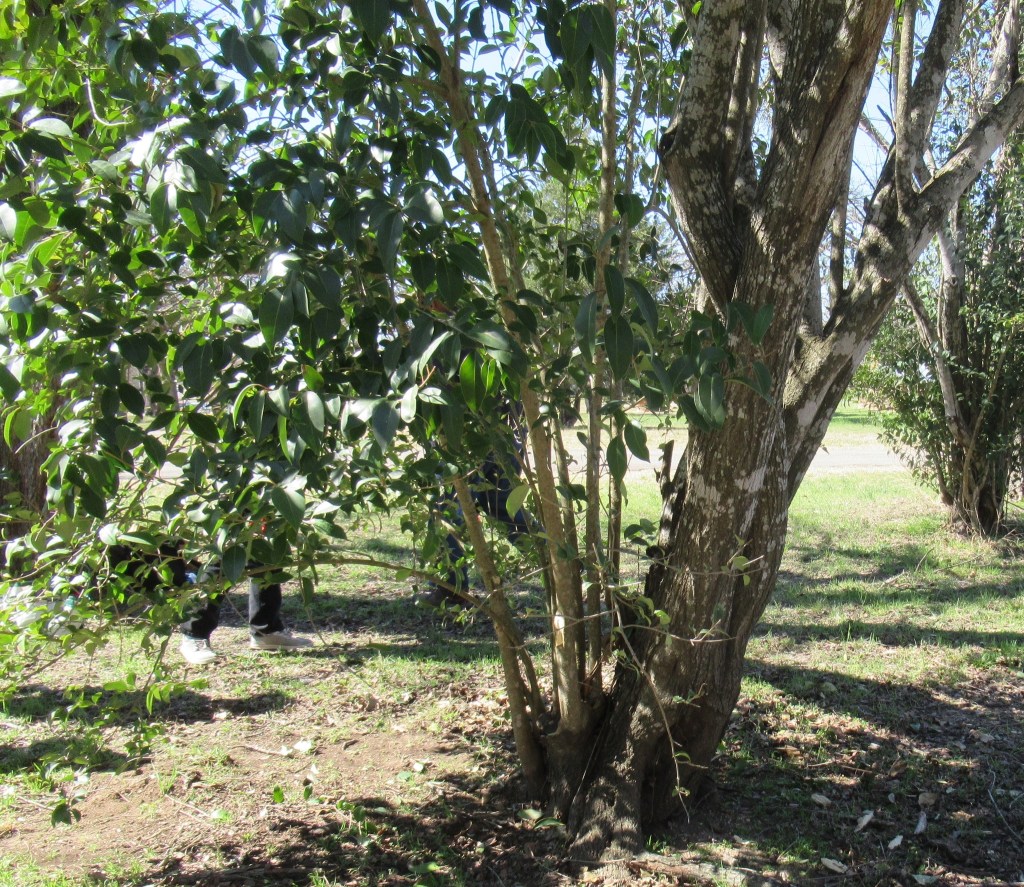
To view one of the Glossy Privets attacked by the group, see my iNat observation at: https://www.inaturalist.org/observations/108564382.  The privet will be revisited several times in the future to document its demise and the success of the workday by a remarkable group of ECR volunteers. 

The tree I am tracking.