Hot Time, Summer in the City…

…back of my neck getting dirty and gritty

by Donna Lewis

Remember that song?

Yes, it is hot and dry. Remember to keep water in the shade if you can and plenty of it for the wild things. I have over 50 Cardinals that wait for me every day now. I bet my electricity bill is going to be a whopper from running our well to get water for them.
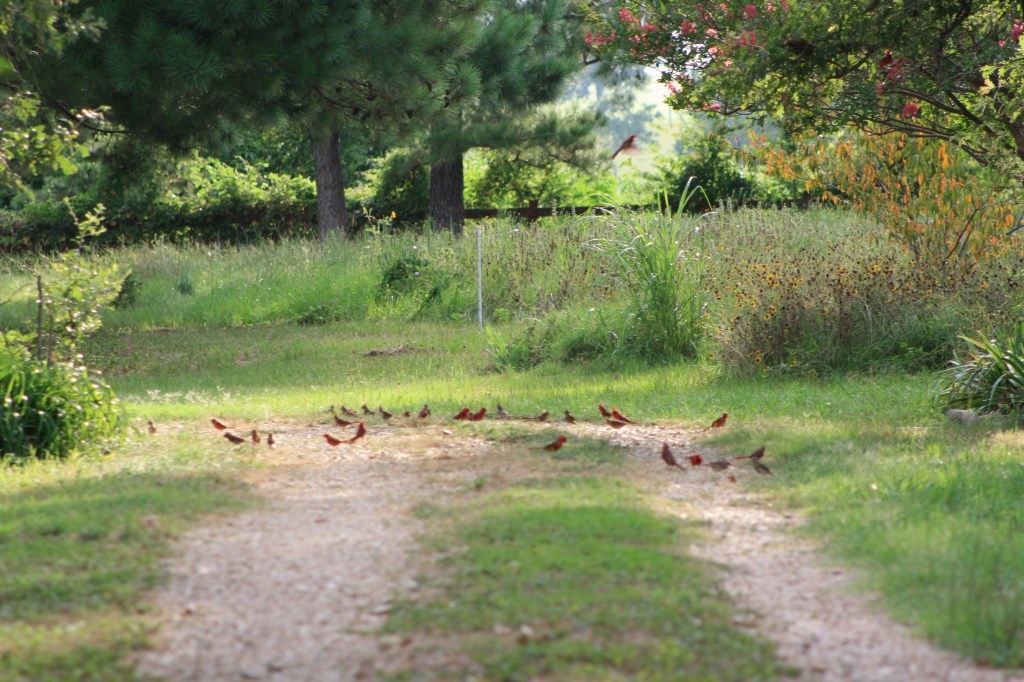
That is a LOT of cardinals

The bunnies are drinking along with all our other wild friends also.
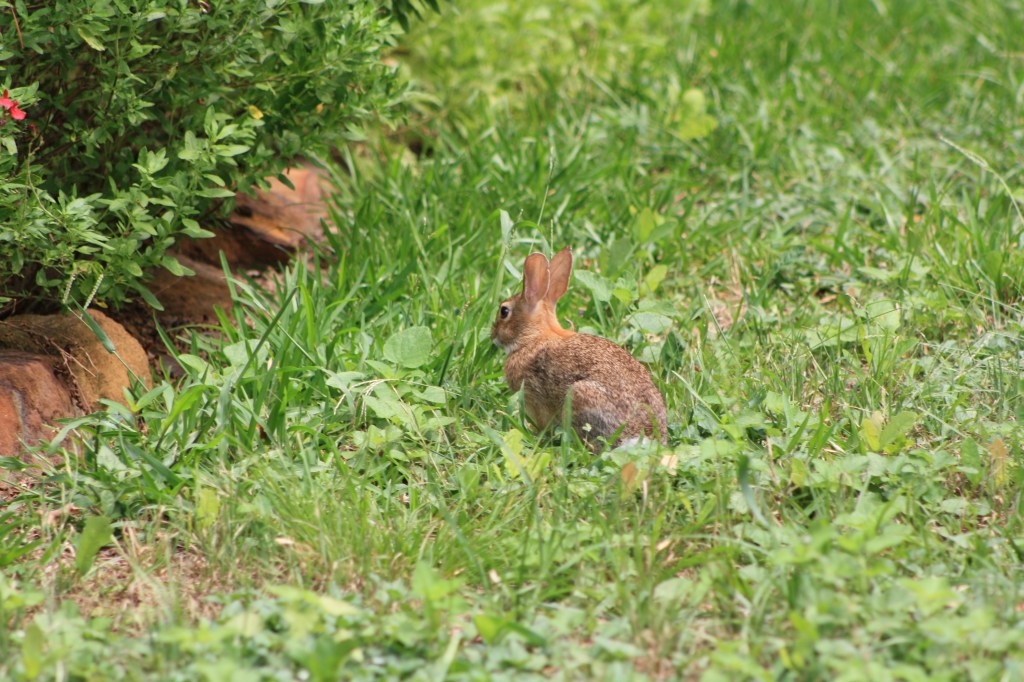
Cottontails appreciate our help.

A few days ago, I heard some strange clicking noises way up in a pine tree, I waited a long time to see what it was. It was some kind of bird I had never seen before.
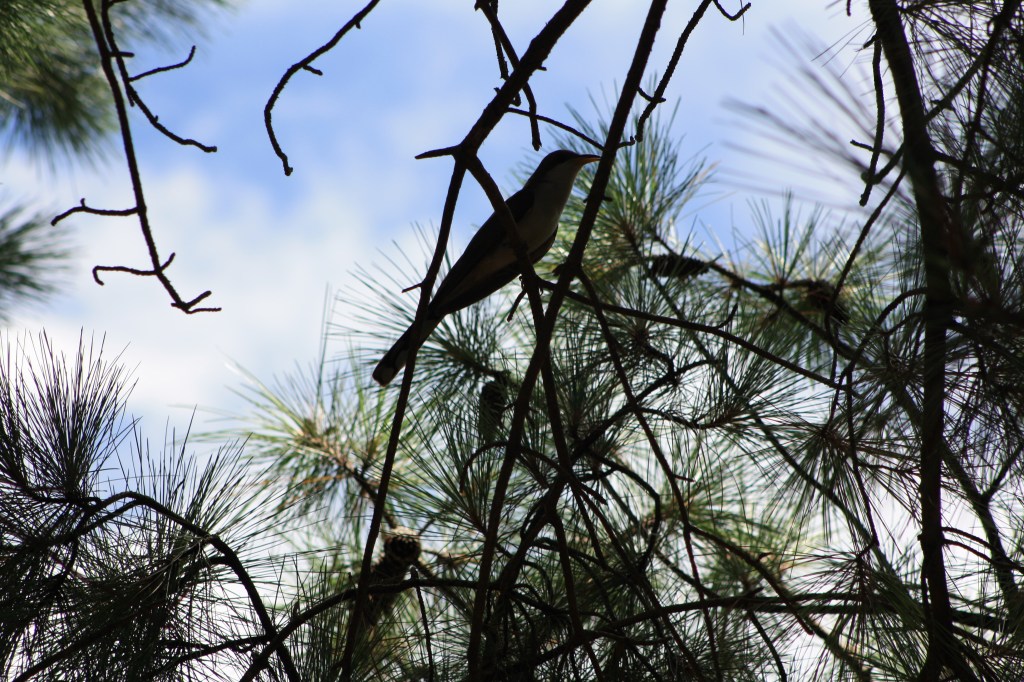
Yellow-billed cuckoos are elusive and often easiest to identify by their sound.

After several days of trying to ID it, I finally found it in a field guide. It was a pair of Yellow Billed Cuckoos!  I had never seen them before. It’s interesting to add them to my bird list.

Most of the wildflowers are going to seed now and the pastures look awful.
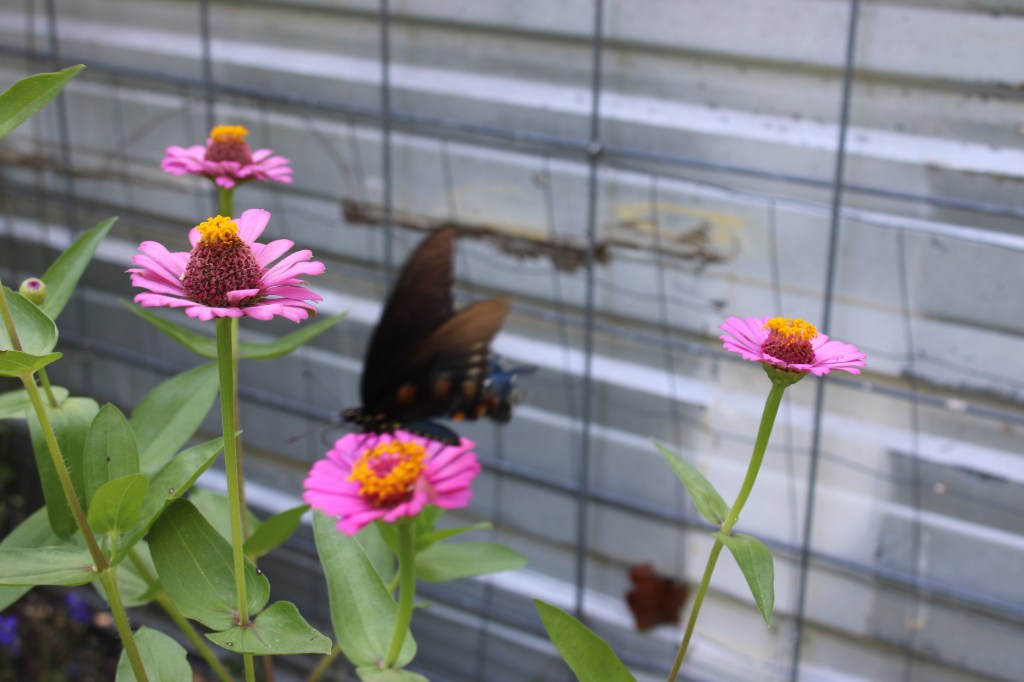
In the garden I fight to keep anything alive for the butterflies and hummingbirds.
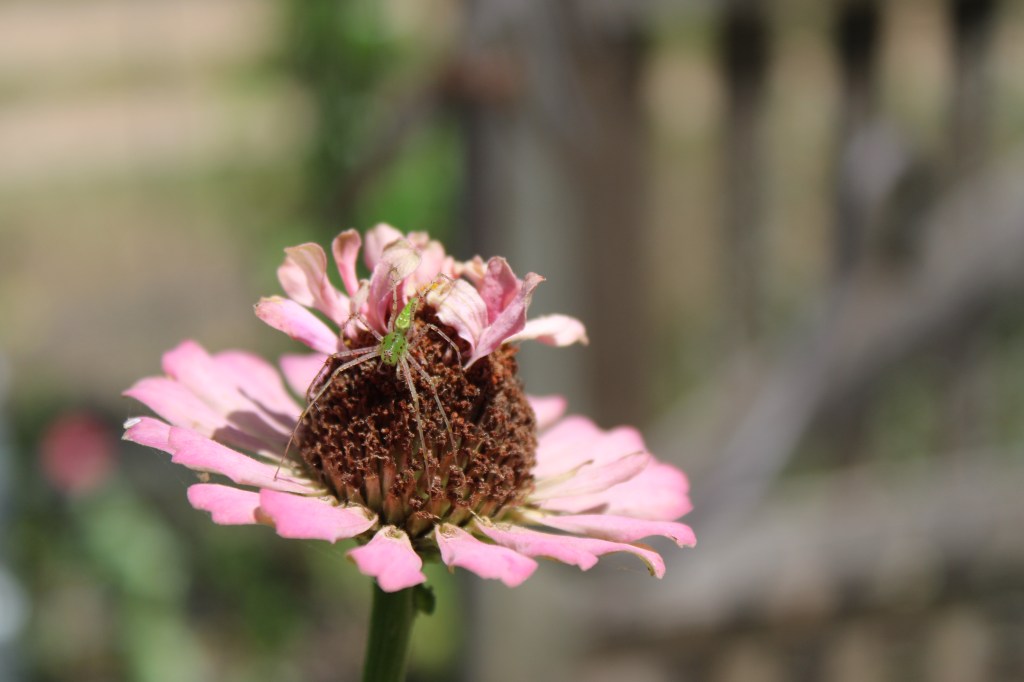
And lynx spiders, too.

I do have a lot of Gulf Coast Fritillaries, Swallowtails, and Sulfurs still flying around.

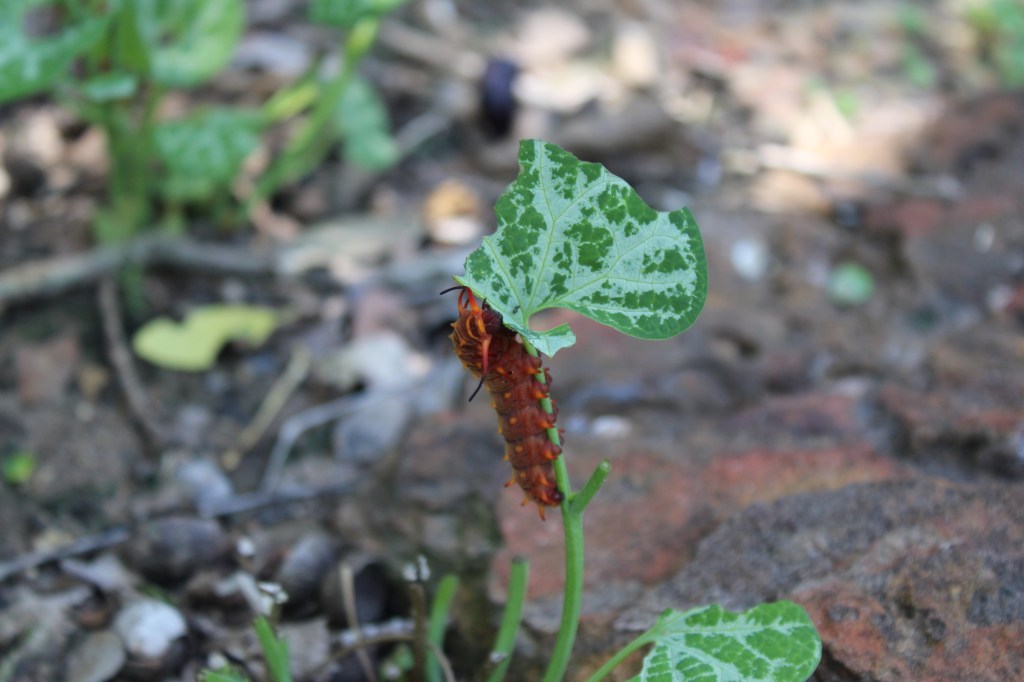
There is also a new batch of the red version of the Pipevine Swallowtail caterpillars.
So, enjoy what nature is around you now because the heat is hard on them too.

Remember who you are gardening for.
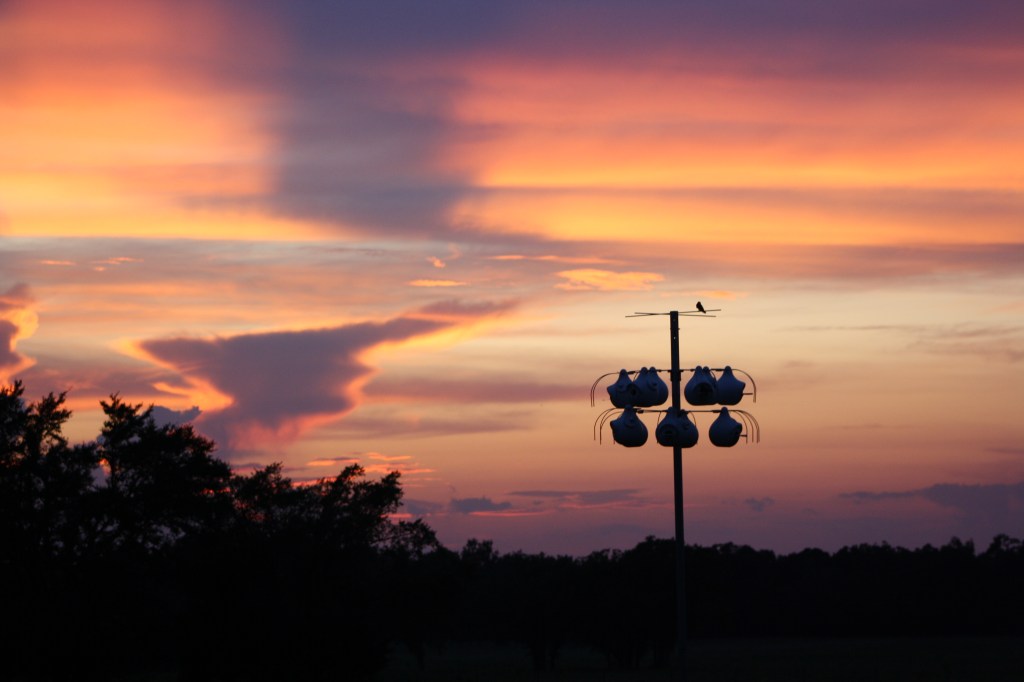
Purple Martin Update

by Donna Lewis

Right now, it is very hot here in Central Texas. In fact, we are setting records for elevated temperatures.  So, how does this affect the Purple Martins who live here part of the year?

The Martins that arrive here first around January and February get their eggs laid first and their babies leave the houses first. Once they fledge and are living outside in the trees like other birds, they are not living in the houses. The trees provide shade and are so much cooler for them. So, the earlier the better. Of course, the early Martins also risk late freezes. Nature is always a challenge for any living creature that lives outside.

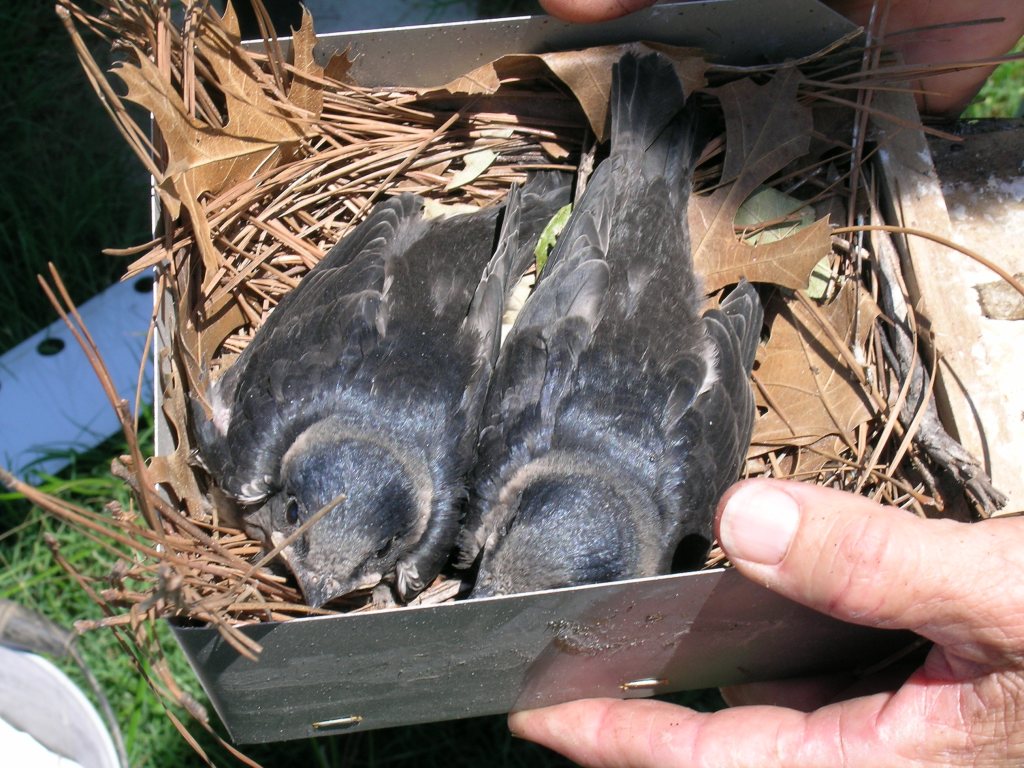
This year the Martins at my location have fared pretty well.  I have noticed some heat related deaths now in June and July.  As of today (July 4, 2023) I have only two babies still in the gourds and they should fledge any day now. Believe me, they need to. I don’t know how these two have survived the heat. I am sure the parents will be happy also.

Babies!

Most of the Martins are training their new offspring to hunt and fly right now. The trip to Brazil will be coming soon. If they are not strong enough, they will not make the journey to their winter home.  Keep in mind, the new Martins have never been to Brazil before. Their first try must be successful.   

I always think of it as the young are getting their “driver’s license” now.  Martins live from 5 to 7 years as a rule.  So, if they are lucky, they will make the trip to the US and back to Brazil several times. It is amazing that any of them survive at all.  Weather, lack of insects to eat, and predators are always out there.

The Martins sing a lovely song when they court in the spring. It is one of the reasons humans love them so much.

I am sure they are talking to their young now and saying, ” What an adventure you are about to undertake.” 

Happy birding.

Water Needs for Plants and Our Wild Friends

by Donna Lewis

Right now it’s 7:00 am and go outside to put up the bird feeders and fill up all the bird baths.

The birds are eagerly awaiting my food offerings. The mosquitoes are waiting just for me! I have to wear long sleeves that I hate.

This is delicious!

Anyway, we need to remember our birds, bunnies and other critters need water that is accessible.  Putting it under some shade helps keep yhrm a little cooler. Of course, that also gives the cats a place to hide and pounce. So, use common sense about water placement.

Bird baths should be varied in height. That gives everyone a chance to drink. Make sure to put a stone in the bottom so the babies don’t drown.

I fill all (10) of them every day.  And people wonder why I have so many birds.

So many feeders!

In the evening as a treat, I will put out a sprinkler in one area and leave it on for about 30 minutes.   The birds go crazy and call all their friends.  It’s great to watch them.

The morning is also a good time to water the plants in your garden.

Remember if you use sprinklers, you wash off the nectar on a plant which takes hours to replace. So, watering under the leaves and flowers is the best.  I know it is not always possible to do that.   In that case rotate the watering, so there is always nectar on some of the plants.

Helpful rocks!

Don’t forget to place your hummingbird feeders under a shaded area and change it out every three days when it is hot. It’s always hot here in Texas.

I hope these tips help.

Remember who you are gardening for.

Rain and Gopher Holes

by Donna Lewis

Well , we prayed for rain and we got it! Tons of it and in a short amount of time.

Sadly, it was not a good thing at our place here in Central Texas.   It went into our barn, our well house, our front and back porch, and every inch of our pasture and my garden!

Thankfully, it did not get in the house.

We must have at least a million gophers that live under our property.  Lucky us. So, when tons of water go in those holes, it must come out somewhere.

So, falling from the sky and coming up from the ground, it did a number on the pollinator garden.  And wouldn’t you know it, it was really starting to shine.

This will take some work to repair. It would have been a much easier task when I was younger. But I will just do the best I can.  We never give up.

You never know what Mother Nature has planned.

Lemon Mint or Purple Horsemint

by Donna Lewis

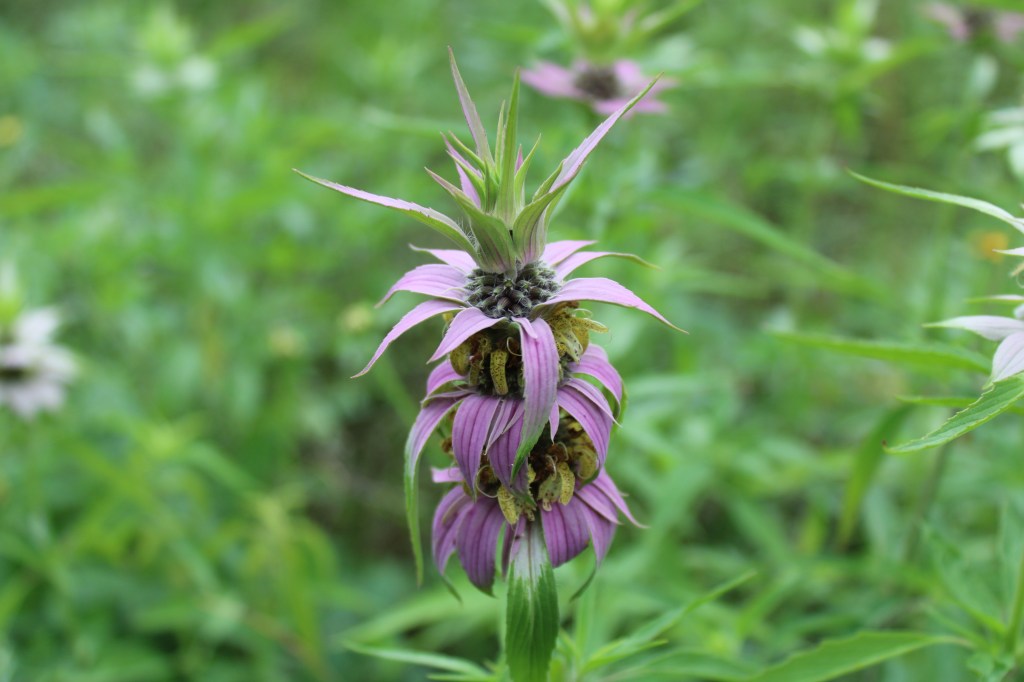
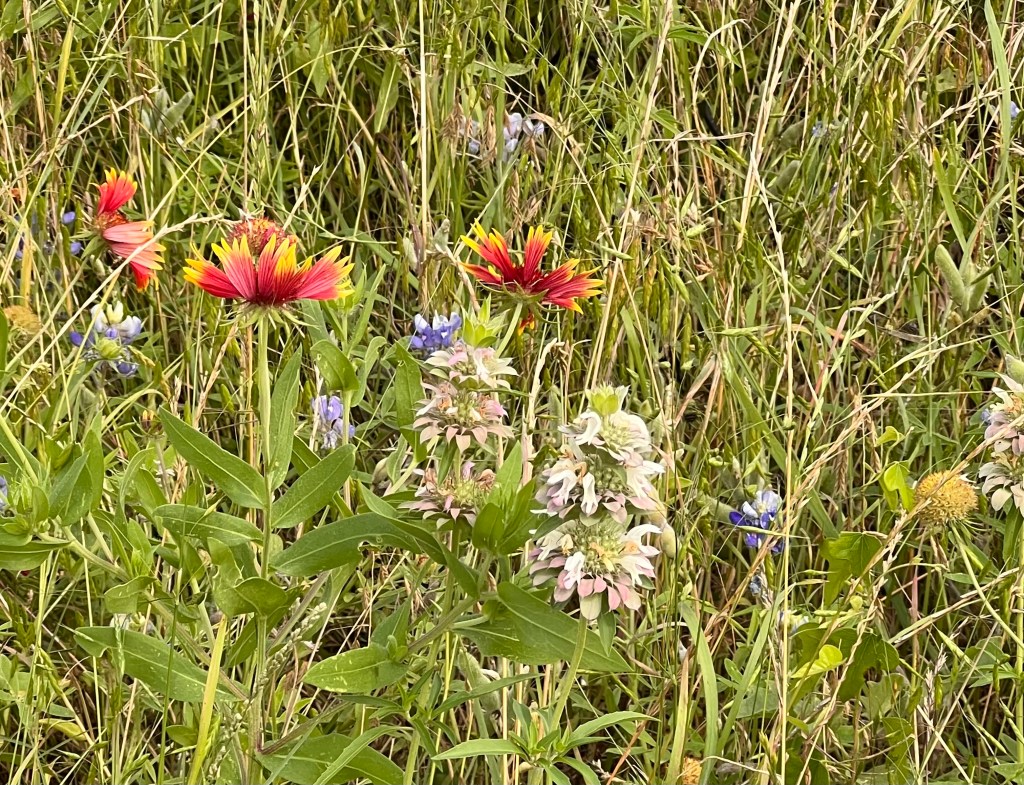
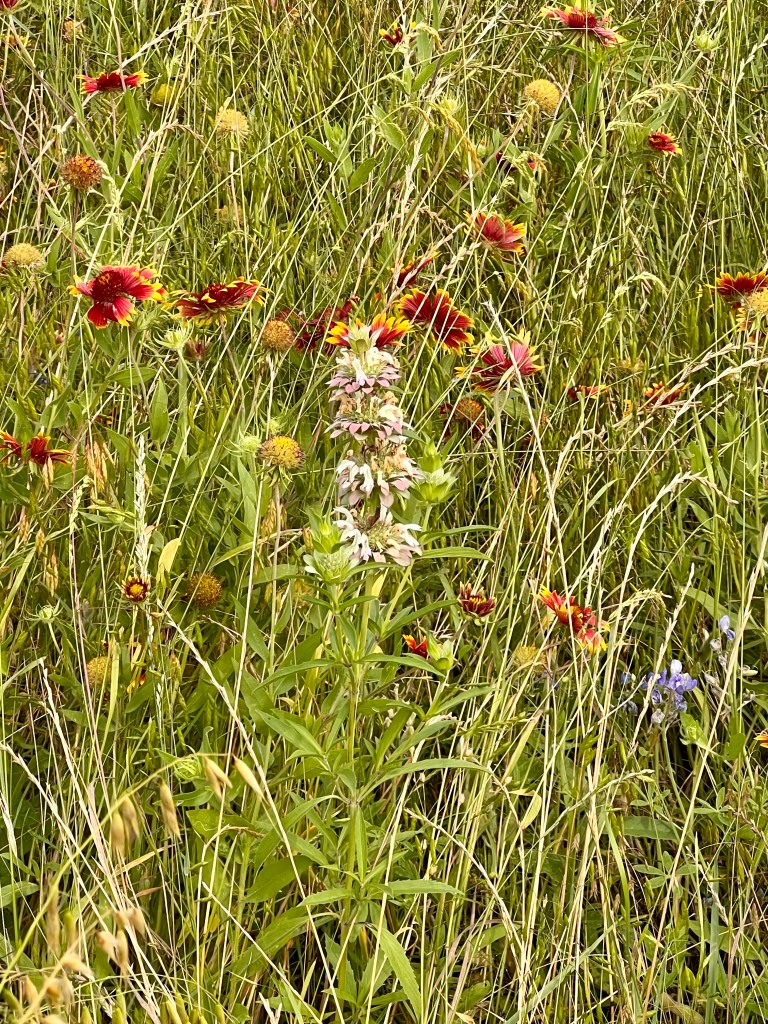
Many of us who own some acreage probably are seeing this unusual plant right about now It goes by several names: Beebalm, Plains Horsemint, Lemon Beebalm, or Purple Horsemint, while its Latin name is Monarda citriodora.  Wow…who knows what to call it?  I don’t think the botanists can agree.  Myself, I like easy things to remember.

I also have noticed that after looking in four different reference books from my own library, it can look very different from the photo in each book.  That is confusing for sure. I think the soil has something to do with the shade of pale yellow and the purple color.

This one at Donna’s house is quite purple.

This plant likes dry, sandy, or rocky soils. It grows one to three feet tall with leaves up to two to three inches long and is a member of the mint family. It is an important pollinator plant here in Texas.

This one is from the Walker’s Creek area near Cameron and is more pink. Photo by Sue Ann Kendall.

So don’t mow it down, it’s NOT a weed.

Have you done something for the planet today?