As you are aware if you live in Central Texas, the weather has been cold and very windy as of late.
My Purple Martin Colony has had to deal with a number of very difficult weather events. Windy conditions mean that flying insects are not flying. Many are grounded until the winds die down. No insects mean no food for Martins.
Last night, I watched my Gourd Houses as my Martins returned to their homes just as dusk appeared. The little bit of the sun setting was enough for me to see them.
As I turned to go back in my house, I heard them chirping very softly to each other. That was not normal as they are generally quiet when they come in for the night.
An hour later it was completely dark and I went out on my porch again to check on them. They were still softly singing. Every gourd had music for all to hear. What a heartwarming moment. It made me sad and glad at the same time.
All living things are important to this world. They may even care for each other more than we are aware of. We must remember to protect this earth, not just for them, but for us too.
A sweet event I was fortunate to witness. Remember our fellow earthly creatures…
Yes, it is already that time when our Purple Martin friends will start their migration from Brazil back to North America. Yes, the early ones will still face freezing and other harsh weather events.
I wish I could ask them to wait a little longer, but instinct is urging them onward. The scouts (who are not the youngest birds) hope to find the best housing first…
As of today, 1/30/2025, sightings have been called in for San Antonio, Austin, Houston, and a few more Texas sites. Central Texas does not have a certified sighting as yet. I hope that myself or our Landlord in Buckholtz will win that honor. We’ll know soon. I am watching for them all day..
First of all, your houses (gourds, or apartments) should be cleaned, and with added pine-needles if you do that. I also added pine-needles to my Blue-bird houses. The openings should be blocked off so no sparrows, other birds, or insects can get in them. You need to check yourself. Do not open the housing until the first scouts land on the houses. If you are looking for the Martins you will see or hear them. Then open a few of the cavities, not all of them. I usually will pick four to open.
You do not want the non-native birds (House Sparrows or Starlings) to get in the houses. These birds will kill the Martins for the nests. Trust me, it is not a pretty thing to see. I think keeping predators and non-native birds out is the hardest thing landlords have to deal with.
Right now my gourd rack is lowered and ready to open. This coming week I will get the apartment house ready to raise up.
I have had back issues this past year, so I will have to have some help caring for my friends this year.. But I will help them out as long as I can. Their song is so addictive that most Landlords that love and care for these native birds will do it until the end of their life. A gift from Mother Earth. Their songs are like no other.
Here are some photos showing me stuffing the gourds with fresh pine-needles that will help keep the birds warm and give them a start on nest building that will come later.
We can expect to have Martins here with us for about six months, until they leave for their winter home in Brazil. again.
Birds can lift a sad spirit. No matter what the world is going through, every day they go about their business with joy and sing to us. How lovely.
Remember who you want to call to your home, and furnish what they need. They will come.
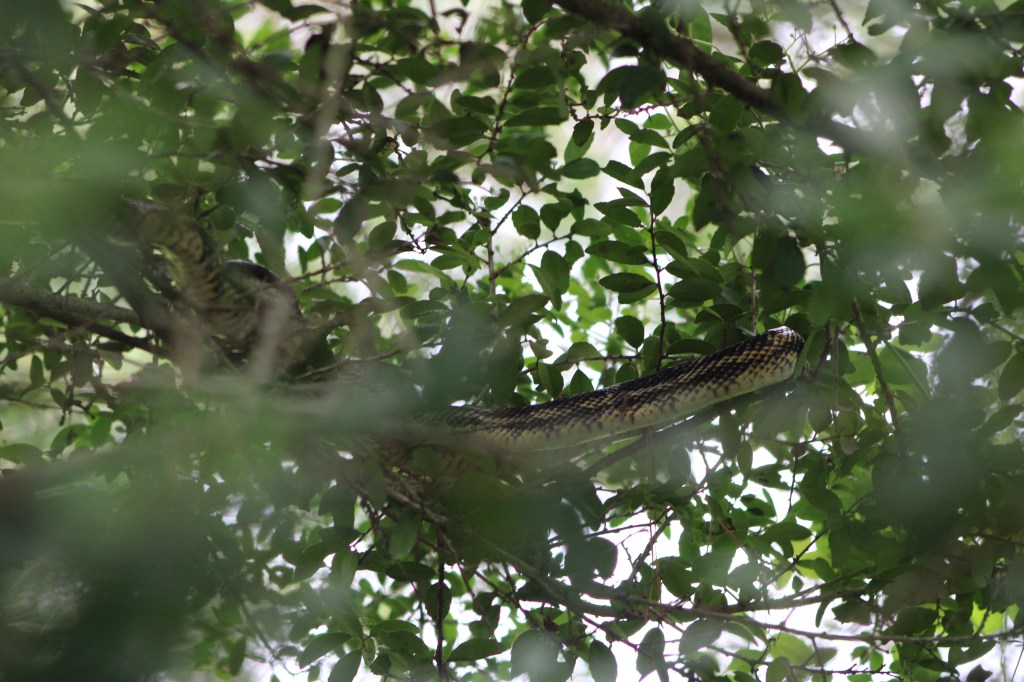
A male Painted Bunting, a Rat Snake in the trees, an Inca Dove, Cardinals on feeders, Pipevine Butterfly, Ruby-throat Hummer on feeder, Swallowtail Butterfly, and Mr. and Mrs. Bunny eating the bird seed.
I caught this beautiful male Tiger Swallowtail this afternoon while it was drinking nectar from a Zinnia.
I love this butterfly. The male is yellow, while the females can sometimes be black.
You can see the stripes on the wings, which look like those on tigers. They are very large and easy to see and photograph. They look like they float in the air while trying to land. But other times they are very fast and hard to keep up with.
Pipevine Swallowtail*
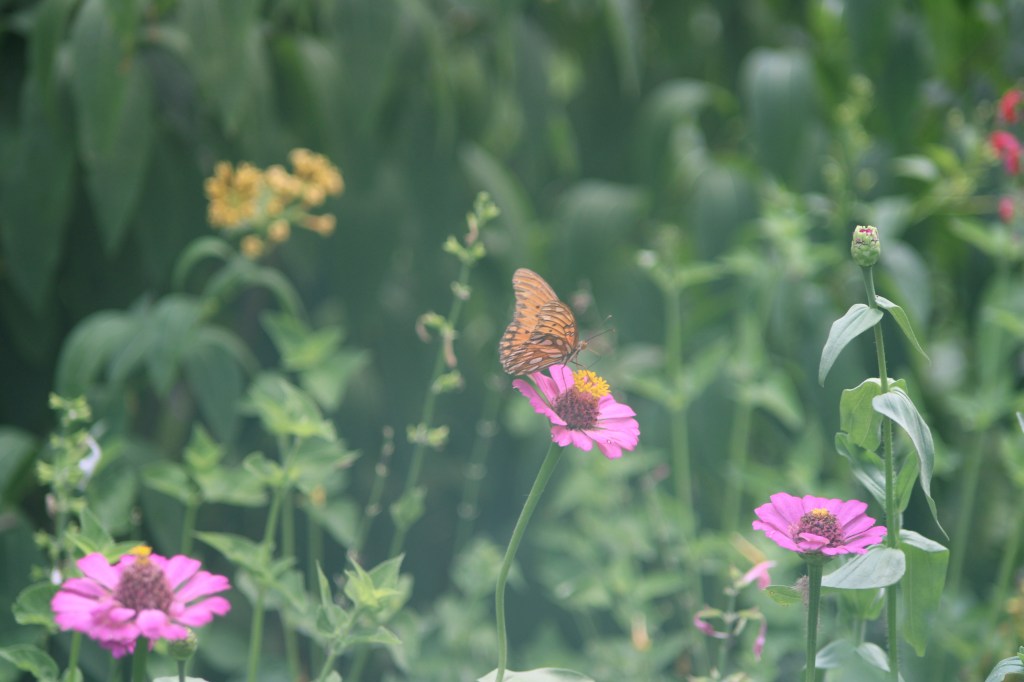
Mexican Silverspot (iNat suggestion)*
I have a lot of Purple Coneflowers and Zinnias in the garden, which are favorites of this species.
Purple Coneflowers
Their eggs are hard to find. The egg is green and round which blends in with the leaves of sweet bay magnolia and tulip poplar trees. The eggs are generally high up at the top of the tree.
There are also Fritillaries, Sulphurs, Pipevine Swallowtails, and Eastern Black Swallowtails in the pasture. I was too slow to get clear photos of them.
Lots to look at as always.
Butterfly identification from iNaturalist and not guaranteed accurate. Suggestions welcome.





 Nature Along the El Camino Real