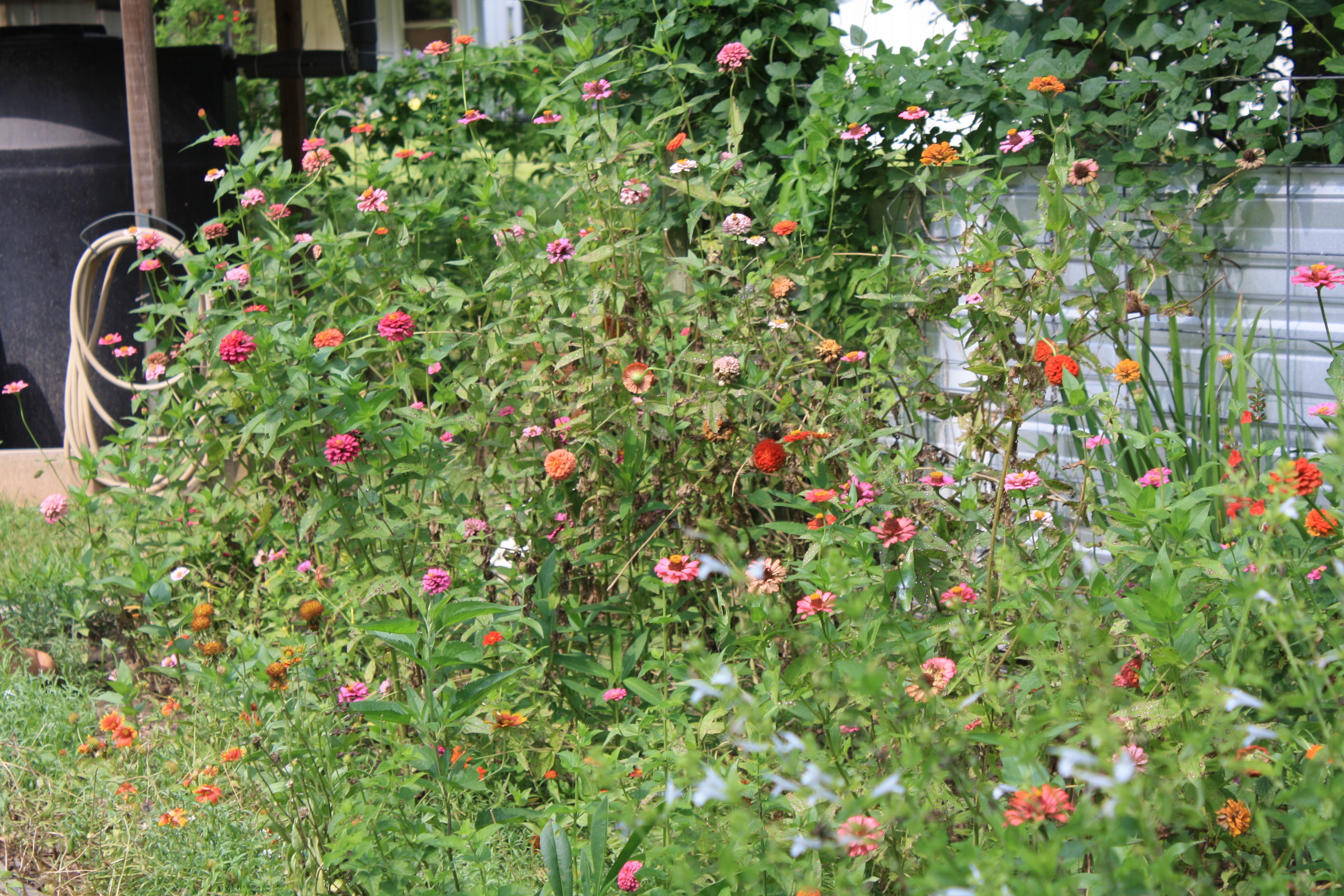
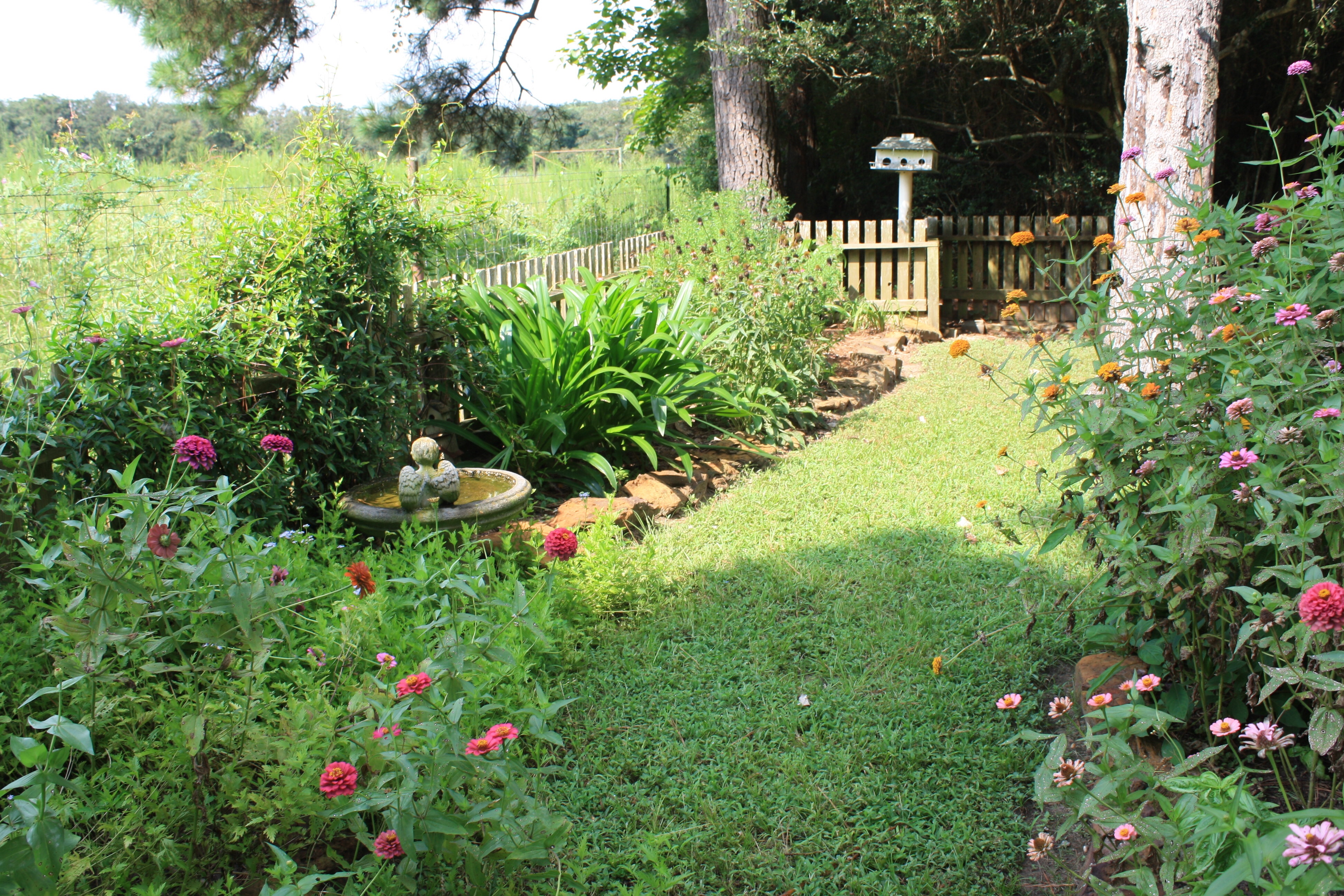
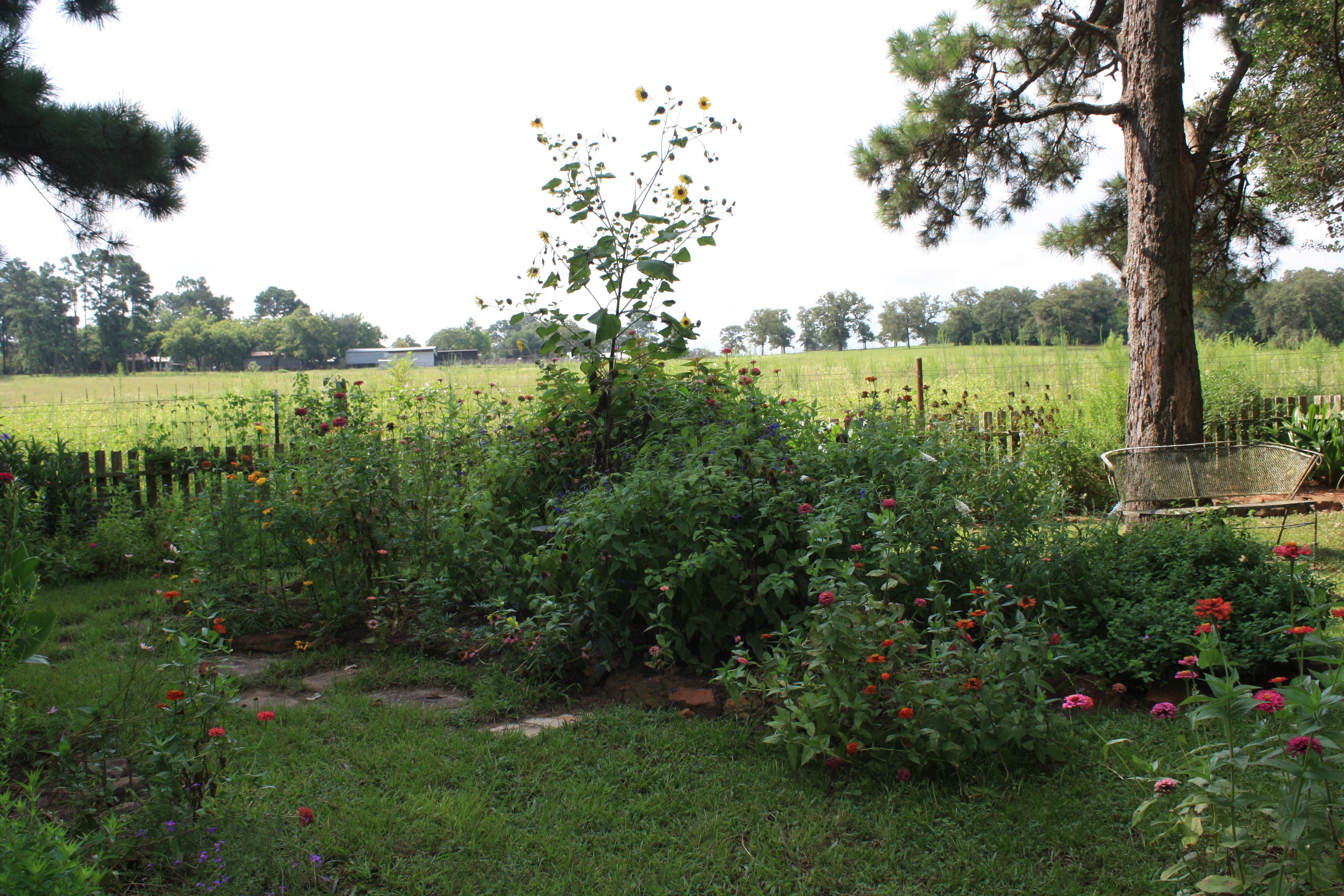
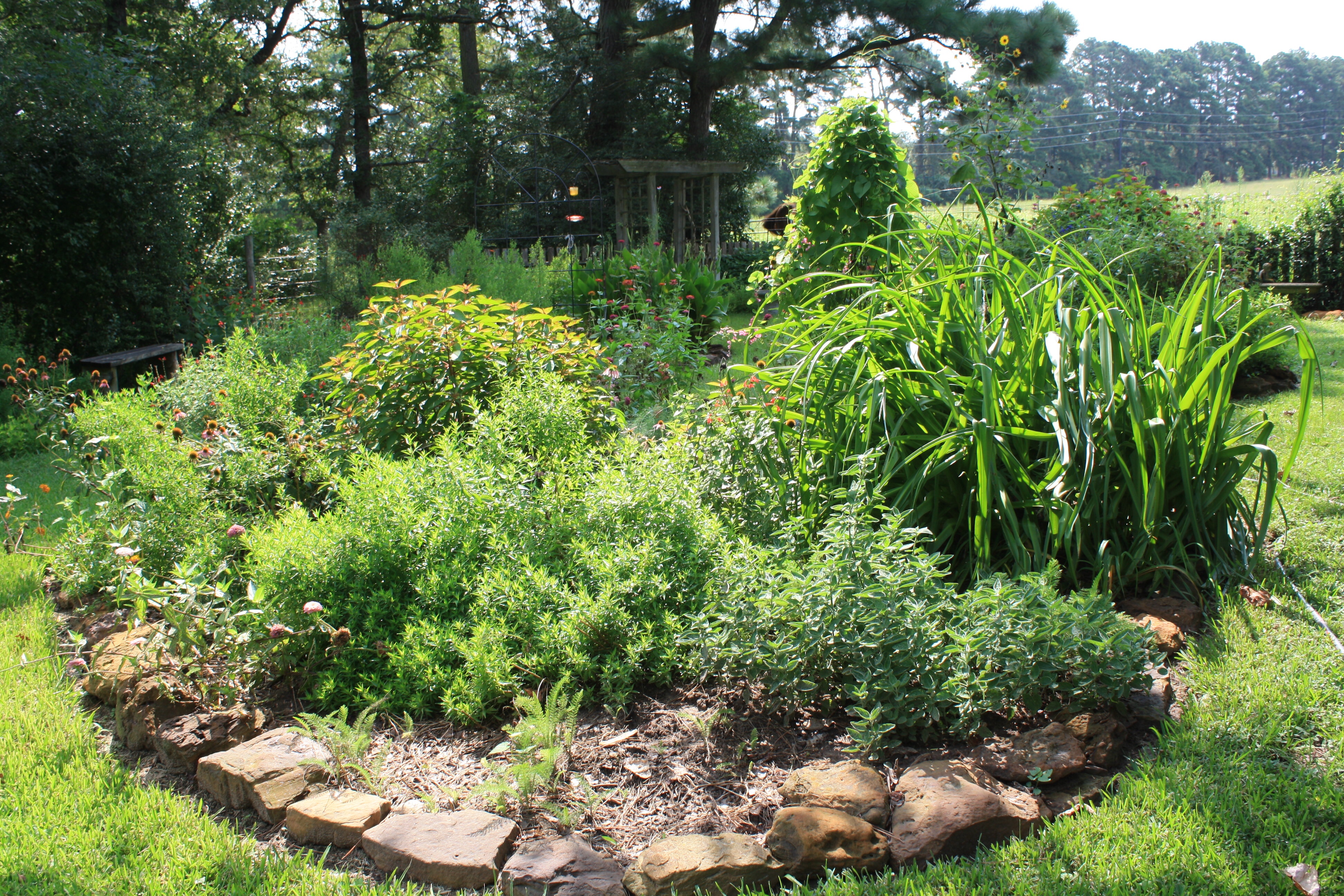
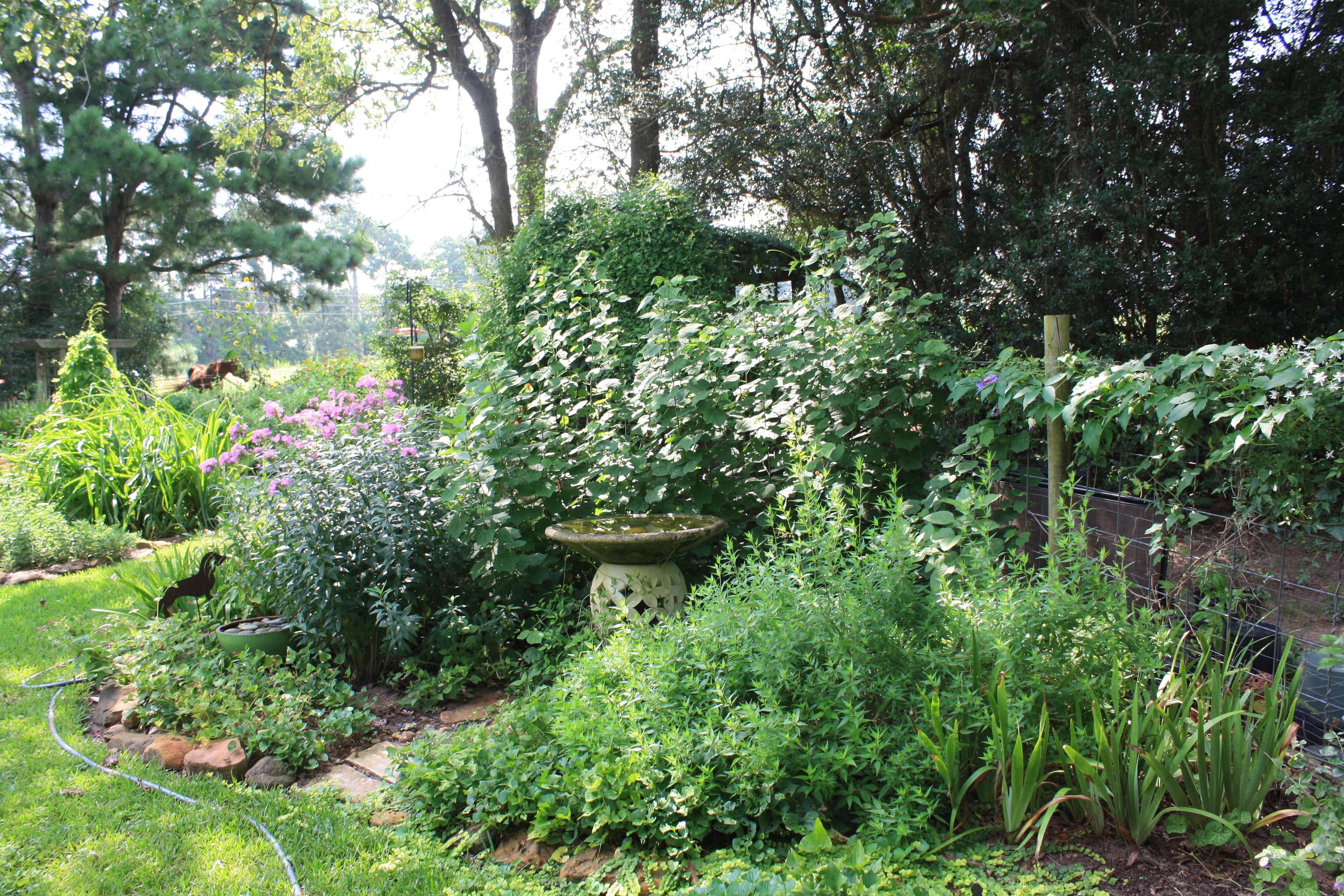
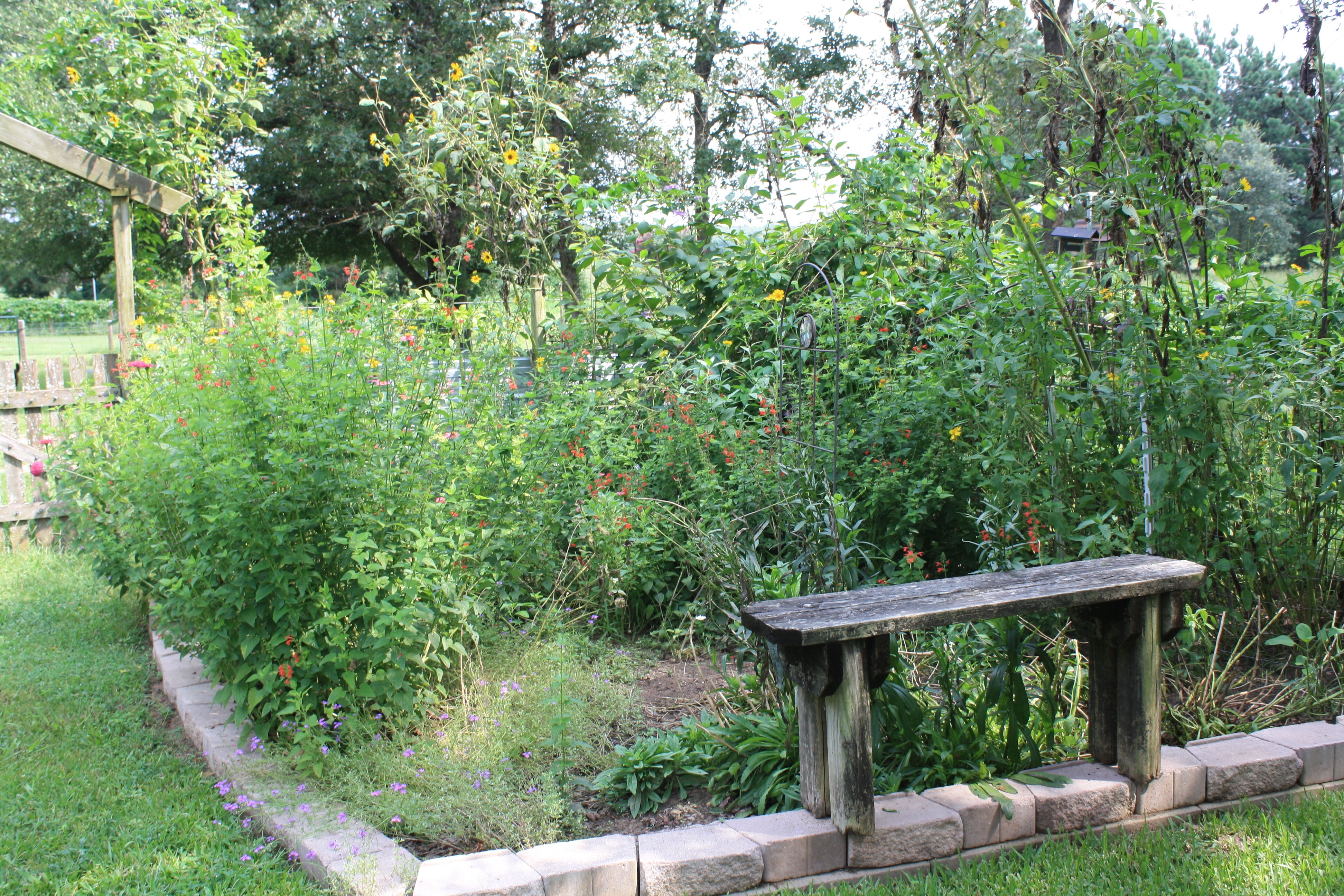
Here is what my garden looks like here in the hot month of August. Many wonderful things wait until it’s really hot to come out and look pretty.
Star jasmine vine
This year the weather has been a little crazy. Something I think will be the norm going forward. We just need to be flexible in our expectations and go with the flow… and share our experiences.
Click on any of the photos to see an expanded view.
The entrance gate with Passion Vine and Cypress Vine
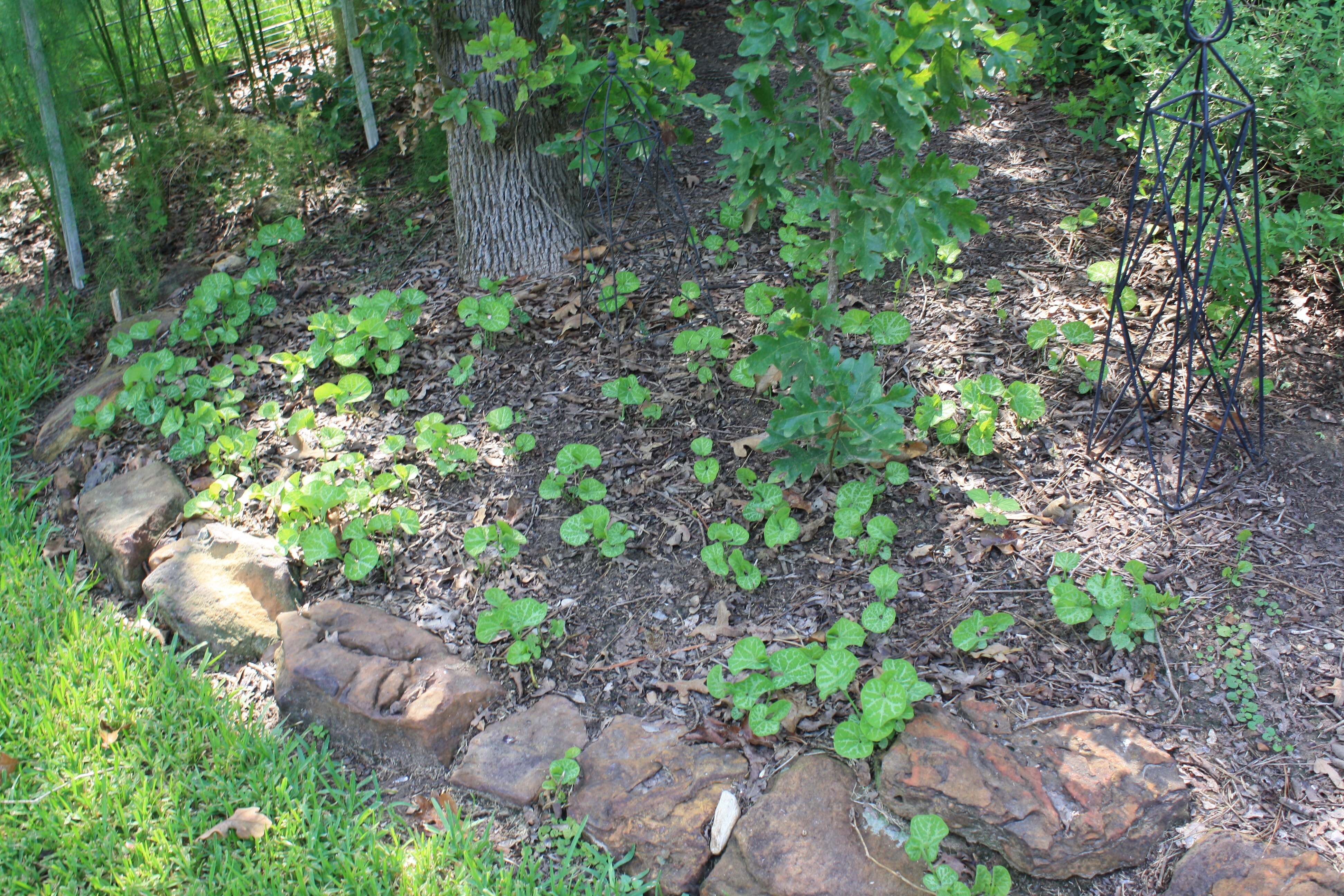
Pipevine coming back after fifth time being eaten to the ground.
Here is the next set of wildflowers and other things I saw on July 28, 2021. I will break the blog posts up to include a few each time. Look for more tomorrow!
There are so many amazing plants outside right now.
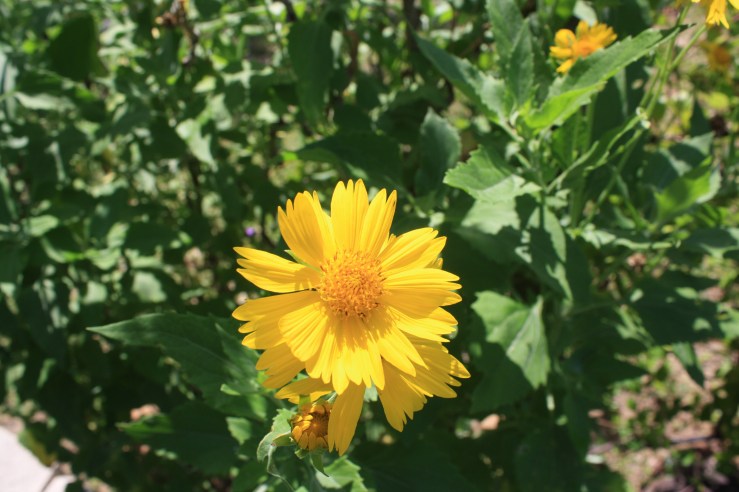
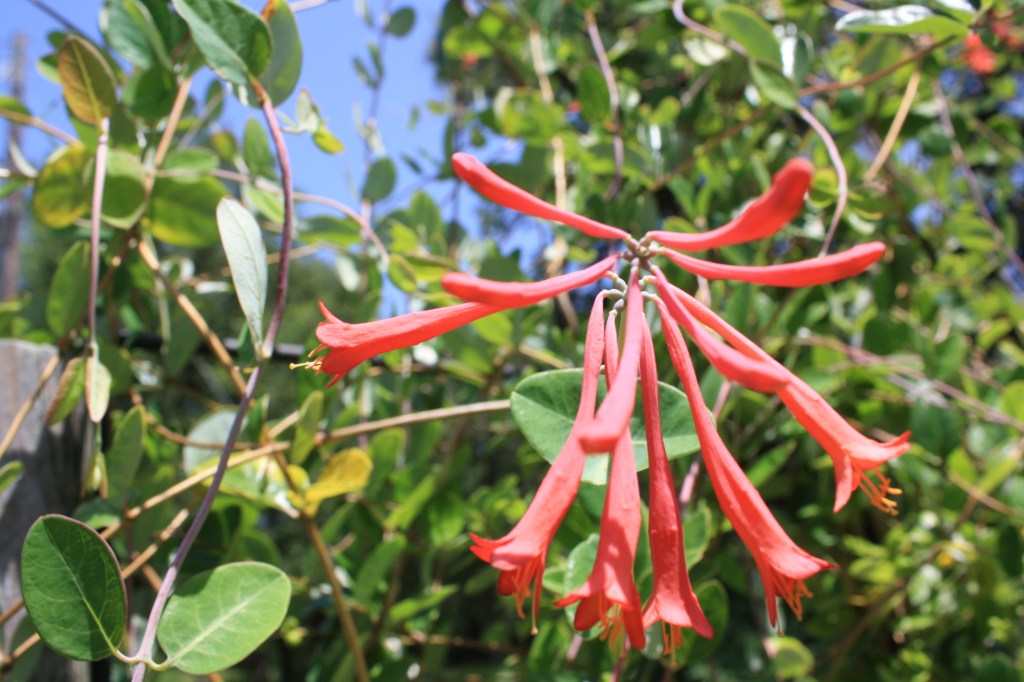
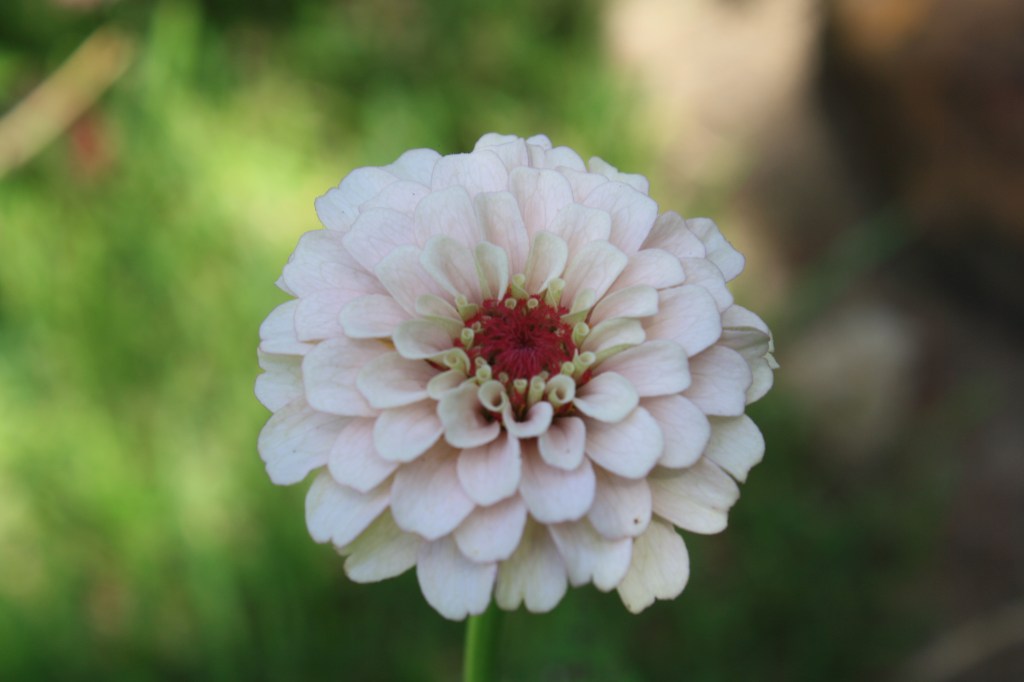
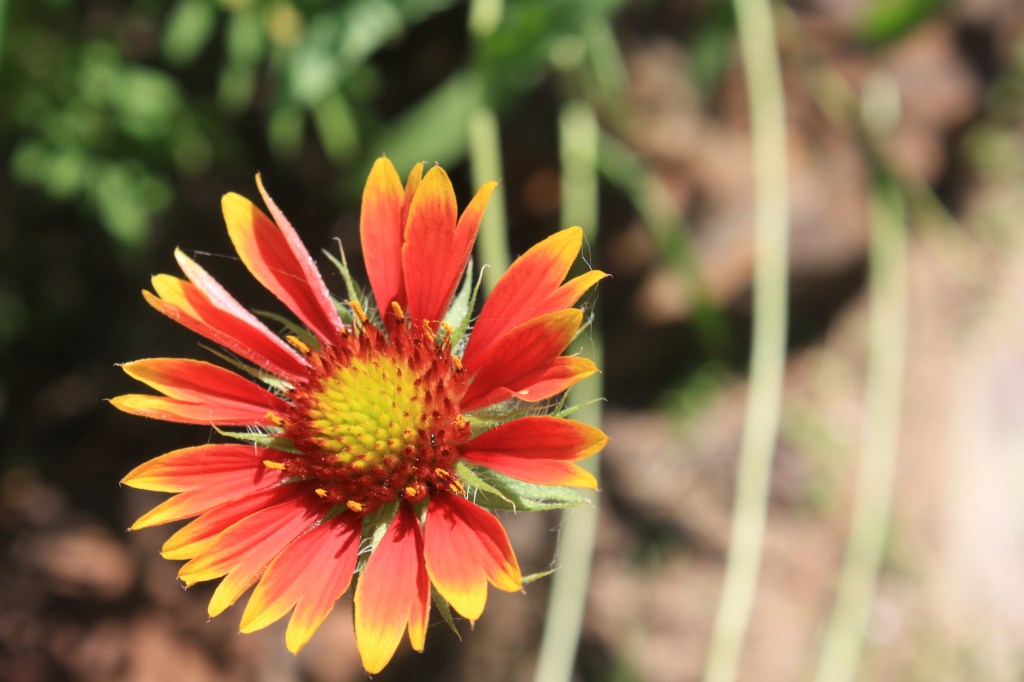
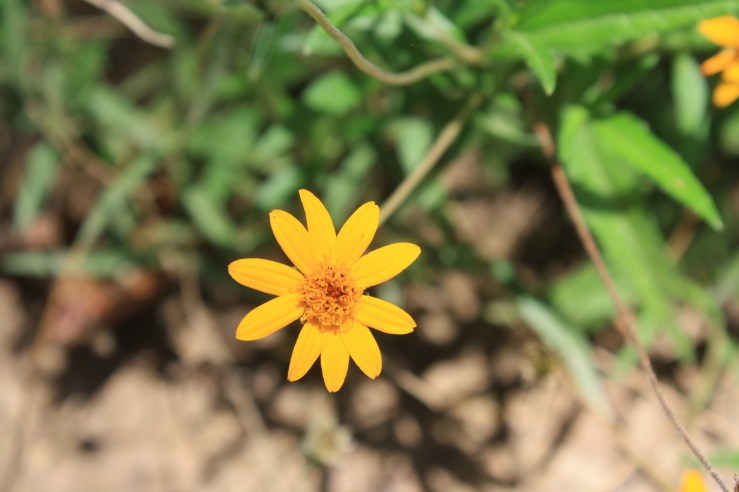
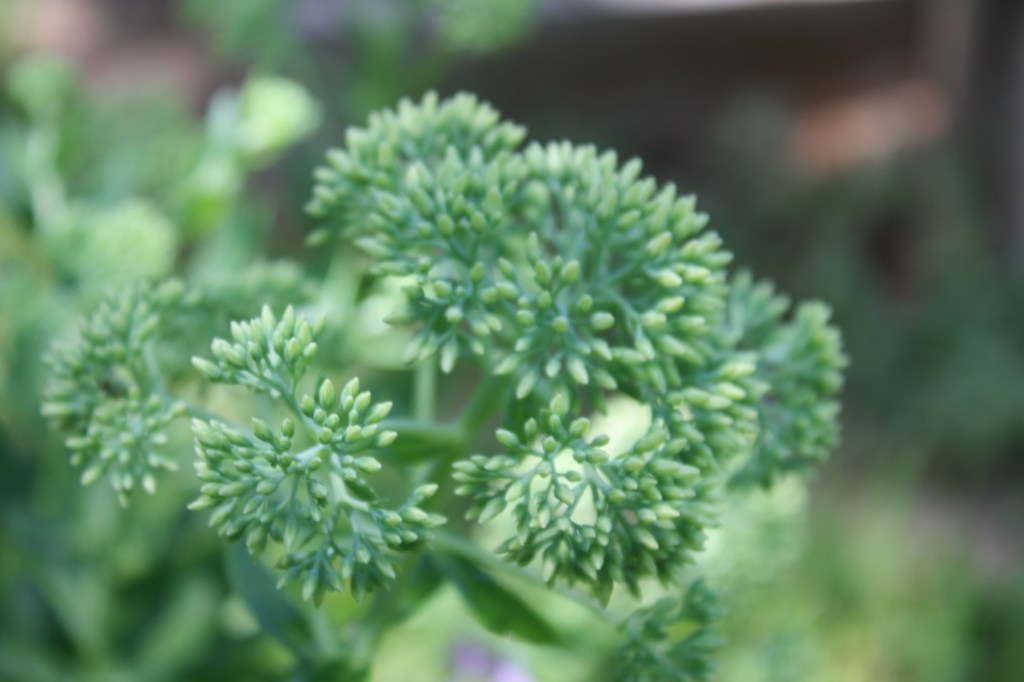
1. Cowpen Daisy. This bad boy gets going and likes to spread everywhere. It does not need rain nor help in any way. 2. Coral Honeysuckle. This is the hummers’ favorite plant at our place. So easy to grow, and I have lots of babies to share. 3. Zinnia. An old-time favorite that every species of butterfly likes, really worth having in your garden.4. Fire Wheel, native plant that grows in the pastures.5. Xemia. Sweet little yellow flower, looks great in the garden.6. Sedum. The flowers attract lots of butterflies.
I bet all of you have these flowers either in the pasture or in your garden. If not, then plant some for the pollinators, and you will enjoy the beauty of butterflies, hummers, and many more beautiful little creatures.
Just look around there are amazing things outside.
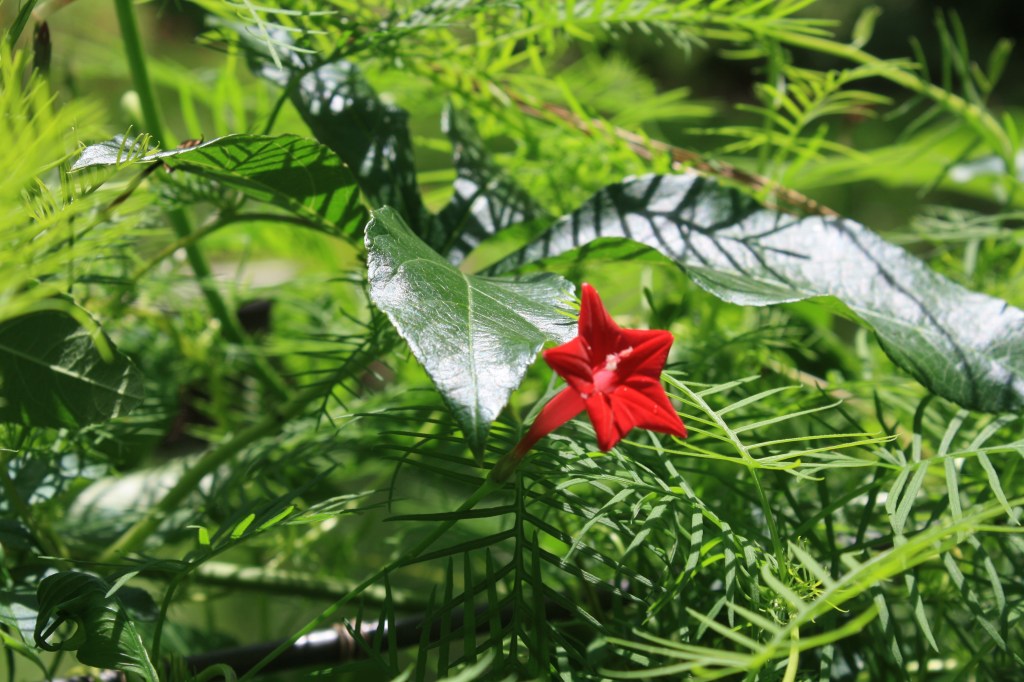
The first photo is a Cypress Vine. It only blooms when it is really hot! Perfect for us. The hummers love it. It looks great mixed with other vines.
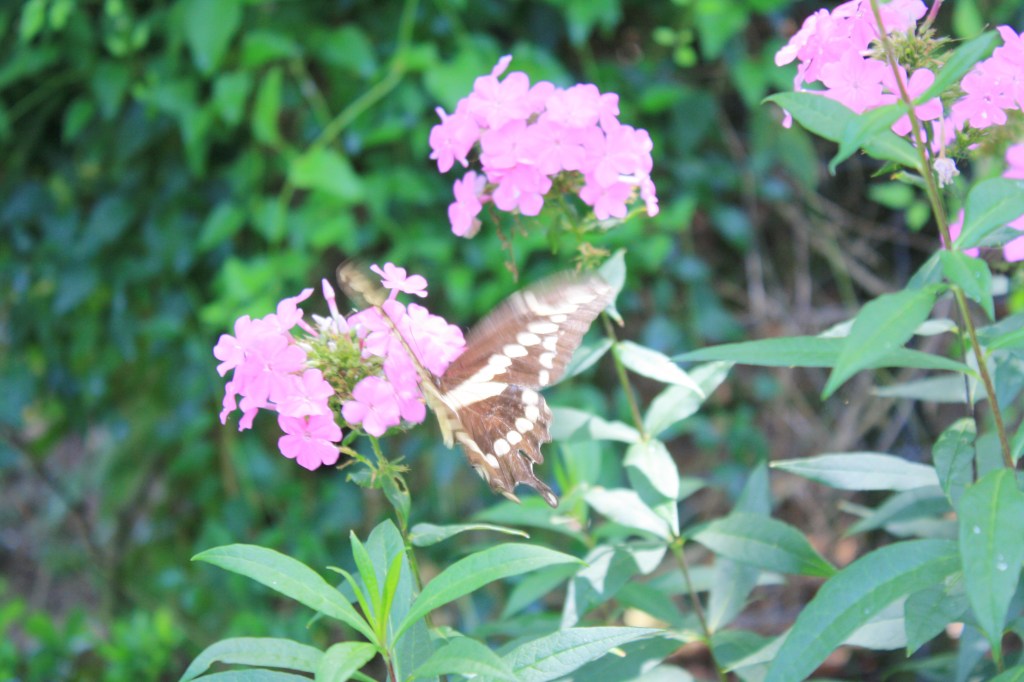
#2 Photo is a Garden Phlox, an old species that is hard to find now. A Tiger Swallowtail is getting some nectar from it.
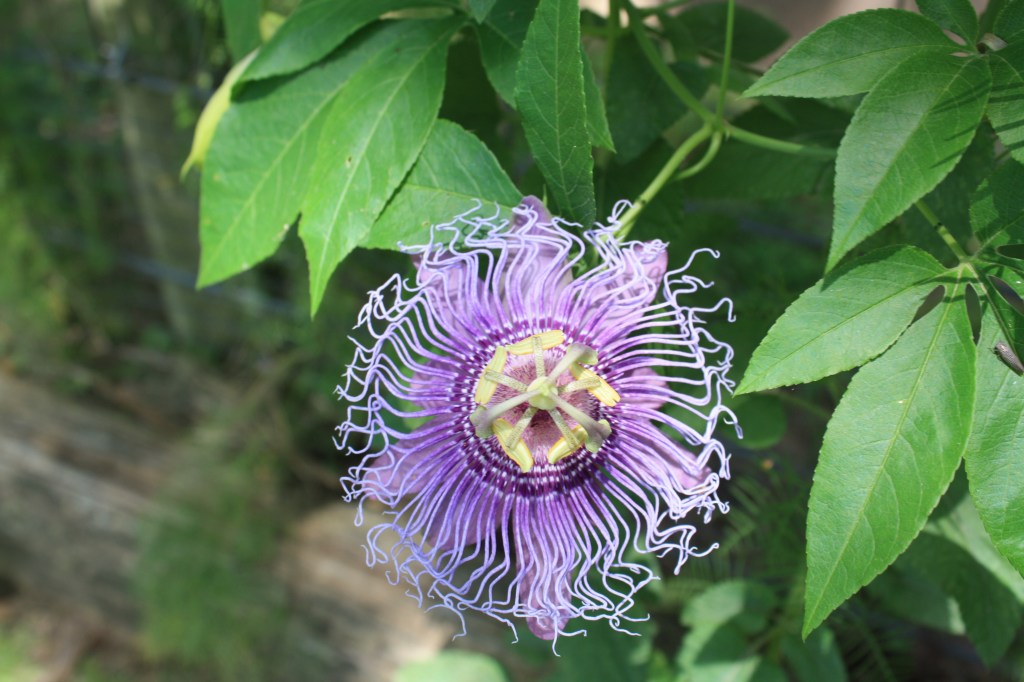
#3 is our Passion Vine that we all love. It’s soo easy to grow and is the host plant for the Gulf Coast Fritillary butterfly.
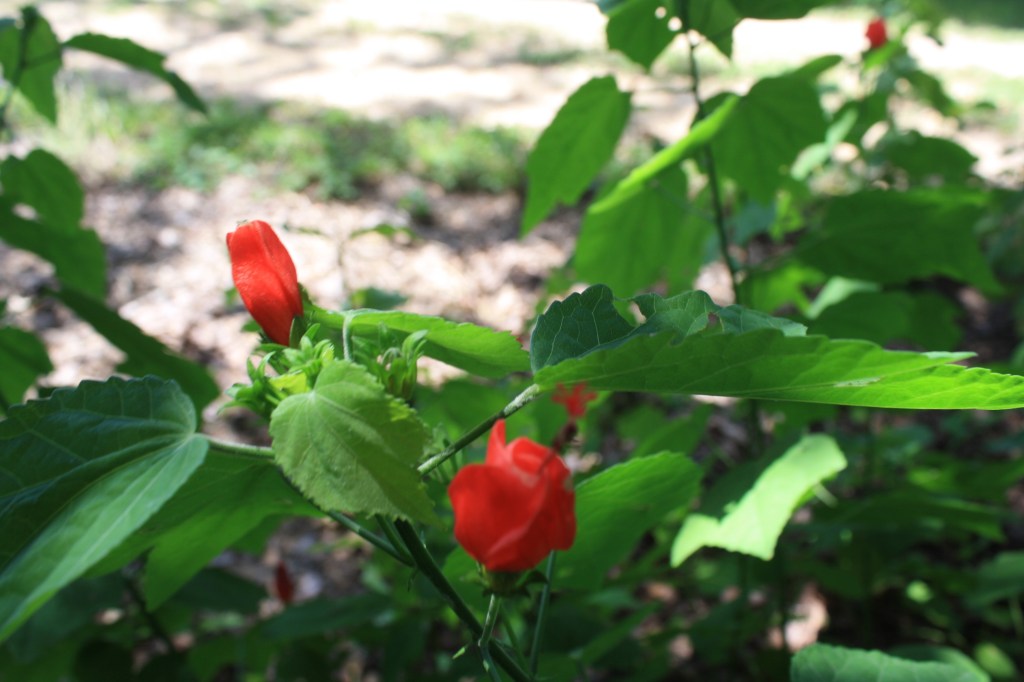
#4 Turk’s Cap: The hummers love this plant also. It likes a little shade and appears late in summer. Very easy to grow.
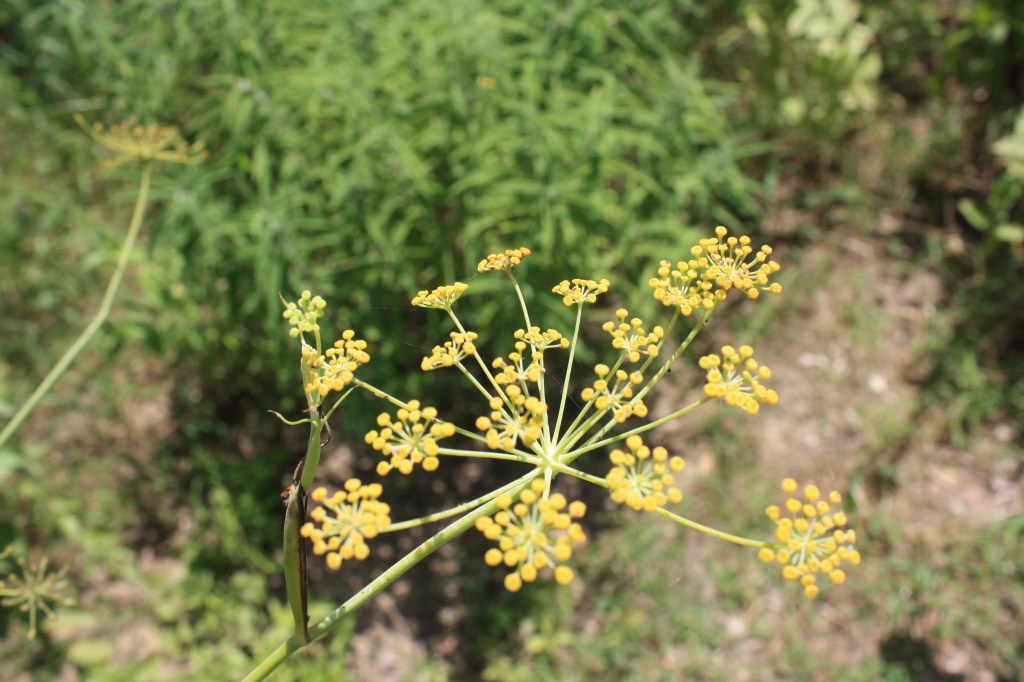
#5 Fennel Herb: The host plant for the Black Swallowtail butterfly. Its roots are edible for humans. The extreme freeze didn’t phase this guy.
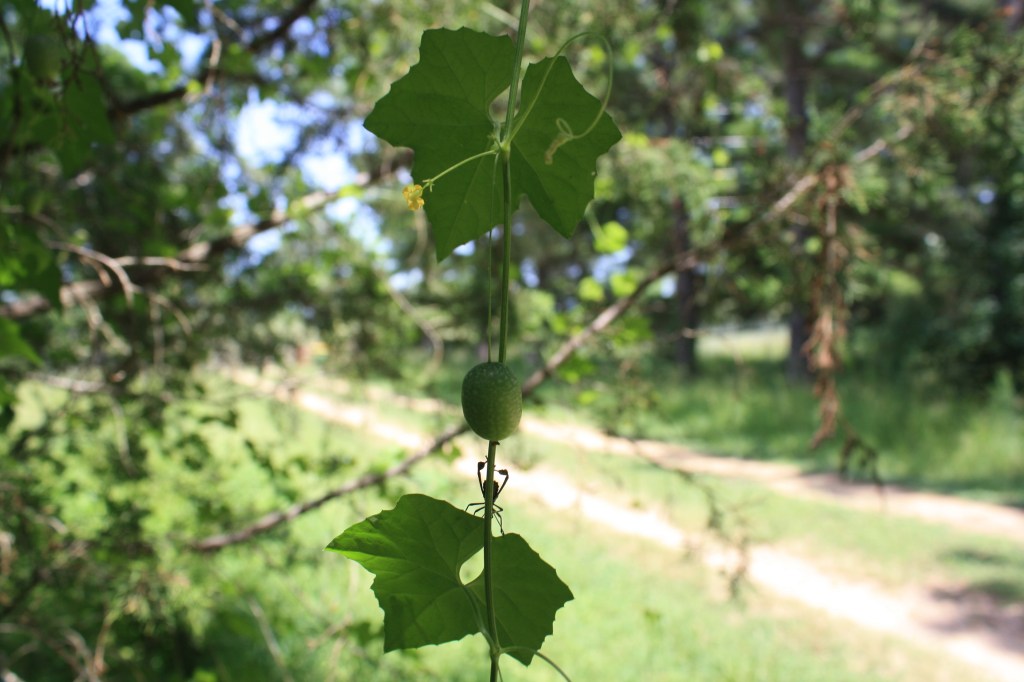
#6 Creeping Cucumber Vine: This is the first time I have seen this plant on our property. The freeze and early rains have brought in some interesting plants to our pastures.
I’ll send a few more blogs showing things I’ve found here.
Last week I turned on my porch light every night at “dark thirty” to attract moths I could photograph and submit to the National Moth Week 2021 project on iNaturalist.org. This year was a bit cooler and more moist than most of the past years, and also a bit brighter because of the full moon. Although I thought I did pretty well with my very basic mothing equipment and a “point-shoot-and-hope” camera, I was amazed by the quality and quantity of observations my Texas Master Naturalist / iNaturalist friends across the state of Texas submitted.
Becoming a Master Naturalist has truly changed my life for the better. One thing that’s enriched my life is using iNaturalist. I’ve learned so much about the world around me, in particular right where I live. Our property is north of Cameron and has woods, pastures, a creek, springs, and an arroyo. That means there’s lots to see! I thought I’d share some of the summer life from this year.
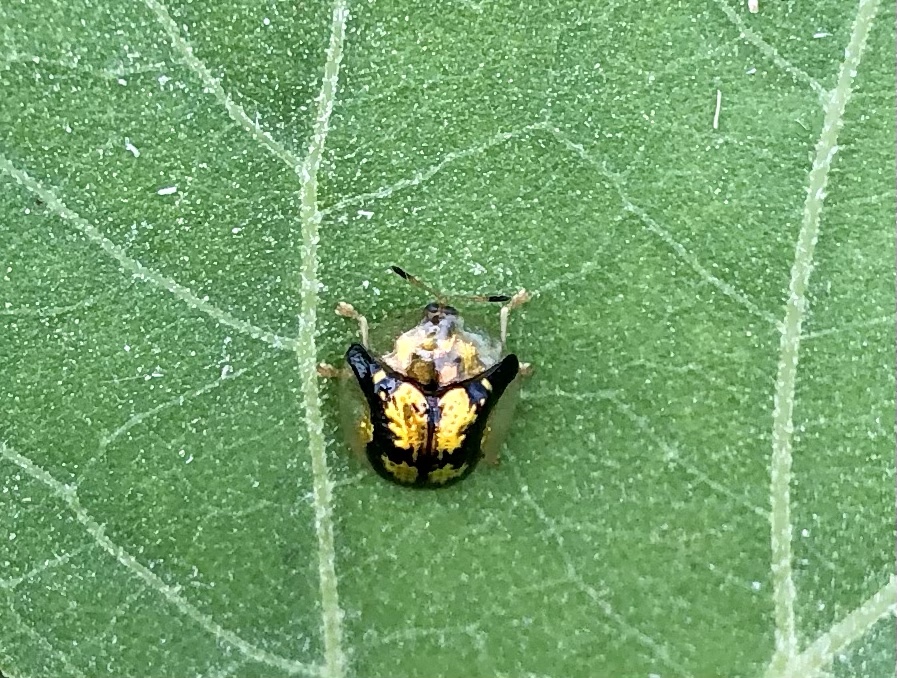
First off, I’ve learned to look down and look for anything on a leaf that doesn’t look like a leaf. However, this beetle wasn’t hard to spot. It’s teeny tiny, but was so shiny it caught my eye. I think I now have a favorite beetle, and have plenty here for it to eat!
A beautiful jewel
The Mottled Tortoise Beetle is a member of the Leaf Beetle family. It is found on morning glory flowers, leaves, and vines as well as milkweed plants. Their spiny, flat larvae look more like little dark centipedes and they eat these plants while they grow and develop into rounder, shiny adults. Though they may punch holes into the leaves of the plants, they rarely cause enough harm to damage or kill the plant unless it is young or a seedling. They are not considered an agricultural pest or threat.
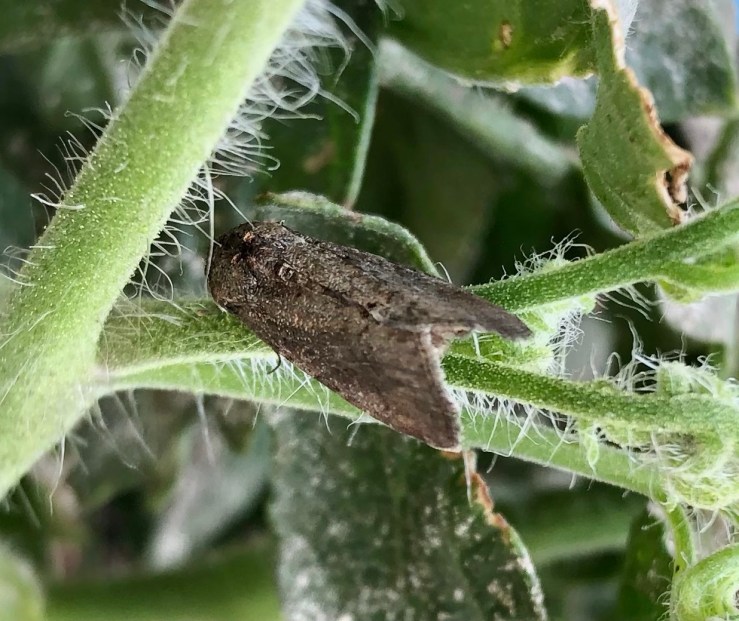
This week, I’m supposed to have been looking for moths, for this year’s National Moth Week collection. However, I’ve only located two. One is bright and cheery, plus it was on my car, which made it easy to see, while the other is one of those common brown ones that will soon be legion if the chickens don’t eat more of the armyworm moth caterpillars. I spotted it, because it was something that didn’t look like a leaf, but was on one of our tomatoes (which got damaged thanks to herbicide drift from the cotton across the road, grr.)
Media moth
Perhaps a cabbage looper moth, or an armyworm moth…
Moths of Hermits’ Rest
I’m always on the lookout for things that are blooming, because one of my goals when I retire is to compare when I have uploaded flowers over different years to see if they change. That’s why I keep recording observations on the ranch, even though it doesn’t count for Master Naturalist hours unless it’s part of an approved project (so, the beetle doesn’t count, but the moths do). I’m just curious about my local ecosystem and don’t need awards to motivate me at this point!
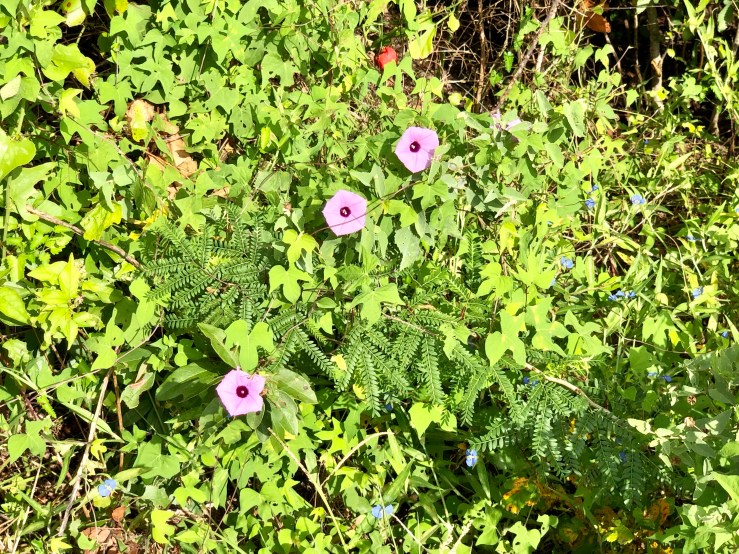
Tie vine, food for the mottled tortoise beetle
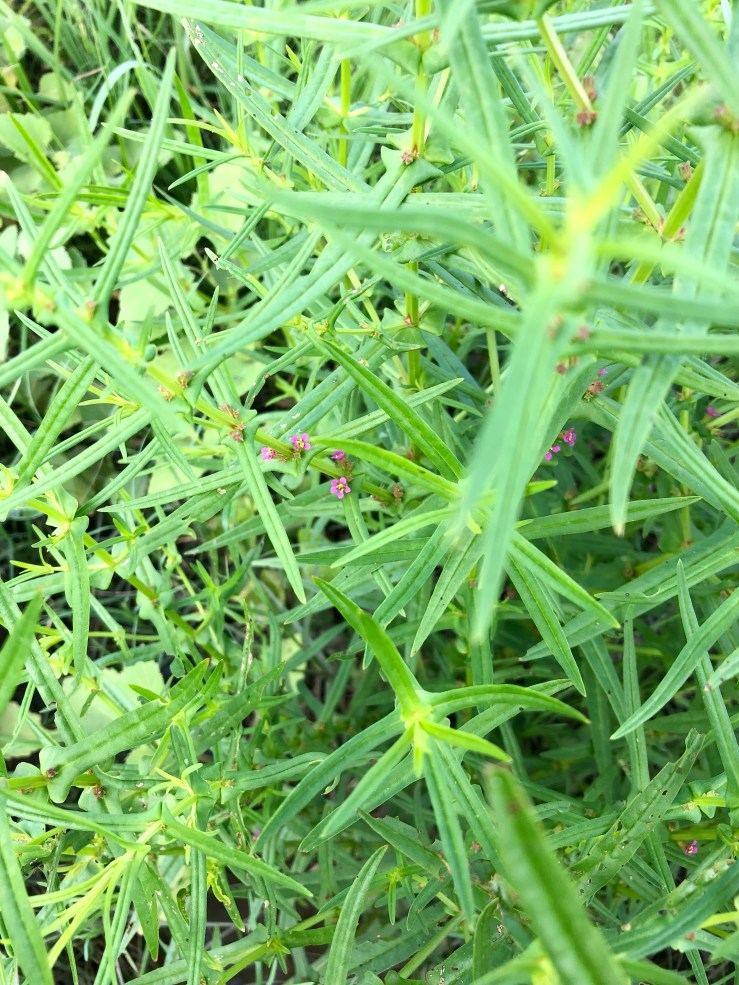
Scarlet toothcup (Ammannia coccinea) with tiny flowers
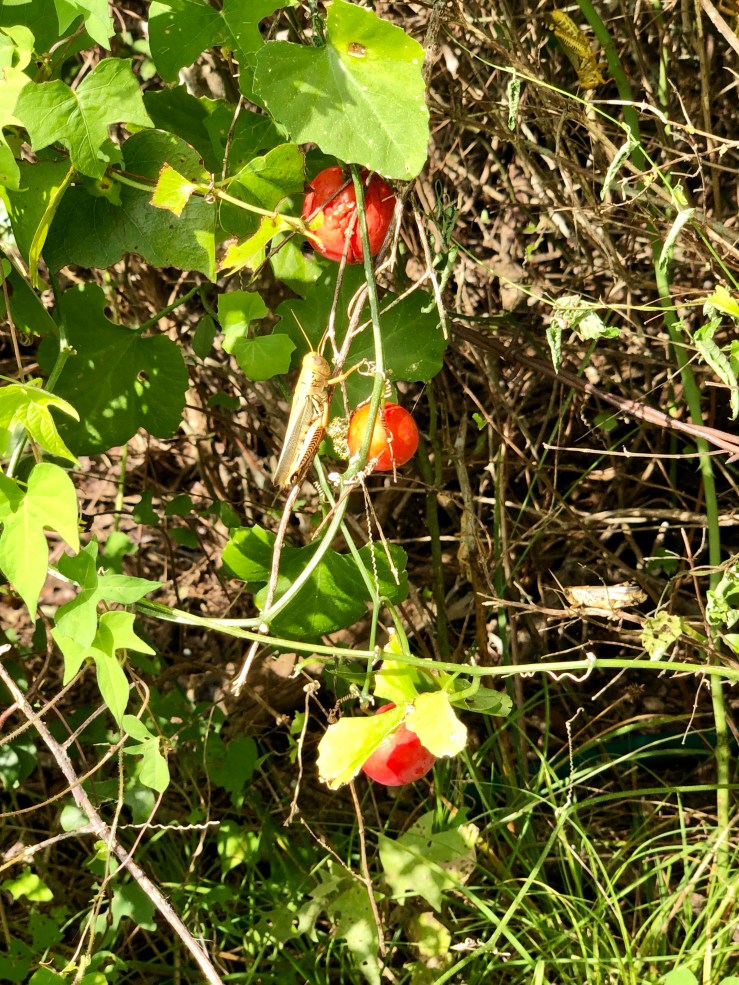
Snake apples, also known as Lindheimer’s Globeberry (plus two of our zillions of grasshoppers). It’s in the cucumber family!
Ironweed (Vernonia sp.) – some are edible!
Finally found a passionflower. We mostly have vines.
Ruellia, which I always get wrong. This is R. nudiflora, violet ruellia.
Plants of Hermits’ Rest
Most of the flowers I’ve been finding are in the pink to purple family, except those snake apples. I just learned they can also be called globeberries. Huh.
Of course, there are lots and lots of insects, particularly the differential grasshoppers who are dominating every moment of my outdoor life. Chickens like them a lot, though. The spiders have been interesting this year, though, and I’ve seen some new ones. I’ll also share the deep black beetle and one of the snakes that has been eating the eggs my hens produce. They seem to have gotten smarter and stopped hanging around in the hen house, which makes them easier to find and dispose of.
The reflected sky makes this one more interesting than its millions of brethren
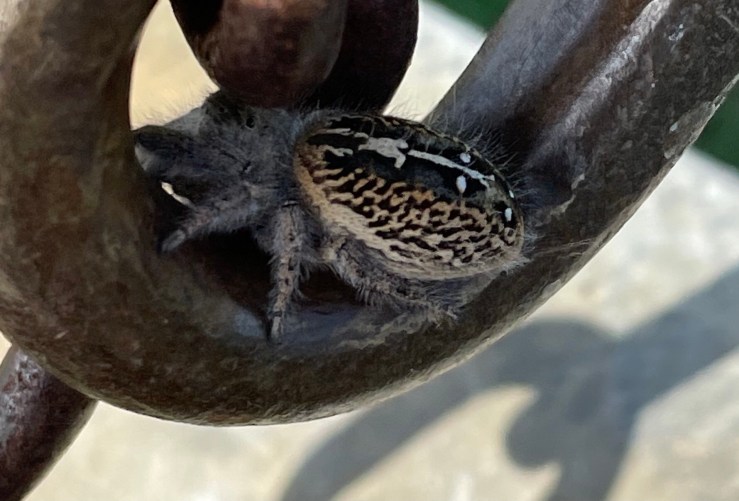
Phiddipus texanus
Furrow orbweaver
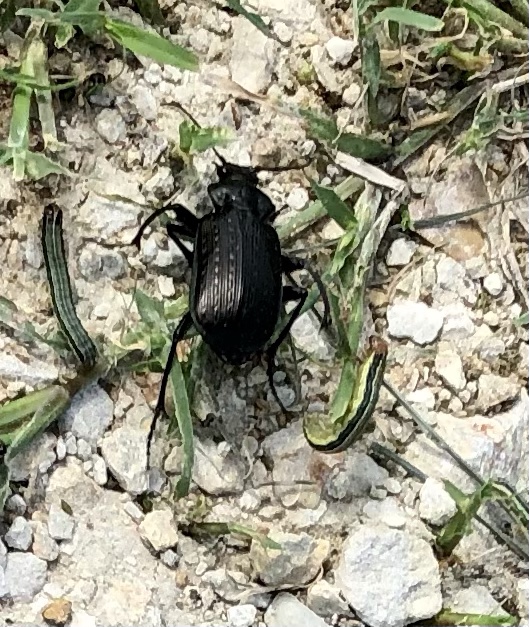
Black caterpillar hunter beetle, hopefully heading out to eat armyworm moth caterpillars
Rat snake (chicken snake), deceased
Insects and reptiles of Hermits’ Rest
So, what’s thriving over where you live? Have you seen any of these species? We love it when you share your experiences on our blog! Contact me at ecrmnpresident at gmail.















 Nature Along the El Camino Real