Fall: Think There’s Nothing Outside? Think Again.

by Donna Lewis

Fall has finally arrived, or so say the weather people. Seems a little warm for fall, but I don’t mind because I do not like to be cold.

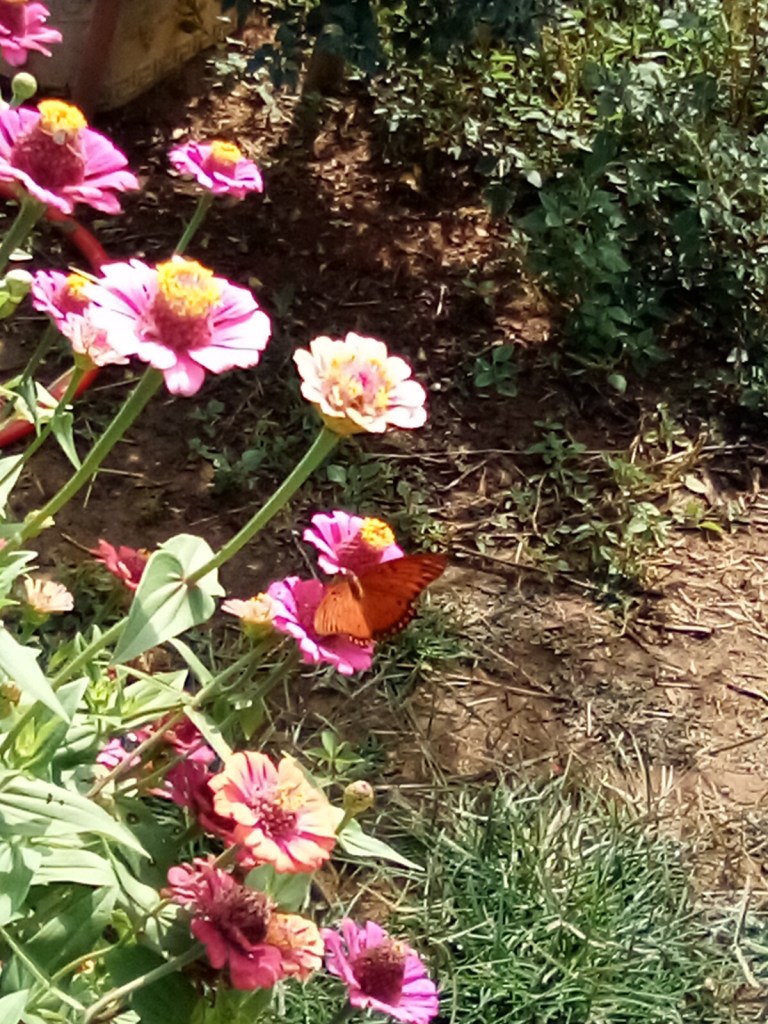
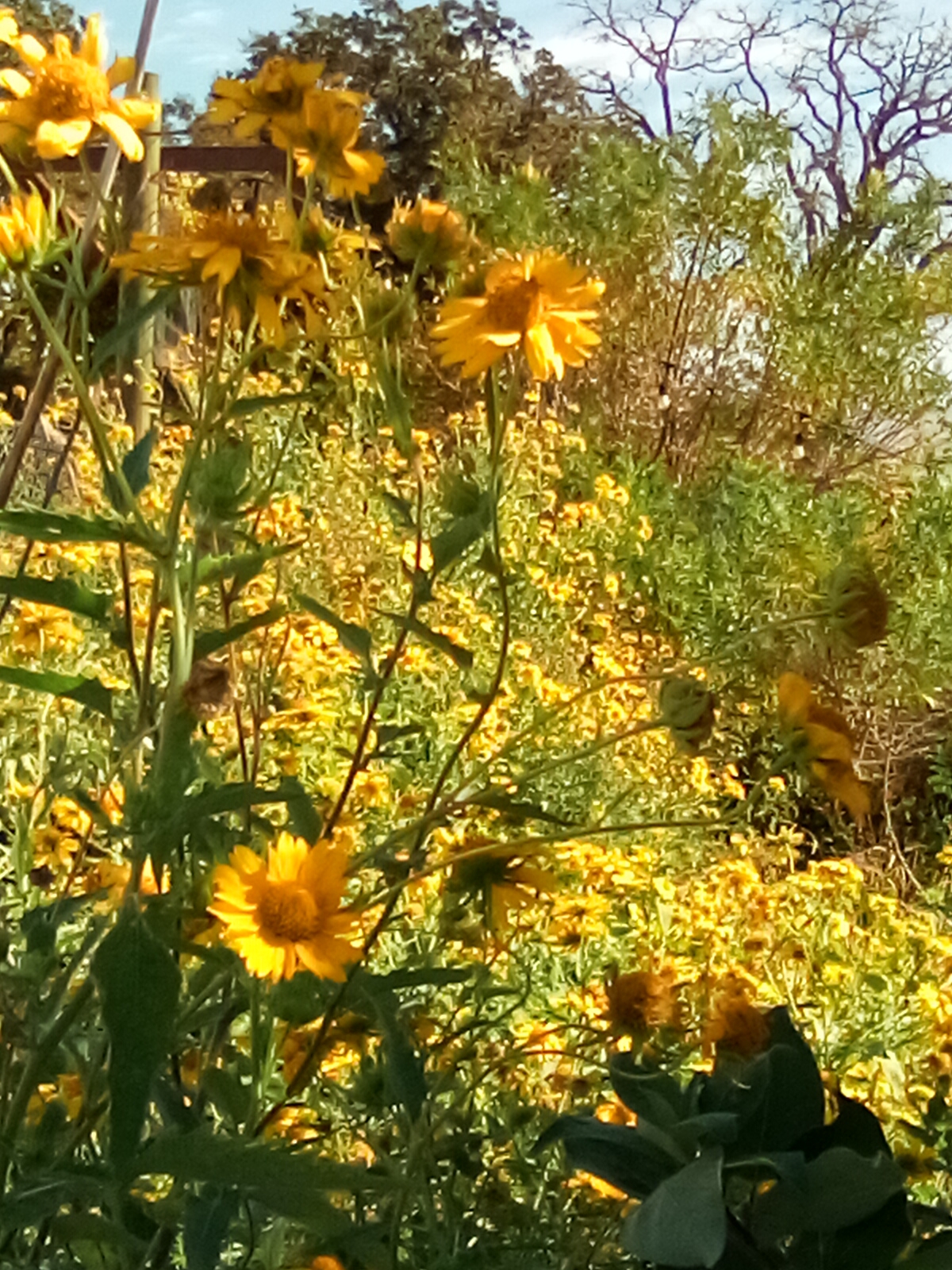
Most people think all the plants are gone, all the butterflies are gone, and so on.

BUT, take another look!  There’s life out there in abundance.

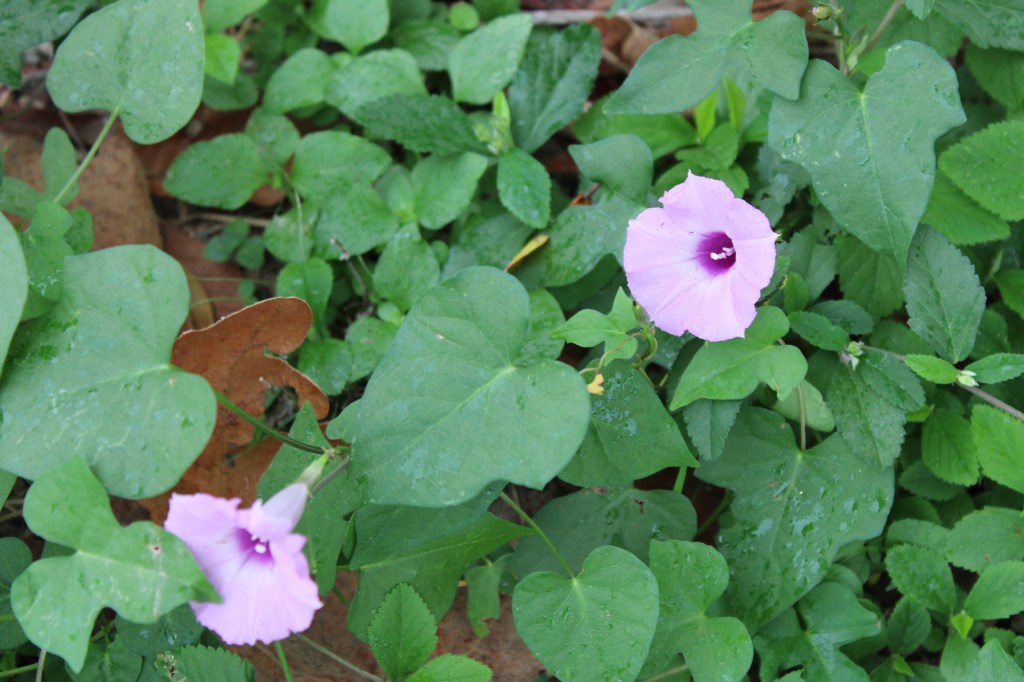
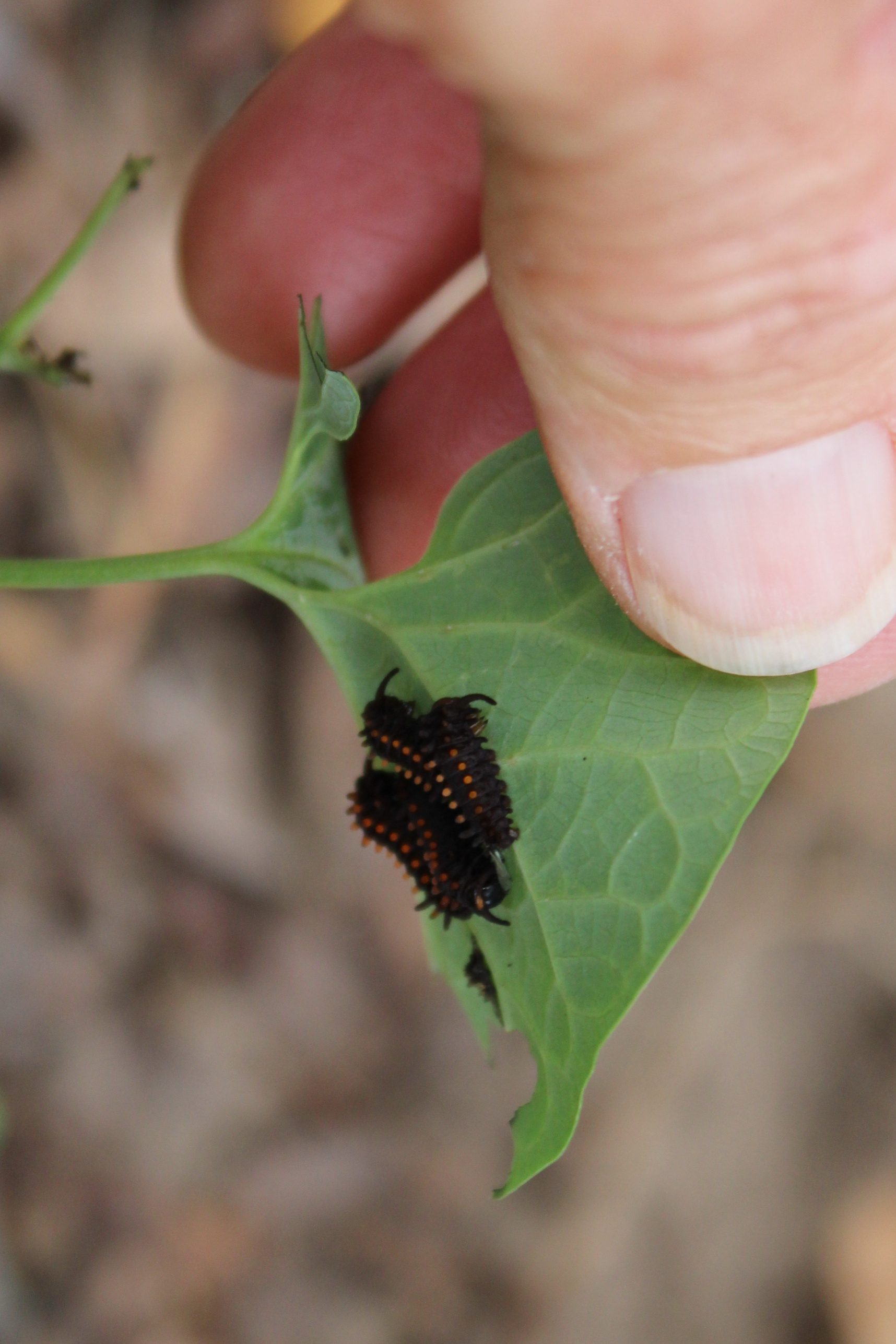
Some plants don’t show themselves until October and November. I actually have Pipe-vine caterpillars on my pipe-vine plants now.
One special tiny plant is seldom seen. It’s a lady tresses orchid.  There are several varieties of this pretty little plant. Do you have them on your property? One of them, the Navasota lady tresses, is a Federal and State protected plant.

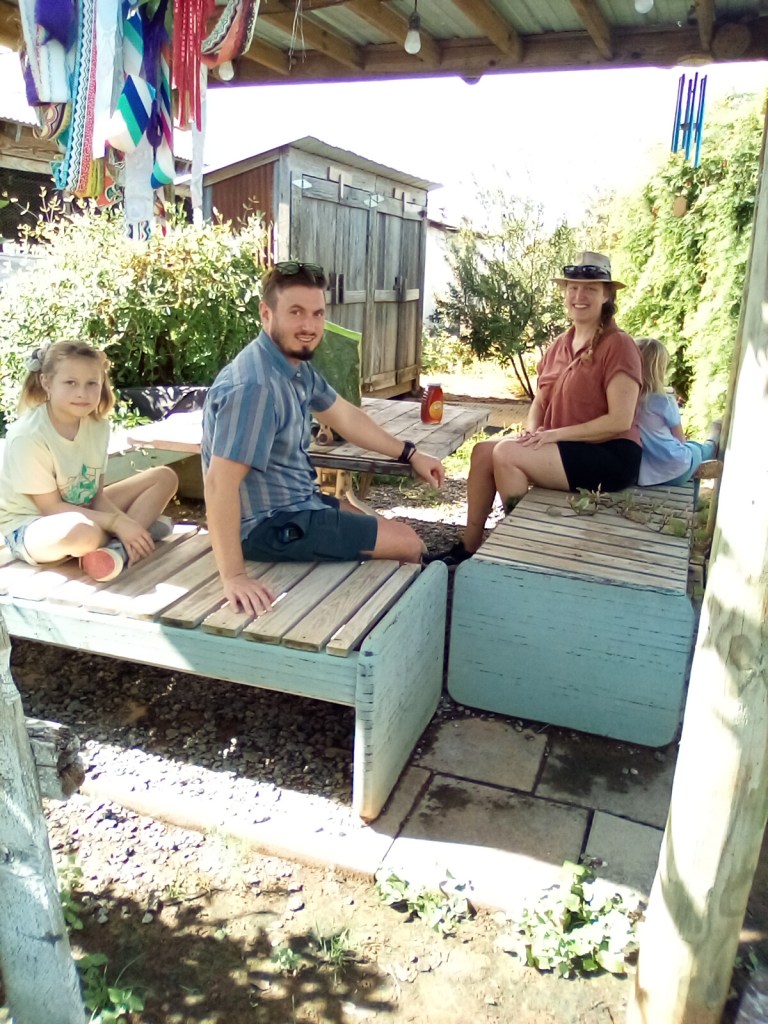
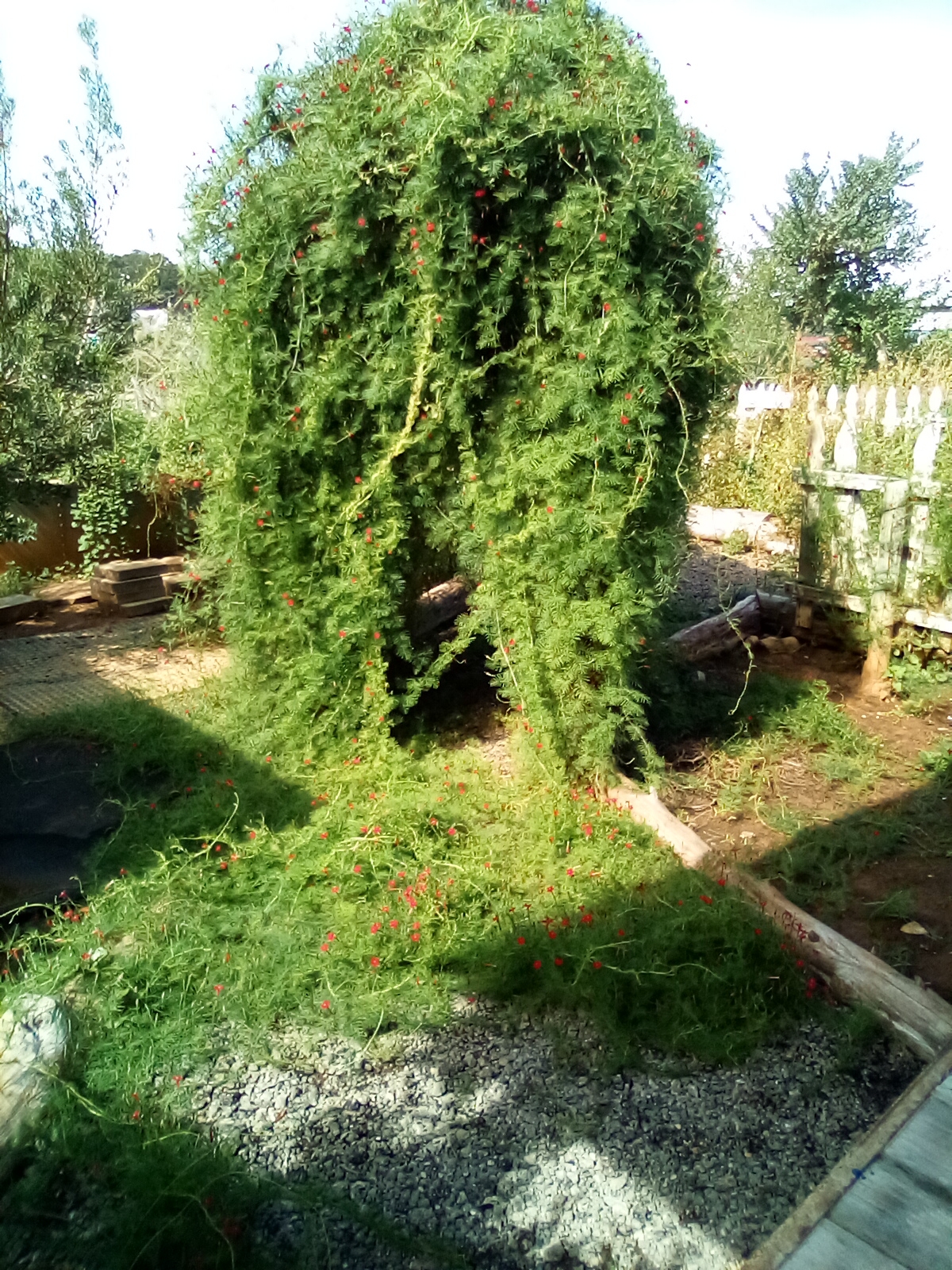
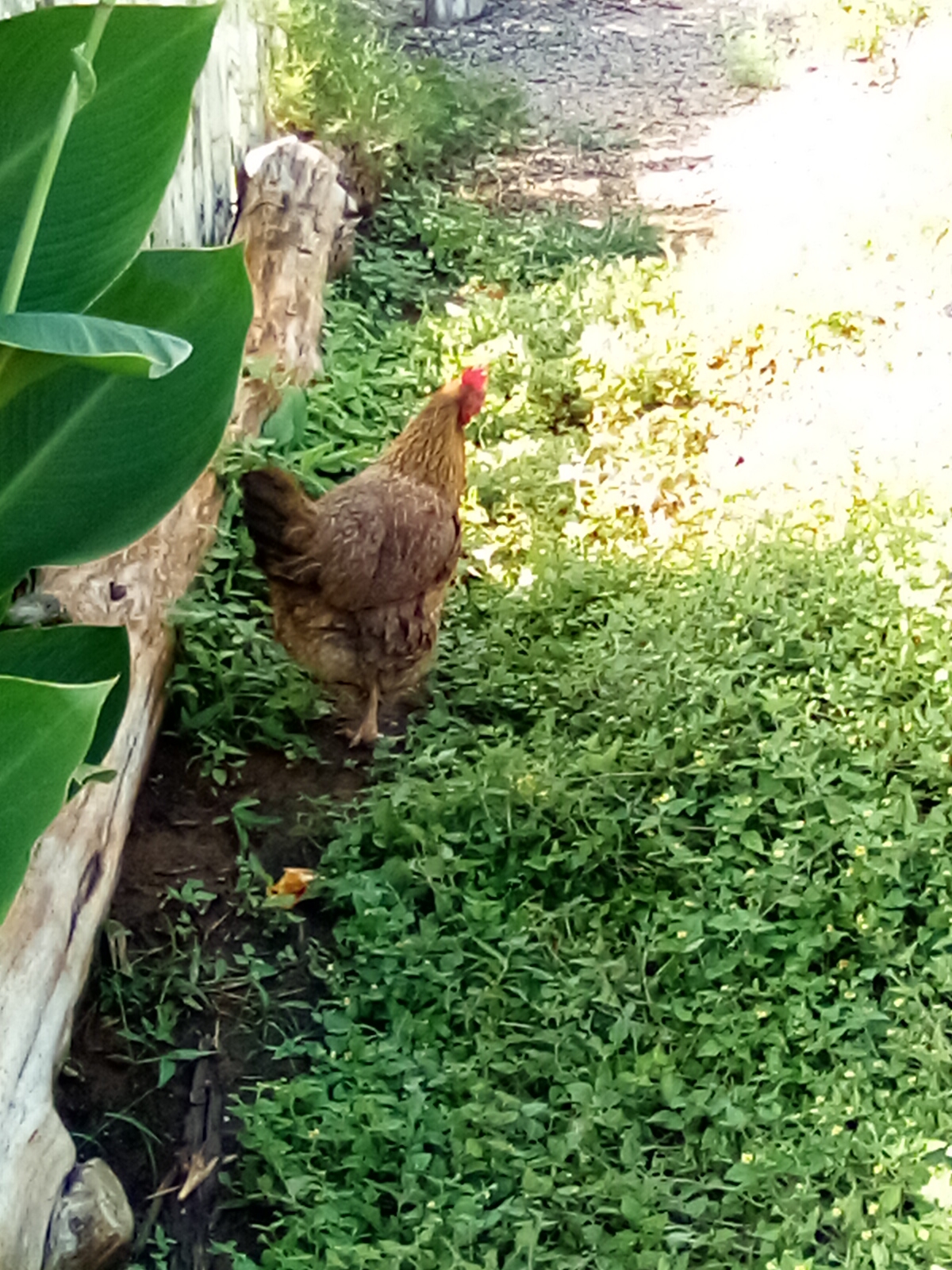
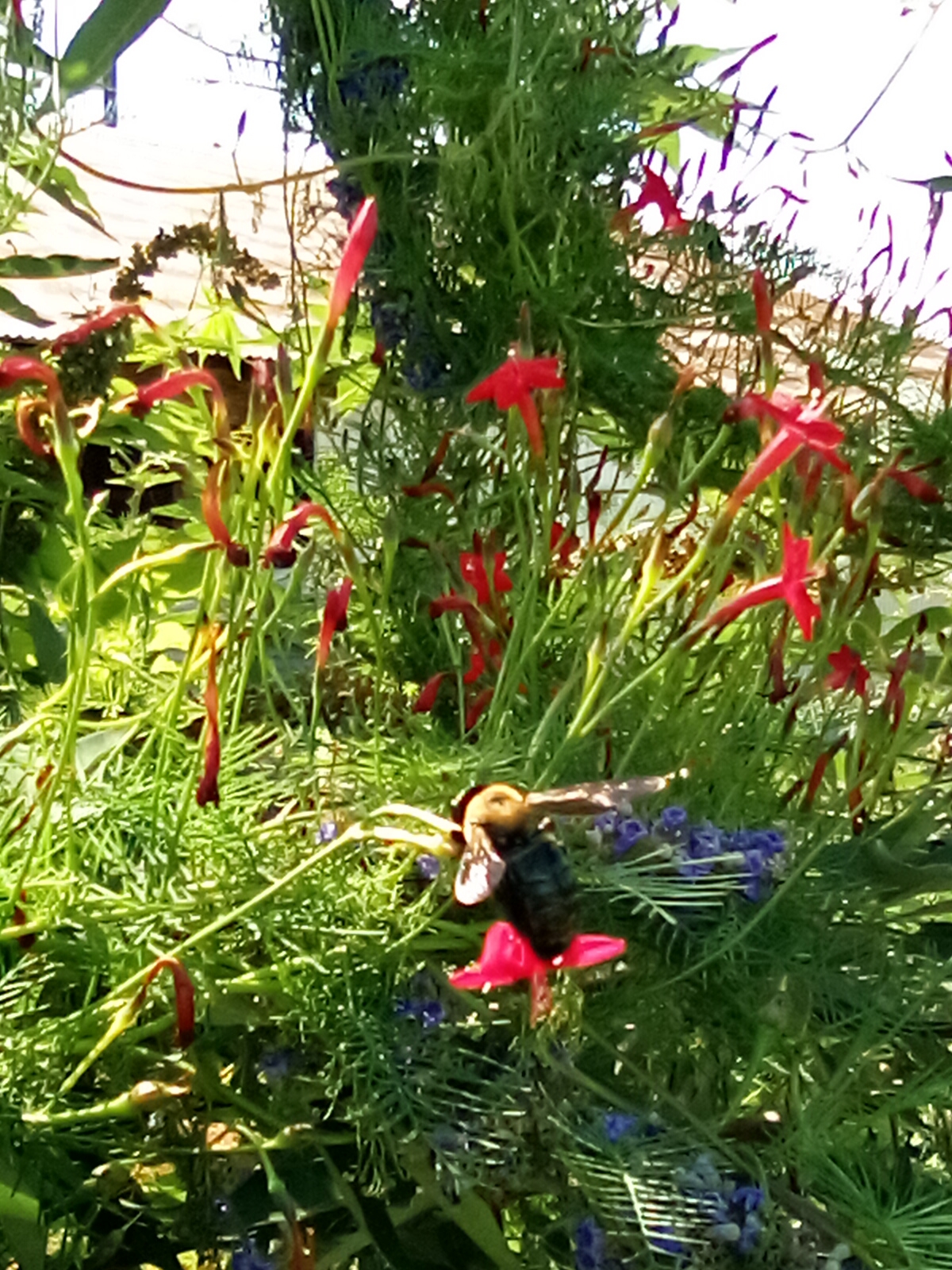
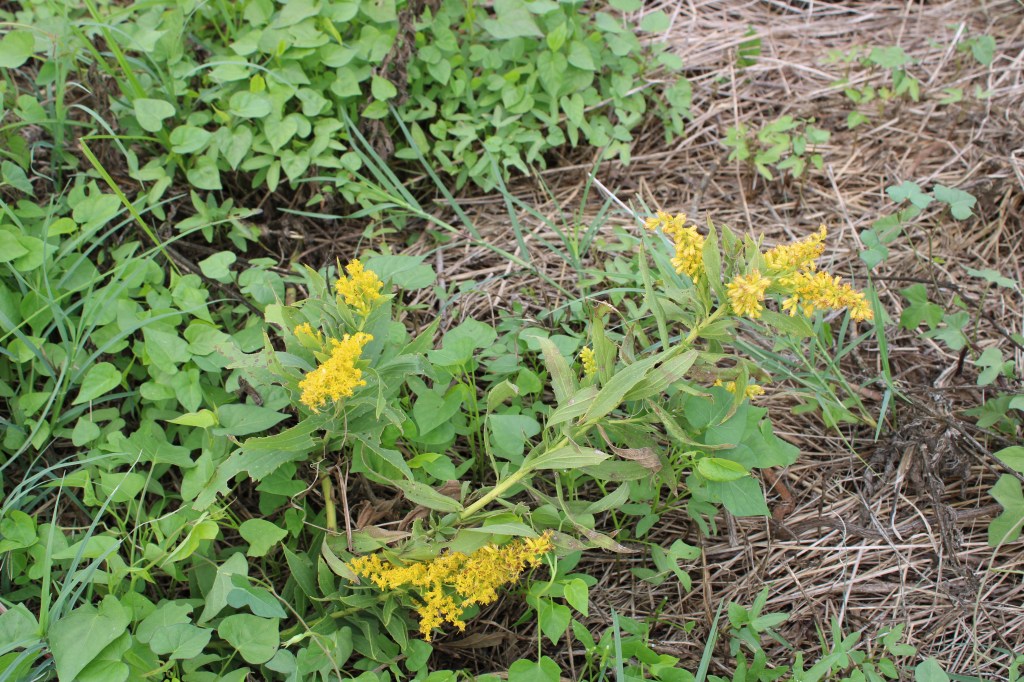
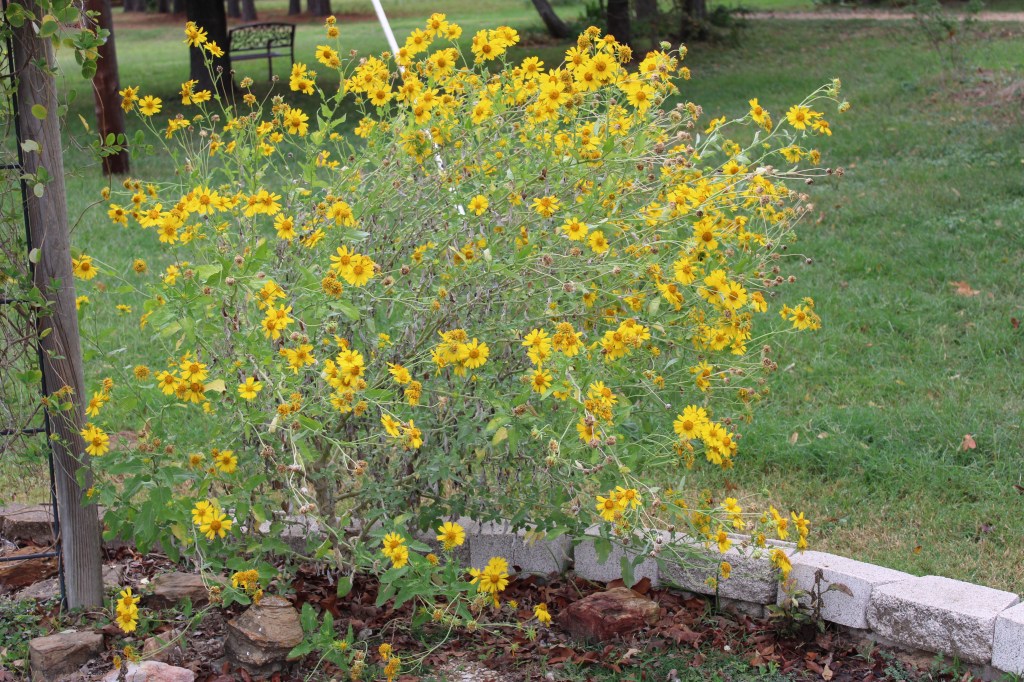
Here are just a few photos I took on October 25 on our property in Milam County, Texas.
Who are YOU gardening for?
Good Luck Froggy

by Catherine Johnson

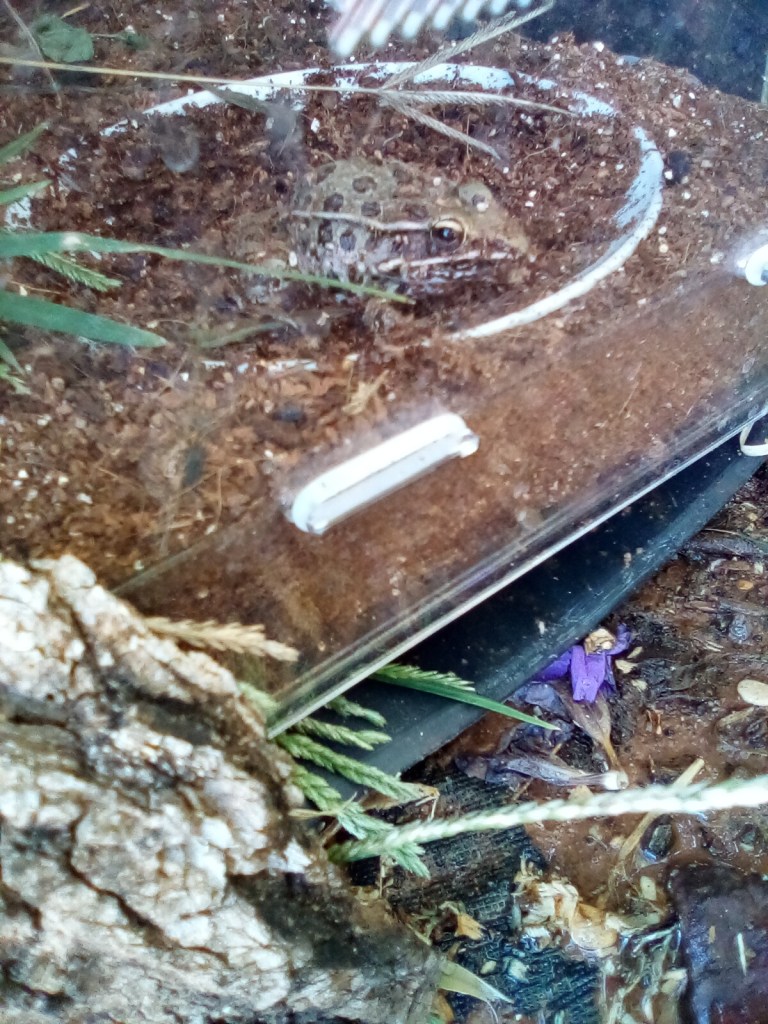
For several months I have been caring for a leopard frog that was hit by a weed eater and sprayed with roundup by accident. I rinsed him in water, but his leg was badly hurt. I put him in a small container with moist paper towels. 

As he improved, I started letting him swim in a sink as I straightened his leg and foot. 

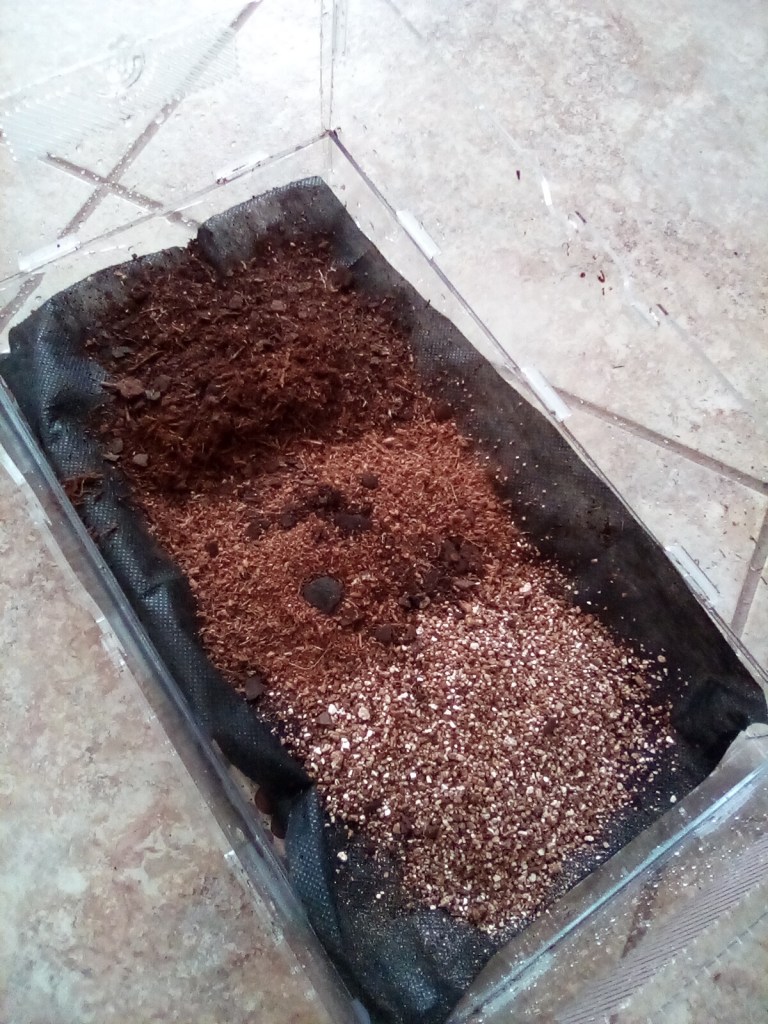
I bought and caught crickets for his food and purchased a frog habitat. He drank water through his skin from a dish.

I learned they are quite happy living like this, then I noticed he stopped eating. This is natural when they start to hibernate.

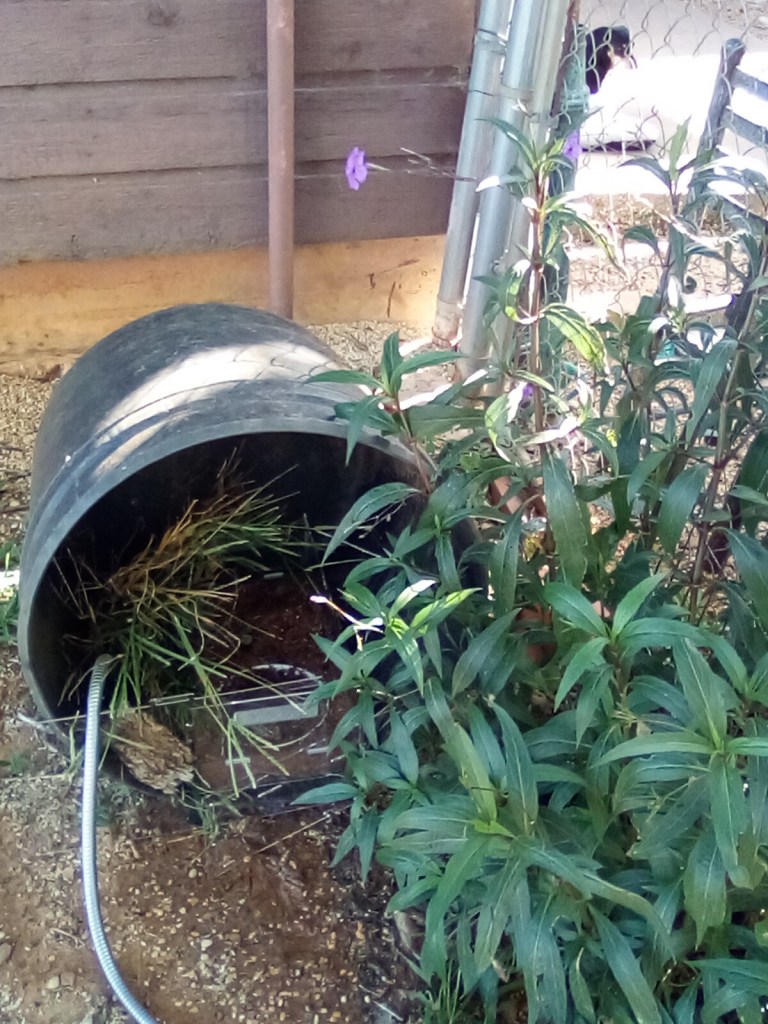
So, I made the decision to let him go, as it is cooler. I fixed a safe, wet outdoor habitat and still add crickets. I miss him – I would cover him up at night,  open his window in the morning, watch him snatch the crickets, and enjoy when he would swim up to my hand. 

Autumn at the Wildscape

by Catherine Johnson

The Milam Master Naturalist Wildscape  is a beautiful sight now after rain and cool weather.  Visit before winter and harvest native plants and seeds. 

Great pictures are to be had for BioBlitzers too. 

The highlight of last workday was a family enjoying the garden. 

Our members continue to provide fantastic items like Jackie’s Butterfly bath and Janice’s Agaves.

A Winter Mealworm Feeder for the Bluebirds

by Donna Lewis

I love the Bluebirds.  In the winter I try to help them out by feeding them dried mealworms.  They probably like live worms more, but they are more expensive and harder to get. But a little help during harsh weather is still a good thing.

Every year I hate to see the dried worms ruined by rain or ice. However, the Bluebirds will not use any feeder that is closed in. They want an open platform with a perch on it. They do not like anything that they have to go inside.

I have tried many types of feeders marketed for them. They have not worked.

I have been watching the birds for years, so I know what they do. I thought maybe a clear container with a small cover might do. I placed it on a square plywood board, put a back board on the North side to block some of the rain and wind, then watched to see if that would even take a chance and go for the worms.

Success!!  They did. Boy, was I excited.  Now, I will see what happens when the severe weather arrives.  That will be the real test.

They do not like rope or bungee cords attached to the feeder. They might think they are snakes?  I don’t know.  I hope the wind does not blow the feeder off.

Anyway, we will see soon if the feeder keeps some of the worms dry.

You have to observe our wild friends to see how they feel about something we have made for them.  Think like a bird. Keep learning by observing.

Who are you gardening for?

Learning about Squirrels

by Catherine Johnson

Master Naturalists attended a squirrel program at All Things Wild. Here are some things we learned.

The smallest is the Pigmy 3.9 inches, while the largest- Buthan at 4 feet.

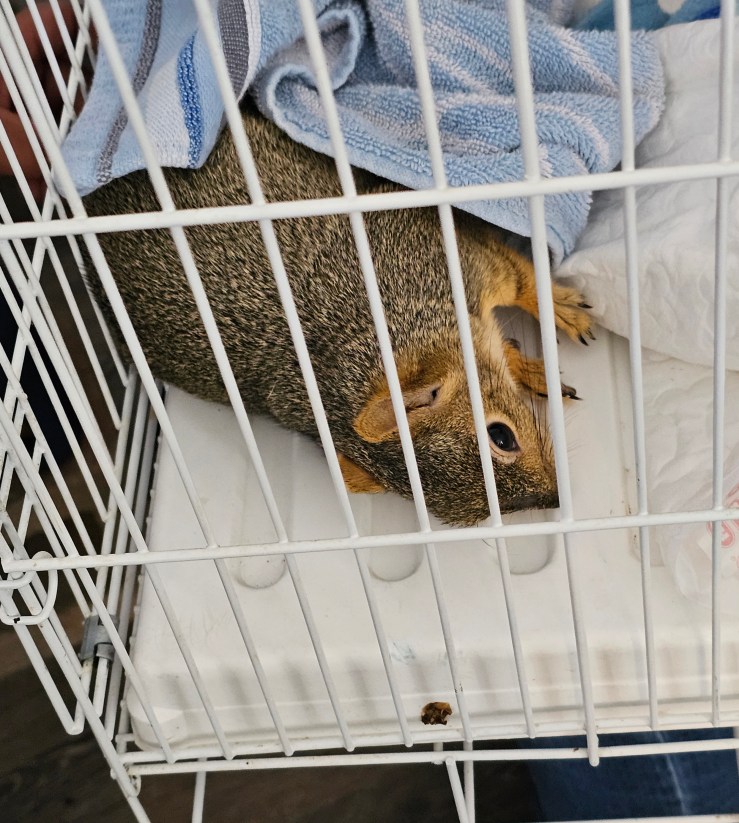
Texas has mostly Fox squirrels. They nest in trees while Rock squirrels nest in the ground. All have excellent hearing and smell and can detect food a foot under snow. When they lay down flat and stretch out to cool it is called a “sploot.”

Tails are used to signal, parachute, cool off and provide shelter. The most interesting fact is that they can rotate their ankles 180 degrees to enable them to climb face down, as seen in the picture of Violet.

If you find a ” Pinky” baby, put it in a warm box with a rice filled sock warmed in the microwave. A mom will not claim a cold baby and baby squirrels do not have body heat. Keep predators away! If after four hours the mother has not claimed it, bring it indoors. Never leave it in the dark. Hydrate the baby with a few drops of water or Pedialyte, very slowly with a dropper. Do not let the baby get too hot on a heating pad. Raising squirrels requires detailed instructions and about 3-4 months until they can be released.

Pictures below show ages based on their tail sizes. Violet came to the shelter disabled and is now an ambassador.

Squirrels adapt to urban areas, help plant trees, and are a natural resource. Sign up for the ATW newsletter and be sure to call them for help in dealing with injured wildlife.