
by Sue Ann Kendall
One of my favorite pastimes is seeing how many birds I can identify in new places. I’ve found that taking along my favorite electronic helper, Merlin Bird ID is very helpful and also allows me to contribute to the eBird database. This may even get me some volunteer hours as a Master Naturalist, though I admit I do it for fun even when I’m on my property or out of state. Want to join me? Here are some hints.
Before You Start
Before you head out, be sure to download Merlin Bird ID onto your phone and get your account set up. It’s free! Charge your phone up, too. Then get your hat, notebook, binoculars, spare batteries, and water. You may spend longer with the birds than you expect to. It’s hard to stop!
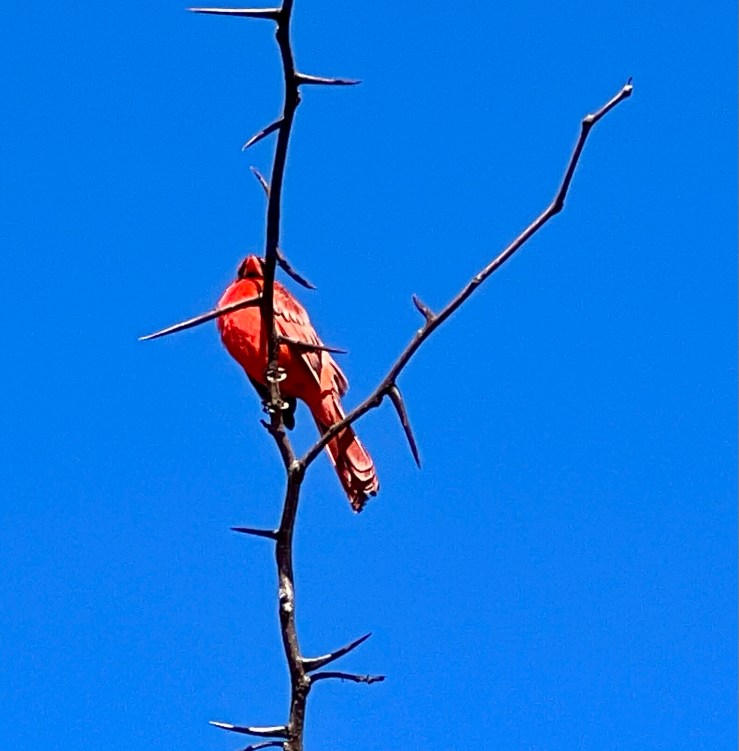
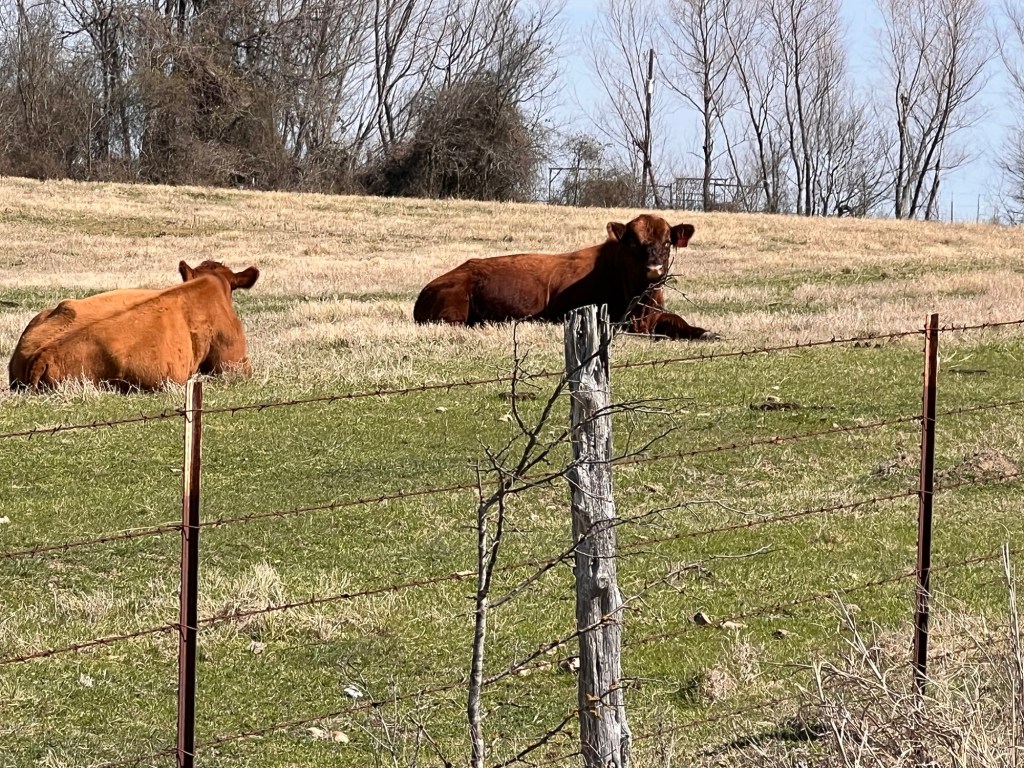
You can go anywhere you want, but I prefer county roads with little traffic and a variety of habitats. Going past water may get you some herons, ducks, or a kingfisher. Fields and prairies are good for sparrows, meadowlarks, starlings, and hungry raptors. Woodlands have woodpeckers, owls, songbirds and more. I find the best birding in places with open space that are near cover (brush or woods). I often park at a friend’s house and take off from there.
Once I get to the area where I’ll be birding, I do an important thing in Merlin – I set the location for bird recommendations to where I am. That’s important, because Merlin suggests birds likely to be where you are. That may not matter if you’re just a mile or two from your house, but if you’re in another part of Texas or even farther away, you’ll want to know what’s likely to be there. You can use the list of birds found under the “Explore” option in Merlin to check what’s likely to show up so you’ll know what to look for (for example, does your locale have Ravens or only Crows? Does your area have Tufted Titmice or Black-crested?).* In the example below, I was making sure there are still Sandhill Cranes around this time of year at my house.


Another important preparation is to tell your phone to send your calls to voicemail. Every time you get a call, it stops the Merlin recording. I usually use an iPhone setting that lets important calls through, but not spam. Just save the recording if a call interrupts.
Bird Walking
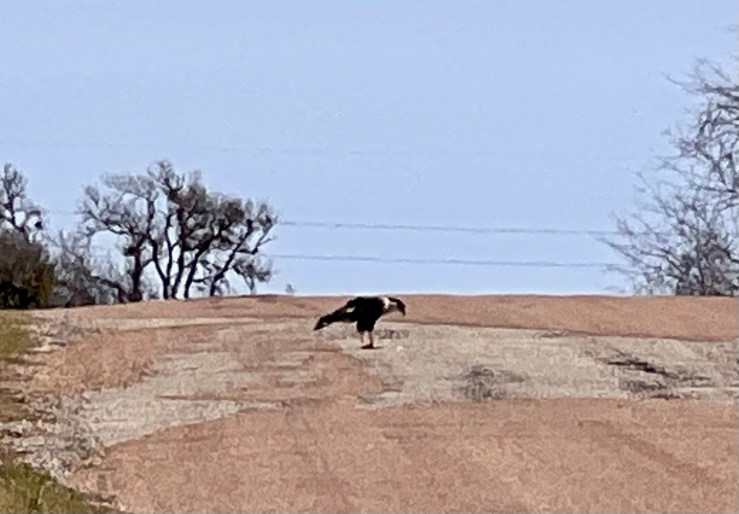
Now you can start your bird walk. Start Merlin on Sound ID as soon as you hear a bird. It’s a good idea to stand still while listening, so your footsteps don’t interfere and so the app can identify sounds more easily. Be ready to photograph any birds you see, because Merlin can identify birds from photos as well as sound. Remember that not every bird is going to make sounds, so be on the lookout for those vultures (Black have white wing tips and Turkey have the “thunderbird” shape on the underside of their wings).

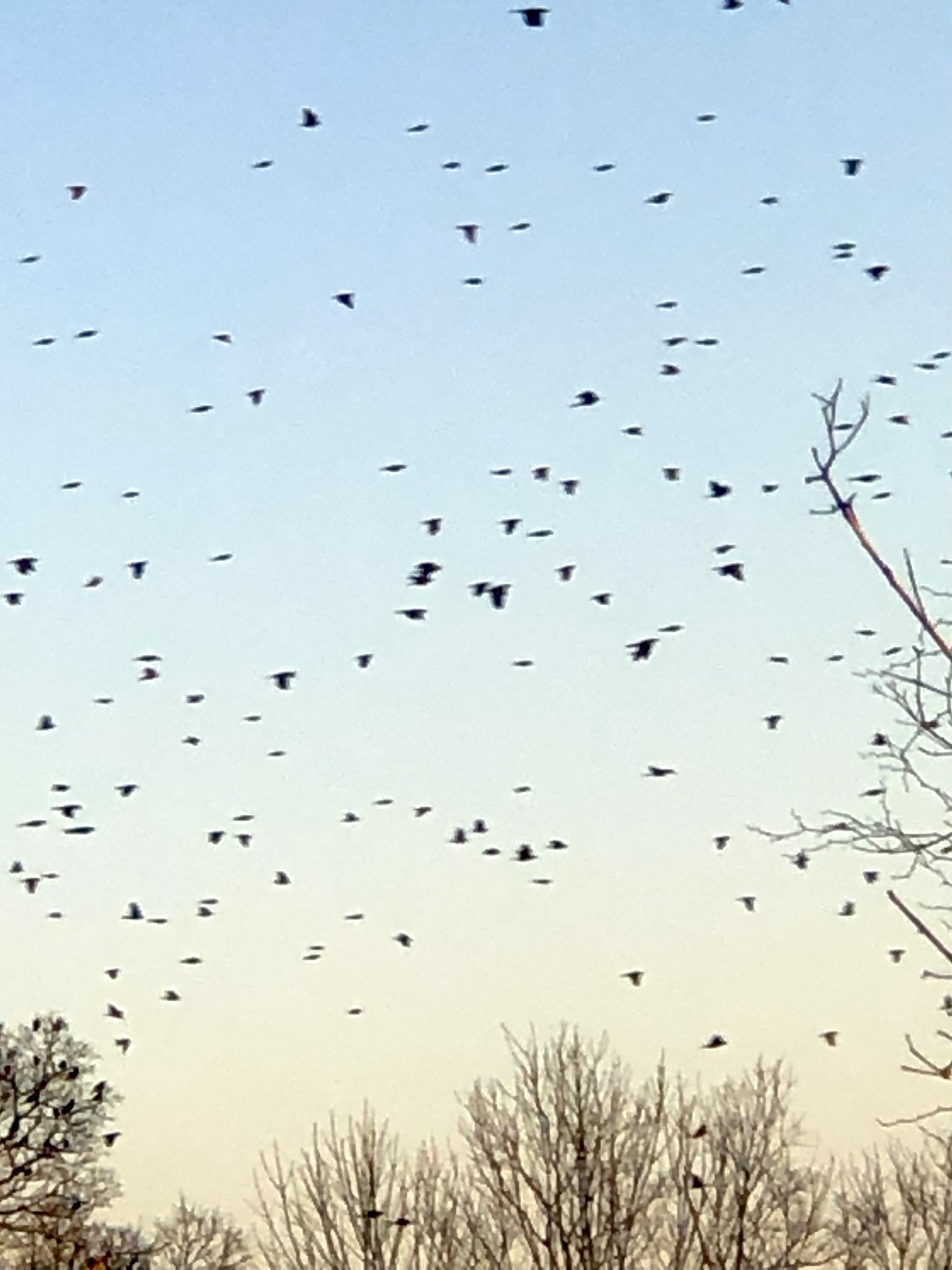
You may also hear birds that Merlin doesn’t register – for example, I just heard Sandhill Cranes flying overhead, but they were very high in the sky, so they didn’t get picked up by the phone microphone. I did get a photo of them, but even if I hadn’t, I could count them since I know what they sound like. Owls are also notoriously hard for Merlin to identify.

What I do on these walks is stop whenever I hear a bird or birds and let Merlin record them. You may not get very far if the birding is good, but move on when you’ve heard everything in the area. It’s so much fun watching birds show up on the app! I also look around to see if I can see or photograph the bird. Soon you will know what birds are around you by their calls and songs with Merlin’s helpful training. I love this in the summer when the trees are leafed out. I finally got to see Painted Buntings last year thanks to Merlin. And I’ll never forget the sound of passing Eastern Bluebirds and Lesser Yellowlegs as they go overhead out of sight.
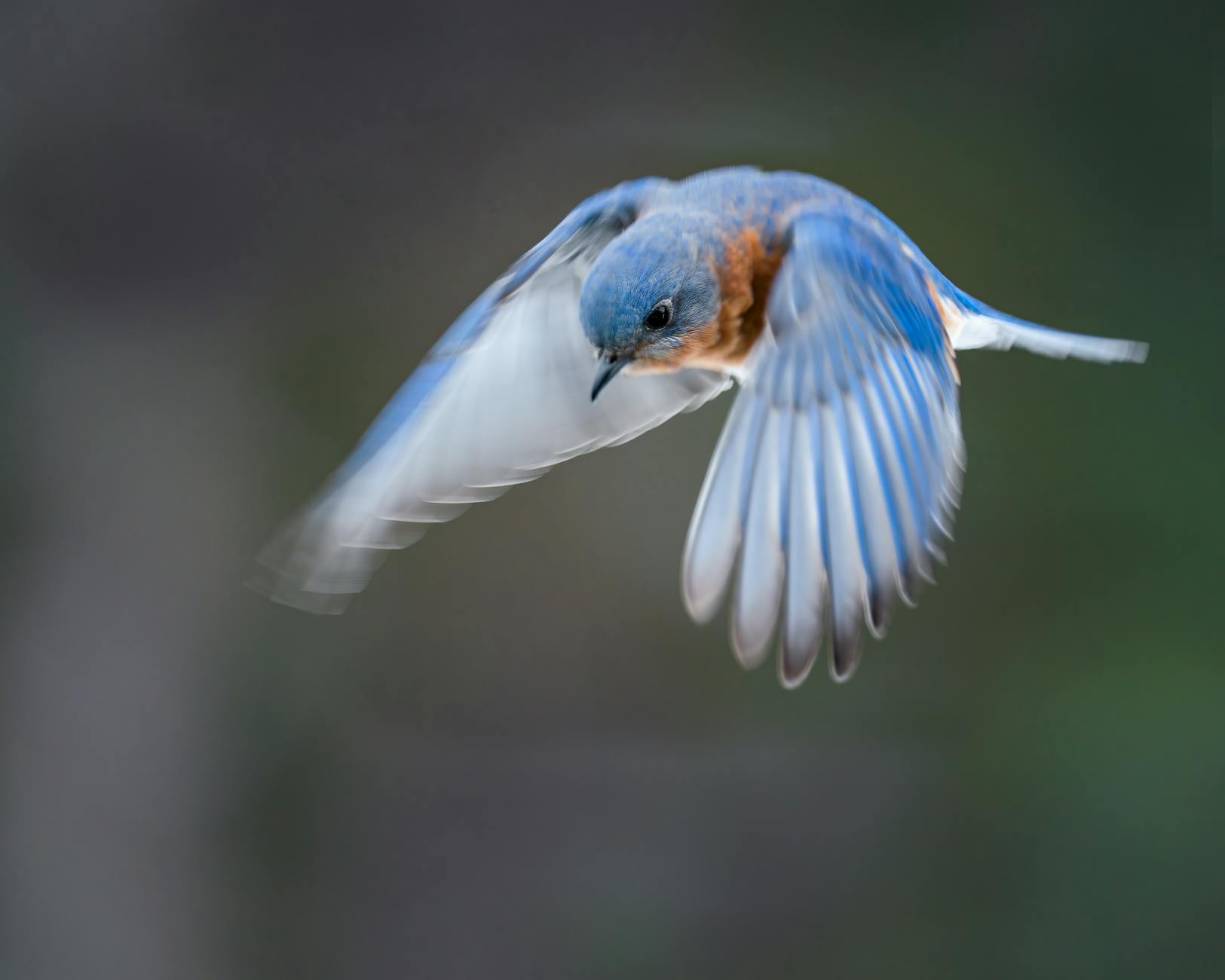
I usually listen for 20-30 minutes, then save the recording. Those files aren’t too big and I can review them later to record them. You can select a bird Merlin identifies and click “this is my bird” to save it in eBird. Give the location a good name, so you can later figure out where you were. Good examples are the name of a trail, road name, landmark, state park name, etc. Record them as you see them, because if you try to add them later, you’ll not have the right location and you’ll have to find where you were manually. You can make an eBird checklist when you get home, if you like, though.
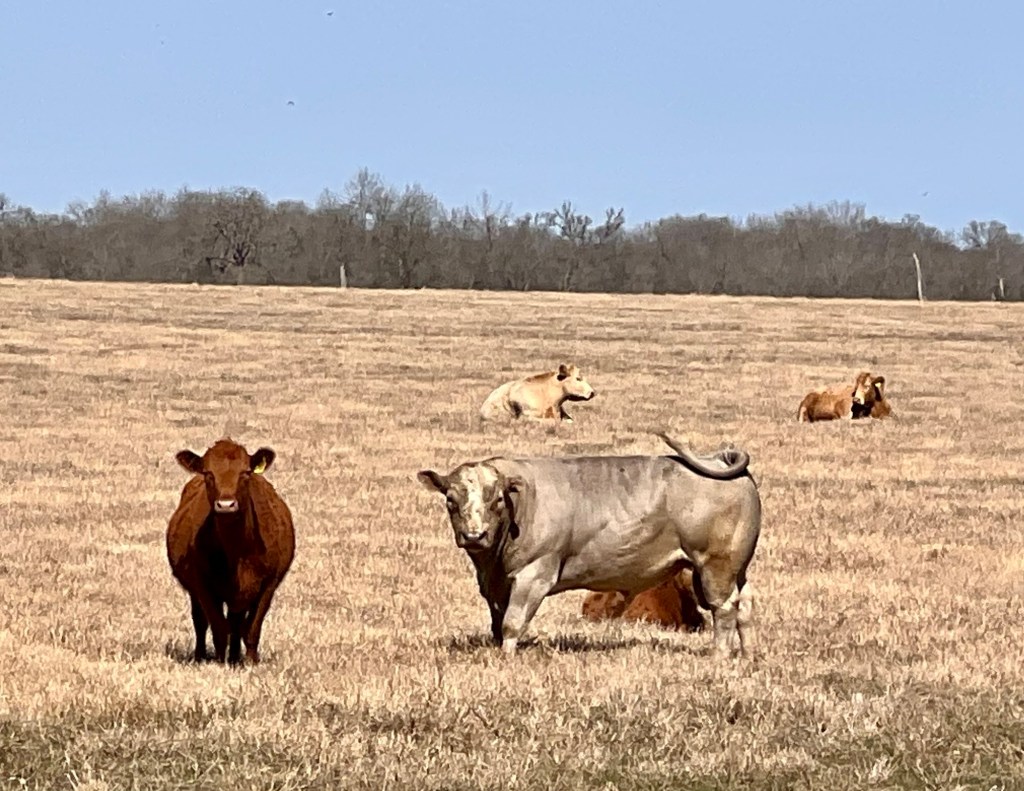
On a long walk you might end up with two or three recordings, and a bunch of photos, which you can put on Merlin or in iNaturalist, too. You might get a surprising number of species if you’re patient. Use Merlin to read more about birds that are new to you. It will describe the bird and show you its range, which can be surprising.
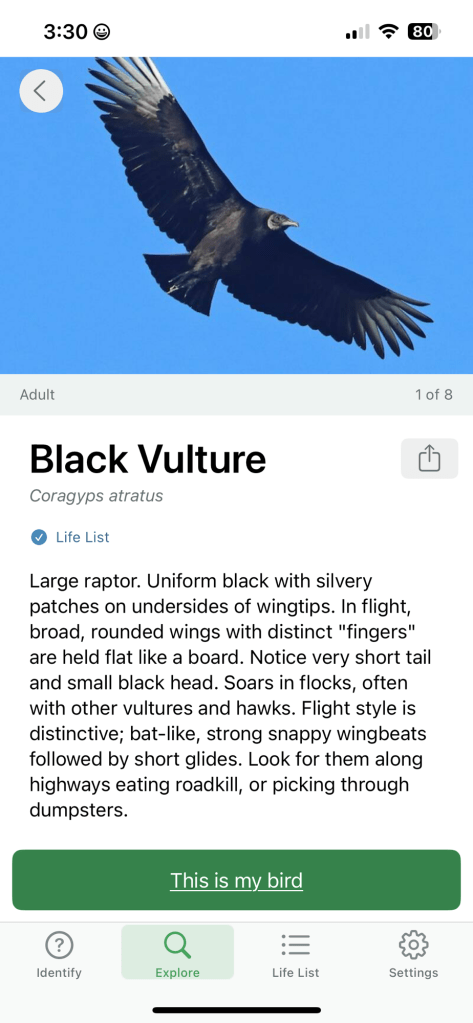

The more you walk around with Merlin open and listening, the more you’ll learn about the birds wherever you are. I’ve learned all about the birds where I travel, and conveniently use Merlin to add them to a life list Merlin tracks. If you’ve got a few minutes to spare, take a walk down a country road with Merlin!

Just for your information, here’s what I usually do. At home I only put new birds or birds seen at an unusual time in eBird, since I’ve recorded them many times. I have a notebook where I write down the birds I see and hear on Merlin every day and I track sightings monthly on a spreadsheet, which then goes in my blog. It’s fun to see which birds show up in different seasons. I’m a little obsessed, but everyone needs a hobby, right?

*Be sure to set your location back to your home base when you return. I realized this morning that Merlin was looking for birds at Inks Lake, not Milam County.




 Nature Along the El Camino Real