Out-of-Sight Parasite

by Lisa Milewski

Why Do Birds Sunbathe?

As I look out the window, as I often do to bird and butterfly watch, to my surprise, I see these European Starlings all laying on the ground with their wings spread out. At first, I thought they fell to the ground due to the extreme heat and were in trouble. 
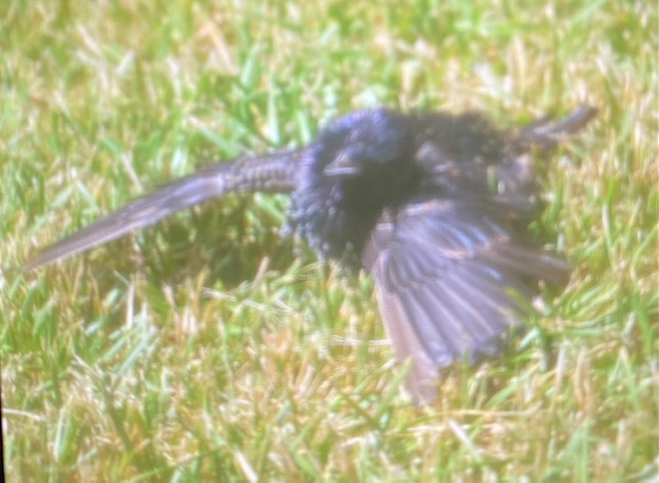
Photos were taken through a window, to not frighten the birds, so they are a little blurry.

I then looked up why the birds would do this and if intervention was needed and I found this:

According to an online Audubon Society article called “Hot, Bothered, and Parasite-free: Why Birds Sun Themselves,” when it is hot enough, they do this not only for warmth and dryness but to rid themselves of parasites living on their skin and feathers. 

It’s not known exactly how sunlight might kill the parasites; however, scientists believe that short blasts of heat, UV radiation, or some combination of both from the sun’s rays is likely the cause. The researchers found that even in a relatively short time in the direct sunlight, around 10 minutes, heated the wings to 140 to 160 degrees Fahrenheit, which far exceeds the temperatures required to kill bedbugs, for example, which die at around 120 degrees. According to another study, 84% of other parasites, such as lice, died in direct sunlight at 140 degrees Fahrenheit in three minutes. At 158 degrees they all perished. 

There are birds from more than 50 families that sunbathe, including birds of prey, rails, doves, larks, swallows, thrushes, finches, buntings, and more, though they may bathe for different reasons and different times.  

Learning about Raccoons

by Catherine Johnson

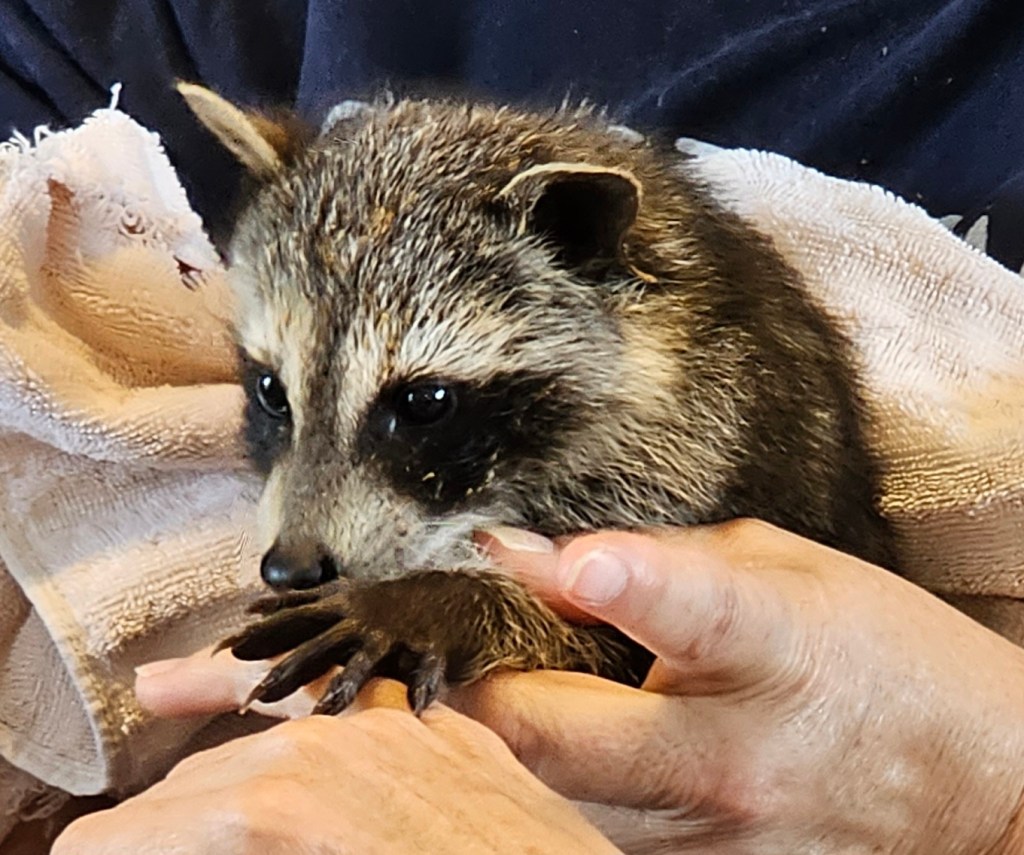
Master Naturalists attended a recent All Things Wild (our region’s wildlife rehabilitation center) program on raccoons. They are more active than the opossums we learned about recently and require much care from the TPWD-permitted volunteers. 

Raccoon presentation, from the ATW Facebook page.

Some facts about racoons:

  • Raccoons eat almost anything, and rub items between their hands in water to tell what kind of food they have.
  • Babies stay with their mothers for five months.
  • They purr when happy.
  • Their fur is not waterproof, so they do not swim much. 

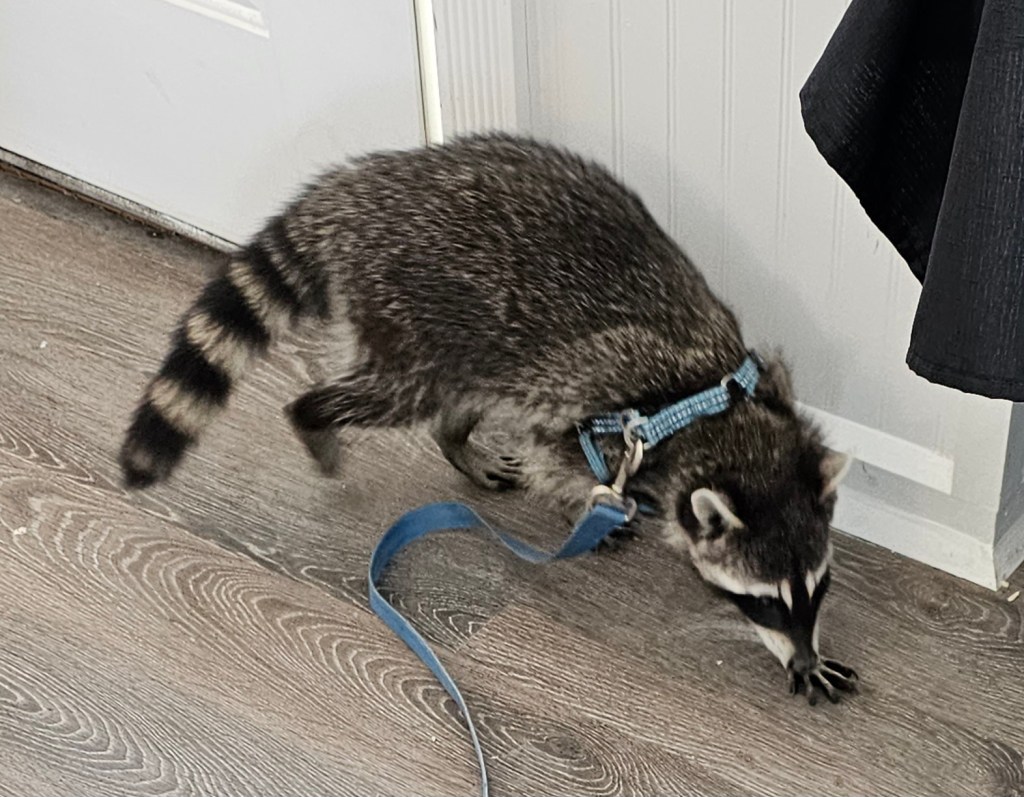
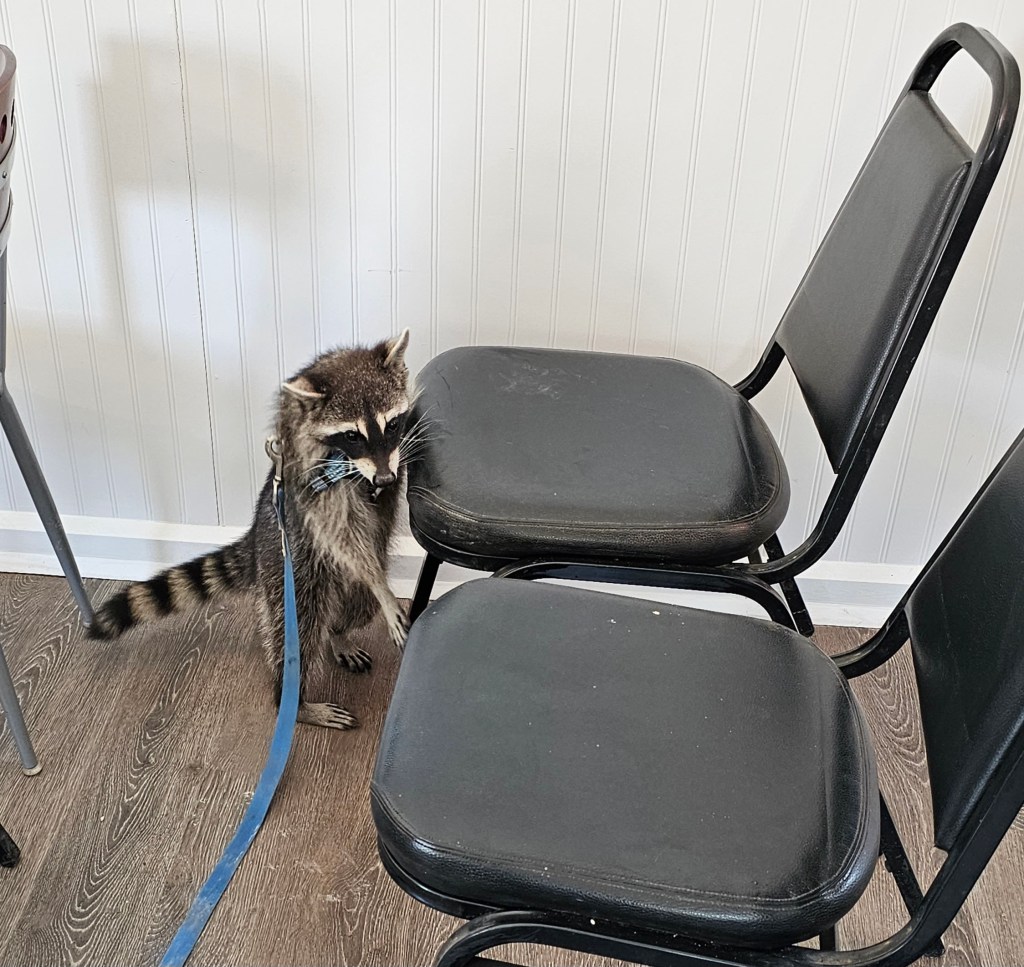
We were informed by the presenters of disease risks with racoons and how to humanely get them to leave your property.  They do not make good pets, and as always, you should contact a rehabilitation center if in need of help with them. 

You can see some of the reasons not to keep raccoons as pets in this photo from the ATW Facebook page.

Animal Ambassador River lives at the center and is blind and has seizures. 

Exciting news from All Things Wild is that there are plans underway to acquire permanent land for an expanded center nearby with direct access from a highway. 

By the way, make sure you sign up quickly for their programs, as they fill up within two hours.

There Are Still Birds Nesting Right Now

by Donna Lewis

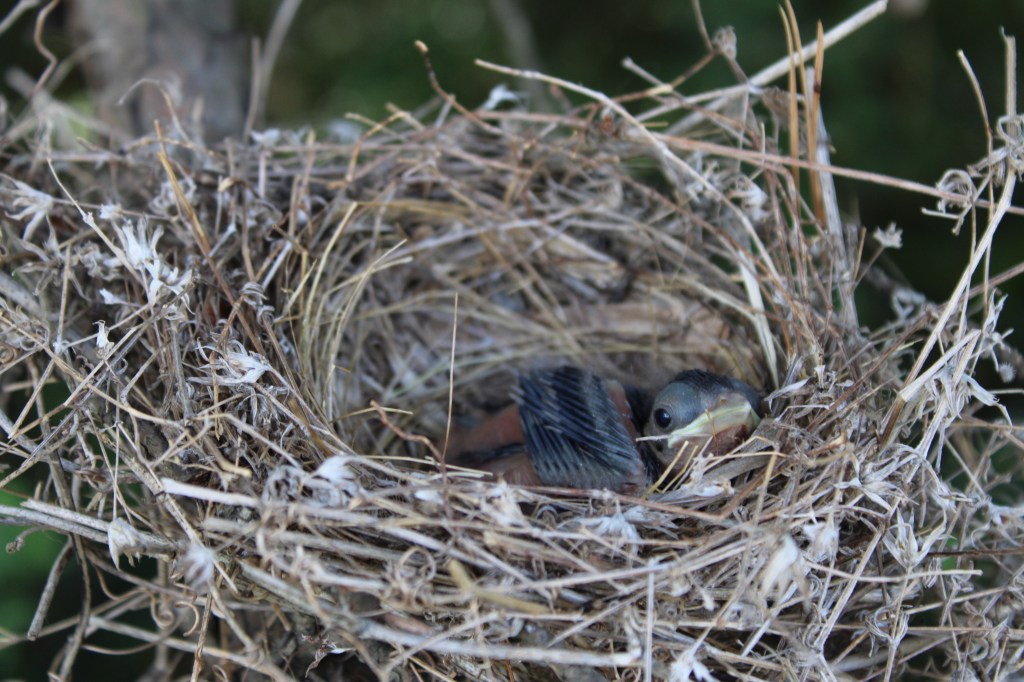
Yes, I thought most of our local birds had finished with having babies still in the nest. It is way too hot to tend to them. I was very surprised when my Linda cut a branch off that she kept heading her head on, to find a Cardinal nest about ten inches from the cut.

Now the nest is pretty much open to the elements. I cannot move it; it is too fragile.

There is one baby in it. I have been watching it with my binoculars for three days now, and thankfully the baby is still safe. The mother is still feeding it. I pray every night that a predator doesn’t find it.

So, keep in mind while you trim branches, there are still babies in their nests now in late July.

Be watchful.

Land Trust Info at July Chapter Meeting

by Sue Ann Kendall

Last night’s Chapter Meeting was very informative and a lot of fun. We even had a couple of visitors, and that prompts me to remind you that anyone who happens to be in Cameron, Texas on the second Thursday of any month is welcome to join us at All Saints Episcopal Church. Potluck at 5:30, followed by our program. The monthly meeting follows the presentation. At this month’s meeting, we were privileged to learn from a presentation on land trusts and conservation easements and how they work, from Melanie Pavlas and Lauri Mason, Executive Director and Outreach Manager for Pines and Prairies Land Trusts. This was especially relevant, since Milam County is now a part of the area served by Pines and Prairies.

Melanie shared her passion for land trusts with us.

As we were listening to how land trusts can preserve land from being over-developed, yet let the owners live on the land and farm/ranch just as they always had, many ears perked up. I think they’ll be getting a few phone calls from Master Naturalist landowners! Melanie and Lauri both said they love to talk to folks about what they do, and promise they aren’t trying to sell anything. But, honestly, if one’s heirs aren’t interested in preserving land for use by native plants and animals, this sounds like a great idea.

Please visit their website to learn more about how you can enjoy your land and ensure its preservation in the future.

As usual, we had some milestones to mark, and this month we honored Neil Wettstein for achieving his initial certification, as well as Ellen Luckey from our most recent class for also getting in her first year’s certification in addition to the initial one. Whew.

Members Pamela Neeley, Cindy Rek, and Gene Rek were recertified for 2023. Congratulations to all.

Ellen Luckey, Pamela Neeley, Carolyn Henderson (Chapter President), Neil Wettstein, Cindy Rek, and Gene Rek

There was also some fun, as our cheerleader and iNat superhero, Linda Jo Conn, presented Eric Neubauer with a “Big Spider Badge” in honor of his contributions and of the fact that he’s presenting a talk at the upcoming 2023 Texas Master Naturalist meeting.

Eric self designated it, the badge says. That was fun.

After the meeting, we were joined by Dale Kruse, plant expert extraordinaire (especially mosses and bryophytes, he will tell you), held an orientation meeting for the group of folks who are going to take a class on grass identification with him. Having done this twice myself, I know they will learn so much they’ll feel like their heads will explode, but it will be fantastic. We’re lucky to have people so willing to share their time and expertise with us.

Learning about Opossums

by Catherine Johnson

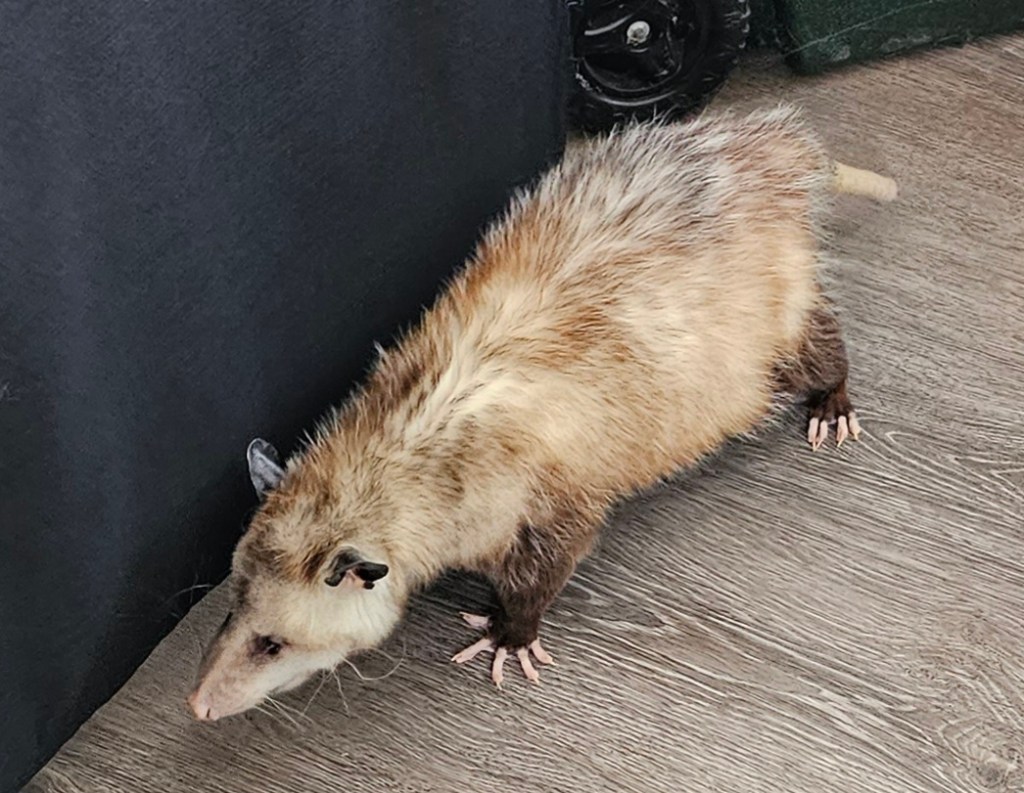
Master Naturalists Patricia and Catherine attended an All Things Wild program on opossums. Sign up early for these programs, as they fill up fast.

Opossums are beneficial to have around for many reasons. For example, each one eats about 5,000 ticks a year, and they eat all venomous snakes except for coral snakes. 

Here are some more opossum facts:

  • They are unlikely to carry rabies because their body temperature is too low. 
  • If you relocate them, make sure it is in a safe place near water. 
  • A dead opossum may have babies in its pouch. If you can get them, keep them warm and take them to a rehabilitation facility.
  • A mom can have delayed conception; she decides the best time to mix sperm with her eggs.

So much to learn!

We were able to interact with Beteljeuce and others, as well as ask questions. We were also offered refreshments. 

What a wonderful place to have near Milam County.